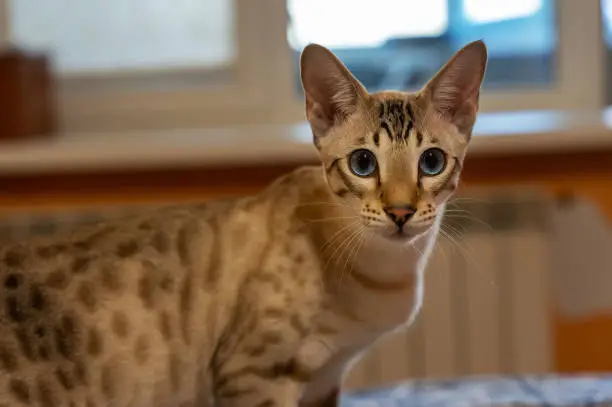
The Balinese cat breed is often described as the perfect blend of elegance, intelligence, and affection. With its silky, flowing coat, striking sapphire-blue eyes, and graceful movements, the Balinese easily captures attention. But beneath its beautiful appearance lies a playful, highly intelligent companion that thrives on human interaction and forms deep bonds with its family.
Although many people assume the Balinese is simply a long-haired Siamese, this remarkable breed has developed its own identity and loyal following among cat enthusiasts worldwide. Known for being vocal, athletic, and incredibly social, Balinese cats are ideal for owners who want a pet that actively participates in everyday life.
In recent years, the breed has gained popularity thanks to its relatively low-maintenance coat, impressive intelligence, and reputation for producing lower levels of the Fel d 1 protein, making it a popular choice for some people with mild cat allergies.
Whether you’re researching the breed before adopting a kitten or simply curious about these elegant felines, this comprehensive guide covers everything you need to know. From the breed’s fascinating history and physical characteristics to its personality, care requirements, health, and ownership costs, you’ll find practical information to help you decide whether the Balinese cat is the right companion for your home.
For more information about feline health and responsible pet ownership, you can also explore the American Association of Feline Practitioners, Cat Fanciers’ Association, and The International Cat Association, which provide valuable educational resources for cat owners.
Balinese Cat Breed Overview
What Is the Balinese Cat Breed?
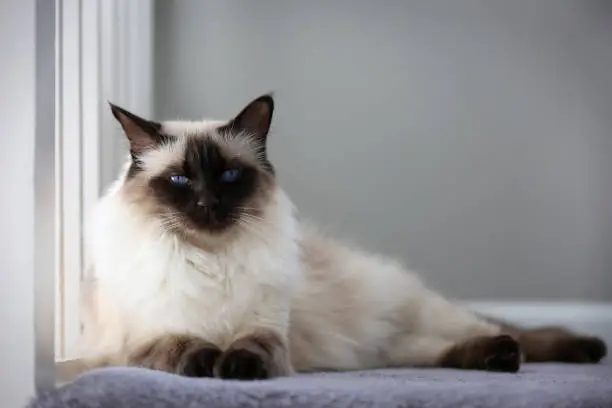
The Balinese cat is a naturally occurring long-haired variety of the Siamese cat. It shares many of the Siamese’s defining traits, including its slender body, vivid blue eyes, pointed coat pattern, and outgoing personality. The primary difference is its luxurious semi-long coat and graceful feathered tail.
Despite its elegant appearance, the Balinese is an active and playful cat that enjoys climbing, solving puzzles, and spending time with its family.
Breed Classification
The Balinese belongs to the following classification:
- Species: Domestic Cat (Felis catus)
- Breed Group: Oriental
- Breed Type: Purebred
- Coat Length: Semi-long
- Body Type: Oriental, slender, athletic
The breed combines beauty with intelligence, making it one of the most admired companion cats.
Is the Balinese a Purebred Cat?
Yes.
The Balinese is recognized worldwide as a purebred cat by leading feline organizations. Although it originated from naturally occurring long-haired Siamese cats, decades of selective breeding established consistent breed standards.
Today, reputable breeders carefully preserve the breed’s:
- Elegant body structure
- Long silky coat
- Blue eyes
- Point coloration
- Friendly temperament
- Excellent health
Relationship to the Siamese Breed
Many people wonder whether the Balinese and Siamese are different breeds.
The answer is both simple and interesting.
The Balinese developed from Siamese cats carrying a recessive gene responsible for long hair. Aside from coat length, both breeds share many characteristics:
- Similar body shape
- Blue almond-shaped eyes
- Color-point coat
- High intelligence
- Vocal personality
- Strong attachment to people
Because of these similarities, many experts describe the Balinese as the long-haired Siamese.
Why Is It Called the Balinese Cat?
Contrary to popular belief, the Balinese cat has no historical connection to the island of Bali.
Breeders chose the name because the cat’s elegant movements reminded them of the graceful dancers found in traditional Balinese performances.
Rather than referring to the breed’s origin, the name celebrates its beauty and fluid movement.
Is the Balinese Cat Actually From Bali?
No.
The breed originated in the United States, not Indonesia.
Its name simply reflects its graceful appearance rather than its geographical origin.
Recognition by Major Cat Associations
The Balinese enjoys worldwide recognition from major cat registries.
| Organization | Recognition Status |
|---|---|
| CFA (Cat Fanciers’ Association) | Fully Recognized |
| TICA (The International Cat Association) | Fully Recognized |
| GCCF (Governing Council of the Cat Fancy) | Recognized |
| FIFe (Fédération Internationale Féline) | International Recognition |
Recognition ensures breeders follow established standards that promote healthy, well-socialized cats.
Balinese Cat Breed at a Glance
| Feature | Details |
|---|---|
| Origin | United States |
| Breed Type | Purebred, Oriental |
| Size | Medium |
| Weight | 5–10 pounds |
| Height | 8–11 inches |
| Lifespan | 15–20 years |
| Coat Type | Single Coat |
| Coat Length | Semi-long |
| Eye Color | Deep Blue |
| Coat Colors | Seal, Blue, Chocolate, Lilac, and others |
| Temperament | Intelligent, Affectionate, Social |
| Intelligence | Very High |
| Energy Level | High |
| Affection Level | Extremely High |
| Grooming Needs | Moderate |
| Shedding | Low to Moderate |
| Trainability | Excellent |
| Family Friendly | Excellent |
| Good with Dogs | Usually Yes |
| Good with Cats | Excellent |
| Hypoallergenic | More allergy-friendly than many breeds (not completely hypoallergenic) |
History and Origin of the Balinese Cat Breed
The Balinese has a fascinating history that began with an unexpected genetic surprise.
Development from the Siamese Cat
The breed traces its ancestry directly to the Siamese cat.
Occasionally, purebred Siamese cats produced kittens with noticeably longer coats due to a naturally occurring recessive gene. Initially, these kittens were considered unusual and were not accepted in traditional Siamese breeding programs.
Over time, however, breeders realized these long-haired cats possessed all the wonderful qualities of the Siamese while offering an even more elegant appearance.
The Natural Long-Haired Mutation
Unlike many cat breeds created by crossbreeding, the Balinese developed naturally.
The long coat resulted from a genetic mutation, not from crossing Siamese cats with Persians or other long-haired breeds.
When two Siamese carrying the recessive long-hair gene produced kittens together, some offspring inherited the beautiful silky coat that eventually became the breed’s signature feature.
Early American Breeding Programs
Dedicated breeders in the United States recognized the potential of these elegant cats during the mid-20th century.
Their goals included preserving:
- Slender body type
- Point coloration
- Brilliant blue eyes
- Friendly personality
- Graceful movement
- Long silky coat
These careful breeding efforts laid the foundation for today’s Balinese breed.
How the Breed Was Established
Establishing a new breed required years of selective breeding and careful documentation.
Breeders consistently selected cats that demonstrated:
- Healthy genetics
- Correct body proportions
- Elegant movement
- High intelligence
- Consistent coat quality
- Gentle temperament
As more kittens met these standards, official recognition became possible.
Official Recognition Around the World
Over time, major feline organizations accepted the Balinese as an independent breed.
Recognition helped:
- Standardize breeding practices
- Improve genetic health
- Increase public awareness
- Encourage responsible ownership
Today, the breed enjoys worldwide popularity among cat lovers.
Evolution of the Modern Balinese
Modern Balinese cats remain remarkably similar to their early ancestors.
Responsible breeders continue to focus on:
- Strong health
- Excellent temperament
- Athletic build
- Rich point coloration
- Long lifespan
- Silky coat quality
As a result, today’s Balinese combines beauty, intelligence, and good health.
Interesting Historical Facts
- The Balinese did not originate in Bali.
- It is a naturally long-haired Siamese cat.
- Early breeders initially struggled to gain official recognition.
- The breed’s name reflects graceful movement rather than geographic origin.
- The Balinese remains less common than the Siamese.
Balinese Cat Breed Appearance
The Balinese is often considered one of the most elegant domestic cat breeds.
Its graceful physique, silky coat, and expressive eyes create a refined appearance that sets it apart.
Overall Physical Characteristics
The Balinese combines athletic ability with remarkable elegance.
Common features include:
- Slender body
- Fine bone structure
- Long neck
- Long legs
- Plumed tail
- Large ears
- Blue eyes
- Graceful posture
Every part of the breed contributes to its sophisticated look.
Elegant Body Shape
The body is:
- Long
- Lean
- Muscular
- Flexible
Although lightweight, Balinese cats are surprisingly strong and agile.
Wedge-Shaped Head
The breed features a distinctive wedge-shaped head with smooth, refined lines.
Key characteristics include:
- Straight profile
- Narrow muzzle
- Firm chin
- Balanced facial proportions
Large Pointed Ears
Large triangular ears create the breed’s alert appearance.
They are:
- Wide at the base
- Upright
- Well spaced
- Proportional to the head
Almond-Shaped Blue Eyes
One of the Balinese’s most captivating features is its brilliant blue eyes.
Their eyes are:
- Deep sapphire blue
- Almond shaped
- Slightly slanted
- Bright and expressive
These striking eyes are an essential part of the breed standard.
Long Neck
The graceful neck complements the cat’s elegant body and contributes to its refined appearance.
Fine Bone Structure
Although delicate-looking, the Balinese possesses:
- Strong muscles
- Light bones
- Excellent balance
- Impressive athletic ability
This combination allows the breed to jump and climb with ease.
Long Legs
The legs are:
- Slender
- Long
- Well proportioned
The hind legs are slightly longer than the front legs, enhancing agility.
Plumed Tail
The Balinese’s luxurious tail is one of its signature features.
It is:
- Long
- Thin
- Flexible
- Covered in silky feathering
The flowing plume gives the breed an especially graceful appearance.
Graceful Movement
Watching a Balinese walk is often compared to watching a ballet performance.
Their movement is:
- Smooth
- Silent
- Balanced
- Fluid
- Athletic
Balinese Cat Coat
The Balinese coat combines beauty with practicality.
Unlike many other long-haired breeds, it requires relatively little maintenance.
Coat Texture
The coat is:
- Silky
- Soft
- Fine
- Lightweight
It feels luxurious without becoming heavy or dense.
Silky Semi-Long Hair
The Balinese wears a semi-long coat that lies close to the body and flows naturally during movement.
The coat gives the breed its elegant appearance while remaining easy to care for.
Single Coat vs. Double Coat
One of the breed’s greatest advantages is its single coat, which lacks the thick undercoat found in many long-haired cats.
| Feature | Single Coat (Balinese) | Double Coat |
|---|---|---|
| Undercoat | No | Yes |
| Shedding | Lower | Higher |
| Matting | Rare | Common |
| Grooming | Easier | More Frequent |
Because there is no dense undercoat, tangles are uncommon.
Why Their Coat Rarely Mats
The silky texture and single-layer coat allow loose hairs to fall away naturally.
Weekly brushing is usually enough to keep the coat healthy and beautiful.
Seasonal Shedding
Although the Balinese sheds less than many long-haired breeds, owners may notice increased shedding:
- During spring
- During autumn
- As indoor temperatures change
Regular brushing keeps shedding under control.
Tail Feathering
The breed’s magnificent feathered tail develops gradually as kittens mature.
Adult Balinese display a full, flowing plume that enhances their graceful appearance.
Balinese Cat Colors
One of the most distinctive features of the Balinese cat breed is its beautiful color-point pattern. Similar to the Siamese, the Balinese has a light-colored body with darker coloring on the ears, face, legs, paws, and tail.
Interestingly, Balinese kittens are born almost entirely white. Their point colors gradually appear as they grow, thanks to a temperature-sensitive gene that causes pigment to develop in cooler areas of the body.
Traditional Point Colors
The original Balinese breed was recognized in four classic point colors.
Seal Point
Seal Point is the best-known and most popular color.
Characteristics include:
- Warm cream-colored body
- Dark brown points
- Rich contrast
- Deep blue eyes
Seal Points often become darker as they mature.
Blue Point
Blue Point Balinese have a softer, elegant appearance.
Features include:
- Bluish-white body
- Slate-blue points
- Silvery overall tone
- Brilliant blue eyes
Chocolate Point
Chocolate Point cats display lighter, warmer coloring.
Typical characteristics include:
- Ivory body
- Milk chocolate-colored points
- Warm facial markings
- Pinkish nose leather
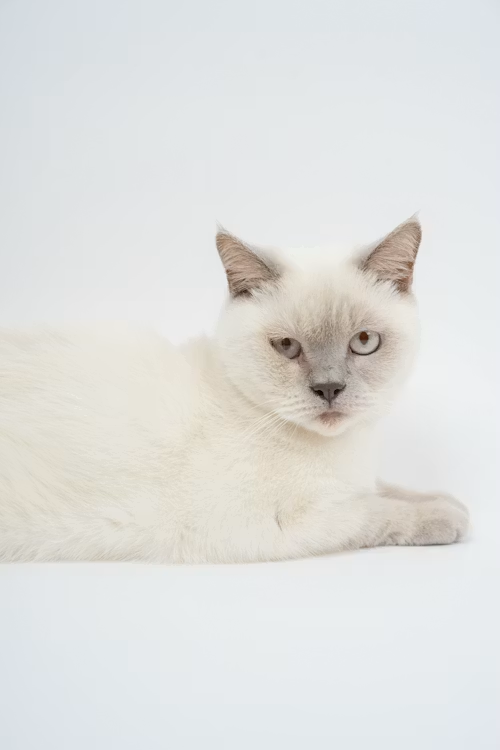
Lilac Point
Lilac Point is the palest traditional color.
Features include:
- Frosty white body
- Pale gray-pink points
- Delicate pastel appearance
- Bright blue eyes
Additional Color Variations
Depending on the cat registry, additional colors may also be recognized.
Popular variations include:
- Red Point
- Cream Point
- Lynx Point
- Tortie Point
- Cinnamon Point
- Fawn Point
These colors add even more variety to the breed.
Rare Balinese Colors
Less common colors include:
- Silver Lynx Point
- Tortie Lynx
- Cinnamon Lynx
- Fawn Lynx
Rare colors are often found through specialized breeders.
Color Development in Kittens
Balinese kittens gradually develop their adult colors.
| Age | Color Development |
|---|---|
| Birth | Nearly white |
| 2–4 Weeks | Points begin appearing |
| 2–4 Months | Colors become more defined |
| 6–12 Months | Coat continues developing |
| Adult | Full color expression |
Coat Changes with Age
Many Balinese become slightly darker throughout adulthood.
Factors affecting color include:
- Genetics
- Climate
- Age
- Hormonal changes
- Sunlight exposure
Balinese Cat Breed Size
The Balinese is considered a medium-sized cat, although its long body often makes it appear larger.
Average Height
Typical height:
- Males: 9–11 inches
- Females: 8–10 inches
Average Weight
| Gender | Weight |
|---|---|
| Male | 8–10 pounds |
| Female | 5–8 pounds |
The breed remains lean and athletic throughout life.
Growth Chart
| Age | Growth Stage |
|---|---|
| Birth | Newborn |
| 8 Weeks | Weaned kitten |
| 3 Months | Active kitten |
| 6 Months | Juvenile |
| 12 Months | Nearly adult |
| 18–24 Months | Fully mature |
Male vs Female Differences
Male
- Larger frame
- More muscular
- Slightly heavier
Female
- Smaller body
- Graceful build
- Equally agile
Balinese Cat Breed Personality
The Balinese is widely recognized as one of the most intelligent and affectionate domestic cat breeds.
Unlike many independent cats, they actively seek companionship and enjoy participating in family life.
Temperament Overview
Typical personality traits include:
- Intelligent
- Friendly
- Loyal
- Curious
- Playful
- Energetic
- Gentle
- Vocal
They thrive when surrounded by people and dislike spending long periods alone.
Highly Intelligent
The Balinese quickly learns routines and adapts to new situations.
Many owners are surprised by how easily these cats:
- Open cabinets
- Learn feeding schedules
- Solve puzzles
- Recognize words
- Respond to commands
Extremely Affectionate
These cats love being close to their families.
Expect your Balinese to:
- Follow you around
- Sit on your lap
- Sleep beside you
- Ask for attention
- Enjoy cuddles
Loyal to Family
Balinese cats often form strong attachments to one or more family members.
Their loyalty is frequently compared to that of a dog.
Curious Nature
Almost everything captures their interest.
They enjoy investigating:
- Shopping bags
- Boxes
- Closets
- Open drawers
- New furniture
- Household activities
Social Personality
The Balinese enjoys meeting visitors and participating in family activities.
Unlike shy breeds, they usually remain confident around new people after proper socialization.
Playful Behavior
Even as adults, Balinese retain a kitten-like enthusiasm for play.
Favorite activities include:
- Chasing toys
- Fetch
- Wand games
- Puzzle feeders
- Climbing
Athletic Lifestyle
Their slim body allows impressive athletic ability.
Many enjoy:
- Jumping
- Running
- Climbing shelves
- Exploring high places
Tall cat trees are highly recommended.
Emotional Sensitivity
Balinese cats are emotionally aware.
They often respond to:
- Changes in household routines
- Human moods
- Loud environments
- Stress
Gentle training methods produce the best results.
Vocal Communication
Like their Siamese relatives, Balinese cats enjoy “talking.”
They communicate through:
- Meows
- Chirps
- Trills
- Soft conversations
Most owners appreciate their expressive personalities.
Lap Cat Tendencies
After active play sessions, many Balinese enjoy curling up on a warm lap for a nap.
Balinese Cat Behavior
Understanding their daily habits helps owners provide a happy, stimulating environment.
Following Their Owners
The Balinese is famous for following people from room to room.
They simply enjoy being involved in daily activities.
Love for Climbing
Provide plenty of vertical space such as:
- Cat trees
- Wall shelves
- Window perches
- Climbing towers
Window Watching
Watching birds and outdoor activity provides excellent mental stimulation.
A secure window perch quickly becomes a favorite resting place.
Playing Fetch
Unlike many cat breeds, Balinese often enjoy retrieving toys.
Some naturally bring them back repeatedly.
Puzzle Solving
Their intelligence makes puzzle toys highly rewarding.
Food puzzles help prevent boredom while encouraging natural problem-solving.
Learning Tricks
Balinese cats can master impressive tricks, including:
- Sit
- High five
- Spin
- Jump through hoops
- Retrieve toys
- Ring bells
Communication Style
Balinese cats use a wide variety of vocalizations to communicate their needs.
Many owners describe conversations with their Balinese as surprisingly interactive.
Balinese Cat Intelligence
Few breeds rival the Balinese in intelligence.
How Smart Is the Balinese Breed?
Their intelligence combines:
- Fast learning
- Strong memory
- Curiosity
- Adaptability
- Excellent communication
Problem-Solving Skills
Balinese cats often figure out how to:
- Open doors
- Find hidden treats
- Access cabinets
- Navigate obstacle courses
Memory
They remember:
- Family routines
- Favorite toys
- Feeding schedules
- Visitors
- Training exercises
Learning Commands
With patience, many Balinese learn:
- Come
- Sit
- Stay
- Fetch
- Touch
Short, positive sessions work best.
Clicker Training
Clicker training strengthens communication and encourages quick learning.
Always reward correct behavior immediately.
Puzzle Toys
Interactive toys keep these intelligent cats mentally stimulated.
Popular choices include:
- Food puzzles
- Treat dispensers
- Motion toys
- Rolling balls
- Electronic mice
Interactive Games
Daily games improve both physical and mental health.
Excellent options include:
- Hide-and-seek
- Chase games
- Obstacle courses
- Target training
Balinese Cat Temperament with Families
The Balinese adapts well to many household types.
Families with Children
They generally do very well with respectful children.
Teach children to:
- Handle gently
- Avoid rough play
- Respect resting times
Singles
Individuals living alone often appreciate the breed’s companionship and affectionate nature.
Couples
Balinese enjoy interacting with multiple family members and often divide their attention equally.
Seniors
Their affectionate personality makes them wonderful companions for retirees who enjoy spending time at home.
Multi-Person Households
Busy families provide the interaction these social cats crave.
Emotional Bonding
Balinese form exceptionally deep emotional connections.
Many owners describe them as constant companions.
Separation Anxiety
Because they love company, they may become lonely when left alone for long periods.
Possible signs include:
- Excessive meowing
- Destructive behavior
- Depression
- Loss of appetite
A second compatible pet may help reduce loneliness.
Balinese Cat with Other Pets
The Balinese is generally sociable with other household animals.
Dogs
They usually get along well with calm, cat-friendly dogs after proper introductions.
Other Cats
Most Balinese enjoy feline companionship and happily play with other cats.
Small Pets
Always supervise interactions with birds, hamsters, rabbits, or other small animals due to natural hunting instincts.
Tips for Introducing New Pets
Successful introductions include:
- Gradual meetings
- Separate feeding areas
- Individual resting spaces
- Multiple litter boxes
- Positive reinforcement
- Patience
Balinese Cat Breed Care Guide
Despite their elegant appearance, Balinese cats are relatively easy to care for.
Daily Care Routine
A healthy routine should include:
- Nutritious meals
- Fresh water
- Grooming
- Exercise
- Mental stimulation
- Litter box cleaning
- Social interaction
Feeding
Feed a premium-quality diet rich in animal protein and appropriate for your cat’s age and activity level.
Grooming
Brush once or twice weekly to maintain the silky coat and reduce loose hair.
Exercise
Provide 30–60 minutes of active play each day.
Mental Enrichment
Prevent boredom with:
- Puzzle feeders
- Training sessions
- Interactive toys
- Window perches
- Cat trees
Sleeping Requirements
Adult Balinese cats typically sleep 12–16 hours daily, balancing energetic play with plenty of restful naps.
Balinese Cat Grooming Guide
Despite their luxurious appearance, the Balinese cat breed is surprisingly easy to groom. Their silky, single-layer coat does not have a thick undercoat, so it is less likely to mat or tangle than the coats of many other long-haired breeds.
With a simple grooming routine, your Balinese can maintain a healthy, shiny coat throughout the year.
Weekly Brushing
Brushing your Balinese once or twice a week is usually enough to:
- Remove loose hair
- Prevent tangles
- Minimize shedding
- Distribute natural skin oils
- Keep the coat smooth and glossy
During seasonal shedding periods, you may need to brush more frequently.
Best Grooming Brushes
The following tools work well for the Balinese coat:
- Soft slicker brush
- Stainless steel comb
- Grooming glove
- Fine-tooth comb for sensitive areas
Always groom gently to avoid irritating the skin.
Bathing
Balinese cats are naturally clean animals and rarely require baths.
A bath may be helpful:
- Before a cat show
- If the coat becomes dirty
- Occasionally during seasonal shedding
Use only shampoos formulated specifically for cats.
Ear Cleaning
Check your cat’s ears every week.
Healthy ears should be:
- Clean
- Light pink
- Free of odor
- Free from excessive wax
If cleaning is necessary, use a veterinarian-approved ear cleaner.
Nail Trimming
Trim nails every 2–4 weeks to help prevent:
- Broken nails
- Overgrown claws
- Furniture damage
- Accidental scratches
Scratching posts also help keep claws healthy.
Eye Care
Bright blue eyes are one of the Balinese’s most striking features.
Gently wipe away any discharge using a soft, damp cloth when needed.
Dental Hygiene
Dental care is often overlooked but is essential for long-term health.
A good dental routine includes:
- Brushing teeth several times each week
- Dental treats approved for cats
- Annual veterinary dental examinations
Balinese Cat Diet and Nutrition
A nutritious diet supports your Balinese cat’s energy, coat quality, and overall health.
Nutritional Needs
A complete diet should include:
- High-quality animal protein
- Healthy fats
- Taurine
- Vitamins and minerals
- Omega-3 fatty acids
- Plenty of fresh water
High-Protein Diet
Protein is the most important nutrient for cats.
Benefits include:
- Lean muscle development
- Healthy skin
- Strong immune system
- Sustained energy
Choose foods that list real meat as the first ingredient.
Wet Food vs. Dry Food
| Wet Food | Dry Food |
|---|---|
| Higher moisture content | Convenient storage |
| Supports urinary health | Can help reduce plaque buildup |
| Often more flavorful | Easier portion control |
Many owners successfully feed a combination of both.
Homemade Diet
Homemade meals should only be prepared under veterinary guidance to ensure complete nutrition.
Raw Feeding
Some owners choose raw diets, but these should be carefully balanced and handled safely to reduce the risk of bacterial contamination.
Portion Sizes
The correct portion depends on:
- Age
- Weight
- Activity level
- Overall health
Your veterinarian can recommend the ideal feeding amount.
Feeding Schedule
General recommendations include:
- Kittens: 3–4 meals daily
- Adults: 2 meals daily
- Senior cats: Individualized schedules as recommended by a veterinarian
Water Requirements
Always provide clean, fresh water.
Many Balinese enjoy drinking from pet water fountains because the flowing water encourages hydration.
Foods to Avoid
Never feed your Balinese:
- Chocolate
- Onions
- Garlic
- Grapes
- Raisins
- Alcohol
- Caffeine
- Xylitol
- Cooked bones
- Excessively fatty foods
Exercise Requirements
The Balinese is an energetic and athletic breed that requires daily physical and mental activity.
Daily Activity Needs
Aim for 30–60 minutes of interactive exercise each day.
Cat Trees
Tall cat trees satisfy their natural climbing instincts and provide excellent exercise.
Climbing Shelves
Wall-mounted shelves allow Balinese cats to explore vertical spaces safely.
Interactive Toys
Recommended toys include:
- Battery-operated toys
- Feather teasers
- Rolling balls
- Motion toys
Puzzle Feeders
Puzzle feeders combine mealtime with mental stimulation.
Laser Toys
Laser toys encourage running and jumping, but always finish the session with a physical toy your cat can catch.
Wand Toys
Wand toys strengthen the bond between owner and cat while providing healthy exercise.
Indoor Play Ideas
Additional enrichment includes:
- Hide-and-seek
- Cardboard boxes
- Cat tunnels
- Obstacle courses
- Treat hunts
Training a Balinese Cat
Balinese cats are among the easiest breeds to train due to their intelligence and eagerness to interact.
Is the Breed Easy to Train?
Yes.
They quickly learn routines and respond well to reward-based training.
Litter Training
Most Balinese kittens learn litter habits quickly when provided with:
- A clean litter box
- Quiet placement
- Positive reinforcement
Harness and Leash Training
Many Balinese adapt well to walking outdoors using a properly fitted cat harness.
Introduce the harness gradually indoors before going outside.
Clicker Training
Clicker training can teach:
- Sit
- Stay
- Come
- High five
- Spin
Reward correct behavior immediately.
Teaching Tricks
Balinese often learn:
- Fetch
- Jump through hoops
- Ring a bell
- Retrieve toys
- Target touching
Preventing Undesirable Behavior
Instead of punishment:
- Redirect unwanted behavior
- Reward good choices
- Stay consistent
- Provide adequate enrichment
Positive Reinforcement
Use:
- Healthy treats
- Verbal praise
- Gentle petting
- Favorite toys
Positive reinforcement builds trust and confidence.
Balinese Cat Breed Health
Overall, the Balinese is considered a healthy breed, especially when bred responsibly.
Common Health Problems
Although generally healthy, they may be predisposed to certain inherited or acquired conditions.
Progressive Retinal Atrophy (PRA)
A genetic eye disease that gradually affects vision.
Amyloidosis
A condition involving abnormal protein deposits that may affect organs such as the liver or kidneys.
Dental Disease
Routine dental care helps reduce plaque buildup and gum disease.
Asthma
Some Balinese develop feline asthma, causing coughing or wheezing.
Heart Disease
Regular veterinary examinations can help detect heart problems early.
Obesity
Indoor cats without sufficient exercise may gain excess weight.
Respiratory Problems
Upper respiratory infections occasionally occur, especially in young kittens.
Genetic Conditions
Responsible breeders screen breeding cats to reduce the risk of inherited diseases.
Preventive Healthcare
A preventive care plan should include:
- Annual veterinary examinations
- Dental care
- Weight monitoring
- Proper nutrition
- Daily exercise
Vaccinations
Core vaccines typically include:
- FVRCP
- Rabies
- FeLV (when recommended)
Follow your veterinarian’s vaccination schedule.
Routine Veterinary Visits
Healthy adult cats should receive routine wellness exams at least once each year.
Senior cats may benefit from more frequent checkups.
Parasite Prevention
Protect your Balinese against:
- Fleas
- Ticks
- Intestinal worms
- Heartworms (where applicable)
Balinese Cat Lifespan
Average Life Expectancy
The Balinese is known for its longevity.
Most live between:
15–20 years
With excellent care, some individuals live even longer.
Factors That Affect Lifespan
Key influences include:
- Genetics
- Nutrition
- Veterinary care
- Indoor lifestyle
- Exercise
- Dental health
Tips for a Long, Healthy Life
- Feed a balanced diet.
- Maintain a healthy weight.
- Schedule regular veterinary visits.
- Encourage daily exercise.
- Provide mental stimulation.
- Keep your cat indoors for safety.
Balinese Cat Breeding
Responsible breeding preserves the health and temperament of the breed.
Pregnancy
Pregnancy usually lasts 63–65 days.
Average Litter Size
Most litters contain:
3–5 kittens
Raising Healthy Kittens
Good breeders provide:
- Proper nutrition
- Veterinary care
- Early socialization
- Clean living conditions
Health Screening
Responsible breeding cats should undergo recommended health testing before breeding.
Ethical Breeding
Ethical breeders prioritize:
- Health
- Temperament
- Genetic diversity
- Responsible placement of kittens
Balinese Kittens
What to Expect
Balinese kittens are:
- Curious
- Fearless
- Friendly
- Intelligent
- Highly active
Kitten Development Stages
| Age | Development |
|---|---|
| Birth | Fully dependent |
| 2 Weeks | Eyes open |
| 4 Weeks | Active play begins |
| 8–12 Weeks | Socialization period |
| 6 Months | Juvenile stage |
| 12–18 Months | Adult maturity |
Socialization
Expose kittens to:
- People
- Household sounds
- Toys
- Gentle handling
- Friendly pets
Vaccination Schedule
Your veterinarian will recommend a series of kitten vaccinations during the first few months of life.
First Veterinary Visit
The initial visit should include:
- Physical examination
- Vaccinations
- Parasite screening
- Health guidance
First-Year Care Checklist
- Balanced nutrition
- Veterinary visits
- Grooming habits
- Daily play
- Positive training
- Socialization
Balinese Cat Price
How Much Does a Balinese Cat Cost?
Prices vary depending on pedigree, breeder reputation, location, and whether the kitten is intended as a pet or for showing.
| Category | Estimated Price (USD) |
|---|---|
| Pet Quality Kitten | $800–$2,000 |
| Show Quality Kitten | $2,000–$3,500+ |
| Adult Cat | $300–$1,000 |
| Adoption | $75–$300 |
Monthly Expenses
Regular costs include:
- Food
- Cat litter
- Veterinary care
- Toys
- Grooming supplies
- Pet insurance (optional)
Lifetime Ownership Cost
Including food, healthcare, supplies, and unexpected medical expenses, lifetime costs can total tens of thousands of dollars.
Balinese Cat Breeders
Finding a Reputable Breeder
Look for breeders who:
- Perform health testing
- Provide registration papers
- Offer health guarantees
- Allow you to meet the kittens
- Answer questions openly
Questions to Ask
- Have the parents been health tested?
- What vaccinations have the kittens received?
- Can I meet the parents?
- What food are the kittens eating?
- Is there a health guarantee?
Warning Signs to Avoid
Avoid breeders who:
- Sell kittens too young
- Refuse to provide medical records
- Offer unusually low prices
- Raise kittens in poor conditions
Balinese Cat Adoption
Adoption Benefits
Adopting offers several advantages:
- Gives a cat a second chance
- Lower upfront cost
- Adult personality already established
- Many cats are already vaccinated and spayed or neutered
Preparing Your Home
Before bringing your new cat home, gather:
- Food bowls
- Water fountain
- Litter box
- Cat carrier
- Cat tree
- Scratching post
- Grooming supplies
- Interactive toys
- Comfortable bed
Adoption Checklist
- ✔ Safe indoor environment
- ✔ Veterinary appointment scheduled
- ✔ Nutritious food
- ✔ Litter and supplies
- ✔ Quiet sleeping area
Balinese Cat Breed vs Other Cat Breeds
| Comparison | Key Difference |
|---|---|
| Balinese vs Siamese | Balinese has a semi-long silky coat. |
| Balinese vs Ragdoll | Ragdolls are larger and more relaxed. |
| Balinese vs Birman | Birmans have white-gloved paws. |
| Balinese vs Himalayan | Himalayans have flatter faces and denser coats. |
| Balinese vs Oriental Longhair | Oriental Longhairs come in many coat colors beyond point patterns. |
| Balinese vs Javanese | Javanese are closely related and recognized differently by some registries. |
Pros and Cons of the Balinese Cat Breed
Advantages
- Extremely intelligent
- Loving personality
- Elegant appearance
- Low-maintenance coat
- Highly trainable
- Excellent family companion
- Long lifespan
Disadvantages
- Very vocal
- Requires daily attention
- May experience separation anxiety
- High activity level
- Can be expensive to purchase
Is the Balinese Cat Breed Hypoallergenic?
No cat is completely hypoallergenic.
However, some allergy sufferers tolerate the Balinese better because it may produce relatively lower levels of the Fel d 1 protein, the primary allergen associated with cats.
Allergy Reduction Tips
- Brush regularly.
- Vacuum frequently.
- Wash bedding often.
- Use HEPA air purifiers.
- Wash your hands after handling your cat.
Living with a Balinese Cat
The Balinese adapts well to different living situations.
Apartment Living
Their medium size makes them suitable for apartments if they receive enough exercise and enrichment.
Large Homes
Larger homes provide additional opportunities for climbing and exploration.
Indoor vs Outdoor
Keeping a Balinese indoors is generally the safest option, protecting it from traffic, predators, disease, and theft.
Traveling with a Balinese
Use a secure carrier and allow your cat time to adjust during trips.
Vacation Care Tips
Arrange for a trusted pet sitter or reputable boarding facility when traveling.
Essential Supplies for a Balinese Cat
Complete Shopping Checklist
- Food bowls
- Water fountain
- Litter box
- Cat carrier
- Cat tree
- Scratching posts
- Interactive toys
- Grooming supplies
- Comfortable bed
- Nail clippers
- Puzzle feeders
Common Mistakes New Owners Make
Avoid these common mistakes:
- Overfeeding
- Not providing enough exercise
- Ignoring dental care
- Skipping grooming sessions
- Leaving the cat alone too long
- Poor early socialization
- Buying from irresponsible breeders
Interesting Balinese Cat Breed Facts
- The breed did not originate in Bali.
- It is a naturally long-haired Siamese.
- It ranks among the smartest cat breeds.
- Many Balinese enjoy playing fetch.
- They can learn impressive tricks.
- Their deep blue eyes are one of their defining features.
- They form exceptionally strong bonds with their owners.
- Their silky coat rarely mats because they lack a dense undercoat.
Frequently Asked Questions (FAQs)
What is a Balinese cat breed?
The Balinese is a purebred, semi-long-haired cat closely related to the Siamese, known for its intelligence, elegance, and affectionate personality.
Are Balinese cats good family pets?
Yes. They are friendly, playful, and generally do well with children and other pets.
Are Balinese cats hypoallergenic?
No, but they may be better tolerated by some people with mild cat allergies.
How much does a Balinese cat cost?
Pet-quality kittens typically cost $800–$2,000, while show-quality cats can cost $2,000–$3,500 or more.
Do Balinese cats shed a lot?
No. Their single-layer coat sheds less than many other long-haired breeds.
Are Balinese cats cuddly?
Yes. They enjoy close contact and often seek out laps, beds, and couches to be near their owners.
Can Balinese cats be left alone?
They prefer companionship and may become lonely if left alone for long periods.
Are they good with children?
Yes, especially when children interact with them gently and respectfully.
Do Balinese cats meow frequently?
Yes. Like the Siamese, they are vocal and enjoy communicating with their families.
How long do Balinese cats live?
Most live between 15 and 20 years with proper care.
Are Balinese cats rare?
Yes. They are less common than Siamese cats and may require joining a breeder’s waiting list.
What’s the difference between a Balinese and a Siamese?
The primary difference is the Balinese’s semi-long silky coat and feathered tail.
Are Balinese cats easy to groom?
Yes. Weekly brushing is usually enough to keep their coat in excellent condition.
Should Balinese cats stay indoors?
Yes. Indoor living helps protect them from injury, disease, and other outdoor hazards.
Are Balinese cats high maintenance?
Their grooming needs are modest, but they require plenty of attention, exercise, and mental stimulation.
Conclusion
Final Thoughts on the Balinese Cat Breed
The Balinese cat breed is an exceptional choice for anyone seeking an intelligent, affectionate, and elegant feline companion. Combining the sleek beauty of the Siamese with a luxurious semi-long coat, the Balinese offers both striking looks and a delightful personality.