The Bombay cat is one of the most striking and elegant cat breeds in the world. With its glossy black coat, mesmerizing copper or gold eyes, and affectionate personality, it’s easy to see why this breed has earned the nickname “the mini panther.” Although it resembles a tiny wild cat, the Bombay is an affectionate, people-loving companion that thrives on human interaction.
Whether you’re thinking about adopting a Bombay kitten or simply want to learn more about this fascinating breed, this guide covers everything you need to know—from its history and appearance to its personality, size, and suitability as a family pet.
Bombay Cat at a Glance (Quick Facts)
| Feature | Details |
|---|---|
| Origin | United States |
| Breed Type | Short-Haired Domestic Cat |
| Weight | 6–12 lbs |
| Height | 8–10 inches |
| Lifespan | 12–20 years |
| Coat | Short, sleek, glossy |
| Coat Color | Solid Black |
| Eye Color | Copper to Gold |
| Temperament | Affectionate, intelligent, playful |
| Grooming Needs | Low |
| Exercise Needs | Moderate |
| Shedding | Low |
| Good with Children | Excellent |
| Good with Dogs | Yes |
| Hypoallergenic | No |
| Recognition | CFA, TICA, GCCF, FIFe |
What Is a Bombay Cat?
The Bombay cat is a beautiful short-haired breed developed to resemble a miniature black panther while maintaining the loving personality of a domestic house cat.
Despite its exotic appearance, the Bombay is completely domesticated. It is famous for being affectionate, playful, intelligent, and highly people-oriented. Many owners describe the Bombay as “dog-like” because it enjoys following family members around the house and often greets them at the door.
If you’re looking for a cat that enjoys cuddles just as much as playtime, the Bombay may be an excellent choice.
Overview of the Bombay Breed
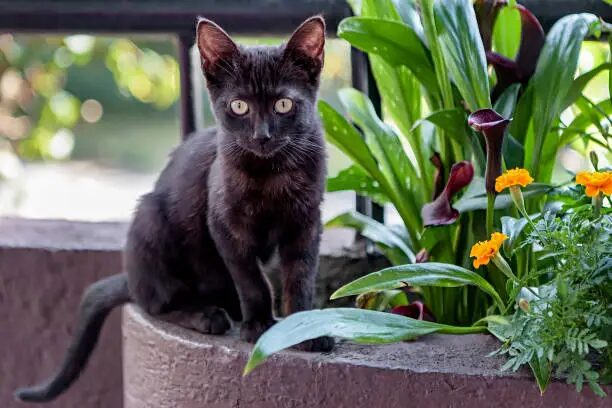
Bombays are medium-sized cats with muscular bodies and an elegant appearance. Every purebred Bombay shares one distinctive characteristic—a solid jet-black coat that extends to the nose and paw pads.
These cats are known for:
- Shiny black fur
- Copper or gold eyes
- Friendly personality
- High intelligence
- Strong attachment to owners
- Low-maintenance grooming
Why Is It Called the Mini Panther?
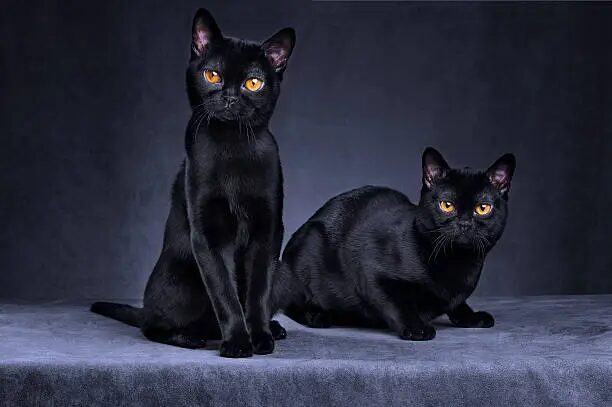
The Bombay earned its famous nickname because of its striking resemblance to a black panther.
Features contributing to this appearance include:
- Jet-black coat
- Sleek muscular body
- Graceful walk
- Rounded head
- Large golden eyes
Although they look wild, Bombays are among the friendliest domestic cat breeds.
Is the Bombay Cat a Purebred?
Yes.
The Bombay is a recognized purebred cat developed through selective breeding. Responsible breeders carefully preserve the breed standard established by major cat associations.
What Makes the Bombay Cat Unique?
Several qualities distinguish Bombays from other breeds.
Unique Characteristics
- Completely black coat
- Black nose leather
- Black paw pads
- Copper or gold eyes
- Affectionate personality
- Quiet voice
- Excellent family companion
- Easy grooming
Very few cat breeds possess such a consistently dramatic appearance.
Bombay Cat vs Black Domestic Shorthair
Many black cats resemble Bombays, but there are important differences.
| Feature | Bombay Cat | Black Domestic Shorthair |
|---|---|---|
| Coat | Always jet black | Various shades of black |
| Eyes | Copper or gold | Any color |
| Body | Muscular and compact | Variable |
| Pedigree | Purebred | Mixed ancestry |
| Personality | Predictable | Varies widely |
Although both can make wonderful pets, only Bombays meet the official breed standard.
History and Origin of the Bombay Cat
The Bombay is a relatively modern breed created through careful breeding rather than natural evolution.
Development of the Breed
During the 1950s, American breeder Nikki Horner wanted to create a domestic cat that resembled a miniature black panther.
After years of selective breeding, she successfully developed what we now know as the Bombay cat.
Nikki Horner and the Creation of the Bombay
Nikki Horner spent years refining the breed by selecting cats that displayed:
- Deep black coats
- Bright copper eyes
- Muscular builds
- Friendly personalities
Her dedication resulted in one of today’s most recognizable cat breeds.
Burmese and American Shorthair Cross
The Bombay originated by crossing:
- Sable Burmese
- Black American Shorthair
This combination produced the breed’s trademark appearance while maintaining an affectionate temperament.
Why the Breed Was Developed
The goal was simple:
Create a domestic cat that looked like a wild black leopard but behaved like a loving family companion.
The result exceeded expectations.
Recognition by Major Cat Associations
Today the Bombay is recognized by numerous international organizations.
These include:
- Cat Fanciers’ Association (CFA)
- The International Cat Association (TICA)
- Governing Council of the Cat Fancy (GCCF)
- Fédération Internationale Féline (FIFe)
Recognition helps maintain consistent breeding standards.
Bombay Cat Appearance
One look at a Bombay is enough to understand why people instantly fall in love with the breed.
Everything about the Bombay is sleek, polished, and balanced.
Overall Body Structure
Bombays have athletic yet elegant bodies.
Medium-Sized Body
Most adults weigh between 6 and 12 pounds.
Males tend to be slightly larger than females.
Muscular Build
Despite their graceful appearance, Bombays are surprisingly muscular.
Their dense muscle gives them a heavier feel than their size suggests.
Compact Frame
Bombays are neither lanky nor bulky.
Instead, they display excellent balance with:
- Broad chest
- Strong shoulders
- Solid legs
- Rounded paws
Graceful Movement
Their movements are smooth and confident, adding to their panther-like appearance.
Head Shape
The Bombay’s rounded head contributes to its soft yet expressive look.
Features include:
- Rounded skull
- Rounded muzzle
- Strong chin
- Short nose
Unlike some breeds with angular faces, Bombays have a pleasing, symmetrical appearance.
Eyes
Perhaps the most captivating feature after the coat is the eyes.
Large Round Eyes
Their wide, expressive eyes create an alert and curious expression.
Copper Eyes
Many show-quality Bombays display brilliant copper eyes.
This is the preferred color in many breed standards.
Gold Eyes
Some Bombays have beautiful golden eyes that complement their black coats perfectly.
Eye Color Standards
Accepted eye colors generally range from:
- Rich gold
- Deep copper
The brighter the color, the more striking the overall appearance.
Ears
Bombays have:
- Medium-sized ears
- Rounded tips
- Wide placement
Their ears enhance the breed’s balanced facial proportions.
Tail
The tail is:
- Medium in length
- Straight
- Well-proportioned
It complements the muscular body without appearing overly thick or thin.
Bombay Cat Coat
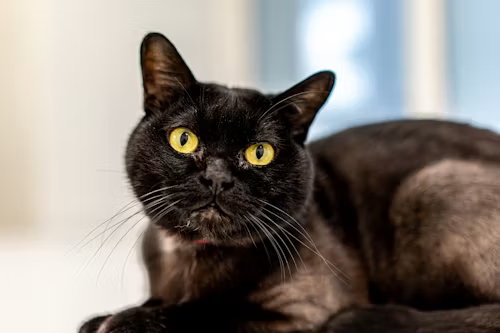
The Bombay’s luxurious coat is one of its defining features.
Coat Texture
The coat feels incredibly smooth and soft.
Owners often compare it to:
- Satin
- Silk
- Velvet
Satin-Like Shine
Healthy Bombays display an unmistakable glossy shine.
The sleek coat reflects light beautifully, enhancing their miniature panther appearance.
Dense Coat
Although short-haired, Bombays possess a dense coat that lies close to the body.
Low Shedding
Compared to many breeds, Bombays shed relatively little.
Weekly brushing is usually sufficient.
Grooming Advantages
Because of their short coat, Bombays require:
- Minimal brushing
- Rare baths
- Simple grooming routine
This makes them ideal for busy owners.
Bombay Cat Color
Unlike many breeds with multiple accepted colors, Bombays have only one.
Classic Black Bombay
Every purebred Bombay should display:
- Jet-black coat
- Black nose
- Black paw pads
This consistent coloration gives the breed its unmistakable appearance.
Jet Black Coat
The coat should remain black from root to tip.
There should be no:
- White patches
- Rust-colored areas
- Tabby markings
Black Nose
Breed standards require a solid black nose leather.
Black Paw Pads
Healthy Bombays also have striking black paw pads.
Black Whiskers
Some Bombays develop black whiskers, although this can vary slightly.
Why Only Black Is Accepted
The breed was specifically developed to resemble a miniature black panther.
For this reason, solid black remains the only accepted coat color in major breed standards.
Bombay Cat Size
Bombays are medium-sized cats with sturdy builds.
Male Bombay Size
Average weight:
8–12 pounds
Males are usually stockier with broader shoulders.
Female Bombay Size
Average weight:
6–10 pounds
Females are generally more refined but equally muscular.
Bombay Growth Chart
| Age | Average Weight |
|---|---|
| 2 Months | 2–3 lbs |
| 4 Months | 4–5 lbs |
| 6 Months | 5–7 lbs |
| 12 Months | 7–10 lbs |
| Adult | 6–12 lbs |
Growth varies depending on genetics, nutrition, and overall health.
Full-Grown Bombay Cat
Most Bombays reach their full adult size between 18 months and 2 years.
Even after reaching maturity, they maintain an athletic, elegant appearance rather than becoming bulky.
Bombay Cat Personality
One of the biggest reasons people love Bombays isn’t their appearance—it’s their personality.
These cats combine intelligence, loyalty, curiosity, and affection in one charming package.
Some of their standout traits include:
- Loving and affectionate
- Highly intelligent
- Curious about everything
- Playful well into adulthood
- Loyal to family members
- Calm indoors
- Moderately vocal
- Enjoy sitting on laps
Their adaptable nature allows them to thrive in many different types of households.
Bombay Cat Temperament
The Bombay cat is admired not only for its sleek appearance but also for its loving and adaptable temperament. These cats thrive on companionship and often form deep bonds with their families. Unlike some independent breeds, Bombays enjoy being involved in everyday household activities.
They are intelligent enough to learn routines, affectionate enough to cuddle for hours, and playful enough to entertain themselves with interactive toys.
Family Compatibility
Bombays are excellent family pets because they are:
- Affectionate and social
- Patient with children
- Friendly toward guests
- Generally accepting of other pets
- Comfortable living indoors
They prefer being around people rather than spending long hours alone.
Children
Bombays are gentle and tolerant with respectful children.
They enjoy:
- Interactive games
- Chasing toys
- Cuddling during quiet time
- Following children around the house
As with any pet, children should be taught to handle cats gently and respectfully.
Seniors
Their calm yet affectionate nature makes Bombays wonderful companions for seniors. They enjoy quiet environments but still appreciate daily play sessions to stay mentally stimulated.
Dogs
When introduced properly, Bombays usually get along well with cat-friendly dogs. Early socialization helps create harmonious relationships in multi-pet households.
Other Cats
Bombays often enjoy feline companionship, especially if introduced gradually. Another playful cat can help keep them entertained while you’re away.
Strangers
Unlike shy breeds, many Bombays are curious about visitors. They may observe newcomers before approaching them for attention.
Apartment Living
Bombays adapt exceptionally well to apartment life as long as they receive enough daily exercise and mental stimulation.
Separation Tolerance
Bombays dislike prolonged isolation. If left alone too often, they may become bored or anxious.
To help prevent loneliness:
- Leave interactive toys available.
- Rotate puzzle feeders.
- Provide window perches.
- Consider adopting a second compatible pet.
Are Bombay Cats Good Pets?
For many households, the Bombay is an outstanding choice.
Advantages
- Beautiful glossy black coat
- Friendly and affectionate
- Easy to groom
- Intelligent and trainable
- Excellent with children
- Usually compatible with dogs
- Adaptable to apartments
- Low shedding
Challenges
- Needs daily interaction
- Can become bored without stimulation
- Rare breed in many areas
- Purchase price may be high
- May develop obesity if inactive
Ideal Owners
Bombays are best suited for:
- Families
- Couples
- Singles
- Seniors
- Apartment dwellers
- People who work from home.
First-Time Cat Owners
Their friendly temperament and relatively low grooming requirements make Bombays one of the easier purebred cats for first-time owners.
Living with a Bombay Cat
Living with a Bombay is enjoyable because they naturally integrate into family life.
Indoor vs Outdoor
Keeping a Bombay indoors is generally recommended because it helps protect them from:
- Traffic
- Predators
- Infectious diseases
- Parasites
- Theft
Outdoor access should ideally be limited to secure enclosures or supervised walks using a harness.
Apartment Living
Bombays don’t require large homes, but they do appreciate vertical climbing space.
Useful additions include:
- Cat trees
- Wall-mounted shelves
- Window perches
- Scratching posts
Multi-Pet Homes
Bombays often thrive alongside:
- Friendly dogs
- Other cats
- Calm household pets
Early introductions usually lead to better relationships.
Busy Families
These cats enjoy being included in family activities. They often move from room to room just to stay close to their favorite people.
Quiet Homes
Bombays are equally content in peaceful homes where they can relax beside their owners.
Daily Routine
A healthy daily routine might include:
- Morning meal
- Interactive play
- Quiet nap
- Puzzle toy session
- Evening playtime
- Grooming check
- Family cuddle time
Bombay Kitten Guide
Bringing home a Bombay kitten is exciting, but early care is essential for raising a confident and healthy adult cat.
Choosing a Healthy Kitten
Look for a kitten that is:
- Curious
- Bright-eyed
- Clean
- Energetic
- Friendly
- Free from nasal or eye discharge
Avoid kittens that appear lethargic or fearful.
Growth Stages
| Age | Development |
|---|---|
| Birth–8 Weeks | Nursing and early socialization |
| 8–12 Weeks | Ready for adoption |
| 3–6 Months | Rapid growth and learning |
| 6–12 Months | Adolescence |
| 12–24 Months | Full maturity |
Early Socialization
Proper socialization teaches kittens to become confident adults.
Expose them gradually to:
- Different people
- Household sounds
- Gentle handling
- Grooming sessions
- New toys
Vaccination Schedule
Typical vaccinations include:
- FVRCP
- Rabies
- FeLV (if recommended)
Your veterinarian will advise the appropriate schedule.
First Veterinary Visit
Schedule a veterinary examination within the first week after bringing your kitten home.
The veterinarian will check:
- Weight
- Heart
- Eyes
- Teeth
- Parasites
- Vaccination status
Bringing Your Kitten Home
Before arrival, prepare:
- Food bowls
- Water bowl or fountain
- Litter box
- Scratching post
- Comfortable bed
- Toys
- Carrier
A quiet room can help your kitten settle into its new environment.
Bombay Cat Care Guide
Despite their luxurious appearance, Bombays are relatively easy to care for.
Grooming
Brushing
Brush once each week using a soft rubber brush or grooming glove.
Benefits include:
- Removing loose hair
- Distributing natural oils
- Maintaining shine
Bathing
Bombays rarely require baths unless they become particularly dirty.
Nail Trimming
Trim nails every 2–3 weeks.
Ear Cleaning
Check ears monthly for wax buildup or signs of infection.
Dental Care
Brush your Bombay’s teeth several times each week to reduce plaque and gum disease.
Dental treats can also help support oral health.
Exercise Requirements
Bombays are moderately active cats.
Daily exercise keeps them:
- Healthy
- Lean
- Mentally stimulated
- Happy
Aim for 20–40 minutes of active play each day.
Interactive Play
Favorite toys include:
- Feather wands
- Toy mice
- Balls
- Laser pointers (used responsibly)
- Wand toys
Cat Towers
Tall cat trees allow Bombays to climb, stretch, and observe their surroundings.
Puzzle Toys
Food puzzles encourage problem-solving while slowing down eating.
Daily Play Sessions
Several shorter play sessions are often better than one long session.
Mental Stimulation
Because Bombays are intelligent, mental exercise is just as important as physical activity.
Great enrichment ideas include:
- Puzzle feeders
- Clicker training
- Hide-and-seek games
- Treat-dispensing toys
- Rotating toy collections
Puzzle Feeders
These keep meals interesting while encouraging natural hunting behaviors.
Clicker Training
Bombays quickly learn:
- Sit
- Come
- High-five
- Spin
- Target touching
Training strengthens the bond between cat and owner.
Food Games
Hide small treats around the house for supervised treasure hunts.
Indoor Activities
Indoor enrichment ideas include:
- Bird-watching stations
- Window hammocks
- Cardboard tunnels
- Climbing shelves
- Interactive toys
Bombay Cat Diet
Nutrition is one of the most important factors influencing your Bombay’s long-term health.
Nutritional Requirements
Bombays thrive on diets that provide:
- High-quality animal protein
- Healthy fats
- Essential vitamins
- Taurine
- Fresh water
Choose food formulated to meet your cat’s life stage and nutritional needs.
Wet Food vs Dry Food
| Wet Food | Dry Food |
|---|---|
| Higher moisture | Convenient storage |
| Supports hydration | Helps satisfy chewing instinct |
| Often more palatable | Usually more economical |
Many veterinarians recommend a combination of both.
High-Protein Diet
As obligate carnivores, Bombays require protein from animal sources.
Look for foods with:
- Chicken
- Turkey
- Beef
- Salmon
- Duck
listed among the first ingredients.
Homemade Diet
Homemade diets should only be fed under veterinary or veterinary nutritionist guidance to ensure they are complete and balanced.
Raw Diet
Some owners choose raw diets, but these require careful handling and nutritional balance. Discuss this option with your veterinarian before making the switch.
Feeding Schedule
General guidelines:
| Age | Meals Per Day |
|---|---|
| 2–6 Months | 3–4 |
| 6–12 Months | 2–3 |
| Adults | 2 |
| Seniors | 2 (or as recommended) |
Water Intake
Fresh, clean water should always be available.
Many Bombays enjoy drinking from cat water fountains, which encourage better hydration.
Foods to Avoid
Never feed:
- Chocolate
- Onions
- Garlic
- Grapes
- Raisins
- Alcohol
- Caffeine
- Xylitol
- Cooked bones
- Excessively fatty foods
Best Food for Bombay Cats
Kittens
Choose food rich in:
- Protein
- DHA
- Healthy fats
- Calcium
Adults
Adult Bombays benefit from balanced, protein-rich diets that help maintain lean muscle mass.
Seniors
Older cats may need diets with:
- Joint support
- Moderate calories
- Easily digestible protein
Indoor Cats
Indoor formulas can help maintain a healthy weight while supporting digestion.
Weight Management
Bombays can gain weight if they become inactive.
To help prevent obesity:
- Measure portions.
- Avoid excessive treats.
- Encourage daily exercise.
- Monitor body condition regularly.
Sensitive Stomachs
If your Bombay experiences digestive issues, your veterinarian may recommend a limited-ingredient or easily digestible diet.
Bombay Cat Health
The Bombay cat is generally considered a healthy breed, especially when it comes from responsible breeders who perform health screenings. Even so, like all purebred cats, Bombays can be prone to certain inherited and age-related conditions.
Routine veterinary care, a balanced diet, and plenty of exercise go a long way toward keeping your Bombay healthy throughout its life.
Common Health Problems
Hypertrophic Cardiomyopathy (HCM)
HCM is the most common heart disease in cats. It causes the heart muscle to thicken, making it harder for the heart to pump blood efficiently.
Symptoms may include:
- Difficulty breathing
- Lethargy
- Reduced appetite
- Sudden weakness
Regular veterinary checkups and responsible breeding help reduce the risk.
Respiratory Issues
Because of their rounded facial features, some Bombays may occasionally experience mild respiratory problems.
Watch for:
- Frequent sneezing
- Nasal discharge
- Noisy breathing
Gingivitis
Dental disease is common in many cats.
Prevent gum disease by:
- Brushing teeth regularly
- Providing dental treats
- Scheduling professional cleanings when recommended
Obesity
Bombays love food and indoor living can reduce their activity level.
To prevent obesity:
- Feed measured portions.
- Encourage daily play.
- Avoid excessive treats.
- Monitor body weight monthly.
Kidney Disease
Senior Bombays may develop kidney disease as they age.
Regular bloodwork helps detect problems early.
Eye Problems
Although uncommon, eye irritation or infections can occur.
Seek veterinary care if you notice:
- Redness
- Squinting
- Excessive tearing
- Cloudiness
Preventive Healthcare
Preventive care helps your Bombay live a longer, healthier life.
Vaccinations
Keep vaccinations current according to your veterinarian’s recommendations.
Parasite Prevention
Use year-round protection against:
- Fleas
- Ticks
- Intestinal worms
- Heartworms (where recommended)
Routine Veterinary Exams
Healthy adult cats should receive wellness examinations at least once a year.
Senior cats often benefit from twice-yearly checkups.
Dental Care
Good oral hygiene reduces the risk of painful dental disease and supports overall health.
Bombay Cat Lifespan
Bombays are relatively long-lived cats.
Average Life Expectancy
With proper care, most Bombays live:
12–20 years
Many healthy individuals reach their late teens.
Factors That Affect Lifespan
Several factors influence longevity:
- Genetics
- Nutrition
- Veterinary care
- Exercise
- Indoor lifestyle
- Weight management
Tips to Help Your Bombay Live Longer
- Feed a balanced diet.
- Maintain a healthy weight.
- Keep vaccinations current.
- Schedule routine veterinary visits.
- Brush teeth regularly.
- Provide daily exercise.
- Keep your cat indoors or in a secure catio.
Bombay Cat Training
Bombays are among the most intelligent domestic cat breeds, making them highly trainable.
Litter Training
Most Bombay kittens learn litter habits quickly when provided with:
- A clean litter box
- A quiet location
- Positive reinforcement
Clicker Training
Clicker training works exceptionally well for Bombays.
They can learn:
- Sit
- High five
- Spin
- Come when called
- Jump onto a platform
Leash Training
Many Bombays enjoy supervised outdoor walks.
Introduce a harness gradually using treats and praise.
Teaching Tricks
Bombays often master:
- Fetch
- Target training
- Shake paws
- Jump through hoops
- Retrieve toys
Training sessions should remain short and fun.
Positive Reinforcement
Reward good behavior with:
- Treats
- Praise
- Toys
- Gentle affection
Avoid punishment, which can create fear and damage trust.
Common Bombay Cat Behavior Problems
Even well-adjusted cats may occasionally display unwanted behaviors.
Scratching Furniture
Provide several scratching posts made from different materials such as sisal, cardboard, and wood.
Excessive Meowing
Bombays enjoy communicating but excessive vocalization may indicate:
- Hunger
- Loneliness
- Boredom
- Illness
Separation Anxiety
Bombays form strong attachments and may become anxious if left alone for long periods.
Signs include:
- Excessive meowing
- Following owners constantly
- Destructive behavior
Interactive toys and companion pets may help.
Biting During Play
Young Bombays sometimes become overexcited.
Redirect biting toward appropriate toys rather than hands.
Night Zoomies
Sudden bursts of nighttime activity are normal.
Evening play sessions often help reduce late-night energy.
Weight Gain
Regular exercise and portion control help maintain a healthy body condition.
Bombay Cat Grooming Schedule
| Grooming Task | Frequency |
|---|---|
| Brushing | Weekly |
| Nail Trimming | Every 2–3 Weeks |
| Teeth Brushing | 2–3 Times Weekly |
| Ear Cleaning | Monthly |
| Eye Check | Weekly |
Bombay Cat Price
The cost of a Bombay depends on the breeder, pedigree, location, and intended purpose (pet or show).
Bombay Kitten Price
| Quality | Price Range |
|---|---|
| Pet Quality | $500–$1,500 |
| Show Quality | $1,500–$2,500+ |
| Rare Bloodlines | $2,500–$4,000+ |
Factors Affecting Price
Several factors influence the purchase price:
- Breeder reputation
- Champion bloodlines
- Pedigree
- Show quality
- Geographic location
- Health testing
- Registration status
Initial Setup Costs
| Item | Estimated Cost |
|---|---|
| Purchase Price | $500–$2,500+ |
| Carrier | $50–$120 |
| Cat Tree | $100–$300 |
| Litter Box | $25–$80 |
| Toys | $40–$150 |
| Food Bowls | $20–$60 |
| First Vet Visit | $100–$300 |
Monthly Ownership Costs
Expect ongoing expenses for:
- High-quality food
- Cat litter
- Pet insurance
- Veterinary care
- Toys
- Grooming supplies
Annual Ownership Costs
Annual costs vary depending on health and lifestyle but typically include:
- Routine veterinary exams
- Vaccinations
- Parasite prevention
- Food
- Replacement toys and accessories
- Pet insurance (if purchased)
Bombay Cat for Sale
Finding a healthy Bombay starts with choosing a reputable source.
Finding Reputable Breeders
Look for breeders who:
- Register their cats with recognized associations
- Perform genetic health testing
- Raise kittens in clean home environments
- Socialize kittens from an early age
Other good places to begin your search include:
- Breed clubs
- Cat shows
- Veterinary referrals
- Ethical online breeder directories
Bombay Cat Breeders
Choosing a Responsible Breeder
Responsible breeders should provide:
- Registration papers
- Veterinary records
- Vaccination history
- Health guarantees
- Genetic testing information
Questions to Ask a Breeder
Before purchasing a kitten, ask:
- Can I meet the parents?
- Are vaccinations current?
- Has health testing been completed?
- Is there a health guarantee?
- Is the kitten registered?
- Can I see veterinary records?
Warning Signs of Kitten Mills
Avoid sellers who:
- Offer unusually low prices
- Refuse visits
- Keep cats in poor conditions
- Sell kittens younger than 12 weeks
- Cannot provide health documentation
- Always have multiple litters available
Bombay Cat Adoption
Adoption is an excellent alternative to purchasing from a breeder.
Should You Adopt Instead of Buy?
Adoption can:
- Save a life
- Cost less
- Support rescue organizations
- Provide loving homes for abandoned cats
Where to Adopt
Possible adoption sources include:
- Animal shelters
- Breed-specific rescues
- Humane societies
- Local rescue groups
Benefits of Adoption
Many adopted Bombays already have:
- Vaccinations
- Microchips
- Spay/neuter surgery
- Basic veterinary care
Preparing Your Home
Before bringing your new cat home, have these essentials ready:
- Food and water bowls
- Litter box
- Scratching post
- Cat tree
- Comfortable bed
- Carrier
- Toys
Bombay Cat Breed Comparisons
Bombay vs Burmese
| Feature | Bombay | Burmese |
|---|---|---|
| Coat | Black Only | Multiple Colors |
| Eyes | Copper/Gold | Gold |
| Personality | Affectionate | Social |
| Energy | Moderate | High |
| Grooming | Low | Low |
Bombay vs Black American Shorthair
Bombays are a recognized purebred with a consistent appearance, while black American Shorthairs can vary more in body type, eye color, and temperament.
Bombay vs British Shorthair
British Shorthairs are stockier and more independent, whereas Bombays are generally more active and people-oriented.
Bombay vs Oriental Shorthair
Oriental Shorthairs have slender bodies and many coat colors, while Bombays have a muscular build and only a solid black coat.
Male vs Female Bombay Cat
| Trait | Male | Female |
|---|---|---|
| Size | Larger | Smaller |
| Personality | More outgoing | Slightly independent |
| Affection | Very affectionate | Loyal |
| Activity | Moderate | Moderate |
Both sexes make wonderful companions, and personality varies by individual.
Pros and Cons of Owning a Bombay Cat
| Pros | Cons |
|---|---|
| Stunning glossy black coat | Can dislike being alone |
| Friendly personality | May gain weight easily |
| Highly intelligent | Rare breed in some areas |
| Easy grooming | Premium purchase price |
| Excellent family companion | Needs daily interaction |
Essential Supplies for a Bombay Cat
Prepare your home with:
- Cat tree
- Scratching post
- Comfortable bed
- Interactive toys
- Grooming brush
- Carrier
- Food and water bowls
- Water fountain
- Large litter box
- Nail clippers
Is the Bombay Cat Right for You?
A Bombay may be an excellent fit if you:
- Want an affectionate companion
- Have time for daily interaction
- Can provide regular play and enrichment
- Prefer a low-maintenance coat
- Plan to keep your cat primarily indoors
However, if you’re frequently away from home or prefer a very independent pet, another breed may be a better match.
Frequently Asked Questions (FAQs)
Are Bombay cats affectionate?
Yes. They are known for forming close bonds with their families and often enjoy cuddling.
Are Bombay cats good with children?
Yes, they are generally gentle and patient with respectful children.
Are Bombay cats hypoallergenic?
No. Although they shed relatively little, they still produce allergens.
Do Bombay cats shed?
Yes, but shedding is typically low compared to many other breeds.
How long do Bombay cats live?
Most live between 12 and 20 years with proper care.
How big do Bombay cats get?
Adults typically weigh 6–12 pounds.
Are Bombay cats easy to train?
Yes. Their intelligence makes them responsive to positive reinforcement and clicker training.
Can Bombay cats live indoors?
Absolutely. They adapt very well to indoor living.
Do Bombay cats meow a lot?
They are moderately vocal and usually communicate without being excessively noisy.
Why are Bombay cats called mini panthers?
Their sleek black coat, muscular build, and copper eyes resemble a small black panther.
Are Bombay cats rare?
Yes. They are less common than many popular cat breeds.
How much does a Bombay kitten cost?
Pet-quality kittens generally cost $500–$1,500, while show-quality kittens may cost significantly more.
Do Bombay cats get along with dogs?
Yes, especially when introduced gradually to cat-friendly dogs.
Are Bombay cats high maintenance?
No. They have relatively simple grooming needs but require daily attention and play.
Should I adopt or buy a Bombay cat?
Both are good options. Adoption helps give a cat a second chance, while reputable breeders can provide health-tested kittens with known pedigrees.
Conclusion
The Bombay cat is a remarkable breed that combines the dramatic beauty of a miniature panther with the loving personality of a devoted family companion. Its glossy black coat, striking copper or gold eyes, playful intelligence, and affectionate nature make it a favorite among cat enthusiasts.
Although Bombays require regular interaction, mental stimulation, and routine veterinary care, their grooming needs are minimal and they adapt well to many living situations—including apartments and family homes.
Whether you decide to adopt or purchase from a responsible breeder, choosing a healthy, well-socialized Bombay is the first step toward a rewarding lifelong relationship. If you’re looking for a loyal, elegant, and people-oriented feline friend, the Bombay cat could be the perfect addition to your home.