My Cat Attack When Seeing Chocolate. Cats are popular for their curious and occasionally enigmatic behaviors However, some reactions may make even the most knowledgeable cat owners confused. One of these peculiar behaviors is aggression in the face of items that seem harmless such as My Cat Attack When Seeing Chocolate. The article explains the motives behind these violent reaction, examining the feline’s psychological and physical health in order to know the reasons behind these strange behaviors.

Understanding Feline Aggression
Aggressive behavior of cats can cause a great deal of fear and frustration in the minds of pet owners. It is essential for one to know about the various symptoms of aggression-they are as follows:
- Hissing
- Swatting
- Biting
They are usually triggered by certain stimuli within the cat’s surroundings. Recognizing the triggers can be the first step to address the aggressive behavior in a way that is effective.
Triggers that stimulate cat aggressiveness
Cat behavior can be aggressive, according to several thoughts.
- Territorial Risks The feeling that one’s area is under attack.
- Fear Afflicting fear on a dangerous or unidentified object.
- Play Aggression This is usually observed in kittens who are learning to manage their space.
It also sets the scene for talking about the peculiar situation where cats display aggression to My Cat Attack When Seeing Chocolate, which is a popular food item in the home.
Sensory Overload and Feline Responses
Cats possess highly developed sensory systems, and this can cause sensory oversaturation. This is how their highly developed perceptions could make them react violently even something that seems harmless like My Cat Attack When Seeing Chocolate
- Smell A strong smell of My Cat Attack When Seeing Chocolate may be overwhelming to cats with sensitive noses and can trigger aggression when the smell has been associated with the negative experiences.
- Association The reason for this is that if My Cat Attack When Seeing Chocolate is a result of a negative experience in the past (e.g. being scolded when you approach it) Cats may be prone to get aggressive even at the mere sight.
Knowing these responses to sensory stimulation can understand why cats might be frightened when they see My Cat Attack When Seeing Chocolate believing it to be an attack on their security or their comfort.
The Role of Past Experiences
Like humans, cats can be influenced by prior experiences. This could significantly influence their present behaviors. Knowing this will provide insight on the reasons why cats be averse to even something that seems harmless like My Cat Attack When Seeing Chocolate .
Influence of Negative Interactions
- Food-related trauma Cats who’ve been through negative experiences related to food items, like lack of food or competition could exhibit more aggressive or territorial behavior around foods.
- Previous punishments In the event that an animal has been punished when it tries to approach or consume My Cat Attack When Seeing Chocolate It may display aggression as defense to stop repeating the negative encounter.
Analyzing these previous experiences could assist cat owners to understand the root of their aggression and then work to reduce them.
My Cat Attack When Seeing Chocolate and Toxicity Awareness in Cats
Another key factor to consider would be the specific innate ability of cats to detect those substances that would harm them. My Cat Attack When Seeing Chocolate contains theobromine, which is a toxic agent for cats. This may have something to do with the rather aggressive behavior that they display.
Understanding Theobromine Toxicity
- Chemical Sensitivity cats have the ability to scent and could be able detect harmful components of My Cat Attack When Seeing Chocolate . This can trigger the body to react aggressively in a defense mechanism.
- The symptoms of My Cat Attack When Seeing Chocolate poisoning They can be diarrhea, vomiting, rapid breathing, seizures and even seizures. The awareness of these signs could be essential for cat owners to respond quickly.
The chance for cats to detect and respond to My Cat Attack When Seeing Chocolate smell as a potentially dangerous substance is an intriguing layer to the debate about their aggressive behavior.
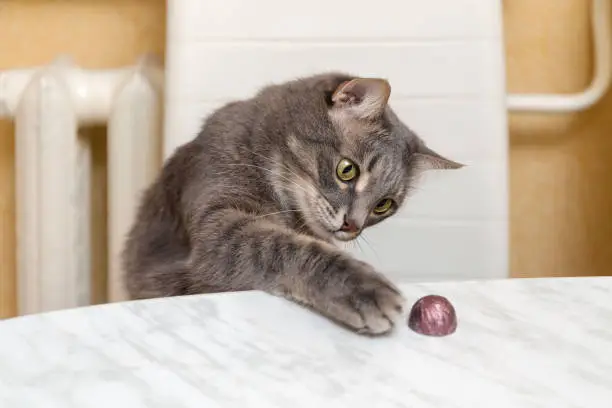
How to Manage and Modify Aggressive Behaviors
Controlling and changing aggressive behavior among cats, particularly ones triggered by certain stimuli such as My Cat Attack When Seeing Chocolate , demands the use of a systematic and constant strategy. These are the most effective methods cats owners can employ:
Desensitization Techniques
- Slow Exposure Slowly expose your dog to the stimuli (chocolate in this instance) within a safe environment. Beginning with low exposure. Gradually intensify the exposure, making sure the stimulus doesn’t cause an aggressive reaction.
- Positive reinforcement Timed during exposure times, give your pet sweets, affection or playtime when your cat is peaceful in the presence of My Cat Attack When Seeing Chocolate. It helps to create positive relationships to the stimuli.
Creating a Supportive Environment
- safe spaces Make sure your cat has access an area of safety that it can go to in case it is feeling stressed. This might be a peaceful space, a tree for cats or an area to hide which it prefers.
- Regularity and Reliability The cat thrives in environments that have predictable routines. Following a consistent schedule to feed, play and sleep can reduce stress and anxiety levels within your cat.
When to Seek Professional Help
In spite of all efforts, professional aid is necessary to handle your cat’s aggressiveness effectively.
Signs That Indicate Need for Professional Assistance
- Persistent Aggression refers to the fact that aggressive behaviors persist in spite of efforts to control or change.
- Risk of Injury In the event that injury causes harm to your pet or any other animal or human that live within the home.
Consulting Veterinary Professionals
- Veterinarians know whether there is a medical issue which is the cause of the agression. It could be due to neurologic or muscular concerns.
- Animal Behaviorists experts who assist in specific behavioral modification in addition to additional help for controlling aggression.
When they are aware of what to do and when they should reach out to help and when to seek help, pet owners can ensure that their pets get the appropriate medical and care needed for the best health and wellness.
The Impact of Diet on Cat Behavior
The link between the food we eat and our behavior helps us to understand how certain food items can trigger aggressive reactions in cat species. Certain components present in food for cats, such as synthetic ingredients, or ones that contain a high amount of carbohydrates can trigger an rise in stress or intensity levels, which could cause an increase in aggression. Investigating how eating a healthy and balanced diet, particularly one that is high in protein, and free of non-essential fillers, may influence the mood of your cat and behavior could help in reducing the risk of aggression.
- Nutrition and Nutritional Balances Examine the ways in the way that deficiencies or excessive doses of certain nutrition elements (like magnesium and B vitamins) can affect the cat’s nervous system as much as the way it behaves.
- Nutritional Recommendations: Give recommendations regarding what to search at in your cat’s food to assure optimal health and wellness of your cat’s behavior. and your pet, such as food items that have the highest amounts of omega-3 fat acids. These are believed to be responsible for their capability to enhance cognition and decrease inflammation.
Behavioral Enrichment to Mitigate Aggression
Enhancing the behavior of a cat is an essential element that can help control aggression in cats. Inspiring cats naturally inclined nature can assist in reducing stress and anxiety. The section could include tips and strategies to enhance a cat’s environments to make them as mentally and physically active.
- environmental enhancement One example is the usage of puzzle feeders, regular games with interactive toys, as well as ensuring there’s enough open space as well as scratches on posts.
- Routines and routines the necessity of having an everyday routine to reduce stress and aggression among cats.
Understanding Feline Body Language
The pet owners will be helped by understanding the entire body language of cats in foreseeing any symptoms of aggression or stress before it progresses. The next sections shall train on how to recognize such signs a cat exhibits when upset or anxious, helping the pet owner to intervene and prevent the development of aggressive behavior.
- Unnoticeable signs of stress Specific movements like the ear’s location or tail flicking, aswell the dilation of pupils and others.
- Communication Breakdowns Define the common miscommunications between cat and human that may trigger violent reactions and suggest strategies to communicate and understand feline needs.
Legal and Ethical Considerations in Managing Aggressive Cats
Discussion of the ethical and legal issues pet owners should be aware of while handling the animal with aggression. That could be a matter of knowing your obligations having a pet and making sure that your pet does not pose a threat for anyone else, in addition to the consequences when you adopt a pet that exhibits aggression.
- owner obligations The document it is important to define what is legally expected of pet owners as well being local laws governing pet behavior and the responsibility of pet owners.
- Rehoming methods that are ethical Discussion of ways to handle ethically the situation in which a cat may need to be moved due to aggressive behavior. It is important to ensure that the welfare for the pet is being considered.

Conclusion
Knowing the causes behind why cats display aggression to innocent objects such as My Cat Attack When Seeing Chocolate is essential to prevent the behavior. This article examines a variety of causes, from enhanced sensors and previous negative events to the possibility of toxic. Being aware of the triggers can be an primary step towards addressing the root cause which is the reason for aggressive behavior.
Call to Action
As a responsible cat owner, you must learn to watch for your cat’s actions and reactions to various triggers. The instant you spot any sign of impending aggression in your cat, it is:
- Keep a record and watch Create a complete record of any violent events, to identify triggers or patterns.
- Implement strategies to Manage Use the techniques of desensitization as well as positive reinforcement, which are described in this post to aid your pet feel more relaxed with stimulation.
- Seek professional assistance Don’t be afraid to consult with vets or animal behavior experts should your dog’s behavior continues to be aggressive or gets worse.
Actively engaging with your pet’s health and wellbeing as also their behavior enhances the bond between the cat and you, however, it can also help keep your cat as well as their health. The sharing of your own experiences as well as the experiences you’ve gained can be useful to other pet owners that may be facing similar issues.