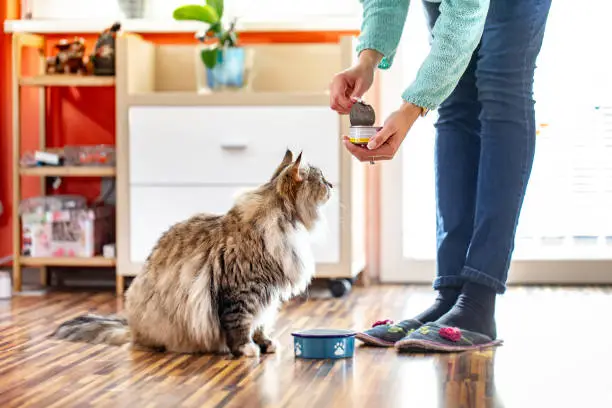
Your cat hears the refrigerator open, catches the smell of ham, and appears beside you almost instantly. One small piece may seem harmless—after all, cats eat meat. But can cats eat ham safely, or is this popular sandwich filling better kept off the feline menu?
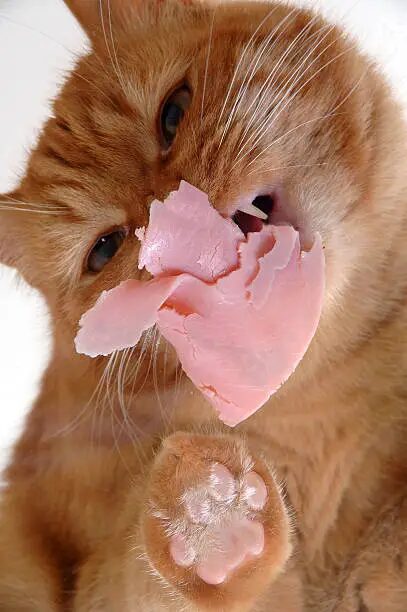
A healthy adult cat can usually eat one or two tiny pieces of plain, fully cooked ham without becoming ill. Plain ham is not inherently poisonous to cats. The problem is that most ham sold for people is cured, smoked, glazed, seasoned, or heavily processed. It may contain far more sodium and fat than a cat needs, along with sugar, preservatives, garlic, onion, or other unsuitable ingredients.
Cats are naturally drawn to ham because of its strong meaty aroma, animal protein, salty taste, and fat content. That attraction does not make ham a healthy everyday snack. The safest approach is to treat it as a rare taste, not a regular reward.
There is also an important difference between ham and plain pork. Ham is pork, but it has usually been preserved through curing, smoking, salting, or processing. A small piece of lean, unseasoned, thoroughly cooked pork is generally a simpler option because you can control the ingredients more easily.
Preparation matters just as much as portion size. A plain piece taken from the unseasoned center of a home-cooked ham is very different from honey-glazed holiday ham, garlic-seasoned deli meat, or a salty slice of prosciutto.
In this complete guide, you will learn:
- Whether ham is toxic to cats
- How much ham a cat may eat
- Why sodium and fat are concerns
- Which varieties are safer
- Which kinds of ham should be avoided
- Whether kittens and senior cats can eat it
- What to do if your cat eats too much
- Which meats make healthier alternatives
Cats are obligate carnivores, meaning they depend on nutrients found primarily in animal-based food. However, that does not mean every meat product made for humans is appropriate for them. Processed meats can contain ingredients and nutrient levels that are poorly suited to a cat’s small body.
Can Cats Eat Ham?
Yes, but only in very small amounts and only occasionally.
The safest option is a tiny piece of plain, lean, fully cooked, boneless, unseasoned ham. Deli ham, glazed ham, smoked ham, cured meat, fatty rind, and heavily seasoned holiday ham are best avoided.
| Question | Quick answer |
|---|---|
| Can cats eat ham? | Only a tiny amount occasionally |
| Is ham toxic to cats? | Plain ham is not inherently toxic |
| Is ham healthy for cats? | Not particularly |
| Can kittens eat ham? | Best avoided |
| How much ham is safe? | One or two tiny pieces |
| How often can cats eat ham? | Rarely, not regularly |
| Best type of ham | Plain, lean, fully cooked, and unseasoned |
| Ham to avoid | Deli, glazed, smoked, cured, salty, fatty, or seasoned ham |
Is Ham Safe for Cats?
Is Ham Toxic to Cats?
Plain ham is not classified as a toxic food for cats. A tiny piece of cooked, unseasoned ham will not usually cause poisoning in an otherwise healthy adult cat.
However, a ham dish may become dangerous when it contains:
- Onion
- Garlic
- Chives
- Leeks
- Excess salt
- Alcohol-based glaze
- Cooked bones
- Heavy spices
Onion, garlic, and chives can irritate the digestive tract and damage red blood cells, potentially leading to anemia. Cats are particularly susceptible to these ingredients.
This applies to fresh, cooked, dried, and powdered forms. A slice of ham seasoned with garlic powder is not safe simply because no visible garlic pieces are present.
Is a Small Piece of Ham Dangerous?
One tiny piece of plain ham is unlikely to cause a serious problem for most healthy adult cats.
That said, the response depends on:
- The size of the piece
- How salty or fatty it was
- Whether it contained seasonings
- Whether your cat ate bones or rind
- Your cat’s size, age, and medical history
- How often ham is being offered
A pea-sized piece and an entire deli slice are very different portions for an animal that may weigh only 8–12 pounds.
Why Ham Is Not the Same as Plain Pork
Ham begins as pork, but it is usually altered through processing.
It may be:
- Salt-cured
- Sugar-cured
- Smoked
- Glazed
- Brined
- Preserved
- Seasoned
- Mechanically processed
Plain pork loin, by comparison, can be cooked without sodium, sugar, preservatives, or spices. This gives the owner more control over what the cat consumes.
Therefore, the question is not only whether cats can eat pork. It is whether a particular piece of ham contains anything that makes it unsuitable.
Can Cats Digest Ham?
Cats can digest cooked animal protein, including pork. However, processed ham may contain enough fat, sodium, sugar, or additives to cause digestive discomfort.
Possible reactions include:
- Vomiting
- Soft stool
- Diarrhea
- Gas
- Abdominal discomfort
- Reduced appetite
A cat that has never eaten ham before may be more sensitive than one that has previously tolerated a tiny taste. Even so, repeated feeding is unnecessary.
What Do Veterinarians Say About Feeding Ham?
Veterinary guidance generally treats ham as an occasional extra rather than a recommended food.
The safest form is plain and cooked without seasonings. Holiday-style ham is discouraged because it is often extremely salty and may contain onion, garlic, sugar, or spice coatings.
A veterinarian should be consulted before offering ham to a cat with:
- Kidney disease
- Heart disease
- Diabetes
- Pancreatitis
- High blood pressure
- Obesity
- Food allergies
- Chronic digestive problems
- A prescription diet
Should Ham Be Part of a Cat’s Regular Diet?
No. Ham is not complete and balanced for cats.
A nutritionally complete cat food contains a carefully formulated balance of:
- Animal protein
- Fat
- Taurine
- Vitamins
- Minerals
- Essential fatty acids
Ham provides some protein and micronutrients, but it does not provide everything a cat needs in the right proportions.
Regularly adding ham may also encourage your cat to refuse its normal food in favor of salty table scraps.
Why Do Cats Like Ham?
Many cats find ham irresistible. Their interest is not surprising, considering its smell, flavor, and texture.
Strong Meat Aroma
Cats rely heavily on smell when deciding whether food is appealing.
Warm or freshly sliced ham releases a noticeable meat aroma that can attract a cat from another room. Smoked ham and deli meat may smell even stronger because of their processing and flavoring.
High Fat Content
Fat makes food aromatic and highly palatable.
A cat may be especially interested in:
- Marbled pieces
- Ham rind
- Fatty edges
- Glazed surfaces
These are precisely the portions that should not be shared. The fattier the piece, the more likely it is to contribute unnecessary calories or digestive upset.
Salty Flavor
Cats may not experience salt exactly as humans do, but salty, processed foods can still be highly appealing because salt intensifies the overall flavor and smell.
Unfortunately, the sodium level that makes ham tasty is also one of the main reasons it is a poor feline treat.
Cats’ Natural Preference for Animal Protein
Cats evolved to eat animal tissue. Their senses naturally respond to the smell and taste of meat.
Ham contains animal protein, so it may seem like a logical food. Yet ham is not simply meat—it is often a processed human product containing sodium, sugar, preservatives, and seasonings.
Why Liking a Food Does Not Mean It Is Healthy
Cats may beg for many foods that are inappropriate for them.
A cat’s enthusiasm does not tell you whether a food is:
- Nutritionally balanced
- Low in sodium
- Safe from toxic seasonings
- Appropriate for a medical condition
- Suitable as a regular treat
Owners must make that decision based on the ingredients and the cat’s health, not the strength of the begging.
Nutritional Value of Ham
Ham contains protein, fat, B vitamins, zinc, iron, phosphorus, potassium, and other nutrients. However, its exact nutritional profile varies considerably.
A lean piece of home-cooked ham may differ from:
- Deli ham
- Canned ham
- Country ham
- Smoked ham
- Glazed ham
- Prosciutto
- Ham sausage
The table below gives a general estimate for 100 grams of cooked, cured ham. Values vary by product, cut, curing method, and brand.
| Nutrient | Approximate amount per 100g |
| Calories | 145–180 kcal |
| Protein | 20–23 g |
| Total fat | 6–9 g |
| Saturated fat | 2–3 g |
| Carbohydrates | 1–3 g |
| Sugar | 0–2 g |
| Sodium | 900–1,300 mg |
| Cholesterol | 50–60 mg |
| Potassium | 300–400 mg |
| Phosphorus | 220–300 mg |
| Iron | 1–1.5 mg |
| Zinc | 2–3 mg |
| Vitamin B6 | 0.3–0.5 mg |
| Vitamin B12 | 0.5–1 mcg |
| Water content | Approximately 65–70% |
Protein in Ham
Ham provides animal protein and amino acids, which cats require.
However, the protein does not cancel out the sodium, fat, sugar, preservatives, and seasonings that may accompany it. Cats already receive protein from complete cat food without needing processed table meat.
Fat Content
The amount of fat depends on the cut and how much rind or visible fat remains.
Fatty ham can contribute to:
- Excess calorie intake
- Weight gain
- Diarrhea
- Vomiting
- Abdominal discomfort
Fatty human foods are also commonly associated with concern for pancreatitis in pets, particularly when large quantities are eaten.
Sodium Content
Sodium is one of the biggest concerns with ham.
Commercially processed and cured meats can contain very high sodium levels. Research using USDA-linked food data found that cured meat and poultry products were among the higher-sodium food categories examined.
A portion that seems modest to a person may represent a significant amount for a small cat.
Vitamins and Minerals
Ham may supply:
- Vitamin B6
- Vitamin B12
- Zinc
- Iron
- Phosphorus
- Potassium
These nutrients already exist in complete commercial cat food in carefully balanced amounts. Feeding ham is not a reliable or necessary way to correct a deficiency.
Why Human-Sized Portions Are Too Large for Cats
A standard deli slice or holiday serving is designed for a person, not a cat.
Even half a slice may contain:
- Too much sodium
- More fat than necessary
- Several treat-sized portions
- Seasonings not visible to the eye
A suitable feline serving is closer to one or two pea-sized pieces, not a sandwich slice.
Is Ham Good or Bad for Cats?
Ham is not completely without nutritional value, but it is generally a poor regular treat.
Possible Benefits of Ham
A tiny amount may provide:
- Animal protein
- Amino acids
- Vitamin B12
- Zinc
- Iron
- A strong aroma that may temporarily interest a reluctant eater
These benefits are limited because the serving should be extremely small.
A cat that is refusing food should not routinely be managed with ham. Loss of appetite may be a sign of dental pain, nausea, kidney disease, infection, obstruction, or another medical issue.
Why the Risks Usually Outweigh the Benefits
Most cats can obtain the same nutritional benefits from safer foods without the drawbacks associated with processed ham.
The main disadvantages include:
- High sodium
- High fat
- Preservatives
- Added sugar
- Unsafe seasonings
- Unbalanced nutrition
- Potential digestive upset
- Extra calories
In practical terms, ham offers little that a cat cannot obtain more safely from its regular food or a plain piece of chicken or turkey.
Main Risks of Feeding Ham to Cats
Excess Sodium
Curing and brining give ham its characteristic taste and preservation.
That process can leave the finished food extremely high in sodium. Excess sodium may be especially problematic for cats with kidney, heart, urinary, or blood-pressure concerns.
Salt Poisoning
A tiny taste of ordinary ham is unlikely to cause salt poisoning in a healthy cat. The risk becomes more concerning when a cat consumes:
- A large quantity
- Very salty cured meat
- Ham brine
- Several salty foods at once
- Ham despite an underlying medical condition
Signs associated with excessive salt intake can include:
- Increased thirst
- Frequent urination
- Vomiting
- Diarrhea
- Restlessness
- Weakness
- Poor coordination
- Tremors
- Seizures
The ASPCA warns that excessive salt ingestion can cause serious neurological signs, including difficulty walking, tremors, seizures, and potentially coma.
High Fat Content
Fatty ham, rind, and skin contain more calories than lean meat.
Eating a large fatty portion may trigger:
- Vomiting
- Loose stool
- Stomach pain
- Reduced appetite
It may also contribute to long-term weight gain when offered repeatedly.
Pancreatitis Risk
Pancreatitis is inflammation of the pancreas. Symptoms can include:
- Vomiting
- Diarrhea
- Lethargy
- Abdominal pain
- Loss of appetite
Fatty table scraps are generally discouraged for pets because they can contribute to digestive problems and may be associated with pancreatitis concerns.
Not every cat that eats fatty ham will develop pancreatitis, but cats with a history of pancreatic or gastrointestinal disease should not receive it without veterinary approval.
Obesity and Weight Gain
Ham is calorie-dense compared with many cat-specific treats.
Repeated extras may seem insignificant, but they add up. Obesity increases the risk of:
- Diabetes
- Joint strain
- Reduced mobility
- Difficulty grooming
- Lower quality of life
Digestive Upset
A cat may experience vomiting or diarrhea because of:
- Fat
- Salt
- Sudden dietary change
- Preservatives
- Spices
- Eating too much
A cat that reacts badly once should not be offered ham again.
Preservatives and Nitrates
Many cured meats contain preservatives that extend shelf life and maintain color.
A tiny accidental taste is not necessarily an emergency, but processed meat is not an ideal regular source of nutrition for cats.
Choosing minimally processed food reduces unnecessary exposure to additives.
Added Sugar
Honey ham, brown sugar ham, maple ham, and glazed holiday ham may contain added sugar.
Cats do not need sugar in their treats. Added sugar contributes calories without supplying essential feline nutrition.
Onion and Garlic Seasoning
This is one of the most serious concerns.
Garlic and onion can damage red blood cells and cause anemia. Cats may develop:
- Vomiting
- Weakness
- Pale gums
- Rapid heart rate
- Panting
- Blood in the urine
Spices and Flavorings
Ham may contain:
- Pepper
- Mustard
- Chili
- Smoke flavor
- Garlic powder
- Onion powder
- Herb blends
- Barbecue seasoning
These additions can irritate the digestive system or introduce toxic ingredients.
Foodborne Bacteria
Raw or undercooked pork can expose cats and people in the household to harmful bacteria or parasites.
Properly cooked meat is the safer choice. Raw feeding also creates hygiene concerns through contaminated bowls, surfaces, saliva, and feces.
Choking Risk
Large, chewy, or rubbery pieces can be difficult for a cat to swallow.
Riskier portions include:
- Thick rind
- Skin
- Long deli strips
- Large chunks
- Tough smoked edges
Ham should always be cut into tiny pieces before it is offered.
Bone Fragments
Ham bones should never be given to cats.
Cooked bones can splinter and cause:
- Choking
- Broken teeth
- Mouth injuries
- Throat damage
- Intestinal blockage
- Internal punctures
A cat that swallows a ham bone or sharp fragment should be assessed by a veterinarian.
How Much Ham Can a Cat Eat?
There is no nutritional requirement for ham, so smaller is always better.
The following table provides conservative occasional portions for plain, lean, fully cooked ham.
| Cat type | Maximum occasional portion |
| Young kitten | Best avoided |
| Older kitten | A crumb-sized taste only |
| Small adult cat | One tiny piece |
| Average adult cat | One or two pea-sized pieces |
| Large adult cat | Two very small pieces |
| Senior cat | Best limited or avoided |
| Cat with a medical condition | Only with veterinary approval |
These are not daily serving recommendations.
Why Portion Size Matters
Cats are much smaller than people. A slice that looks thin to you may contain several servings from a cat’s perspective.
Portion size affects:
- Sodium intake
- Fat intake
- Calories
- Digestive tolerance
- Choking risk
What Counts as a Tiny Piece?
A tiny piece should be approximately:
- The size of a pea
- Thin enough to chew easily
- Free from rind and visible fat
- Completely boneless
- Free from glaze or seasoning
Why a Whole Slice Is Too Much
A whole deli slice can be:
- Highly processed
- Very salty
- Large relative to a cat’s body
- Seasoned with hidden ingredients
- Enough to disrupt the day’s calorie balance
Even low-sodium deli ham is still processed meat and should not become a routine snack.
Calculating Ham as Part of the Treat Allowance
Treats and human-food extras should generally represent no more than 10% of a cat’s daily calories. The remaining calories should come from complete and balanced cat food.
Because ham is calorie-dense and nutritionally incomplete, keeping it well below that maximum is sensible.
How Often Can Cats Eat Ham?
Can Cats Eat Ham Every Day?
No. Daily ham may expose a cat to unnecessary sodium, fat, calories, preservatives, and seasonings.
It may also encourage begging and reduce interest in complete cat food.
Can Cats Eat Ham Once a Week?
A healthy adult cat might tolerate one or two tiny pieces once in a while, but there is no need to establish a weekly ham routine.
“Rarely” is a better guideline than “every week.”
Ham as a Rare Treat
Ham is most appropriate as:
- A one-off taste
- An accidental small bite
- A very occasional reward
It should not become a standard training treat or meal topper.
The 90/10 Feeding Rule
At least 90% of daily calories should come from complete and balanced food. Treats, toppers, and extras should stay within the remaining 10%.
Cats with obesity or medical conditions may need a stricter limit.
Why Commercial Cat Treats Are Usually Safer
Cat treats are generally easier to portion and are made with feline consumers in mind.
They may offer:
- Lower sodium
- Predictable calories
- Smaller pieces
- Fewer unsafe seasonings
- Better feeding instructions
Freeze-dried single-ingredient meat treats can also provide the aroma and protein cats enjoy without many of ham’s disadvantages.
What Kind of Ham Can Cats Eat?
If you decide to offer a taste, the safest form is plain, lean, cooked, boneless, and unseasoned.
Plain Cooked Ham
Plain cooked ham is safer than smoked, glazed, or highly seasoned varieties.
Check the ingredient list even when the surface looks plain. Brines and flavorings may be present throughout the meat.
Lean Ham
Choose a piece with:
- No visible rind
- No skin
- Minimal fat
- No sugary coating
- No seasoned crust
Cut it into one or two tiny pieces.
Home-Cooked Ham
Home preparation gives you greater control over ingredients.
However, traditionally prepared home-cooked ham may still be cured or salty. “Homemade” does not automatically mean low-sodium.
Unseasoned Pork Loin
A small amount of plain, lean, fully cooked pork loin is usually a better occasional option than cured ham.
It can be prepared without:
- Brine
- Sugar
- Smoke flavoring
- Preservatives
- Garlic
- Onion
Freshly Cooked Pork Versus Processed Ham
| Feature | Fresh plain pork | Processed ham |
| Sodium | Usually lower | Often high |
| Preservatives | Usually absent | Common |
| Added sugar | None when plain | Possible |
| Seasonings | Controllable | Often included |
| Processing | Minimal | Cured, smoked, or brined |
| Better occasional choice | Yes | Usually no |
When a cat likes pork, plain cooked pork is generally the more sensible choice.
Types of Ham Cats Should Avoid
Deli Ham and Packaged Lunch Meat
Deli ham is frequently high in sodium and may contain preservatives, flavorings, sugar, and seasonings.
Even varieties labeled “natural” or “low sodium” may not be suitable as regular cat treats.
Smoked and Cured Ham
Smoked and cured varieties tend to be saltier and more heavily processed.
Examples include:
- Country ham
- Prosciutto
- Gammon
- Dry-cured ham
Honey-, Maple-, and Brown-Sugar-Glazed Ham
These products add unnecessary sugar and may also contain mustard, spices, onion, garlic, or alcohol-based flavorings.
Spiral and Holiday Ham
Spiral ham often comes with a glaze packet or has flavoring between the slices.
Holiday ham is particularly risky because it may be covered with:
- Sugar
- Honey
- Mustard
- Garlic
- Onion
- Cloves
- Alcohol-based glaze
Canned and Deviled Ham
Canned ham can be extremely processed and salty.
Deviled ham commonly includes spices and seasonings, making it unsuitable for cats.
Ham Sausage
Ham sausage may contain:
- High fat
- High sodium
- Garlic
- Onion
- Spices
- Fillers
- Preservatives
Ham Cooked With Onion or Garlic
Do not feed any part of a dish prepared with onion or garlic. Removing visible pieces does not necessarily remove the compounds or juices that have spread through the food.
Can Cats Eat Deli Ham?
Deli ham is one of the most common forms of ham found in homes, but it is also one of the least suitable choices for cats.
It may look like a simple slice of cooked meat, yet packaged lunch meat is often highly processed and contains much more than pork.
Why Deli Ham Is Highly Processed
Commercial deli ham may contain:
- Salt
- Sugar
- Preservatives
- Smoke flavoring
- Modified starches
- Flavor enhancers
- Garlic or onion powder
- Artificial ingredients
These additives improve flavor, texture, shelf life, and appearance, but they do not make deli ham healthier for cats.
Sodium Levels in Lunch Meat
Deli ham is commonly cured or injected with brine. As a result, even a thin slice may contain a significant amount of sodium for a small animal.
A cat eating an entire slice may consume far more salt than expected, especially when the ham is also used as a regular treat.
High-sodium foods are particularly inappropriate for cats with:
- Kidney disease
- Heart disease
- High blood pressure
- Urinary conditions
- Fluid-retention problems
Preservatives and Artificial Flavorings
Processed meat may contain nitrates, nitrites, smoke flavoring, and other additives.
A tiny accidental bite is unlikely to create an immediate emergency in most healthy cats, but these ingredients provide no meaningful advantage over plain cooked meat.
Is Low-Sodium Deli Ham Safe?
“Low sodium” does not mean sodium-free or ideal for cats.
It may still contain:
- More salt than plain cooked meat
- Sugar
- Preservatives
- Seasonings
- Artificial flavoring
A tiny piece on a rare occasion may be tolerated, but plain cooked chicken, turkey, or pork is usually a better option.
Better Alternatives to Deli Ham
Healthier alternatives include:
- Plain cooked chicken
- Plain cooked turkey
- Lean cooked pork loin
- Freeze-dried meat treats
- Small portions of regular wet cat food
These choices provide animal protein without the same level of processing.
Can Cats Eat Cooked Ham?
Yes, cats can eat a very small amount of cooked ham when it is plain, lean, fully cooked, boneless, and unseasoned.
The word “cooked” alone does not make ham safe. A cooked ham may still be smoked, cured, glazed, salted, or seasoned.
Is Fully Cooked Ham Safer?
Fully cooked ham is safer than raw or undercooked pork because cooking reduces the risk of harmful bacteria and parasites.
However, cooking does not remove:
- Excess sodium
- Added sugar
- Preservatives
- Garlic or onion seasoning
- High fat content
Always consider the complete ingredient list.
Removing Fat and Skin
Before offering a tiny piece:
- Cut away visible fat.
- Remove skin and rind.
- Discard any tough or chewy edge.
- Check carefully for bone fragments.
The lean center of the meat is the most appropriate portion.
Checking for Seasonings
Do not rely on appearance alone. Seasoning may be present in the brine or throughout the meat.
Check for:
- Garlic
- Onion
- Chives
- Leeks
- Pepper
- Chili
- Mustard glaze
- Alcohol-based sauces
- Excess salt
Safe Cooking Temperature
Pork should be cooked thoroughly according to established food-safety guidance. The exact safe temperature depends on the cut and preparation method.
For cats, the main rule is simple: never serve raw or undercooked ham.
Serving Cooked Ham Plain
A safe occasional serving should be:
- Fully cooked
- Cooled
- Boneless
- Unseasoned
- Lean
- Cut into a pea-sized piece
Can Cats Eat Raw Ham?
Raw ham is not recommended.
Even if a cat is biologically capable of digesting meat, raw pork products can introduce preventable health risks.
Bacterial Contamination
Raw meat can contain harmful bacteria such as:
- Salmonella
- E. coli
- Listeria
- Campylobacter
A cat may become ill, or it may carry and spread bacteria without obvious symptoms.
Parasite Risks
Raw or insufficiently cooked pork may expose animals to parasites.
Modern food controls have reduced some risks, but they have not eliminated them completely. Proper cooking remains the safer approach.
Salmonella and Other Pathogens
Possible signs of foodborne illness include:
- Vomiting
- Diarrhea
- Fever
- Lethargy
- Reduced appetite
- Dehydration
Kittens, seniors, and cats with weakened immune systems may be more vulnerable.
Why Raw Meat Can Affect Humans in the Home
Raw feeding can contaminate:
- Food bowls
- Kitchen counters
- Floors
- Hands
- Bedding
- The cat’s mouth and fur
- Feces and litter boxes
This creates additional concern in homes with young children, older adults, pregnant people, or anyone with a weakened immune system.
Veterinary Advice on Raw Ham
Properly cooked meat is the safer choice for both the cat and the household.
Do not feed raw ham simply because cats are carnivores. A domestic cat’s dietary needs can be met without exposing it to unnecessary bacterial or parasitic risks.
Can Cats Eat Smoked Ham?
Smoked ham is best avoided.
Sodium in Smoked Meat
Smoking is often combined with curing, and cured meat is typically high in sodium.
Even a small piece may contain more salt than plain pork or chicken.
Smoke Flavorings
Some products are traditionally smoked, while others use liquid smoke or artificial smoke flavoring.
These ingredients are unnecessary for cats and may contribute to digestive irritation.
Preservatives
Smoked ham may also contain:
- Nitrates
- Nitrites
- Sugar
- Flavor enhancers
- Stabilizers
Why Smoked Ham Is Not Recommended
Smoked ham combines several undesirable characteristics:
- High sodium
- Heavy processing
- Strong seasoning
- Possible preservatives
- Often high fat
Plain cooked meat is a much better occasional treat.
Can Cats Eat Glazed Ham?
Glazed ham should not be fed to cats.
Honey Glaze
Honey adds sugar without providing any essential feline nutrition.
Some honey glazes also contain mustard, spices, garlic, or onion.
Brown Sugar Glaze
Brown sugar increases the calorie content and may coat the meat in a sticky layer that contains additional seasonings.
Maple Syrup
Maple-glazed ham is often sweet, salty, and highly seasoned.
Cats do not need syrup or added sugar in their diet.
Mustard and Spice Coatings
Glazes may contain:
- Mustard
- Cloves
- Black pepper
- Chili
- Garlic
- Onion
- Alcohol
- Artificial flavoring
Garlic or Onion in Glazes
Garlic and onion remain dangerous whether they are fresh, cooked, powdered, or mixed into a glaze.
Even when the coating is scraped away, some of the seasoning may have soaked into the meat.
Why Removing the Glaze May Not Be Enough
Spiral-cut and baked hams may absorb glaze between the slices.
For that reason, removing the surface layer does not necessarily make the meat safe.
Can Cats Eat Ham Fat?
Ham fat should not be given to cats.
Digestive Problems
Fatty pieces can trigger:
- Vomiting
- Diarrhea
- Gas
- Abdominal discomfort
- Reduced appetite
Pancreatitis Concerns
Fatty foods are commonly avoided in animals with pancreatic disease.
Cats with a history of pancreatitis should not receive ham fat unless a veterinarian specifically approves it.
Excess Calories
Fat contains more calories per gram than protein or carbohydrates.
A small fatty piece can add a surprising number of calories to a cat’s diet.
Choking Risk
Chewy fat may be swallowed in a large piece and become lodged in the throat.
Why Visible Fat Should Be Removed
When offering any cooked meat, trim away:
- White fatty edges
- Marbled chunks
- Skin
- Rind
Only the leanest interior portion should be considered.
Can Cats Eat Ham Skin or Rind?
Ham skin and rind are not suitable for cats.
High Fat and Salt Content
The outer layer may contain more fat, salt, glaze, smoke residue, and seasoning than the inner meat.
Tough Texture
Rind can be rubbery and difficult to chew.
Cats often tear and swallow food rather than chewing it thoroughly, increasing the chance of a large piece being swallowed whole.
Choking or Intestinal Blockage Risk
A long, tough strip could:
- Become lodged in the throat
- Cause vomiting
- Create an intestinal obstruction
- Require veterinary removal
Why Ham Rind Should Be Discarded
Rind offers no nutritional advantage that outweighs its fat, sodium, and choking risks.
Can Cats Eat Ham Bones?
No. Cats should never be given ham bones.
Cooked Bones Can Splinter
Cooking makes many bones brittle.
When chewed, they can break into sharp fragments.
Choking Risk
A bone fragment may become stuck in the:
- Mouth
- Throat
- Esophagus
Mouth and Throat Injuries
Sharp pieces can cut:
- Gums
- Tongue
- Roof of the mouth
- Throat
Intestinal Obstruction
A swallowed piece may become lodged in the stomach or intestines.
Symptoms can include:
- Repeated vomiting
- Loss of appetite
- Abdominal pain
- Constipation
- Lethargy
Internal Punctures
Sharp fragments may puncture the digestive tract, causing internal bleeding, infection, or peritonitis.
What to Do If Your Cat Swallows a Ham Bone
Contact a veterinarian promptly.
Do not:
- Induce vomiting
- Pull on a bone that appears stuck
- Give oil, bread, or bulky food unless instructed
- Wait for severe symptoms before seeking advice
Provide the veterinarian with information about:
- The size of the bone
- Whether it was cooked
- When it was swallowed
- Any symptoms already present
Can Kittens Eat Ham?
Ham is best avoided for kittens.
Is Ham Safe for Kittens?
A tiny crumb of plain cooked ham is unlikely to poison an older, fully weaned kitten. However, there is no nutritional need to offer it.
Developing Digestive and Immune Systems
Kittens are more vulnerable to:
- Digestive upset
- Foodborne bacteria
- Dehydration
- Nutritional imbalance
Sodium Sensitivity
Because kittens are small, even a little processed meat may represent a relatively large sodium exposure.
Nutritional Needs of Growing Kittens
Kittens need precisely balanced levels of:
- Protein
- Fat
- Calcium
- Phosphorus
- Taurine
- Vitamins
- Essential fatty acids
Ham does not provide these nutrients in the correct proportions.
Appropriate Portion, If Any
For an older kitten, limit any taste to a crumb-sized piece of plain cooked meat.
Young kittens that are nursing, bottle-feeding, or transitioning to solid food should not receive ham.
Healthier Kitten Treats
Better options include:
- A small amount of the kitten’s regular wet food
- Kitten-specific treats
- Tiny pieces of plain cooked chicken
- Tiny pieces of plain cooked turkey
Can Senior Cats Eat Ham?
Senior cats may be less able to tolerate salty, fatty, or chewy foods.
Kidney and Heart Considerations
Kidney disease and heart disease become more common with age.
Both conditions may require careful control of:
- Sodium
- Phosphorus
- Calories
- Protein quality
- Fluid balance
High Blood Pressure
Some senior cats develop hypertension, especially when kidney or thyroid disease is present.
Salty table foods are not appropriate in this situation.
Dental Problems
Older cats may have:
- Missing teeth
- Gum disease
- Oral pain
- Difficulty chewing
Tough ham, rind, or thick slices can be difficult and unsafe to eat.
Sensitive Digestion
Senior cats may experience vomiting, diarrhea, or appetite loss more easily after rich foods.
Reduced Calorie Requirements
Many older cats are less active and require fewer calories.
Fatty treats can contribute to weight gain, while cats losing weight need a medical assessment rather than calorie-dense table scraps.
Safer Treats for Older Cats
Consider:
- Soft cat treats
- Small portions of wet food
- Plain cooked chicken
- Veterinary-approved treats for senior cats
Can Pregnant or Nursing Cats Eat Ham?
Pregnant and nursing cats have high nutritional needs, but ham is not an appropriate way to meet them.
Nutritional Needs During Pregnancy
A pregnant cat needs a complete, energy-dense diet designed for growth, reproduction, or kittens.
Ham does not provide the necessary nutrient balance.
Foodborne Bacteria Risk
Raw or undercooked ham may expose both the mother and developing kittens to pathogens.
Excess Salt and Fat
Processed ham may create digestive discomfort and add unnecessary sodium and calories.
Why Balanced Cat Food Is a Better Choice
A high-quality kitten or reproduction diet is generally more appropriate during pregnancy and nursing.
Any appetite concerns should be discussed with a veterinarian.
Can Cats With Kidney Disease Eat Ham?
Cats with kidney disease should generally avoid ham unless their veterinarian specifically approves it.
Sodium Concerns
Excess sodium may complicate blood-pressure and fluid-balance management.
Phosphorus Content
Meat products can contain phosphorus, and many cats with chronic kidney disease need controlled phosphorus intake.
Processed ham may also contain phosphate additives.
Prescription Kidney Diets
Renal diets are formulated to manage nutrients carefully.
Adding ham can disrupt that balance.
Why Treats Can Disrupt Medical Nutrition
Even a small extra food may add:
- Sodium
- Phosphorus
- Fat
- Protein
- Calories
This is especially important when the cat eats small amounts overall.
Ask Your Veterinarian First
Ask for a list of renal-friendly treats rather than assuming a meat-based food is safe.
Can Cats With Heart Disease Eat Ham?
Ham is usually inappropriate for cats with heart disease.
Salt and Fluid Retention
High-sodium foods may contribute to thirst and changes in fluid balance.
Blood Pressure Concerns
Heart disease may occur alongside high blood pressure or kidney disease, making sodium control more important.
Medication and Diet Interactions
Cats receiving heart medication may have specific dietary requirements.
Do not change the diet or add salty treats without veterinary advice.
Low-Sodium Alternatives
A veterinarian may approve:
- Plain cooked chicken
- Low-sodium veterinary treats
- Small portions of regular wet food
Can Diabetic Cats Eat Ham?
Plain ham may contain little carbohydrate, but that does not automatically make it a good diabetic treat.
Added Sugar in Glazed Ham
Honey, maple, and brown-sugar ham should be avoided.
Fat and Calorie Content
Diabetic cats often need careful weight and calorie management.
Fatty ham can make this more difficult.
Weight Management
Obesity can interfere with diabetic control.
Regular table scraps may undermine a structured feeding plan.
Safer High-Protein Treat Options
Depending on veterinary advice, better options may include:
- Freeze-dried chicken
- Plain cooked chicken
- Plain turkey
- The cat’s normal low-carbohydrate wet food
Can Overweight Cats Eat Ham?
Ham is not a good treat for overweight cats.
Calorie Density
Fatty ham can provide many calories in a small portion.
Fat Content
Rind, skin, and marbled pieces are especially calorie-dense.
Portion Control
Owners frequently underestimate the calorie impact of human food.
A whole slice is far too large for a cat trying to lose weight.
Low-Calorie Treat Alternatives
Consider:
- A measured portion of the regular diet
- Small pieces of plain chicken
- Low-calorie cat treats
- Play or attention as a non-food reward
Can Cats With Pancreatitis Eat Ham?
Cats with current or previous pancreatitis should not receive ham without veterinary approval.
Why Fatty Foods May Be Problematic
Rich, fatty foods may aggravate gastrointestinal symptoms and complicate dietary management.
Signs of Pancreatitis
Possible symptoms include:
- Reduced appetite
- Vomiting
- Lethargy
- Abdominal pain
- Dehydration
- Weight loss
Cats often show subtle signs, so loss of appetite or unusual quietness should not be ignored.
Veterinary Dietary Restrictions
A veterinarian may recommend a specific diet based on the individual cat’s condition and tolerance.
When Ham Must Be Completely Avoided
Avoid it when the veterinarian has prescribed:
- A controlled-fat diet
- A gastrointestinal diet
- A strict elimination diet
- No table food
Can Cats With Food Allergies Eat Ham?
Some cats may react to pork or to ingredients used in processed ham.
Pork Allergy in Cats
Pork can act as a food allergen, although allergies to other animal proteins may be more commonly discussed.
Additives Versus Meat Allergies
A reaction may result from:
- Pork protein
- Preservatives
- Smoke flavoring
- Spices
- Another ingredient in the ham
Signs of an Adverse Food Reaction
Watch for:
- Itchy skin
- Ear irritation
- Excessive licking
- Hair loss
- Vomiting
- Chronic diarrhea
Elimination Diet Considerations
Cats following a veterinary elimination diet must not receive ham unless it is specifically included in the plan.
Even a tiny unapproved treat can interfere with the diet trial and make the results difficult to interpret.
Signs That Ham Has Made Your Cat Sick
Symptoms may appear shortly after eating ham or may develop over several hours.
Digestive Symptoms
These can include:
- Vomiting
- Diarrhea
- Gas
- Abdominal discomfort
- Reduced appetite
Thirst and Urination Changes
Excess sodium may cause:
- Excessive thirst
- Frequent urination
Behavioral and Neurological Symptoms
More concerning signs include:
- Lethargy
- Weakness
- Tremors
- Poor coordination
- Seizures
- Collapse
Signs of Possible Anemia
If the ham contained onion or garlic, watch for:
- Pale gums
- Rapid breathing
- Weakness
- Dark or reddish urine
- Fast heart rate
Difficulty Breathing
Breathing difficulty is an emergency and requires immediate veterinary attention.
Symptoms of Salt Poisoning in Cats
Salt poisoning is unlikely after one tiny piece of ordinary ham, but large quantities of very salty food may be dangerous.
Early Symptoms
Possible early signs include:
- Excessive thirst
- Vomiting
- Diarrhea
- Restlessness
- Frequent urination
Severe Symptoms
More advanced symptoms may include:
- Weakness
- Tremors
- Loss of coordination
- Seizures
- Collapse
- Coma
When Salt Exposure Becomes an Emergency
Seek urgent veterinary advice when:
- A cat eats a large amount of salty ham
- The cat drinks ham brine
- Neurological symptoms appear
- Vomiting or diarrhea is severe
- The cat has kidney or heart disease
- The amount eaten is unknown
Do not try to correct a possible salt overdose by forcing large amounts of water. Follow professional veterinary instructions.
What Should I Do If My Cat Ate Ham?
If your cat steals a piece of ham, the first step is not to panic. A small bite of plain, fully cooked ham is unlikely to cause a serious problem in most healthy adult cats.
The level of concern depends on:
- How much ham was eaten
- Whether it was plain or seasoned
- Whether it contained onion or garlic
- Whether bones, rind, or fat were swallowed
- Your cat’s size and age
- Whether your cat has an existing medical condition
Stay Calm and Estimate the Amount
Try to determine whether your cat ate:
- One tiny bite
- A whole slice
- Several slices
- A large portion of holiday ham
- Fat or rind
- A bone
The amount matters because a few grams of ham and a large serving create very different risks.
Check the Ingredient List
If the ham came from a package, read the label carefully.
Look for:
- Sodium
- Garlic
- Onion
- Chives
- Leeks
- Spices
- Sugar
- Honey
- Maple syrup
- Preservatives
If it was homemade, check the recipe.
Identify Garlic, Onion, or Other Toxic Ingredients
Garlic and onion are especially concerning because they can damage a cat’s red blood cells.
Risky ingredients may appear as:
- Garlic powder
- Onion powder
- Seasoning blends
- Marinades
- Glazes
- Sauces
Contact a veterinarian if the ham contained these ingredients.
Determine Whether Bones Were Eaten
Ham bones can be dangerous because cooked bones may splinter.
A swallowed bone may cause:
- Choking
- Mouth injury
- Intestinal blockage
- Internal punctures
Contact a veterinarian promptly if you think your cat swallowed a bone or sharp fragment.
Provide Fresh Water
Make sure fresh water is available, particularly after salty food.
Do not force your cat to drink excessive amounts.
Do Not Induce Vomiting at Home
Never try to make your cat vomit unless a veterinarian specifically instructs you.
Home methods such as:
- Hydrogen peroxide
- Salt
- Mustard
- Oils
can be dangerous for cats.
Monitor for Symptoms
Watch your cat closely for:
- Vomiting
- Diarrhea
- Excessive thirst
- Weakness
- Lethargy
- Tremors
- Pale gums
- Abdominal pain
- Difficulty breathing
Call Your Veterinarian
Contact a veterinarian when:
- A large amount was eaten
- The ham contained onion or garlic
- A bone was swallowed
- Your cat has kidney or heart disease
- Your cat develops symptoms
- You are unsure what ingredients were present
When to Contact an Emergency Clinic
Seek urgent care if your cat develops:
- Repeated vomiting
- Severe weakness
- Tremors
- Seizures
- Collapse
- Difficulty breathing
- Severe abdominal pain
- Signs of choking
My Cat Ate a Small Piece of Ham—Should I Worry?
One Tiny Plain Piece
Usually, no.
Monitor your cat and avoid giving more.
A Whole Slice
A full slice may contain a large amount of sodium relative to a cat’s size.
Provide water and watch for digestive symptoms.
A Large Amount of Holiday Ham
This is more concerning because holiday ham may be:
- Very salty
- Fatty
- Glazed
- Seasoned
Contact a veterinarian for advice.
Seasoned or Glazed Ham
Check ingredients carefully.
The risk increases if it contains:
- Garlic
- Onion
- Alcohol-based glaze
- Excess sugar
- Heavy seasoning
Ham Containing Onion or Garlic
Call a veterinarian promptly, even if your cat currently appears normal.
Symptoms from red blood cell damage may not appear immediately.
Ham With a Bone
Veterinary advice is recommended because cooked bone fragments can cause serious internal injuries.
How to Serve Ham to a Cat Safely
If you decide to offer a tiny taste, keep preparation extremely simple.
Choose Plain, Fully Cooked Meat
Avoid:
- Raw
- Smoked
- Glazed
- Cured
- Heavily processed
Remove Skin, Rind, and Visible Fat
Choose only the lean center of the meat.
Remove Every Bone
Check carefully for small fragments.
Check for Onion and Garlic
Read labels and recipes before feeding.
Cut It Into Tiny Pieces
A pea-sized piece is enough.
Let It Cool Before Serving
Do not give hot meat directly from the oven or pan.
Offer Fresh Water
Always keep clean water available.
Use Ham Only as a Rare Treat
Do not make it part of your cat’s regular feeding routine.
Ham Versus Plain Pork for Cats
Plain pork is generally a better occasional option because it can be prepared without curing, excess salt, sugar, or preservatives.
| Feature | Ham | Plain Cooked Pork |
|---|---|---|
| Processing | Usually processed or cured | Minimal |
| Sodium | Often high | Lower when unseasoned |
| Fat | Frequently high | Depends on cut |
| Preservatives | Often present | Usually absent |
| Added sugar | Possible | None when plain |
| Seasonings | Common | Easily controlled |
| Suitable for cats | Rare treat at most | Small amounts may be safer |
| Best choice | Usually no | Lean, fully cooked pork is preferable |
The safest choice is lean pork cooked without:
- Salt
- Garlic
- Onion
- Oil
- Sauces
- Spices
Ham Versus Other Meats for Cats
| Meat | Protein | Sodium | Fat | Processing | Safety | Best Use |
| Ham | High | Often high | Moderate to high | High | Limited | Rare treat |
| Chicken | High | Low when plain | Low to moderate | Low | Very good | Occasional treat |
| Turkey | High | Low when plain | Low | Low | Very good | Occasional treat |
| Beef | High | Low when plain | Varies | Low | Good | Small portions |
| Pork loin | High | Low when plain | Moderate | Low | Good | Occasional treat |
| Tuna | High | Varies | Low | Moderate | Limited | Occasional only |
| Salmon | High | Low when plain | Higher healthy fats | Low | Good | Cooked occasionally |
| Commercial cat treats | Varies | Controlled | Controlled | Formulated | Usually best | Routine treats |
For most cats, plain chicken or turkey is a better human-food treat than ham.
Healthier Alternatives to Ham for Cats
Plain Cooked Chicken
Chicken is often one of the simplest alternatives.
Serve:
- Skinless
- Boneless
- Fully cooked
- Unseasoned
Plain Cooked Turkey
Turkey is lean and rich in animal protein.
Avoid deli turkey for the same reasons deli ham is discouraged.
Lean Beef
A tiny amount of plain cooked lean beef may also be suitable.
Plain Cooked Pork
Fresh pork cooked without salt or seasonings is preferable to cured ham.
Freeze-Dried Meat Treats
Single-ingredient freeze-dried treats can provide:
- Strong meat aroma
- High protein
- Easy portion control
Complete and Balanced Cat Treats
Commercial treats designed for cats are generally safer than processed human meats.
Small Portions of Regular Wet Food
A spoonful of your cat’s normal wet food can be used as a reward without introducing an unfamiliar ingredient.
Why Turkey or Chicken May Be Easier to Digest
Lean poultry often contains:
- Less sodium
- Less fat
- Fewer preservatives
- No curing agents
when prepared plainly.
Human Foods Cats Should Never Eat With Ham
Holiday plates often combine ham with other foods that may be dangerous.
Onion
Can damage red blood cells.
Garlic
Also toxic and may be even more concentrated.
Chives
Another member of the Allium family that should be avoided.
Leeks
Also unsafe.
Alcohol-Based Glazes
Alcohol is toxic to cats.
Grapes and Raisins
Best avoided because of their known toxicity risk in pets.
Chocolate
Contains methylxanthines that can be dangerous.
Xylitol-Containing Sauces
Avoid any product containing xylitol.
Raw Dough
Yeast dough can expand and ferment.
Cooked Bones
Can splinter and cause serious injury.
Holiday Ham and Cats
Holiday meals create extra risk because ham is often richer and more heavily seasoned than usual.
Why Holiday Ham Is Especially Risky
It may contain:
- Honey
- Brown sugar
- Maple syrup
- Mustard
- Garlic
- Onion
- Cloves
- Alcohol-based glaze
Glazes and Seasonings
Even a small glazed slice can contain ingredients your cat does not need.
Keeping Cats Away From the Dining Table
Discourage table feeding by:
- Feeding your cat before guests arrive
- Keeping food covered
- Removing plates quickly
- Asking guests not to share scraps
Safe Storage of Leftovers
Store leftover ham in sealed containers in the refrigerator.
Do not leave bones, rind, or meat scraps on counters.
Securing Ham Bones and Kitchen Trash
Cats may dig through trash because of the strong smell.
Use:
- Lidded bins
- Closed cabinets
- Secure trash bags
Cat-Safe Holiday Treat Alternatives
Offer:
- Plain turkey
- Plain chicken
- A favorite cat treat
- A spoonful of wet food
Can Ham Be Used to Hide Cat Medication?
Some owners use ham to disguise pills because cats like the smell.
This can work occasionally, but there are better options.
Why Owners Use Ham for Pills
Ham can:
- Mask medication odors
- Encourage swallowing
- Make pills more appealing
Sodium and Portion Concerns
Using ham every day for medication may create repeated sodium and calorie intake.
This is especially important for cats on long-term medication.
Medication Absorption Considerations
Some medications must be:
- Given with food
- Given on an empty stomach
- Avoided with certain foods
Always follow veterinary instructions.
Better Pill-Hiding Options
Consider:
- Pill pockets
- Veterinary-approved soft treats
- A tiny amount of wet food
- Special medication paste
Ask Your Veterinarian or Pharmacist
Check whether a medication can safely be hidden in food before doing so.
Can Ham Encourage a Sick Cat to Eat?
Because ham has a strong smell, it may sometimes interest a cat with poor appetite.
However, appetite loss in cats should be taken seriously.
Strong Aroma and Appetite Stimulation
Warming food slightly can increase aroma and sometimes encourage eating.
Ham may have a similar effect because of its strong smell.
Why Temporary Use May Sometimes Be Considered
A veterinarian may occasionally suggest a highly palatable food to encourage a sick cat to eat.
That does not mean ham is appropriate for every condition.
Risks for Cats With Kidney or Heart Disease
The sodium content may make ham unsuitable.
When Appetite Loss Requires Immediate Veterinary Care
Cats should not go prolonged periods without eating.
Contact a veterinarian if your cat:
- Refuses several meals
- Stops eating completely
- Is vomiting
- Is lethargic
- Is losing weight
Safer Veterinary Recovery Foods
Veterinary recovery diets are formulated to provide:
- High palatability
- Concentrated nutrition
- Appropriate vitamins and minerals
- Easier digestion
They are usually preferable to processed meat.
Pros and Cons of Feeding Ham to Cats
Pros
- Contains animal protein
- Highly appealing smell and taste
- A tiny plain piece is not usually toxic
- May occasionally tempt a reluctant eater
Cons
- High in sodium
- Often high in fat
- May contain sugar
- Frequently contains preservatives
- May contain garlic or onion
- Can cause vomiting or diarrhea
- May aggravate kidney or heart conditions
- May be unsuitable for pancreatitis
- Not complete and balanced
- Healthier meats are available
Overall, the disadvantages generally outweigh the benefits.
Expert Tips for Feeding Ham Safely
Keep these rules in mind:
- Choose only plain, lean, fully cooked ham.
- Check every ingredient.
- Avoid deli and heavily processed ham.
- Remove fat, skin, rind, and bones.
- Serve no more than one or two tiny pieces.
- Do not feed ham regularly.
- Keep treats below 10% of daily calories.
- Prioritize complete and balanced cat food.
- Choose chicken or turkey when possible.
- Ask a veterinarian before feeding ham to a cat with a medical condition.
Frequently Asked Questions
Can Cats Eat Ham Safely?
Yes, a healthy adult cat can usually eat one or two tiny pieces of plain, fully cooked ham occasionally.
Is Ham Toxic to Cats?
Plain ham itself is not inherently toxic, but seasonings such as onion and garlic can make it dangerous.
Is Cooked Ham Safe for Cats?
A tiny amount of plain, lean, boneless cooked ham may be safe occasionally.
Can Cats Eat Raw Ham?
Raw ham is not recommended because of the risk of bacteria and parasites.
Can Cats Eat Deli Ham?
It is best avoided because deli ham is often high in sodium and preservatives.
Can Cats Eat Smoked Ham?
Smoked ham is usually too salty and processed to be a good cat treat.
Can Cats Eat Glazed Ham?
No. Glazed ham may contain sugar, garlic, onion, spices, or alcohol-based ingredients.
Can Cats Eat Honey Ham?
Best avoided because of added sugar and possible seasonings.
Can Cats Eat Spiral Ham?
Only a tiny piece from an unseasoned, unglazed section might be acceptable, but most spiral ham is heavily seasoned.
Can Cats Eat Canned Ham?
Canned ham is usually too processed and salty.
Can Cats Eat Ham Fat?
No. Visible fat should be removed.
Can Cats Eat Ham Rind?
No. Rind is often salty, fatty, and difficult to chew.
Can Cats Eat Ham Bones?
No. Cooked bones can splinter and cause choking or internal injury.
Can Cats Eat Prosciutto?
Prosciutto is extremely salty and cured, so it should be avoided.
Can Cats Eat Gammon?
Gammon is cured and often high in salt. It is not a good choice for cats.
Can Kittens Eat Ham?
It is best avoided. Kittens need nutritionally complete growth food.
Can Senior Cats Eat Ham?
Senior cats should generally have very limited or no ham, particularly if they have kidney, heart, or blood-pressure problems.
Can Pregnant Cats Eat Ham?
A tiny plain bite may not be toxic, but a complete diet formulated for pregnancy and nursing is far more appropriate.
Can Cats With Kidney Disease Eat Ham?
Usually not without veterinary approval because ham can be high in sodium and phosphorus.
Can Diabetic Cats Eat Ham?
Glazed or sugary ham should be avoided. Any treat should fit the cat’s veterinary nutrition plan.
Can Cats Eat Low-Sodium Ham?
Low-sodium ham is better than regular deli ham but still processed. Plain cooked meat is a better choice.
How Much Ham Can a Cat Eat?
For a healthy adult cat, no more than one or two pea-sized pieces on a rare occasion.
How Often Can Cats Eat Ham?
Rarely. Ham should not become a daily or routine weekly treat.
What Happens If a Cat Eats Too Much Ham?
Possible effects include:
- Vomiting
- Diarrhea
- Excessive thirst
- Abdominal discomfort
- Lethargy
Very salty or seasoned ham can create more serious problems.
Why Does My Cat Love Ham?
Cats are attracted to its:
- Strong smell
- Animal protein
- Fat
- Intense flavor
Can Ham Cause Diarrhea in Cats?
Yes, especially when the ham is fatty, salty, processed, or eaten in large amounts.
Can Ham Cause Pancreatitis in Cats?
Rich, fatty foods may be problematic for cats with pancreatitis or digestive disease, so ham should be avoided unless a veterinarian approves it.
Can Ham Cause Salt Poisoning?
A tiny piece is unlikely to cause salt poisoning, but large quantities of very salty ham or ham brine may be dangerous.
Can I Use Ham to Give My Cat Medicine?
Occasionally, but pill pockets or veterinarian-approved alternatives are usually better, especially for daily medication.
Is Pork Better Than Ham for Cats?
Plain, lean, fully cooked pork is generally a better choice because it contains less sodium and fewer additives than processed ham.
What Meat Is Healthiest for Cats?
For occasional treats, plain cooked:
- Chicken
- Turkey
- Lean beef
- Lean pork
are generally better choices than processed meat.
A complete and balanced cat food should still provide nearly all of the cat’s nutrition.
People Also Ask
What Happens If My Cat Eats Ham?
A tiny plain piece is usually not a problem. Larger quantities may cause digestive upset or excessive sodium intake.
Why Can’t Cats Eat Ham Regularly?
Because it is often high in sodium, fat, preservatives, and seasonings.
Is One Slice of Ham Too Much for a Cat?
Yes. A full human-sized slice is generally more than a cat needs.
How Much Sodium Can a Cat Tolerate?
There is no single safe amount that applies to every cat. Dietary sodium needs depend on health, life stage, and the complete diet.
Can Cats Eat Christmas Ham?
Holiday ham is usually glazed, salty, and seasoned, so it is best avoided.
Can Cats Eat Sandwich Ham?
Deli or sandwich ham is highly processed and should not be a routine treat.
Can Cats Eat Ham and Cheese?
This combination adds even more fat, sodium, and potentially dairy-related digestive problems. It is better avoided.
Is Ham or Turkey Better for Cats?
Plain cooked turkey is generally the better choice.
Can Cats Eat Bacon?
Bacon is very fatty, salty, and processed, so it is not a good regular treat.
Can Cats Eat Pork?
Yes, small amounts of plain, lean, fully cooked pork may be offered occasionally.
Is Low-Salt Ham Safe for Cats?
It may be less salty than regular ham but is still less desirable than plain cooked meat.
What Should I Do If My Cat Ate Glazed Ham?
Check the glaze ingredients, especially for onion, garlic, alcohol, or excessive salt. Contact a veterinarian if concerning ingredients or symptoms are present.
Conclusion
So, can cats eat ham? The answer is yes—but only with important restrictions.
A tiny piece of plain, lean, fully cooked, boneless, unseasoned ham is unlikely to harm most healthy adult cats. Plain ham is not inherently toxic, and its animal protein and strong aroma may make it highly appealing.
However, most ham made for people is far from ideal feline food.
Deli meat, smoked ham, cured ham, prosciutto, glazed holiday ham, canned ham, and heavily seasoned varieties can contain excessive:
- Sodium
- Fat
- Sugar
- Preservatives
- Spices
Some preparations may also contain garlic or onion, which can be toxic to cats.
Portion size is equally important. A cat does not need a slice of ham. If a healthy adult cat is offered any at all, one or two pea-sized pieces on a rare occasion is more appropriate.
Always remove:
- Bones
- Rind
- Skin
- Visible fat
- Glaze
- Seasoned edges
Ham should never replace complete and balanced cat food. Cats may be obligate carnivores, but processed human meat does not provide the balanced nutrition they need.
For a safer occasional treat, choose plain cooked chicken, turkey, lean pork, or a cat-specific meat treat instead.
If your cat eats a large amount of ham, swallows a bone, consumes ham containing onion or garlic, or develops vomiting, weakness, tremors, breathing problems, pale gums, or other concerning symptoms, contact a veterinarian promptly.