
That shredded sofa arm. The scratched-up doorframe. Maybe even a few nicks on your hands. The frustration is real, and the search for a permanent solution is why you’re here, looking for information on “cat declawing near me.” You love your cat, but you’re at your wit’s end trying to manage their natural cat scratching problems. It’s a common dilemma for pet owners, often driven by a desire to protect belongings, young children, or simply find peace in your home.
What if we told you that the solution you’re considering Cat Declawing Near Me is far more drastic than a simple manicure and is now widely regarded by veterinary experts as an inhumane practice of the past? Many well-intentioned cat owners are unaware of the severe physical and psychological consequences this procedure inflicts.
This guide is designed not to judge, but to educate. We will explain what declawing truly entails, why the veterinary community has largely turned against it, and—most importantly—provide you with a wealth of effective, humane alternatives and strategies to protect both your cat’s wellbeing and your home. Let’s find a solution that works for everyone.
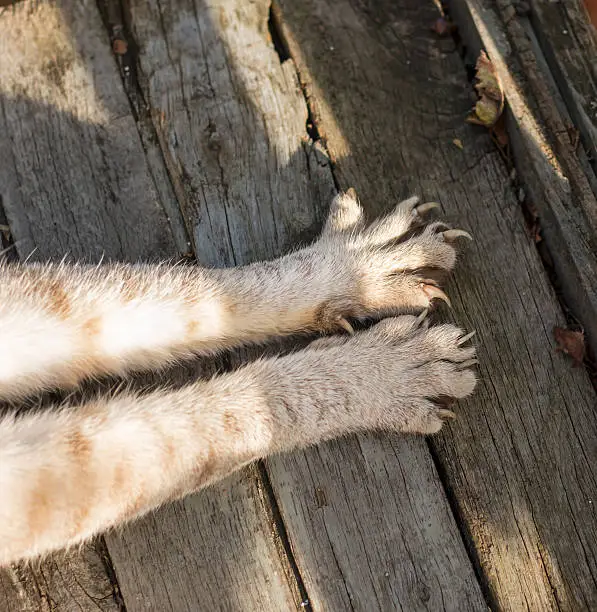
1. What is Cat Declawing Near Me? It’s More Than a Manicure
To understand the controversy, you must first understand the procedure. The term “declawing” is a profound misnomer. It sounds simple and clean, but the reality is much more severe.
The technical term for declawing is onychectomy. It is not the removal of the claw. It is the surgical amputation of the last bone of each toe on a cat’s front paws (and sometimes the back). This is because a cat’s claw is not a separate appendage like a human fingernail; it is attached to the last bone in the toe.
To put this into perspective, declawing is equivalent to amputating a human finger at the last knuckle, just below the top joint. It is a radical procedure that alters the fundamental anatomy of the paw.
This amputation can be performed with a scalpel, guillotine-style clippers, or even a laser. While a laser may cauterize nerves and blood vessels and reduce some bleeding, it does not change the fundamental outcome: the removal of a critical part of the toe and a lifetime of potential complications.
2. Why is Cat Declawing Near Me Controversial? The Ethics of Feline Wellbeing
So, is Cat Declawing Near Me cruel? The overwhelming consensus in the modern veterinary community is yes. Major veterinary associations across the globe have condemned the procedure when performed for non-therapeutic reasons.
A Shift in Veterinary Medicine on Cat Declawing Near Me
For decades, declawing was a routine, elective surgery offered by many vets as a convenience surgery for owners. Today, that view has flipped. Leading organizations like the American Veterinary Medical Association (AVMA) and the American Association of Feline Practitioners (AAFP) strongly discourage the procedure. They position it as a last resort, only to be considered after all behavioral alternatives have been exhausted and only for specific medical reasons, not for protecting furniture.
Their stance is based on a commitment to animal welfare and the principle of “first, do no harm.” The surgery’s inherent pain and potential for long-term suffering are now seen as an unacceptable trade-off for owner convenience.
The Growing Wave of Legal Bans
This ethical shift is not just theoretical; it’s becoming law. The procedure is banned in over a dozen countries, including the United Kingdom, Israel, Brazil, and across the European Union. In the United States, it is illegal in New York state, Maryland, and cities like Los Angeles, San Francisco, and Pittsburgh. This legal trend underscores a global recognition that declawing is an inhumane practice.
3. The Long-Term Side Effects and Risks of Declawing
The initial surgery is just the beginning. The declawing cats side effects can manifest immediately and last for the entirety of a cat’s life, leading to significant problems after Cat Declawing Near Me. These are not rare occurrences; they are well-documented risks.
Chronic Pain
The amputation of toe bones can lead to nerve damage, the formation of painful bone spurs (where the amputated bone tries to regrow), and lifelong arthritis. A cat’s weight is distributed differently on its paws after declawing, which can cause joint pain throughout its life. Studies have shown that many declawed cats show signs of chronic pain long after their surgical wounds have healed.
Litter Box Avoidance
Imagine trying to dig in gravel with amputated fingertips. The pain of scratching in rough litter can cause a cat to associate their litter box with agony. This is a primary reason declawed cats often develop litter box avoidance and start eliminating on soft surfaces like carpets, beds, and clothing—a problem often far worse than the original scratching behavior.
Increased Biting
Claws are a cat’s primary line of defense. When they are removed, a cat feels vulnerable and may resort to their secondary weapon: their teeth. Declawed cats often become more prone to biting because they have lost their ability to give a warning swipe.
Infection and Surgical Complications
As with any surgery, there is a risk of hemorrhage, infection, and adverse reactions to anesthesia. Improper amputation can lead to regrowth of the claw, where a piece of the bone is left behind and continues to grow inside the paw, causing a painful abscess.
Psychological Distress
Scratching is a natural, instinctual behavior for cats. It allows them to:
- Stretch and flex their feet and back.
- Mark their territory visually and with scent glands in their paws.
- Manage stress and express emotions.
Removing this ability can lead to anxiety, stress, and a loss of normal feline expression.
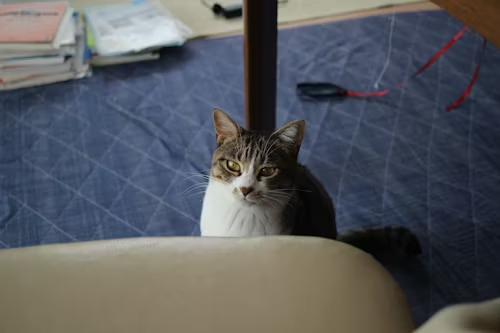
4. Humane Alternatives to Declawing: Effective Solutions for Scratching
The good news is that you absolutely do not need to declaw your cat. There are numerous highly effective and humane alternatives to declawing a cat that address the root of the behavior. Successfully learning how to stop cat from scratching furniture involves understanding why cats scratch and providing them with appropriate outlets.
Scratching is a normal, healthy behavior. Cats do it to:
- Stretch their muscles and flex their feet.
- Mark their territory visually (with visible marks) and scent-wise (using scent glands in their paws).
- Maintain their claws by removing the dead outer sheath.
- Release energy or express emotions like excitement or stress.
Instead of removing the instinct, manage it with this actionable checklist:
A. High-Quality Scratching Posts
This is your first and most important line of defense. Not all posts are created equal.
- Type: Offer a variety. Most cats love sisal rope or fabric. Many also enjoy corrugated cardboard scratchers. Some prefer carpet, though this can sometimes confuse them if it’s similar to your home’s carpet.
- Stability: The post must be heavy and sturdy. If it wobbles or tips over when used, your cat will be startled and avoid it. A tall, stable post that allows for a full stretch is ideal.
- Placement: Place posts in prominent areas where your family spends time, not hidden in a corner. Cats scratch to mark their territory, so they want their “mark” to be seen. Also, place one near their favorite sleeping area—cats love to stretch and scratch when they wake up.
B. Regular Nail Trimming
Trimming your cat’s nails every 1-2 weeks dramatically reduces the damage they can cause. It’s a simple, painless procedure that keeps claws blunted.
- How to Get Started: Get your cat used to having their paws handled gently. Use a pair of small, sharp cat nail clippers. Only trim the very tip of the nail, avoiding the pink “quick” (which contains nerves and blood vessels). If you’re nervous, ask your veterinarian or a groomer for a demonstration.
C. Nail Caps (Soft Paws)
Nail caps are small, soft vinyl caps that are glued over your cat’s own claws. They are harmless, painless, and last for 4-6 weeks before they fall off naturally as the nail grows. When your cat scratches, the caps blunt the impact, preventing damage. They are an excellent temporary solution while you train your cat to use a scratching post.

Soft Claws Cat Nail Caps
Soft Claws Cat Nail Caps for Medium Cats – (40 Caps, Clear) – Made in USA – Veterinarian-Developed | Protects Furniture & Skin – Easy to Apply, Long-Lasting Anti-Scratch Soft Cat Claw Covers
D. Environmental Enrichment
Boredom and pent-up energy are major causes of destructive scratching.
- Play: Engage your cat in daily, interactive play sessions with wand toys to simulate hunting and tire them out.
- Puzzle Feeders: These make your cat work for their food, providing mental stimulation.
- Cat Trees & Perches: Vertical space allows cats to survey their domain, feel safe, and often include built-in scratching surfaces.
E. Positive Reinforcement on Cat Declawing Near Me
Never punish your cat for scratching. It doesn’t work and will only damage your bond and make them anxious.
- Reward the behavior you want. When you see your cat using their scratching post, immediately reward them with a high-value treat, catnip, or praise. This powerfully reinforces that the post is a good thing.
- Make forbidden surfaces unattractive. Use double-sided sticky tape or aluminum foil on furniture corners. Cats dislike the sticky feeling on their paws. You can also use citrus-scented sprays as a deterrent, as most cats dislike citrus smells.
5. When is Declawing Medically Necessary? The Rare Exceptions
To be thorough and unbiased, it is important to note that there are extremely rare medical reasons for Cat Declawing Near Me. In these specific cases, the procedure is not performed for convenience but to address a severe health issue. These exceptions are vital but represent a tiny fraction of cases.
The goal in these instances is not to stop scratching behavior but to remove diseased tissue. The procedures are typically limited to the specific affected toe(s), not all toes on all paws.
Exceptional medical circumstances may include:
- Severe and chronic nail bed infections or tumors (e.g., squamous cell carcinoma) that have not responded to any other treatment.
- Irreparable trauma to the claw or toe, such as a severe crush injury that cannot be healed.
- Certain congenital deformities that cause the claw to grow abnormally and painfully into the paw pad.
It is crucial to understand that these are exceptional medical circumstances, not behavioral ones. A reputable veterinarian will only consider declawing after all other treatment options have been exhausted and the animal’s quality of life is at stake.
6. How to Find a Veterinarian Near You Who Doesn’t Declaw
Your search for “Cat Declawing Near Me” should quickly become a search for a “veterinarian against Cat Declawing Near Me.” Finding a cat friendly vet clinic is one of the best things you can do for your pet’s long-term health. Here’s your step-by-step guide:
- Search for “Cat-Friendly” Practices: The American Association of Feline Practitioners (AAFP) has a “Cat Friendly Practice” program. Clinics with this designation have made specific changes to reduce stress and provide a more calming environment for cats. They are highly likely to oppose elective declawing. You can use the AAFP’s online directory to find one near you.
- Call and Ask Directly: This is the most straightforward method. Call a clinic and say:“Hi, I’m looking for a new veterinarian for my cat. I am seeking a practice that does not perform elective declawing procedures. Can you tell me your clinic’s policy on this?”
A ethical clinic will be happy to answer this question and may even thank you for asking. - Look for Fear-Free Certified Practices: The Fear Free certification program teaches veterinary professionals to prevent and alleviate fear, anxiety, and stress in pets. Performing an elective surgery like declawing is antithetical to this philosophy. Finding a Fear Free vet is a great sign.
- Check Online Reviews: Search Google and Yelp reviews for the clinic’s name along with keywords like “declaw,” “ethical,” “humane,” and “alternatives.” Reviews often reveal a clinic’s true values and practices.

7. Questions to Ask Your Veterinarian About Declawing
If you are speaking with a veterinarian who is still willing to perform the procedure, it is crucial to be your cat’s advocate. Being armed with informed questions to ask about Cat Declawing Near Me can help you understand their position and the immense responsibility of the surgery.
Empower yourself with this list of questions:
- “What is the exact surgical technique you use?” (e.g., scalpel, guillotine clipper, laser). Ask them to explain the amputation process in anatomical detail so you fully understand what will be removed.
- “What are your specific pain management protocols during and, most importantly, after surgery?” Pain should be managed with a multi-modal approach (local anesthetics, opioids, NSAIDs) for several days post-op.
- “What are the most common complications you see in your patients after declawing?” Listen carefully for mentions of lameness, infection, litter box issues, or behavioral changes.
- “Before we even consider this, can we create a plan to try all behavioral alternatives first?” A ethical vet should be eager to discuss training, scratching posts, nail trims, and nail caps.
- “What is your personal view on the ethics of this procedure?” The answer to this question will tell you everything you need to know about that veterinarian’s philosophy on animal welfare.
A veterinarian who is dismissive of your questions, downplays the risks, or is unwilling to discuss alternatives is not the right vet for your cat.

Kitty Caps Nail Caps for Cats
Kitty Caps Nail Caps for Cats, Black with Gray Tips & Baby Blue – Safe, Stylish & Humane Alternative to Declawing Stops Snags & Scratches,…
8. Frequently Asked Questions (FAQ) About Cat Declawing Near Me
Q: Is declawing illegal on Cat Declawing Near Me?
A: Yes, it is banned in many countries (including the UK, most of Europe, and Australia) and in a growing number of U.S. states and cities (including New York, Maryland, and Los Angeles). This reflects a global shift toward viewing the procedure as an unethical form of animal mutilation.
Q: How much does it cost to declaw a cat?
A: We intentionally do not provide a price guide. Listing a cost normalizes the procedure and presents it as just another service. It is critical to understand that the true “cost” is not the initial surgery fee but the potential lifetime of expenses related to managing chronic pain, behavioral issues like inappropriate elimination, and complications like nerve damage and bone spurs. The financial and emotional price of these long-term problems far outweighs any initial cost.
Q: Will declawing stop my cat from scratching?
A: No. It will stop them from causing damage with their claws, but it does not eliminate the innate instinct to scratch. You may still see your declawed cat going through the scratching motion on furniture, carpets, and other surfaces. The behavior remains; only their ability to perform it naturally is taken away.
Q: What is the recovery time for a declawed cat?
A: The immediate recovery is painful and lengthy, often taking several weeks. It typically involves:
- Bandaged paws.
- A required switch to special, dust-free paper or pellet litter to prevent litter from getting into the healing incisions and causing infection.
- Significant pain medication.
- Risk of stitches coming loose or incisions becoming infected.
This difficult recovery period is just the beginning of potential long-term issues.
Conclusion: Choosing a Humane Path for Your Cat and Your Home
The search for “Cat Declawing Near Me” is often born from love and frustration—a desire to keep your cat while also protecting your home. However, as we’ve explored, declawing is not the simple solution it was once thought to be. It is a radical, painful amputation with a high potential for lasting physical and behavioral side effects, including chronic pain and litter box avoidance.
The goal of your search should be reframed. Instead of seeking “declawing near me,” seek a “compassionate veterinarian Cat Declawing Near Me” who can guide you toward humane alternatives. Look for solutions to cat scratching problems that respect your cat’s natural instincts while redirecting them appropriately.
The most responsible and loving choice you can make is to invest time in understanding your cat’s behavior and providing them with positive outlets like scratching posts, regular nail trims, and engaging play. This approach strengthens the bond you share with your feline friend and allows them to live a full, happy, and pain-free life.

