Introduction

However, Bengal cats are different from the traditional cat breeds concerning beautiful appearances and being vivacious. By having their own special lineage and traits, Bengal cats present their own curious problems in multi-cat households. It is necessary to learn awareness, recognition, and confrontation of dominant behaviors typical in Bengal cats and then possibly create harmony amongst pets in the family.
Brief Overview of Bengal Cats
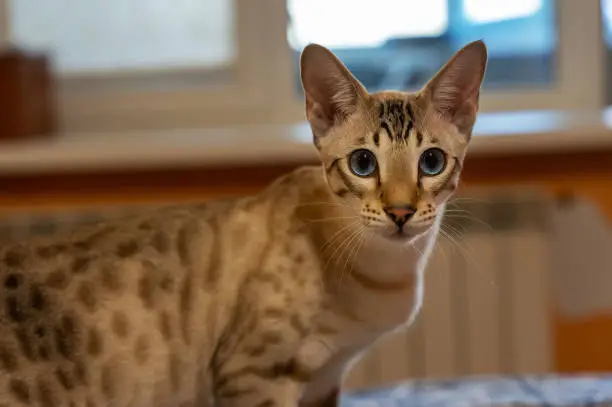
Bengal cats are renowned by their stunning coats inspired by their wild relatives as well as being often referred to as”the Asian Leopard Cat. They’re exceptionally lively, intelligent, and interested. Their cats are adored by with pet owners. Bengals can be found at ease with their environment, and this enhances their capabilities, yet their strong personality could result in problems with dominance.
Explanation of Dominance Behavior in Cats
Dominance behavior for cats is a common trait which is the result of their development. Most often this happens in the event of multiple cats living in the same household, where the battle for space and resources, and attention can be normal. dominant cats may display aggressive behavior, such as territorial behavior, aggression and protection of their resources in order to demonstrate their position within the family structure.
Importance of Addressing Dominance Issues
A failure to deal with dominance issues can result in anxiety, stress and physical conflicts with family pets. This can cause stress and reduced level of life with dominant cats. In recognizing and managing dominant behaviors in pets, pet owners are able to ensure a calm and peaceful atmosphere in which animals feel comfortable and at peace.
Understanding Bengal Cat Behavior

Characteristics of Bengal Cats
Bengal cats are characterized by a number of traits which contribute to their dominance behaviour. The high levels of energy as well as their intelligence and hunting instincts allow them to be assertive and confident in their relationships with their companions. Furthermore, Bengals are highly territorial species, and often seek to protect and establish their territories within the family.
Instinctual Behaviors
The behaviors displayed by Bengal cats originate from their ancestors in the wild. The instincts that have been developed over time in the wild, comprise the pursuit of food, climbing as well as marking the territory. Although these characteristics create Bengals attractive friends, they show up as dominance behaviors when in the domestic environment.
Manifestation of Dominance
The dominance of Bengal cats manifests itself through a variety of ways, which range from subtle display of dominance to more explicit aggressive behavior. The most common behaviors that are that are associated with dominance are:
- Aggression Bengal cats can display aggressive behaviors towards other pet animals, particularly during disputes about territory or resource.
- Territorial Markings: Bengals may spray urine on furniture or scratch it to identify their territory and establish the supremacy.
- Resource Guarding dominant cats can guard foodstuffs, toys or even sleeping spaces to claim the control of valuable assets.
Signs of Dominance in Bengal Cats

The identification of signs of dominance in Bengal cats is vital to be proactive in managing and preventing. If you recognize these behavior patterns in the early stages, pet owners will be able to develop strategies to stop disputes and keep peace among pet owners.
Observable Behaviors Indicating Dominance
- aggression: Bengal cats may show aggression toward other animals in particular during territorial disputes and competition to get resources. It can be manifested in the form of hissing, groaning and swatting or physical assaults.
- Territorial marking: Bengals are known for their ability to mark their territories with urine spraying or scratching. Cats that dominate may exhibit frequent marking activities to define their territorial boundaries in the household.
- Ressource Guarding Dominant Bengal cats might show behavior of resource guarding like yelling or lunging whenever other animals are near food bowls, toys or resting areas they enjoy. The reason for this behavior is an urge to exert the control of valuable resources.
Body Language Cues
The ability to read feline body language is vital to understand behavior of dominance in Bengal cats. Look out for these signals:
- Direct Eyes Dominant cats might look directly at their pet animals to show aggression or asserting their dominance.
- An Erect Tail An elevated or bristled tail signifies confidence and assertiveness among Bengal cats.
- Piloerection the Piloerection or the way that fur is raised around the spine is often a defensive pose observed in dominant cats who are preparing to face off.
Identifying Triggers for Dominance-Related Behavior
It is essential to determine factors that trigger dominance-related behavior among Bengal cats. Some common triggers are
- The competition for resources: Bengal cats may be territorial or combative when they are competing with each other for water, food litter bins, interest from their owners.
- Modifications to Routine Causes disruptions to the routine of a cat including moving into the new house, or introducing pets to a new home or a change in the dynamics of the household, could create stress-related and dominance-related behaviours.
- Insufficiency of stimulation: Bengals require mental and physical stimulation in order to avoid the feeling of boredom and anger. If they aren’t stimulated enough the Bengals may turn to dominance behavior to express themselves.
Impact on Household Harmony

The dominance behavior of Bengal cats may have devastating effects on harmony within the home and for the health of all animals in the. Recognizing the impact of dominant behavior on other pets is vital in developing methods that reduce conflicts and promote peace among animals.
Effects of Dominance Behavior on Other Household Pets
- Anxiety and stress Dominance techniques and anxiety that create fear can result in anxiety for pets of other owner. The constant worry of danger may cause stress, a decrease in appetite and even problems with behavior in pets that are submissive.
- Lower level of quality of life Cats who are submissive could have less satisfaction in the face of challenges faced by living with an aggressive Bengal feline. They might stay away from certain places in the home, avoid contact with their owner or have health issues as a result due to chronic stress.
Stress and Anxiety Caused by Bullying Behavior
- Strategies for Intimidation dominant Bengal cats may employ intimidating techniques, such as stalking running or even crouching, to demonstrate their dominance over other animals who have a submissive nature. They can induce fear and anxiety among the pets in different household, resulting in mental stress that persists for an extended period of time.
- Because avoidance behaviors typically exhibit qualities of submissiveness in cats, they may demonstrate behavior that includes running away or hiding in the face of conflicts with dominant cats. Though these behaviors may reduce anxiety in the short term, they are not really in the cat’s best interest and can really decrease the quality of life.
Risks of Escalation and Potential Injuries
- physical conflicts Conflicts about dominance can turn into physical battles between Bengal cats as well as household pet animals. They can result in injuries, trauma or vet emergencies which pose an immediate risk for the safety and health of all animals involved in the fight.
- Long-term harm Long-Term Damage: Continuous encounters with aggression initiated by dominance may be a long-lasting hazard to the physical and psychological well-being of animals that are docile. From infections and injuries to stress-related illnesses, the consequences of dominance behavior are usually grave as well as irreparable.
Strategies to Address Dominance in Bengal Cats

Utilizing strategies that are effective to combat dominance behaviors in Bengal cats is vital to the restoration of peace and harmony within the household of multiple cats. Understanding the root cause of dominance and using the right methods, owners of cats are able to successfully control and alter the behavior of their Bengal.
1. The establishment of a structure-based environment using Defined Boundaries
- designated spaces Designate separate spaces to each cat in the home. These areas should be accompanied by distinct feeding stations as well as litter boxes as well as resting spaces. This reduces the amount of competition and chances of conflict.
- Routine and consistency Create a regular daily routine of feeding or playtime as well as interactions with your cat. Regularity reduces anxiety and confusion, and creates the feeling of security and peace for all animals.
2. Implementing Positive Reinforcement Training Techniques
- Reward-based training Utilize positive reinforcement methods including clicking or eating treats to encourage desired behavior and deter dominance-related behaviors. Rewards for your Bengal cat’s calm and peaceful behavior will encourage your cat to do the same later on.
- Redirecting energy Get with your Bengal cat in fun and interactive sessions, and offer mentally stimulating toys to divert their energies and divert them from aggressive behaviors. Regular enrichment and exercise aid in satisfying their instinctual needs and stop boredom-driven aggression.
3. Providing Environmental Enrichment and Mental Stimulation
- Interactive Toys Spend money on Interactive toys as well as Puzzle feeders to ensure that your Bengal cat entertained and occupied. They help develop problem-solving abilities and allow them to express your cat’s instincts to hunt in the safety of a controlled and safe environment.
- Vertical Space Vertical Space: Create vertical spaces within your house with shelves, cat trees, as well as perches that allow you and your Bengal pet to climb up, investigate, and look around their surroundings. Vertical space does not only provide an enriching environment, but it also assists in settling cat territorial disputes.
4. Using Pheromone Diffusers or Calming Supplements
- Pheromone diffusers Think about using diffusers of pheromones like Feliway for creating an atmosphere that soothes the Bengal cat. Synthetic pheromones resemble the smell of mother cats and can help alleviate stress and increase calm.
- Relaxing and calming supplements Talk to your vet about the application of tranquilizing supplements or other natural treatments to reduce stress and aggression in you Bengal cat. Supplements that contain ingredients such as L-theanine, chamomile or even linalool can provide an euphoric effect on anxious or agressive felines.
5. Seeking Professional Help
- Consultation with a Veterinarian When dominance-related behavior persist in spite of your efforts to change them, you should consult a vet or animal behaviorist for more assistance. They are able to examine the severity of your Bengal cat’s behavior and suggest specific strategies to modify behavior.
- Behavior Modification Strategies An animal behaviorist may create a custom behaviour modification program to tackle dominance issues that plague the Bengal cat. The plan could include training for desensitization, counter-conditioning methods as well as management techniques to encourage positive interactions the other animals.
Managing Interactions Between Bengal Cats and Other Pets

The ability to manage interactions among Bengal cats and their companions is crucial to fostering peace within multi-pet families. Through carefully planned introductions, establishing defined spaces, and creating clearly defined boundaries, pet owners can reduce conflict and build positive relationships with their pet companions.
1. Supervised Introductions and Gradual Acclimation Processes
- Slow introductions Introduction of Bengal cats to their companions at a gradual pace and in controlled situations. Begin by letting them play with each other in an enclosed door or barrier and then slowly progress towards supervised interactions with each other within a neutral area.
- Positive Reward Positive Reinforcement: Employ strategies for positive reinforcement in introductions. For example, you can offer sweets or praise to reward the calm, non-aggressive behaviour. Recognizing positive behavior helps to create positive relationships and decreases the chance of conflict.
2. Creating Separate Spaces for Each Pet to Prevent Conflicts
- Designated Zones Designate distinct living areas for each pet inside the home and provide them with food as well as litter box, water and areas for resting. This can help prevent territorial disputes as well as reducing the possibility of resource guarding or the competition for resources.
- Security Zones Create hiding places or escape routes within the designated areas for each pet in order to let them go to their own space and remain safe whenever they need to. The creation of safe zones can promote the feeling of security and eases tension during interactions with pets.
3. Monitoring Interactions and Intervening When Necessary
- Watching Watch interaction between Bengal cats and their companions attentively, particularly in the beginning phase of introduction.
- Recognize the signals that indicate tension, aggression, or unease and intervene to prevent the situation from escalating any further. Use diversion techniques, for instance, breaking up fights by using food or toys to draw a cat’s attention away from others in the event of a serious confrontation.
4. Implementing a Feeding Schedule to Reduce Competition for Resources
- Scheduled Feedings Create a uniform feed routine for all pets of the home to reduce competing for food and to reduce the possibility of food-related aggression. Separate the feeding areas and place pets separately in order to reduce conflicts between them during the meal time.
- Food Puzzles Utilize food puzzles and interactive feeders to give your cat the stimulation needed for your mind and provide enrichment at meals. They make cats more active for food, and also assist in stopping boredom-induced aggression, or behaviours to guard resources.
Seeking Professional Help
In certain situations, dealing with dominant behavior among Bengal cats can require intervention from a veterinarian animal behaviorist. They can offer advice on behavior modification strategies, as well as medication alternatives to successfully control and alter the behavior of your Bengal cat’s behavior.
1. When to Consult a Veterinarian or Animal Behaviorist for Assistance
- Persistent Behavior Problems If the dominance-related behaviours persist, despite efforts to tackle the issue, it could be time to get professional assistance. The persistent aggression, territorial marks and resource protection could be a sign of underlying issues with behavior that need professional attention.
- Safety Issues Dominance-related behaviours could pose a threat for the health and safety of any other pet or family members, get urgent assistance from a vet or a behaviorist. Instant action is an absolute necessity for preventing and alleviating any injurious outcomes or anxiety expected in the house.
2. Behavior Modification Strategies Tailored to Individual Needs
- Evaluation of Behavior A vet or behaviorist conducts an in-depth analysis of the Bengal cat’s behavior in order to determine key triggers and motivators for dominant behaviors. The assessment will help you tailor your the strategies for behavior modification to meet the specific needs of your cat.
- Customized Treatment plans Based on the assessment of behavior the behaviorist or veterinarian creates a bespoke treatment program to tackle dominance issues that you have in the Bengal cat. This could involve the use of desensitization techniques, counter-conditioning strategies as well as management techniques that encourage positive behaviour.
3. Medication Options for Severe Cases of Dominance-Related Aggression
- Pharmacological intervention When there are severe instances of aggression based on dominance, medications could be prescribed to deal with your Bengal cat’s behaviour. Anti-anxiety medications and antidepressants may help to reduce aggression as well as promote relaxation among stressed felines.
- Extra Treatments Apart from treatment, other treatments such as diffusers of pheromones or tranquilizers may be suggested for relieving stress and anxiety of you Bengal cat. They can be used to complement the behavior-modifying efforts of your cat and improve the overall health of your cat.
4. Ongoing Support and Follow-Up Care
- Monitoring Progression Through the entire treatment process for behavior modification, a behaviorist or vet is able to monitor your Bengal cat’s development and adjust your treatment plan when needed. The regular check-ups permit ongoing monitoring and assistance.
- owner education: Behaviorists and veterinarians offer valuable advice and education for cat owners by providing their owners with the skills and the tools to handle their Bengal feline’s behaviour. The education on feline behavior communication and enrichment help create a harmonious connection between the cat and its owners.
Conclusion:

Recap and Empowerment
Controlling dominance behaviors in Bengal cats isn’t easy However, with the appropriate methods and guidance the cat’s owners are able to successfully deal with and change their pet’s behaviour to create peace and harmony in their household. We will review the main aspects discussed in this article and provide cat owners with the understanding and tools needed to tackle the issue of dominance in Bengal cats.
Recap of Key Points
- Learning about Bengal Cat Behavior: Bengals are energetic, intelligent cats that have strong instincts passed on from their natural ancestors. Being aware of their normal behaviors and tendencies is vital to solving dominance problems.
- The Signs of Dominance The behaviors that are observed, like territorial marking, aggression and guarding of resources are typical indicators of dominance among Bengal cats. Recognizing these signs early will allow for proactive intervention.
- Effects on Family Harmony Behaviors of dominance may cause stress, anxiety and the possibility of conflicts among pets in the household. Recognizing the effect of dominance over other animals can help prioritize interventions and manage strategies.
- Strategies for addressing Dominance Establishing a well-structured space, applying positive reinforcement, providing an environment that is enriching, as well as soliciting help from professionals are efficient ways to control and modify dominance behaviour within Bengal cats.
- Controlling Interactions With Other Animals The careful introduction of other pets and creating separate areas as well as monitoring interactions as well as establishing a regular feeding routine aid in fostering positive relationships and avoid conflict among Bengal cats and their companions.
- Looking for professional assistance If you are experiencing excessive or persistent dominance consult a veterinarian animal behaviorist is essential for designing individualized treatment strategies as well as ensuring the safety and security of the pets within the home.
Empowering Cat Owners
- Knowledge is power by being educated regarding Bengal cat behaviour and issues with dominance Cat owners will be able to know their cat’s needs, and be able to address the issues.
- Constance and patience Implementation of consistent methods to modify behavior, in conjunction with patience and understanding is essential to successfully controlling dominance behaviors among Bengal cats.