
1. What is an Ocicat Cat?
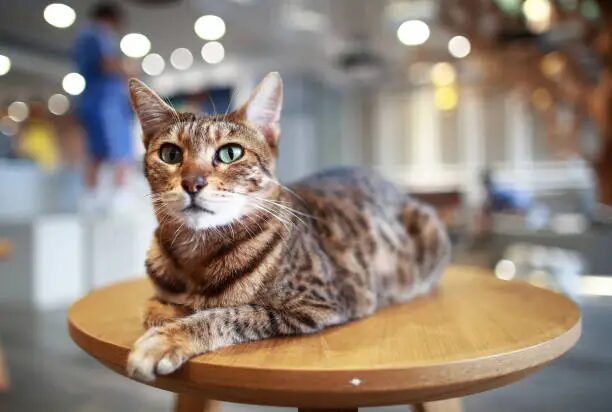
The Ocicat cat is one of the most visually striking domestic cat breeds in the world. At first glance, many people assume it is a wild animal—something like an ocelot or small leopard—but in reality, the Ocicat is 100% domestic.
Definition of Ocicat Breed
The Ocicat is a domestic cat breed developed through selective breeding. Despite its wild appearance, it has no wild DNA. It is a carefully bred combination of domestic cat lines that resulted in its famous spotted coat.
Why is it Called “Ocicat”?
The name “Ocicat” comes from its resemblance to the ocelot, a wild spotted cat found in the Americas.
However, here’s the important distinction:
- Not a wild cat
- Not part ocelot genetically
- Fully domestic breed with wild-like appearance
So, the name is purely based on appearance, not origin.
A Key Fact About Ocicats
The Ocicat is a domestic cat with leopard-like spots, bred for its exotic wild appearance but gentle household temperament.
This combination makes it one of the most unique cat breeds in the world.
Temperament and Personality Overview
Despite looking wild, Ocicats are:
- Extremely friendly
- Highly social
- Very intelligent
- Surprisingly dog-like in behavior
They often follow their owners around the house and enjoy being part of daily activities.
Popularity Among Cat Lovers
Ocicats are growing in popularity among:
- Cat enthusiasts who love exotic-looking breeds
- Families looking for playful companions
- Owners who want a trainable, interactive cat
However, they are still considered a rare breed, which adds to their appeal.
Why Ocicats Stand Out
Ocicats stand out because they combine:
- Wild leopard-style appearance
- Fully domestic temperament
- High intelligence and trainability
- Strong human bonding behavior
They are often described as:
“A wild-looking cat that behaves like a loyal companion dog.”
2. History and Origin of the Ocicat Breed
Unlike ancient cat breeds, the Ocicat has a modern and accidental origin story, which makes it even more interesting.
How the Breed Was Accidentally Developed
The Ocicat was not originally planned as a new exotic breed.
It began as an accidental result of breeding experiments aimed at producing:
- Siamese-type cats with Abyssinian-like traits
During one of these breeding attempts, a kitten with unexpected golden spotted markings was born.
That kitten later became the foundation of the Ocicat breed.
Breeding Origins: Abyssinian × Siamese Influence
The Ocicat is primarily developed from:
- Abyssinian cats → contributed ticking and coat structure
- Siamese cats → contributed body shape and personality traits
Later breeding refinements introduced:
- American Shorthair genetics (to strengthen body type and pattern stability)
🇺🇸 Development in the United States
The Ocicat breed was developed in the United States during the 1960s.
Key goals of breeders included:
- Creating a spotted domestic cat
- Stabilizing coat pattern genetics
- Maintaining a friendly, domestic temperament
Over time, selective breeding refined the Ocicat into the breed we know today.
Recognition by Cat Associations
The Ocicat eventually gained recognition from major feline organizations:
- TICA (The International Cat Association) – Full recognition
- CFA (Cat Fanciers’ Association) – Accepted status
This recognition helped establish the Ocicat as a legitimate purebred cat.
Learn more about official breed standards at:
Evolution of the Breed Standard
Over time, breeders focused on improving:
- Spot clarity and contrast
- Muscular body structure
- Eye shape and expression
- Coat richness and color variety
Modern Ocicats now come in multiple approved colors and patterns while maintaining their signature wild look.
3. Physical Characteristics of Ocicat Cats
The Ocicat is known for its athletic, exotic, and powerful appearance, even though it is fully domestic.
Medium to Large Muscular Body Structure
Ocicats are not small lap cats. They are:
- Medium to large in size
- Muscular and strong
- Built for agility and movement
Their body gives them a mini-leopard appearance, especially when walking or stretching.
Distinct Spotted Coat Pattern
One of the most defining features is their:
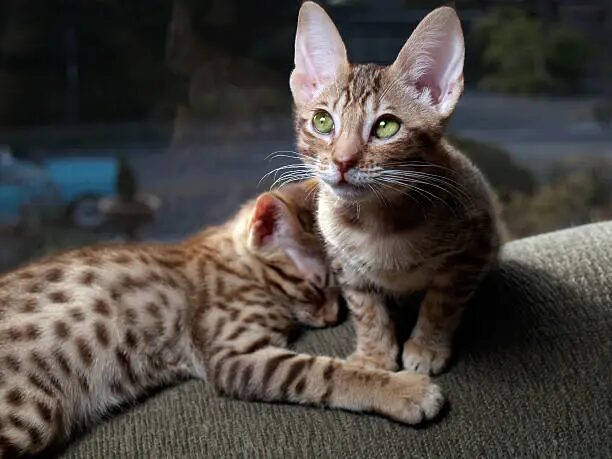
- Clear spotted tabby pattern
- Evenly distributed spots across the body
- Dark markings over a lighter base coat
These spots give them their wild-cat illusion.
Almond-Shaped Eyes
Ocicats have:
- Almond-shaped eyes
- Expressive and alert gaze
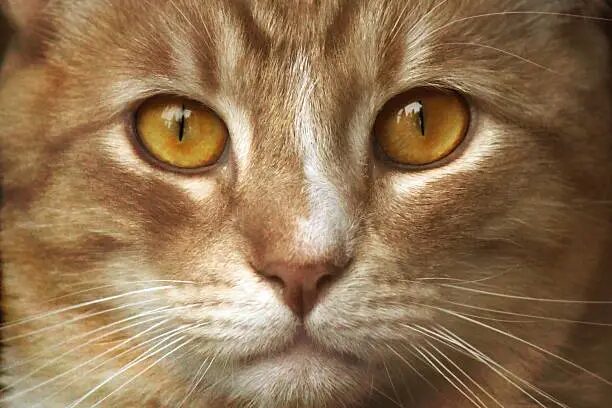
- Eye colors that vary based on coat color
Their eyes enhance their intelligent and curious expression.
Athletic and Agile Build
Ocicats are:
- Extremely active
- Fast runners
- Excellent jumpers
- Naturally playful
They need space and stimulation due to their athletic nature.
Coat Colors and Patterns
Ocicats come in a variety of beautiful shades:
Common Colors:
- Chocolate
- Cinnamon
- Tawny
- Silver
- Blue
- Lavender
Each color maintains the signature spotted pattern, making every Ocicat visually unique.
Physical Traits Summary Table
| Feature | Description |
|---|---|
| Size | Medium to large |
| Body type | Muscular, athletic |
| Coat | Short, sleek, spotted |
| Eyes | Almond-shaped, expressive |
| Pattern | Spotted tabby |
| Activity level | Very high |
3.1 Coat Patterns Explained
The Ocicat’s coat is not random—it follows a specific genetic structure.
Spotted Tabby Pattern
The Ocicat displays a:
- Modified tabby pattern
- Converted into distinct spots instead of stripes
These spots are:
- Symmetrical
- Well-defined
- Evenly spaced
Contrast and Markings
A high-quality Ocicat has:
- Strong contrast between background and spots
- Clear facial markings (M-shaped forehead pattern)
- Dark tail rings and leg markings
Genetic Basis of Spotting
The spotted pattern is achieved through:
- Selective breeding
- Modification of tabby genes
- Stabilization of coat expression over generations
No wild genes are involved—only carefully controlled domestic genetics.
4. Ocicat Temperament and Personality
One of the biggest surprises about the Ocicat cat breed is that despite its wild appearance, its personality is anything but wild. Ocicats are often described as “dog-like cats” because of how strongly they bond with humans.
Highly Social and Affectionate Nature
Ocicats are not independent “do-my-own-thing” cats. Instead, they:
- Love human company
- Follow their owners from room to room
- Enjoy being part of household routines
- Dislike long periods alone
They are often happiest when they are included in daily life.
Dog-Like Behavior Traits
Many Ocicat owners notice behaviors that feel more canine than feline:
- Greeting owners at the door
- Fetching toys
- Learning commands like “sit”
- Walking on a leash with training
- Seeking constant interaction
This makes them especially appealing for people who want an interactive pet rather than a distant companion.
Intelligence and Trainability
Ocicats are considered one of the most intelligent domestic cat breeds.
They can:
- Learn routines quickly
- Solve simple puzzle toys
- Recognize human tone and commands
- Adapt to new environments easily
Their intelligence is one reason they are often compared to highly trainable breeds like dogs.
Playfulness and Energy Level
Ocicats are high-energy cats. They need:
- Daily play sessions
- Climbing opportunities
- Interactive toys
- Mental stimulation
Without enough activity, they may become bored and restless.
Compatibility with Families and Children
Ocicats are generally:
- Very child-friendly
- Tolerant of handling (when raised properly)
- Playful without being aggressive
They are often a good fit for families who can engage with them regularly.
Interaction with Other Pets
Ocicats usually get along well with:
- Dogs (especially friendly breeds)
- Other cats
- Even small pets (with supervision)
However, introductions should always be gradual and controlled.
5. Ocicat Behavior Traits
Understanding Ocicat behavior helps owners manage their needs effectively.
Vocalization Levels
Ocicats are:
- Moderately vocal
- More talkative than average domestic cats
- Communicative when they want attention
They often “chat” with their owners rather than meow excessively.
Curiosity and Exploration Habits
Ocicats are extremely curious:
- They explore every corner of the home
- They open cabinets or follow movement sounds
- They investigate new objects immediately
This curiosity is part of their intelligence—but also means they need a safe environment.
Love for Attention and Human Interaction
Ocicats thrive on attention:
- Sitting next to owners
- Watching TV together
- Participating in household tasks
If ignored for long periods, they may become bored or stressed.
Fetch and Leash Training Abilities
Unlike most cats, Ocicats can be trained to:
- Fetch balls and toys
- Walk on a leash and harness
- Respond to basic commands
This makes them ideal for owners who enjoy interactive pet training.
Separation Anxiety Tendencies
Because of their social nature, Ocicats may experience:
- Stress when left alone too long
- Destructive behavior due to boredom
- Excessive vocalization when isolated
They do best in homes where someone is present most of the time.
6. Ocicat Care Requirements
Caring for an Ocicat is not difficult—but it does require time and attention.
Daily Exercise Needs
Ocicats need at least:
- 30–60 minutes of active play daily
- Climbing and jumping opportunities
- Interactive toys or human engagement
Without exercise, they may develop behavioral issues.
Mental Stimulation Requirements
Mental stimulation is just as important as physical activity:
- Puzzle feeders
- Hide-and-seek toys
- Training sessions
- Rotating toys regularly
Indoor vs Outdoor Living Considerations
Ocicats can adapt to both, but:
Indoor Living (Recommended)
- Safer from predators and traffic
- Longer lifespan
- Controlled environment
Outdoor Access (Supervised Only)
- Leash walking
- Cat enclosures (catios)
Free roaming is not recommended due to safety risks.
Toys and Enrichment Ideas
Great options for Ocicats include:
- Feather wands
- Puzzle feeders
- Climbing trees
- Interactive laser toys
- Balls for fetch
Importance of Human Interaction
Ocicats are not independent cats. They require:
- Daily bonding time
- Social interaction
- Emotional engagement
They truly behave like companion animals, not just pets.
7. Grooming Needs of Ocicat Cats
One of the easiest parts of owning an Ocicat is grooming.
Low-Maintenance Coat
Ocicats have:
- Short, sleek fur
- No heavy undercoat
- Minimal tangling risk
This makes grooming very simple.
Weekly Brushing Routine
Recommended grooming:
- Once per week brushing
- Helps remove loose hair
- Keeps coat shiny and healthy
Shedding Levels
Ocicats:
- Shed lightly compared to long-haired breeds
- Shed more during seasonal changes
- Require minimal cleanup
Bathing Requirements
Bathing is:
- Rarely needed
- Only required if dirty or smelly
- Easy due to short coat
Nail and Dental Care
Routine care includes:
- Nail trimming every 2–3 weeks
- Regular dental brushing
- Periodic vet dental checks
Grooming Summary Table
| Grooming Task | Frequency |
|---|---|
| Brushing | Weekly |
| Bathing | Rare |
| Nail trimming | 2–3 weeks |
| Dental care | Weekly (ideal) |
8. Diet and Nutrition for Ocicats
A proper diet is essential for maintaining their energy and muscular body.
High-Protein Diet Requirements
Ocicats need:
- High animal protein intake
- Moderate fat levels
- Limited carbohydrates
Protein supports:
- Muscle development
- Energy levels
- Healthy coat condition
Wet vs Dry Food Comparison
| Type | Benefits | Drawbacks |
|---|---|---|
| Wet food | Hydration, better digestion | More expensive |
| Dry food | Convenient, dental support | Less moisture |
| Mixed diet | Balanced nutrition | Requires planning |
Feeding Schedule Recommendations
Typical feeding plan:
- 2 meals per day (adults)
- 3–4 meals for kittens
- Controlled portion sizes
Foods to Avoid
Avoid feeding:
- Chocolate
- Onions and garlic
- Processed human foods
- Excess dairy
Weight Management Tips
To prevent obesity:
- Monitor portion sizes
- Encourage daily exercise
- Avoid overfeeding treats
9. Health and Lifespan of Ocicat Cats
The Ocicat cat breed is generally considered a healthy and robust breed, especially compared to many purebred cats that suffer from genetic issues. However, like all cats, they still require proper care and regular veterinary attention.
Average Lifespan (12–18 Years)
Ocicats typically live:
- 12 to 18 years
- Some well-cared-for cats may live even longer
Their lifespan depends on:
- Diet quality
- Activity level
- Veterinary care
- Genetic background
Generally Healthy Breed Overview
Ocicats benefit from:
- Strong hybrid genetics
- Careful selective breeding
- Good muscle structure
They are not known for widespread hereditary diseases, which makes them appealing to many cat owners.
Common Health Concerns
Even though they are healthy, a few issues can still appear:
Dental Issues
- Plaque buildup
- Gingivitis if not brushed regularly
- Bad breath and gum disease
Kidney Disease Risks
- Rare but possible in older cats
- Requires regular hydration and vet monitoring
Heart Conditions (Rare)
- Some cats may develop mild cardiac issues
- Early detection is key through vet checkups
Importance of Regular Vet Checkups
Routine veterinary care helps:
- Detect early diseases
- Monitor weight and dental health
- Maintain vaccination schedule
Learn more about feline health care here:
10. Ocicat Kitten Care Guide
Ocicat kittens are playful, intelligent, and full of energy. Early care plays a huge role in shaping their behavior.
Early Socialization Importance
From a young age, kittens should:
- Meet different people
- Be exposed to sounds and environments
- Learn handling and grooming
Proper socialization helps prevent:
- Fearful behavior
- Aggression
- Anxiety issues
Training Basics for Kittens
Ocicat kittens learn quickly:
- Litter training is usually easy
- Basic commands can be introduced early
- Positive reinforcement works best
Feeding Kittens vs Adults
Kittens:
- High-calorie kitten food
- 3–4 meals per day
- Rich in protein and fat
Adults:
- Controlled portions
- 2 meals per day
- Balanced nutrition
Vaccination Schedule
Typical kitten vaccinations include:
- Feline distemper (panleukopenia)
- Calicivirus
- Herpesvirus
- Rabies (depending on region)
Behavioral Development Stages
| Age | Behavior Stage |
|---|---|
| 2–4 weeks | Early social awareness |
| 4–8 weeks | Playful exploration |
| 2–6 months | High energy learning phase |
| 6–12 months | Adolescence & training response |
11. Training an Ocicat Cat
Ocicats are one of the most trainable cat breeds in the world.
Why Ocicats Are Highly Trainable
They are:
- Intelligent
- Curious
- People-focused
- Food-motivated
This combination makes training much easier than with most cats.
Litter Training Ease
Most Ocicat kittens:
- Learn litter habits quickly
- Require minimal correction
- Prefer clean litter boxes
Teaching Tricks
Ocicats can learn:
- Sit
- Fetch
- Come when called
- Walk on a leash
Positive Reinforcement Methods
Best training methods include:
- Treat rewards
- Verbal praise
- Play-based learning
Avoid punishment-based training as it reduces trust.
Behavioral Correction Tips
If behavior issues appear:
- Redirect attention to toys
- Increase playtime
- Avoid shouting or punishment
12. Ocicat vs Other Cat Breeds
Understanding differences helps buyers choose the right cat.
12.1 Ocicat vs Bengal Cat
| Feature | Ocicat | Bengal |
|---|---|---|
| Appearance | Spotted domestic look | Wild leopard-like coat |
| Energy | High | Very high |
| Temperament | Social, affectionate | Independent but active |
| Wild ancestry | None | Has wild ancestry |
Bengals are more intense, while Ocicats are more people-oriented.
12.2 Ocicat vs Siamese Cat
| Feature | Ocicat | Siamese |
|---|---|---|
| Vocalization | Moderate | Very vocal |
| Personality | Social, playful | Demanding, expressive |
| Appearance | Spotted coat | Color-point coat |
12.3 Ocicat vs Abyssinian Cat
| Feature | Ocicat | Abyssinian |
|---|---|---|
| Coat | Spotted | Ticked coat |
| Energy | High | Very high |
| Body type | Muscular | Slim and athletic |
13. Ideal Home Environment for Ocicat Cats
Ocicats thrive in environments that match their energy.
Best Living Conditions
They need:
- Space to run and jump
- Vertical climbing areas
- Interactive play zones
Indoor Enrichment Setup
Ideal homes include:
- Cat trees 🪵
- Scratching posts
- Window perches
- Puzzle toys
Apartment vs House Suitability
- Apartments: Suitable if enriched properly
- Houses: Ideal due to more space
High Energy Space Requirements
Without stimulation:
- They may become bored
- May develop destructive behavior
- May demand constant attention
14. Cost of Owning an Ocicat
Ocicats are considered a premium breed.
Purchase Price
From breeders:
- Typically $800 to $2,500+ depending on quality and lineage
Monthly Care Costs
| Expense | Estimated Cost |
|---|---|
| Food | Moderate–High |
| Toys | Low–Moderate |
| Vet care | Variable |
| Grooming | Low |
Veterinary Costs
Annual costs include:
- Vaccinations
- Health checkups
- Emergency care (if needed)
Food and Grooming Costs
- Food is the biggest regular expense
- Grooming costs are minimal due to short coat
Pet Insurance Considerations
Pet insurance may cover:
- Accidents
- Illness
- Emergency treatments
15. Adoption vs Buying an Ocicat
Pros and Cons of Adoption
Pros:
- Lower cost
- Saves a life
- May find mixed Ocicat-type cats
Cons:
- Purebred Ocicats are rare in shelters
- Background history may be unknown
Ethical Breeding Considerations
A responsible breeder should:
- Test for genetic health
- Provide vaccination records
- Raise kittens in social environments
How to Find Reputable Breeders
Look for:
- Registered breeders (TICA/CFA)
- Transparent health records
- Positive reviews
Red Flags in Cat Purchasing
Avoid breeders who:
- Refuse health documentation
- Keep cats in poor conditions
- Offer unusually cheap prices
16. Pros and Cons of Ocicat Cats
Pros
- Highly social and affectionate
- Very intelligent and trainable
- Exotic wild-like appearance
- Low grooming requirements
Cons
- High energy needs
- Requires attention daily
- Not suitable for very busy owners
17. Interesting Facts About Ocicat Cats
- They look wild but have no wild DNA
- Can learn tricks like dogs
- Love human interaction more than most cats
- Still considered a rare breed worldwide
- Developed accidentally, not intentionally
18. Frequently Asked Questions
Are Ocicat cats aggressive?
No, they are friendly and social, not aggressive.
Do Ocicats like being held?
Many do, especially if socialized early, but they also enjoy active play.
Are Ocicats hypoallergenic?
No, they are not truly hypoallergenic, but their short coat may reduce shedding for some people.
How big do Ocicat cats get?
They are medium to large cats, often muscular and athletic.
Do Ocicats get along with dogs?
Yes, especially with friendly and well-trained dogs.
Are Ocicats good for first-time owners?
Yes, but only for owners who can provide time, attention, and stimulation.
19. Conclusion
The Ocicat cat breed is a rare combination of beauty, intelligence, and personality. With its wild leopard-like appearance and affectionate domestic nature, it stands out as one of the most unique cat breeds in the world.
- Ocicats are fully domestic cats with wild appearance
- They are highly social, intelligent, and energetic
- They require attention, interaction, and mental stimulation
- They are generally healthy and long-lived cats