Manx Cat Syndrome is one of the most important health conditions associated with the Manx cat breed. While these cats are admired for their distinctive tailless appearance, the same genetic mutation responsible for their shortened tail can, in some cases, affect the development of the spine and nervous system. As a result, some Manx cats may experience mobility issues, bowel or bladder problems, and other neurological complications.
The good news is that not every Manx cat develops Manx Syndrome. Many live long, healthy lives with little or no sign of the condition. However, understanding the risks is essential for anyone planning to adopt or purchase a Manx kitten.
Whether you’re a current Manx owner, considering adopting one, or simply researching Manx cat health problems, this guide explains everything you need to know—from genetics and symptoms to diagnosis, treatment, prevention, and long-term care.
In this comprehensive guide, you’ll discover:
- What Manx Cat Syndrome is
- How the Manx gene causes spinal abnormalities
- Which cats are most at risk
- Common symptoms and early warning signs
- Treatment options and supportive care
- Prevention through responsible breeding
- Life expectancy and quality of life for affected cats
You may also find our guides on Manx cat care, Manx cat breed, and special needs cat care helpful if you’re considering bringing one of these unique felines into your home.
What Is Manx Cat Syndrome?
Manx Cat Syndrome is a congenital (present at birth) neurological and spinal disorder that can affect some Manx cats. It occurs when the genetic mutation responsible for the breed’s shortened or absent tail also interferes with the normal development of the spinal cord and vertebrae.
The condition varies widely in severity. Some cats have only mild abnormalities and live comfortably, while others experience significant mobility or nerve-related issues requiring lifelong care.
Why It Occurs
The syndrome develops because the tailless gene affects more than just the tail.
During fetal development, the mutation may interfere with:
- Formation of the lower spine
- Development of spinal nerves
- Pelvic structure
- Tail vertebrae
- Nerve function controlling the bladder and intestines
Not every kitten inheriting the Manx gene develops the syndrome, which is why some Manx cats remain completely healthy.
How It Affects the Spine
The spinal column protects the spinal cord, which carries nerve signals between the brain and the rest of the body.
When the spine develops abnormally, affected cats may experience:
- Compression of spinal nerves
- Missing or malformed vertebrae
- Poor coordination
- Weak hind limbs
- Reduced bladder control
- Difficulty controlling bowel movements
The severity depends on how much of the spinal cord is affected.
Is It a Genetic Disorder?
Yes.
Manx Syndrome is an inherited genetic condition linked directly to the dominant gene that causes the breed’s distinctive tailless appearance.
Because the mutation is inherited rather than caused by infection or injury, affected kittens are born with the condition.
Responsible breeding practices greatly reduce—but cannot entirely eliminate—the risk.
Which Cats Are Most at Risk?
Although any Manx may carry the gene, certain cats have a greater chance of developing the syndrome.
Higher-risk groups include:
- Completely tailless (Rumpy) Manx
- Rumpy Riser Manx
- Kittens from irresponsible breeding programs
- Cats from breeders who do not perform health screening
Fortunately, many responsible breeders carefully select breeding pairs to minimize these risks.
Understanding the Manx Gene
The unique appearance of the Manx cat is the result of a naturally occurring genetic mutation that has existed for centuries.
Understanding this gene helps explain why some cats remain healthy while others develop spinal disorders.
The Tailless Gene Explained
Unlike breeds created through selective crossbreeding, the Manx developed naturally on the Isle of Man.
A spontaneous mutation shortened the tail of certain cats. Over generations, this trait became common within the island’s isolated cat population.
Today, this same gene remains responsible for the breed’s signature appearance.
Dominant Genetic Mutation
The Manx gene is dominant, meaning only one parent needs to carry it for kittens to inherit varying tail lengths.
Possible tail types include:
- Rumpy (completely tailless)
- Rumpy Riser
- Stumpy
- Longy
The amount of tail present depends on how the gene is expressed in each kitten.
How the Mutation Affects Development
The mutation influences embryonic development before birth.
It may affect:
- Tail formation
- Lower vertebrae
- Pelvis
- Spinal cord
- Nerves controlling bladder and bowel function
Because spinal development is highly complex, the effects differ from one kitten to another.
Why Responsible Breeding Matters
Ethical breeders understand the genetics behind the Manx mutation and avoid breeding practices that increase health risks.
Good breeders typically:
- Perform health evaluations
- Keep detailed breeding records
- Monitor kitten development
- Remove affected cats from breeding programs
- Prioritize health over appearance
Choosing a reputable breeder significantly lowers the chance of purchasing a kitten with serious congenital defects.
Genetics and Inheritance
The inheritance pattern is relatively straightforward:
| Parent Combination | Possible Outcome |
|---|---|
| Manx × Non-Manx | Healthy kittens with varying tail lengths |
| Manx × Manx | Higher risk of severe spinal defects |
| Two Rumpy Cats | Greatest risk of inherited abnormalities |
For this reason, many experienced breeders avoid mating two completely tailless cats.
Causes of Manx Cat Syndrome
Although the condition is genetic, several developmental factors influence its severity.
Genetic Mutation
The primary cause is the dominant Manx gene, which affects both tail development and the lower spine.
The mutation occurs naturally and is not caused by:
- Diet
- Infection
- Injury
- Vaccination
- Environmental toxins
Spinal Cord Development Problems
During fetal growth, improper spinal formation may lead to:
- Shortened spinal cord
- Nerve compression
- Missing vertebrae
- Incomplete spinal closure
These abnormalities interfere with normal nerve communication.
Vertebral Defects
Affected kittens may be born with malformed vertebrae.
Possible defects include:
- Missing vertebrae
- Fused vertebrae
- Abnormally shaped vertebrae
- Shortened spinal column
These structural abnormalities contribute to many neurological symptoms.
Neural Tube Abnormalities
The neural tube eventually develops into the brain and spinal cord.
If development is disrupted, kittens may experience:
- Weak hind limbs
- Poor coordination
- Bladder dysfunction
- Digestive problems
- Reduced nerve function
The severity depends on how early development was affected.
Breeding Two Tailless Cats
One of the most significant risk factors is breeding two completely tailless (Rumpy) Manx cats together.
This practice increases the likelihood of:
- Severe spinal deformities
- Non-viable embryos
- Neurological disorders
- Manx Syndrome
Responsible breeders generally avoid this pairing.
Environmental Factors (If Any)
Unlike many diseases, environmental factors are not considered a primary cause of Manx Syndrome.
However, after birth, overall health can be influenced by:
- Nutrition
- Veterinary care
- Weight management
- Exercise
- Injury prevention
While these factors cannot prevent the syndrome, they can improve quality of life for affected cats.
Which Manx Cats Are Most Likely to Develop the Syndrome?
Not every Manx cat faces the same level of risk. Tail type plays an important role in determining the likelihood of spinal abnormalities.
Rumpy Manx
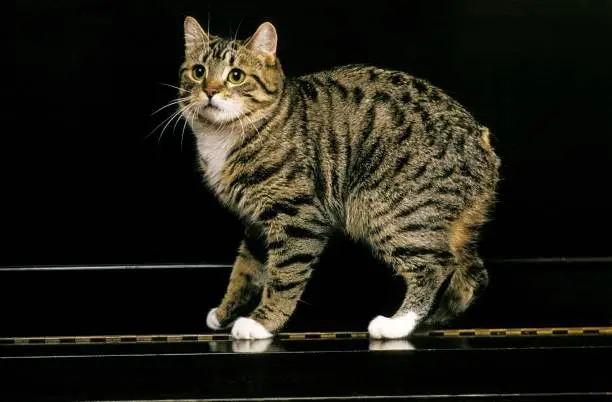
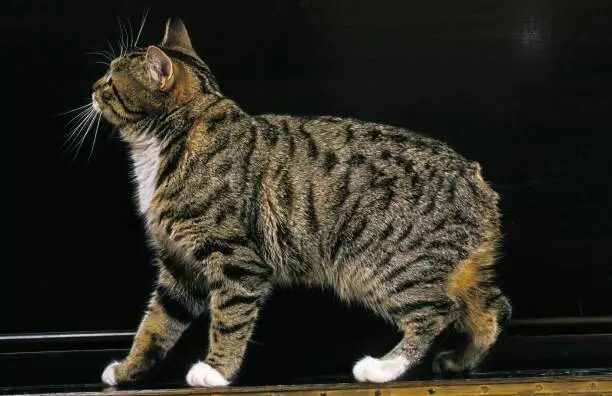
A Rumpy has no visible tail at all.
Because these cats carry the strongest expression of the tailless gene, they have the highest risk of developing Manx Syndrome.
Rumpy Riser
These cats have one or two small vertebrae beneath the skin.
Their risk remains elevated but is generally lower than that of completely tailless Rumpies.
Stumpy
A Stumpy has a short but clearly visible tail.
Most Stumpies have a lower risk of severe spinal abnormalities compared to Rumpies, although some may still develop mild neurological problems.
Longy
Longies possess tails that are nearly normal in length.
Because their spinal development is usually more complete, they are considered the lowest-risk Manx cats for developing Manx Syndrome.
Mixed-Breed Manx Cats
Mixed-breed cats carrying Manx ancestry can also inherit the tailless gene.
Whether they develop the syndrome depends on the specific genetic combination inherited from their parents.
Kittens vs Adults
Symptoms usually appear during the first few months of life, making kittens the age group most closely monitored by veterinarians and breeders.
Cats that reach adulthood without symptoms are generally less likely to develop severe congenital spinal complications later in life, although mild problems may occasionally become more noticeable with age.
Signs and Symptoms of Manx Cat Syndrome
The symptoms of Manx Cat Syndrome vary significantly from one cat to another. Some affected cats experience only mild mobility issues, while others develop serious neurological complications that require lifelong care.
Most signs become noticeable during the first few months of life, although mild cases may not be recognized until adulthood.
Weak Hind Legs
Weakness in the rear legs is one of the most common signs.
Affected cats may:
- Walk slowly
- Tire easily
- Struggle to jump
- Have difficulty climbing stairs
- Sit awkwardly
Weak muscles often result from abnormal nerve development.
Difficulty Walking
Some Manx cats develop an unusual gait due to spinal abnormalities.
You may notice:
- Stiff walking
- Short steps
- Wobbling
- Dragging the hind feet
- Difficulty standing after resting
These symptoms may gradually worsen as the cat grows.
Abnormal Gait
Owners often describe affected cats as having:
- Bunny hopping
- Swaying
- Uneven movement
- Poor coordination
Although healthy Manx cats naturally have a rabbit-like hop because of their long hind legs, severe balance problems should always be evaluated by a veterinarian.
Loss of Balance
Damage to spinal nerves can affect coordination.
Common signs include:
- Frequent stumbling
- Falling
- Difficulty turning
- Trouble landing after jumping
Tail Abnormalities
While short tails are normal for the breed, abnormal tail movement may indicate neurological problems.
Possible abnormalities include:
- Extremely rigid tail
- Pain when touched
- Twisted tail
- Lack of movement
Urinary Incontinence
Some affected cats lose partial control of the bladder.
Signs include:
- Urinating outside the litter box
- Constant dribbling
- Difficulty emptying the bladder
- Frequent urinary tract infections
Prompt veterinary treatment is important to reduce complications.
Constipation
Nerve damage may interfere with normal bowel function.
Symptoms include:
- Straining
- Hard stools
- Infrequent bowel movements
- Loss of appetite
- Abdominal discomfort
Untreated constipation can become serious.
Fecal Incontinence
Some cats experience reduced bowel control.
Owners may notice:
- Accidental stool leakage
- Soiling while sleeping
- Difficulty reaching the litter box in time
Proper hygiene and veterinary care help manage this condition.
Digestive Problems
Digestive issues may include:
- Poor bowel movement
- Gas
- Reduced appetite
- Abdominal bloating
Dietary adjustments often improve digestive health.
Pain
Not every affected cat experiences pain, but spinal abnormalities may cause:
- Reluctance to jump
- Sensitivity when touched
- Hiding
- Reduced activity
- Changes in temperament
Pain management greatly improves comfort.
Paralysis (Severe Cases)
In rare, severe cases, nerve damage may result in partial paralysis of the hind limbs.
These cats require specialized veterinary care and mobility assistance.
Early Warning Signs in Manx Kittens
Recognizing symptoms early gives kittens the best chance for effective management.
Delayed Development
Compared to healthy littermates, affected kittens may:
- Walk later
- Develop coordination slowly
- Grow more slowly
- Have reduced activity
Difficulty Using the Litter Box
Young kittens may:
- Miss the litter box
- Strain during elimination
- Leak urine
- Have repeated accidents
Persistent litter box problems deserve veterinary evaluation.
Weakness
General weakness may appear as:
- Less interest in play
- Difficulty standing
- Poor muscle tone
- Fatigue
Poor Coordination
Affected kittens sometimes:
- Trip frequently
- Lose balance easily
- Struggle with climbing
- Avoid jumping
When Symptoms Usually Appear
Most cases become noticeable between birth and six months of age.
Cats without symptoms by adulthood are generally less likely to have severe congenital disease.
How Veterinarians Diagnose Manx Syndrome
Diagnosis combines physical examination, neurological testing, and medical imaging.
Physical Examination
The veterinarian evaluates:
- Body posture
- Walking pattern
- Tail structure
- Muscle tone
- Reflexes
A complete physical exam often provides the first clues.
Neurological Examination
Neurological testing helps assess:
- Limb strength
- Reflex responses
- Pain sensation
- Coordination
- Nerve function
Medical History
Your veterinarian may ask:
- When symptoms began
- Whether accidents occur
- Changes in mobility
- Appetite
- Previous illnesses
A detailed history improves diagnostic accuracy.
X-rays
Radiographs help identify:
- Missing vertebrae
- Abnormal spinal shape
- Pelvic abnormalities
- Bone defects
X-rays are often the first imaging test performed.
CT Scan
Computed tomography (CT) provides more detailed views of:
- Vertebrae
- Pelvis
- Bone alignment
CT scans are useful when surgery is being considered.
MRI
Magnetic resonance imaging offers the best evaluation of:
- Spinal cord
- Nerves
- Soft tissues
- Compression injuries
MRI is particularly valuable for complex neurological cases.
Differential Diagnosis
Veterinarians also rule out other conditions that may produce similar symptoms, including:
- Spinal injuries
- Infections
- Tumors
- Other congenital abnormalities
- Degenerative neurological disorders
Treatment Options for Manx Cat Syndrome
Although there is no permanent cure, many affected cats enjoy good quality of life with proper medical care.
Treatment focuses on controlling symptoms and improving daily comfort.
Is There a Cure?
Currently, there is no cure because the condition results from congenital spinal abnormalities.
However, early diagnosis allows veterinarians to develop an individualized management plan.
Pain Management
Pain relief may involve:
- Anti-inflammatory medications
- Prescription pain relievers
- Joint supplements
- Comfortable bedding
Never give human pain medications to cats unless specifically prescribed by a veterinarian.
Physical Therapy
Rehabilitation exercises can help maintain:
- Muscle strength
- Flexibility
- Balance
- Mobility
Some veterinary rehabilitation centers also offer underwater treadmill therapy.
Surgery
Surgery is not appropriate for every cat, but it may help certain individuals with specific spinal abnormalities or severe nerve compression.
Your veterinarian or a veterinary neurologist can determine whether surgery is a suitable option.
Bladder Management
Cats with urinary dysfunction may require:
- Scheduled bathroom assistance
- Medications
- Increased hydration
- Monitoring for infections
Early treatment reduces the risk of kidney damage.
Dietary Changes
Nutrition plays an important role in managing digestive health.
Veterinarians often recommend:
- High-quality diets
- Increased fiber
- Adequate water intake
- Weight control
These changes help reduce constipation.
Long-Term Supportive Care
Many Manx cats benefit from ongoing supportive care, including:
- Routine veterinary visits
- Weight management
- Gentle exercise
- Hygiene assistance
- Home modifications
- Regular monitoring
With attentive care, many affected cats remain happy and active for years.
Caring for a Cat With Manx Syndrome
Daily care can significantly improve comfort and quality of life.
Home Modifications
Simple changes make movement easier.
Helpful adjustments include:
- Non-slip rugs
- Low-sided litter boxes
- Ramps
- Soft bedding
- Easily accessible food and water bowls
Mobility Assistance
Cats with mobility challenges may benefit from:
- Physical support during movement
- Veterinary rehabilitation
- Gentle massage
- Controlled exercise
Hygiene Care
Cats experiencing urinary or fecal incontinence may need:
- Regular cleaning
- Dry bedding
- Gentle skin care
- Frequent litter box checks
Good hygiene helps prevent skin irritation and infections.
Litter Box Adjustments
Choose litter boxes with:
- Low entrances
- Large interior space
- Easy accessibility
- Soft, unscented litter
These features make bathroom use more comfortable.
Preventing Pressure Sores
Cats with limited mobility should have:
- Thick bedding
- Frequent position changes
- Clean resting areas
- Daily skin inspections
Monitoring Quality of Life
Regularly observe:
- Appetite
- Energy level
- Mobility
- Comfort
- Grooming habits
- Interaction with family
Any sudden changes should be discussed with your veterinarian.
Feeding and Nutrition
Proper nutrition plays a major role in helping cats with Manx Cat Syndrome maintain a healthy weight, support digestive health, and improve their overall quality of life. While diet cannot cure the condition, it can help reduce complications such as constipation and obesity.
Best Diet
A balanced, veterinarian-approved diet should include:
- High-quality animal protein
- Moderate healthy fats
- Essential vitamins and minerals
- Taurine
- Omega-3 fatty acids
- Adequate fiber
Choose food that matches your cat’s age, weight, and activity level.
High-Fiber Foods
Cats with bowel issues may benefit from additional fiber under veterinary guidance.
High-fiber options include:
- Veterinary prescription diets
- Pumpkin (plain, in small amounts if recommended)
- Fiber-enhanced cat foods
Always consult your veterinarian before changing your cat’s diet.
Hydration
Good hydration supports both urinary and digestive health.
Encourage water intake by:
- Providing fresh water daily
- Offering wet food
- Using a pet water fountain
- Placing multiple water bowls around the home
Healthy Weight Management
Maintaining a healthy body weight reduces stress on the spine and joints.
Helpful strategies include:
- Measuring food portions
- Limiting treats
- Daily play sessions
- Regular weight checks
Supplements
Some veterinarians recommend supplements for specific cases, such as:
- Omega-3 fatty acids
- Joint-support supplements
- Probiotics
- Fiber supplements
Only use supplements approved by your veterinarian.
Exercise and Physical Therapy
Exercise should be gentle and tailored to your cat’s abilities.
Safe Exercise
Low-impact activities help maintain mobility without overloading the spine.
Examples include:
- Gentle toy chasing
- Short play sessions
- Slow climbing on low platforms
- Interactive puzzle games
Stretching Exercises
Veterinary-guided stretching may help:
- Improve flexibility
- Maintain joint movement
- Reduce stiffness
Owners should never force movements that cause discomfort.
Hydrotherapy
Some veterinary rehabilitation centers offer hydrotherapy or underwater treadmill sessions.
Potential benefits include:
- Reduced joint stress
- Improved muscle strength
- Better balance
- Increased endurance
Muscle Strengthening
Controlled activity can strengthen muscles supporting the spine.
Simple exercises may include:
- Encouraging short walks
- Gentle obstacle courses
- Interactive toys that promote movement
Activities to Avoid
Cats with spinal abnormalities should avoid:
- High jumps
- Rough play
- Slippery surfaces
- Excessive climbing
- Situations that increase the risk of falls
Can Manx Syndrome Be Prevented?
Although no method completely eliminates the risk, responsible breeding dramatically reduces the likelihood of severe cases.
Responsible Breeding Practices
Ethical breeders:
- Perform health screenings
- Monitor breeding lines
- Avoid high-risk pairings
- Prioritize health over appearance
This approach helps produce healthier kittens.
Genetic Testing
While there is no routine genetic screening test that completely predicts Manx Syndrome severity, breeders can use pedigree information, health records, and veterinary evaluations to make informed breeding decisions.
Selecting a Reputable Breeder
Before buying a kitten, look for breeders who:
- Provide veterinary records
- Answer health questions openly
- Raise kittens in clean conditions
- Offer ongoing support
- Follow ethical breeding standards
Why Two Rumpy Cats Should Not Be Bred
Breeding two completely tailless (Rumpy) Manx cats increases the risk of:
- Severe spinal defects
- Neurological disorders
- Non-viable pregnancies
- Congenital abnormalities
Responsible breeders generally avoid this combination.
Adoption Considerations
When adopting:
- Request available medical records.
- Ask about mobility concerns.
- Schedule a veterinary examination soon after adoption.
- Be prepared for possible long-term care needs.
Life Expectancy of Cats With Manx Syndrome
Life expectancy depends largely on the severity of the condition and the quality of veterinary care.
Mild Cases
Cats with mild symptoms often enjoy nearly normal lifespans of 12–16 years or longer with proper care.
Moderate Cases
Moderately affected cats may require lifelong management but can still live fulfilling lives with appropriate treatment and monitoring.
Severe Cases
Cats with severe spinal defects may experience more significant health challenges, and their prognosis varies depending on the extent of neurological involvement and response to supportive care.
Factors That Affect Lifespan
Several factors influence longevity:
- Severity of spinal abnormalities
- Bladder function
- Digestive health
- Weight management
- Veterinary care
- Nutrition
- Home environment
Improving Quality of Life
Owners can improve quality of life by:
- Following treatment plans
- Maintaining healthy weight
- Providing accessible living spaces
- Monitoring symptoms
- Scheduling regular veterinary visits
Common Health Conditions Associated With Manx Syndrome
Although spinal abnormalities are the defining feature, affected cats may also develop secondary health problems.
Arthritis
Changes in posture and movement may place additional stress on the joints, increasing the risk of arthritis as cats age.
Spinal Abnormalities
Possible abnormalities include:
- Shortened spine
- Missing vertebrae
- Vertebral malformations
- Nerve compression
Chronic Constipation
Reduced nerve function may slow intestinal movement, making constipation a recurring issue for some cats.
Urinary Tract Infections
Incomplete bladder emptying can increase the likelihood of urinary tract infections, making regular monitoring important.
Kidney Problems
Long-term urinary dysfunction may contribute to kidney complications if left untreated.
Early veterinary intervention helps reduce this risk.
Nerve Damage
Damage to spinal nerves may affect:
- Walking
- Balance
- Bladder control
- Bowel function
The severity differs between individual cats.
Living With a Manx Cat That Has the Syndrome
Caring for a special-needs cat requires patience, consistency, and compassion.
Daily Routine
A predictable routine helps reduce stress.
Include:
- Regular feeding times
- Medication schedules
- Gentle exercise
- Litter box maintenance
- Grooming
- Rest periods
Grooming Needs
Cats with reduced mobility may struggle to groom themselves.
Owners should:
- Brush regularly
- Check for urine staining
- Keep the coat clean
- Trim nails as needed
Mental Enrichment
Even cats with mobility limitations need mental stimulation.
Good enrichment includes:
- Food puzzles
- Interactive toys
- Window perches
- Gentle play sessions
- Scent-based enrichment
Veterinary Checkups
Routine veterinary visits allow early detection of:
- Urinary infections
- Weight gain
- Joint pain
- Skin irritation
- Progressive neurological changes
Emotional Support
Many cats with disabilities adapt remarkably well when provided with:
- Consistent routines
- Positive interaction
- Comfortable living spaces
- Patient caregivers
Cost of Treating Manx Syndrome
Treatment costs vary depending on symptom severity and location.
| Expense | Estimated Cost (USD) |
|---|---|
| Initial examination | $50–$150 |
| X-rays | $100–$300 |
| CT or MRI | $800–$2,500+ |
| Medications | $20–$150/month |
| Physical therapy | $50–$150/session |
| Surgery (if needed) | $1,500–$5,000+ |
Monthly Care Expenses
Ongoing monthly costs may include:
- Prescription food
- Medication
- Litter
- Hygiene supplies
- Veterinary follow-ups
Pet Insurance Coverage
Some pet insurance policies may help cover eligible diagnostic tests and treatments, but coverage varies by provider and plan. Review policy terms carefully, especially regarding congenital or hereditary conditions.
Manx Syndrome vs Other Spinal Disorders
| Condition | Main Cause | Typical Features |
| Manx Syndrome | Genetic mutation | Tail abnormalities, spinal defects, bladder and bowel issues |
| Spina Bifida | Congenital neural tube defect | Incomplete spinal closure and neurological deficits |
| Degenerative Myelopathy | Progressive spinal disease | Gradual hind-limb weakness, usually in older animals |
| Tail Injuries | Trauma | Pain, swelling, loss of tail movement |
| Congenital Vertebral Defects | Developmental abnormalities | Variable spinal deformities depending on the defect |
Similarities and Differences
Many spinal disorders affect mobility and nerve function, but Manx Syndrome is specifically linked to the genetic mutation responsible for the Manx cat’s shortened tail.
Should You Buy a Manx Cat?
Owning a Manx can be rewarding, but it’s important to choose responsibly.
Questions to Ask Breeders
Before purchasing a kitten, ask:
- Have the parents undergone health evaluations?
- Has the kitten been examined by a veterinarian?
- Are vaccination and deworming records available?
- Is there a written health guarantee?
- Can you meet the kitten’s parents?
Health Guarantees
Reputable breeders often provide:
- Veterinary records
- Vaccination history
- Health guarantees
- Ongoing breeder support
Red Flags
Avoid breeders who:
- Refuse veterinary documentation
- Sell kittens too young
- Keep cats in poor conditions
- Cannot answer health questions
- Prioritize unusual appearance over health
Adopting vs Buying
Adoption can be an excellent option for families willing to provide a loving home to a Manx or Manx mix.
Buying from a responsible breeder may offer more information about the kitten’s health history and lineage.
Is the Breed Right for You?
The Manx is best suited for owners who:
- Can provide regular veterinary care
- Enjoy interactive pets
- Understand potential genetic health concerns
- Are committed to lifelong care
Pros and Cons of Owning a Manx Cat With Special Needs
| Pros | Cons |
| Loving companion | Higher veterinary costs |
| Intelligent | Lifelong monitoring |
| Strong bond with owners | Mobility challenges |
| Adaptable | Possible urinary or fecal incontinence |
| Excellent indoor pet | Extra daily care required |
Myths and Facts About Manx Cat Syndrome
| Myth | Fact |
| Every Manx cat has the syndrome. | Most Manx cats do not develop Manx Syndrome. |
| Tailless cats always suffer. | Many tailless Manx cats live healthy, comfortable lives. |
| The condition is contagious. | It is an inherited genetic disorder and cannot spread to other cats. |
| All cases are severe. | Severity ranges from very mild to serious neurological disease. |
Common Misunderstandings
Learning about the condition helps owners distinguish between normal breed traits and signs that require veterinary attention.
Interesting Facts About Manx Syndrome
Rare Genetic Condition
The syndrome is unique because it is closely tied to a naturally occurring mutation that also creates the Manx cat’s signature appearance.
Why Only Certain Cats Develop It
Even though many Manx cats inherit the tailless gene, not all develop spinal abnormalities. The way the gene affects development varies between individuals.
Advances in Veterinary Care
Modern imaging, rehabilitation techniques, pain management, and supportive care have improved outcomes for many affected cats.
Ongoing Research
Researchers continue studying feline genetics and congenital spinal disorders to better understand inherited conditions like Manx Syndrome.
Frequently Asked Questions (FAQs)
What is Manx Cat Syndrome?
A congenital spinal and neurological disorder linked to the gene responsible for the Manx cat’s shortened or absent tail.
Do all Manx cats have Manx Syndrome?
No. Many Manx cats never develop the condition and remain healthy throughout their lives.
Can Manx Syndrome be cured?
No, but symptoms can often be managed successfully with veterinary care and supportive treatment.
Is Manx Syndrome painful?
Some cats experience pain or discomfort, while others have little or no apparent pain. It depends on the severity of the spinal abnormalities.
How is it diagnosed?
Diagnosis typically involves a physical examination, neurological assessment, and imaging such as X-rays, CT scans, or MRI.
At what age do symptoms appear?
Most affected kittens show signs within the first few months of life.
Can cats with Manx Syndrome live normal lives?
Cats with mild cases often enjoy active, fulfilling lives. More severely affected cats may require lifelong supportive care.
How long do affected cats live?
Life expectancy varies with severity, but many mildly affected cats live 12–16 years or longer with proper management.
Can breeders prevent Manx Syndrome?
The risk can be reduced through ethical breeding practices, but it cannot be completely eliminated.
Is it safe to adopt a Manx kitten?
Yes, provided the kitten receives a thorough veterinary examination and comes from a responsible breeder or rescue organization.
How much does treatment cost?
Costs vary depending on the severity of the condition and the treatments required, ranging from routine veterinary care to advanced imaging or surgery.
Can long-tailed Manx cats develop the syndrome?
Yes, although they are generally considered at lower risk than completely tailless Manx cats.
Should affected cats be bred?
Most veterinarians and responsible breeders recommend that cats with confirmed Manx Syndrome should not be used for breeding.
What foods are best for affected cats?
A balanced, high-quality diet that supports healthy weight, hydration, and digestive function is generally recommended. Your veterinarian can advise on the best diet for your cat’s individual needs.
Conclusion
Manx Cat Syndrome is an inherited condition associated with the same genetic mutation that gives the Manx cat its distinctive tailless appearance. While the syndrome can affect the spine, nerves, bladder, and bowel, many Manx cats never develop it, and those with mild forms often enjoy long, happy lives.
Early diagnosis is one of the most important factors in successful management. Recognizing warning signs, working closely with your veterinarian, and following an individualized care plan can significantly improve your cat’s comfort and quality of life.
Responsible breeding also plays a crucial role in reducing the occurrence of severe cases. Choosing a kitten from an ethical breeder—or adopting through a reputable rescue—helps promote healthier future generations of this remarkable breed.