If you’ve been searching for a Manx cat for sale, you’re probably already captivated by this breed’s distinctive tailless appearance and charming personality. Originating from the Isle of Man, the Manx is one of the world’s oldest and most recognizable cat breeds. Its rounded body, powerful hind legs, and affectionate nature make it a favorite among cat lovers.
Beyond its unique appearance, the Manx is admired for being intelligent, loyal, playful, and surprisingly dog-like. Many owners say their Manx enjoys following them around the house, playing fetch, and greeting family members at the door.
However, purchasing a Manx cat involves more than simply finding an available kitten. Prices, breeder reputation, health testing, and potential genetic concerns all play a role in making the right decision.
In this comprehensive guide, you’ll learn:
- How much a Manx cat costs
- Where to find reputable breeders
- Whether adoption is a better option
- What affects Manx cat prices
- How to avoid scams
- What to expect as a new owner
Whether you’re buying your first kitten or adding another feline companion to your family, this guide will help you make an informed choice.
Manx Cat for Sale Overview
What Is a Manx Cat?
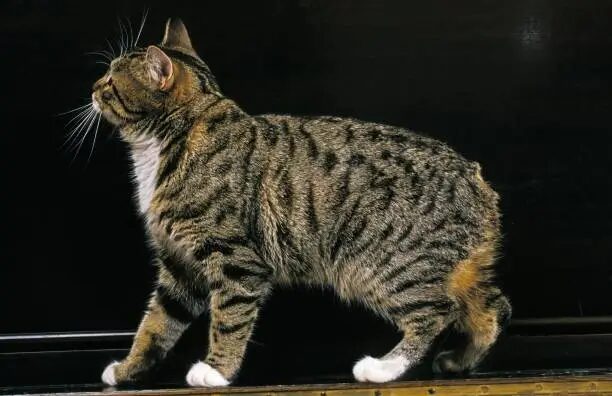
The Manx cat is a naturally occurring breed famous for its shortened—or sometimes completely absent—tail. This trait is the result of a naturally occurring genetic mutation rather than surgical docking.
Originally developed on the Isle of Man, these cats have become popular worldwide thanks to their unique appearance and affectionate temperament.
Some distinguishing features include:
- Rounded body
- Powerful hind legs
- Rabbit-like gait
- Dense double coat
- Strong hunting instincts
- Loyal personality
Why Buy a Manx Cat?
Many cat enthusiasts choose the Manx because it offers an excellent balance of companionship, intelligence, and playfulness.
Reasons people love the breed include:
- Unique tailless appearance
- Friendly personality
- Excellent family companion
- Highly intelligent
- Easy to train
- Moderate grooming requirements
- Long lifespan
- Strong bond with owners
The breed is particularly appealing to owners seeking a cat that enjoys interacting with people rather than remaining independent all day.
Is a Manx Cat Right for You?
Before searching for a Manx kitten, consider whether your lifestyle matches the breed’s needs.
A Manx may be ideal if you:
- Want an affectionate companion
- Have time for daily interaction
- Enjoy interactive play
- Can provide regular veterinary care
- Prefer an indoor cat
The breed may be less suitable if you:
- Frequently travel
- Want a completely independent pet
- Cannot commit to routine healthcare
- Have limited time for social interaction
Quick Breed Facts
| Feature | Details |
|---|---|
| Origin | Isle of Man |
| Breed Size | Medium |
| Weight | 8–12 lbs (3.5–5.5 kg) |
| Lifespan | 12–16 years |
| Coat | Short or long |
| Grooming | Moderate |
| Temperament | Loyal, intelligent, playful |
| Energy Level | Moderate |
| Good with Children | Yes |
| Good with Dogs | Usually |
| Shedding | Moderate |
Average Price at a Glance
| Type | Typical Price (USD) |
| Pet-quality kitten | $800–$1,800 |
| Show-quality kitten | $1,800–$3,000+ |
| Adult Manx | $300–$1,000 |
| Rescue adoption | $75–$300 |
Keep in mind that prices vary depending on pedigree, breeder reputation, location, and health testing.
Types of Manx Cats for Sale
Not every Manx looks exactly the same. The breed is available in several tail varieties and coat lengths.
Rumpy (Completely Tailless)
The Rumpy is the classic show-quality Manx.
Characteristics include:
- No visible tail
- Rounded rump
- Most desirable in cat shows
- Often commands the highest price
Because of their popularity, Rumpy kittens often have waiting lists.
Rumpy Riser
A Rumpy Riser has a tiny bump of cartilage where the tail would normally begin.
Features include:
- Almost tailless appearance
- Meets many breed standards
- Popular among breeders
- Similar appearance to a Rumpy
Stumpy
Stumpy Manx cats possess a short, partially developed tail.
Advantages include:
- Lower risk of some spinal issues
- Easier identification
- Often less expensive than Rumpies
Longy
Longy Manx cats have tails that are nearly full length.
Although they don’t match traditional show standards, they make wonderful pets.
Benefits include:
- Healthy genetics
- Friendly personality
- Often lower purchase price
Short-Haired Manx
The classic Manx features a dense, plush short coat that’s relatively easy to maintain.
Owners generally need to brush:
- Once or twice weekly
- More frequently during seasonal shedding
Long-Haired Manx (Cymric)
The Cymric is the long-haired variety of the Manx.
Characteristics include:
- Silky coat
- Feathered legs
- Thick neck ruff
- Fluffy appearance
These cats require brushing several times each week to prevent tangles.
Pet Quality vs Show Quality
When browsing Manx cats for sale, you’ll often see kittens described as either pet quality or show quality.
| Pet Quality | Show Quality |
| Ideal companion | Meets breed standards closely |
| Lower price | Higher price |
| Minor cosmetic differences | Excellent structure and appearance |
| Usually sold with spay/neuter agreement | May have breeding rights |
Most families are perfectly happy with a pet-quality kitten.
Male vs Female Manx Cats
Both genders make excellent companions.
Males
- Slightly larger
- Often more outgoing
- Playful for longer
- Strong personalities
Females
- Slightly smaller
- Sometimes more independent
- Very affectionate
- Mature earlier
Personality varies more by individual cat than gender.
Manx Cat Price
One of the most common questions buyers ask is:
“How much does a Manx cat cost?”
The answer depends on several important factors.
How Much Does a Manx Cat Cost?
Typical price ranges include:
| Category | Average Cost |
| Pet-quality kitten | $800–$1,800 |
| Show-quality kitten | $1,800–$3,000+ |
| Adult Manx | $300–$1,000 |
| Rescue adoption | $75–$300 |
Exceptional bloodlines may exceed these ranges.
Kitten Prices
Kittens generally cost more because they are in high demand.
Price depends on:
- Tail type
- Coat quality
- Pedigree
- Breeder reputation
- Registration status
Adult Cat Prices
Adult Manx cats often cost less than kittens.
They may already be:
- Vaccinated
- Spayed or neutered
- Microchipped
- Litter trained
- Socialized
This can make adult cats an excellent value.
Show-Quality Manx Price
Show-quality kittens usually have:
- Excellent body structure
- Ideal tail type
- Strong pedigree
- Registration papers
- Superior breeding potential
Prices commonly range from $1,800 to over $3,000.
Pet-Quality Price
Most pet-quality kittens fall between $800 and $1,800.
These cats still make loving companions despite minor cosmetic differences.
Rare Color Prices
Certain coat colors may increase value.
Examples include:
- Silver
- Blue
- Smoke
- Rare bicolor combinations
Availability often affects pricing more than color alone.
Adoption Fees
Adopting from a rescue organization usually costs much less.
Typical adoption fees include:
- Veterinary examination
- Vaccinations
- Spay or neuter surgery
- Microchip
- Health check
Adoption generally ranges from $75–$300.
Why Some Manx Cats Cost More
Several factors influence price, including:
- Champion bloodlines
- Ethical breeding practices
- Genetic testing
- Veterinary care
- Registration
- Coat quality
- Tail type
- Geographic demand
A higher purchase price from a reputable breeder often reflects better health screening and early kitten care.
Factors That Affect Manx Cat Prices
Understanding what drives pricing helps buyers compare listings more effectively.
Breeder Reputation
Experienced breeders who prioritize health, temperament, and proper socialization generally charge more because they invest significantly in their breeding programs.
Bloodline
Kittens from championship or award-winning bloodlines typically command premium prices due to their desirable genetics and show potential.
Pedigree Papers
Cats registered with recognized cat associations usually cost more than unregistered kittens.
Pedigree documentation provides confidence about the kitten’s ancestry and breed authenticity.
Tail Type
Tail length has a noticeable impact on price.
Generally:
- Rumpy – Highest value
- Rumpy Riser – High value
- Stumpy – Moderate value
- Longy – Usually lowest price
Coat Length
Long-haired Cymric kittens may sometimes cost slightly more because they are less common and require additional grooming.
Coat Color
Although personality matters far more than color, uncommon coat colors and striking patterns can influence market value.
Factors That Affect Manx Cat Prices (Continued)
Age
Age significantly influences the asking price.
Generally:
| Age | Typical Price Trend |
|---|---|
| 8–16 week kitten | Highest |
| Young adult | Moderate |
| Adult | Lower |
| Senior | Lowest |
Kittens are in greater demand because buyers enjoy raising them from an early age. Adult cats, however, are often already litter-trained, socialized, and may have completed their vaccinations.
Health Testing
Responsible breeders invest in health screening before breeding their cats.
Health testing may include:
- Veterinary examinations
- Genetic evaluations
- Spinal assessments
- General wellness checks
These additional expenses often increase the purchase price but reduce the likelihood of inherited health problems.
Vaccinations
Most reputable breeders include age-appropriate vaccinations before kittens leave for their new homes.
This may include:
- Initial vaccinations
- Deworming
- Health certificate
- Veterinary records
Buying a vaccinated kitten can save both money and stress during the first few months.
Geographic Location
Location also affects pricing.
For example:
- Urban areas often have higher prices.
- Regions with few breeders may charge more.
- Shipping costs can increase the total purchase price.
Always calculate travel or transportation expenses before making a final decision.
Where to Buy a Manx Cat
Finding a healthy kitten starts with choosing the right source.
Reputable Breeders
A responsible breeder should:
- Prioritize health over profit
- Raise kittens in a clean environment
- Socialize kittens daily
- Provide veterinary records
- Offer ongoing support after adoption
Expect reputable breeders to ask you questions as well—they care where their kittens are going.
Registered Catteries
Registered catteries usually follow recognized breeding standards.
Benefits include:
- Verified pedigrees
- Ethical breeding practices
- Better health screening
- Breed knowledge
- Ongoing breeder support
Breed-Specific Rescue Organizations
If you’re open to adopting an adult cat, breed-specific rescues can be an excellent choice.
Advantages include:
- Lower adoption fees
- Cats already evaluated for temperament
- Veterinary care often completed
- Giving a deserving cat a second chance
Animal Shelters
Although purebred Manx cats are uncommon in shelters, Manx mixes occasionally become available.
Visit shelters regularly or register for adoption alerts.
Pet Adoption Websites
Many adoption websites allow you to search by:
- Breed
- Age
- Location
- Gender
- Coat type
These platforms can connect you with rescue groups across your region.
Local Classified Listings
Some owners rehome Manx cats through local listings.
If buying privately:
- Meet in person.
- Request veterinary records.
- Ask detailed questions.
- Never pay before seeing the cat.
Online Cat Marketplaces
Online marketplaces provide many listings but require extra caution.
Always verify:
- Seller identity
- Health documentation
- Recent photos
- Video calls
- References
Avoid sellers who pressure you into making immediate payments.
Veterinary Referrals
Many veterinarians know ethical breeders in their area.
They may recommend:
- Trusted breeders
- Rescue organizations
- Local adoption events
- Veterinary specialists
How to Find a Reputable Manx Cat Breeder
Choosing the breeder is just as important as choosing the kitten.
Questions to Ask
Before purchasing, ask:
- How old are the kittens?
- Have they been vaccinated?
- Have they been dewormed?
- Can I meet the parents?
- Are health guarantees included?
- What food are they eating?
- Have they been socialized?
A knowledgeable breeder should answer confidently.
Health Guarantees
Many reputable breeders provide written health guarantees covering inherited conditions for a specific period.
Always read the agreement carefully before making a deposit.
DNA Testing
While no breeder can guarantee perfect health, many perform genetic screening to reduce inherited risks.
Responsible breeding focuses on producing healthy kittens rather than simply rare appearances.
Vaccination Records
Always request documentation showing:
- Vaccination dates
- Deworming schedule
- Veterinary examinations
- Microchip information (if applicable)
Keep these records for your veterinarian.
Registration Papers
If purchasing a pedigree kitten, registration papers confirm the cat’s lineage and breed status.
These documents may also be required if you plan to show the cat.
Visiting the Breeder
Whenever possible, visit in person.
Look for:
- Clean surroundings
- Healthy adult cats
- Friendly kittens
- Fresh food and water
- Comfortable living spaces
Meeting the Parents
Meeting the kitten’s parents provides valuable insight into:
- Adult size
- Personality
- Temperament
- Overall health
Confident, friendly parents often produce well-socialized kittens.
Reading Customer Reviews
Search for reviews from previous buyers.
Positive signs include:
- Healthy kittens
- Good communication
- Honest descriptions
- Continued breeder support
Be cautious if multiple complaints mention illness or poor customer service.
Red Flags When Buying a Manx Cat
Knowing what to avoid can save you from expensive mistakes.
Extremely Low Prices
A price that seems too good to be true usually is.
Very cheap kittens may indicate:
- Poor breeding practices
- Health issues
- Lack of veterinary care
- Scams
No Health Records
Never purchase a kitten without veterinary documentation.
Health records protect both you and the kitten.
No Veterinary Care
Responsible breeders ensure kittens receive:
- Vaccinations
- Deworming
- Physical examinations
- Proper nutrition
Avoid sellers who cannot provide proof.
Poor Living Conditions
Walk away if you observe:
- Dirty cages
- Sick animals
- Strong odors
- Malnourished kittens
- Overcrowding
Healthy environments produce healthier pets.
Refusal to Answer Questions
Ethical breeders welcome informed buyers.
Avoid anyone unwilling to discuss:
- Health history
- Genetics
- Vaccinations
- Parent cats
- Contracts
Multiple Breeds Sold at Once
Large-scale operations selling many unrelated breeds may prioritize volume over animal welfare.
Research carefully before purchasing.
No Return Policy
Responsible breeders often offer guidance or assistance if unforeseen circumstances arise.
Although policies vary, complete refusal to discuss future support should raise concerns.
Buying a Manx Kitten
Bringing home a kitten is exciting, but timing matters.
Best Age to Bring a Kitten Home
Most experts recommend waiting until kittens are at least 12–14 weeks old.
By this age they have usually:
- Learned social skills
- Completed early vaccinations
- Begun litter training
- Become more independent
Kitten Health Checklist
Before bringing your kitten home, confirm:
- Bright eyes
- Clean ears
- Healthy coat
- Good appetite
- Normal movement
- Playful behavior
Vaccinations
Typical early vaccinations include protection against common feline diseases.
Ask for a written vaccination schedule so your veterinarian can continue the series.
Deworming
Most kittens require several deworming treatments during early development.
Request documentation showing:
- Dates
- Medication used
- Future recommendations
Socialization
Properly socialized kittens are usually:
- Curious
- Friendly
- Comfortable around people
- Confident during handling
Good breeders begin socialization from an early age.
First Veterinary Visit
Schedule a veterinary appointment within the first week after bringing your kitten home.
Your veterinarian will:
- Perform a physical examination
- Review vaccination records
- Discuss nutrition
- Recommend parasite prevention
- Answer your questions
Adopting a Manx Cat
Buying isn’t the only option.
Many wonderful Manx cats are waiting for homes through rescue organizations.
Adoption vs Buying
| Adoption | Buying |
| Lower cost | Greater kitten availability |
| Saves a life | More pedigree options |
| Adult cats often available | Wider choice of colors and tail types |
| Veterinary care frequently included | Better if seeking show-quality cats |
Benefits of Adoption
Adoption offers many rewards:
- Gives a homeless cat a second chance
- Lower initial expenses
- Adult personality already established
- Many cats already spayed or neutered
Rescue Organizations
Breed-specific rescues carefully evaluate cats before adoption.
Many provide:
- Medical treatment
- Behavioral assessments
- Vaccinations
- Microchipping
Adoption Requirements
Requirements often include:
- Application form
- Home interview
- Veterinary reference
- Adoption agreement
These steps help ensure a successful match.
Typical Adoption Costs
Average fees range from $75–$300, depending on age, location, and veterinary care already provided.
Adult vs Kitten Adoption
Adult cats offer several advantages:
- Established temperament
- Usually house-trained
- Lower purchase price
- Less destructive behavior
Kittens, however, allow owners to experience every stage of development.
Manx Cat Appearance
The Manx has one of the most distinctive appearances among domestic cats.
Size
The breed is medium-sized with a compact, muscular frame.
Weight
Typical weight:
- Females: 8–10 pounds
- Males: 10–12 pounds
Body Shape
Key characteristics include:
- Rounded body
- Broad chest
- Strong shoulders
- Compact build
Rabbit-Like Hind Legs
The hind legs are noticeably longer than the front legs, giving the Manx its famous rabbit-like gait and excellent jumping ability.
Coat Types
Available in:
- Short-haired Manx
- Long-haired Manx (Cymric)
Both have dense double coats that require regular brushing.
Coat Colors
Common colors include:
- Black
- White
- Blue
- Cream
- Red
- Silver
- Calico
- Tabby
- Tortoiseshell
- Bicolor
Eye Colors
Eye colors vary widely and may include:
- Gold
- Copper
- Green
- Blue
- Odd-eyed combinations
Tail Variations
The Manx comes in several tail types:
- Rumpy – No tail
- Rumpy Riser – Tiny cartilage bump
- Stumpy – Short tail
- Longy – Nearly full-length tail
Manx Cat Personality
The Manx cat is loved not only for its unique appearance but also for its charming personality. Many owners describe the breed as having dog-like qualities because of its loyalty and desire to be involved in family life.
Temperament
The Manx is generally:
- Friendly
- Gentle
- Confident
- Curious
- Adaptable
They tend to bond closely with their families and enjoy being part of daily activities.
Intelligence
Manx cats are highly intelligent and enjoy learning new things.
Many can quickly master:
- Puzzle feeders
- Clicker training
- Fetch
- Simple commands
- Interactive games
Providing mental stimulation helps prevent boredom.
Loyalty
One of the breed’s most admired traits is its loyalty.
Many Manx cats will:
- Follow their owners around the house
- Greet family members at the door
- Sleep nearby
- Form strong bonds with one or more people
Playfulness
Even as adults, Manx cats remain playful.
Favorite activities include:
- Chasing feather toys
- Playing fetch
- Climbing cat trees
- Solving puzzle toys
Daily play sessions keep them physically and mentally healthy.
Affection Level
The Manx enjoys attention without being overly demanding.
Most appreciate:
- Gentle petting
- Lap time
- Interactive play
- Quiet companionship
Activity Level
Although energetic, the breed is not hyperactive.
A combination of climbing opportunities and daily play usually satisfies their exercise needs.
Vocalization
Compared to many breeds, the Manx is relatively quiet.
Instead of constant meowing, they often communicate through:
- Soft chirps
- Gentle meows
- Purring
- Body language
Hunting Instinct
Originally valued as farm cats, Manx cats still have strong hunting instincts.
Interactive toys that mimic prey help satisfy this natural behavior.
Are Manx Cats Good Family Pets?
For many households, the answer is yes.
Their friendly nature and adaptable personality make them excellent companions.
With Children
The Manx is generally:
- Patient
- Gentle
- Playful
- Tolerant
Teach children to interact respectfully and avoid rough handling.
With Seniors
Older adults often appreciate the breed’s:
- Loyal companionship
- Moderate activity level
- Calm temperament
With Singles
Single owners often develop exceptionally close relationships with their Manx.
These cats thrive on regular interaction and companionship.
With Other Cats
When introduced properly, Manx cats usually coexist peacefully with other felines.
Early socialization improves compatibility.
With Dogs
Many Manx cats live happily with calm, cat-friendly dogs.
Introduce pets gradually and supervise early interactions.
With Small Pets
Because of their hunting instincts, extra caution is needed around:
- Birds
- Hamsters
- Rabbits
- Guinea pigs
- Mice
Secure enclosures and supervision are essential.
Health Considerations Before Buying
Before purchasing any Manx kitten, it’s important to understand potential health concerns.
Manx Syndrome
The most recognized inherited condition affecting the breed is Manx Syndrome.
It is linked to the same gene responsible for the shortened tail and can affect spinal development in some kittens.
Possible symptoms include:
- Weak hind legs
- Difficulty walking
- Constipation
- Urinary incontinence
- Loss of balance
Not all Manx cats develop this condition.
Spinal Disorders
Some Manx cats may experience congenital spinal abnormalities that can affect mobility.
Responsible breeding practices help reduce the risk.
Arthritis
As the breed ages, arthritis may occur, especially if spinal abnormalities are present.
Maintaining a healthy weight helps reduce joint strain.
Digestive Issues
Some affected cats may develop:
- Chronic constipation
- Difficulty passing stool
- Digestive discomfort
A veterinarian may recommend dietary adjustments.
Urinary Problems
Neurological involvement may affect bladder control in some cats.
Prompt veterinary attention is recommended if symptoms appear.
Importance of Health Screening
Always choose breeders who prioritize health testing and veterinary care.
Health screening helps identify potential inherited issues before breeding.
Questions to Ask Before Buying
Before making a commitment, ask the breeder these important questions:
Has the Kitten Been Vaccinated?
Request written vaccination records.
Has It Been Dewormed?
Confirm treatment dates and medications used.
Has It Been Microchipped?
Microchipping provides permanent identification if your cat is ever lost.
Is There a Health Guarantee?
Read any written guarantee carefully before purchasing.
Are the Parents Tested?
Ask whether the parents have undergone health evaluations and genetic screening.
Can I See Veterinary Records?
Review all available veterinary documentation before making a decision.
Is Pet Insurance Recommended?
Pet insurance can help offset unexpected veterinary expenses, especially for hereditary conditions.
Preparing Your Home
Before bringing your kitten home, gather the essentials.
Essential Supplies
Your shopping list should include:
- Food
- Water bowls
- Litter box
- Carrier
- Bed
- Toys
- Grooming supplies
Food and Water Bowls
Choose sturdy stainless steel or ceramic bowls that are easy to clean.
Litter Box
Provide at least one litter box per cat, plus one extra if possible.
Cat Bed
Offer a quiet, comfortable sleeping area where your new companion can feel secure.
Cat Tree
Cat trees provide:
- Exercise
- Climbing opportunities
- Scratching surfaces
- Safe resting spots
Scratching Posts
Scratching helps maintain healthy claws and protects household furniture.
Toys
Recommended toys include:
- Feather wands
- Balls
- Puzzle feeders
- Cat tunnels
- Toy mice
Grooming Supplies
Keep these on hand:
- Slicker brush
- Comb
- Nail clippers
- Cat-safe shampoo
- Toothbrush and toothpaste
First-Year Costs of Owning a Manx Cat
| Expense | Estimated Cost (USD) |
|---|---|
| Purchase price | $800–$3,000+ |
| Veterinary care | $200–$500 |
| Vaccinations | $100–$250 |
| Spay/Neuter | $150–$400 |
| Microchipping | $25–$60 |
| Food | $300–$700 |
| Litter | $150–$300 |
| Toys & accessories | $100–$250 |
| Grooming | $50–$200 |
| Pet insurance | $200–$600 annually |
Monthly Cost of Owning a Manx Cat
Typical monthly expenses include:
| Item | Monthly Cost |
| Food | $30–$60 |
| Litter | $15–$30 |
| Preventive healthcare | $15–$40 |
| Grooming | $5–$20 |
| Toy replacement | $5–$15 |
| Emergency savings | Varies |
Budgeting ahead makes long-term ownership easier.
Caring for Your New Manx Cat
Feeding Schedule
- Kittens: 3–4 meals daily
- Adults: 2 meals daily
- Fresh water available at all times
Grooming Routine
- Short-haired: Brush once or twice weekly
- Long-haired: Brush three to four times weekly
Increase brushing during seasonal shedding.
Exercise Needs
Aim for 20–40 minutes of active play each day.
Mental Stimulation
Provide:
- Puzzle toys
- Interactive games
- Window perches
- Cat trees
- Training sessions
Veterinary Visits
Annual wellness exams help detect health issues early and keep vaccinations up to date.
Manx Cat vs Other Similar Breeds
| Feature | Manx | Cymric | Japanese Bobtail | American Bobtail |
| Tail | None to short | None to short | Short pom-pom | Naturally short |
| Coat | Short | Long | Short/Long | Short/Long |
| Grooming | Moderate | Higher | Moderate | Moderate |
| Personality | Loyal | Gentle | Outgoing | Friendly |
| Health Concerns | Manx Syndrome risk | Similar | Lower tail-related risk | Generally healthy |
Which Breed Offers Better Value?
The best breed depends on your lifestyle.
- Manx: Ideal for families wanting a loyal, affectionate companion.
- Cymric: Best for those who enjoy long-haired cats.
- Japanese Bobtail: A great choice for active, outgoing households.
- American Bobtail: Suitable for families seeking a friendly, adaptable cat with fewer tail-related health concerns.
Pros and Cons of Buying a Manx Cat
| Pros | Cons |
| Loyal companion | Can be expensive |
| Highly intelligent | Genetic health risks |
| Excellent family pet | Risk of Manx Syndrome |
| Skilled hunter | Requires regular veterinary care |
| Unique appearance | Rare kittens may involve waiting lists |
How to Avoid Online Pet Scams
Common Scam Tactics
Be cautious of sellers who:
- Demand full payment upfront
- Refuse video calls
- Use stolen photos
- Offer unusually low prices
- Claim urgent shipping deadlines
Safe Payment Methods
Use secure payment options that provide buyer protection whenever possible.
Avoid cash transfers to unknown individuals.
Video Calls With Breeders
Ask for a live video call to:
- See the kitten
- Observe its environment
- Meet the breeder
- Verify current photos
Contracts and Deposits
A written contract should clearly explain:
- Purchase price
- Health guarantee
- Return policy
- Deposit terms
Shipping Scams
Never pay transportation fees before confirming the breeder’s identity and the kitten’s existence.
Fake Pedigree Papers
Verify registration documents with recognized cat registries whenever possible.
Is a Manx Cat Worth the Price?
Long-Term Value
A healthy, well-socialized Manx offers years of companionship and can become an irreplaceable family member.
Maintenance Costs
Ongoing expenses include:
- Food
- Litter
- Veterinary care
- Toys
- Grooming
- Preventive healthcare
Planning for these costs ensures responsible ownership.
Personality Benefits
Many owners believe the Manx’s:
- Loyalty
- Intelligence
- Playfulness
- Affection
More than justify the purchase price.
Health Considerations
Buying from a reputable breeder who prioritizes health testing reduces the risk of inherited conditions and supports ethical breeding.
Who Should Buy One?
A Manx is an excellent choice for people who:
- Want an affectionate companion
- Can provide regular interaction
- Are prepared for long-term care
- Value responsible breeding practices
Interesting Facts About Manx Cats
Why They Have No Tail
Their distinctive tail length is the result of a naturally occurring genetic mutation.
Rabbit-Like Walk
Longer hind legs give the Manx its characteristic hopping gait.
Excellent Hunters
The breed was historically prized for controlling rodents on farms and ships.
Dog-Like Personality
Many Manx cats enjoy fetching toys and following their owners from room to room.
Famous Manx Cats
The breed has appeared in literature, cat shows, and popular culture for centuries.
Myths vs Facts
| Myth | Fact |
| Every Manx is tailless. | Tail length varies from none to nearly full-length. |
| All Manx cats are unhealthy. | Many live long, healthy lives with proper care. |
| They cannot jump well. | They are excellent jumpers thanks to powerful hind legs. |
Frequently Asked Questions (FAQs)
How much does a Manx cat cost?
Most pet-quality kittens cost $800–$1,800, while show-quality kittens may exceed $3,000.
Where can I find a Manx cat for sale?
Look for reputable breeders, breed-specific rescues, animal shelters, and trusted adoption websites.
Are Manx cats rare?
Yes. They are less common than many domestic cat breeds, especially completely tailless Rumpy Manx cats.
Is it better to buy or adopt a Manx cat?
Both are good options. Buying offers more choices in kittens and pedigrees, while adoption provides a loving home to a cat in need.
How can I identify a reputable breeder?
Choose breeders who provide health records, allow visits, answer questions openly, and prioritize kitten welfare.
Do all Manx cats have no tails?
No. Some have short or nearly full-length tails.
Are Manx cats healthy?
Most are healthy, though responsible breeding is important to reduce inherited health risks.
What is Manx Syndrome?
It is an inherited spinal condition that affects some Manx cats due to the same gene responsible for their shortened tail.
Are Manx cats good with children?
Yes. They are generally patient, affectionate, and playful with respectful children.
Do Manx cats get along with dogs?
Many do, especially when introduced gradually to calm, cat-friendly dogs.
How long do Manx cats live?
With proper care, they commonly live 12–16 years, and some live even longer.
Are Manx cats hypoallergenic?
No. They are not considered hypoallergenic.
What supplies do I need before bringing one home?
A litter box, carrier, food, water bowls, scratching post, cat tree, toys, bed, and grooming supplies.
Can first-time owners care for a Manx cat?
Yes. Their adaptable temperament makes them suitable for many first-time cat owners willing to provide proper care.
Should I get pet insurance for a Manx cat?
Pet insurance can help manage unexpected veterinary costs and is worth considering, especially for breeds with potential hereditary conditions.
Conclusion
Searching for a Manx cat for sale is the first step toward welcoming one of the most distinctive and affectionate cat breeds into your home. From understanding price ranges and breeder selection to evaluating health records and preparing your home, careful planning helps ensure a positive experience for both you and your future pet.
While Manx cats can be more expensive than some other breeds, their loyal personalities, playful nature, and unique appearance make them a rewarding companion for many households. Choosing an ethical breeder or adopting from a reputable rescue organization greatly improves your chances of bringing home a healthy, well-socialized cat.