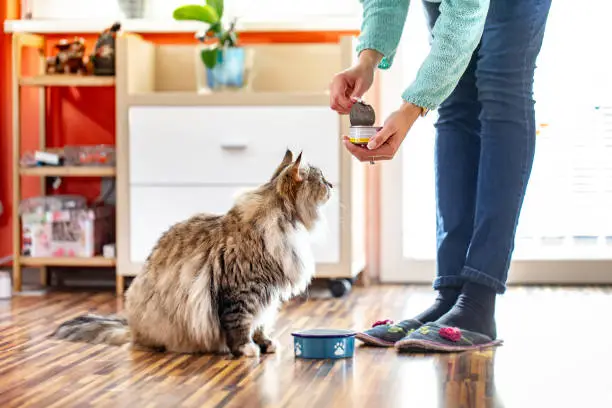
You are preparing dinner when a pea rolls across the kitchen floor. Before you can pick it up, your cat bats it once, sniffs it, and eats it. Naturally, your next thought is: Can cats eat peas safely?
In most cases, there is no reason to panic. Plain peas are not toxic to cats, and a few properly prepared peas can be offered as an occasional treat. Peas are even used in some commercial cat foods as a source of carbohydrates, fiber, vitamins, and plant-based protein.
However, something being safe does not automatically make it necessary or nutritionally ideal. Cats are obligate carnivores, which means their bodies are designed to obtain essential nutrients primarily from animal-based foods. Peas may add variety to a cat’s diet, but they should never replace meat or a complete and balanced feline food.
Preparation also matters. Plain steamed or boiled peas are very different from peas cooked with butter, cream, salt, onion, or garlic. Onion, garlic, chives, and related ingredients can damage a cat’s red blood cells and potentially cause anemia.
This guide explains:
- Whether peas are safe for cats
- How many peas a cat can eat
- The possible benefits and risks
- Which types of peas are suitable
- How to prepare peas safely
- When peas should be avoided
- Whether kittens and senior cats can eat them
Can Cats Eat Peas?
Yes, cats can eat peas in small quantities. The safest choice is a small serving of plain, soft, cooked peas with no butter, salt, sauces, garlic, onion, or other seasonings.
| Question | Quick answer |
|---|---|
| Can cats eat peas? | Yes, in small amounts |
| Are peas toxic to cats? | No, plain peas are not considered toxic |
| Can kittens eat peas? | A tiny mashed amount may be offered occasionally, but kitten food should remain the priority |
| How many peas are safe? | About 1–4 peas, depending on the cat’s age and size |
| How often can cats eat peas? | Occasionally, usually once or twice per week |
| Best way to serve peas | Plain, fully cooked, cooled, and lightly mashed |
| What should be avoided? | Salt, butter, oil, cream, onion, garlic, sauces, and spicy seasoning |
A veterinary-reviewed PetMD feeding guide suggests that an adult cat should receive only three or four plain peas once or twice weekly, rather than a full human-sized serving.
Think of peas as an optional treat—not as a salad, side dish, or replacement for your cat’s normal food.
Nutritional Value of Peas
Peas contain more protein than many common vegetables. They also provide fiber, vitamins, minerals, water, and antioxidants.
The figures below are approximate values for 100 grams of cooked green peas without added salt. Nutrient levels vary according to the variety, maturity, and cooking method.
| Nutrient | Approximate amount per 100g |
| Calories | 84 kcal |
| Protein | 5.4 g |
| Carbohydrates | 15.6 g |
| Fiber | 5.5 g |
| Fat | 0.2 g |
| Sugar | 5.9 g |
| Vitamin A | 40 mcg RAE |
| Vitamin C | 14 mg |
| Vitamin K | 26 mcg |
| Folate | 63 mcg |
| Iron | 1.5 mg |
| Magnesium | 39 mg |
| Potassium | 271 mg |
| Phosphorus | 117 mg |
| Manganese | 0.5 mg |
| Water content | Approximately 78% |
These nutrients make peas valuable in a human diet, but cats have different biological requirements. A cat eating one to four peas receives only a fraction of the amounts shown above.
The table should therefore not be interpreted as a reason to feed cats large portions. Cats obtain their essential nutrition more reliably from a complete and balanced cat food formulated for their age and health status. USDA FoodData Central provides detailed nutrient information for foods, including different varieties and preparations of peas.
Are Peas Safe for Cats?
Are Peas Toxic?
Plain green peas are not toxic to cats. Eating one or two peas that fall from your plate is unlikely to harm a healthy adult cat.
The greater concern is often what has been added to the peas. Human recipes may contain:
- Butter
- Excess salt
- Cheese
- Cream
- Onion
- Garlic
- Gravy
- Spices
- Cooking oils
Onions, garlic, chives, and leeks belong to the Allium family. They can cause gastrointestinal irritation and red blood cell damage in cats. Cats are particularly sensitive to these ingredients, including their powdered forms.
For that reason, never assume peas from a casserole, soup, curry, fried rice, pot pie, or seasoned vegetable mix are safe.
Why Are Peas Included in Cat Food?
Peas may appear in commercial cat food as:
- A carbohydrate source
- A source of dietary fiber
- Pea starch for texture and binding
- Pea protein to increase the product’s measured protein content
- An alternative ingredient in some grain-free formulas
In grain-free foods, manufacturers may replace grains with ingredients such as peas, lentils, potatoes, or sweet potatoes. However, the words “grain-free” do not automatically mean that a food is healthier, lower in carbohydrates, or more appropriate for every cat.
The overall formulation matters more than the presence of one individual ingredient. A reputable food should be complete and balanced for the cat’s life stage.
Can Cats Digest Peas?
Cats can digest a small amount of properly cooked plant material, but their digestive systems are primarily adapted to animal-based nutrition.
Cooking softens the pea’s structure and generally makes it easier to chew and digest. Whole raw peas, tough pods, and large servings of fibrous vegetables may be more difficult for some cats to process.
A cat that eats too many peas may develop:
- Gas
- Abdominal discomfort
- Loose stool
- Vomiting
- Reduced appetite
Tolerance varies. One cat may eat three peas without any noticeable reaction, while another may experience digestive discomfort after eating only one.
Are Peas Necessary in a Cat’s Diet?
No. Cats do not need peas to remain healthy.
Peas contain useful nutrients, but cats should receive their essential amino acids, fats, vitamins, and minerals through complete feline food. Cats have specific nutritional requirements associated with being obligate carnivores, and an unbalanced plant-heavy diet may fail to meet those needs.
A pea should be treated as a small optional extra, not a nutritional requirement.
What Do Veterinarians Say?
Veterinary guidance generally supports feeding plain peas only in moderation. PetMD’s veterinarian-reviewed advice states that peas are safe but unnecessary and recommends keeping servings very small.
Before introducing peas, contact your veterinarian when your cat:
- Has diabetes
- Has kidney disease
- Is following a prescription diet
- Has a sensitive stomach
- Has known food allergies
- Is overweight
- Is receiving treatment for another medical condition
Dietary advice for a healthy adult cat may not be appropriate for a cat with a diagnosed illness.
Health Benefits of Peas for Cats
Peas are not a miracle food for cats, but a small serving may provide limited nutritional benefits.
Source of Dietary Fiber
Peas contain both soluble and insoluble fiber. In modest amounts, fiber may:
- Support normal bowel movements
- Add bulk to stool
- Contribute to a feeling of fullness
- Support the intestinal environment
However, more fiber is not always better. Too much can produce gas, soft stool, constipation, or diarrhea.
Plant-Based Protein
Peas are relatively high in protein for a vegetable, which is one reason pea protein appears in some commercial pet foods.
That does not mean pea protein is equivalent to meat. Cats require specific amino acids and nutrients associated with animal tissues, including taurine. Peas cannot independently provide a complete feline diet.
Rich in Vitamins
Peas provide small amounts of several vitamins, including:
- Vitamin A precursors, which support normal cellular functions
- Vitamin C, an antioxidant
- Vitamin K, which contributes to normal blood-clotting processes
- Folate, which supports cell formation and metabolism
A cat eating only a few peas will receive a very small amount of these nutrients. A properly formulated cat food should already provide the vitamins the cat needs.
Minerals That Support Health
Peas contain minerals such as:
- Potassium
- Magnesium
- Iron
- Phosphorus
- Manganese
These nutrients are involved in numerous body processes. Nevertheless, more is not necessarily beneficial. Cats with kidney disease or another condition requiring mineral control should not be given additional foods without veterinary guidance.
Antioxidants
Peas contain plant compounds with antioxidant activity. Antioxidants help protect cells from oxidative damage.
The practical benefit of a few peas is likely modest, but plain peas may still be a more sensible occasional snack than fatty, salty, or heavily processed human food.
Supports Digestive Health
A tiny serving may support regular digestion in a cat that tolerates fiber well.
Peas should not be used as a home remedy for ongoing constipation, diarrhea, or vomiting. Persistent digestive symptoms may indicate parasites, food intolerance, inflammatory disease, obstruction, or another medical problem requiring veterinary evaluation.
May Help With Weight Management
Plain peas are relatively low in fat. A cat that enjoys them may accept one or two peas instead of a calorie-dense commercial treat.
However, adding peas on top of the cat’s normal food still adds calories. Effective weight management requires measured portions and a veterinarian-approved feeding plan rather than simply adding vegetables.
Hydration Benefits of Fresh Peas
Cooked fresh or frozen peas contain a substantial amount of water. They may contribute a very small amount of additional moisture, but they cannot replace drinking water or moisture-rich cat food.
For cats that need greater hydration, discuss wet food, water fountains, and other strategies with a veterinarian.
Potential Risks of Feeding Peas to Cats
Digestive Upset
The most likely problem after eating too many peas is digestive upset.
Possible symptoms include:
- Vomiting
- Diarrhea
- Soft stool
- Stomach discomfort
- Reduced appetite
Stop serving peas if any of these symptoms develop.
Gas and Bloating
Peas contain fermentable carbohydrates and fiber. Gut bacteria may break these components down and produce gas.
A few peas may be tolerated, but a spoonful can be excessive for an animal as small as a cat.
Choking Hazard
A whole pea can present a choking risk, particularly for:
- Kittens
- Senior cats
- Cats with dental disease
- Cats that swallow food quickly
- Cats with swallowing difficulties
Cook peas until soft and lightly mash them before serving.
Excess Carbohydrates
Peas contain more carbohydrates than many leafy vegetables. Cats do not require peas as a carbohydrate source, and large or frequent portions may displace nutritionally important food.
Cats with diabetes or weight problems should receive only foods approved by their veterinarian.
Allergic Reactions
Food allergies to peas are possible, although a cat is more commonly allergic to an animal protein than to a vegetable.
Possible signs of an adverse food reaction include:
- Itchy skin
- Excessive grooming
- Ear irritation
- Vomiting
- Chronic diarrhea
Discontinue the food and speak with a veterinarian when symptoms occur.
Added Salt and Seasonings
Canned and prepared peas may contain sodium, butter, sauces, or spices. Even when a seasoning is not directly toxic, it may contribute unnecessary fat, salt, or calories.
Serve only plain peas with no additives.
Pea Intolerance
An intolerance does not necessarily involve the immune system. A cat may simply be unable to digest peas comfortably.
Repeated vomiting, diarrhea, gas, or appetite changes after eating peas are good reasons to remove them from the diet.
Can Kittens Eat Peas?
Is It Safe?
A healthy, weaned kitten can generally taste a tiny amount of plain, fully cooked, mashed pea. However, there is rarely a nutritional reason to offer it.
Kittens have demanding nutritional needs because they are growing rapidly. At least 90% of their calories should come from an appropriate complete and balanced kitten food, not homemade treats or vegetables.
Nutritional Needs of Kittens
Kittens require carefully balanced amounts of:
- Animal protein
- Fat
- Taurine
- Calcium
- Phosphorus
- Vitamins
- Essential fatty acids
Too many extras may reduce their appetite for nutritionally complete kitten food.
How Much Can Kittens Eat?
For a weaned kitten, limit the serving to a small piece of one soft, mashed pea.
Do not feed peas to a very young kitten that is still nursing or bottle-feeding unless a veterinarian specifically recommends doing so.
Better Alternatives
More appropriate rewards include:
- A small portion of the kitten’s usual wet food
- A veterinarian-approved kitten treat
- A tiny piece of plain cooked chicken
- Playtime or affection as a non-food reward
Can Senior Cats Eat Peas?
Healthy senior cats may eat an occasional plain pea, but age-related health and dental changes should be considered.
Digestive Considerations
Older cats may have more sensitive digestion. Introduce only a tiny amount and monitor for:
- Vomiting
- Diarrhea
- Constipation
- Appetite changes
Dental Issues
A senior cat with missing teeth, gum disease, or difficulty chewing should not receive firm whole peas. Cook and mash the pea thoroughly, or avoid it entirely.
Portion Recommendations
A senior cat usually needs no more than one or two soft, mashed peas occasionally.
Cats with kidney disease, diabetes, digestive disorders, or prescription diets should receive veterinary approval before peas or any other extras are added.
Types of Peas Cats Can Eat
Not all peas are served in the same way. The safest options are plain, soft, and unseasoned, while heavily processed or flavored peas should be avoided.
A cat does not need a large serving. Even when a particular type of pea is considered safe, portion control remains essential.
Fresh Peas
Fresh green peas can be offered to cats when they are:
- Removed from the pod
- Washed thoroughly
- Cooked until soft
- Served without salt or seasoning
Raw fresh peas are firmer and harder to digest, so lightly steaming or boiling them is usually the better option.
Fresh peas should be treated as an occasional snack rather than a regular part of your cat’s meals.
Frozen Peas
Frozen peas are generally safe if they contain only peas and no added sauces, butter, salt, or seasoning.
Before serving:
- Defrost them completely.
- Cook or warm them until soft.
- Allow them to cool.
- Mash them lightly.
Never give your cat a hard frozen pea directly from the freezer. It may be difficult to chew and could present a choking risk.
Frozen peas often retain nutrients well, making them a practical option when fresh peas are unavailable.
Steamed Peas
Steaming is one of the best ways to prepare peas for cats.
It softens the peas without requiring:
- Butter
- Oil
- Salt
- Cream
- Seasoning
Steam the peas until they are soft enough to mash easily with a fork. Let them cool to room temperature before offering a small portion.
Boiled Peas
Boiled peas can also be safe, provided they are cooked in plain water.
Avoid adding:
- Salt
- Stock cubes
- Onion
- Garlic
- Herbs
- Spices
Drain the peas after boiling and serve only one to four, depending on your cat’s size and tolerance.
Green Peas
Green peas are the variety most commonly discussed when people ask, “Can cats eat peas?”
They may include:
- English peas
- Garden peas
- Sweet peas sold as food
- Frozen green peas
Plain green peas are generally safe in moderation.
However, do not confuse edible garden peas with ornamental sweet pea plants. Some ornamental plants are not intended for consumption and may be harmful.
Garden Peas
Garden peas are safe when the peas themselves are:
- Fresh
- Properly washed
- Cooked
- Removed from tough pods
If the peas are homegrown, make sure no pesticides, fertilizers, or garden chemicals remain on them.
The edible peas should be separated from the pod before serving.
Snow Peas
Snow peas have flat edible pods and small peas inside.
Although humans commonly eat the entire pod, the pod can be fibrous and difficult for a cat to chew. A small piece of plain, cooked snow pea may not be toxic, but it is not the best choice.
The safer approach is to offer a tiny amount of the soft inner pea rather than a long strip of pod.
Sugar Snap Peas
Sugar snap peas are thicker and sweeter than snow peas. Their pods are edible for humans, but they may be too tough and fibrous for some cats.
If you offer a small amount:
- Wash it thoroughly.
- Cook it until soft.
- Remove any tough string.
- Cut it into very small pieces.
- Serve only a tiny portion.
Plain green peas are usually a simpler and safer option.
Pea Puree
Plain pea puree can be easier for kittens, senior cats, and cats with dental problems to eat.
To prepare it:
- Steam or boil plain peas.
- Mash them with a fork.
- Add a few drops of water if needed.
- Serve a very small amount.
Do not use commercial baby food or prepared puree unless you have carefully checked the ingredients. Some products contain onion powder, garlic, salt, dairy, or other unsuitable additives.
Types of Peas Cats Should Avoid
The pea itself is rarely the main problem. The danger usually comes from added ingredients, processing methods, or oversized portions.
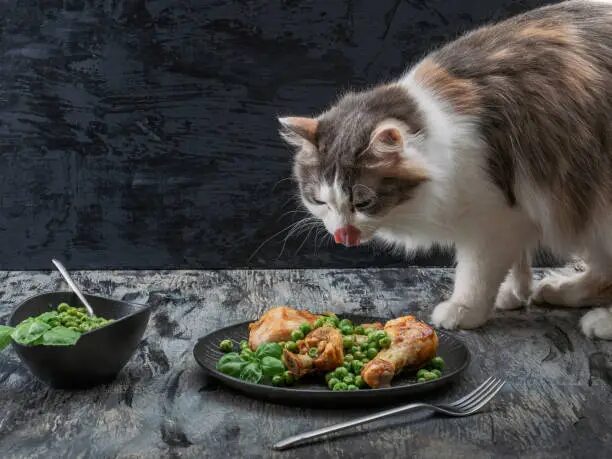
Canned Peas
Canned peas may contain high levels of sodium.
Too much salt can be harmful, especially for cats with:
- Kidney disease
- Heart disease
- High blood pressure
- Urinary problems
If canned peas are the only option, check the label carefully. Choose a low-sodium or no-salt-added product, rinse thoroughly, and offer only a very small amount.
Fresh or frozen plain peas are still preferable.
Seasoned Peas
Seasoned peas should not be shared with cats.
Common seasonings may include:
- Salt
- Garlic powder
- Onion powder
- Black pepper
- Chili
- Herb blends
- Stock flavoring
Some ingredients are irritating, while onion and garlic can be toxic.
Buttered Peas
Butter adds unnecessary fat and calories.
Some cats are also sensitive to dairy products, which may cause:
- Diarrhea
- Gas
- Stomach discomfort
A cat that needs to lose weight should not receive buttered vegetables as treats.
Garlic- or Onion-Flavored Peas
Cats should never eat peas cooked with garlic, onion, leeks, or chives.
These ingredients can damage red blood cells and may lead to anemia.
Dangerous forms include:
- Fresh onion or garlic
- Cooked onion or garlic
- Onion powder
- Garlic powder
- Dehydrated pieces
- Sauces containing these ingredients
Even small amounts may be concerning, especially if eaten repeatedly.
Creamed Peas
Creamed peas are usually made with dairy, flour, butter, salt, and seasonings.
This combination is unsuitable for cats because it may be:
- High in fat
- High in sodium
- Difficult to digest
- Seasoned with unsafe ingredients
Spicy Peas
Spicy foods can irritate a cat’s mouth and digestive system.
Avoid peas prepared with:
- Chili powder
- Hot sauce
- Cayenne pepper
- Curry seasoning
- Spicy marinades
Cats do not benefit from spicy flavors and may experience drooling, vomiting, diarrhea, or stomach pain.
Fried Peas
Fried or roasted snack peas may contain:
- Large amounts of oil
- Salt
- Artificial flavoring
- Onion powder
- Garlic powder
- Preservatives
They may also be hard and crunchy, increasing the risk of choking or dental injury.
How Many Peas Can Cats Eat?
Cats are small animals, so even a human-sized spoonful can be excessive.
The following guide provides conservative serving suggestions for healthy cats. These are not daily feeding recommendations.
| Cat size or age | Suggested maximum serving |
|---|---|
| Kitten | A small piece of one mashed pea |
| Small adult cat | 1–2 peas |
| Average adult cat | 2–4 peas |
| Large adult cat | 3–5 peas |
| Senior cat | 1–2 soft, mashed peas |
The ideal amount may be smaller if your cat:
- Has never eaten peas before
- Has a sensitive stomach
- Is overweight
- Eats a prescription diet
- Has kidney disease or diabetes
Start with less than the maximum. One small piece is enough to test tolerance.
How Often Can Cats Eat Peas?
Can Cats Eat Peas Daily?
A healthy cat may tolerate a tiny amount of peas in a complete commercial food, but hand-fed peas do not need to be given every day.
Daily servings could:
- Add unnecessary carbohydrates
- Displace complete cat food
- Increase the risk of digestive upset
- Encourage selective eating
Occasional feeding is more appropriate.
Can Cats Eat Peas Weekly?
For a healthy adult cat, one to four plain peas once or twice per week is generally a cautious approach.
There is no nutritional need to maintain a pea-feeding schedule. If your cat shows no interest in peas, you do not need to encourage it.
Peas as an Occasional Treat
Peas should be treated like any other extra food.
They may be used as:
- An occasional reward
- A small addition to wet food
- A low-fat alternative to a richer treat
- A novelty food for a curious cat
They should not become a major ingredient in homemade meals unless a veterinary nutritionist has formulated the diet.
The 90/10 Feeding Rule
A useful general guideline is that at least 90% of a cat’s daily calories should come from complete and balanced cat food.
Treats and extras—including peas—should make up no more than 10%.
For cats with medical conditions or weight problems, a veterinarian may recommend an even smaller treat allowance.
How to Prepare Peas for Cats
Safe preparation reduces the risk of digestive problems, choking, and exposure to harmful ingredients.
Wash Thoroughly
Wash fresh peas under clean running water.
This helps remove:
- Dirt
- Pesticide residue
- Bacteria
- Garden chemicals
Frozen peas usually require less washing, but check the package for preparation instructions.
Cook Without Seasoning
Boil or steam peas in plain water.
Do not add:
- Salt
- Butter
- Oil
- Onion
- Garlic
- Stock
- Spices
- Sauces
The simpler the preparation, the safer it is for your cat.
Cool Before Serving
Freshly cooked peas may be hot inside even when the surface feels cooler.
Allow them to reach room temperature before serving.
Test the temperature with your fingers and mash the pea to make sure no heat remains trapped inside.
Mash for Easier Eating
Lightly mashing peas makes them easier to:
- Chew
- Swallow
- Digest
This is especially helpful for:
- Kittens
- Senior cats
- Cats with missing teeth
- Cats that swallow food quickly
Cut Large Peas if Needed
Some sugar snap peas and large garden peas may be too big to serve whole.
Cut or mash them into tiny pieces. A cat should never need to struggle with a round, firm vegetable.
Can Cats Eat Raw Peas?
Cats may be able to eat one raw pea without becoming ill, but cooked peas are generally easier to chew and digest.
Possible Benefits
Raw peas retain their natural texture and some heat-sensitive nutrients.
However, this benefit is not particularly important for cats because they should obtain their essential nutrients from complete cat food.
Risks of Raw Peas
Raw peas may be:
- Harder to digest
- More difficult to chew
- A choking hazard
- More likely to cause gas
- Contaminated if not washed properly
Raw pods are especially fibrous.
General Recommendation
Offer peas soft and cooked rather than raw. Cooking is particularly important for kittens, seniors, and cats with dental or digestive issues.
Can Cats Eat Cooked Peas?
Yes. Plain cooked peas are usually the safest form.
Boiled Peas
Boiling softens peas effectively.
Use only plain water and drain the peas before serving.
Overcooking may reduce some nutrients, but nutritional preservation is less important than safe texture when only a few peas are being offered.
Steamed Peas
Steaming is often the best method because it:
- Softens the peas
- Requires no oil
- Retains flavor
- Avoids added ingredients
Microwaved Peas
Microwaved peas can be safe if they are cooked with plain water and no seasoning.
Be careful because microwaves can create hot spots. Stir, mash, and cool the peas completely before serving.
Do not offer ready-made microwave vegetable packets containing sauces, butter, or seasoning.
Which Cooking Method Is Best?
Plain steaming is often the most convenient and suitable method.
Boiling is also safe. The key requirements are that the peas are:
- Soft
- Plain
- Cool
- Served in a very small amount
Can Cats Eat Frozen Peas?
Yes, but frozen peas should be thawed and softened first.
Safe Serving Tips
Choose a product with a simple ingredient list:
Green peas
Avoid products that include:
- Salt
- Butter sauce
- Cheese
- Garlic
- Onion
- Flavoring
Defrosting
Defrost peas by:
- Leaving a few in the refrigerator
- Running them under warm water
- Briefly steaming or boiling them
- Microwaving them in plain water
Do not serve them while still frozen.
Nutritional Comparison
Frozen peas are usually frozen soon after harvesting, so they can retain nutrients well.
For cats, however, the difference between fresh and frozen peas is not significant because the serving is so small.
Safety and simplicity matter more than minor nutrient differences.
Can Cats Eat Pea Pods?
Pea pods are not always toxic, but they are generally less suitable than the peas inside.
Are Pea Pods Digestible?
Snow pea and sugar snap pea pods are edible for humans, but cats may struggle with their fibrous texture.
Garden pea pods are often tougher and should not be offered.
Choking Risks
Long strips of pod may become lodged in the throat or swallowed without proper chewing.
This risk is greater for:
- Kittens
- Seniors
- Fast eaters
- Cats with dental problems
Fiber Content
Pods contain considerable fiber. Too much may lead to:
- Gas
- Bloating
- Diarrhea
- Constipation
It is generally safer to remove the peas from the pod and serve a tiny amount of the soft inner peas.
Can Cats Eat Pea Protein?
Pea protein is a concentrated ingredient created by separating protein from peas.
It is commonly used in some dry and grain-free cat foods.
Why Is Pea Protein Used in Cat Food?
Manufacturers may use it to:
- Increase protein levels
- Improve food texture
- Bind ingredients
- Replace some grains
- Support grain-free formulations
Is Pea Protein a Complete Protein?
No. Pea protein alone does not provide the full amino acid balance cats require.
Cats need animal-derived nutrients, including taurine and certain forms of essential fatty acids and vitamins.
A complete commercial food may include pea protein as one ingredient while still meeting nutritional standards through the full formulation.
Pea protein should not be used at home as a replacement for meat.
Should Owners Be Concerned?
The presence of peas or pea protein does not automatically make a cat food unsafe.
Consider the complete product:
- Is it labeled complete and balanced?
- Is it appropriate for the cat’s life stage?
- Is it made by a reputable manufacturer?
- Does the company employ qualified nutrition experts?
- Is your cat maintaining a healthy weight and digestion?
Cats with allergies, digestive problems, or medical conditions may need a veterinarian-recommended diet.
Can Cats Eat Peas Every Day?
Cats consuming a balanced commercial food that contains peas may safely eat that formulation every day if it suits their nutritional and medical needs.
That is different from adding a spoonful of peas to meals every day.
Possible Benefits
Small amounts may provide:
- Fiber
- Variety
- A low-fat treat
- Minor vitamins and minerals
Drawbacks
Daily added peas may:
- Cause gas or diarrhea
- Add excessive carbohydrates
- Replace nutritionally complete food
- Lead to unwanted weight gain
- Encourage picky eating
Veterinary Advice
Do not make peas a regular dietary ingredient without discussing the cat’s overall diet with a veterinarian.
Cats with diabetes, kidney disease, obesity, food sensitivities, or prescription diets require individualized advice.
Signs Your Cat Doesn’t Tolerate Peas
After introducing peas, watch your cat for at least 24 hours.
Vomiting
Vomiting shortly after eating peas may indicate:
- Digestive intolerance
- Overeating
- Eating too quickly
- Reaction to another ingredient
Repeated vomiting requires veterinary attention.
Diarrhea
Loose stool can occur when a cat consumes too much fiber or tries a new food too quickly.
Stop feeding peas and provide access to fresh water.
Contact a veterinarian if diarrhea is severe, contains blood, or continues.
Gas
Occasional gas may not be an emergency, but repeated bloating or abdominal discomfort suggests that peas do not suit your cat.
Reduced Appetite
A cat that refuses normal food after eating peas may be experiencing nausea or stomach discomfort.
A significant or prolonged loss of appetite can become serious in cats and should not be ignored.
Skin Irritation
Although uncommon, an adverse food reaction may cause:
- Itching
- Red skin
- Ear irritation
- Excessive licking
- Hair loss
Lethargy
Unusual tiredness may indicate more than simple food intolerance, particularly if the peas contained onion, garlic, or another unsafe ingredient.
When to Contact a Veterinarian
Seek veterinary advice if your cat develops:
- Repeated vomiting
- Severe or persistent diarrhea
- Difficulty breathing
- Facial swelling
- Pale gums
- Weakness
- Tremors
- Collapse
- Refusal to eat
- Abdominal pain
Contact a veterinarian or animal poison-control service promptly if the peas were cooked with onion, garlic, chives, leeks, or a sauce containing these ingredients.
How to Introduce Peas to Your Cat
Start Small
Begin with a tiny piece of one soft, mashed pea.
Do not offer several peas the first time.
Monitor Reactions
Observe your cat for changes in:
- Stool
- Appetite
- Energy
- Skin
- Behavior
Increase Slowly
If your cat tolerates the first taste, you may offer one or two peas on another occasion.
There is no reason to increase the amount beyond a few peas.
Keep Treat Portions Small
Peas and other treats should remain a minor part of the diet.
Your cat’s regular complete food should continue to provide nearly all daily nutrition.
Best Vegetables Cats Can Eat
Although cats are obligate carnivores, a few vegetables can be offered as occasional treats. These vegetables should always be plain, cooked when appropriate, and served in small amounts.
Below is a comparison of some of the safest vegetables for cats.
| Vegetable | Safe for Cats? | Key Benefits | Best Served |
|---|---|---|---|
| Peas | ✅ Yes | Fiber, vitamins, plant protein | Steamed or boiled |
| Pumpkin | ✅ Yes | Excellent for digestion | Plain cooked puree |
| Carrots | ✅ Yes | Vitamin A, fiber | Soft cooked |
| Green Beans | ✅ Yes | Low calorie, fiber | Steamed |
| Broccoli | ✅ Yes | Antioxidants, fiber | Lightly steamed |
| Zucchini | ✅ Yes | Hydration, low calories | Cooked or raw in tiny pieces |
| Spinach (limited) | ⚠️ Sometimes | Vitamins and minerals | Small cooked portions |
| Cucumber | ✅ Yes | Hydration | Small fresh slices |
Remember that vegetables should never replace animal protein, which remains the foundation of a healthy feline diet.
Vegetables Cats Should Never Eat
Not every vegetable is safe. Some common kitchen ingredients are toxic and should never be fed to cats.
Onions
Onions contain compounds that can damage a cat’s red blood cells and may cause anemia.
Avoid:
- Raw onions
- Cooked onions
- Onion powder
- Onion flakes
Garlic
Garlic is even more concentrated than onions and is considered toxic to cats.
Never offer foods containing:
- Fresh garlic
- Garlic butter
- Garlic powder
- Garlic seasoning
Chives
Chives belong to the Allium family and pose the same risks as onions and garlic.
Leeks
Leeks also contain toxic compounds that can damage red blood cells.
Raw Potatoes
Raw potatoes contain solanine, which can be harmful.
Cooked plain potatoes are less risky, but they provide little nutritional value for cats.
Rhubarb
Rhubarb leaves contain oxalates that may cause severe health problems.
Wild Mushrooms
Some wild mushrooms are highly toxic.
Because it can be difficult to identify safe varieties, avoid feeding mushrooms unless specifically recommended by a veterinarian.
Peas vs Other Vegetables for Cats
Each vegetable offers different nutritional benefits. Here’s how peas compare to other popular choices.
| Vegetable | Protein | Fiber | Calories | Digestibility | Safety | Best Use |
| Peas | High | High | Moderate | Good (cooked) | Excellent | Occasional treat |
| Pumpkin | Low | Very High | Low | Excellent | Excellent | Digestive support |
| Carrots | Low | Moderate | Low | Good | Excellent | Small treats |
| Green Beans | Low | Moderate | Very Low | Excellent | Excellent | Weight management |
| Broccoli | Moderate | Moderate | Low | Good | Good | Occasional snack |
| Zucchini | Low | Low | Very Low | Excellent | Excellent | Hydration |
| Spinach | Moderate | Moderate | Very Good | Limited | Moderate | Small servings only |
| Cucumber | Very Low | Low | Very Low | Excellent | Excellent | Hydration |
For most healthy cats, peas, pumpkin, green beans, and carrots are among the safest vegetables when served correctly.
Can Cats Eat Cat Food That Contains Peas?
Many owners notice peas listed on commercial cat food labels and wonder whether this is a problem.
In most cases, no.
Peas are commonly included in quality cat foods for several reasons.
Why Manufacturers Add Peas
Peas may provide:
- Dietary fiber
- Plant protein
- Natural carbohydrates
- Texture
- Binding properties
They’re often used alongside animal proteins rather than replacing them completely.
Grain-Free Diets
Many grain-free cat foods replace grains with:
- Peas
- Lentils
- Chickpeas
- Potatoes
The absence of grains doesn’t automatically make a food healthier.
Always choose foods that are:
- Complete
- Balanced
- Appropriate for your cat’s life stage
Pea Protein in Dry Food
Pea protein helps increase total protein content.
However, it should supplement animal protein—not replace it.
Cats still require nutrients naturally found in meat.
Is It Safe Long-Term?
Yes, provided the food:
- Meets recognized nutritional standards
- Comes from a reputable manufacturer
- Supports your cat’s health
- Is recommended by your veterinarian when appropriate
The overall quality of the diet matters much more than whether peas appear on the ingredient list.
Homemade Cat Treats with Peas
If your cat enjoys peas, you can occasionally prepare simple homemade treats.
Remember:
- No salt
- No butter
- No garlic
- No onion
- No spices
Frozen Pea Treats
Ingredients:
- Plain cooked peas
- Water
Instructions:
- Mash cooked peas.
- Mix with a little water.
- Freeze in tiny silicone molds.
- Allow to soften slightly before serving.
Chicken & Pea Mash
Ingredients:
- Plain cooked chicken breast
- Two cooked peas
Instructions:
- Chop the chicken finely.
- Mash peas.
- Mix together.
- Serve a teaspoon-sized portion.
This combines animal protein with a small amount of fiber.
Tuna and Pea Bites
Ingredients:
- Plain tuna in water (no salt added)
- One mashed pea
Mix together and offer a very small amount as an occasional reward.
When Cats Should Not Eat Peas
Although peas are generally safe, some cats should avoid them unless a veterinarian approves.
Digestive Disorders
Cats with:
- Chronic vomiting
- Inflammatory bowel disease
- Chronic diarrhea
- Sensitive stomachs
may not tolerate additional fiber well.
Food Allergies
If your cat has suspected food allergies, avoid introducing new foods until your veterinarian recommends doing so.
Kidney Disease
Cats with kidney disease often require carefully controlled diets.
Even healthy vegetables should only be added with veterinary guidance.
Diabetes
Peas contain carbohydrates.
Although the amount is small, diabetic cats should only receive treats approved by their veterinarian.
Veterinary Prescription Diets
Cats eating prescription diets for:
- Urinary disease
- Kidney disease
- Liver disease
- Gastrointestinal disorders
- Food allergies
should not receive additional treats without professional advice.
Pros and Cons of Feeding Peas to Cats
Pros
- Safe when served in moderation
- Good source of dietary fiber
- Low in fat
- Contains useful vitamins and minerals
- Naturally rich in antioxidants
- Found in many quality commercial cat foods
- Easy to prepare
- Can provide variety
Cons
- Not nutritionally essential
- Too many may cause gas
- May cause diarrhea in sensitive cats
- Can contribute unnecessary carbohydrates
- Some processed peas contain harmful seasonings
- Not suitable for every medical condition
- Should never replace meat
Expert Tips for Feeding Peas Safely
Keep these practical recommendations in mind.
- Feed only plain cooked peas.
- Avoid canned peas with added sodium.
- Never add butter, salt, garlic, or onion.
- Start with one pea to test tolerance.
- Mash peas for kittens and senior cats.
- Offer peas only occasionally.
- Keep treats below 10% of your cat’s daily calories.
- Monitor for digestive changes.
- Always prioritize high-quality animal protein.
- Contact your veterinarian if unusual symptoms develop.
Frequently Asked Questions
Can cats eat peas safely?
Yes. Healthy cats can usually eat a few plain cooked peas as an occasional treat.
Are frozen peas safe for cats?
Yes, once they have been thawed, cooked if needed, and served plain without seasoning.
Can kittens eat peas?
Yes, but only a tiny mashed amount after weaning. Kitten food should remain their primary source of nutrition.
Can cats eat canned peas?
It’s better to avoid them because many canned peas contain added salt.
Are peas toxic to cats?
No. Plain peas are not toxic, but foods prepared with onion or garlic are dangerous.
Can cats eat pea pods?
Small amounts of cooked edible pods may not be toxic, but they are difficult to digest and are generally not recommended.
Why is pea protein used in cat food?
It helps increase protein content and improve texture, especially in some grain-free diets.
Are peas healthy for cats?
In moderation, peas can provide fiber and vitamins. However, they are not an essential part of a cat’s diet.
Can diabetic cats eat peas?
Only under veterinary guidance because peas contain carbohydrates.
Can cats eat peas every day?
Occasional feeding is better. Daily servings are unnecessary for most cats.
How many peas can I give my cat?
Most healthy adult cats can have 1–4 plain cooked peas once or twice a week.
Can peas cause diarrhea?
Yes, especially if too many are eaten or if your cat has a sensitive digestive system.
Can cats eat peas and carrots?
Yes. Plain cooked peas and carrots can both be offered occasionally in small portions.
Do peas replace meat in a cat’s diet?
No. Cats are obligate carnivores and require animal protein to meet their nutritional needs.
What vegetables are safest for cats?
Some of the safest vegetables include:
- Pumpkin
- Peas
- Green beans
- Carrots
- Zucchini
- Broccoli (small amounts)
- Cucumber
Conclusion
So, can cats eat peas? The answer is yes—when served correctly and in moderation.
Plain cooked peas are not toxic and can provide small amounts of fiber, vitamins, minerals, and plant-based protein. That’s one reason they’re commonly included in many commercial cat foods. However, because cats are obligate carnivores, peas should never become a major part of their diet or replace high-quality animal protein.
The safest approach is simple: offer only plain, cooked, unseasoned peas in very small portions. Avoid canned peas with added salt, buttered or creamed peas, and any preparation containing onion, garlic, or other seasonings that may be harmful to cats.
Whether you’re feeding a curious kitten, a healthy adult, or a senior cat, moderation is key. Watch for any signs of digestive upset, introduce new foods gradually, and remember that every cat is different.
If your cat has diabetes, kidney disease, food allergies, digestive disorders, or is eating a prescription diet, consult your veterinarian before adding peas—or any new treat—to their meals.
With thoughtful preparation and sensible portion sizes, peas can be an enjoyable occasional treat, but a balanced, meat-based diet should always remain the cornerstone of your cat’s long-term health.