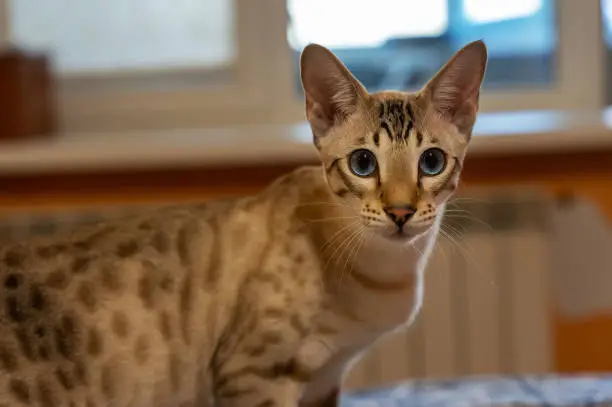
If you’re searching for a Birman for sale, you’re probably looking for more than just a beautiful cat. You’re looking for a healthy, affectionate companion that will become part of your family for many years. With their striking sapphire-blue eyes, silky coats, and signature white “gloves,” Birman cats have earned a reputation as one of the world’s most beloved purebred cat breeds.
However, buying a Birman isn’t as simple as choosing the first kitten you see online. Prices vary significantly, breeder quality differs, and not every seller follows ethical breeding practices. Taking the time to research breeders, understand the breed’s needs, and prepare your home can help ensure you bring home a healthy, well-socialized kitten.
In this comprehensive guide, you’ll learn everything you need to know before purchasing a Birman, including pricing, breeder selection, adoption options, health considerations, and expert buying tips.
Birman for Sale at a Glance (Quick Facts)
| Feature | Details |
|---|---|
| Average Price | $800–$3,500+ |
| Breed Type | Long-Haired Purebred Cat |
| Lifespan | 12–16 Years |
| Coat | Silky, Medium-Long |
| Temperament | Gentle, Affectionate, Intelligent |
| Activity Level | Moderate |
| Good with Kids | Excellent |
| Good with Dogs | Yes |
| Grooming | Moderate |
| Best For | Families, Seniors, Singles |
| Registration | CFA, TICA, GCCF, FIFe |
Why Buy a Birman Cat?
Birman cats combine elegance, intelligence, and affection in one beautiful package. They are often described as the perfect balance between playful and calm, making them excellent companions for many different households.
Gentle Personality
Birmans are known for their sweet, patient nature. They enjoy spending time with people and are rarely aggressive.
They love:
- Sitting beside their owners
- Following family members around the house
- Quiet cuddle sessions
- Interactive playtime
Their calm demeanor makes them ideal companions for families and seniors alike.
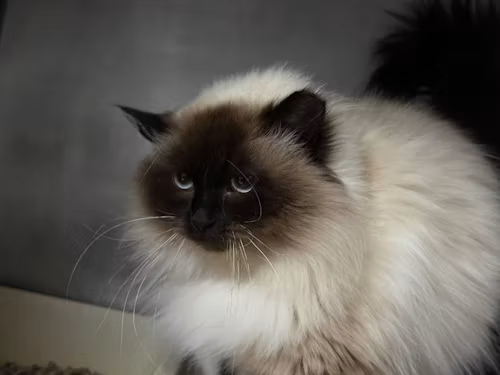
Beautiful Sapphire Blue Eyes
One of the Birman’s most recognizable features is its deep sapphire-blue eyes.
These stunning eyes contrast beautifully with the breed’s color-point coat and contribute to its elegant appearance.
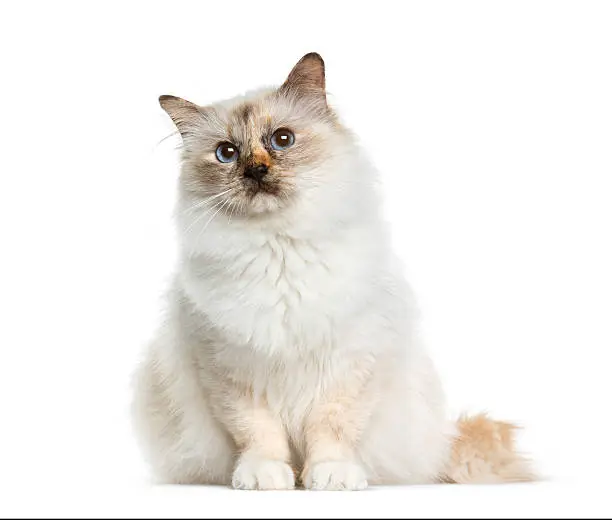
White Gloved Paws
Birman cats are famous for their perfectly white paws, often referred to as gloves.
These unique markings:
- Distinguish the breed from other long-haired cats
- Are required for show-quality Birmans
- Add to their graceful appearance
Excellent Family Companion
Birmans are exceptionally social.
They generally get along well with:
- Children
- Adults
- Seniors
- Other cats
- Cat-friendly dogs
Because they enjoy companionship, they thrive in homes where someone is around for much of the day.
Easygoing Nature
Unlike some highly active breeds, Birmans have a balanced activity level.
They enjoy:
- Playing with feather toys
- Climbing cat trees
- Watching birds from the window
- Relaxing beside their owners
Intelligent and Trainable
Birman cats are highly intelligent and respond well to positive reinforcement.
Many can learn:
- Their name
- Simple tricks
- Clicker training
- Puzzle feeders
- Daily routines
Is a Birman Cat Right for You?
Before searching for a Birman kitten for sale, consider whether this breed matches your lifestyle.
Lifestyle Requirements
Birmans are happiest in homes where they receive regular attention and companionship.
They are ideal for:
- Families
- Couples
- Singles
- Seniors
- Multi-pet households
Time Commitment
Although not overly demanding, Birmans enjoy daily interaction.
Expect to spend time on:
- Play sessions
- Grooming
- Feeding
- Training
- Social bonding
Budget Considerations
Owning a Birman involves more than the initial purchase price.
You should budget for:
- Premium cat food
- Veterinary care
- Grooming supplies
- Cat litter
- Toys
- Pet insurance (optional)
Grooming Expectations
The Birman’s silky coat requires regular maintenance.
Fortunately, because it lacks a thick undercoat, it is less prone to matting than many other long-haired breeds.
Most owners brush their Birman two to three times per week.
Indoor Living Requirements
Birmans are best suited for indoor living.
Keeping them indoors helps protect them from:
- Traffic
- Predators
- Disease
- Theft
- Harsh weather
If outdoor time is desired, a secure catio or supervised harness walk is recommended.
Types of Birman Cats for Sale
Not every Birman available for sale is the same. Understanding the different categories can help you choose the right companion.
Birman Kittens
Kittens are the most popular choice.
Advantages include:
- Early bonding
- Easier training
- Watching them grow
- Longer companionship
Adult Birman Cats
Adult Birmans may become available through:
- Breeders
- Rescue organizations
- Owners seeking rehoming
Benefits include:
- Established personalities
- Lower purchase price
- Already litter trained
- Usually calmer than kittens
Retired Breeding Cats
Some breeders retire healthy adult cats after breeding.
These cats often:
- Are well socialized
- Have excellent temperaments
- Cost less than show-quality kittens
Show-Quality Birmans
Show-quality kittens meet strict breed standards.
They generally have:
- Excellent white gloves
- Perfect color points
- Strong pedigrees
- Outstanding conformation
Because of these qualities, they command higher prices.
Pet-Quality Birmans
Most owners purchase pet-quality Birmans.
They may have:
- Minor cosmetic differences
- Slightly uneven markings
- Less perfect glove symmetry
These small differences do not affect their health or loving personalities.
Rare Color Birmans
Some coat colors are less common than others.
Examples include:
- Lilac Point
- Chocolate Point
- Cream Point
- Tortie Point
- Lynx Point
Rare colors often increase purchase prices.
Birman Kitten for Sale
Buying a healthy kitten starts with choosing the right breeder.
What Age Should You Buy a Kitten?
Responsible breeders generally allow kittens to go home between 12 and 16 weeks of age.
By this time, kittens have usually:
- Been fully weaned
- Received initial vaccinations
- Learned important social skills
- Become more emotionally confident
Avoid sellers offering kittens younger than 10–12 weeks.
Healthy Kitten Checklist
A healthy Birman kitten should have:
- Bright blue eyes
- Clean ears
- Soft silky coat
- Healthy weight
- Curious personality
- Clean nose
- No signs of diarrhea
- Comfortable movement
- Friendly behavior
The kitten should appear alert and interested in its surroundings.
Questions to Ask the Seller
Before making a purchase, ask important questions such as:
- How old is the kitten?
- Have vaccinations been completed?
- Has the kitten been examined by a veterinarian?
- Can I meet the parents?
- What food is the kitten currently eating?
- Is there a written health guarantee?
- Has the kitten been socialized?
A responsible breeder will gladly answer these questions.
Vaccinations
Before going home, Birman kittens should typically receive age-appropriate vaccinations.
Ask for:
- Vaccination records
- Veterinary examination reports
- Deworming history
Keep these documents for future veterinary visits.
Microchipping
Many breeders microchip kittens before they leave for their new homes.
Microchipping provides permanent identification if your cat is ever lost.
Early Socialization
Early experiences shape a kitten’s personality.
Well-socialized kittens should already be familiar with:
- Household sounds
- Human handling
- Grooming
- Litter box use
- Basic household routines
This early exposure helps create confident, friendly adult cats.
Birman Cat Price
The cost of purchasing a Birman depends on several factors, including pedigree, breeder reputation, location, and whether the kitten is intended as a pet or for showing.
Average Birman Kitten Price
| Quality | Price Range |
|---|---|
| Pet Quality | $800–$2,000 |
| Show Quality | $2,000–$3,500+ |
| Rare Bloodlines | $3,500–$5,000+ |
While premium prices may seem high, reputable breeders invest significantly in health testing, veterinary care, quality nutrition, and proper socialization.
Factors That Affect Price
Several factors influence the cost of a Birman kitten.
Breeder Reputation
Experienced breeders with excellent reputations often charge more because they prioritize healthy breeding practices and lifelong support.
Pedigree
Kittens from championship bloodlines generally cost more than those bred solely as family pets.
Bloodline
Rare or internationally recognized bloodlines can significantly increase a kitten’s value.
Show Quality
Cats meeting strict breed standards command premium prices due to their conformation and markings.
Color
Less common color variations, such as Chocolate Point or Lilac Point, may carry higher price tags.
Eye Quality
Deep, vivid sapphire-blue eyes are highly desirable and can influence a kitten’s price.
White Glove Markings
Perfectly symmetrical white gloves are especially important for show-quality Birmans and often increase value.
Geographic Location
Prices vary depending on demand, breeder availability, and regional costs of care.
Initial Cost of Owning a Birman
Bringing home a Birman requires purchasing several essential supplies.
| Item | Estimated Cost |
|---|---|
| Purchase Price | $800–$3,500 |
| Carrier | $50–$120 |
| Cat Tree | $100–$300 |
| Litter Box | $25–$80 |
| Toys | $40–$150 |
| Food Bowls | $20–$60 |
| First Vet Visit | $100–$300 |
| Total Initial Cost | $1,200–$4,500+ |
Planning these expenses in advance helps ensure a smooth transition when your new kitten arrives.
Monthly Cost of Owning a Birman
Beyond the initial investment, you’ll also have ongoing monthly expenses.
Typical costs include:
- Premium cat food
- Cat litter
- Routine grooming supplies
- Preventive veterinary care
- Pet insurance (optional)
- Toys and enrichment
- Replacement scratching posts
Although these recurring costs vary, budgeting ahead helps provide consistent care throughout your Birman’s life.
Where to Find Birman Cats for Sale
Finding the right Birman kitten takes patience and research. While online listings are common, it’s important to prioritize ethical breeders and reputable adoption sources over convenience.
Reputable Breeders
A responsible breeder is often the safest place to purchase a healthy Birman kitten.
Good breeders typically:
- Perform health testing
- Raise kittens indoors
- Socialize kittens from an early age
- Provide veterinary records
- Offer ongoing support after purchase
Expect to join a waiting list, especially if you’re looking for a specific color or bloodline.
Breed Clubs
National and regional Birman breed clubs often maintain breeder directories.
These organizations usually list breeders who follow recognized breeding standards and ethical practices.
Breed clubs can also provide valuable educational resources for first-time owners.
Cat Shows
Cat shows are excellent places to:
- Meet experienced breeders
- See adult Birmans in person
- Learn about breed standards
- Compare different bloodlines
Even if you don’t plan to show your cat, attending a cat show helps you understand what makes a healthy Birman.
Ethical Online Listings
Some breeders advertise online through their websites or trusted pet directories.
When browsing online:
- Read reviews carefully.
- Request recent photos and videos.
- Verify registration information.
- Avoid paying deposits before confirming legitimacy.
Never rely solely on attractive photos when choosing a kitten.
Local Catteries
Visiting a local cattery allows you to:
- Observe cleanliness
- Meet breeding cats
- See kitten living conditions
- Ask questions directly
Healthy kittens should appear curious, clean, and well cared for.
Veterinary Referrals
Veterinarians often know reputable breeders and local rescue organizations.
If you’re unsure where to start, your veterinarian can be an excellent source of recommendations.
How to Choose a Reputable Birman Breeder
The breeder you choose has a significant impact on your kitten’s long-term health and temperament.
Registration with Cat Associations
Responsible breeders often register their cats with recognized organizations such as:
- CFA (Cat Fanciers’ Association)
- TICA (The International Cat Association)
- GCCF (Governing Council of the Cat Fancy)
- FIFe (Fédération Internationale Féline)
Registration helps verify pedigree but should always be considered alongside health testing and ethical breeding practices.
Health Testing
Responsible breeders screen breeding cats for inherited diseases whenever appropriate.
Ask whether testing has been performed for conditions such as:
- Hypertrophic Cardiomyopathy (HCM)
- Polycystic Kidney Disease (PKD)
Health testing helps reduce the likelihood of passing inherited disorders to kittens.
Clean Living Environment
Healthy kittens should be raised in a clean, spacious environment.
Look for:
- Fresh food and water
- Clean litter boxes
- Safe play areas
- Comfortable bedding
- Well-groomed cats
A clean environment supports healthy development and socialization.
Socialized Kittens
Well-socialized kittens are confident, curious, and comfortable around people.
Responsible breeders expose kittens to:
- Household sounds
- Gentle handling
- Grooming
- Everyday routines
This early socialization helps produce adaptable adult cats.
References and Reviews
Before placing a deposit:
- Read customer reviews.
- Ask for references.
- Search breeder reputation online.
- Speak with previous buyers if possible.
Positive feedback from past owners is a good sign of ethical breeding practices.
Questions to Ask a Birman Breeder
Never hesitate to ask detailed questions before purchasing a kitten.
Important questions include:
Can I meet the parents?
Meeting one or both parents gives you insight into their health and temperament.
Have genetic health tests been completed?
Ask which inherited conditions have been screened for and request documentation if available.
Are vaccinations current?
Request complete vaccination records and ask which vaccines have already been administered.
Is the kitten microchipped?
Microchipping provides permanent identification and is offered by many breeders before kittens go to their new homes.
What food does the kitten eat?
Maintaining the same diet initially helps reduce digestive upset during the transition.
Is there a health guarantee?
Many reputable breeders provide written health guarantees covering inherited conditions for a specified period.
Can I see registration papers?
Registered kittens should come with pedigree documentation and registration paperwork from the appropriate cat association.
Do you provide lifetime breeder support?
Many ethical breeders remain available to answer questions throughout the cat’s life.
Warning Signs of a Kitten Mill
Unfortunately, not all sellers prioritize animal welfare.
Be cautious if you notice any of the following red flags.
Prices Too Good to Be True
Extremely low prices often indicate poor breeding practices or inadequate veterinary care.
No Health Records
Every kitten should have documented veterinary care.
Avoid sellers who cannot provide:
- Vaccination records
- Deworming history
- Veterinary examinations
Multiple Litters Available Year-Round
Responsible breeders usually produce only a limited number of carefully planned litters.
Constant availability may indicate commercial breeding.
Refuses Visits
If a breeder refuses to let you visit or arrange a virtual tour, proceed with caution.
Transparency is a hallmark of ethical breeding.
Dirty Conditions
Poor sanitation can increase the risk of illness and inadequate socialization.
Healthy environments should be clean, odor-free, and organized.
Kittens Sold Too Young
Kittens should remain with their mother until at least 12 weeks of age, and many breeders prefer 12–16 weeks to support healthy social development.
No Registration Papers
If a seller claims the kitten is purebred but cannot provide registration documentation, verify the kitten’s pedigree carefully before purchasing.
Health Certificates to Request
Always request copies of your kitten’s medical records.

Vaccination Records
These should list:
- Vaccines administered
- Dates given
- Future vaccination schedule
Deworming History
Kittens typically receive several deworming treatments before adoption.
Ask for dates and medications used.
Veterinary Examination
A health certificate should confirm that the kitten has been examined and appears healthy before going home.
Genetic Health Testing
Responsible breeders may provide documentation for health screening of breeding cats.
HCM Screening
Hypertrophic Cardiomyopathy is one of the most common inherited heart diseases in cats.
Breeding cats should be evaluated according to current veterinary recommendations.
PKD Testing
Although less common in Birmans than in some other breeds, screening for Polycystic Kidney Disease may still be performed by conscientious breeders.
Registration Documents
Pedigree papers verify your kitten’s ancestry and registration status.
Keep these documents in a safe place for future reference.
Birman Cat Adoption
Buying from a breeder isn’t the only option.
Many wonderful Birmans are waiting for loving homes through rescue organizations.
Should You Adopt Instead of Buy?
Adoption can be an excellent choice if you’re open to an adult cat or occasionally a kitten.
Adopted cats often become deeply devoted companions.
Birman Rescue Organizations
Breed-specific rescue groups occasionally have:
- Adult Birmans
- Senior cats
- Birman mixes
Availability varies depending on location.
Local Animal Shelters
While purebred Birmans are less common in shelters, they do occasionally become available.
Check local shelters regularly and consider joining adoption waiting lists.
Breed-Specific Rescue Groups
Specialized rescue organizations often understand the breed’s needs and can help match you with the right cat.
Benefits of Adoption
Advantages include:
- Lower adoption fees
- Helping a cat in need
- Adult personalities are already established
- Veterinary care is often completed before adoption
Adoption Costs
Most adoption fees are considerably lower than purchasing from a breeder and often include:
- Vaccinations
- Spaying or neutering
- Microchipping
- Veterinary examination
Preparing Your Home Before Bringing a Birman Home
Preparation helps your new kitten adjust more quickly.
Safe Room Setup
Prepare one quiet room with:
- Food
- Water
- Bed
- Litter box
- Toys
Allow your kitten to explore gradually before introducing the rest of the home.
Cat Tree
Cat trees provide:
- Exercise
- Climbing opportunities
- Safe resting places
- Scratching surfaces
Litter Box
Choose a spacious litter box placed in a quiet location away from food and water.
Food and Water Bowls
Use sturdy bowls made from stainless steel or ceramic.
Many Birmans also enjoy drinking from pet water fountains.
Scratching Posts
Provide multiple scratching surfaces to help protect furniture and support healthy claw maintenance.
Interactive Toys
Keep your Birman mentally stimulated with:
- Feather wands
- Puzzle feeders
- Balls
- Toy mice
- Interactive electronic toys
Rotate toys regularly to keep playtime interesting.
Grooming Supplies
Essential grooming items include:
- Soft slicker brush
- Wide-tooth comb
- Nail clippers
- Cat-safe toothbrush
- Ear-cleaning solution (if recommended by your veterinarian)
Carrier
Choose a secure, well-ventilated carrier for veterinary visits and travel.
Allow your kitten to become familiar with it before the first trip.
Caring for Your New Birman Kitten
The first few weeks are important for helping your kitten feel safe and confident.
First Week at Home
Give your kitten time to adjust by:
- Keeping routines consistent
- Limiting loud noises
- Allowing exploration at its own pace
- Offering plenty of gentle interaction
Patience helps build trust.
Feeding Schedule
Most young kittens eat three to four small meals per day.
Ask your breeder what food your kitten has been eating and transition gradually if you plan to change diets.
Veterinary Appointment
Schedule a veterinary visit within the first few days after bringing your kitten home.
Your veterinarian can:
- Perform a wellness exam
- Review vaccination records
- Discuss parasite prevention
- Answer nutrition questions
Socialization
Continue exposing your kitten to:
- Different people
- Household sounds
- Gentle handling
- Grooming sessions
- Positive experiences
Early socialization supports a confident adult cat.
Introducing Other Pets
Introduce resident pets slowly.
Use separate spaces initially and allow them to become familiar with each other’s scent before face-to-face meetings.
Establishing a Routine
Cats thrive on consistency.
Develop a daily routine that includes:
- Feeding times
- Play sessions
- Grooming
- Quiet rest periods
A predictable schedule helps reduce stress and encourages good behavior.
Birman Cat Personality
One of the biggest reasons people search for a Birman for sale is the breed’s wonderful personality. Birmans are affectionate, gentle, and easy to live with, making them excellent companions for a wide variety of households.
Affectionate Nature
Birmans thrive on human companionship and enjoy being involved in daily family life.
Many Birman owners describe their cats as:
- Loyal companions
- Gentle lap cats
- Quiet followers around the home
- Friendly greeters at the door
They love attention without being overly demanding.
Gentle Temperament
Unlike some energetic or independent breeds, Birmans are calm and patient.
They typically:
- Adapt well to new environments
- Handle routine changes reasonably well
- Enjoy relaxing with family
- Prefer peaceful households
Their easygoing personality makes them ideal for first-time cat owners.
Intelligence
Birman cats are smart and curious.
They enjoy:
- Puzzle feeders
- Interactive toys
- Clicker training
- Learning routines
- Exploring new environments
Mental stimulation helps prevent boredom and encourages healthy behavior.
Compatibility with Children
Birmans are one of the best cat breeds for families.
Their patient nature allows them to get along well with respectful children who understand how to handle pets gently.
Relationship with Dogs
Most Birmans adapt well to cat-friendly dogs when introductions are slow and supervised.
Because of their calm personality, they often become close companions with other household pets.
Apartment Living
The Birman’s moderate energy level makes it well suited for apartment living.
Provide:
- Cat trees
- Window perches
- Scratching posts
- Interactive toys
Daily play sessions will help keep your Birman happy and healthy.
Common Health Issues to Consider Before Buying
Although Birmans are generally healthy cats, every prospective owner should understand the health conditions that may affect the breed.
Hypertrophic Cardiomyopathy (HCM)
HCM is one of the most common heart diseases in cats.
Symptoms may include:
- Difficulty breathing
- Lethargy
- Reduced activity
- Sudden collapse in severe cases
Responsible breeders should monitor breeding cats according to current veterinary recommendations.
Polycystic Kidney Disease (PKD)
PKD is an inherited condition that causes fluid-filled cysts to develop in the kidneys.
Early screening helps reduce the risk of passing this condition to future generations.
Obesity
Birmans enjoy relaxing with their families, which can lead to weight gain if calorie intake exceeds activity.
Prevent obesity by:
- Feeding measured portions
- Providing daily exercise
- Avoiding excessive treats
- Scheduling routine veterinary checkups
Dental Disease
Dental disease is common in cats.
Regular tooth brushing and professional dental care help maintain healthy teeth and gums.
Kidney Disease
Senior cats may become more susceptible to kidney disease.
Routine blood work and annual wellness exams help detect problems early.
Birman Cat Grooming Needs
Despite their luxurious appearance, Birmans are relatively easy to groom.
Weekly Brushing
Brush your Birman 2–3 times each week to:
- Remove loose hair
- Reduce shedding
- Prevent tangles
- Minimize hairballs
Nail Trimming
Trim nails every 2–3 weeks to keep paws healthy and prevent overgrown claws.
Ear Cleaning
Check ears monthly for wax buildup or debris.
Clean only when needed using veterinarian-approved products.
Dental Care
Brush your Birman’s teeth 2–3 times per week using toothpaste formulated specifically for cats.
Bathing
Birmans rarely require baths unless they become particularly dirty or have gotten into something sticky.
Birman Cat Lifespan
Average Life Expectancy
With proper care, most Birman cats live between 12 and 16 years.
Many enjoy even longer lives with excellent nutrition, preventive healthcare, and a safe indoor environment.
How Proper Care Improves Longevity
You can help your Birman live a long and healthy life by:
- Feeding a balanced diet
- Scheduling annual veterinary exams
- Maintaining a healthy weight
- Keeping vaccinations current
- Providing regular exercise
- Offering mental enrichment
- Brushing the coat routinely
- Keeping your cat indoors
Birman Cat Breed Comparisons
Understanding how the Birman compares to other popular breeds can help you make the right decision.
Birman vs Ragdoll
| Feature | Birman | Ragdoll |
|---|---|---|
| Coat | Silky | Plush |
| Size | Medium | Large |
| Energy | Moderate | Low to Moderate |
| Grooming | Moderate | Moderate |
| Personality | Curious | Relaxed |
Birman vs Persian
Persians have flatter faces and denser coats that require more intensive grooming, while Birmans are generally easier to maintain and have a more active personality.
Birman vs Siamese
Compared with Siamese cats, Birmans are usually:
- Quieter
- Fluffier
- More relaxed
- Less demanding
Birman vs Maine Coon
Maine Coons are significantly larger and more energetic, while Birmans tend to be calmer and better suited to smaller living spaces.
Birman vs Himalayan
Both breeds have color-point coats, but Birmans generally have a silkier coat that is less prone to matting.
Male vs Female Birman
| Trait | Male | Female |
|---|---|---|
| Size | Larger | Smaller |
| Personality | Outgoing | Gentle |
| Affection | Very affectionate | Loyal |
| Activity | Slightly higher | Moderate |
Remember that every cat is unique, and personality depends on genetics, early socialization, and individual temperament as much as sex.
Pros and Cons of Buying a Birman
| Pros | Cons |
|---|---|
| Beautiful appearance | Expensive purchase price |
| Excellent family pet | Requires regular brushing |
| Friendly personality | Needs companionship |
| Intelligent and trainable | Indoor lifestyle recommended |
| Good with children and other pets | Moderate shedding |
Checklist Before Buying a Birman Cat
Before bringing your kitten home, make sure you’ve completed the following:
- ✔ Research the Birman breed thoroughly
- ✔ Choose a reputable breeder or rescue organization
- ✔ Verify registration papers and pedigree
- ✔ Review health records and vaccination history
- ✔ Confirm genetic health testing when available
- ✔ Prepare your home with essential supplies
- ✔ Schedule your first veterinary appointment
- ✔ Budget for long-term food and healthcare costs
Planning ahead will make your kitten’s transition much smoother.
Essential Supplies for a Birman Kitten
Before your new companion arrives, gather these essentials:
- Cat tree
- Scratching post
- Soft bed
- Carrier
- Food and water bowls
- Water fountain
- Large litter box
- Grooming brush
- Nail clippers
- Interactive toys
- Puzzle feeders
Having everything ready helps your kitten settle in quickly and comfortably.
Frequently Asked Questions (FAQs)
How much does a Birman kitten cost?
Pet-quality Birman kittens generally cost $800–$2,000, while show-quality kittens can range from $2,000–$3,500 or more.
Where can I find Birman kittens for sale?
The best places include:
- Reputable breeders
- Breed clubs
- Cat shows
- Breed-specific rescue organizations
- Local shelters (occasionally)
Should I adopt or buy a Birman?
Both are excellent options. Adoption gives a deserving cat a new home, while purchasing from a responsible breeder may be the right choice if you’re looking for a kitten with a documented pedigree and health history.
How do I know if a breeder is reputable?
Look for breeders who:
- Perform health testing
- Provide registration papers
- Raise kittens indoors
- Offer health guarantees
- Encourage questions and visits
Are Birman cats rare?
They are less common than some breeds but are widely available through reputable breeders and occasional rescue organizations.
Are Birmans good family pets?
Yes. Their gentle, affectionate personality makes them excellent companions for families, children, singles, and seniors.
Do Birmans get along with dogs?
Most do, provided introductions are gradual and the dog is calm and cat-friendly.
Are Birman cats hypoallergenic?
No. Birmans are not considered hypoallergenic, although some people may react less strongly to them than to other breeds.
Can Birman cats live in apartments?
Absolutely. Their moderate activity level makes them well suited to apartment living, as long as they have climbing structures, toys, and daily interaction.
What papers should a breeder provide?
Ask for:
- Registration papers
- Pedigree
- Vaccination records
- Deworming history
- Veterinary health certificate
- Health guarantee (if offered)
What is included in the purchase price?
Many breeders include:
- Initial vaccinations
- Deworming
- Microchip
- Starter food
- Registration paperwork
- Health records
Always confirm exactly what is included before making a purchase.
At what age should I bring my kitten home?
Most reputable breeders send kittens to their new homes at 12–16 weeks of age, after they have been weaned, vaccinated, and properly socialized.
Do Birman kittens require special care?
Not particularly, but they do benefit from:
- A high-quality diet
- Regular grooming
- Routine veterinary care
- Daily play and enrichment
- Plenty of affection
Are male or female Birmans better?
Neither is inherently better. Males are often described as more outgoing, while females may be slightly more independent. Individual personality varies from cat to cat.
Is pet insurance recommended?
Pet insurance can help offset the cost of unexpected illnesses or accidents, especially for purebred cats. Whether it’s worthwhile depends on your budget and preferences.
Conclusion
Finding the right Birman for sale is about much more than choosing a beautiful kitten. By taking the time to research breeders, verify health testing, review registration papers, and prepare your home, you’ll greatly increase the chances of welcoming a healthy, well-adjusted companion into your family.
Avoid kitten mills and impulse purchases, even if a deal seems tempting. Ethical breeders invest in proper healthcare, early socialization, and responsible breeding practices that benefit both the kittens and their future owners.
Whether you decide to adopt a Birman from a rescue organization or purchase one from a reputable breeder, this affectionate and intelligent breed can bring years of companionship, loyalty, and joy. With proper nutrition, regular veterinary care, consistent grooming, and plenty of love, your Birman can thrive as a cherished member of your household for many happy years.