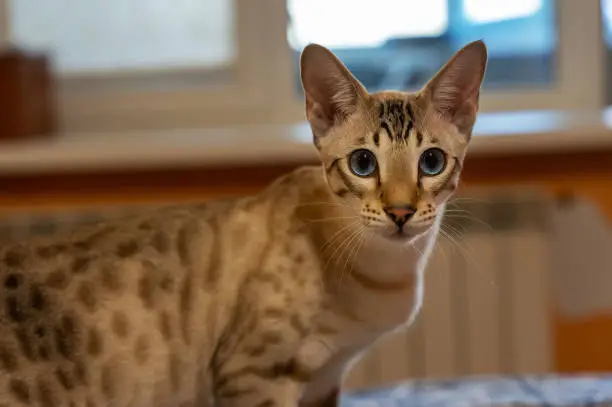
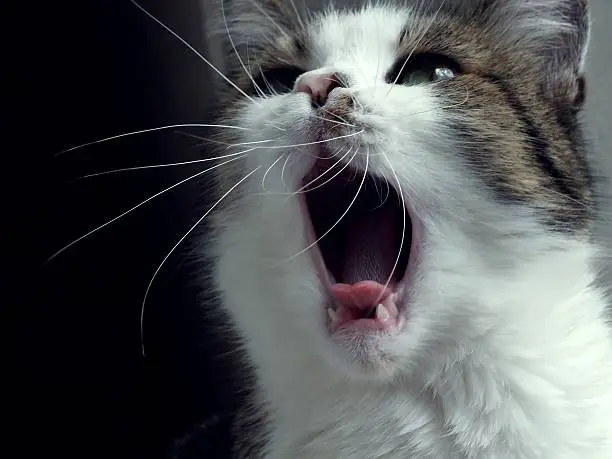
The American Bobtail is one of those rare cat breeds that instantly catches attention. With its wild, almost lynx-like appearance and famously short “bobbed” tail, it looks like it stepped straight out of a forest—but in reality, it is a friendly, affectionate domestic cat that thrives in human homes.
In this first part of the guide, we’ll explore everything from the breed’s introduction, origin, physical traits, and early history, giving you a strong foundation before moving into behavior, care, and ownership details in the next parts.
1. American Bobtail
The American Bobtail cat is a naturally developed breed known for its short tail, muscular body, and intelligent personality. Unlike many designer breeds, it did not come from extreme hybrid breeding but instead emerged through natural genetic variation in domestic cats.
Why cat lovers adore the American Bobtail
The breed has gained popularity for several reasons:
- Unique wild appearance that resembles a small bobcat
- Highly affectionate personality similar to dogs
- Strong adaptability to families, singles, and seniors
- Intelligent behavior and problem-solving ability
- Moderate grooming needs compared to long-haired breeds
What makes this cat even more interesting is that no two American Bobtails look exactly alike. Their tail length, coat pattern, and facial expressions vary widely, giving each cat a distinct identity.
If we summarize the American Bobtail in simple terms:
- Intelligent and curious
- Loyal and people-oriented
- Playful like a kitten even in adulthood
- Dog-like in bonding behavior
- Calm but social
2. What is an American Bobtail?
The American Bobtail is a medium-to-large domestic cat breed recognized for its short tail (result of a natural mutation) and its rugged, wild appearance.
It is officially recognized by major cat organizations such as:
- The International Cat Association
- Cat Fanciers’ Association
These organizations helped standardize the breed’s appearance and ensure responsible breeding practices.
Natural breed, not a hybrid
One of the biggest misconceptions is that the American Bobtail is a hybrid of wild cats. In reality:
- It is a domestic cat breed
- Developed from naturally occurring short-tailed cats
- Not a mix with bobcats or wild lynx species
This natural origin is what makes the breed genetically stable and suitable for home life.
Why it’s called a “dog-like cat”
The American Bobtail is often referred to as a “dog-like cat” because of its unusual behavior traits:
- Follows owners from room to room
- Learns tricks like fetch
- Can be leash-trained
- Forms strong emotional bonds
- Shows loyalty similar to dogs
Many owners say living with an American Bobtail feels like having a small, furry companion that behaves halfway between a cat and a dog.
3. History and Origin of the American Bobtail
The story of the American Bobtail is relatively modern compared to ancient cat breeds.
Discovery in the United States
The breed traces its roots back to the 1960s in the United States, when a short-tailed kitten was discovered and later bred with domestic cats.
Key points in its origin:
- First known bobtail-type cat found in the U.S.
- Breeders noticed the natural genetic mutation
- Selective breeding began to stabilize the trait
- The breed gradually gained recognition in cat associations
Natural genetic mutation
The defining trait—the short tail—comes from a naturally occurring genetic mutation. Unlike docked tails or artificial breeding practices, this mutation:
- Happens naturally in domestic cat populations
- Does not affect health or mobility in most cases
- Creates variation in tail length and shape
This makes every American Bobtail’s tail unique, almost like a fingerprint.
Myth vs reality
There are many myths surrounding this breed:
| Myth | Reality |
|---|---|
| American Bobtails come from bobcats | False – they are fully domestic cats |
| They are a hybrid wild species | False – no wild DNA required |
| Their tails are surgically shortened | False – it is a natural genetic trait |
Breed development over time
After discovery:
- Breeders focused on stabilizing temperament and appearance
- The breed was refined for domestic friendliness
- Recognition by cat associations followed
- Today, it is considered a rare but established breed
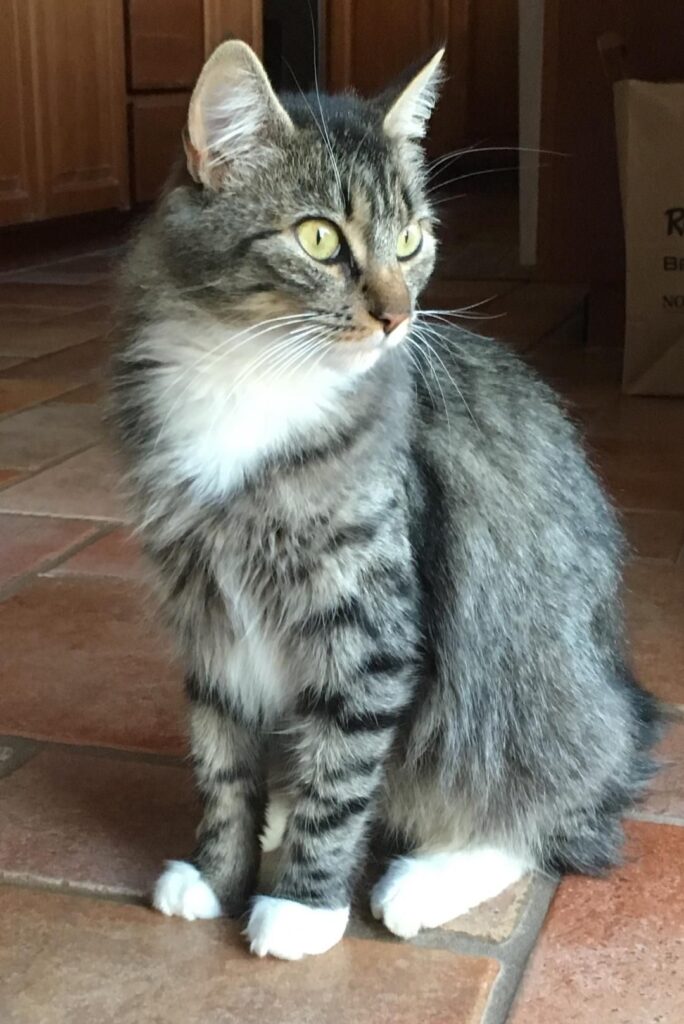
4. Physical Characteristics of the American Bobtail
The American Bobtail is best known for its rugged, natural, and slightly wild appearance, but its physical traits are actually very balanced and domestic.
4.1 Size and Body Structure
The breed is considered medium to large in size.
Key physical traits:
- Muscular and athletic build
- Strong bone structure
- Broad chest and solid frame
- Males are typically larger than females
They are not delicate cats—instead, they are built for strength, agility, and endurance.
4.2 Coat Types
American Bobtails come in two main coat varieties:
- Short-haired
- Long-haired
Coat characteristics:
- Dense and weather-resistant
- Soft but slightly shaggy texture
- Minimal matting compared to other long-haired breeds
Despite the difference in length, both coat types are relatively easy to maintain.
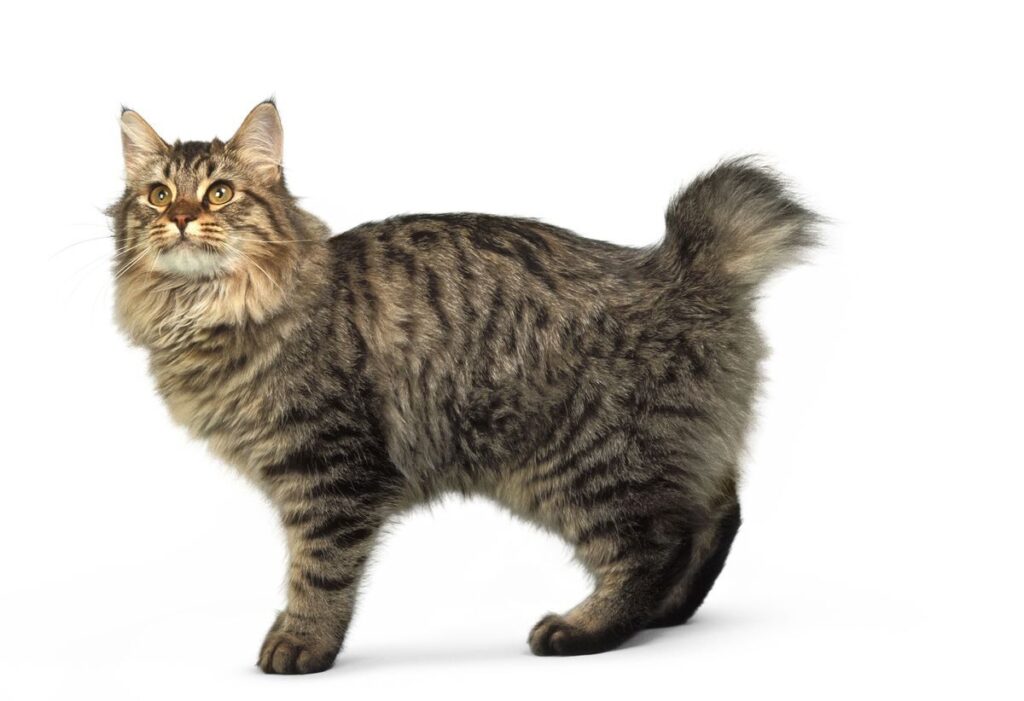
4.3 Tail Characteristics (Signature Feature)
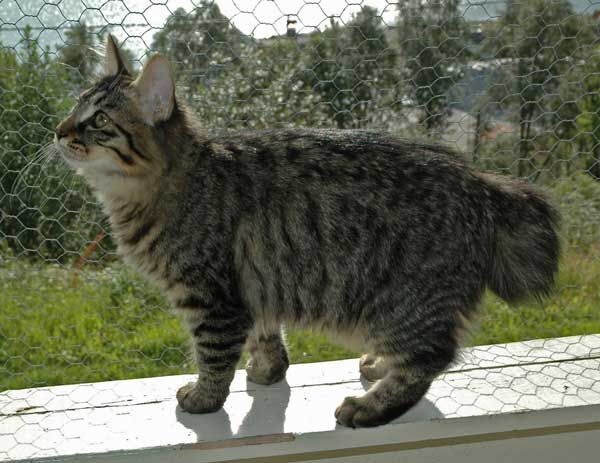
The most iconic feature is, of course, the “bobbed tail”.
Tail variations include:
- Short and straight
- Curved or slightly kinked
- Fluffy and expressive
- Different lengths in each individual cat
No two tails are identical, making it a defining identification trait of the breed.
4.4 Eyes and Expression
The American Bobtail has expressive, almond-shaped eyes that give it a very intelligent look.
Common eye colors:
- Gold
- Green
- Blue (rare in some color patterns)
- Copper tones
Their facial expression often appears alert and curious, reinforcing their wild but friendly appearance.
4.5 Coat Colors and Patterns
This breed is extremely diverse in coat appearance.
Common patterns include:
- Tabby (most common)
- Solid black, white, or gray
- Bi-color combinations
- Tortoiseshell patterns
- Colorpoint variations
Because of this variety, no two American Bobtails look exactly the same.
5. American Bobtail Personality and Temperament
The American Bobtail is widely loved for its balanced personality—it is neither overly independent nor overly clingy. Instead, it sits perfectly in the middle, making it ideal for families and individuals alike.
Key personality traits:
- Friendly and affectionate
- Highly intelligent and observant
- Emotionally responsive to owners
- Confident but not aggressive
- Social without being demanding
Unlike many aloof cat breeds, the American Bobtail often actively seeks human interaction.
Dog-like behavior in a cat
One of the most fascinating traits is its dog-like personality:
- Plays fetch like a dog
- Learns tricks easily
- Follows owners around the house
- Can walk on a leash with training
- Greets people at the door
This behavior makes it feel more like a companion animal than a typical independent cat.
Intelligence and problem-solving ability
The American Bobtail is considered one of the more intelligent domestic cat breeds.
They are known for:
- Figuring out puzzle toys quickly
- Opening simple doors or cabinets
- Learning routines in the household
- Adapting behavior based on owner reactions
Because of this intelligence, they require mental stimulation to avoid boredom.
Social behavior
This breed is highly adaptable socially:
- Great with children
- Gentle with seniors
- Usually friendly with dogs
- Can live with other cats if introduced properly
They are rarely aggressive and often prefer peaceful interaction over conflict.
6. Behavior and Lifestyle Traits
Understanding daily behavior helps determine if this breed fits your environment.
Playfulness level
American Bobtails remain playful throughout their lives.
Typical behavior:
- Chasing toys for long periods
- Interactive play with humans
- Enjoying climbing structures
- Staying active even in adulthood
They are not lazy lap cats—they enjoy movement and engagement.
Hunting instincts
Despite being domestic, they retain a natural hunting instinct:
- Stalks toys or moving objects
- Quick reflexes
- Enjoys feather toys and laser pointers
This instinct makes playtime very important.
Vocalization habits
Compared to vocal breeds like Siamese cats:
- American Bobtails are moderately vocal
- They communicate through soft chirps or trills
- Rarely noisy or disruptive
They usually “talk” when they need attention or food.
Indoor vs outdoor behavior
They adapt well to both environments, but:
- Indoor living is safest and recommended
- Outdoor access should be supervised
- Leash training is possible and safe option
They are curious but not reckless.
Adaptability
This breed adjusts easily to different lifestyles:
- Apartment living ✔
- Large homes ✔
- Busy families ✔
- Quiet households ✔
Their flexibility is one of their strongest traits.
7. Care Requirements for American Bobtail
Even though they are hardy cats, proper care ensures a long and healthy life.
7.1 Grooming Needs
Grooming depends on coat length.
Grooming routine:
- Short-haired: brush 1–2 times per week
- Long-haired: brush 2–3 times per week
- Bathing: only when necessary
Shedding level:
- Moderate shedding year-round
- Slight increase during seasonal changes
Their coat is relatively low-maintenance compared to Persian-type breeds.
7.2 Exercise Needs
The American Bobtail is an active breed.
Daily activity requirements:
- At least 30–60 minutes of play
- Climbing structures or cat trees
- Interactive toys and chasing games
Without exercise, they may become bored or overweight.
Recommended toys:
- Feather wands
- Laser pointers
- Ball toys
- Puzzle feeders
7.3 Mental stimulation
Because of their intelligence, mental stimulation is just as important as physical activity.
Best enrichment activities:
- Puzzle feeders
- Hide-and-seek games
- Training sessions
- New environments to explore safely
Without stimulation, they may develop destructive boredom behaviors.
8. Diet and Nutrition
A healthy diet is essential for maintaining their muscular build and energy levels.
High-protein requirement
The American Bobtail thrives on a protein-rich diet:
- Chicken
- Turkey
- Fish
- High-quality commercial cat food
Protein supports their muscle development and activity level.
Wet vs dry food
| Type | Benefits |
|---|---|
| Wet food | Hydration, better digestion |
| Dry food | Dental support, convenience |
Best approach: combination feeding
Feeding schedule
Recommended routine:
- Kittens: 3–4 meals per day
- Adults: 2 meals per day
Always maintain consistent feeding times.
Foods to avoid
- Chocolate
- Onions and garlic
- Alcohol or caffeine
- Processed human snacks
- Excess dairy products
9. Health Issues and Lifespan
The American Bobtail is generally a healthy and robust breed.
Lifespan
- Average: 12–15 years
- Some live longer with proper care
Common health concerns
Although rare, possible issues include:
- Hip or joint sensitivity
- Obesity (due to appetite)
- Dental disease
- Minor genetic tail variations (usually harmless)
Obesity risk
Because they are food-motivated:
- Portion control is important
- Regular exercise prevents weight gain
Dental and joint care
- Regular teeth brushing
- Vet dental cleanings
- Joint-supportive nutrition for older cats
Preventive veterinary care
Routine care includes:
- Annual vet checkups
- Vaccinations
- Parasite control
- Weight monitoring
10. Training an American Bobtail
One of the standout qualities of the American Bobtail is how trainable it is compared to most cat breeds.
Unlike independent cats that ignore commands, this breed often enjoys structured interaction.
How easy are they to train?
American Bobtails are considered:
- Highly trainable for a cat
- Quick learners
- Motivated by food and attention
- Responsive to routines
They can learn behaviors that most cats typically do not.
Litter training
Litter training is usually:
- Fast and effortless
- Learned within days for kittens
- Reinforced easily with consistency
They prefer clean litter boxes, so hygiene matters.
Leash training potential
Yes—this breed is famous for it.
With patience, they can:
- Walk on a harness and leash
- Explore outdoor environments safely
- Follow their owner like a dog
Always introduce harness training gradually.
Learning commands
They can learn simple commands like:
- “Come”
- “Sit” (with training)
- Fetch
- Responding to name calls
Training works best with positive reinforcement (treats + praise).
11. Living Conditions and Environment
The American Bobtail adapts well to different homes, but environment still plays a big role in its happiness.
Apartment vs house living
| Living Type | Suitability |
|---|---|
| Apartment | Excellent if enriched |
| House | Ideal with space |
| Rural area | Good with supervision |
Even in small homes, they thrive if mentally stimulated.
Indoor enrichment setup
To keep them happy indoors, provide:
- Cat trees for climbing
- Scratching posts
- Window perches
- Interactive toys
- Safe hiding spaces
They love vertical space and exploration zones.
Outdoor access options
Outdoor time is optional, not required.
Safe options include:
- Leash walks
- Catios (enclosed outdoor spaces)
- Supervised garden time
Avoid free roaming due to safety risks.
Climate adaptability
American Bobtails handle most climates well:
- Cold weather: moderate tolerance
- Hot weather: need shade + hydration
- Indoors: comfortable in stable temperatures
Their coat offers decent natural protection.
12. American Bobtail with Families
This breed is especially known for being a family-friendly cat.
With children
They are:
- Gentle and patient
- Playful with kids
- Not easily stressed by noise
- Less likely to scratch aggressively
They enjoy interactive play with children.
With seniors
Perfect companion for older adults:
- Calm presence
- Emotional bonding
- Low maintenance personality
- Enjoys companionship over chaos
Emotional bonding
American Bobtails form strong emotional attachments:
- Follow owners from room to room
- Sit nearby rather than alone
- Recognize routines and emotions
- Offer companionship during stress
They are often described as “emotionally aware cats.”
Ideal household type
Best suited for:
- Families with children
- Active individuals
- Multi-pet homes
- People who want interactive pets
13. Adoption and Buying Guide
If you’re planning to bring one home, it’s important to choose responsibly.
Where to adopt
You can find American Bobtails through:
- Animal shelters (rare but possible)
- Registered breeders
- Breed-specific rescue groups
Adoption is always recommended first.
Choosing a breeder
A responsible breeder should:
- Provide health records
- Allow home visits or video calls
- Show kitten parents
- Follow ethical breeding practices
- Be registered with organizations like The International Cat Association
Price range factors
Cost depends on:
- Pedigree quality
- Coat type
- Eye color rarity
- Location
- Breeder reputation
Generally, they are considered a moderately expensive breed due to rarity.
Red flags (avoid scams)
Be careful if:
- Price is unusually low
- No health documentation is provided
- Breeder refuses communication
- Kitten is shipped without verification
14. American Bobtail vs Other Breeds
Understanding comparisons helps you choose the right breed.
American Bobtail vs Manx
| Feature | American Bobtail | Manx |
|---|---|---|
| Tail | Short but variable | Often no tail |
| Body | Muscular | Rounder build |
| Personality | Dog-like, social | Calm, reserved |
American Bobtail vs Maine Coon
| Feature | American Bobtail | Maine Coon |
|---|---|---|
| Size | Medium-large | Very large |
| Temperament | Playful, dog-like | Gentle giant |
| Grooming | Moderate | High maintenance |
American Bobtail vs Pixie-bob
Both look wild, but:
- Pixie-bob may have stronger wild appearance myths
- Bobtail is more consistently domestic in temperament
- Both are intelligent and social
15. Fun Facts About American Bobtail
Here are some interesting facts you may not know:
- Every tail is unique like a fingerprint
- They are known for “talking” through chirps
- Some enjoy water play, unlike most cats
- They are often mistaken for wild cats due to appearance
- They adapt emotionally to their owners’ moods
16. Pros and Cons of American Bobtail
Pros
- Highly intelligent
- Friendly and loyal
- Great with families
- Easy to train for a cat
- Unique wild appearance
Cons
- Hard to find in some regions
- Higher purchase cost
- Requires attention and interaction
- Can become bored if ignored
17. Frequently Asked Questions (FAQ)
Are American Bobtails good pets?
Yes. They are excellent pets due to their friendly, adaptable, and intelligent nature.
Do American Bobtails shed a lot?
They shed moderately, with seasonal increases.
Are they hypoallergenic?
No cat is truly hypoallergenic, including the American Bobtail.
How big do American Bobtail cats get?
They are medium to large cats, often heavier and more muscular than average domestic cats.
Do they like to be held?
Some do, but most prefer interactive companionship over constant holding.
How long do they live?
On average, 12–15 years, sometimes longer with proper care.
18. Conclusion
The American Bobtail cat is a rare blend of wild beauty and domestic affection. With its signature short tail, intelligent mind, and dog-like personality, it stands out from nearly every other cat breed.
It is:
- A loyal family companion
- A playful and intelligent pet
- A low-to-moderate maintenance breed
- A unique choice for cat lovers seeking something different
If you are looking for a cat that is affectionate, interactive, and full of personality, the American Bobtail is an excellent choice—provided you can meet its need for attention and engagement.