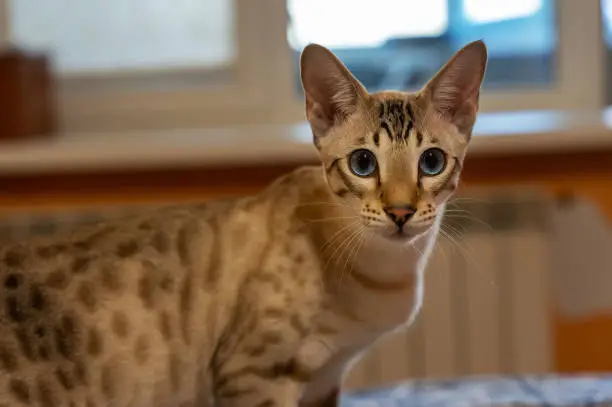
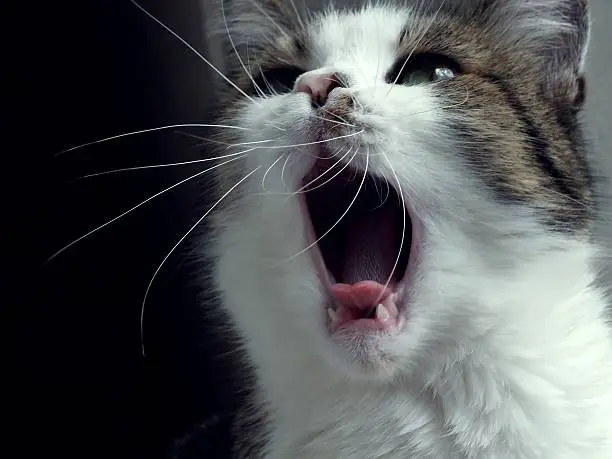
The American Wirehair is one of the most fascinating yet least common cat breeds in the world. Instantly recognizable by its unusual wiry coat, this breed combines a distinctive appearance with an affectionate, easygoing personality. Although it shares many traits with the American Shorthair, the American Wirehair stands apart thanks to a naturally occurring genetic mutation that gives its fur a springy, crimped texture unlike any other feline.
Whether you’re searching for information before adopting one, comparing breeds, or simply curious about this rare cat, you’ve come to the right place.
In this comprehensive guide, you’ll learn everything from the breed’s history and appearance to its temperament, grooming requirements, health concerns, and ownership costs. By the end, you’ll know whether an American Wirehair is the perfect companion for your lifestyle.
American Wirehair at a Glance
| Feature | Details |
|---|---|
| Origin | Upstate New York |
| Country | United States |
| Developed From | Natural mutation of American Shorthair-type farm cats |
| Breed Type | Medium-sized domestic cat |
| Recognition | CFA, ACFA, CCA, and other major cat registries |
| Weight | 8–15 pounds (3.5–6.8 kg) |
| Height | 9–11 inches |
| Lifespan | 14–18 years |
| Coat Type | Wire-haired |
| Coat Length | Short |
| Coat Texture | Dense, springy, coarse, crimped |
| Coat Colors | Nearly all colors and patterns accepted |
| Eye Colors | Gold, copper, green, blue, hazel |
| Temperament | Gentle, playful, affectionate, calm |
| Intelligence | High |
| Affection Level | High |
| Energy Level | Moderate |
| Playfulness | High |
| Kid Friendly | Excellent |
| Dog Friendly | Usually yes |
| Stranger Friendly | Moderately friendly |
| Vocal Level | Low |
| Shedding | Low to moderate |
| Grooming Needs | Low |
| Trainability | Easy |
| Indoor/Outdoor | Best as an indoor cat |
| Average Price | $800–$2,000+ |
What Is an American Wirehair?
The American Wirehair is a rare breed of domestic cat best known for its unusual coarse, resilient coat. Every hair—including the guard hairs, undercoat, and even the whiskers—can be curled, bent, or hooked, giving the breed its trademark textured appearance.
Unlike many specialty cat breeds that were intentionally developed by breeders, the American Wirehair originated naturally through a spontaneous genetic mutation. Because of this unique origin, it remains one of the few naturally occurring cat breeds recognized worldwide.
Despite its rugged-looking coat, the American Wirehair is gentle, affectionate, and adaptable. It enjoys spending time with family members but is also independent enough to entertain itself when needed.
Breed Overview
The American Wirehair is often described as a balanced combination of curiosity, intelligence, and calmness. It isn’t overly demanding or excessively energetic, making it suitable for many households.
Some defining characteristics include:
- Distinctive wiry coat unlike any other breed
- Friendly but not overly clingy personality
- Excellent health and longevity
- Minimal grooming requirements
- Strong hunting instincts inherited from farm cats
- Adaptable to apartments and larger homes
Because the breed is exceptionally rare, even experienced cat enthusiasts may never encounter one in person.
Why Is It Called the American Wirehair?
The breed’s name comes directly from its most recognizable feature—its wire-like coat texture.
Unlike smooth-coated cats, every strand of an American Wirehair’s fur has a natural bend or crimp caused by a dominant genetic mutation. The fur feels:
- Springy
- Crisp
- Dense
- Slightly coarse
- Resilient to the touch
Interestingly, no two American Wirehair cats have exactly the same coat texture. Some individuals have tighter curls, while others display a softer wave.
Even their whiskers often curl or twist, adding to the breed’s distinctive appearance.
Is the American Wirehair a Natural Breed?
Yes.
One of the reasons this breed is so admired among cat lovers is that it developed without intentional human breeding.
Instead, the American Wirehair appeared after a spontaneous mutation occurred in a litter of farm kittens in New York during the 1960s. Breeders later preserved this unique trait through careful breeding programs while maintaining the cats’ overall health.
Unlike many modern breeds created by crossing multiple bloodlines, the American Wirehair owes its existence to nature itself.
How Rare Is the American Wirehair?
The American Wirehair is considered one of the rarest cat breeds in the world.
Several factors contribute to its rarity:
- Very few dedicated breeders
- Limited breeding population
- Small annual kitten registrations
- Most breeders are located in North America
- Long waiting lists for kittens
Outside the United States and Canada, finding an American Wirehair breeder can be extremely difficult.
Many prospective owners wait months—or even years—for an available kitten.
Interesting Facts About the American Wirehair
Here are a few fascinating facts about this uncommon breed:
- The entire breed traces back to a single kitten born in 1966.
- Even the whiskers are often curled.
- Each cat’s coat texture is slightly different.
- Their unusual fur should not be brushed excessively because it may damage the natural curls.
- They are among the rarest breeds recognized by major cat associations.
- Their coat mutation is dominant rather than recessive, making it relatively easy to pass to offspring.
- Despite the wiry appearance, the coat is surprisingly soft in many individuals.
History and Origin of the American Wirehair
Every rare breed has a fascinating story, but the American Wirehair’s beginnings are especially remarkable because they started entirely by chance.
Unlike breeds carefully developed over generations, this one owes its existence to a single spontaneous mutation that occurred on a rural farm.
The First American Wirehair Cat
In 1966, a litter of kittens was born on a farm near Verona, New York.
One male kitten looked completely different from his littermates.
Instead of soft fur, he had:
- Coarse hair
- Crimped whiskers
- Dense textured coat
- Unusual resilient fur
The kitten was later named Council Rock Farm Adam of Hi-Fi, and genetic testing eventually confirmed that his appearance resulted from a completely new mutation.
Nearly every American Wirehair alive today can trace its ancestry back to this remarkable cat.
The Natural Genetic Mutation
The defining feature of the American Wirehair comes from a dominant genetic mutation that affects the structure of each individual hair shaft.
Rather than growing straight and smooth, the hairs develop bends and hooks that create a springy, textured appearance.
The mutation influences:
- Guard hairs
- Undercoat
- Whiskers
- Ear hair
Importantly, this mutation is different from the genes responsible for curly-coated breeds like the Cornish Rex or Devon Rex.
That makes the American Wirehair genetically unique among domestic cats.
Joan O’Shea and Breed Development
Cat breeder Joan O’Shea recognized that the unusual kitten represented something extraordinary.
She purchased the original male kitten and began a carefully planned breeding program.
To strengthen the bloodline while preserving the coat mutation, she crossed the original American Wirehair with healthy American Shorthair cats.
This helped establish:
- Strong genetic diversity
- Stable temperament
- Healthy body structure
- Consistent coat characteristics
Within only a few generations, the breed became stable enough to attract attention from cat registries.
Recognition by Cat Associations
The American Wirehair gained recognition surprisingly quickly.
Major milestones include:
| Year | Milestone |
|---|---|
| 1966 | First kitten discovered |
| Late 1960s | Initial breeding program begins |
| 1967 | Breed introduced to cat enthusiasts |
| 1970s | Championship recognition by major registries |
| Today | Recognized by several international cat organizations |
Although officially recognized, the breed has remained uncommon due to its limited breeding population.
Breed Development Around the World
Unlike many popular breeds that spread rapidly across Europe and Asia, the American Wirehair remained concentrated primarily in North America.
Today:
- Most breeders are located in the United States.
- Canada has a small number of breeding programs.
- Europe has only a handful of breeders.
- The breed is extremely uncommon in Australia, Asia, and South America.
Because breeding stock is limited, responsible breeders focus more on maintaining healthy bloodlines than producing large numbers of kittens.
American Wirehair Appearance
At first glance, many people mistake the American Wirehair for an American Shorthair. However, a closer look reveals several distinctive physical traits that make this breed truly unique.
The signature wiry coat is only one part of its appeal. The American Wirehair also has a well-balanced, muscular body and a sweet, expressive face that reflects its friendly nature.
Overall Body Structure
The American Wirehair is a medium-sized, muscular cat with a sturdy yet elegant build.
Its body is neither overly slender nor stocky, giving it a balanced athletic appearance. This strong physique reflects its ancestry as a hardworking farm cat, capable of climbing, jumping, and hunting with ease.
Key characteristics include:
- Medium frame
- Well-developed muscles
- Broad chest
- Strong legs
- Rounded paws
- Balanced proportions
Although powerful, the breed never appears bulky or heavy.
Head Shape
The head is slightly rounded with smooth contours.
Unlike breeds with exaggerated facial features, the American Wirehair has a natural, balanced expression.
Its muzzle is gently squared, while the cheeks become fuller as the cat matures—especially in males.
This combination gives the breed a friendly and approachable appearance.
Eyes
One of the American Wirehair’s most charming features is its bright, expressive eyes.
The eyes are:
- Large
- Round
- Wide-set
- Alert-looking
Eye color varies depending on coat color and may include:
- Gold
- Copper
- Green
- Blue
- Hazel
Healthy eyes should appear clear, bright, and free from excessive tearing.
Ears
The ears are medium-sized with rounded tips that blend naturally into the rounded head.
They are set well apart and have minimal furnishings inside, although some cats may have slightly crimped ear hairs due to the same mutation affecting the coat.
Tail
The American Wirehair has a medium-length tail that is thick at the base and gently tapers toward a rounded tip.
Its tail remains proportional to the body, contributing to the breed’s balanced overall appearance.
Coat Texture Explained
The American Wirehair’s coat is what truly sets it apart from every other domestic cat breed. Unlike silky or plush coats, this breed has fur that is naturally coarse, resilient, and springy due to a spontaneous genetic mutation.
Interestingly, not every hair is identical. Some hairs are tightly crimped, while others have gentle bends or tiny hooks. This creates a textured appearance that feels unlike any other cat.
Unlike curly-coated breeds such as the Cornish Rex or Devon Rex, the American Wirehair has all three coat layers:
- Guard hairs
- Awn hairs
- Undercoat
Because all three layers are affected by the mutation, the coat feels dense while still remaining comfortable for the cat.
Why the Coat Feels Springy and Crisp
Each hair shaft grows with natural bends and tiny kinks instead of remaining straight. This creates a coat that:
- Springs back after being touched
- Resists flattening
- Appears slightly tousled
- Feels firm rather than silky
Despite its coarse appearance, many American Wirehairs actually feel surprisingly soft when gently petted.
One important grooming tip is to avoid excessive brushing, as over-grooming can damage the delicate crimping that makes the breed unique.
Whiskers and Eyebrows
The mutation doesn’t stop at the coat.
Many American Wirehairs also have:
- Curled whiskers
- Twisted eyebrows
- Bent ear hairs
- Crimped body hairs
These unusual facial features give the breed an even more distinctive appearance.
Not every cat develops dramatic curls, but almost all have at least some visible crimping around the face.
American Wirehair Size Guide
The American Wirehair is considered a medium-sized cat with a sturdy, muscular body. It is larger than many toy breeds but smaller than giant cats such as the Maine Coon.
The breed reaches maturity gradually, with full physical development occurring between 3 and 4 years of age.
Male vs Female Size
Male American Wirehairs are generally larger and heavier than females.
| Feature | Male | Female |
|---|---|---|
| Weight | 10–15 lbs (4.5–6.8 kg) | 8–12 lbs (3.5–5.4 kg) |
| Height | 10–11 inches | 9–10 inches |
| Build | Broad, muscular | Slightly finer |
Both sexes maintain a balanced body with excellent muscle tone.
Weight Chart
| Age | Average Weight |
|---|---|
| 8 Weeks | 2–3 lbs |
| 3 Months | 3–5 lbs |
| 6 Months | 5–8 lbs |
| 9 Months | 6–10 lbs |
| 12 Months | 7–12 lbs |
| Adult | 8–15 lbs |
Growth varies depending on genetics, diet, and overall health.
Height Chart
| Life Stage | Height |
|---|---|
| Kitten | 5–7 inches |
| Juvenile | 7–9 inches |
| Adult Female | 9–10 inches |
| Adult Male | 10–11 inches |
Growth Stages
Like most cats, American Wirehairs develop in several distinct stages.
Birth to 8 Weeks
- Rapid growth
- Eyes fully open
- Learning to walk
- Beginning socialization
2–6 Months
- Active exploration
- Permanent teeth develop
- Muscles strengthen
- Personality becomes more apparent
6–12 Months
- Nearly adult height
- Increased confidence
- High energy levels
- Continued physical development
1–3 Years
- Muscle mass increases
- Coat reaches full texture
- Temperament stabilizes
3–4 Years
- Fully mature body
- Complete coat development
- Adult behavior established
Full Adult Size
A healthy adult American Wirehair should have:
- A muscular but not bulky body
- Well-balanced proportions
- Medium bone structure
- Firm muscle tone
- Strong legs
- Rounded paws
Obesity should be avoided, as excess weight can increase the risk of arthritis, diabetes, and heart disease.
American Wirehair Coat Colors and Patterns
One of the most appealing aspects of the American Wirehair is the incredible variety of accepted coat colors and patterns.
Unlike some breeds that are limited to only a few shades, the American Wirehair can display almost every recognized domestic cat color.
The only consistent feature is the breed’s unique wire-textured coat.
Solid Colors
Solid-colored American Wirehairs have a single color distributed evenly across the entire body.
Common solid colors include:
- Black
- White
- Blue
- Cream
- Red
- Chocolate
- Lilac
Solid coats often make the wire texture even more noticeable.
Tabby Patterns
Tabby is one of the most common patterns seen in the breed.
Popular tabby variations include:
- Classic tabby
- Mackerel tabby
- Spotted tabby
- Ticked tabby
Tabbies may appear in brown, silver, blue, red, or cream shades.
Bicolor
Bicolor American Wirehairs combine white with another color.
Examples include:
- Black and white
- Blue and white
- Red and white
- Cream and white
The amount of white varies greatly from cat to cat.
Calico
Calico American Wirehairs display:
- White
- Black
- Orange
Because the calico pattern is linked to the X chromosome, nearly all calico American Wirehairs are female.
Tortoiseshell
Tortoiseshell cats have beautifully blended patches of:
- Black
- Orange
- Chocolate
- Cream
- Blue
Every tortoiseshell pattern is unique.
Smoke
Smoke-colored American Wirehairs have hairs with pale roots and darker tips, producing a dramatic effect when they move.
Smoke varieties include:
- Black smoke
- Blue smoke
- Red smoke
- Cream smoke
Shaded
Shaded coats feature lightly colored undercoats with darker tipping.
These cats often have a shimmering appearance that changes under different lighting conditions.
Silver
Silver American Wirehairs are especially striking.
Their bright undercoat contrasts beautifully with darker markings, creating a crisp appearance.
Popular silver patterns include:
- Silver tabby
- Silver shaded
- Silver smoke
Rare Color Variations
Although uncommon, some breeders occasionally produce rare colors such as:
- Golden shaded
- Cameo
- Blue cream
- Chocolate smoke
- Lilac tabby
These unusual colors can increase a kitten’s value depending on breeder demand and show quality.
American Wirehair Personality
The American Wirehair is admired not only for its distinctive appearance but also for its well-balanced temperament.
These cats are affectionate without being overly demanding, playful without being hyperactive, and intelligent without becoming mischievous.
They tend to fit comfortably into many different lifestyles.
Friendly Nature
American Wirehairs enjoy spending time with people but usually won’t insist on constant attention.
They often:
- Follow family members around the house
- Sit beside their owners
- Welcome visitors calmly
- Enjoy gentle petting sessions
They form strong bonds while respecting personal space.
Intelligence
This breed is highly observant and learns household routines quickly.
They often understand:
- Feeding schedules
- Family routines
- Toy locations
- Simple commands
Their curiosity keeps them mentally engaged throughout life.
Loyalty
Many owners describe the American Wirehair as quietly devoted.
Instead of demanding attention, they prefer to stay nearby, offering companionship without becoming overly clingy.
This makes them excellent pets for people who appreciate a calm, steady relationship with their cat.
Independence
Unlike highly dependent breeds, American Wirehairs are comfortable spending some time alone.
When left with toys, climbing furniture, and enrichment activities, they usually remain content until their owners return.
This independence makes them suitable for people with full-time jobs.
Affection Level
The breed is affectionate but not overly needy.
Many American Wirehairs enjoy:
- Sitting beside you on the couch
- Sleeping near family members
- Gentle cuddles
- Quiet companionship
They often choose quality time over constant physical contact.
Playfulness
Despite their calm personality, American Wirehairs remain playful well into adulthood.
Favorite activities include:
- Feather wands
- Interactive laser toys
- Puzzle feeders
- Toy mice
- Chasing balls
Daily interactive play helps keep them physically fit and mentally stimulated.
Adaptability
One reason the breed is becoming increasingly appreciated is its remarkable adaptability.
American Wirehairs adjust well to:
- Apartments
- Houses
- Families
- Singles
- Seniors
- Quiet households
- Multi-pet homes
They typically handle changes better than many sensitive cat breeds.
Curiosity
Their natural curiosity comes from their farm-cat ancestry.
They love exploring:
- New rooms
- Open cabinets
- Cat trees
- Window perches
- Boxes
- Paper bags
Providing safe opportunities to explore helps satisfy this instinct while preventing boredom.
Temperament Around Family
The American Wirehair is often described as an ideal family companion because of its calm temperament and patient nature.
Rather than being overly shy or overly energetic, this breed strikes a comfortable balance that allows it to fit into a wide variety of households.
Whether living with children, seniors, or other pets, the American Wirehair typically adapts with ease when introduced properly.
Good with Children?
Yes. American Wirehairs are generally excellent with respectful children.
They are patient and tolerant, making them a wonderful choice for families.
Children should still be taught how to:
- Handle cats gently
- Avoid pulling tails or whiskers
- Respect resting spaces
- Recognize signs that the cat wants a break
With positive interactions, the breed often becomes a loyal playmate.
Good with Dogs?
American Wirehairs usually coexist well with cat-friendly dogs.
Successful introductions include:
- Gradual scent swapping
- Supervised first meetings
- Separate feeding areas
- Safe escape spaces for the cat
Once comfortable, many American Wirehairs happily share their home with calm, well-trained dogs.
Good with Other Cats?
Yes. Their easygoing personality generally allows them to get along well with other cats.
Proper introductions and adequate resources—such as multiple litter boxes, feeding stations, and resting areas—help reduce competition and encourage peaceful relationships.
Good for Seniors?
Absolutely.
The breed’s calm temperament and moderate energy level make it an excellent companion for older adults.
Many seniors appreciate that the American Wirehair:
- Enjoys companionship without being demanding
- Requires relatively low grooming
- Is quiet compared to more vocal breeds
- Adapts well to predictable routines
Good for First-Time Owners?
Yes.
The American Wirehair is often recommended for first-time cat owners because it is:
- Easy to care for
- Friendly
- Intelligent
- Adaptable
- Generally healthy
Its manageable grooming needs and balanced personality make the learning curve much easier for new pet parents.
Apartment Living
The American Wirehair adapts very well to apartment life, provided it has enough enrichment.
A successful indoor setup should include:
- A sturdy cat tree
- Window perches
- Interactive toys
- Scratching posts
- Daily play sessions
With adequate stimulation, these cats remain happy and active even in smaller living spaces.
American Wirehair Behavior
The American Wirehair is known for its calm, observant, and adaptable behavior. While it enjoys interactive play and exploring its surroundings, it also appreciates quiet moments with its family.
Unlike some highly energetic breeds, the American Wirehair doesn’t require constant entertainment, making it an excellent balance between playful and relaxed.
Activity Level
The American Wirehair has a moderate activity level.
It enjoys:
- Daily play sessions
- Climbing furniture
- Watching birds from windows
- Exploring new toys
- Short bursts of running
After exercise, it’s perfectly content relaxing beside its favorite people.
Hunting Instinct
Thanks to its farm-cat ancestry, the American Wirehair retains a strong hunting instinct.
Many enjoy stalking:
- Toy mice
- Feather wands
- Moving strings
- Puzzle feeders
- Motorized toys
Interactive hunting-style games help satisfy this natural behavior while providing valuable exercise.
Climbing Habits
Like most cats, American Wirehairs enjoy climbing to elevated spaces where they can observe their surroundings.
Ideal climbing options include:
- Multi-level cat trees
- Floating shelves
- Window perches
- Cat towers
Providing vertical space helps prevent boredom and supports healthy exercise.
Scratching Behavior
Scratching is a normal feline behavior that helps:
- Stretch muscles
- Remove old nail sheaths
- Mark territory
- Relieve stress
Offer several scratching surfaces such as:
- Sisal posts
- Cardboard scratchers
- Carpet scratching boards
Avoid declawing, as it can lead to long-term physical and behavioral issues.
Vocalization
American Wirehairs are generally quiet cats.
Instead of constant meowing, they communicate through:
- Soft chirps
- Gentle purrs
- Quiet trills
- Body language
Their low vocal level makes them a good choice for people who prefer a quieter pet.
Separation Anxiety
While they enjoy companionship, American Wirehairs are usually independent enough to stay home alone during the workday.
To prevent boredom, provide:
- Interactive toys
- Puzzle feeders
- Window views
- Climbing structures
Extended isolation without enrichment can still lead to stress, so daily interaction is important.
Nighttime Behavior
American Wirehairs are naturally more active during dawn and dusk, but they generally adapt well to their owner’s routine.
Consistent daytime play and evening meals can help encourage restful nights for both the cat and the household.
American Wirehair Intelligence and Trainability
The American Wirehair is a highly intelligent breed that responds well to gentle, reward-based training.
Although cats aren’t trained in the same way as dogs, this breed enjoys learning new behaviors and solving problems.
Can They Learn Tricks?
Yes.
Many American Wirehairs can learn commands such as:
- Sit
- High five
- Spin
- Come when called
- Fetch small toys
Training sessions should be short, fun, and rewarding.
Clicker Training
Clicker training works exceptionally well for this breed.
Benefits include:
- Faster learning
- Positive reinforcement
- Stronger owner bond
- Mental stimulation
Use small treats and praise to reinforce desired behaviors.
Leash Training
With patience, many American Wirehairs can learn to wear a harness and walk outdoors safely.
Start by:
- Introducing the harness indoors.
- Allowing short supervised sessions.
- Gradually adding a leash.
- Practicing in quiet outdoor areas.
Never force a cat to continue if it appears frightened.
Puzzle Toys
Puzzle toys provide excellent mental exercise.
Popular options include:
- Treat balls
- Sliding puzzles
- Food mazes
- Interactive electronic toys
Rotating toys regularly helps keep the cat interested.
Positive Reinforcement
American Wirehairs respond best to encouragement rather than punishment.
Reward:
- Good behavior
- Successful commands
- Calm interactions
- Appropriate scratching
Avoid yelling or physical corrections, which can damage trust.
Exercise Requirements
Although not hyperactive, American Wirehairs still benefit from regular physical and mental exercise.
Daily activity helps prevent obesity while strengthening the bond between cat and owner.
Daily Playtime
Aim for 20–30 minutes of active play every day.
Divide sessions into shorter periods if needed.
Activities include:
- Wand toys
- Laser pointers (always finish with a physical toy)
- Balls
- Toy mice
- Chase games
Indoor Activities
Indoor enrichment keeps the breed physically active and mentally engaged.
Ideas include:
- Window bird feeders
- Climbing shelves
- Tunnels
- Cardboard boxes
- Food puzzles
Best Cat Trees
Look for cat trees with:
- Multiple levels
- Sisal scratching posts
- Cozy resting platforms
- Hideaway cubbies
These provide exercise, security, and entertainment.
Interactive Toys
Excellent toy choices include:
- Feather teasers
- Battery-operated mice
- Motion toys
- Catnip toys
- Crinkle balls
Rotate toys weekly to maintain interest.
Mental Stimulation
Mental enrichment is just as important as physical exercise.
Try:
- Clicker training
- Treat puzzles
- Hide-and-seek games
- New climbing routes
- Safe outdoor enclosures (catios)
Grooming Guide
Despite its unusual coat, the American Wirehair is surprisingly easy to groom.
Its coat naturally resists matting and generally requires less maintenance than many long-haired breeds.
Brushing Frequency
Brush lightly once every one to two weeks.
Avoid excessive brushing because it may:
- Damage the crimped texture
- Straighten individual hairs
- Reduce coat quality
A soft grooming glove often works better than stiff brushes.
Bathing
Most American Wirehairs rarely need baths.
Bathe only when:
- Extremely dirty
- Covered in sticky substances
- Recommended by a veterinarian
Always use a gentle cat shampoo.
Nail Trimming
Trim nails every 2–4 weeks.
Regular trimming:
- Prevents overgrowth
- Reduces furniture damage
- Supports healthy paws
Ear Cleaning
Inspect ears weekly.
Clean only if wax or debris is present using a veterinarian-approved ear cleaner.
Never insert cotton swabs deep into the ear canal.
Dental Care
Dental hygiene is essential for long-term health.
Recommendations include:
- Brushing teeth several times weekly
- Dental treats
- Veterinary cleanings when necessary
Eye Cleaning
Healthy eyes require little maintenance.
If discharge appears, gently wipe it away using a soft damp cloth.
Persistent tearing should be evaluated by a veterinarian.
Seasonal Grooming
During seasonal shedding, brushing may increase slightly to remove loose hair.
Otherwise, routine grooming remains minimal.
Grooming Mistakes to Avoid
Avoid these common errors:
- Over-brushing
- Using harsh shampoos
- Neglecting dental care
- Ignoring nail trimming
- Bathing too frequently
American Wirehair Shedding
Do They Shed?
Yes, but shedding is generally low to moderate.
The dense wire coat traps loose hairs more effectively than many smooth-coated breeds.
Seasonal Shedding
Shedding increases modestly during:
- Spring
- Autumn
Regular brushing during these periods helps reduce loose hair around the home.
How to Reduce Loose Hair
Helpful tips include:
- Balanced nutrition
- Proper hydration
- Routine brushing
- Omega-3 fatty acids (if recommended by your veterinarian)
Best Grooming Tools
Recommended grooming supplies:
- Soft grooming glove
- Wide-tooth comb
- Nail clippers
- Pet wipes
- Cat-safe shampoo
Is the American Wirehair Hypoallergenic?
Many prospective owners wonder whether the American Wirehair is suitable for people with allergies.
The short answer is no.
Allergies Explained
Cat allergies are primarily caused by proteins found in:
- Saliva
- Skin oils
- Dander
Hair itself is not the main allergen.
Fel d 1 Protein
The primary allergen is Fel d 1, which all cats produce to varying degrees.
American Wirehairs produce this protein just like other breeds.
While some individuals may appear to trigger fewer reactions, no scientific evidence classifies the breed as hypoallergenic.
Tips for Allergy Sufferers
If allergies are mild, consider:
- Frequent vacuuming
- HEPA air purifiers
- Washing bedding regularly
- Keeping the bedroom pet-free
- Washing hands after handling the cat
Always spend time with the breed before adopting if allergies are a concern.
Diet and Nutrition
A nutritious diet is essential for maintaining the American Wirehair’s muscular body, healthy skin, and distinctive coat.
Nutritional Needs
A balanced feline diet should include:
- High-quality animal protein
- Healthy fats
- Essential vitamins
- Taurine
- Fresh water
Wet vs Dry Food
Both have advantages.
| Wet Food | Dry Food |
|---|---|
| Higher moisture | Convenient |
| Supports hydration | Longer shelf life |
| Often more palatable | Helps with grazing |
Many veterinarians recommend a combination of both.
Protein Requirements
Cats are obligate carnivores.
Choose foods where real meat is the primary ingredient, such as:
- Chicken
- Turkey
- Salmon
- Beef
Avoid diets filled with unnecessary fillers.
Feeding Schedule
General guideline:
- Kittens: 3–4 meals daily
- Adults: 2 meals daily
- Seniors: Follow veterinary recommendations
Portion sizes should be adjusted according to age, weight, and activity level.
Treat Recommendations
Treats should make up less than 10% of daily calorie intake.
Healthy options include:
- Freeze-dried meat treats
- Dental treats
- Small cooked chicken pieces
Foods to Avoid
Never feed:
- Chocolate
- Onions
- Garlic
- Grapes
- Raisins
- Alcohol
- Caffeine
- Xylitol
- Cooked bones
Hydration Tips
Encourage water intake by providing:
- Fresh water daily
- Multiple bowls
- Pet fountains
- Wet food
Proper hydration supports kidney and urinary health.
American Wirehair Health
Overall, the American Wirehair is considered a healthy and robust breed thanks to its naturally developed genetics.
Average Lifespan
Most American Wirehairs live 14–18 years, with many reaching their late teens when provided with excellent care.
Common Health Problems
Although generally healthy, they can develop conditions seen in many domestic cats.
Hypertrophic Cardiomyopathy (HCM)
A heart disease that causes thickening of the heart muscle.
Early screening is recommended for breeding cats.
Obesity
Indoor lifestyles can contribute to weight gain.
Maintain regular exercise and portion control.
Dental Disease
Routine dental care reduces the risk of gum disease and tooth loss.
Kidney Disease
Older cats may develop chronic kidney disease.
Annual bloodwork helps with early detection.
Arthritis (Senior Cats)
Joint stiffness may appear with age.
Comfortable bedding and weight management can improve quality of life.
Preventive Care
Keep your cat healthy by:
- Scheduling annual veterinary exams
- Maintaining vaccinations
- Providing parasite prevention
- Monitoring weight
- Feeding a balanced diet
Vaccination Schedule
Typical core vaccinations include:
- FVRCP
- Rabies
- Additional vaccines based on lifestyle and veterinarian recommendations
Routine Vet Visits
Healthy adult cats should visit the veterinarian at least once a year.
Senior cats often benefit from checkups every six months.
Conclusion
The American Wirehair is a truly remarkable breed that combines a one-of-a-kind wiry coat with a friendly, intelligent, and adaptable personality. Its natural genetic mutation, excellent overall health, and easygoing temperament make it a standout choice for families, singles, seniors, and first-time cat owners alike.
Although finding an American Wirehair can be challenging due to its rarity, many owners believe the wait is well worth it. These cats offer years of loyal companionship, moderate grooming needs, and a playful yet relaxed nature that fits comfortably into many lifestyles.
Before bringing one home, take the time to research reputable breeders or consider adoption through breed-specific rescue organizations. A healthy diet, regular veterinary care, daily enrichment, and plenty of affection will help your American Wirehair thrive for many years.