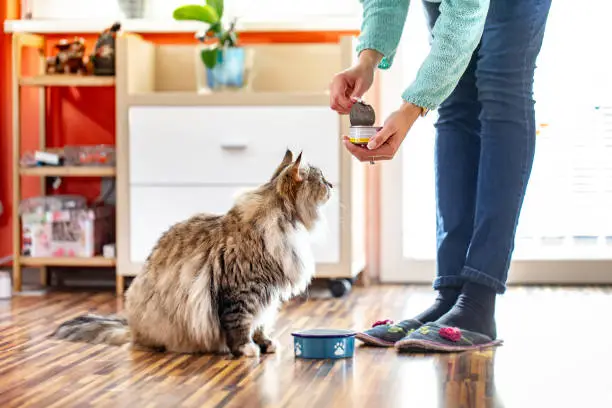
As cat owners, we often find ourselves wondering whether it’s safe to share certain human foods with our feline companions. One question that comes up surprisingly often is: Can cats eat peas?
Maybe your cat stole a pea from your dinner plate, or perhaps you’ve noticed peas listed among the ingredients in your cat’s favorite food. Either way, it’s natural to wonder whether this small green vegetable is actually good for cats or if it should be avoided altogether.
The good news is that peas are generally safe for cats to eat in moderation. In fact, peas are commonly included in many commercial cat food formulas and are considered a cat-safe vegetable by most veterinarians and pet nutrition experts.
However, just because cats can eat peas doesn’t necessarily mean they should eat large amounts of them. Cats are obligate carnivores, meaning their bodies are designed to get most of their nutrition from animal-based proteins rather than vegetables.
In this guide, you’ll learn:
- Whether peas are safe for cats
- The nutritional benefits of peas
- Why peas appear in many cat foods
- Potential health advantages of feeding peas
- Important considerations before offering peas to your cat
Let’s start with the basics.
Can Cats Eat Peas?
The simple answer is:
Yes, cats can eat peas.
Peas are non-toxic to cats and can be safely offered as an occasional treat. Whether they’re fresh, cooked, or included in commercial pet food, peas are generally considered safe for healthy cats.
Many cat owners are surprised to learn that peas are actually found in numerous premium cat food recipes. Manufacturers often include them because they provide fiber, vitamins, minerals, and plant-based nutrients that can complement a balanced diet.
However, there is an important distinction to understand.
Peas Are a Treat, Not a Dietary Requirement
Unlike humans, cats do not need vegetables to survive.
Cats are classified as obligate carnivores, which means they require nutrients primarily found in animal tissues, including:
- Taurine
- Animal protein
- Certain fatty acids
- Vitamin A from animal sources
Vegetables such as peas can offer additional nutrients, but they should never replace meat-based ingredients in your cat’s diet.
Think of peas as a healthy snack rather than a nutritional necessity.
Why Are Peas Commonly Found in Commercial Cat Food?
If you’ve ever checked the ingredient list on your cat’s food, you may have noticed peas listed surprisingly high on the label.
There are several reasons for this.
Fiber Source
Peas provide dietary fiber that helps support healthy digestion.
Texture and Consistency
Manufacturers use peas to improve the texture of kibble and wet food recipes.
Nutritional Enhancement
Peas contain beneficial vitamins and minerals that help round out the nutritional profile of pet food.
Grain-Free Formulas
Many grain-free cat foods use peas as an alternative carbohydrate source.
For more information on understanding pet food ingredients, readers can explore the educational resources available through the American Feed Industry Association:
Are Peas Good for Cats?
Now that we know peas are safe, let’s look at whether they actually offer any health benefits.
While peas shouldn’t make up a significant portion of a cat’s diet, they do contain several nutrients that can support overall wellness.
Nutritional Profile of Peas
Peas contain:
- Dietary fiber
- Plant protein
- Vitamins
- Minerals
- Antioxidants
- Water content
This combination makes peas one of the more nutritious vegetables that cats can safely consume.
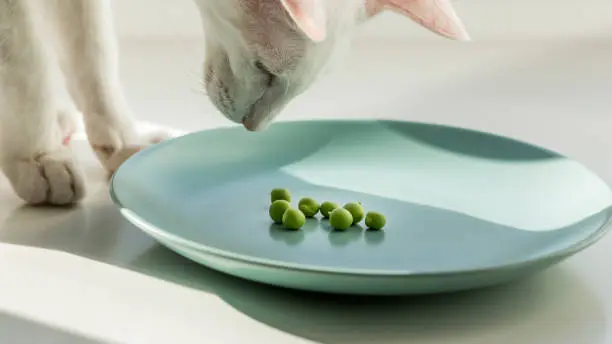
Vitamins Found in Peas
Vitamin A
Vitamin A plays a role in:
- Vision support
- Skin health
- Immune function
Vitamin C
Although cats naturally produce vitamin C, peas still contain antioxidant compounds that may help combat oxidative stress.
Vitamin K
Vitamin K contributes to:
- Normal blood clotting
- Bone health
B Vitamins
Peas contain several B vitamins that help support:
- Energy metabolism
- Nervous system function
- Cell maintenance
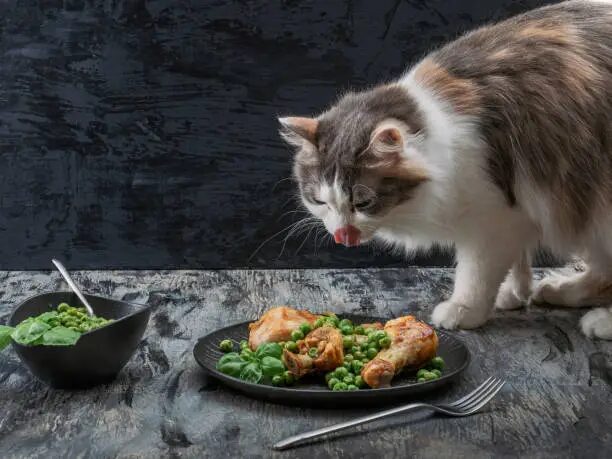
Mineral Content in Peas
Peas also provide important minerals.
Potassium
Potassium helps support:
- Muscle contractions
- Heart function
- Nerve signaling
Magnesium
Magnesium contributes to:
- Bone health
- Enzyme activity
- Muscle function
Iron
Iron helps the body produce healthy red blood cells and transport oxygen.
Although cats obtain most of their iron from animal proteins, peas can provide a small supplemental amount.
Fiber Benefits for Cats
One of the biggest advantages of peas is their fiber content.
Fiber may help:
- Promote regular bowel movements
- Support digestive health
- Reduce occasional constipation
- Improve stool consistency
This is one reason peas are commonly included in many digestive-support cat foods.
For additional pet nutrition guidance, cat owners can review resources from the Pet Nutrition Alliance:
Plant-Based Protein Content
Peas contain protein, but it’s important to understand its limitations.
What Pea Protein Provides
Pea protein can contribute:
- Amino acids
- Additional protein content
- Nutritional variety
What It Cannot Replace
Pea protein cannot fully replace:
- Chicken
- Turkey
- Fish
- Beef
- Other animal proteins
Cats require nutrients that plant proteins simply cannot provide in sufficient quantities.
This is why veterinarians consistently recommend diets where animal protein remains the primary ingredient.
Antioxidants in Peas
Peas naturally contain antioxidants, which help protect cells from damage caused by free radicals.
Potential benefits include:
- Cellular protection
- Immune support
- Healthy aging
While the antioxidant contribution from a few peas is modest, every nutrient can contribute to overall wellness when part of a balanced diet.
Nutritional Value of Peas for Cats
The following table summarizes the main nutrients found in peas and their potential benefits for cats.
| Nutrient | Benefits for Cats |
|---|---|
| Fiber | Supports digestion and bowel regularity |
| Vitamin A | Supports vision and immune health |
| Vitamin K | Helps with normal blood clotting |
| Vitamin C | Provides antioxidant support |
| Potassium | Supports muscle and nerve function |
| Magnesium | Supports bone and metabolic health |
| Iron | Helps maintain healthy red blood cells |
| Protein | Supports tissue maintenance and repair |
Why Are Peas Used in Cat Food?
As grain-free and premium pet foods have become more popular, peas have become increasingly common ingredients.
Let’s take a closer look at why manufacturers use them.
1. Source of Dietary Fiber
Fiber helps support:
- Healthy digestion
- Stool quality
- Gastrointestinal function
Many pet food brands use peas specifically for this reason.
2. Alternative Carbohydrate Source
In grain-free recipes, peas often replace ingredients such as:
- Corn
- Wheat
- Rice
This allows manufacturers to create recipes that appeal to pet owners looking for grain-free options.
3. Additional Plant Protein
Peas naturally contain protein, which helps boost overall protein levels in pet food formulas.
4. Improved Food Texture
Peas contribute to:
- Kibble structure
- Moisture retention
- Consistency in wet food products
5. Popular Ingredient in Premium Cat Foods
Many high-quality pet food manufacturers include peas because they are:
- Widely accepted by cats
- Nutrient-rich
- Easy to incorporate into recipes
For further reading on balanced feline nutrition, cat owners can explore veterinary nutrition resources provided by:
Health Benefits of Peas for Cats
Although peas are not essential, they may offer several potential benefits when fed appropriately.
Key Benefits Include:
✔ Support for healthy digestion
✔ Low-calorie snack option
✔ Additional vitamins and minerals
✔ Antioxidant support
✔ Hydration from fresh peas
We’ll explore each of these benefits in greater detail in Part 2 of this guide.
Health Benefits of Peas for Cats
Although cats don’t require vegetables in their diet, peas can provide several nutritional benefits when fed in moderation.
The key is understanding that peas should complement a balanced diet—not replace the animal protein your cat needs.
1. Supports Healthy Digestion
One of the biggest advantages of peas is their fiber content.
How Fiber Helps Cats
Dietary fiber can help:
- Promote regular bowel movements
- Support healthy digestion
- Improve stool consistency
- Reduce occasional constipation
For cats that occasionally experience digestive irregularities, a small amount of fiber-rich vegetables may offer mild support.
Why Moderation Matters
Too much fiber can have the opposite effect and cause:
- Loose stools
- Gas
- Digestive discomfort
That’s why peas should remain an occasional treat.
2. Low-Calorie Treat Option
Many cat treats contain:
- Added fats
- Artificial flavors
- Excess calories
Peas provide a lower-calorie alternative.
Benefits for Overweight Cats
If your veterinarian recommends weight management, peas may be a healthier snack option compared to:
- Commercial treats
- Table scraps
- Fatty human foods
A few cooked peas can satisfy curiosity without adding excessive calories.
3. Provides Essential Nutrients
Even though cats primarily rely on meat for nutrition, peas still offer useful nutrients.
Nutritional Benefits Include:
- Vitamin A for eye health
- Vitamin K for blood clotting
- Potassium for muscle function
- Magnesium for bone health
- Iron for healthy red blood cells
These nutrients can contribute to overall wellness when consumed in small amounts.
4. May Support Immune Function
Peas contain antioxidants that help fight oxidative stress.
Antioxidants May Help:
- Protect cells from damage
- Support immune health
- Promote healthy aging
While peas shouldn’t be viewed as a miracle food, they can contribute to a well-rounded nutritional profile.
5. Hydration Benefits of Fresh Peas
Fresh peas naturally contain water.
Although they shouldn’t replace drinking water, they can provide a small amount of additional moisture.
This can be particularly helpful for cats that:
- Prefer dry food
- Drink less water than recommended
- Enjoy fresh vegetables
Potential Risks of Feeding Peas to Cats
While peas are generally safe, they are not completely risk-free.
Understanding the potential downsides can help you feed them responsibly.
1. Digestive Upset
The most common issue associated with peas is digestive discomfort.
Possible Symptoms
Some cats may experience:
- Gas
- Bloating
- Stomach upset
- Soft stools
- Diarrhea
This is more likely when peas are introduced too quickly or fed in excessive amounts.
2. Overconsumption Problems
Even healthy foods can become problematic when overfed.
Too Many Peas May Cause:
- Excess fiber intake
- Digestive imbalance
- Reduced appetite for regular food
Cats should receive the vast majority of their calories from complete and balanced cat food—not vegetables.
3. Allergic Reactions
Although uncommon, cats can develop food sensitivities or allergies to almost any ingredient, including peas.
Potential Allergy Symptoms
Watch for:
- Itching
- Excessive scratching
- Ear irritation
- Skin redness
- Vomiting
- Diarrhea
If symptoms appear shortly after introducing peas, discontinue feeding them and consult your veterinarian.
4. Choking Hazard
Whole peas may present a choking risk for:
- Young kittens
- Senior cats
- Cats with dental problems
Reduce the Risk
You can make peas safer by:
- Cooking them until soft
- Mashing them slightly
- Cutting larger peas into smaller pieces
5. Nutritional Imbalance
This is one of the most important points cat owners should understand.
Cats Need Animal Protein
Cats require nutrients such as:
- Taurine
- Arachidonic acid
- Certain amino acids
These nutrients are naturally found in animal-based ingredients, not vegetables.
Even though peas contain protein, they cannot replace meat in a feline diet.
Can Cats Be Allergic to Peas?
Food allergies in cats are relatively uncommon, but they do occur.
A cat can develop a sensitivity to ingredients they’ve eaten before or new foods introduced into their diet.
Common Signs of a Food Allergy
Skin Symptoms
- Itchy skin
- Excessive grooming
- Redness
- Hair loss
Digestive Symptoms
- Vomiting
- Diarrhea
- Gas
- Upset stomach
Ear Issues
- Recurrent ear infections
- Ear scratching
- Head shaking
When to Contact Your Veterinarian
Seek veterinary advice if your cat develops:
- Persistent vomiting
- Severe diarrhea
- Facial swelling
- Difficulty breathing
- Significant itching
These symptoms may indicate an allergic reaction or food intolerance.
What Types of Peas Can Cats Eat?
Not all pea products are created equal.
Some forms are perfectly safe, while others should be avoided.
Fresh Peas
Fresh peas are one of the best options.
Best Practices
- Cook them before serving
- Serve plain
- Avoid seasonings
Fresh peas retain many nutrients while remaining easy to digest.
Frozen Peas
Frozen peas are generally safe.
How to Prepare Them
- Thaw completely
- Cook until soft
- Allow them to cool before serving
Frozen peas often retain their nutritional value well.
Cooked Peas
Cooked peas are usually the safest and easiest option.
Why Cooking Helps
Cooking makes peas:
- Softer
- Easier to chew
- Easier to digest
This reduces the risk of digestive issues and choking.
Green Peas
Green peas are the most commonly fed variety.
They are:
- Widely available
- Nutrient-rich
- Frequently used in cat food formulas
Most cats that enjoy peas are eating green peas.
Garden Peas
Garden peas offer similar nutritional benefits.
Like green peas, they should be:
- Plain
- Cooked
- Free from added ingredients
Types of Peas Cats Should Avoid
Just because peas themselves are safe doesn’t mean every pea-based product is safe.
Canned Peas
Many canned vegetables contain excessive sodium.
Why This Is a Problem
Too much salt may contribute to:
- Dehydration
- Increased thirst
- Digestive upset
Always check labels carefully.
Seasoned Peas
Never feed peas prepared with:
- Garlic
- Onion
- Onion powder
- Garlic powder
Both garlic and onion are toxic to cats.
For information about foods that are dangerous for cats, pet owners can review resources from the ASPCA Animal Poison Control Center:
Peas with Butter or Sauces
Human recipes often include ingredients that cats don’t need.
Examples include:
- Butter
- Cream sauces
- Cheese sauces
- Oils
These can cause digestive upset and unnecessary calorie intake.
Spicy Pea Dishes
Spices may irritate a cat’s digestive system.
Avoid feeding peas that contain:
- Chili powder
- Pepper blends
- Curry seasonings
- Hot sauces
Processed Foods Containing Peas
Processed foods may include:
- Preservatives
- Artificial flavors
- Excess sodium
- Added sugars
The peas themselves may be safe, but the surrounding ingredients often are not.
How Many Peas Can a Cat Eat?
Even healthy treats should only make up a small portion of your cat’s diet.
Veterinary nutrition experts generally recommend that treats account for no more than 10% of your cat’s daily calorie intake.
Peas should be viewed as an occasional snack rather than a regular meal component.
General Feeding Guidelines
Best Practices
✔ Feed only small amounts
✔ Offer peas occasionally
✔ Serve plain and cooked
✔ Monitor your cat’s reaction
✔ Stop feeding if digestive issues occur
Recommended Serving Sizes
The following table provides general serving recommendations.
| Cat Size | Suggested Amount |
|---|---|
| Kitten | 1–2 peas |
| Small Adult Cat | 2–4 peas |
| Average Adult Cat | 4–6 peas |
| Large Adult Cat | 5–8 peas |
These amounts are intended as occasional treats, not daily servings.
How to Safely Feed Peas to Cats
If you’d like to let your cat try peas, following a few simple steps can help ensure a safe experience.
Step 1: Cook the Peas
Cooked peas are easier for cats to digest.
Cooking helps:
- Soften the texture
- Reduce choking risk
- Improve digestibility
Steamed or boiled peas are usually the best choices.
Step 2: Serve Plain
Cats should only eat plain peas.
Avoid adding:
- Salt
- Butter
- Oils
- Garlic
- Onion
- Seasonings
These ingredients can cause digestive upset or even toxicity.
Step 3: Mash if Necessary
Some cats prefer softer textures.
Mashing peas may help:
- Senior cats
- Kittens
- Cats with dental issues
It can also reduce choking risks.
Step 4: Introduce Slowly
Whenever introducing a new food:
- Start with one pea
- Observe for 24–48 hours
- Watch for digestive reactions
This helps identify any sensitivities.
Step 5: Monitor for Problems
After feeding peas, watch for:
- Vomiting
- Diarrhea
- Excessive gas
- Loss of appetite
Most cats tolerate peas well, but every cat is different.
Can Kittens Eat Peas?
Yes, kittens can generally eat small amounts of peas.
However, there are important considerations.
Developing Digestive Systems
Kittens have more sensitive digestive systems than adult cats.
Because of this:
- Introduce peas gradually
- Feed only tiny amounts
- Monitor closely for reactions
Appropriate Serving Size
For most kittens:
- One or two soft peas is enough
Anything more may increase the risk of stomach upset.
Focus on Kitten Nutrition
The majority of a kitten’s diet should come from:
- High-quality kitten food
- Animal-based proteins
- Nutritionally complete meals
Peas should remain an occasional treat.
Can Senior Cats Eat Peas?
Many senior cats can enjoy peas safely.
In fact, some older cats may benefit from the fiber content.
Potential Benefits for Senior Cats
Peas may help support:
- Digestive regularity
- Weight management
- Variety in the diet
Important Considerations
Older cats may experience:
- Dental disease
- Reduced chewing ability
- Slower digestion
For senior cats, soft cooked peas are usually the safest option.
Can Cats Eat Raw Peas?
Technically, raw peas are not toxic to cats.
However, they are not the ideal choice.
Potential Problems with Raw Peas
Raw peas can be:
- Hard to chew
- Difficult to digest
- More likely to cause choking
Why Cooked Peas Are Better
Cooking makes peas:
- Softer
- Easier to digest
- Safer to consume
Whenever possible, choose cooked peas over raw ones.
Can Cats Eat Pea Protein?
Pea protein has become increasingly common in commercial pet foods.
You may see it listed on ingredient labels, particularly in grain-free formulas.
What Is Pea Protein?
Pea protein is a concentrated plant protein extracted from peas.
Manufacturers use it to:
- Increase protein content
- Improve texture
- Support formulation goals
Is Pea Protein Safe for Cats?
In most cases, yes.
Pea protein is generally considered safe when included as part of a balanced cat food formula.
Benefits of Pea Protein
Potential advantages include:
- Additional amino acids
- Improved food texture
- Alternative protein source
Limitations of Pea Protein
Despite its benefits, pea protein has limitations.
It cannot replace nutrients naturally found in animal proteins.
Cats still require:
- Taurine
- Animal-derived amino acids
- Animal fats
This is why veterinarians recommend diets where meat remains the primary ingredient.
For more information on feline nutrition, readers can review educational resources from:
When to Call a Vet After Feeding Peas
Although adverse reactions are uncommon, some situations warrant veterinary attention.
Contact Your Vet If Your Cat Experiences:
Persistent Vomiting
Occasional stomach upset can happen, but repeated vomiting should be evaluated.
Severe Diarrhea
Ongoing diarrhea may lead to dehydration and requires attention.
Swelling or Allergic Reaction
Watch for:
- Facial swelling
- Hives
- Excessive itching
Difficulty Breathing
This is an emergency and requires immediate veterinary care.
Refusal to Eat
A sudden loss of appetite should never be ignored.
Peas vs Other Vegetables for Cats
If you’re considering vegetables as occasional treats, here’s how peas compare.
| Vegetable | Safe for Cats? | Benefits |
| Peas | Yes | Fiber and vitamins |
| Carrots | Yes | Vitamin A |
| Pumpkin | Yes | Digestive support |
| Green Beans | Yes | Low-calorie snack |
| Spinach | Limited | Nutrients but caution needed |
Healthy Alternatives to Peas for Cats
If your cat isn’t interested in peas, several other cat-safe vegetables may work as occasional treats.
Pumpkin
Benefits:
- Excellent fiber source
- Supports digestion
- Often recommended for mild constipation
Green Beans
Benefits:
- Low calorie
- High fiber
- Useful for weight management
Carrots
Benefits:
- Rich in beta-carotene
- Soft when cooked
- Easy to serve
Zucchini
Benefits:
- Low calorie
- Easy to digest
- Mild flavor
Cucumber
Benefits:
- High water content
- Refreshing snack
- Low calorie
Cat Grass
Benefits:
- Encourages natural chewing behavior
- Provides enrichment
- Safe for most cats
For additional guidance on safe foods for cats, pet owners can explore veterinary resources from:
Frequently Asked Questions
Can cats eat peas every day?
Peas are best offered occasionally. Daily feeding is generally unnecessary and may contribute to digestive issues if overfed.
Are peas toxic to cats?
No. Peas are not toxic and are generally considered safe when fed in moderation.
Why do cats like peas?
Some cats enjoy the texture, taste, or novelty of peas. Others may ignore them completely.
Can kittens eat peas?
Yes, but only in small amounts and as an occasional treat.
Can cats eat frozen peas?
Yes. Frozen peas are safe after thawing and cooking.
Can cats eat canned peas?
Canned peas are not recommended because they often contain high levels of sodium.
Can peas cause diarrhea in cats?
Yes, especially if too many are fed or if a cat has a sensitive digestive system.
Are peas healthy for cats?
In moderation, peas can provide fiber, vitamins, minerals, and antioxidants.
Can cats eat pea protein?
Yes. Pea protein is commonly used in commercial cat foods, but it should not replace animal-based proteins.
What vegetables are safest for cats?
Some of the safest vegetables include:
- Peas
- Pumpkin
- Green beans
- Carrots
- Zucchini
Conclusion
So, can cats eat peas?
Yes—peas are generally safe for cats and can be a healthy occasional treat when served properly.
They provide:
- Fiber for digestive support
- Vitamins and minerals
- Antioxidants
- A low-calorie snack option
However, it’s important to remember that cats are obligate carnivores. While peas can complement a balanced diet, they should never replace high-quality animal protein sources.