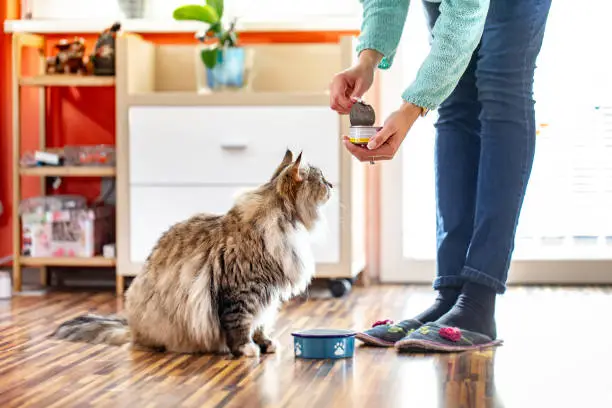
If your cat has ever shown interest in your fruit bowl—especially a slice of juicy watermelon—you’re not alone in wondering: can cats eat watermelon?
The short answer is yes, cats can eat watermelon in small amounts, but there’s a lot more to understand before you start sharing it with your feline friend.
Some cats are naturally curious about human foods. The smell, texture, and moisture of watermelon can attract them, even though cats are obligate carnivores, meaning their bodies are designed to get nutrition primarily from meat—not fruit.
Still, watermelon is considered non-toxic and generally safe for cats when prepared properly. But like all treats, it comes with both benefits and risks.
In this guide, we’ll break everything down in simple terms so you can make the safest choice for your cat.
What you’ll learn in this article:
- Whether watermelon is safe for cats
- Nutritional benefits and risks
- How much watermelon cats can eat
- Whether seeds and rind are dangerous
- Special considerations for kittens, seniors, and diabetic cats
- Safe feeding methods and alternatives
Can Cats Eat Watermelon?
Watermelon is not toxic to cats. A small amount of the red flesh is generally safe and can even provide hydration and minor nutritional benefits.
However, it’s important to remember:
Cats do not need fruit in their diet to stay healthy.
Their bodies are built for animal-based proteins, fats, and essential nutrients like taurine—not sugars from fruit.
Why Watermelon Is Considered Non-Toxic
Unlike dangerous fruits such as grapes or raisins, watermelon does not contain compounds that are poisonous to cats. This is why veterinarians generally classify it as a safe occasional treat.
Still, “safe” does not mean “necessary.”
Watermelon should never replace a balanced cat diet.
Understanding Cats as Obligate Carnivores
Cats are obligate carnivores, which means:
- They require animal protein to survive
- They cannot get essential nutrients from plants alone
- Their digestive systems are not designed for high sugar or fiber intake
This is why fruits like watermelon should only be offered as a very small snack.
For a deeper understanding of feline nutrition, you can explore trusted veterinary resources like:
- https://www.catvets.com (American Association of Feline Practitioners)
Watermelon as a Treat, Not a Meal
Think of watermelon as a “sometimes snack,” similar to cat treats—not part of a daily diet.
Safe role of watermelon:
- Occasional treat
- Hydration boost in hot weather
- Novel taste experience
Not suitable as:
- Meal replacement
- Regular dietary component
- Nutrition source for health needs
How Often Can Cats Eat Watermelon?
Cats should only eat watermelon:
- 1–2 times per week at most
- In very small portions
- Only if they tolerate it well
Too frequent feeding can lead to digestive upset or unnecessary sugar intake.
Is Watermelon Safe for Cats?

Veterinary Perspective
Most veterinarians agree that watermelon is safe for cats in moderation, provided it is:
- Seedless
- Rind-free
- Plain (no sugar, salt, or additives)
Veterinarians often recommend watermelon as an occasional hydrating snack rather than a dietary staple.
Which Parts of Watermelon Are Safe?
Not all parts of watermelon are safe for cats.
| Part of Watermelon | Safe for Cats? | Notes |
|---|---|---|
| Red flesh | Yes | Safe in small amounts |
| Seeds | No | Choking risk |
| Rind (green skin) | No | Hard to digest |
| Juice (natural) | Limited | Only plain, no sugar |
Importance of Moderation
Even safe foods can cause problems if overfed.
Too much watermelon may lead to:
- Stomach upset
- Diarrhea
- Loss of appetite for regular food
Moderation is the key to safe feeding.
Why Watermelon Isn’t Harmful When Prepared Properly
When you remove seeds and rind and offer only small pieces of flesh, watermelon becomes a:
- Hydrating snack
- Low-calorie treat
- Safe novelty food
But again, it should only complement—not replace—your cat’s normal diet.
Nutritional Value of Watermelon for Cats
Watermelon is not a nutrient-rich food for cats compared to meat, but it does contain some beneficial compounds.
Key Nutrients in Watermelon

Water Content
- Over 90% water
- Helps with hydration
Vitamin A
- Supports vision
- Helps immune system
Vitamin C
- Antioxidant properties
- Cellular support (though cats produce their own vitamin C)
Potassium
- Supports nerve and muscle function
Magnesium
- Helps with enzyme function and bone health
Lycopene
- Powerful antioxidant
- Supports cell protection
Nutritional Breakdown Table
| Nutrient | Potential Benefit for Cats |
| Water | Hydration support |
| Vitamin A | Vision and immune health |
| Vitamin C | Antioxidant support |
| Potassium | Muscle and nerve function |
| Lycopene | Cellular protection |
| Magnesium | Bone and muscle health |
Important Note
Even though watermelon contains vitamins, cats get most of their essential nutrients from:
- Meat
- Animal organs
- Balanced commercial cat food
Watermelon should never be considered a nutritional requirement.
Why Some Cats Are Curious About Watermelon
Cats may show interest in watermelon because of:
- Moist texture
- Cool temperature
- Sweet smell
- Curiosity toward human food
However, many cats ignore it completely—and both reactions are normal.
Health Benefits of Watermelon for Cats
Although cats do not need fruit, small amounts of watermelon can offer a few mild benefits when fed correctly.
1. Supports Hydration
One of the biggest advantages of watermelon is its extremely high water content.
Why this matters:
- Over 90% water
- Helps supplement hydration
- Useful during hot weather
Benefits include:
- Supports kidney function (indirectly)
- Helps cats that drink less water
- Provides refreshing moisture-rich snack
This is especially helpful for cats that primarily eat dry kibble.
2. Low-Calorie Treat Option
Compared to commercial cat treats, watermelon is very low in calories.
Why it’s useful:
- Minimal fat content
- No artificial additives
- Light snack option for overweight cats
Better than:
- Fatty table scraps
- Processed treats with fillers
- High-calorie snacks
However, it should still only be an occasional treat.
3. Provides Antioxidants
Watermelon contains antioxidants such as lycopene.
Potential benefits:
- Supports cellular health
- Helps reduce oxidative stress
- May contribute to overall wellness
While the amount is small, it still adds a minor nutritional bonus.
4. Small Amount of Vitamins & Minerals
Watermelon includes:
- Vitamin A (eye and immune support)
- Vitamin C (antioxidant support)
- Potassium (muscle and nerve function)
- Magnesium (enzyme and bone function)
👉 These nutrients are not essential from fruit but can add variety.
5. Refreshing Summer Snack
Some cats enjoy chilled watermelon during hot weather.
Why:
- Cool texture
- Moist sensation
- Mild natural sweetness
A few cats may even prefer frozen watermelon cubes (we’ll cover safety later).
Potential Risks of Feeding Watermelon to Cats
Even though watermelon is safe in small amounts, there are still risks to consider.
1. Digestive Upset
Cats have sensitive digestive systems, and fruit can sometimes cause issues.
Possible symptoms:
- Diarrhea
- Vomiting
- Gas
- Stomach discomfort
Why it happens:
- Natural fruit sugars
- Sudden diet changes
- Overfeeding
This is the most common issue with watermelon.
2. Excess Sugar Intake
Watermelon contains natural sugars.
Why it matters:
- Cats do not need sugar in their diet
- Excess sugar can contribute to:
- Weight gain
- Digestive imbalance
- Reduced appetite for proper food
Extra caution for:
- Overweight cats
- Sedentary indoor cats
3. Choking Hazard
Improper preparation can make watermelon dangerous.
Risk factors:
- Large chunks
- Hard pieces
- Seeds mixed in flesh
Prevention:
- Always cut into tiny cubes
- Remove all seeds
- Avoid rind completely
4. Overfeeding Issues
Too much watermelon can interfere with normal feeding habits.
Problems include:
- Reduced appetite for regular cat food
- Nutritional imbalance
- Loose stools
👉 Treats should never replace balanced meals.
5. Diabetes Concerns
Cats with diabetes require special dietary care.
Why watermelon may be risky:
- Natural sugar content
- Potential blood sugar fluctuations
Recommendation:
Always consult a vet before giving fruit to diabetic cats.
Can Cats Eat Watermelon Seeds?
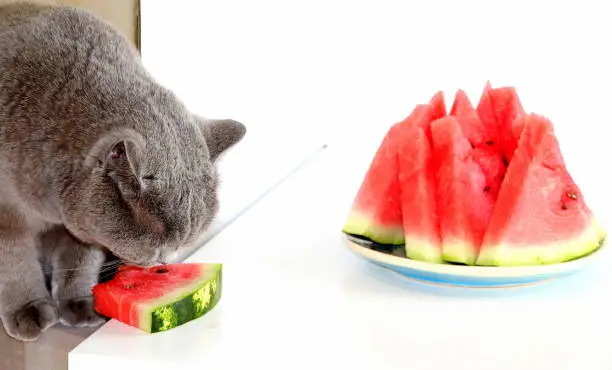
Why Seeds Are a Problem
Watermelon seeds may cause:
- Choking risk
- Intestinal blockage (rare but possible)
- Digestive discomfort
Even though a few seeds usually pass harmlessly, they are still not safe to intentionally feed.
What Happens If a Cat Eats a Seed?
In most cases:
- It passes through the digestive system without issue
But you should monitor for:
- Vomiting
- Constipation
- Loss of appetite
How to Remove Seeds Safely
Before serving watermelon:
- Choose seedless watermelon when possible
- Manually remove visible seeds
- Double-check pieces before serving
Can Cats Eat Watermelon Rind?
Why Watermelon Rind Is Unsafe
The green outer rind is:
- Very tough
- Difficult to digest
- Not appealing or safe for cats
Possible Problems
Feeding rind may lead to:
- Stomach irritation
- Vomiting
- Intestinal blockage (in rare cases)
- Choking hazard
Why Only the Flesh Should Be Fed
The red inner flesh is:
- Soft
- Hydrating
- Easy to digest in small amounts
Always remove rind completely before feeding.
How Much Watermelon Can Cats Eat?
General Feeding Guidelines
- Small portions only
- Occasional treat
- Not a daily food
Serving Size Table
| Cat Size | Suggested Portion |
|---|---|
| Kitten | Tiny taste only |
| Small Adult Cat | 1–2 small cubes |
| Average Adult Cat | 2–3 small cubes |
| Large Adult Cat | 3–4 small cubes |
Key Rule
If you’re unsure, always give less—not more.
How to Safely Feed Watermelon to Cats
Follow these steps carefully:
Step 1: Wash the Watermelon
Remove dirt, pesticides, or surface contaminants.
Step 2: Remove All Seeds
Even seedless varieties should be checked.
Step 3: Remove the Rind
Only red flesh should be used.
Step 4: Cut into Small Pieces
- Bite-sized cubes
- Easy to chew
- No large chunks
Step 5: Introduce Slowly
Start with:
- 1 small piece
- Observe reaction
Step 6: Monitor for Reactions
Watch for:
- Vomiting
- Diarrhea
- Refusal to eat
Can Kittens Eat Watermelon?
Short answer: Yes, but only tiny amounts.
Kittens can technically eat watermelon, but their bodies are still developing, so extra care is needed.
Safety Considerations for Kittens
Kittens have:
- Sensitive digestive systems
- Small stomach capacity
- Higher nutritional needs from protein
Because of this:
- Fruit should never replace kitten food
- Even small amounts can upset digestion
Appropriate Serving for Kittens
- 1 very small cube OR
- A tiny taste (pea-sized piece)
Always observe for 24 hours after first introduction.
Important Reminder
Kitten nutrition must focus on:
- High-quality animal protein
- Essential amino acids
- Kitten-formulated diets
Watermelon is only an occasional curiosity snack.
Can Senior Cats Eat Watermelon?
Senior cats can enjoy watermelon safely if they tolerate it well.
Hydration Benefits
Older cats often:
- Drink less water
- Have kidney sensitivity
Watermelon’s high water content may help with:
- Mild hydration support
- Encouraging fluid intake
Soft Texture Advantage
Senior cats may prefer:
- Soft foods
- Easy-to-chew snacks
Watermelon cubes can be gently mashed if needed.
Senior Cat Considerations
Be cautious if your senior cat has:
- Diabetes
- Kidney disease
- Sensitive digestion
Always consult a vet if your cat has chronic health issues.
Can Cats Eat Frozen Watermelon?
Is Frozen Watermelon Safe?
Yes—small frozen pieces are generally safe for most healthy cats.
Benefits During Hot Weather
Frozen watermelon may:
- Help cool your cat down
- Provide refreshing texture
- Increase hydration interest
Safe Serving Tips
- Cut into very small cubes
- Freeze plain red flesh only
- Let thaw slightly before serving
Potential Risks
Frozen watermelon can be risky if:
- Pieces are too hard
- Choking hazard for small cats
- Teeth sensitivity in seniors
Always supervise feeding.
Can Cats Drink Watermelon Juice?
Fresh Juice vs Store-Bought Juice
Fresh watermelon juice:
- May be safe in tiny amounts
- Still contains natural sugars
Store-bought juice:
- Often contains added sugar
- May include preservatives
- Not suitable for cats
Added Sugar Concerns
Too much sugar may lead to:
- Weight gain
- Digestive upset
- Blood sugar spikes
Artificial Ingredients to Avoid
Never give juice containing:
- Sweeteners
- Flavor enhancers
- Preservatives
Better Alternative
Fresh watermelon cubes are always safer than juice.
Can Cats Be Allergic to Watermelon?
Rare but possible.
Food allergies in cats are uncommon, but they can happen.
Signs of Food Allergy
Watch for:
- Itching or scratching
- Skin redness
- Vomiting
- Diarrhea
- Excess grooming
What to Do If Symptoms Appear
- Stop feeding watermelon immediately
- Monitor symptoms
- Contact a veterinarian if symptoms persist
When to Call a Veterinarian
Although watermelon is generally safe, certain symptoms require medical attention.
Seek vet care if your cat shows:
- Persistent vomiting
- Severe diarrhea
- Signs of choking
- Difficulty breathing
- Lethargy after eating
- Suspected intestinal blockage
Watermelon vs Other Fruits for Cats
| Fruit | Safe for Cats? | Main Benefit |
|---|---|---|
| Watermelon | Yes | Hydration |
| Blueberries | Yes | Antioxidants |
| Strawberries | Yes | Vitamin C |
| Bananas | Yes (moderation) | Potassium |
| Apples | Yes (seedless) | Fiber |
| Grapes | ❌ No | Toxic |
Grapes and raisins should never be fed to cats.
Healthy Fruit Alternatives to Watermelon
If your cat enjoys watermelon, you may also try:
- 🫐 Blueberries (antioxidant-rich)
- Strawberries (small amounts)
- Apples (no seeds)
- Bananas (tiny portions)
- Cantaloupe (often cat-favorite)
- Pumpkin (great for digestion)
Better Treat Alternatives for Cats
While fruit is safe occasionally, cats thrive most on animal-based treats.
Best options include:
- Cooked chicken
- Cooked turkey
- Freeze-dried meat treats
- High-protein cat treats
Why Protein Matters More
Cats are obligate carnivores, meaning:
- Protein is essential
- Animal nutrients are required
- Plant foods are optional extras
Fruit should never replace meat-based nutrition.
FAQ Section
Can cats eat watermelon every day?
No. Watermelon should only be an occasional treat, not a daily food.
Is watermelon toxic to cats?
No, watermelon is not toxic and is generally safe when prepared properly.
Why does my cat like watermelon?
Some cats enjoy the moisture, texture, or curiosity of fruit.
Can kittens eat watermelon?
Yes, but only tiny amounts and rarely.
Can cats eat watermelon seeds?
No, seeds should be removed due to choking risk.
Can cats eat watermelon rind?
No, rind is hard to digest and may cause blockage.
Can diabetic cats eat watermelon?
Only under veterinary supervision due to sugar content.
Can cats drink watermelon juice?
Not recommended due to sugar and additives in most juices.
Is frozen watermelon safe for cats?
Yes, in small pieces and under supervision.
What fruits are safest for cats?
Safe options include blueberries, apples (no seeds), strawberries, and cantaloupe.
Conclusion
So, can cats eat watermelon?
Yes—cats can safely eat watermelon in small, controlled amounts. It is a non-toxic, hydrating treat that some cats enjoy, especially during warm weather.
- Watermelon is not nutritionally necessary
- Seeds and rind must always be removed
- Too much can cause digestive upset
- Cats should still rely on meat-based diets