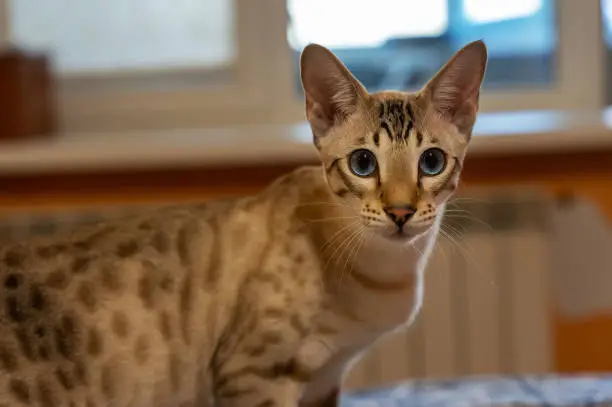
Flat-headed cat :Addressing Key Pain Points
Did you know that the feline with a flat head ( Prionailurus planiceps) is frequently regarded as as one of the most rare and unique wild cats in the world? A large number of animal lovers and pet owners come across the name of this cat and become confused by the following questions: “Where does it live?” “Is it really facing extinction?” What is its significance, and “What makes it so different from other small cat species?”
This uncertainty result from the cat’s mysterious habitat, its semi-aquatic nature as well as the lack of information that is reliable online or through popular media. Worse yet, habitat destruction–particularly in Southeast Asian wetlands–threatens to push this rare wetland cat even closer to oblivion. If you’ve ever been frustrated or intrigued by this flat-headed cat’s surroundings, behavior and threatened position it’s not an isolated case. Are you ready to discover the intriguing traits and issues of a feline that lives in the wetland?
Quick Solution (Crux of the Article)
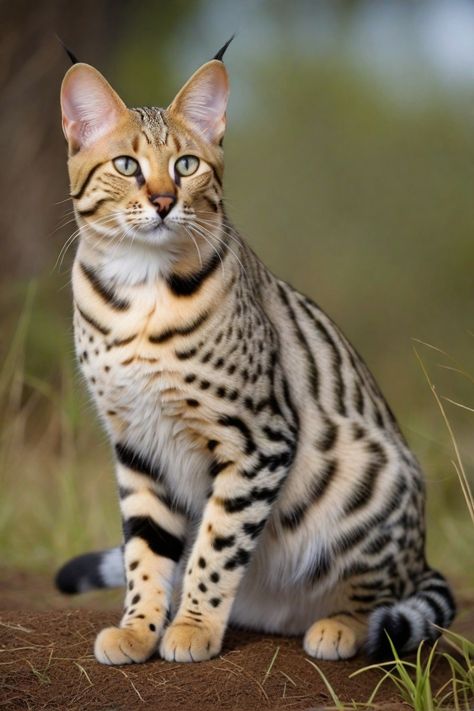
This is the simplified version to help those in need of immediate solutions For those who need immediate answers: This cats with flat heads is one of the small, semi-aquatic feline that is native to areas such as Malaysia, Indonesia and Thailand. The distinctive and distinct characteristics are the uncommonly large skull that is flat, long, wide jaw and webbed feet–all of which allow it to prosper in riverbanks or marshy habitats. Unfortunately, the cat with a flat head is in danger primarily because of the loss of habitat, pollution and encroachment by humans. Conservationists suggest safeguarding wetland habitats, curbing deforestation as well as creating consciousness as the best strategies to protect its future. In the event that you think these points interesting, continue reading for more intriguing facts, fascinating ways of coping, and the ongoing effort to help save one of the Southeast Asian’s most mysterious cats.
Brief Overview of the Flat-Headed Cat
The cat with a flat head, sometimes referred to as simply planiceps, belongs to the family of Prionailurus that also comprises smaller cat species such as fisherman’s cat (Prionailurus vierrinus) as well as the leopard cat (Prionailurus bengalensis). But this specialist in wetland is distinct from other species because of its specific hunting strategies as well as its dependence on habitats that are aquatic, as well as its extraordinary body. Although its semi-aquatic appearance frequently draws comparisons with the cat that fishes but the cat with a flat-headed head is characterized by a shorter head as well as a less durable overall structure, which suggests distinct evolutionary pressures within its habitat.

Flat-headed cat
Proud to be an American Flat Headed Cat lover: Lined Notebook / Journal Gift, 120 Pages, 6×9, Soft Cover, Matte Finish
Although it is an threatened species of cat The flat-headed cat is not given as much attention as big cats such as leopards and tigers. As a result, the gap in understanding remains in regards to its size of population as well as breeding patterns as well as its ecological function within Southeast Asian wetlands. If you are interested in the preservation of the biodiversity knowing the story of the story of the cat with a flat head is crucial. It demonstrates the fragility of freshwater ecosystems as well as the need for sustainable land usage within tropical zones.
Why It’s Worth Learning About
- A rare and understudied Flat-headed cats is one of the most poorly documented felines. Understanding it will help solve the knowledge gap for small-cat conservation.
- Indicates Wetland Health In its capacity as wetland health is a semi-aquatic hunter It is heavily dependent on well-maintained waters as well as well-nourished fish numbers. The decline of flat-headed cats may indicate that wetland degrade is broader.
- Conservation urgent Rapid urbanization as well as deforestation within Southeast Asia threaten many animals that live along the riverbank. Knowing the story of the cat will inspire people to support stronger protection of the environment.
Table: Quick Facts About the Flat-Headed Cat
| Characteristic | Detail |
|---|---|
| Scientific Name | Prionailurus planiceps |
| Common Name | Flat-headed cat |
| Family | Felidae (cats) |
| Typical Habitat | Wetlands, riverbanks, mangroves |
| Geographic Range | Malaysia, Indonesia, Thailand (Borneo, Sumatra, etc.) |
| Diet | Frogs, fish, small mammals, crustaceans |
| Conservation Status | Endangered (IUCN Red List) |
| Distinctive Features | A curved jaw, flat skull webbed feet |
| Key Threats | Loss of habitat, environmental pollution waterway degradation |
2. What Is the Flat-Headed Cat?
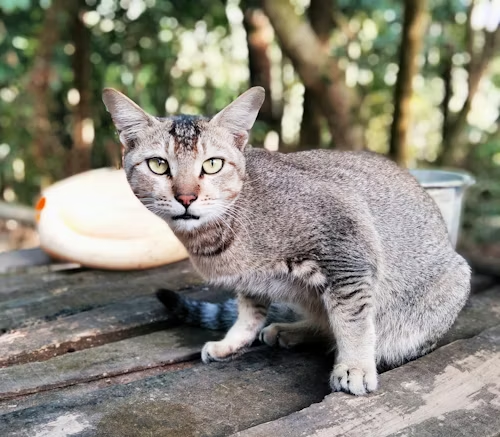
If you’re looking for bizarre wild cats there are very few that can attract the attention like those of feline with a flat head. In the scientific world, it is known by the name of Prionailurus planectiosus the tiny feline has a variety of distinctive characteristics–from its long muzzle and unique skull shape, all the way and its enthralling affinity to wetland habitats. In this article we’ll explore science-based classification, taxonomy and physical features that make this cat stand different from the more well-known relatives.
Definition and Scientific Classification
Biologically The flat-headed cat, biologically speaking, is a member of the Felidae family–the broad category which includes all kinds of domestic cats (Felis catus) to Tigers (Panthera Tigeris). But at a scale of genus, it is related to Prionailurus which makes it the closest relative of tiny wild cats such as the leopard cat (Prionailurus bengalensis) and the fish cat (Prionailurus victorinus) and the cat with rusty spots (Prionailurus rubiginosus).
| Classification Level | Designation |
|---|---|
| Kingdom | Animalia |
| Phylum | Chordata |
| Class | Mammalia |
| Order | Carnivora |
| Family | Felidae |
| Genus | Prionailurus |
| Species | Planiceps (Flat-headed cat) |
- Scientist Title: Prionailurus planiceps
- Common Name: Flat-headed cat
- Related Specifications including: leopard cat fish cat, the rusty-spotted cat
Relationship with Other Wild Cats: Among its genus-mates cats that fish is also a semi-aquatic cat with a few characteristics. But, the feline with a flat head generally is smaller sporting the shorter head and larger webbed feet which suggests it could be more suited to living near water.
Physical Characteristics
Although many species of small cats are similar in appearance, like stripes or spots on fur, the feline with a flat head has distinctive morphological characteristics that instantly catch an eyes (especially when you are lucky enough to be able to observe an animal in its natural habitat).
Size and Proportions
- Total Body Length typically ranges between 40-50 cm (about 16 to 20 inches) without the tail.
- Tail Length The length is generally short, generally approximately 15 centimeters (6 inches).
- Weight averages from 1.5 up to 2.5 kilograms (3.3-5.5 pounds) which puts it in the category of small wild cat populations around the globe.
The “Flat” Head
One of the most noticeable characteristics of cats is the oval-shaped skull. In contrast to most cats with a forehead that has an even more prominent dome the cat with a flat head has:
- A low, sloping forehead creates a slimmer contour from the bridge towards the crown.
- Elongated Mouzzle is a contributing factor to the development of a smaller jaw that some scientists think aids in grasping difficult prey, like fish or crustaceans.
The distinct cranium of this particular cranium is prominent enough that early researchers wondered if it could be a sign of the existence of a distinct evolutionary route specifically for hunter-gatherer species.
Facial Structure and Dentition
- Sharp and protruding Canines are often said to be more extended than other cats. It could be able to cut through the scales of fish or even catch Frogs.
- forward-facing eyes The eyes are big and sharp providing stereo vision vital for taking advantage of fast-moving prey even in dark or marshy surroundings.
Fur and Coloration
The coat of a cat is used for as camouflage as well as insulation functions:
- The Base Color The color is usually brownish or reddish in the back. changing to a lighter color around the belly.
- Markings Certain individuals have small streaks or spots, but the overall pattern is more muted compared to for instance, leopard cats.
- Glamourous Texture The fur usually appears smooth and a bit oily as a way to repel water.
Webbed Feet and Aquatic Adaptations
A single of the intriguing characteristics of a flat-headed cat’s appearance is its semi-aquatic appearance as seen in
- Prominent Webbing Skin is extended between toes, which allows greater efficiency when paddling or wading low-level waters..
- Reducing Paw Pads The paw shape reduces drag and allows for stealthy movements across the riverbanks and wetland floor surfaces.
The features are similar to the fish’s modifications, but at a lower scale and suggest a parallel or convergent evolution response to prey that is hunted by aquatic predators.
Why These Characteristics Matter
The entire array of physical features–the round skull the elongated muzzle, webbed foot and distinct coloration offer an advantage to the cat with a flat head within the environment. Through its ability to blend into the marsh and moving through waterways that are shallow easily, cats has the ability to exploit the nooks that other terrestrial cats are unable to. These specialized abilities are also a sign that the cat is extremely dependent upon good habitats in wetland–making it particularly vulnerable to disturbances to the environment like water pollution and drainage projects.
3. Habitat and Distribution
If it’s about flat-headed cats’ habitat there are very few spots are on Earth provide the moist, water-rich ecosystems that these cats require to survive. Though they’re not so well-known as tigers and leopards Flat-headed felines (Prionailurus planiceps) are unique in their ecological niche that favors marshy lowlands mangrove swamps, riverbanks as well as peat swamps within Southeast Asia. In this article we’ll examine the habitats of the wetland that influence the lifestyle of this cat and delving into the areas and countries in which sightings of the cat have been recorded.
Natural Habitat: A Love for Wetlands
While small and inaccessible The cat with a flat head displays amazing modifications for living on or near lake:
- Marshes and Swamps
- These landscapes that are inundated with water are filled with Frogs, fish, and crustaceans–all important targets in cats’ hunting arsenal. The embankments are covered in mud. They are also used to disguise which allows it to hunt prey and be undetectable.
- Riverbanks and Streams
- The cat has webbed feet and an affinity for freshwater ecosystems, flat-headed cats typically wander along the river’s edges in the early morning or at dusk looking for fish and other aquatic animals.
- Peat Swamp Forests
- In parts of Malaysia as well as Indonesia The forests in these areas are constantly flooded which provides the cat with shelter as well as access to tiny fish. These habitats, however, disappearing rapidly because of drainage from peatland and the expansion of agriculture.
Cats’ semi-aquatic habits makes it highly dependent on safe, healthy waters. Major drainage or habitat contamination projects could be disastrous for predators, and directly threaten the survival of cats.
Geographic Range: Countries and Regions
The exact number of people living there is undetermined, flat-headed cats can be found in several Southeast Asian nations. The majority of the information we have originates from the sporadic video footage of camera traps and confiscations (unfortunately) of wildlife for trade and rare local sightings.
- Malaysia
- Peninsular Malaysia: Sightings documented in swampy forests and on smaller rivers.
- Malaysian Borneo (Sarawak and Sabah): The cat’s presence in Borneo is especially important, however the deforestation to plantations for palm oil is a significant risk to.
- Indonesia
- Sumatra flat-headed cats can be seen in areas with preserved peat swamps. regular logging confines them to smaller patches.
- Kalimantan (Indonesian Borneo): Like Malaysia the population could be in more clean wetlands however, scientific information is not available.
- Thailand
- It was recorded in select provinces with wetlands in lowland as well as mangroves along the coast.
- There are few sightings and they’re usually unsubstantiated, indicating the cat’s inscrutable character as well as the absence of extensive research.
- Potential Sightings in Adjacent Areas
- There are some experts who believe there may exist small populations within frontier regions between Myanmar as well as Brunei however there is no conclusive proof.
| Country | Key Habitat Zones | Major Threats |
|---|---|---|
| Malaysia | Peat swamp forests, rivers, mangroves | Wetland expansion and palm oil production drainage |
| Indonesia | Sumatra, Kalimantan (Borneo) | Deforestation, logging, illegal poaching |
| Thailand | Wetlands, lowland areas, and coastal areas | Habitat loss, habitat fragmentation |
| Potential | Parts of Myanmar, Brunei | Limited surveys, minimal confirmed data |
Influencing Factors on Distribution
Wetland Availability
Because the cat is heavily dependent on ecosystems that are freshwater and ecosystems, any area that is deficient in regular water sources, such as seasonal wetlands that are drying up, will likely have trouble supporting steady population. In the past, wetlands in the region of Asia were large, but huge-scale drainage schemes for farming, urban development and extracting timber has drastically changed the ecosystems.
Human Activity
- Deforestation
- The clearing of forests to make way to make way for palm oil farms decreases the cat’s hunter’s territory and makes it more likely to leave or be in conflicts with human beings.
- Infrastructure Development
- Railways, new highways and settlements could divide the range of cats by isolating smaller populations from one another and restricting genetic flow.
- Hunting and Poaching
- Although they aren’t as frequently hunted as large cat species, flat-headed cats are often the collateral victims of unintentional snaring, or trapping intended for other species.
Climate and Seasonal Changes
- Monsoon Cycles
- Rainstorms that are heavy can enhance the cat’s food sources by flooding the wetlands, making it easier for fish to be found.
- Dry Spells
- Long-term droughts can cause the prey population to a point of collapse which could force cats to move farther or suffer from hunger.
Conservation Implications of Range and Habitat
Conserving the habitat of wetland is essential not just to ensure the survival of cats, but also for the local communities that rely on swamps and rivers to support fishing as well as farming. Wetlands serve as natural barriers to flooding as well as habitats for biodiversity which means that strategies that help flat-headed cats will also bring benefits to the ecosystem in general like:
- water Purification Well-maintained wetlands remove contaminants and toxins.
- Carbon Sequestration: Peatlands store vast quantities of carbon and help to mitigate the effects of climate changes.
- Assistance to Other Species: From amphibians to fish, a variety of animals live in water habitats.
4. Behavior and Lifestyle
There is no discussion about the flat-headed cat ( Prionailurus planiceps) can be complete without looking at the intriguing behaviours. It is a semi-aquatic feline displays a mixture of night-time habits, water-based hunting techniques as well as individual routines which distinguish it from the other wild cats.
Nocturnal Habits
- Activity pattern Study and camera traps data indicate flat-headed cats are mostly night-time predators and emerge at dark or beneath the shade of darkness in order to catch.
- Stealth as well as Caution Because of their tiny size and fragility They avoid conflict by strolling quietly through small reed beds, water that is shallow or the muddy riverbanks.
Hunting and Diet
- Diet Staples: Fish, frogs, crustaceans, and sometimes small mammals comprise the basis of their diet.
- Hunting Techniques: With webbed feet as well as an slim skull, cats can catch fish in shallow waters or search the river’s edges for crustaceans.
- Semi-Aquatic Nature Although they aren’t the same sturdier swimmer like those of the fishermen flat-headed cats are a great choice at wading through swampy terrains, employing their muzzles that are long to probe sandy shorelines.
Social Structure
- Single by Nature Similar to other felines, cats with flat heads usually roam in solitude, and form temporariously-bonded bonds only during time of mating.
- Territorial markings Use the marking of scents–urine spraying or cheek rubs to define the boundaries of their personal areas around wetlands and streams.
5. Reproduction and Lifespan
Mating Season
Information on flat-headed cat reproduction cycles is scarce However, many experts think mating is occurring all year round within suitable environments, there are times at times of the year when the prey population is highest (often in conjunction with monsoon times).
Kitten Development
- Gestation Time It is likely that it will be around 55 to 65 days. However, exact numbers remain under investigation.
- The Litter Size typically 3 kittens that is raised by the female in a private den, often among lush vegetation in the vicinity of waters.
- Growing Stages The kittens begin exploring around the age of a couple weeks old. They develop motor skills through stalking tiny prey, or playing in the pools under supervision from their mothers.
Lifespan
- Wild estimates range from 6- 10 years although harsh environments and habitat fragmentation can reduce chances of survival.
- Captivity up to 12- 14 years when provided with appropriate enclosures and food sources.
6. Threats and Conservation Status
Endangerment Factors
- Habitat Loss
- Extension of Agriculture The conversion of mangroves and swamps to farmland, directly depriving the cat of its prime territory.
- Urban Development: Drainage of the wetlands to build homes or for industry leads to water pollution, and the decline of fish.
- Pollution and Overfishing
- The presence of contaminants in rivers could poison predators, and commercial overfishing results in less fish to wildlife, such as cats with flat heads.
- Human-Wildlife Conflict
- While they are less susceptible to predation by livestock These cats can be captured or killed when they venture towards human settlements to pursuit for food.
Conservation Efforts
- Habitat Protection Many organizations advocate for reserve areas for wetlands as well as mangrove rehabilitation throughout Malaysia, Indonesia, and Thailand.
- Legal protections in numerous range countries there is a cat listed as a protected species under the laws of national wildlife protection however, enforcement of the law is not always consistent..
- Research Initiatives Camera traps as well as surveys in the field provide information on the dynamics of populations, which will guide the future strategies for conservation.
7. Unique Adaptations
Webbed Feet
Perhaps the most notable cat feature, webbed toes give better grip and allow paddling through marshy and shallow waters. This is crucial in catching prey that is slippery, such as fish.
Flat Head
- The Evolutionary Goal The cat’s small skull could decrease drag in the water and increase the visual acuity when scanning water-based areas.
- The long, narrow Jaw helps grasp or spear fish with ease which is a great benefit in the event that your dinner could be swept off in a flash.
Sensory Adaptations
- Enhances Night Vision Eyes that are large and forward-facing make searching in a dimly lit wetland.
- Sensitive whiskers help in spotting movement beneath dark water or dense undergrowth.
8. Differences Between Flat-Headed Cats and Other Wild Cats
- Physical Differences :
- When compared with the cat that fishes, the cat with a flat head is smaller and has the skull being broader and with larger webbing.
- In comparison to the leopard cat it is smaller in jaw, and less flashy coat and markings.
- Behavioral Differences :
- Semi-Aquatic focus Though the wild cats do their thing in the water but the cat with a flat head’s existence revolves around the wetlands.
- Spezialized prey Prefers aquatic animals over mammals of smaller size, suggesting an ecological significance.
9. Cultural and Historical Significance
Mythology and Folklore
- local myths Certain villages in peat swamps, occurrences of “water cats” spark legends of mischievous spirits, or even forest protectors. But, there is no universal mythological image has been established like the larger felines.
Historical Presence
- Museum specimens The early explorers collected cat skins with flat heads to research, however they did not gain attention in the same way as the big cats. The result was very few historical records of cat-human interactions.
10. Interesting Facts About Flat-Headed Cats
- Amazing Fisher The observers notice that flat-headed cats are able to take fish out of shallow waters at a surprising rate.
- Dental Persuasion The canines of their elongated counterparts are slightly forward-facing, which is making them ideal for taking fish.
- Aquatic Camouflage This camouflage’s subtle hue blends with muddy banks, making sneaky attacks on unsuspecting predators.
Flat-headed cat
Proud to be an American Flat Headed Cat lover: Lined Notebook / Journal Gift, 120 Pages, 6×9, Soft Cover, Matte Finish Paperback
11. How to Spot a Flat-Headed Cat
Identification Tips
- Find to see the Flat Profile: The skull appears flat as compared to a cat’s skull that is rounded.
- body size A bit smaller than the size of a cat fishing usually with a more leaner body.
- Webbed Paws When you see an image of the paws, webbed paws are a sure sign.
Best Places to See Them
- Wetland Reserves located in Malaysia as well as Indonesia Examples include swamps of peat in Borneo and Sumatra.
- Rare sightings in Thailand Mangroves along the coast areas, also known as wetland parks.
12. Conclusion
Summary
In everything from its semi-aquatic form from its semi-aquatic nature to the Webbed-footed feet and a flat skull and webbed feet, the feline with a flat head is a testimony to the evolution of humankind’s ingenuity. Despite its diminutive size and small size, the cat has a crucial function in controlling amphibian and fish populations in the wetlands of Southeast Asia. Unfortunately, rampant habitat loss as well as pollution caused this remarkable feline towards threatened classification.
Call-to-Action
If you’re motivated to do something you, think about helping to preserve wetland habitats by donating funds towards the research of small cats initiatives or spreading this story to create awareness. Any attention paid to the issue will help to push for greater environmental protections and greater studies, both of which the cat with a flat head desperately requires.
13. FAQs (Optional but Recommended)
- What is the cat with a flat head What does the cat who is flat-headed eat?
- The majority of the time fish and frogs crustaceans and smaller mammals.
- Where can I locate flat-headed cats?
- It is found located in Malaysia, Indonesia, as well as Thailand particularly close to marshes, rivers, or peat marshlands.
- How many felines with flat heads remain on the planet?
- The exact numbers aren’t known however they’re thought to be uncommon and threatened The estimates indicate that the population decline is because of habitat loss.
- Are cats with flat heads dangerous to us?
- They’re very timid and aren’t often in contact with other animals. They are almost unheard of and pose no threat in the event of being cornered or handled improperly.