
European wildcat, Did you know that the European wild cat can be among of the most unique and difficult to track predators within Europe? Although it has a lot of resemblance to an typical domestic cat, this wild cat is an expert in life, and thrives in thick forest and isolated landscapes. But habitat loss as well as cross-breeding with domestic cats as well as human-induced encroachment, have brought this cat species into the midst of extinction. If you’ve ever wondered about what is it that makes that European wild cat unique in its habitat, the place it resides and how it lives out in the open, then you’re on the right track.
In case you’re seeking an easy response: The European wild cat ( Felis silvestris silvestris) is an average-sized wild cat native to Europe and is renowned by its isolation as well as its nocturnal behavior and a striking resemblance with domestic cat. It primarily inhabits the grasslands and forests, preying on smaller mammals and is in danger due to habitat loss as well as hybridization. If you’re looking to know more about the fascinating world of its behavior as well as its habitat, status of conservation for the species, read on!

2. What is the European Wild Cat?
Definition and Scientific Classification on European wildcat
It is the European wild cat is scientifically referred to as Felis silvestris sylvestris is a subspecies belonging to the family of wild cats. It is part of the Felidae family comprising other wild cats, including lions leopards and tigers. But, in contrast to its bigger relatives that are larger, it is a European wildcat is smaller, and better adaptable to forests.
This is a brief overview of their classification:
| Taxonomic Rank | Classification |
|---|---|
| Kingdom | Animalia |
| Phylum | Chordata |
| Class | Mammalia |
| Order | Carnivora |
| Family | Felidae |
| Genus | Felis |
| Species | Felis silvestris |
| Subspecies | Felis silvestris silvestris |
Physical Characteristics
A European wild cat can be misunderstood as a domestic cat because of its dimensions and appearance. There are however, some important distinct differences.
- Size The HTML0 is larger than the domestic cat that weighs between 3 and 8 kilograms (6.6 to 17.6 pounds) and measuring 50-80 cm (20 between 31 and 50 cm) in body length and an additional 25 to 35 centimeters (10 -14 inches) for the tail.
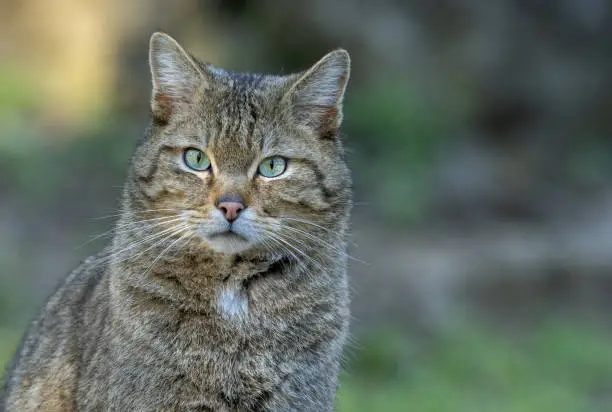
- Fur Its coat is bushy and thick, featuring stripes as well as a distinct hairstyle with a black tip..
- Eyes The HTML0 Eyes model has big eyelids that are expressive and have horizontal pupils that are adapted to night hunting.
- Ears: Ears tend to be pointed, and usually are covered with hair in small amounts like a the lynx.
Fun FACT Fun Fact: The European wildcat’s fur alters little with the seasons getting thicker during winter, to be able to endure frigid temperatures.
3. Habitat and Distribution on European wildcat
Natural Habitat
The European wild cat is at home in dense forest, woodlands as well as grasslands. It is attracted to areas that have plenty of covering, like the thick underbrush and rocky terrains, that offer security from predators, as well as the opportunity for hunting ambush.
Important habitat elements are:
- Forests The deciduous and mixed forests are perfect for hunter and breeding requirements.
- Grasslands open spaces with tall grass provide an excellent habitat for hunting small mammal.
- Remote Zones are a way to avoid the human population, which makes remote areas and unaffected their main habitat.
Geographic Range
The European wild cat is seen in a variety of populations throughout Europe which include:
- Western Europe: France, Spain, and Portugal.
- Central Europe: Central Europe represents the countries that are located in Germany, Switzerland, and Austria.
- Eastern Europe: Eastern Europe comprises the countries lying in Poland, Romania, and the Balkans.
- Northern Europe: Scotland (where it is particularly at risk).
Did You Not Did You Know? Scottish wildcat, which is a variant of the European wild cat, is considered to be one of the mammals that are most threatened within the UK that has less than 100 animals left within the wilderness.
4. Behavior and Lifestyle
Nocturnal Habits
This European wildcats are mostly an nocturnal animal which means it’s most active at night. This is a way to stay clear of contact with people and to hunt better under the protection of darkness.
Hunting and Diet
Carnivores and a carnivore, the European Wild cat’s diet is composed predominantly of
- Mice and small mammals including mice as well as voles and rabbits.
- Birds Birds that nest in the ground and their eggs.
- Reptiles and insects It may eat lizards, frogs or even massive insects.
Hunting Method It is built on stealth and perseverance and stalks its prey, before taking a swipe in a precise manner.
Solitary Nature
It is believed that the European wildcat is an single species It only comes together with other cats during mating time. The cat is extremely protective, marking its territory using the scent glands as well as claw marks on the trees.
5. Reproduction and Lifespan
Mating Season
In this period the males and females battle The male who wins will be paired with the female.
Kitten Development
- Gestation: The female will carry kittens between 60-68 days.
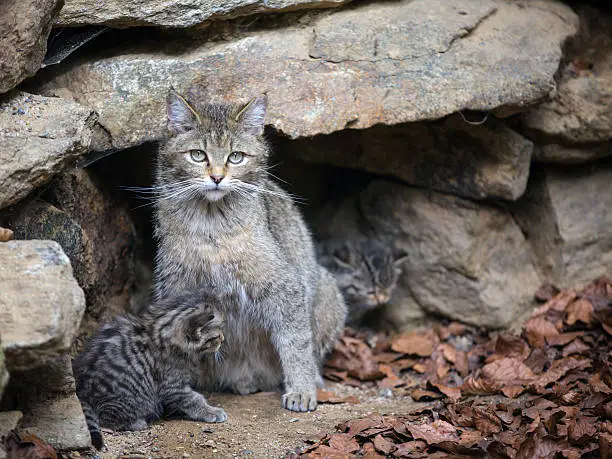
- Cat Size Her birthing is to up to 4 kittens inside a locked hideaway.
- Growth Kittens start out blind and inaccessible, but they get their eyes open within the age of 10. The first time they eat solid food is after six weeks and then become independent after five to six months.
Lifespan
In nature, European wild cats live between 10-12 years. In captivity, they could be as old as fifteen years because of the lack of predators, and the availability of regularly-available meals.
6. Threats and Conservation Status
Endangerment
The European wild cat faces a myriad of dangers, such as:
- Habitat loss Urbanization and deforestation decrease its habitat.
- Hybridization Inbreeding with domestic cats taints the genetic purity of the breed.
- Human activity Traffic accidents as well as illegal hunting can pose serious risks.
Conservation Efforts
Many organizations are striving in order to defend various organizations to safeguard the European wild cat. These include:
- Habitat Restoration Habitat Restoration: Reforesting the habitats and creating wildlife corridors.
- Captive Breeding Programmes designed to boost the number of people.
- public awareness Communication with communities on the significance of conservation.
7. Differences Between European Wild Cats and Domestic Cats
On first inspection at first, at first glance, the European wild cat may appear similar to the cat you have in your home.
Physical Differences
| Feature | European Wild Cat | Domestic Cat |
|---|---|---|
| Size | Larger (3-8 kg, 50-80 cm body length) | Smaller (2.5-5 kg, 46-51 cm body length) |
| Fur | More bushy, thinner, and with stripes | More thin, different designs (depending on the breed) |
| Tail | A bushy shrub with black tips | Slimmer, no distinct black tip |
| Ears | Sometimes with hair tufts | Round, without tufts |
| Eyes | The larger size is adapted for night vision | smaller, less suitable to low-light conditions |
Behavioral Differences
- Solitary and. Social: European wild cats are very solitary and territorial. In contrast, domestic cats are more social and are able to thrive in large groups.
- Hunting instincts Wild cats are proficient hunter and possess a powerful prey instinct, while domestic cats could rely on humans to eat.
- Activity patterns The wild cats are purely night-time creatures and domestic cats are able to adapt to the routines of their owners.
Did You know? Hybridization between European wild cats and domestic cats is becoming a major worry, because it is threatening the purity of genetics in the wild cat species.
8. Cultural and Historical Significance
Mythology and Folklore
The European wild cat has been element of European folklore throughout the centuries. It is a part of Celtic mythology the cat was frequently connected with mystery and self-reliance. There were legends that claimed wild cats were the guardians of the forests, guarding their secrets from the humans.
Within German popular culture The wild cat is often portrayed as a symbol for the sly and sneaky, frequently being depicted in stories as a clever trickster.
Historical Presence
The historical record suggests that historically, the European wildcat was a common sight throughout Europe across in the Iberian Peninsula to the Caucasus Mountains. As human populations were growing and forests cut down, their habitats were reduced drastically.
An Interesting Fact In the Middle Ages, wild cats were frequently hunted to get their fur. This fur was utilized to create garments and accessories.
9. Interesting Facts About European Wild Cats
Unique Traits
- The elusive nature: European wild cats are extremely timid and shy. They avoid contact with humans and are therefore difficult to observe in the natural.
- Vocalizations In contrast to domestic cats, wild cats seldom make a meow. In their place, wild cats communicate with grunts, hisses and purrs.
- Flexibility is that they can live in various ecosystems ranging from dense forest to mountainside rocky.
Fun Facts
- Old Lineage A: The European wild cat has been among of the most ancient feline species that has ancestors who date thousands of years back.
- Superior Hunters Instinct Hunters-Superior hunters have a sixty to seventy percent hunting success, while domestic cats have only thirty percent.
- Masters of Camouflage:
- Stripes on the coat allow these animals to blend into their environment and become virtually invisible to their prey and predators.
10. How to Spot a European Wild Cat
Identification Tips
Being able to spot an European wild cat out in the wild can be an amazing and rare moment. This is how you can identify if you’ve observed one of them:
- Search for size The cats are bigger and more bulkier than domestic cats.
- The Tail A long, bushy tail that has a black edge is an indication.
- Watch Behavior The wild cat is very cautious and avoid human beings at all cost.
Best Places to See Them
If you’re trying to get an image of an European wildcat, think about the following regions:
- Scotland The Scottish Highlands are one of the strongestholds remaining for this species.
- Germany Germany: It is the Black Forest and Harz Mountains are famous by their roosting populations of wild cats.
- France The Pyrenees as well as the Jura Mountains are great places to see the mountains.
Pro Tips Be sure to visit in the early morning or at dusk because this is the time the time when they’re most actively.
13. The Challenges Facing the European Wild Cat
It is believed that the European wildcat is an extremely resilient species. However, it’s facing many threats to the survival of its species. Recognizing these threats can be the initial step towards conserving this magnificent animal.
1. Habitat Loss and Fragmentation
- Deforestation The logging industry and land conversion for agricultural use have caused the destruction of vast areas of wild cat’s habitat.
- Urbanization Human settlements that are growing over their territory which leaves them with fewer habitats to live in and hunting.
- Fragmentation Infrastructure and roads create barriers between habitats, isolating species and diminishing the genetic variety.
Did you know? Fragmented habitats make difficult for wild cats to meet a new mate, leading to increased inbreeding as well as a decrease in the health of populations.
2. Hybridization Domestic Cats
One of the most significant threats to the European wild cat is hybridization–breeding with domestic cats. It weakens the pure genetics of the wild cat and reduces the ability of it to thrive in the wild.
- Reasons The cause is that feral and wild domestic cats usually are in the same area that wild cats do, increasing chances of crossbreeding.
- Impact Hybrid offspring could be deficient in the instincts and adaptations needed to survive in the natural world.
3. Human-Wildlife Conflict
- Road accidents Wild cats die due to vehicles when they cross roads that traverse their natural habitats.
- Hunting that is illegal While protected under laws, wild cats often are hunted in pursuit of their fur as well as for trophy hunting.
- Poisoning Direct poisoning caused by rodenticides in the agriculture industry can affect wild cats eating food items that are contaminated.
14. Conservation Efforts
However, despite these obstacles There is still some hope to even the European wildcat. Conservation groups and government agencies work tirelessly to save the habitat of this cat and its species.
1. Habitat Restoration
- Reforestation Reforestation: planting trees and recovering degraded forests in order to provide an appropriate ecosystem.
- Wildlife Corridors Construction of tunnels and bridges to link areas of habitat that have been separated, which allows wild cats to roam freely and in a safe manner.
2. Captive Breeding Programs
- Breeding centers Facilities such as that of the Highland Wildlife Park in Scotland are breeding wild cat litters in captivity, thereby increasing their population.
- Reintroduction The goal is to release wild cats that are captive-bred into protected areas in order to increase wild population.
3. Public Awareness and Education
- Social Engagement: Informing local communities on the significance of conservation efforts for wild cats.
- Citizen Science: Inviting the public to share observations and to be involved in the monitoring of programmes.
4. Legal Protection
- Protection Status Protected Status: The European wildcat has been protected as protected under the Bern Convention and the Habitats Directive for the EU that prohibit hunting and require protection of habitat.
- Anti-Poaching Strategies The goal is to strengthen laws and enforcers to stop illegal hunting.
15. How You Can Help
There is no need to be either a conservationist or scientist to be a part of the solution. There are many ways that you can be a part of the conservation of this species: European wildcat:
1. Support Conservation Organizations
Volunteer or donate to groups that are dedicated to the conservation of wild cats like:
- World Wildlife Fund (WWF)
- Wildcat Haven
- IUCN Cat Specialist Group
2. Spread Awareness
- Sharing Information Make use of social media sites to help educate people on the European wild cat’s situation and how it is affecting them.
- Host events Organise local activities or fund-raisers to help support conservation initiatives.
3. Reduce Your Environmental Impact
- Green Choices Help sustain environmentally sustainable forestry and agricultural methods that help protect habitats for wildlife.
- Reuse, Reduce Recycling, Reduce Reduce polluting and waste to make a the environment to be healthier for every species.
4. Report Sightings
If you are a resident the area that are where European wild cats can be found Report any observations to local wildlife officials or conservation organizations. Your reports can assist researchers monitor populations and pinpoint important habitats.
16. The Future of the European Wild Cat
The European wild cat’s survival depends on the collective effort of all of us to combat the dangers the cat faces. Although the threats are substantial however, the work done so has shown that recovery is feasible.
- Story of Success In certain regions conservation efforts have resulted in an increase in population. In particular, reintroduction programmes in Germany have been successful in establishing wild cat populations that are not previously present.
- In-progress Research Scientists are currently investigating wild cat behaviour along with genetics, ecology, and behavior to come up with more efficient conservation methods.
18. The European Wild Cat in Culture and History
The European wild cat has been an integral element of the human cultural and the past for many long periods of time. Its elusive nature as well as its striking design have inspired myths as well as legends and art. We’ll explore the significance of its culture throughout Europe.
Mythology and Folklore
- Celtic Legends On the basis of Celtic mythology wild cats were commonly regarded as a symbol of self-reliance and the mystery. The mythology believed that it was an ancestor of the forest and was believed to guard the secrets of the forest from human.
- German Folklore: In Germany the wild cat could be depicted as a smart tricker, who outwits hunters as well as other animals in stories.
- Scottish Lore: In Scotland cats were considered to symbolize the strength and endurance, frequently seen in clan symbolism and heraldry.
Historical Significance
- Medieval Europe: In the Middle Ages, wild cats were hunted to get furs, and the fur was then used to create outfits and clothing to the rich.
- A symbol of wildness The wild cat has been for a long time a symbol of wild nature that represents the wilderness and the unexplored regions of Europe.
Fun Fakt Some traditions, seeing wild cat was thought to be to be a sign of luck. In other cultures the world, it was considered an indicator of danger.
19. Fascinating Stories and Legends
The Wild Cat and the Hunter
The most well-known legend of the tale of a hunter, who attempted to catch a wild cat. Despite his best efforts the cat was always able to escape and lead the hunter on an exciting hunt through the woods. At the end of the day the hunter understood that the cat was instructing him an important lesson on being respectful of nature and the boundaries it sets.
The Guardian of the Forest
Another story tells of an animal was believed to protect a treasure in the woods. Only those who exhibited love and respect for the cat could discover the treasure. those who attempted to grab the prize with violence were led to the wrong direction and subsequently lost for good.
The Wild Cat’s Curse
A few stories speak of the curse imposed by a wild cat to anyone who does harm to it. According to legends those who kill a wild cat is cursed by its spirit until they can make amends.
20. The European Wild Cat in Art and Literature
It is believed that the European wild cat also created its own mark in literature and art.
- Illustrations Wild cats are depicted in manuscripts from the medieval period and Renaissance paintings. They are often symbolic of the wilderness and freedom.
- Literature authors such as Robert Louis Stevenson and Sir Walter Scott have referenced wild cats in their work by using them as symbol of wild nature.
- Modern Media: The wild cat has continued to be a major inspiration to writers and artists, appearing on documentaries and wildlife photos as well as video games.
21. Final Thoughts
The European wild cat is much more than a mere predator. It’s also symbolizing Europe’s natural heritage, and an indicator about the fragile balance that exists between animals and humans. Though its future isn’t certain however, the work by conservationists, scientists, and a few zealous individuals offer optimism.
Through learning more about this amazing species, encouraging conservation initiatives as well as spreading awareness everyone can play a part in helping to ensure the future for the European wildcat.
Call-to-Action: Tweet this story to encourage others to think regarding this European wild cat. Also, think about donating to groups like that of the World Wildlife Fund (WWF) or Wildcat Haven. Together together, we can change the world.
22. FAQs
What’s the historical importance of European wildcat?
The European wild cat is the symbol of self-determination in the wilderness, mystery, and adventure across different cultures. It has been featured in stories, legends and even in artwork.
Do you know of any famous tales about The European wildcat?
True, stories like “The Wild Cat and the Hunter” as well as “The Guardian of the Forest” illustrate the innateness of wild cats and their connections to nature.
What does the European wild cat influenced the art and the literature of Europe?
Wild cats are often depicted in manuscripts from the Middle Ages, Renaissance paintings, and the media of today, usually depicting wildness and freedom.
What could I do to assist to save European Wildcat?
Join conservation organizations, increase awareness, and make mindful choices to safeguard their ecosystems.

