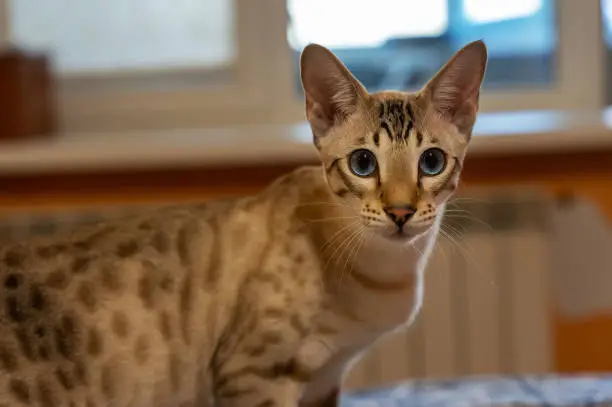
The world of exotic pets is fraught with intrigue and complexity, often drawing individuals seeking a unique connection with the wild. Among the most captivating creatures in this realm is the Asian leopard cat (Prionailurus bengalensis), a diminutive wild feline renowned for its stunning, pattern-spotted coat and a palpable aura of untamed grace. At a fleeting glance in its natural habitat, one might mistake it for a large, feral domestic cat. However, this initial impression is profoundly deceptive. The leopard cat is a genuine wild animal, possessing deeply ingrained instincts for hunting, territoriality, and survival that starkly differentiate it from the common house cat.
The existence of this magnificent species is increasingly precarious. Facing relentless pressure from habitat destruction, the illegal wildlife trade (where they are captured for the pet market or their fur), and the looming specter of climate change, the most pressing concern for the Asian leopard cat is its conservation and survival in the wild. This article will delve into the intricate reality of this species, exploring what truly distinguishes it from other felids and the severe environmental threats it confronts. Most critically, we will address the central, challenging question: Is the Asian leopard cat a suitable pet?
Quick Summary for Fast Readers
- Scientific Name: Prionailurus bengalensis
- Habitat: Dense tropical forests, temperate forests, mangroves, grasslands, and wetlands across vast regions of Asia.
- Diet: Obligate carnivore; primarily small mammals, birds, amphibians, reptiles, and insects.
- Behavior: Solitary, territorial, and primarily nocturnal. Not a social species.
- Conservation Status: Classified as Least Concern by the IUCN, but populations are declining due to deforestation, poaching, and hybridization with domestic cats.
- Human Interaction: Best known for its hybridization with domestic cats, resulting in the popular Bengal cat breed. Private ownership of pure Asian leopard cats is highly discouraged and often illegal.
Do you want to delve deeper into the mystery of the Asian Leopard Cat? Continue reading for a thorough exploration of this intriguing animal, its biology, its plight, and the stark realities of keeping a wild spirit in a domestic setting.

Understanding the Wild Nature of the Asian Leopard Cat
To even begin to contemplate the suitability of the Asian leopard cat as a pet, one must first develop a fundamental understanding of its biology, behavior, and ecological role. This foundation is crucial to appreciating why this animal is fundamentally different from the cat sleeping on your sofa.
1. Taxonomy and Classification
The Asian leopard cat occupies a distinct branch on the feline family tree. Its scientific classification places it firmly among wild felids, separate from our domestic companions.
Scientific Classification
| Category | Classification |
|---|---|
| Kingdom | Animalia |
| Phylum | Chordata |
| Class | Mammalia |
| Order | Carnivora |
| Family | Felidae |
| Genus | Prionailurus |
| Species | Prionailurus bengalensis |
The Asian Leopard Cat is the namesake member of the Genus Prionailurus, a group that includes other small, fascinating wild cats native to Asia, such as the Rusty-Spotted Cat (Prionailurus rubiginosus) and the Fishing Cat (Prionailurus viverrinus). This genetic relationship highlights its wild origins and its evolutionary path, which is separate from the Genus Felis, which includes the domestic cat (Felis catus).
Subspecies and Regional Variations
The Asian Leopard Cat exhibits remarkable adaptability, which is evidenced by the numerous subspecies recognized across its vast range. These subspecies have evolved slight variations in size, coat color, and pattern to best suit their specific environments.
There are over ten distinct subspecies of the Asian Leopard Cat. Some of the most notable include:
- P. b. bengalensis: The nominate subspecies, found throughout mainland Southeast Asia.
- P. b. euptilura: Often called the Amur Leopard Cat, native to the Russian Far East (Primorsky Krai), parts of northern China, and the Korean Peninsula. This subspecies is larger and has thicker fur to withstand colder climates.
- P. b. iriomotensis: The Iriomote cat, found only on the tiny Japanese island of Iriomote-jima. This population is critically endangered and is sometimes considered a separate species.
- P. b. sumatranus: Native to the Indonesian island of Sumatra and surrounding areas.
These regional variations showcase the incredible adaptive radiation of the species, allowing it to thrive in environments ranging from snowy mountainous regions to humid tropical rainforests. This adaptability, however, is a trait of a wild animal surviving in its niche, not an indicator of domesticity.
2. Physical Description
While its spotted coat may remind one of a tabby or a Bengal cat, a closer look reveals the refined features of a professional predator built for life in the wild.
Size and Appearance
The Asian leopard cat is often described as being similar in size to a large domestic cat, but its build is typically more slender, athletic, and elongated.
| Feature | Details |
|---|---|
| Body Length | 35 – 65 cm (14 – 26 in) |
| Tail Length | 15 – 35 cm (6 – 14 in) |
| (Approximately half the length of its body) | |
| Weight | 1.6 – 8 kg (3.5 – 17.6 lbs) |
| Fur Color | Yellowish-brown to grayish-yellow background |
| Covered in dark spots and rosettes | |
| Head Markings | Prominent white muzzle and two dark stripes running from the eyes to the back of the head. |
| Eyes | Large, amber, gold, or grey-green; excellent for night vision. |
| Ears | Rounded with a distinctive white spot (ocelli) on the back, a common wild cat feature. |
Its most striking feature is its beautifully spotted coat, which provides exceptional camouflage amidst dappled forest light and vegetation. The tail is long, often with dark rings, and aids immensely with balance while navigating the complex arboreal environment.
Regional Variations in Appearance
The physical form of the Asian leopard cat is a direct response to its environment:
- Northern populations (like P. b. euptilura) are generally larger and heavier with denser, paler fur to conserve heat in colder climates. Their spotting can be less distinct.
- Tropical subspecies tend to be smaller and more slightly built with a thinner, brighter coat and more vivid, contrasting markings.
- The critically endangered Iriomote Leopard Cat has a darker, more uniform coat with less distinct spots, an adaptation to its dense, dark island forest home.
3. Distribution and Habitat
The Asian Leopard Cat boasts one of the most extensive distributions of all small wild cats, a testament to its incredible ecological versatility. Understanding the breadth of its natural home is key to understanding why confining it is so challenging.
Geographical Range
Its range stretches across a massive portion of continental and insular Asia, including:
- South Asia: India, Nepal, Bangladesh, Bhutan.
- Southeast Asia: Myanmar, Thailand, Laos, Cambodia, Vietnam, Malaysia.
- East Asia: China, Taiwan, North and South Korea.
- The Russian Far East: Primorsky Krai and the Amur region.
- Insular Southeast Asia: The Philippines, Indonesia (Sumatra, Java, Borneo), and Japan (Iriomote Island).
Preferred Habitats
This species is a habitat generalist but shows a strong preference for areas offering cover and proximity to water. Its primary habitats include:
- Tropical Rainforests: Offering abundant prey and dense canopy cover.
- Temperate Broadleaf Forests: Particularly in the northern parts of its range.
- Mangrove Swamps & Riverine Environments: They are excellent swimmers and often forage in wetlands.
- Coniferous Forests: In mountainous regions like the Himalayas and the Russian taiga.
- Scrublands and Agricultural Areas: They can adapt to human-modified landscapes, though this increases the potential for human-wildlife conflict.
This adaptability to different forest types and even agricultural land demonstrates a resilience that is admirable in a wild setting but does not equate to an ability to thrive in a human home.
Threats to Habitat
The primary threat to the Asian leopard cat is the large-scale and rapid loss and fragmentation of its habitat. This is driven by:
- Deforestation for timber, agriculture (especially palm oil and rubber plantations), and urban development.
- Conversion of wetlands for aquaculture and other industries.
This relentless destruction forces leopard cats into closer contact with human settlements, leading to conflicts such as poultry predation and, tragically, retaliatory killings. It also creates isolated populations that are more vulnerable to other threats.

4. Behavior and Ecology
This is where the fundamental divide between the Asian leopard cat and a domestic pet becomes most apparent. Its every behavior is honed by evolution for a life of solitary survival in the wild.
Activity Patterns
- Primarily Nocturnal and Crepuscular: They are most active during the night, dawn, and dusk. This is when their primary prey is also active and their camouflage is most effective. A pet leopard cat would be most active when its owners are trying to sleep.
- Solitary Nature: Outside of the breeding season or a mother with her kittens, these cats are strictly solitary. They do not have an innate desire for social companionship with other cats or humans. They are highly territorial and will defend their home range from intruders.
Diet and Hunting Ecology
The Asian leopard cat is an obligate carnivore and an opportunistic, agile hunter. Its diet is diverse and reflects its habitat:
- Small mammals: Rodents (mice, rats, voles) and shrews constitute the bulk of their diet.
- Birds: They are skilled climbers and will prey on birds and their eggs.
- Amphibians, Reptiles, and Insects: Lizards, frogs, and large insects are common food sources.
- Occasional larger prey: Rarely, they may take hares or small deer fawns.
Their hunting technique is the classic feline stalk-and-pounce, utilizing their incredible stealth and agility. This strong predatory drive is not a switch that can be turned off; it is an intrinsic part of their being.
Social Structure and Communication
Communication is essential for maintaining territory and finding mates. Asian leopard cats communicate through:
- Vocalizations: While they can meow, hiss, and growl like domestic cats, their repertoire is more suited for long-distance communication in the wild.
- Scent Marking: They use urine, feces, and scent glands on their cheeks and paws to mark territory and convey reproductive status. This behavior would be highly problematic in a home environment.
- Body Language: Subtle ear movements, tail flicks, and body postures are used for close-range communication, typically as warnings.
Conservation, Hybrids, and the Reality of Ownership
In Part 1, we established the fundamental wild nature of the Asian leopard cat—its biology, behavior, and ecological role. This foundation is critical as we now turn to the pressing issues that threaten its existence in the wild and the complex ethical and practical dilemmas surrounding its place in the human world. The intersection of conservation, commerce, and captivity creates a challenging landscape that any potential owner must seriously consider.
5. Conservation Status and Threats
Despite its wide distribution, the Asian leopard cat faces significant pressures that are causing population declines across its range. Understanding these threats is essential to appreciating why removing them from the wild for the pet trade is so damaging.
Current IUCN Status
The International Union for Conservation of Nature (IUCN) Red List currently classifies the Asian Leopard Cat as Least Concern. This classification can be misleading, as it reflects the species’ wide distribution rather than the health of individual populations. A “Least Concern” status does not mean the species is safe; it means it is not currently at immediate risk of global extinction. However, this status is under constant review, and regional populations are often critically endangered.
- The Iriomote Cat (P. b. iriomotensis)* is classified as Critically Endangered with an estimated population of fewer than 250 mature individuals, threatened by habitat loss, road accidents, and hybridization with domestic cats.
- The Tsushima Leopard Cat (P. b. euptilura)* is listed as Endangered on the Japanese Red List.
Primary Threats to Survival
The overarching threats to the Asian leopard cat are human-driven:
- Habitat Destruction and Fragmentation: This is the single greatest threat. Rampant deforestation for agriculture (e.g., palm oil, rubber, tea plantations), logging, and urban expansion destroys the forests and wetlands they depend on. Fragmented populations become isolated, leading to inbreeding and reduced genetic diversity.
- Poaching and the Illegal Wildlife Trade: Asian leopard cats are hunted for their beautiful pelts, for use in traditional medicines, and for the live animal trade. They are often captured to be sold as exotic pets to unknowing or unscrupulous buyers, a process that is incredibly stressful and often fatal for the animal.
- Human-Wildlife Conflict: As their habitats shrink, leopard cats are forced into agricultural areas and human settlements where they may prey on poultry. This leads to retaliatory killings by farmers.
- Roadkill: Roads cutting through their habitats result in significant mortality from vehicle collisions.
- Hybridization with Domestic Cats: In areas where their ranges overlap with feral domestic cats, interbreeding can occur. This dilutes the genetic purity of the wild Asian leopard cat population, which is a significant conservation concern, especially for vulnerable subspecies like the Iriomote cat.
Conservation Efforts
Thankfully, numerous efforts are underway to protect this species:
- Legal Protection: The Asian leopard cat is listed on CITES (Convention on International Trade in Endangered Species) Appendix II. This means that international trade in the species is strictly regulated and requires special permits to ensure it is legal and sustainable. It is also nationally protected in most countries within its range (e.g., India, Bangladesh, Thailand).
- Protected Areas: The establishment and effective management of national parks and wildlife sanctuaries within its range are crucial for providing safe havens.
- Captive Breeding Programs: Reputable zoos and conservation centers participate in coordinated breeding programs (like EAZA’s EEP or AZA’s SSP) to maintain genetically healthy backup populations and support research.
- Research and Monitoring: Scientists use camera traps, radio collaring, and genetic studies to monitor wild populations, understand their ecology, and inform conservation strategies.
6. Interaction with Humans: The Bengal Cat vs. The Pure Asian Leopard Cat
This is the most common point of confusion and the origin of the question about keeping these cats as pets. It is vital to understand the stark difference between a domestic Bengal cat and a pure Asian leopard cat.
The Origin of the Bengal Cat Breed
The popular Bengal cat breed is the result of hybridization between a domestic cat (Felis catus) and an Asian leopard cat (Prionailurus bengalensis). The breed was developed in the 1970s and 1980s by visionaries like Jean Mill, who aimed to create a cat with the stunning wild appearance of the leopard cat but the temperament of a domestic companion.
The breeding process is strictly regulated by registries like The International Cat Association (TICA). The first cross between an ALC and a domestic cat is called an F1 (Filial 1) hybrid. An F1 Bengal is 50% wild. An F1 female is then bred back to a domestic male, producing an F2 (25% wild), and so on. TICA and other responsible registries only accept Bengals from the F4 generation and beyond (SBT – Stud Book Tradition) for championship status. These cats are considered to have stable, domestic temperaments.
Key Differences: Wild Blood vs. Domestic Temperament
| Feature | Pure Asian Leopard Cat | Bengal Cat (SBT F4+) |
|---|---|---|
| Legal Status | Often illegal to own without special permits; protected by CITES. | Legal to own as a domestic pet in most places (some localities restrict). |
| Temperament | Wild, secretive, solitary, and high-strung. Does not seek human affection. Prone to stress in captivity. | Domesticated, social, and playful. Bonds with humans; temperament is predictable and friendly. |
| Housing Needs | Requires immense, specialized, secure, and enriched enclosures. Cannot be a house pet. | Can thrive as an indoor-only house cat with appropriate enrichment. |
| Veterinary Care | Requires a veterinarian specialized in exotic wildlife; stress of handling is a major concern. | Can be seen by most competent general practice vets for cats. |
| Litter Box Habits | Unpredictable and instinct-driven; will mark territory with urine and feces. | Can be reliably litter box trained like a domestic cat. |
| Diet | Requires a complex, whole-prey-based diet (e.g., rodents, chicks). | Thrives on high-quality commercial cat food. |
The crucial takeaway is this: A Bengal cat, from a responsible breeder, is a domestic cat. A pure Asian leopard cat is a wild animal. They are not the same. The appealing spotted coat of the Bengal has, unfortunately, created a demand for the wild animal it was derived from, fueling the illegal pet trade.
The Illegality and Ethical Concerns of Ownership
For the vast majority of people, owning a pure Asian leopard cat is not only a bad idea but also illegal.
- Local and National Laws: Many countries, and even states or cities within countries (like the USDA in the U.S.), prohibit or strictly regulate the private ownership of native and non-native wildlife. Permits are typically only granted for accredited zoos, sanctuaries, and educational facilities.
- Animal Welfare: Keeping a wild animal in a domestic environment is profoundly unfair to the animal. It denies them the ability to express their natural behaviors, leads to chronic stress, and often results in neurotic behaviors, aggression, and self-harm.
- Public Safety and Zoonotic Disease: Wild cats can be unpredictable and may bite or scratch, posing a risk to people. They can also carry diseases transmissible to humans (zoonoses) and domestic pets.
The Verdict and How to Responsibly Appreciate Wild Cats
We have journeyed through the biology of the Asian leopard cat, understood its critical conservation status, and drawn a clear, bright line between the wild progenitor and its domestic descendant, the Bengal cat. We now arrive at the ultimate purpose of this exploration: to synthesize this information into a definitive answer to our initial question and to provide a pathway for ethically engaging with and supporting this magnificent species.
The Definitive Verdict: Is the Asian Leopard Cat a Suitable Pet?
No, the pure Asian leopard cat (Prionailurus bengalensis) is unequivocally not a suitable pet for private ownership.
This conclusion is not based on a subjective opinion but on an objective analysis of the animal’s fundamental needs and nature, which are irreconcilable with a domestic setting.
Summary of Key Reasons Against Ownership:
- Instinctual Wild Nature: Their solitary, nocturnal, and territorial behaviors are hardwired for survival in the wild. Confinement in a home leads to immense stress, fear, and frustration. They lack the domesticated desire for human companionship.
- Specialized and Demanding Care: Their needs extend far beyond what any typical household can provide. They require:
- A large, secure, and enriched outdoor enclosure that mimics their natural habitat with climbing structures, hiding places, and water features.
- A specific raw, whole-prey diet that is difficult and expensive to source and prepare correctly.
- Specialized veterinary care from a professional experienced with exotic wildlife, which is rare and costly. Routine procedures become high-risk due to the stress of handling.
- Legal and Ethical Restrictions: Private ownership is illegal in many jurisdictions without specific permits typically reserved for educational and conservation institutions. Even where legal, it is widely considered unethical to keep a wild animal for personal enjoyment, as it prioritizes human desire over animal welfare.
- Safety Risks: A stressed or frightened wild cat, even a small one, can cause serious injury with its bites and scratches. Their behavior is inherently unpredictable in an unnatural environment.
- Conservation Harm: Demand for these animals as pets fuels the illegal wildlife trade, which involves cruel capture methods and high mortality rates. Removing individuals from wild populations further threatens their stability.
The Responsible Alternative: The Bengal Cat
If you are captivated by the stunning beauty of the Asian leopard cat, the only responsible way to welcome that aesthetic into your home is through a domestic Bengal cat from a reputable breeder.
A well-bred Bengal from generations removed from the wild (SBT) offers the mesmerizing spotted or marbled coat and athletic grace of its wild ancestor but with the predictable, social, and affectionate temperament of a domestic cat. However, prospective Bengal owners must still do their homework:
- Choose an Ethical Breeder: Reputable breeders health-test their cats, prioritize temperament, and will never sell kittens too early. They are transparent about their breeding practices and the generation of their cats.
- Understand the Breed’s Needs: Bengals are high-energy, intelligent, and demanding cats. They require ample playtime, interactive toys, puzzle feeders, and dedicated engagement from their owners to prevent boredom and destructive behaviors.
- Ensure Legality: Some regions have restrictions on Bengal ownership, particularly for earlier generations (F1-F3). Always check your local laws.
How to Truly Help and Appreciate the Asian Leopard Cat
Our fascination with a species should translate into actions that ensure its survival and prosperity in its natural domain. Here are meaningful ways to channel your admiration for the Asian leopard cat into positive impact:
- Support Conservation Organizations: Donate to or volunteer with groups dedicated to preserving wild cats and their habitats. Organizations like the IUCN Cat Specialist Group, Panthera, and World Wildlife Fund (WWF) work on ground-breaking research and conservation initiatives across Asia.
- Visit Accredited Zoos and Sanctuaries: Support institutions that participate in legitimate Species Survival Plans (SSPs). These facilities provide high-quality care for their animals, contribute to vital research, and offer educational programs that foster public support for conservation. They provide a safe and ethical way to observe these animals.
- Make Sustainable Choices: Consumer decisions here can impact habitats abroad. Choose products that support sustainable forestry (look for FSC certification) and deforestation-free commodities to help protect the vast forests the leopard cat calls home.
- Educate and Advocate: Share your knowledge. When you see misinformation about keeping exotic pets, politely educate others on the realities and welfare concerns. Advocate for stronger laws against the illegal wildlife trade.
- Responsible Ecotourism: If you travel to countries within the leopard cat’s range, choose tour operators committed to ethical, low-impact wildlife viewing that respects animals and contributes to local economies and conservation efforts.

Conclusion
The Asian leopard cat (Prionailurus bengalensis) is a testament to nature’s artistry—a perfectly adapted, resilient, and breathtakingly beautiful wild feline. Our responsibility is not to possess it but to protect it. The desire to own a piece of the wild is understandable, but true respect for this animal means acknowledging that its rightful place is not in our homes but in the dense rainforests, mangroves, and temperate woodlands of Asia.
By appreciating it from afar, supporting its conservation, and opting for the domestic beauty of the Bengal cat if we wish for a companion, we can ensure that the spotted shadow of the Asian leopard cat continues to move through the wild for generations to come. Let us be advocates for its freedom, not agents of its confinement.