The Selkirk Rex cat is one of the most distinctive and lovable cat breeds in the world. With its plush, curly coat, round face, and relaxed personality, it’s often described as looking like a stuffed teddy bear—or even a tiny sheep. Unlike many other curly-coated cats, the Selkirk Rex has a naturally dense, soft coat that gives it a unique appearance while maintaining a sturdy, muscular build.
Over the past few decades, this rare breed has gained popularity among cat enthusiasts looking for a pet that combines beautiful looks, a calm temperament, and affectionate companionship. Whether you’re a first-time cat owner or an experienced feline lover, the Selkirk Rex has qualities that appeal to almost everyone.
One of the breed’s most charming nicknames is the “cat in sheep’s clothing.” The name comes from its naturally curly fur, which resembles the fleece of a sheep rather than the sleek coat of a typical domestic cat. This unusual appearance, paired with an easygoing personality, makes the Selkirk Rex unforgettable.
The breed is especially well suited for:
- Families with children
- Seniors looking for a calm companion
- Apartment dwellers
- Multi-pet households
- First-time cat owners
- People seeking an affectionate indoor cat
In this complete guide, you’ll learn everything you need to know about the Selkirk Rex, including its history, appearance, personality, grooming needs, health concerns, lifespan, diet, training, price, and how to choose a healthy kitten. By the end, you’ll have all the information needed to decide whether this curly-coated companion is the right cat for your home.
Selkirk Rex Cat at a Glance
Before diving into the details, here’s a quick overview of the Selkirk Rex breed.
| Breed Characteristic | Details |
|---|---|
| Origin | United States |
| Breed Group | Domestic Cat Breed |
| Developed In | Montana, USA |
| Size | Medium to Large |
| Weight | 6–16 lbs (2.7–7.3 kg) |
| Height | 9–11 inches |
| Lifespan | 12–15 years (sometimes longer) |
| Coat Type | Curly, Plush, Dense |
| Coat Length | Shorthair & Longhair |
| Coat Colors | Nearly all recognized colors and patterns |
| Eye Colors | Blue, Copper, Gold, Green, Odd-Eyed |
| Temperament | Gentle, Affectionate, Patient |
| Energy Level | Moderate |
| Intelligence | High |
| Grooming Needs | Moderate |
| Shedding | Moderate |
| Hypoallergenic? | No |
| Family Friendly | ⭐⭐⭐⭐⭐ |
| Child Friendly | ⭐⭐⭐⭐⭐ |
| Dog Friendly | ⭐⭐⭐⭐⭐ |
| Apartment Friendly | ⭐⭐⭐⭐⭐ |
| Vocal Level | Low to Moderate |
| Exercise Needs | Moderate |
| Trainability | Easy |
| Average Price | $800–$2,500+ |
History and Origin of the Selkirk Rex
Where Did the Selkirk Rex Originate?
Unlike many ancient cat breeds, the Selkirk Rex has a relatively recent history. The breed originated in Montana, United States, during the late 1980s and quickly attracted attention because of its unusual curly coat.
Its history began entirely by chance when a naturally curly-haired kitten was born in an otherwise ordinary litter. Rather than being the result of planned breeding, the Selkirk Rex emerged from a spontaneous genetic mutation.
This unexpected beginning is one reason the breed remains one of the most fascinating in the cat world.
The Story Behind the First Selkirk Rex
Everything started in 1987 when a litter of kittens was born to a rescued domestic cat in Montana. One kitten stood out immediately because she had an unusually curly coat and curly whiskers.
The kitten, later named Miss DePesto, was adopted by a Persian breeder who suspected her curls represented a completely new genetic mutation.
To test this theory, Miss DePesto was bred with a black Persian cat. The resulting litter included several curly-coated kittens, confirming that the curly coat gene was dominant rather than recessive.
This discovery marked the birth of the Selkirk Rex breed.
Why Is It Called “Selkirk Rex”?
The breed’s name has an interesting story behind it.
Selkirk was chosen in honor of the breeder’s stepfather, making it one of the few cat breeds named after a person.
The word “Rex” refers to the curly coat mutation seen in several other animal breeds.
However, unlike breeds such as the Cornish Rex and Devon Rex, the Selkirk Rex developed from a completely different genetic mutation, giving it a much fuller and denser coat.
Recognition by Major Cat Associations
As the breed gained popularity, major feline organizations began recognizing it.
Today, the Selkirk Rex is recognized by several respected organizations, including:
- Cat Fanciers’ Association (CFA)
- The International Cat Association (TICA)
- Fédération Internationale Féline (FIFe)
- American Cat Fanciers Association (ACFA)
Recognition by these organizations helped establish breeding standards and encouraged responsible breeding practices worldwide.
Breed Development Over the Years
To strengthen the breed while maintaining genetic diversity, early Selkirk Rex cats were carefully crossed with several established breeds, including:
- Persian
- British Shorthair
- Exotic Shorthair
These selective breeding programs contributed to the Selkirk Rex’s:
- Round head
- Muscular body
- Thick plush coat
- Gentle personality
- Excellent health diversity
Today, many breeding organizations have phased out these outcrosses, and most Selkirk Rex kittens are born from established Selkirk Rex bloodlines.
Selkirk Rex Appearance
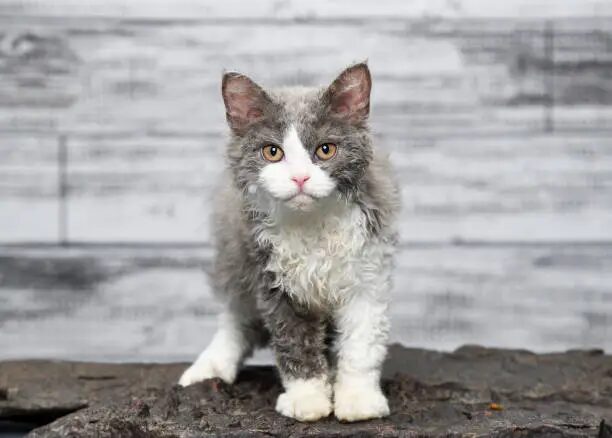
The Selkirk Rex is unlike any other domestic cat. Everything about its appearance—from its curly fur to its rounded face—gives it a soft, cuddly look that wins people over instantly.
Unlike the slender Devon Rex or Cornish Rex, the Selkirk Rex has a solid, muscular body covered in luxurious curls.
Overall Body Structure
The Selkirk Rex has a medium-to-large body with a sturdy frame.
Key characteristics include:
- Broad chest
- Strong shoulders
- Thick neck
- Well-muscled legs
- Rounded paws
- Balanced proportions
Rather than appearing elegant and delicate, the breed looks powerful while remaining incredibly soft.
Curly Coat Explained
The curly coat is what makes the Selkirk Rex famous.
Unlike other Rex breeds that have only the undercoat curled, the Selkirk Rex has curls throughout:
- Guard hairs
- Awn hairs
- Undercoat
This creates a thick, plush texture that resembles wool or fleece.
Interestingly, kittens may be born with tight curls that loosen during adolescence before returning as adults.
Longhair vs. Shorthair Selkirk Rex
The breed comes in two coat varieties.
Longhair
Features include:
- Longer ringlets
- Feathered tail
- Fluffy collar
- More dramatic curls
- Requires more brushing
Shorthair
Characteristics include:
- Dense plush appearance
- Tighter curls
- Easier grooming
- Less tangling
Both varieties have identical personalities, with the primary difference being coat length and maintenance.
Facial Features
The Selkirk Rex has one of the sweetest facial expressions among cat breeds.
Common facial traits include:
- Round cheeks
- Broad muzzle
- Full whisker pads
- Rounded forehead
- Soft expression
Its teddy bear-like face is one of the reasons the breed is so popular on social media.
Eyes
The breed has:
- Large
- Round
- Wide-set eyes
Eye color varies depending on coat color and may include:
- Copper
- Gold
- Green
- Blue
- Odd-eyed combinations
Bright, expressive eyes contribute to the Selkirk Rex’s friendly appearance.
Ears
Selkirk Rex ears are:
- Medium-sized
- Rounded at the tips
- Set wide apart
- Covered with curly fur inside
The ear furnishings often curl just like the rest of the coat.
Tail
The tail is medium in length and proportionate to the body.
It is:
- Thick at the base
- Rounded at the tip
- Covered with curly fur
Longhair Selkirk Rex cats often have especially fluffy tails that resemble feather dusters.
Curly Whiskers
One of the breed’s most charming features is its curly whiskers.
These whiskers:
- Twist naturally
- Curl outward
- Often appear crimped
Curly eyebrows may also be present.
Coat Texture
The Selkirk Rex coat is unlike any other.
Owners often describe it as feeling like:
- Plush velvet
- Soft fleece
- Lamb’s wool
- Teddy bear fur
The coat remains soft without being coarse or wiry.
Size Comparison
| Feature | Male | Female |
|---|---|---|
| Weight | 11–16 lbs | 6–12 lbs |
| Height | 10–11 inches | 9–10 inches |
| Body Type | Heavy, muscular | Medium, sturdy |
Although they look fluffy, Selkirk Rex cats are surprisingly solid when picked up.
Selkirk Rex Colors and Patterns
One of the breed’s greatest attractions is the incredible variety of colors and patterns available. Nearly every recognized feline color can appear on a Selkirk Rex, making each cat truly unique.
Whether you prefer a classic solid-colored companion or an eye-catching tabby with curly stripes, there’s likely a Selkirk Rex to match your preference.
Solid Colors
Solid-colored Selkirk Rex cats have one consistent coat color from head to tail, allowing their plush curls to take center stage.
Popular solid colors include:
- White
- Black
- Blue (gray)
- Cream
- Chocolate
- Lilac
- Red
Because of the breed’s curly coat, even solid-colored cats have a rich, textured appearance that looks luxurious.
Bi-Color
Bi-color Selkirk Rex cats feature a combination of white with another recognized color.
Common combinations include:
- Black and white
- Blue and white
- Cream and white
- Red and white
The contrast between colors often makes their curls even more noticeable.
Tabby
Tabby is one of the most common and admired patterns in the breed.
Selkirk Rex cats can display:
- Classic tabby
- Mackerel tabby
- Spotted tabby
- Ticked tabby
Their curls soften the tabby markings, giving them a unique, almost plush appearance.
Selkirk Rex Colors and Patterns (Continued)
Smoke
Smoke-patterned Selkirk Rex cats have hairs with a pale or silver base and darker-colored tips. This creates a shimmering effect that becomes especially noticeable when the cat moves.
Popular smoke varieties include:
- Black Smoke
- Blue Smoke
- Red Smoke
- Cream Smoke
The breed’s curly coat gives smoke patterns extra depth and dimension, making these cats particularly striking.
Tortoiseshell
Tortoiseshell Selkirk Rex cats combine black, chocolate, or blue with shades of red or cream.
Characteristics include:
- Unique color distribution
- No two coats are identical
- Often associated with female cats
- Beautiful contrast highlighted by the curly coat
Many owners love tortoiseshell Selkirk Rex cats for their one-of-a-kind appearance.
Colorpoint
Colorpoint Selkirk Rex cats have lighter bodies with darker coloring on the:
- Face
- Ears
- Legs
- Tail
These patterns resemble breeds like the Siamese or Himalayan, but the Selkirk Rex’s curly coat gives them an entirely different look.
Rare Coat Colors
Although almost every recognized color is accepted, some are much less common due to selective breeding.
Rare colors include:
- Cinnamon
- Fawn
- Silver
- Golden
- Chinchilla
- Cameo
Rare colors often command higher prices, particularly among show-quality cats.
Which Colors Are Most Popular?
Among pet owners and breeders, the most sought-after colors include:
- Blue
- Black
- White
- Silver Tabby
- Blue Cream
- Black Smoke
- Chocolate
Ultimately, personality and health should always take priority over coat color when choosing a kitten.
Selkirk Rex Personality
The Selkirk Rex isn’t just admired for its unique appearance—it also has one of the most lovable personalities in the cat world. Calm, affectionate, and adaptable, this breed enjoys spending time with people without being overly demanding.
Their balanced temperament makes them an excellent choice for families, singles, seniors, and first-time cat owners alike.
Calm and Gentle Temperament
Selkirk Rex cats are naturally relaxed and easygoing.
Unlike highly energetic breeds that constantly seek attention, the Selkirk Rex prefers a balanced lifestyle that includes:
- Quiet naps
- Gentle play sessions
- Family interaction
- Watching household activities
They rarely display nervous or aggressive behavior when properly socialized.
Affectionate Nature
This breed forms strong bonds with its family members.
Many Selkirk Rex cats enjoy:
- Following owners from room to room
- Sleeping beside people
- Sitting on laps
- Greeting family members at the door
- Being gently held
Although affectionate, they generally respect personal space and won’t constantly demand attention.
Intelligence
The Selkirk Rex is highly intelligent and enjoys learning through play.
Their intelligence shows in their ability to:
- Solve food puzzles
- Learn routines
- Recognize their names
- Understand household rules
- Adapt to new environments
They enjoy interactive toys that challenge both their body and mind.
Playfulness
Despite their calm demeanor, Selkirk Rex cats remain playful throughout adulthood.
Favorite activities include:
- Chasing feather wands
- Batting toy mice
- Playing with balls
- Exploring cat tunnels
- Climbing cat trees
Rather than engaging in nonstop activity, they usually alternate play sessions with long periods of relaxation.
Social Behavior
One of the breed’s greatest strengths is its social personality.
Selkirk Rex cats generally:
- Welcome visitors
- Enjoy family gatherings
- Adapt well to new people
- Like companionship
- Handle change better than many breeds
Early socialization helps reinforce these naturally friendly tendencies.
Independence Level
While they enjoy companionship, Selkirk Rex cats also have an independent side.
Most adults are comfortable spending several hours alone as long as they have:
- Toys
- Scratching posts
- Comfortable resting places
- Window views
- Regular human interaction before and after your absence
They are less likely to develop separation anxiety than highly dependent breeds.
Lap Cat or Active Cat?
The Selkirk Rex offers an ideal balance.
They enjoy:
✔ Relaxing beside their owners
✔ Playing interactive games
✔ Exploring the home
✔ Climbing occasionally
✔ Taking frequent naps
This combination makes them suitable for households with varying activity levels.
Do Selkirk Rex Cats Like Cuddling?
Yes.
Most Selkirk Rex cats genuinely enjoy physical affection.
Many happily:
- Curl up on laps
- Sleep beside owners
- Accept gentle hugs
- Enjoy being brushed
- Relax during petting sessions
Every cat has an individual personality, but the breed as a whole is known for being exceptionally affectionate.
Are They Talkative?
Compared to breeds such as the Siamese, Selkirk Rex cats are relatively quiet.
They communicate through:
- Soft meows
- Gentle chirps
- Purring
- Body language
Their calm vocal style makes them ideal for apartment living.
Do They Like Strangers?
Generally, yes.
While some cats may initially observe from a distance, most Selkirk Rex cats warm up quickly to friendly visitors.
Their relaxed temperament means they are less likely to hide for long periods when guests arrive.
Selkirk Rex Size, Weight & Growth
Although their fluffy coat makes them appear larger than they actually are, Selkirk Rex cats are medium-to-large felines with a sturdy, muscular build.
Male Size
Adult males typically weigh:
- 11–16 pounds (5–7.3 kg)
Height:
- 10–11 inches
They develop broad shoulders and a powerful body.
Female Size
Adult females are slightly smaller.
Average weight:
- 6–12 pounds (2.7–5.5 kg)
Height:
- 9–10 inches
Females maintain the breed’s characteristic round appearance while remaining more compact.
Growth Stages
Like many medium-to-large cat breeds, Selkirk Rex cats mature gradually.
| Age | Development |
|---|---|
| Birth–8 weeks | Rapid growth |
| 2–6 months | High energy, playful |
| 6–12 months | Adult coat begins developing |
| 12–18 months | Muscle development continues |
| 18–24 months | Full adult size reached |
Kitten Development Timeline
During their first year, owners should expect several coat changes.
It’s normal for kittens to:
- Be born with tight curls
- Lose some curls during adolescence
- Develop mature curls later
- Experience coat texture changes with age
This natural process often surprises new owners but is completely normal.
When Do Selkirk Rex Cats Stop Growing?
Most reach full physical maturity between:
18 and 24 months
Their muscular build continues developing even after they reach their adult height.
Selkirk Rex Lifespan
The Selkirk Rex is generally considered a healthy breed with a relatively long lifespan.
Average Lifespan
Most healthy Selkirk Rex cats live:
12–15 years
With excellent care, some individuals live:
16–20 years
Factors Affecting Longevity
Several factors influence lifespan:
- Genetics
- Diet
- Exercise
- Veterinary care
- Weight management
- Indoor lifestyle
- Dental health
Cats from responsible breeders typically enjoy better long-term health.
Tips to Help Them Live Longer
To maximize your Selkirk Rex’s lifespan:
- Feed a balanced, high-quality diet.
- Keep vaccinations current.
- Schedule annual veterinary checkups.
- Maintain a healthy weight.
- Brush their coat regularly.
- Encourage daily exercise.
- Keep them indoors to reduce injury and disease risks.
- Provide mental stimulation with toys and interactive play.
Selkirk Rex Temperament with Families
One reason this breed has become increasingly popular is its exceptional adaptability to different households.
Are Selkirk Rex Cats Good Family Pets?
Absolutely.
They combine:
- Patience
- Affection
- Calmness
- Intelligence
- Adaptability
These qualities make them excellent companions for families of all sizes.
With Children
Selkirk Rex cats generally do very well with respectful children.
They are:
- Patient
- Gentle
- Playful
- Tolerant of handling
- Unlikely to scratch without reason
Children should still be taught to handle cats gently and respectfully.
With Seniors
Their calm personality makes them ideal companions for older adults.
Benefits include:
- Quiet temperament
- Moderate exercise needs
- Enjoyment of cuddling
- Predictable routines
- Low tendency toward destructive behavior
With First-Time Owners
The Selkirk Rex is often recommended for beginners because they are:
- Easygoing
- Forgiving
- Adaptable
- Easy to train
- Social
They don’t require the constant stimulation demanded by more active breeds.
With Couples
Couples often appreciate the breed because it enjoys companionship without being overly needy.
The cat usually bonds with multiple family members rather than a single favorite person.
With Single Owners
Individuals living alone also benefit from the Selkirk Rex’s affectionate personality.
The breed provides companionship while remaining independent enough to tolerate normal work schedules.
Compatibility with Other Pets
One of the Selkirk Rex’s greatest strengths is its ability to coexist peacefully with other animals.
Dogs
When introduced gradually, Selkirk Rex cats usually adapt well to cat-friendly dogs.
They tend to remain calm rather than reactive, which helps create positive interactions.
Cats
They generally enjoy living with other cats, especially those with similar energy levels.
Many owners report that Selkirk Rex cats become close companions with feline housemates.
Small Pets
As with all cats, caution should be used around:
- Birds
- Hamsters
- Rabbits
- Guinea pigs
- Reptiles
Even gentle cats retain natural hunting instincts.
Multi-Pet Households
The Selkirk Rex thrives in homes with multiple pets if introductions are handled carefully.
Tips include:
- Separate introductions
- Gradual scent exchanges
- Individual feeding areas
- Multiple litter boxes
- Plenty of vertical space
Socialization Tips
Successful socialization starts early.
Expose kittens to:
- Different people
- Household sounds
- Other friendly pets
- Grooming routines
- New environments
Positive early experiences help build confident, well-adjusted adult cats.
Grooming Requirements
Despite their curly coat, Selkirk Rex cats don’t require excessive grooming—but they do need regular care to keep their coat healthy and free of mats.
Coat Brushing Routine
- Shorthair: Brush 1–2 times per week.
- Longhair: Brush 2–3 times per week.
Use a wide-tooth comb or grooming comb to separate curls gently. Avoid over-brushing, as it can cause the curls to lose their natural shape.
Bathing
Most Selkirk Rex cats only need a bath every 6–8 weeks or when they become dirty.
When bathing:
- Use a cat-safe shampoo.
- Rinse thoroughly.
- Pat the coat dry instead of rubbing vigorously.
- Allow the curls to dry naturally whenever possible.
Ear Cleaning
Their curly ear furnishings can trap wax more easily.
Check the ears every week and clean them with a veterinarian-approved ear cleaner if needed.
Nail Trimming
Trim nails every 2–4 weeks to prevent overgrowth and reduce scratching damage around the home.
Dental Care
Brush your cat’s teeth 2–3 times per week, or ideally daily, using toothpaste made specifically for cats. Regular dental care helps prevent plaque buildup and gum disease.
Eye Cleaning
Wipe away any tear stains or discharge with a soft, damp cloth. Healthy eyes should remain clear and bright.
Seasonal Grooming
During seasonal coat changes, you may notice slightly increased shedding. Brushing a little more often during these periods helps remove loose hair before it spreads around your home.
Preventing Matting
Longhaired Selkirk Rex cats are more prone to tangles.
Focus on areas such as:
- Behind the ears
- Under the legs
- Around the collar
- Under the tail
Regular grooming prevents painful mats from forming.
Do Selkirk Rex Cats Shed?
A common misconception is that curly-coated cats don’t shed. While the Selkirk Rex may shed less noticeably than some long-haired breeds, they do shed.
Their dense curls tend to trap loose hairs, meaning you’ll often remove most of the shedding during brushing rather than finding it around your home.
Shedding Level
Overall shedding is considered moderate.
Factors that influence shedding include:
- Season
- Diet quality
- Overall health
- Coat length
- Grooming routine
Longhaired Selkirk Rex cats generally shed slightly more than shorthairs.
Seasonal Shedding
Like most cats, Selkirk Rex cats experience heavier shedding during:
- Spring
- Autumn (Fall)
Regular brushing during these periods helps remove dead hair before it forms mats.
Managing Loose Fur
To reduce shedding around the house:
- Brush weekly.
- Feed a balanced diet rich in omega fatty acids.
- Keep your cat hydrated.
- Vacuum furniture regularly.
- Wash bedding frequently.
Healthy skin and coat care can significantly reduce excessive shedding.
Best Brushes
Recommended grooming tools include:
- Wide-tooth comb
- Stainless steel grooming comb
- Soft slicker brush (used gently)
- Rubber grooming mitt
Avoid aggressive de-shedding tools, as they may damage the breed’s signature curls.
Are Selkirk Rex Cats Hypoallergenic?
The Truth About Allergies
No cat breed is completely hypoallergenic, and the Selkirk Rex is no exception.
Although their curls may trap some loose fur, they still produce the Fel d 1 protein, which is the primary allergen responsible for cat allergies.
Protein Allergens Explained
People aren’t usually allergic to cat hair itself.
Instead, allergies are triggered by proteins found in:
- Saliva
- Skin oils
- Dander
- Urine
When cats groom themselves, these proteins spread onto the coat and become airborne as dander dries.
Better Breeds for Allergy Sufferers
If allergies are a major concern, breeds often considered more allergy-friendly include:
- Siberian
- Balinese
- Russian Blue
- Devon Rex
- Cornish Rex
However, individual reactions vary, so spending time with a breed before adopting is always recommended.
Exercise and Activity Needs
The Selkirk Rex enjoys playtime but doesn’t require the constant activity seen in highly energetic breeds.
A balanced routine of exercise and relaxation keeps them physically fit and mentally satisfied.
Daily Exercise
Aim for 20–30 minutes of active play each day.
This can be divided into several shorter sessions.
Favorite Toys
Most Selkirk Rex cats enjoy:
- Feather wand toys
- Toy mice
- Interactive laser games
- Rolling balls
- Crinkle toys
- Battery-operated moving toys
Rotating toys every few weeks helps keep them interested.
Climbing
Although not extreme climbers, Selkirk Rex cats appreciate:
- Cat trees
- Window perches
- Shelves
- Climbing towers
Providing vertical space encourages healthy movement and confidence.
Puzzle Feeders
Food puzzles offer both entertainment and mental stimulation.
Benefits include:
- Preventing boredom
- Slowing fast eaters
- Reducing obesity risk
- Encouraging natural hunting behaviors
Indoor Activities
Indoor cats benefit from enrichment such as:
- Bird-watching windows
- Cat tunnels
- Hide-and-seek games
- Interactive toys
- Cardboard boxes
A stimulating environment helps prevent destructive behaviors.
Mental Stimulation
Keep their minds active with:
- Clicker training
- Treat puzzles
- New toys
- Obstacle courses
- Learning simple tricks
Intelligent cats enjoy regular challenges.
Nutrition and Diet
Proper nutrition supports healthy skin, a shiny curly coat, strong muscles, and long-term wellness.
Nutritional Requirements
Choose a high-quality diet that provides:
- Animal-based protein
- Healthy fats
- Vitamins
- Minerals
- Taurine
- Omega-3 and Omega-6 fatty acids
Protein should remain the primary ingredient.
Best Food for Selkirk Rex
Look for foods formulated for all life stages or your cat’s specific age.
Choose diets that include:
- Chicken
- Turkey
- Salmon
- Duck
- Lamb
Avoid foods loaded with unnecessary fillers or artificial additives.
Wet vs. Dry Food
Both options have benefits.
| Wet Food | Dry Food |
|---|---|
| Better hydration | Convenient |
| Higher moisture | Helps reduce plaque |
| Often more palatable | Easier to store |
| Supports urinary health | Can be left out longer |
Many owners feed a combination of both.
Kitten Diet
Kittens require:
- High-calorie food
- Frequent meals
- Extra protein
- DHA for brain development
Feed 3–4 small meals daily during early growth.
Adult Diet
Healthy adults usually thrive on:
- Two measured meals daily
- High-quality protein
- Controlled calories
Avoid overfeeding, as the breed can gain weight easily.
Senior Diet
Older Selkirk Rex cats may benefit from:
- Joint-support supplements
- Lower-calorie formulas
- Easily digestible proteins
- Increased moisture intake
Regular veterinary guidance becomes increasingly important with age.
Portion Sizes
Portion sizes vary depending on:
- Age
- Weight
- Activity level
- Health condition
Always follow your veterinarian’s recommendations and the feeding guidelines on your cat’s food.
Foods to Avoid
Never feed:
- Chocolate
- Grapes
- Raisins
- Onions
- Garlic
- Alcohol
- Caffeine
- Xylitol
- Raw bread dough
- Cooked bones
Human foods can cause serious health problems.
Hydration
Fresh, clean water should always be available.
Many Selkirk Rex cats enjoy drinking from:
- Water fountains
- Flowing taps
- Wide bowls
Proper hydration supports kidney and urinary tract health.
Training a Selkirk Rex
The Selkirk Rex is intelligent and eager to please, making training easier than many people expect.
Litter Training
Most kittens quickly adapt to litter box use when:
- The box is kept clean.
- It’s placed in a quiet area.
- Enough litter boxes are provided (one per cat plus one extra).
Clicker Training
Clicker training can teach:
- Sit
- High five
- Come when called
- Target touching
- Spin
Keep sessions short and reward success immediately.
Teaching Tricks
These cats enjoy learning through positive reinforcement.
Use:
- Small treats
- Praise
- Toys
- Gentle encouragement
Avoid punishment, as it can create fear and reduce trust.
Walking on a Harness
Many Selkirk Rex cats can learn to walk outdoors safely using a harness.
Start indoors first, then gradually introduce quiet outdoor environments.
Positive Reinforcement
Reward-based training consistently produces the best results.
Reward desired behaviors with:
- Treats
- Praise
- Playtime
- Affection
Consistency is key.
Common Health Problems
Overall, the Selkirk Rex is considered a healthy breed. However, because early breeding programs involved Persians and British Shorthairs, some inherited conditions can occur.
Polycystic Kidney Disease (PKD)
PKD causes fluid-filled cysts to develop in the kidneys, gradually reducing kidney function.
Responsible breeders screen breeding cats to reduce the risk.
Hypertrophic Cardiomyopathy (HCM)
HCM is the most common inherited heart disease in cats.
Routine veterinary examinations and heart screenings can help detect it early.
Hip Dysplasia
Although more common in dogs, hip dysplasia can occasionally affect larger Selkirk Rex cats.
Maintaining a healthy weight reduces joint stress.
Obesity
Because of their calm nature, Selkirk Rex cats may become overweight if overfed or under-exercised.
Prevent obesity by:
- Measuring meals
- Encouraging daily play
- Monitoring body condition
Skin Issues
Their dense curls can trap moisture and oils, increasing the risk of:
- Skin irritation
- Hot spots
- Minor infections
Routine grooming helps maintain healthy skin.
Ear Infections
Curly ear hair may trap wax and debris.
Weekly ear checks help prevent infections.
Dental Disease
Dental disease is common in many cats.
Brush teeth regularly and schedule professional cleanings when recommended by your veterinarian.
Regular Veterinary Care
Annual wellness exams should include:
- Weight checks
- Dental evaluations
- Vaccinations
- Parasite prevention
- Bloodwork for senior cats
Preventive care helps catch problems early.
Genetic Conditions
Choosing a responsible breeder is one of the best ways to reduce the risk of inherited diseases.
Responsible Breeding
Good breeders prioritize:
- Health
- Temperament
- Genetic diversity
- Breed standards
DNA Testing
Many breeders screen for inherited conditions before breeding.
Ask for available health certificates and test results.
Health Screening
Healthy breeding programs commonly perform:
- PKD testing
- Cardiac evaluations
- General veterinary examinations
Choosing Healthy Kittens
Look for kittens that are:
- Active
- Curious
- Bright-eyed
- Clean
- Well-socialized
Avoid breeders unwilling to discuss health testing.
Common Behavioral Problems
Selkirk Rex cats are generally well-behaved, but any cat can develop unwanted habits if their physical or emotional needs aren’t met.
Scratching
Provide:
- Scratching posts
- Cat trees
- Cardboard scratchers
Redirect scratching rather than punishing it.
Separation Anxiety
Although fairly independent, some cats dislike being left alone for extended periods.
Provide:
- Toys
- Window views
- Companion pets (if appropriate)
- Interactive feeders
Boredom
Bored cats may become destructive.
Prevent boredom through:
- Daily play
- Puzzle toys
- Training sessions
- Rotating toys
Excessive Grooming
Over-grooming may indicate:
- Stress
- Allergies
- Skin irritation
- Medical conditions
Consult a veterinarian if grooming becomes excessive.
Aggression
Aggression is uncommon but may occur due to fear, pain, or poor socialization.
Never punish aggressive behavior—instead, identify and address the underlying cause.
How to Correct Unwanted Behaviors
Successful behavior management includes:
- Positive reinforcement
- Environmental enrichment
- Consistent routines
- Veterinary care when necessary
Living Requirements
The adaptable Selkirk Rex fits well into many different homes.
Apartment Living
Their quiet nature makes them excellent apartment cats.
Indoor vs. Outdoor
Indoor living is strongly recommended to protect against:
- Traffic
- Disease
- Predators
- Theft
Secure outdoor enclosures or supervised harness walks provide safer alternatives.
Space Requirements
They don’t require large homes but do appreciate:
- Climbing structures
- Comfortable resting spots
- Play areas
Ideal Home Environment
The ideal home offers:
- Daily companionship
- Interactive play
- Cozy sleeping areas
- Regular grooming
Climate Considerations
Their thick coat provides some insulation in cooler weather, but they should still be protected from extreme heat and cold.
Selkirk Rex Kitten Care
Preparing Your Home
Before bringing a kitten home:
- Remove hazards.
- Secure electrical cords.
- Set up food and water bowls.
- Prepare a litter box.
- Provide a scratching post and bed.
First Vet Visit
Schedule a veterinary examination within the first few days after adoption.
Vaccination Schedule
Follow your veterinarian’s recommended vaccination schedule, which typically begins around 6–8 weeks of age.
Socialization
Introduce kittens to:
- Different people
- Gentle handling
- Household sounds
- Grooming routines
Positive early experiences build confident adults.
Feeding Schedule
Young kittens generally need 3–4 meals daily, transitioning to two meals as they mature.
Sleeping Habits
Kittens often sleep 16–20 hours a day, which is normal and essential for healthy growth.
Selkirk Rex Price
The Selkirk Rex is considered a relatively rare breed, and prices reflect that rarity.
Average Kitten Price
Most pet-quality kittens cost $800–$2,500.
Breeder Prices
Factors affecting price include:
- Bloodline
- Coat quality
- Color
- Breeder reputation
- Geographic location
Show-Quality Cats
Show-quality kittens can cost $2,500–$4,000 or more.
Pet-Quality Cats
Companion cats intended as pets are generally less expensive than show prospects.
Adoption Costs
Adopting from a rescue or shelter typically costs $100–$400, depending on the organization and included veterinary care.
Lifetime Ownership Cost
Over a lifetime, expect expenses for:
- Food
- Veterinary care
- Grooming supplies
- Toys
- Insurance (optional)
The total cost can reach several thousand dollars over 12–15 years or more.
Where to Buy a Selkirk Rex
Reputable Breeders
Choose breeders who:
- Perform health testing
- Allow visits when possible
- Provide health guarantees
- Socialize kittens
- Answer questions openly
Adoption Centers
Occasionally, Selkirk Rex cats become available through breed-specific rescues and shelters.
Cat Rescues
Adoption is a wonderful option if you’re open to an adult cat.
Questions to Ask Breeders
Ask about:
- Health testing
- Vaccinations
- Parent cats
- Registration
- Socialization
- Return policy
Red Flags to Avoid
Avoid breeders who:
- Refuse health records
- Sell kittens too young
- Offer unusually low prices
- Keep cats in poor conditions
Selkirk Rex vs. Other Curly-Haired Cats
| Breed | Coat | Personality | Grooming | Size | Energy | Typical Price |
|---|---|---|---|---|---|---|
| Selkirk Rex | Thick, plush curls | Calm, affectionate | Moderate | Medium-Large | Moderate | $$$ |
| Devon Rex | Soft, loose waves | Very playful | Low | Small | High | $$$ |
| Cornish Rex | Fine, tight curls | Extremely active | Low | Small | Very High | $$$ |
| LaPerm | Loose ringlets | Curious, gentle | Moderate | Medium | Moderate | $$ |
| British Shorthair | Straight, dense | Calm, independent | Low | Large | Low | $$$ |
| Persian | Long, straight | Quiet, affectionate | High | Medium | Low | $$$$ |
Key Differences
- Selkirk Rex vs Devon Rex: Selkirks have a dense, plush coat and a calmer personality, while Devon Rex cats have a shorter, wavy coat and much higher energy.
- Selkirk Rex vs Cornish Rex: Cornish Rex cats are slimmer, more athletic, and significantly more active.
- Selkirk Rex vs LaPerm: LaPerm coats are lighter and looser, while Selkirk coats are thicker and woollier.
- Selkirk Rex vs British Shorthair: The Selkirk Rex shares a sturdy build but stands out with its distinctive curls and slightly more social nature.
- Selkirk Rex vs Persian: Persians require much more grooming due to their long, straight coats, whereas Selkirk Rex cats have easier-to-maintain curls.
Pros and Cons of Owning a Selkirk Rex
Pros
- ❤️ Affectionate and loving
- ❤️ Unique curly coat
- ❤️ Great with children
- ❤️ Friendly with dogs and other cats
- ❤️ Adaptable to apartments and houses
- ❤️ Calm and easygoing temperament
- ❤️ Intelligent and trainable
Cons
- Requires regular grooming
- Rare and sometimes difficult to find
- Can be expensive to purchase
- May inherit certain genetic health conditions
- Dense coat needs ongoing maintenance
Fun Facts About Selkirk Rex Cats
- They’re affectionately known as the “cat in sheep’s clothing.”
- Their whiskers are naturally curly, just like their coat.
- The breed is one of the newest recognized cat breeds.
- Their curly coat is caused by a dominant genetic mutation, unlike many other Rex breeds.
- Selkirk Rex cats come in both longhair and shorthair varieties.
- Every Selkirk Rex has a slightly different curl pattern, making each cat unique.
Is a Selkirk Rex the Right Cat for You?
The Selkirk Rex is an excellent choice if you want a cat that is affectionate, adaptable, and visually unique.
Best Owners
This breed is ideal for:
- Families with children
- Seniors
- Couples
- Singles
- First-time cat owners
- Multi-pet households
Homes They’re Suited For
They thrive in:
- Apartments
- Houses
- Quiet homes
- Active family environments
As long as they receive love, regular grooming, and daily interaction, they adapt well to most living situations.
Who Should Avoid This Breed?
The Selkirk Rex may not be the best fit if you:
- Want a completely hypoallergenic cat
- Prefer a breed requiring very little grooming
- Frequently travel and leave pets alone for long periods
- Are unwilling to budget for regular veterinary care
Lifestyle Compatibility Checklist
A Selkirk Rex could be the right companion if you can provide:
- ✔ Daily companionship
- ✔ Weekly grooming
- ✔ Interactive playtime
- ✔ Quality nutrition
- ✔ Routine veterinary care
- ✔ A safe indoor environment
Frequently Asked Questions (FAQs)
What is a Selkirk Rex cat?
A medium-to-large cat breed known for its naturally curly coat, affectionate personality, and relaxed temperament.
Are Selkirk Rex cats rare?
Yes. They are considered a relatively rare breed compared to many popular domestic cat breeds.
How much does a Selkirk Rex cost?
Most kittens cost between $800 and $2,500, while show-quality cats may cost significantly more.
Are Selkirk Rex cats hypoallergenic?
No. They still produce the allergens responsible for most cat allergies.
Do Selkirk Rex cats shed?
Yes, but shedding is generally moderate and can be managed with regular grooming.
Are they good with children?
Yes. They are gentle, patient, and typically enjoy respectful interaction with children.
Do they get along with dogs?
Usually, yes—especially when introduced gradually to cat-friendly dogs.
How long do Selkirk Rex cats live?
Most live 12–15 years, with some reaching 16–20 years when given excellent care.
Are they easy to groom?
Yes. Regular brushing and basic hygiene are usually sufficient, though longhaired cats require a bit more attention.
Are Selkirk Rex cats affectionate?
Absolutely. They enjoy spending time with their families and often love cuddling.
Can they be left alone?
Yes, for reasonable periods. However, they still benefit from companionship and environmental enrichment.
Are they indoor cats?
They are best kept indoors to protect them from disease, accidents, and predators.
Do Selkirk Rex cats meow a lot?
No. They tend to communicate with soft, gentle vocalizations rather than frequent meowing.
What’s the difference between a Selkirk Rex and a Devon Rex?
The Selkirk Rex has a thicker, woolly coat and a calmer personality, while the Devon Rex has a finer coat and is generally more energetic.
How often should you brush a Selkirk Rex?
Brush shorthairs once or twice weekly and longhairs two to three times weekly.
Are Selkirk Rex cats intelligent?
Yes. They learn routines quickly and respond well to positive reinforcement.
What health problems are common in Selkirk Rex cats?
Potential concerns include PKD, HCM, obesity, dental disease, and occasional hip dysplasia.
How big do Selkirk Rex cats get?
Adults typically weigh 6–16 pounds, with males being larger than females.
Are Selkirk Rex kittens expensive?
Yes. Their rarity and specialized breeding contribute to relatively high purchase prices.
Is the Selkirk Rex suitable for first-time cat owners?
Yes. Their gentle temperament, adaptability, and moderate care requirements make them an excellent choice for beginners.
Conclusion
The Selkirk Rex cat is a truly distinctive breed that combines an eye-catching curly coat with a calm, affectionate, and adaptable personality. Whether you’re drawn to its teddy bear-like appearance or its reputation as a gentle family companion, this breed has plenty to offer.
Before bringing a Selkirk Rex home, remember that while they are relatively easy to care for, they still need regular grooming, high-quality nutrition, routine veterinary care, and plenty of affection. Choosing a kitten from a responsible breeder—or adopting through a reputable rescue—can also help ensure a healthier and happier companion.