Cat limping can be an alarming sight. That subtle hop or the refusal to put weight on a leg sends a immediate wave of concern through any pet owner. It’s important to remember that Cat Limping are masters at hiding pain and weakness—a survival instinct from their wild ancestors. Therefore, a visible limp (lameness) is a significant sign that your feline friend is experiencing genuine discomfort. This sudden limp can range from a minor, temporary issue to a severe emergency requiring immediate care.
This guide is designed to help you, a concerned cat owner, navigate this stressful situation. We will help you identify potential causes, provide safe first aid measures you can administer at home, and, most critically, outline the clear signs that indicate it’s time to seek immediate veterinary help. Our goal is to empower you with the knowledge to make the best decisions for your Cat Limping in pain.
1. First Response: What to Do Right Now If Your Cat Limping
Before you panic, take a deep breath. Your first step is to calmly assess the situation to determine the severity of your Cat Limping feline lameness. This quick triage guide will help you decide your next move.
Is Your Cat Limping an Emergency? A Quick Guide
Use this table to quickly evaluate your Cat Limping condition and determine the appropriate level of care.
| Symptom Severity | What to Look For | Action Plan |
|---|---|---|
| Mild Symptoms | • Slight limp (still using the leg but favoring it) • Toe-touching (can bear some weight) • No visible wound, swelling, or deformity • Normal behavior, appetite, and energy levels | Monitor closely for 24 hours. Restrict your Cat Limping activity to one room. If the limp persists or worsens after a day, schedule a vet appointment. |
| Moderate Symptoms | • Not using the leg at all (non-weight bearing) • Noticeable swelling or warmth on the leg or joint • Mild discomfort or pain when the area is touched • Slight decrease in appetite or activity | Schedule a veterinary appointment within the next 24-48 hours. This level of lameness requires professional diagnosis. |
| Severe/Emergency Symptoms | • Obvious deformity or bone protruding from the skin (open fracture) • Severe swelling or a wound that is bleeding heavily • The leg is hanging at an odd angle (sign of a dislocation) • Signs of extreme pain: crying, aggression, hiding, trembling • Cannot walk or move • Also not eating or drinking | Seek emergency veterinary care immediately. This is a true emergency. Do not wait; call the vet on your way. |
2. Common Causes of Cat Limping: From Paws to Joints
Understanding the potential reasons behind your Cat Limping hurt leg is the first step toward helping them. Causes can be as simple as a tiny splinter or as complex as a systemic illness. Here are the top causes explained.
Paw and Nail Injuries (Very Common)
The vast majority of acute limps are caused by issues with the paw. Cats’ paws are tough, but they are not invincible.
- Foreign Object: A thorn, piece of glass, splinter, or even a small pebble can become lodged in the sensitive paw pad, causing immediate pain and lameness. You might not see it immediately, as it can be tiny or embedded deep.
- Overgrown Nails: When a Cat Limping claws aren’t worn down naturally or trimmed regularly, they can curve and grow back into the paw pad. This is a painful condition known as onychocryptosis.
- Torn Nail: A nail can get snagged on carpet, fabric, or a tree branch and tear, sometimes down to the quick (the sensitive, blood-vessel-filled part of the nail). This is very painful and will often bleed.
- Burned Paw Pads: Walking on a hot surface like a stove, radiator, or sun-baked pavement can cause serious burns to the pads.
- Frostbite: In freezing climates, exposed paw pads can get frostbitten, leading to tissue damage and lameness.
Soft Tissue Injuries
These involve damage to the muscles, tendons, or ligaments that support the bones and joints.
- Sprain: This is an overstretching or tearing of a ligament (the tissue connecting bones to other bones at a joint). It’s often caused by an awkward jump or fall.
- Strain: This is an overstretching or tearing of a muscle or tendon (the tissue connecting muscle to bone). It can occur from overexertion during play.
- Animal Bite Abscess: This is an extremely common cause of lameness, especially in outdoor Cat Limping or multi-cat households. During a fight, a bite on a leg can puncture the skin. The wound heals over on the surface, but bacteria from the other cat’s mouth are trapped inside. This leads to a painful infection that fills with pus, causing a sudden, severe limp and a large, soft, swollen lump that may be warm to the touch.

Durvet WormEze Liquid Canine
Durvet WormEze Liquid Canine & Feline Antihelmintic, 8 oz
Bone Injuries
These are more severe forms of trauma that require immediate veterinary intervention.
- Fracture (Broken Bone): Cat Limping can suffer fractures from traumatic events like being hit by a car, falling from a height (High-Rise Syndrome), or experiencing blunt force trauma. Fractures are extremely painful and often cause non-weight-bearing lameness.
- Dislocation: This occurs when a bone is forced out of its normal position within a joint. The luxating patella (kneecap dislocation) is a common example, where the kneecap slips out of its groove on the thigh bone.
Joint Diseases
These conditions are more often seen in senior Cat Limping and cause chronic, often progressive lameness.
- Osteoarthritis (Arthritis): This is a degenerative joint disease where the protective cartilage within the joint wears down over time. This causes pain, stiffness, inflammation, and a noticeable limp, especially after rest or in cold weather. It is a common cause of cat arthritis.
- Luxating Patella: As mentioned above, this is a condition where the kneecap dislocates or moves out of its normal location. It can be congenital (present from birth) or caused by trauma.
Other Serious Medical Conditions
Sometimes, a limp is a symptom of a broader health issue.
- Autoimmune Diseases: Conditions like plasma cell pododermatitis (often called Pillow Foot) cause the paw pads to become soft, swollen, and painful, leading to lameness.
- Neurological Issues: Damage to the nerves serving the leg, from trauma, a spinal disc issue, or a disease, can cause weakness, paralysis, or an abnormal gait that resembles a limp.
- Bone Cancer (e.g., Osteosarcoma): While rare, cancer within the bone is a very serious cause of lameness. It often causes persistent, worsening pain and swelling at the site of the tumor.
3. How a Veterinarian Diagnoses the Cause of the Limp
If your Cat Limping warrants a professional assessment, understanding what happens at the vet can ease your mind. The diagnostic process is a logical, step-by-step investigation to pinpoint the exact problem.
- Physical Examination: This is the first and most crucial step. The vet will gently palpate (feel) the entire affected limb, from the toes up to the shoulder or hip. They are checking for:
- Pain response: Where does your cat flinch or pull away?
- Swelling or warmth: Indicating inflammation or infection.
- Instability: Feeling for crepitus (a grating sensation from broken bones) or joint laxity.
- Range of motion: Checking how well the joints move.
They will also check your cat’s overall health, including their temperature (a fever suggests infection) and feeling the lymph nodes.
- Gait Analysis: The vet will often watch your cat walk a few steps to see the limp for themselves, as this can provide vital clues about whether the issue is in a paw, wrist, elbow, or higher up.
- Patient History: Your input is essential. Be prepared to answer questions like:
- When did the limp start?
- Did you witness any trauma (a fall, a fight)?
- Is your Cat Limping indoor-only or do they go outside?
- Are there other pets in the home?
- Has your Cat Limping appetite or behavior changed?
- Diagnostic Tests: Based on the exam findings, the vet will recommend tests to get a definitive answer.
- X-rays (Radiographs): These are the gold standard for visualizing bones. They are essential for diagnosing fractures, dislocations, and the bony changes associated with arthritis. Many owners understandably ask about the cat x-ray cost, which can vary but is a critical investment for an accurate diagnosis.
- Fine Needle Aspirate: If a soft, swollen area (like a suspected abscess or tumor) is found, the vet may use a small needle to extract a sample of cells or pus for analysis. This helps determine if it’s an infection or something else.
- Blood Tests: If a systemic illness like an autoimmune disease or a deep-seated infection is suspected, blood work can check for signs of inflammation, infection, or other abnormalities.
This thorough vet diagnosis process ensures your Cat Limping receives the correct treatment for their specific issue.

4. At-Home First Aid for a Cat Limping (Vet-Approved)
CRUCIAL DISCLAIMER: The following advice is for first-aid measures only and is intended for mild cases where you are monitoring your Cat Limping before a vet visit. These steps are not a substitute for professional veterinary care, especially for moderate or severe limps. If in doubt, always err on the side of caution and consult your veterinarian.
If your Cat Limping has a mild limp and is otherwise acting normally, here’s how you can provide initial care while you monitor them:
- Restrict Activity: The single most important thing you can do is enforce rest. Confine your Cat Limping to a small, quiet, and comfortable room like a bathroom or a large dog crate. This prevents them from jumping on furniture or running around, which could turn a minor sprain into a more serious injury. Ensure they have easy access to their bed, a litter box with low sides, food, and water.
- Check the Paw Gently: If your Cat Limping is calm and allows it, gently examine the affected leg. Look between the toes and on the paw pads for:
- Cuts, scrapes, or punctures
- Bleeding
- Swelling or redness
- Foreign objects like thorns or splinters
- Cracked or torn nails
- Signs of burning (redness, blistering) or frostbite (pale, cold, hard skin)
Use extreme caution. A cat in pain may bite or scratch, even if they are normally gentle. If they resist, stop immediately.
- Clean a Minor Wound: If you find a small, superficial cut, you can gently clean it with a saline solution or warm water. Avoid using hydrogen peroxide or alcohol, as these can damage tissue and delay healing. Pat the area dry with a clean cloth.
- Do NOT Give Human Medication: This cannot be stressed enough. Never administer human pain relievers like aspirin, ibuprofen (Advil, Motrin), naproxen, or acetaminophen (Tylenol) to a cat. These drugs are highly toxic to felines and can cause severe liver failure, kidney damage, stomach ulcers, and even death. Only use pain medication prescribed by your veterinarian.
- Use an E-Collar: If your cat is licking or chewing at the injured area, fit them with an Elizabethan collar (cone). Excessive licking can introduce bacteria, worsen inflammation, and delay healing. There are also soft, inflatable recovery collars that may be more comfortable for your cat.
5. Common Veterinary Treatments for a Cat Limping
The treatment your vet recommends will be tailored to the specific diagnosis. Here are some of the most common approaches to treating feline lameness:
- Wound Care and Antibiotics: For wounds, bites, or abscesses, the vet will thoroughly clean and flush the area. They will often prescribe a course of antibiotics to fight infection and may need to place a temporary drain if an abscess is present.
- Pain Management: Controlling pain is a top priority. Your vet will prescribe safe Cat Limping pain medication, which often includes cat-specific NSAIDs (non-steroidal anti-inflammatory drugs) to reduce both pain and inflammation.
- Surgery: This is required for many serious conditions. Procedures can include repairing a broken leg with pins, plates, or external fixators, repairing severe ligament tears, or removing cancerous tumors like osteosarcoma.
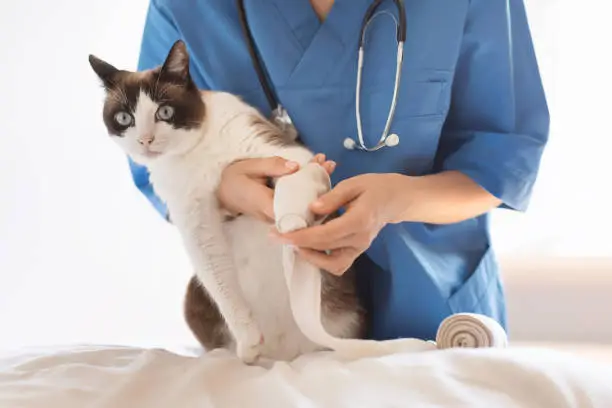
- Supportive Care: This includes bandaging, splinting, or casting the limb to immobilize it and allow for proper healing. Strict activity restriction (cage rest) is almost always a part of post-operative care.
- Long-Term Management: For chronic conditions like arthritis, treatment is focused on managing pain and improving quality of life. This can include:
- Prescription diets and supplements like glucosamine/chondroitin and omega-3 fatty acids to support joint health.
- Physical therapy and controlled exercise.
- Laser therapy to reduce pain and inflammation.
- Injectable pain medications like Solensia for Cat Limping, a monthly monoclonal antibody treatment that specifically targets the source of arthritic pain, which many cats tolerate extremely well.

Digestive Care for Cats, Natural Constipation
Digestive Care for Cats, Natural Constipation Relief for Cats and Kittens & Support for Diarrhea, Bloating, Bad Breath, Vomiting, Lack of Appetite, 60 Milliliters
6. Prevention: How to Keep Your Cat Safe and Sound
While not all injuries can be prevented, you can significantly reduce your cat’s risk of developing a painful limp.
- Keep Cats Indoors: The single most effective way to prevent traumatic injuries from cars, animal attacks, and falls is to maintain an indoor cat lifestyle. If your cat enjoys the outdoors, consider building a secure catio or training them to walk on a harness and leash.
- Regular Nail Trims: Get your cat accustomed to having their nails trimmed every 1-2 weeks. This prevents overgrown nails from curling into the pad and reduces the risk of painful tears. If you’re unsure how to do this safely, ask your vet or a groomer for a demonstration.
- Provide Safe Environments: Cat-proof your home to minimize dangers. Ensure windows have secure screens to prevent falls. Arrange furniture and cat trees to create safe climbing routes and avoid overly high, precarious perches.
- Monitor Play: Supervise interactions with other pets to ensure play doesn’t get too rough and lead to accidental injuries.
- Maintain a Healthy Weight: Obesity puts excessive stress on your cat’s joints, exacerbating conditions like arthritis and making recovery from any injury more difficult. Work with your vet to determine your cat’s ideal weight and a proper feeding plan.
- Regular Vet Check-ups: Annual or bi-annual wellness exams allow your vet to detect early signs of joint disease, dental issues (which can be linked to autoimmune paw conditions), and other problems before they cause significant lameness or pain.
FAQ Section
Q: Can a cat’s limp heal on its own?
A: A very mild sprain might improve with 24-48 hours of strict rest. However, any limp that persists longer, is severe, or is accompanied by other symptoms requires a vet. A “wait-and-see” approach can allow a minor injury like a small puncture to develop into a severe abscess or a simple fracture to heal incorrectly, causing permanent problems.
Q: How can I tell if my cat is in pain?
A: Cats are stoic, but signs of pain include: hiding, aggression or reluctance to be touched, loss of appetite, crying or meowing more than usual, excessive grooming of one area, changes in posture (hunched), or labored breathing. A cat in pain will often stop engaging in their normal routines.
Q: My Cat Limping but still jumping and playing. Should I be worried?
A: Yes. Cats are driven by instinct to hide weakness. If they are Cat Limping but still attempting normal activities, it indicates significant discomfort that needs to be addressed. Their desire to behave normally is overriding the pain signal, not eliminating it.
Q: How much does it cost to treat a cat’s broken leg?
A: Costs vary wildly based on location, the complexity of the fracture, and the required treatment (e.g., a simple cast vs. orthopedic surgery). It is often a significant expense, typically ranging from $1,500 to $4,000 or more. This is a key reason why pet insurance is highly recommended for all pet owners.

Conclusion: Your Next Step for a Happier, Healthier Cat
Discovering your feline friend is Cat Limping is a worrying experience for any pet owner. The key takeaways are simple: a limp is a definitive sign of pain, its causes can range from a simple splinter to a life-threatening condition, and a professional diagnosis is often the fastest path to effective treatment and relief for your cat.
Trust your instincts. You know your cat better than anyone. When in doubt, have your vet check it out. It is always better to be safe and get a professional opinion than to wait and allow a manageable problem to become a major crisis. Early intervention almost always leads to better outcomes, less pain for your cat, and lower treatment costs in the long run.
Your veterinarian is your best partner in ensuring your feline friend gets back on all fours, pain-free and happy. For more information on specific conditions, you can read about common cat paw injuries, the benefits of Solensia for arthritis, or how to perform a basic cat first aid assessment. To understand the financial aspect of pet care, research the cost of cat x-rays and consider getting a quote for pet insurance. For enriching your indoor cat’s life, look into guides on cat-proofing your home.