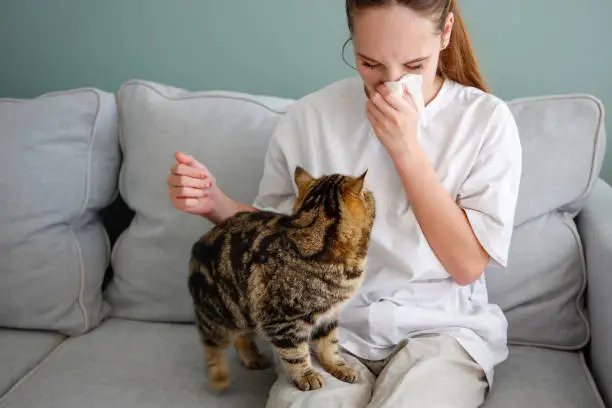
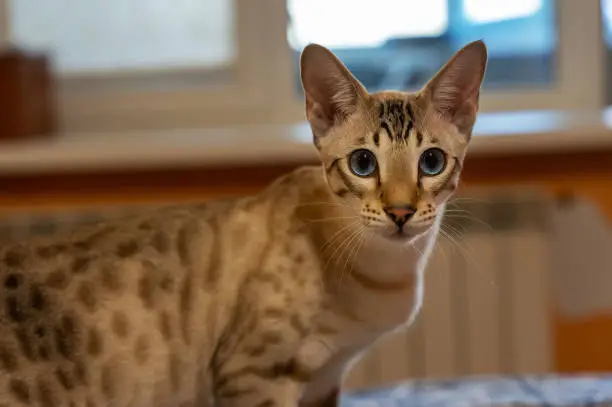
Cat Sneezing and Watery Eyes. Hearing your cat sneeze can be concerning. That tiny, unexpected sound often sends a jolt of worry through any devoted cat owner. Is it just a tickle, or is something wrong? The truth is, an occasional, isolated sneeze is usually no cause for alarm—much like it is for us. However, when Cat Sneezing and Watery Eyes becomes frequent and is paired with Cat Sneezing and Watery Eyes or other symptoms, it’s a clear sign that your feline friend’s health needs your attention.
This combination of symptoms is a common hallmark of upper respiratory issues in cats, often referred to colloquially as a “cat cold.” While sometimes mild and self-limiting, these symptoms can also indicate more serious conditions that require professional veterinary care. This comprehensive guide is designed to help you, a potentially worried pet parent, understand the potential causes, learn safe and supportive home care techniques, and, most importantly, know exactly when to worry and seek help from your veterinarian. Our goal is to empower you with knowledge to ensure your cat gets the best possible care.

1. Is It Serious? Decoding Your Cat’s Symptoms
The first step is to assess the severity of your cat’s condition. Not every sneeze warrants a panic-driven trip to the emergency vet, but knowing the red flags can be lifesaving. Use the following guide to help you decode your cat’s symptoms.
When to Be Concerned About Your Cat Sneezing and Watery Eyes and Eye Discharge
Cats are masters at hiding discomfort, so it’s crucial to be a diligent observer. Here’s a breakdown of symptoms from mild to severe.
Mild Symptoms (Monitor at Home)
- Occasional Cat Sneezing and Watery Eyes: One-off sneezes a few times a day with no other symptoms.
- Clear, Watery Discharge: Eyes are bright and clear, with no redness or squinting. The nose may have a small amount of clear fluid.
- Normal Behavior: Your cat is their usual self—eating, drinking, playing, and grooming normally.
Action Plan: You can often monitor this situation at home for a day or two. Ensure your cat is in a clean, stress-free environment and watch for any changes.
Moderate Symptoms (Schedule a Vet Appointment)
- Frequent Cat Sneezing and Watery Eyes Fits: Repeated Cat Sneezing and Watery Eyes multiple times an hour or prolonged sneezing attacks.
- Cloudy, Yellow, or Green Discharge: The appearance of colored mucus from the nose or eyes is a key sign of a potential infection.
- Squinting or Red Eyes: The eyes may be partially closed, red, and look uncomfortable, indicating conjunctivitis.
- Mild Lethargy: Your cat may be less active than usual, sleeping more, but still interested in food and water.
- Pawing at the Face: Mild discomfort may lead to rubbing at the nose or eyes.
Action Plan: These signs suggest an active issue like an upper respiratory infection (URI). It’s time to call your veterinarian to schedule a non-emergency appointment within the next 24-48 hours.
Severe/Emergency Symptoms (Seek Immediate Veterinary Care)
- Difficulty Breathing: Labored breathing, open-mouth breathing, or audible wheezing. This is a true emergency.
- Complete Loss of Appetite: Refusing all food and water for more than 24 hours. Cats are prone to a dangerous condition called hepatic lipidosis if they stop eating.
- Coughing: Deep, hacking coughs can indicate issues in the lower respiratory tract like bronchitis or pneumonia.
- Persistent Pawing at the Face: Indicates significant pain or discomfort, potentially from a foreign body.
- Thick Mucus: Discharge is so thick it completely blocks the nasal passages.
- Ulcers: Sores in the mouth, on the tongue, or on the eyes.
- High Fever: While hard to detect at home, signs include lethargy, warm ears/feet, and shivering.
- Dehydration: Check by gently pinching the skin at the scruff of the neck; if it doesn’t snap back quickly, your cat is dehydrated.
Action Plan: If you observe any of these severe symptoms, do not wait. Contact your emergency vet or an animal hospital immediately. Prompt intervention is critical.

Eye Drops for Cats and Dogs
Eye Drops for Cats and Dogs with Hyaluronic Acid 0.4%, NAC 2.5%, Soothes Discomfort, Irritation & Dryness, Eye Lube for Pets, 5ml x 2 vials
2. The Common Culprits: Causes of Cat Sneezing and Watery Eyes
Understanding why your Cat Sneezing and Watery Eyes is the first step toward effective treatment. The causes range from common infections to environmental factors. Here are the top causes of feline upper respiratory issues.
Upper Respiratory Infections (URIs or “Cat Flu”)
By far the most common cause of Cat Sneezing and Watery Eyes is an upper respiratory infection, often called a “cat cold.” Just like a human cold, it’s highly contagious among cats but is caused by a different set of pathogens. The two most common viral culprits are:
Feline Herpesvirus (FHV-1)
- Overview: This is the most frequent cause of URIs. Similar to the human herpes virus, FHV-1 is a chronic, lifelong infection.
- How it Works: After the initial infection, the virus becomes dormant (latent) in the nerve tissues. It can flare up during periods of stress (e.g., moving, a new pet, illness) or when the immune system is suppressed.
- Key Fact: It is highly contagious to other cats through direct contact with saliva, eye discharge, or shared bowls and litter boxes.
Feline Calicivirus (FCV)
- Overview: Another extremely common viral cause of URIs, often occurring alongside herpesvirus.
- Symptoms: While it also causes Cat Sneezing and Watery Eyes and eye discharge, calicivirus is particularly known for causing painful oral ulcers on the tongue, gums, and roof of the mouth. It can also sometimes lead to limping due to joint inflammation.
- Key Fact: Like herpes, it is highly contagious among cats. There are many strains of calicivirus, which is why vaccinated cats can still sometimes get a mild form.
Bacterial Infections (Secondary)
- Overview: While viruses often start the infection, bacteria frequently jump in as secondary invaders, complicating the illness.
- Common Types: Chlamydia felis often causes severe, sticky conjunctivitis (swollen, red eyes). Bordetella bronchiseptica (kennel cough) can also affect cats, causing coughing and Cat Sneezing and Watery Eyes.
- Key Fact: Bacterial infections are often the reason for the development of thick, yellow, or green discharge.
Allergies (Environmental)
Though less common in cats than in dogs or humans, environmental allergies can cause Cat Sneezing and Watery Eyes.
- How it Differs from URIs: Allergies typically do not cause fever, lethargy, or loss of appetite. Symptoms are often seasonal (e.g., spring pollen) and may include itchy skin.
- Common Allergens:
- Pollen from trees, grass, and weeds
- Dust and dust mites
- Mold and mildew spores
- Cigarette smoke
- Perfume and air fresheners
- Certain cleaning products
Irritants
Sometimes, the cause isn’t an allergic reaction but a simple physical irritation of the sensitive nasal passages.
- How it Works: Strong odors or particles can cause a reflexive sneeze to clear the airway.
- Common Irritants:
- Dust from clay litter: A very common trigger.
- Aerosol sprays: Deodorants, hairsprays, and cleaning sprays.
- Perfume and cologne.
- Household chemicals: Bleach, ammonia, etc.
- Smoke from candles or fireplaces.
Dental Disease
This is an often-overlooked cause of Cat Sneezing and Watery Eyes, particularly if it’s chronic and only affects one nostril.
- How it Works: The roots of a cat’s upper teeth (especially the premolars) are located very close to the nasal sinuses. An abscessed tooth or severe periodontal disease can cause the infection to drain into the sinus, leading to inflammation, Cat Sneezing and Watery Eyes, and nasal discharge.
Foreign Body
If your cat has a sudden, violent bout of Cat Sneezing and Watery Eyes—often focused on one nostril—a foreign body may be the culprit.
- What Happens: A blade of grass, a seed, or a other small object can become lodged in the nasal passage. The body’s immediate reaction is to try to sneeze it out.
- Action: This often requires veterinary assistance to safely remove the object.
Anatomical Issues (e.g., Brachycephalic Breeds)
Some cats are simply built in a way that predisposes them to respiratory and ocular issues.
- Affected Breeds: Persian, Himalayan, and other flat-faced (brachycephalic) cats have shortened nasal passages and distorted tear ducts.
- Why it Happens: Their facial structure makes it easier for them to get congested and often leads to constant Cat Sneezing and Watery Eyes (epiphora) because tears cannot drain properly.
Diagnosis, Soothing Care, and Medical Treatment
In Part 1, we decoded the symptoms and explored the common causes behind your Cat Sneezing and Watery Eyes. Now, we transition from understanding the “what” to the “what’s next.” This section will guide you through what to expect during a veterinary diagnostic process, how to provide vet-approved home care to keep your cat comfortable, and the potential medical treatments your vet might prescribe.

3. How Will My Vet Diagnose the Problem?
If your cat’s symptoms have moved into the “moderate” or “severe” category, a visit to the veterinarian is essential. Understanding the veterinary diagnostic process can ease your anxiety and help you prepare for the appointment.
Your vet’s goal is to pinpoint the exact cause to provide the most effective treatment. This typically involves a multi-step approach:
- Comprehensive Physical Examination: This is the first and most crucial step. The vet will:
- Check your cat’s temperature (fever is common with infections).
- Listen to their heart and lungs for any signs of congestion or pneumonia.
- Conduct a thorough examination of the eyes, nose, and mouth, looking for ulcers, discharge, and dental issues.
- Palpate the face and lymph nodes for signs of swelling or pain.
- Detailed Patient History: Your observations are invaluable. Be prepared to answer questions about:
- Duration: When did the symptoms start?
- Progression: Have they gotten worse? How has the discharge changed?
- Appetite & Energy: Is your cat eating and drinking normally?
- Vaccine Status: Are your cat’s vaccinations, especially the FVRCP vaccine, up to date?
- Environment: Are there other pets in the home? Have there been any recent changes or stressors? What type of litter do you use?
- Advanced Diagnostic Tests (if needed): For persistent, severe, or unclear cases, your vet may recommend:
- PCR (Polymerase Chain Reaction) Swab: This is a highly accurate test where a swab is taken from the eye, nose, or mouth. It can identify the specific presence of pathogens like Feline Herpesvirus (FHV-1), Feline Calicivirus (FCV), and bacteria like Chlamydia felis and Bordetella.
- Blood Tests: A complete blood count (CBC) and biochemistry panel can assess your cat’s overall health, check for signs of infection, and evaluate organ function.
- X-rays (Radiographs): These can be vital to rule out other issues like a foreign body deep in the nasal passage, pneumonia, or underlying dental disease affecting the sinuses.
- Dental Exam: A full oral examination, often under sedation, may be necessary to identify a tooth root abscess.
4. At-Home Care and Remedies to Soothe Your Cat
While you should always follow your vet’s primary treatment plan, there are several supportive home remedies you can use to help your Cat Sneezing and Watery Eyes feel more comfortable. Always consult your vet before trying any home treatment. These are supportive measures, not cures.
- Steam Therapy: The warm, moist air can help loosen thick mucus and relieve congestion. Take your cat into the bathroom, close the door, and run a hot shower for 10-15 minutes. Sit with them in the steamy room (not the shower itself). Do this a few times a day.
- Humidifier: A cool-mist humidifier placed near your cat’s favorite resting spot can provide continuous moisture to the air, easing dry and irritated nasal passages.
- Warm Compress: For eyes crusted shut with discharge, gently hold a clean, warm, damp cloth against them for a few moments to soften the crust. Then, carefully wipe from the inner corner outward. Use a different part of the cloth for each eye to avoid cross-contamination.
- Nutrition and Appetite Stimulation: A congested cat can’t smell their food and may refuse to eat. Warming up strong-smelling wet food (like tuna, salmon, or chicken) can make it more appealing. You can also offer meat-based baby food (with no onions or garlic). Ensuring they eat is critical.
- Hydration: Encourage water intake. Using a cat water fountain can attract them to drink more. If they are very congested, offering diluted chicken broth (no salt, onions, or garlic) can be enticing and help keep them hydrated.
- Cleanliness: Gently wipe away discharge from the eyes and nose with a soft, damp cloth throughout the day. Keep their living environment, especially their food and water bowls and litter box, extremely clean to prevent reinfection and reduce irritants.
- Stress Reduction: Create a quiet, comfortable, and safe recovery space away from other pets and household chaos. Reducing stress is especially important for cats with Feline Herpesvirus, as stress is a primary trigger for flare-ups.

Cats, Dogs and All Pet for Eye
Cats, Dogs and All Pet for Eye Cream 1/8 oz – 3.5g Tube
5. Veterinary Treatments and Medications
Based on their diagnosis, your veterinarian will prescribe a targeted treatment plan. It is crucial to understand that you should never administer human medications to your cat, as many are highly toxic.
Here are the common medical treatments from your veterinarian:
- Antibiotics: Medications like Doxycycline or Clavamox are commonly prescribed. It’s important to understand that antibiotics are only effective against bacterial infections. They are used to treat primary bacterial URIs (like Chlamydia) or secondary bacterial infections that complicate viral illnesses. Always finish the entire course, even if your cat seems better.
- Antivirals: In severe cases of Feline Herpesvirus, vets may prescribe antiviral medications like Famciclovir. These drugs can help stop the virus from replicating and reduce the severity and duration of a flare-up.
- Eye Ointments or Drops: If your cat has conjunctivitis, your vet will prescribe topical medication. This could be an antibiotic eye drop (e.g., Terramycin) for bacterial issues or an antiviral ointment for herpesvirus-related eye problems.
- Pain Management & Anti-inflammatories: To make your cat more comfortable, reduce fever, and alleviate pain from ulcers or inflammation, your vet may prescribe a safe anti-inflammatory or pain reliever formulated for cats.
- Nasal Decongestants: In some cases, a vet may prescribe a specific nasal decongestant that is safe for feline use. Never use over-the-counter human decongestants, as they can be fatal to cats.
- L-lysine: This is an amino acid supplement that has been widely used for years to manage herpesvirus flare-ups. The theory is that it may help suppress the replication of the virus. While its use is common, it’s important to note that recent studies have debated its efficacy. You should only use it under the guidance of your veterinarian.
- Supportive Care: For cats who are severely dehydrated or not eating, hospitalization may be required. This allows the vet to provide subcutaneous or intravenous fluids and nutritional support through assisted feeding to help them recover.
Prevention, FAQs, and Your Role in Your Cat’s Health
In our final section, we shift from reaction to prevention. While treating an illness is crucial, safeguarding your cat’s health to avoid future issues is the ultimate goal. We’ll cover proactive strategies to protect your cat, answer the most pressing frequently asked questions, and provide a conclusive summary to empower you as a pet owner.
6. Prevention: How to Protect Your Cat’s Health
A proactive approach is the best way to minimize the risk of your cat developing upper respiratory issues. Here’s how to focus on keeping your cat’s nose and eyes healthy:
- Vaccination (The FVRCP Vaccine): This is the single most important preventive measure you can take. The FVRCP vaccine protects against the core viruses: Feline Viral Rhinotracheitis (Herpesvirus), Calicivirus, and Panleukopenia. While it may not prevent infection entirely, it dramatically reduces the severity of symptoms if your cat does become ill. Always keep your cat’s vaccinations up to date as recommended by your veterinarian.
- Indoor Lifestyle: Keeping your cat indoors is a highly effective strategy. It minimizes their exposure to infectious pathogens from other cats, reduces contact with environmental allergens like pollen, and protects them from other dangers like traffic and predators.
- Low-Stress Environment: Since stress is a major trigger for flare-ups of conditions like Feline Herpesvirus, creating a calm home is essential for both physical and mental health.
- Provide plenty of vertical space (cat trees, shelves) and hiding spots.
- Ensure you have enough resources (litter boxes, food/water stations) for multiple cats to avoid competition.
- Maintain a consistent routine for feeding and playtime.
- Use calming products like pheromone diffusers (e.g., Feliway) if needed.
- Clean Environment: A clean home reduces irritants and pathogens.
- Use low-dust or dust-free litter to prevent nasal irritation.
- Regularly clean your home to reduce dust and mold.
- Avoid using strong aerosol sprays, perfumes, and chemical cleaners near your cat.
- Wash your cat’s food and water bowls daily.
- Regular Veterinary Check-ups: Annual or biannual wellness exams allow your vet to detect potential problems early, including dental disease that could lead to sinus issues. Regular professional dental cleanings are a key part of prevention.
- Quarantine New Cats: If you are introducing a new cat into your home, isolate them in a separate room with their own supplies for 1-2 weeks. This quarantine period allows you to monitor the new cat for any signs of illness before they can potentially expose your resident pets.
FAQ Section: Frequently Asked Questions About Cat Sneezing and Watery Eyes
Q: Can I give my cat human cold medicine like decongestants or pain relievers?
A: Absolutely not. This is incredibly dangerous. Many human medications are highly toxic to cats. Acetaminophen (Tylenol) is fatal even in tiny doses. Ibuprofen (Advil) and naproxen (Aleve) cause severe kidney failure. Pseudoephedrine (Sudafed), a common decongestant, is a potent stimulant that can be lethal to cats. Only use medications prescribed by your veterinarian.
Q: Is my cat’s Cat Sneezing and Watery Eyes and eye discharge contagious to me or to my dog?
A: The most common cat viruses, Feline Herpesvirus (FHV-1) and Feline Calicivirus (FCV), are not contagious to humans. They are also very species-specific and are not contagious to dogs. However, they are extremely contagious to other cats. Some bacteria, like Bordetella bronchiseptica, can rarely infect dogs, so it’s wise to practice good hygiene and isolate a sick cat from other household pets.
Q: How long does a typical cat cold usually last?
A: A mild, uncomplicated upper respiratory infection may run its course in 5 to 10 days. More severe cases, especially those with secondary bacterial infections, can last 2 to 3 weeks or longer. For cats with chronic Feline Herpesvirus, they may experience lifelong intermittent symptoms that flare up during periods of stress.
Q: Why is the discharge from my cat’s eyes yellow or green?
A: Clear discharge is often associated with viruses or irritants. Yellow or green discharge typically indicates the presence of white blood cells, signaling a secondary bacterial infection. This is a clear sign that your cat likely needs veterinary-prescribed antibiotics and should be seen by a vet.
Q: Should I isolate my Cat Sneezing and Watery Eyes from my other cats?
A: Yes, you should. Until you know the cause, you must assume the condition is contagious to other felines. Isolate the sick cat in a separate, comfortable room with its own food bowl, water bowl, and litter box. Use separate cleaning supplies for that room and wash your hands thoroughly after handling the sick cat to prevent spreading germs to your healthy pets.

Conclusion: Your Partner in Your Cat’s Health
Navigating your Cat Sneezing and Watery Eyes can be a worrying experience, but you are not alone. As we’ve explored, these symptoms are common and often manageable. The key takeaways are:
- Upper Respiratory Infections (URIs) are the most frequent cause.
- Monitor symptoms closely using our severity guide—knowing when to call the vet is crucial.
- Supportive home care can provide comfort, but it is not a substitute for professional diagnosis and treatment for anything beyond a very mild, brief case.
- Prevention, through vaccination, an indoor lifestyle, and stress reduction, is your best defense.
When in doubt, always err on the side of caution and consult your veterinarian. They are your most valuable partner in ensuring your feline companion receives the correct diagnosis and the most effective treatment for a swift and complete recovery. Your vigilant observation and loving care, combined with their professional expertise, are the best recipe for your cat’s long-term health and happiness.
By understanding the causes, treatments, and prevention strategies, you are now equipped to be a confident and proactive advocate for your cat’s well-being.