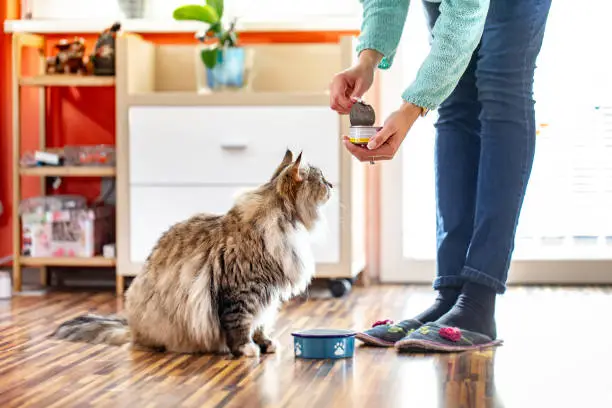
If you’ve ever been eating dinner and felt a pair of eyes staring at you without blinking, you already know the truth—cats are extremely interested in human food. Whether it’s chicken on your plate, a piece of fish, or even a crumb of bread, most cats will try to convince you they “need” it.
But here’s the real question every cat owner eventually asks:
What can my cat eat besides cat food—and what is actually safe?
This guide breaks everything down in a practical, vet-informed, easy-to-understand way so you can safely share food without harming your cat.
What Can My Cat Eat Besides Cat Food?
Cats are not just small dogs with different preferences—they are biologically unique. While some human foods are safe in small amounts, others can be dangerous or even deadly.
So the real answer is:
Yes, cats can eat some human food—but only specific types, and only in moderation.
Why cat owners search for human food alternatives
Most cat owners start looking for alternatives to cat food for simple reasons:
- Their cat refuses to eat commercial food
- They want healthier “natural” options
- They run out of cat food temporarily
- Their cat begs for table food
- They want to spoil their pet safely
But not all human foods are suitable, and that’s where confusion starts.
Can cats safely eat human food?
Yes—but only select human foods that are plain, cooked, and unseasoned.
Safe general examples:
- Boiled chicken
- Plain fish
- Eggs
- Certain vegetables
- Small fruit pieces
Dangerous examples:
- Chocolate
- Onions & garlic
- Fried or spicy food
- Alcohol or caffeine
Understanding cats as obligate carnivores
Cats are not like humans or even dogs. They are obligate carnivores, meaning:
- They must eat meat to survive
- Their bodies are designed for protein, not carbs
- They rely on nutrients found only in animal tissue
What this means in simple terms:
- Meat = essential
- Carbs = optional
- Plants = limited usefulness
Cats need nutrients like:
- Taurine
- Arachidonic acid
- Vitamin A (from animal sources)
Without these, serious health issues can develop.
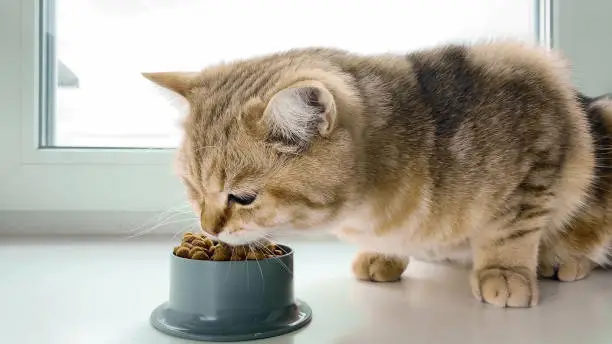
Difference between cat food vs human food nutrition
Cat food is scientifically designed to provide:
- Balanced protein
- Vitamins and minerals
- Taurine (critical amino acid)
- Controlled fat levels
Human food, on the other hand:
- Is not nutritionally balanced for cats
- Often contains salt, spices, or oils
- Lacks essential feline nutrients
Simple comparison table:
| Nutrient Type | Cat Food | Human Food |
|---|---|---|
| Taurine | ✔ Included | ❌ Often missing |
| Balanced nutrition | ✔ Yes | ❌ No |
| Safety for cats | ✔ Designed for cats | ⚠ Depends on food |
| Digestibility | ✔ Optimized | ⚠ Variable |
Importance of balance and moderation
Even safe human food should be treated like a snack, not a meal.
Veterinarians usually recommend:
- 90% cat food
- 10% treats or human food
Too much human food can quickly lead to:
- Weight gain
- Nutritional imbalance
- Digestive issues
Risks of feeding cats random table scraps
Feeding “whatever is left on your plate” might seem harmless—but it’s one of the biggest mistakes cat owners make.
Common risks include:
- Hidden salt and spices
- Fatty leftovers causing pancreatitis
- Onion or garlic contamination
- Cooked bones causing injury
- Processed foods with preservatives
Even small scraps can accumulate into long-term health issues.
When human food is helpful
Human food is not always bad. In fact, it can be useful in specific situations:
1. Training treats
Small pieces of chicken or fish can be great rewards.
2. Bonding with your cat
Some cats enjoy shared feeding experiences.
3. Appetite stimulation
Ill or picky cats may eat better with warm, soft human food.
4. Emergency feeding
When cat food is unavailable, safe human food can temporarily help.
We’ll cover emergency feeding in detail later in this article.
Can Cats Eat Food Besides Cat Food?
Yes—but only safe, species-appropriate foods in controlled amounts.
Let’s break it down properly.
Are Cats Obligate Carnivores?
Cats are biologically built for meat consumption.
Key facts:
- Their teeth are designed for tearing meat
- Their digestive system is short and protein-focused
- They cannot efficiently process large amounts of plant food
Why protein is essential for cats
Protein supports:
- Muscle growth
- Energy levels
- Immune system
- Organ function
Without enough protein, cats can become weak or sick very quickly.
Why carbs are not necessary
Unlike humans, cats do not require carbohydrates.
Too many carbs can:
- Lead to obesity
- Increase blood sugar levels
- Offer little nutritional benefit
That’s why high-carb human foods should be avoided or minimized.
Should cats eat human food at all?
The answer depends on the type of food.
Safe human foods:
- Cooked meat
- Certain vegetables
- Some fruits
- Plain eggs
Unsafe human foods:
- Processed meals
- Spicy food
- Sweet foods
- Toxic ingredients
When human food is okay:
- As a treat
- During emergencies
- For appetite stimulation
When it becomes harmful:
- When replacing cat food
- When seasoned or processed
- When given frequently
Benefits of occasional human food
When used correctly, human food can actually be helpful.
Training treats
Small bites of chicken or fish work better than store treats for many cats.
Bonding with cats
Feeding creates trust and interaction.
Appetite stimulation
Warm, soft food can help sick or picky cats eat.
Emergency feeding use
Safe human food can temporarily replace cat food if needed.
Risks of feeding human food
Even though some foods are safe, risks still exist.
1. Obesity
Human food often contains extra calories.
2. Nutritional imbalance
Cats may miss essential nutrients if fed human food too often.
3. Toxic food exposure
One small mistake (like onion or chocolate) can be dangerous.
4. Digestive issues
Cats have sensitive stomachs that react poorly to fats and spices.
Safe Human Foods Cats Can Eat
Now let’s move into the safe and approved human foods.
Cooked Meat Options
Meat is the safest category of human food for cats.
Chicken (boiled, shredded)
- High protein
- Easy to digest
- Best beginner food for cats
Turkey
- Lean meat
- Good for overweight cats
- Low fat option
Beef (moderation)
- Rich in iron
- Should be lean and cooked
Lamb (occasional treat)
- High fat
- Only small portions recommended
Fish for Cats
Fish is one of the most loved human foods among cats.
Salmon benefits
- Rich in omega-3
- Supports coat health
- Good protein source
Tuna (limited use)
- Very appealing
- Should not be daily food
Sardines (safe option)
- Small fish = lower mercury risk
- Nutrient-rich
Risks of fish overfeeding
- Mercury buildup
- Nutritional imbalance
- Dependency on fish taste
Eggs for Cats
Eggs are a simple and powerful protein source.
Safe forms:
- Scrambled eggs (plain)
- Boiled eggs
Benefits:
- High-quality protein
- Amino acids
- Easy digestion
Never feed raw eggs due to bacterial risk.
Other safe protein sources
Deli meat (small portions)
- Must be unsalted
- Avoid processed varieties
Organ meats (liver in moderation)
- Nutrient dense
- Should be limited to avoid vitamin overload
Fruits Cats Can Eat Safely
Cats don’t naturally crave sweet foods the way humans do, but some enjoy soft fruits because of their texture or moisture.
Fruit should only be an occasional treat, not a major part of the diet.
Safe Fruits for Cats
Apples (No Seeds)
Apples are safe when:
- Peeled
- Seedless
- Served in tiny slices
Benefits:
- Fiber
- Water content
- Vitamin C
Apple seeds should NEVER be fed because they contain compounds that may release cyanide.
Blueberries
Blueberries are considered one of the healthiest fruits for cats.
Benefits:
- Antioxidants
- Low calories
- Fiber
- Hydration support
Many premium cat foods even include blueberries as a nutritional ingredient.
Strawberries
Strawberries are safe in small amounts.
Nutrients:
- Vitamin C
- Fiber
- Water content
However, strawberries contain natural sugars, so moderation matters.
Watermelon
Seedless watermelon can be refreshing for cats.
Benefits:
- High moisture content
- Helps hydration
- Low calorie snack
Always remove:
- Seeds
- Rind
Cantaloupe
Many cats surprisingly enjoy cantaloupe because its smell resembles amino acids found in meat.
Benefits:
- Vitamins A and C
- Hydration support
Bananas (Small Amounts)
Bananas are safe but should be limited.
Why?
- High in natural sugar
- Dense texture
- Not essential for cats
Tiny bites are enough.
Fruits That May Be Toxic
Some fruits can seriously harm cats.
Dangerous fruits:
- Grapes
- Raisins
- Cherries
- Lemons
- Limes
- Grapefruit
These may cause:
- Kidney failure
- Digestive irritation
- Toxic reactions
How Much Fruit Is Safe?
Fruit should be treated like a treat—not a meal.
Safe guideline:
- 1–2 tiny bites
- Once or twice per week
Cats don’t need sugar, so fruit should stay minimal.
Vegetables Cats Can Eat
Vegetables are not necessary for cats, but certain types can support digestion and hydration.
Safe Vegetables for Cats
Pumpkin (Digestive Aid)
Pumpkin is one of the best vegetables for cats.
Benefits:
- Helps constipation
- Supports digestion
- Adds fiber
Use:
- Plain cooked pumpkin
- Unsweetened pumpkin puree only
Avoid pumpkin pie filling.
Carrots (Cooked)
Cooked carrots are safe and easy to digest.
Benefits:
- Fiber
- Beta-carotene
- Low calorie treat
Raw carrots may be too hard for some cats.
Green Beans
Green beans are excellent for overweight cats.
Benefits:
- Low calorie
- Filling
- Fiber-rich
Some vets recommend green beans in weight management diets.
Broccoli
Broccoli is safe in very small amounts.
Nutritional benefits:
- Antioxidants
- Fiber
- Vitamins
Too much may cause gas.
Spinach (Limited Use)
Spinach contains nutrients but should be limited.
Why?
It contains oxalates, which may not be ideal for cats prone to urinary or kidney issues.
Vegetables That Are Dangerous
Some vegetables are highly toxic to cats.
Never feed:
- Onions
- Garlic
- Leeks
- Chives
These damage red blood cells and may cause anemia.
Even powdered onion or garlic seasoning is dangerous.
How to Prepare Vegetables for Cats
Preparation matters.
Best methods:
- Boiled
- Steamed
- Mashed
- Plain
Never add:
- Salt
- Butter
- Garlic
- Oil
- Spices
Grains & Carbs Cats Can Eat
Cats do not require carbohydrates, but some are safe occasionally.
Safe Carbohydrates
Rice (Bland Diet Use)
Plain rice can help cats with upset stomachs.
Benefits:
- Easy digestion
- Gentle on stomach
- Temporary diarrhea support
Only use plain cooked rice.
Oatmeal
Oatmeal is safe in small amounts.
Benefits:
- Fiber
- Gentle digestion
Serve cooked with water only.
Plain Pasta (Rare Use)
Pasta isn’t toxic, but it offers little nutritional value.
Occasional plain pasta bites are generally harmless.
Bread (Limited)
Plain bread is not toxic, but:
- High in carbs
- Low nutritional value for cats
Garlic bread or flavored bread should NEVER be given.
Are Grains Necessary for Cats?
No.
Cats primarily need:
- Protein
- Fat
- Animal-based nutrients
Common misconception:
People often assume fiber-rich grains are essential, but cats do not depend on carbs like humans do.
Commercial cat food grain role
Some commercial foods use grains for:
- Texture
- Energy
- Fiber
Grains themselves are not always harmful—but protein remains the priority.
Fiber vs nutrition confusion
Fiber can help digestion, but excessive carbs may contribute to:
- Obesity
- Diabetes
- Weight gain
Dairy Products and Cats
The “cats love milk” idea is one of the biggest myths in pet care.
Can Cats Drink Milk?
Most adult cats are lactose intolerant.
This means:
They cannot properly digest lactose found in milk.
Common symptoms:
- Diarrhea
- Gas
- Stomach discomfort
Lactose intolerance explanation
Kittens produce lactase (the enzyme needed for milk digestion).
As cats age:
- Lactase production drops
- Milk becomes harder to digest
Digestive risks
Too much dairy can cause:
- Upset stomach
- Loose stool
- Vomiting
Safe Dairy Options
Small Cheese Portions
Tiny cheese bites may be tolerated by some cats.
Best practice:
- Small amounts only
- Low-salt cheese preferred
Plain Yogurt (Probiotics)
Unsweetened plain yogurt is usually easier to digest than milk.
Benefits:
- Probiotics
- Softer lactose levels
Avoid flavored yogurt completely.
Dairy Foods to Avoid
Avoid:
- Flavored milk
- Ice cream
- Cream
- Sweet yogurt
- Chocolate milk
These contain:
- Sugar
- Artificial ingredients
- Harmful additives
Human Foods Cats Should NEVER Eat
This is one of the most important sections in the article.
Some human foods are not just unhealthy—they’re toxic.
Toxic Foods List
Chocolate
Contains theobromine, which is poisonous to cats.
Alcohol
Even tiny amounts can damage the nervous system.
Caffeine
May cause:
- Rapid heart rate
- Tremors
- Hyperactivity
Onions & Garlic
Can damage red blood cells.
Xylitol Products
Artificial sweetener found in:
- Gum
- Candy
- Baked goods
Very dangerous for pets.
Dangerous Everyday Foods
Avoid:
- Fried foods
- Fast food
- Salty chips
- Spicy leftovers
- Processed meats
These foods often contain:
- Excess fat
- Sodium
- Harmful seasonings
Why These Foods Are Toxic
| Food Type | Risk |
|---|---|
| Chocolate | Nervous system damage |
| Onion/Garlic | Blood toxicity |
| Alcohol | Organ failure |
| Xylitol | Blood sugar crash |
| Salty foods | Kidney strain |
Can Cats Eat Raw Human Food?
Raw feeding is heavily debated among cat owners.
Raw Meat Debate
Some people believe raw diets are “natural.”
Possible benefits:
- High protein
- Less processing
Major concerns:
- Bacteria
- Parasites
- Nutritional imbalance
Vet concerns
Many veterinarians warn against homemade raw diets because they may:
- Lack essential nutrients
- Spread harmful bacteria
- Cause illness in humans and pets
Risks of Raw Feeding
Salmonella
Can infect both cats and humans.
E. coli
Dangerous bacterial contamination risk.
Parasites
Raw meat may contain parasites harmful to cats.
Raw Fish & Eggs Concerns
Raw fish risks:
- Thiamine deficiency
- Parasites
Raw egg risks:
- Salmonella
- Biotin absorption problems
Cooked foods are always safer.
Emergency Foods for Cats (No Cat Food Available)
Sometimes emergencies happen.
Safe Emergency Foods
If you temporarily run out of cat food, you can offer:
Safe short-term foods:
- Boiled chicken
- Plain rice
- Scrambled eggs
- Plain cooked fish
What Not to Feed in Emergencies
Avoid:
- Spicy leftovers
- Junk food
- Deli meats with seasoning
- Fried food
How Long Cats Can Go Without Food
Cats should NEVER go too long without eating.
Risks begin after:
- 24–48 hours
Serious danger:
Cats may develop hepatic lipidosis (fatty liver disease) if they stop eating too long.
Human Food for Kittens vs Adult Cats
Cats have different nutritional needs depending on their age. A growing kitten, an active adult cat, and a senior cat all require different levels of nutrients and calories.
What Kittens Can Eat
Kittens need:
- High protein
- Extra calories
- Nutrient-dense food
Safe human foods for kittens:
- Soft boiled chicken
- Plain scrambled eggs
- Tiny portions of cooked turkey
- Small amounts of pumpkin puree
Important reminder:
Kittens should primarily eat kitten-formulated food, not human food.
Milk replacement formulas
Young kittens should never drink regular cow’s milk.
If a kitten is orphaned or too young:
- Use veterinarian-approved kitten milk replacers
- Never substitute with dairy milk
For kitten care advice, visit Cornell Feline Health Center.
Small portions only
Kittens have delicate digestive systems.
Safe feeding rule:
- Tiny bites only
- Introduce slowly
- Monitor carefully
Adult Cat Diet Differences
Adult cats can tolerate a wider range of safe foods.
Adult cat advantages:
- Stronger digestion
- More stable appetite
- Better food tolerance
Still, protein should always remain the focus.
More variety allowed
Adult cats may safely enjoy:
- Fish
- Eggs
- Lean meat
- Some vegetables
- Small fruit portions
Controlled treats
Even healthy treats should stay limited.
General guideline:
- Human food = less than 10% of total diet
Senior Cat Dietary Needs
Older cats often develop:
- Dental issues
- Kidney problems
- Digestive sensitivity
Best foods for senior cats:
- Soft cooked chicken
- Moist fish
- Pumpkin puree
- Easy-to-chew proteins
Soft foods
Senior cats may struggle with hard foods.
Soft textures improve:
- Comfort
- Digestion
- Appetite
Easy digestion
Older cats benefit from:
- Low-fat meals
- Hydration-rich foods
- Easily digestible protein
Kidney-friendly foods
Senior cats with kidney disease may require:
- Reduced sodium
- Controlled phosphorus
- Vet-approved diets
Always consult your veterinarian before changing a senior cat’s diet.
How to Introduce Human Food to Cats
Introducing food properly can prevent digestive problems and food rejection.
Safe Introduction Steps
Start with small bites
Never give a large serving immediately.
Best practice:
- One teaspoon or less
- Observe reactions first
Introduce one food at a time
Adding multiple foods together makes it difficult to identify allergies or sensitivities.
Recommended approach:
- One new food every few days
Monitoring Reactions
Cats often show clear signs if something doesn’t agree with them.
Vomiting
Occasional vomiting may happen from:
- Sudden food changes
- Rich foods
- Sensitive stomachs
Persistent vomiting requires veterinary attention.
Diarrhea
Loose stool is a common sign of digestive upset.
Possible causes:
- Dairy intolerance
- Fatty foods
- Overfeeding treats
Allergies
Food allergies may cause:
- Itchy skin
- Ear irritation
- Excessive grooming
- Digestive issues
Vet Guidelines
Veterinarians generally recommend moderation and simplicity.
Treats under 10% diet
A cat’s diet should mostly consist of:
- Complete cat food
- Balanced feline nutrition
Human food should remain occasional.
Slow transitions
Abrupt changes can upset digestion.
Better method:
- Gradually introduce foods over several days
Signs Your Cat Ate Something Bad
Cats are curious and may accidentally eat unsafe food.
Knowing the warning signs can save your cat’s life.
Symptoms of Food Poisoning
Common symptoms include:
- Vomiting
- Weakness
- Drooling
- Loss of appetite
- Diarrhea
- Tremors
Vomiting
Repeated vomiting is never normal.
It may signal:
- Toxicity
- Digestive blockage
- Food intolerance
Weakness
Lethargy or unusual tiredness can indicate:
- Poisoning
- Organ stress
- Severe illness
Drooling
Excessive drooling may occur after:
- Toxic ingestion
- Mouth irritation
- Nausea
Loss of appetite
Cats that stop eating for long periods are at serious risk.
A lack of appetite lasting more than 24 hours should not be ignored.
When to Call a Vet
Seek veterinary care immediately if:
- Toxic foods were eaten
- Symptoms worsen rapidly
- Breathing changes occur
- Seizures happen
Toxic ingestion
Emergency foods include:
- Chocolate
- Onion
- Garlic
- Alcohol
- Xylitol products
Severe symptoms
Emergency warning signs:
| Symptom | Severity |
|---|---|
| Seizures | Critical |
| Collapse | Critical |
| Trouble breathing | Emergency |
| Continuous vomiting | Serious |
Persistent illness
Even mild symptoms should be checked if they continue longer than a day.
Best Human Foods for Cat Health
Some human foods can support feline health when offered correctly.
Digestion-Friendly Foods
Pumpkin
Excellent for digestion and constipation support.
Rice
Gentle bland food for temporary stomach upset.
Boiled chicken
Easy-to-digest lean protein.
Skin & Coat Health Foods
Salmon
Rich in omega-3 fatty acids.
Eggs
Contain protein and healthy fats.
Omega-3 rich foods
Support:
- Healthy coat
- Reduced inflammation
- Skin hydration
Weight Management Foods
Overweight cats benefit from low-calorie snacks.
Healthy options:
- Green beans
- Lean chicken
- Pumpkin
- Small cucumber slices
Lean meat
Lean proteins help preserve muscle while controlling calories.
Low-calorie snacks
Avoid high-fat treats and focus on:
- Simple proteins
- Fiber-rich vegetables
- Moisture-rich foods
Human Foods Cats Love Most
Cats may act picky—but many share similar favorite foods.
Most Attractive Foods for Cats
Favorite choices:
- Chicken
- Tuna
- Salmon
- Eggs
- Turkey
Warm foods with strong smells are especially appealing.
Why Cats Prefer Meat
Cats are driven heavily by scent.
Cats prefer:
- Strong-smelling proteins
- Warm food
- Fat-rich aromas
Unlike humans, cats have limited sweet taste perception.
Smell-driven appetite
Cats rely more on smell than taste when choosing food.
That’s why warmed meat often attracts picky eaters.
Protein preference
Protein satisfies a cat’s biological instincts and nutritional needs.
Common Myths About Cats and Human Food
There’s a lot of misinformation online about what cats should eat.
Myth vs Fact Section
| Myth | Reality |
|---|---|
| “Cats need milk” ❌ | Most adult cats are lactose intolerant |
| “Cats can be vegetarian” ❌ | Cats require animal protein |
| “Table scraps are safe” ❌ | Many scraps contain toxic ingredients |
| “Tuna daily is healthy” ❌ | Too much tuna may cause imbalance |
Vet Recommendations About Human Food
Veterinarians agree on one major point:
Human food should only supplement a balanced feline diet—not replace it.
What Veterinarians Say
Main recommendations:
- Focus on protein
- Avoid processed foods
- Keep treats limited
- Use caution with new foods
Human food = occasional treat only
Even healthy foods should remain occasional additions.
Balanced diet importance
Commercial cat foods are designed to provide:
- Taurine
- Balanced minerals
- Proper fat levels
- Complete nutrition
Human food alone cannot reliably provide this balance.
Safe Feeding Ratio
Recommended balance:
| Food Type | Percentage |
|---|---|
| Cat food | 90% |
| Human food/treats | 10% |
When to Avoid Human Food Completely
Some cats should avoid human food almost entirely.
High-risk cats:
- Diabetic cats
- Kidney disease patients
- Cats with allergies
- Obese cats
Always follow veterinary advice for special medical conditions.
Frequently Asked Questions (FAQs)
What can my cat eat besides cat food daily?
Plain cooked chicken or turkey in small amounts can be offered occasionally, but cat food should remain the primary diet.
Can cats eat cooked chicken every day?
Yes, but it should not fully replace balanced cat food.
Is tuna safe for cats?
Yes—in moderation only.
What fruits are safe for cats?
Safe fruits include:
- Blueberries
- Watermelon
- Bananas (small amounts)
- Apples without seeds
Can cats eat cheese or milk?
Small cheese amounts may be tolerated, but most cats are lactose intolerant.
What foods are toxic to cats?
- Chocolate
- Onion
- Garlic
- Alcohol
- Xylitol
- Grapes
Can cats survive on human food only?
No. Cats require balanced feline nutrition.
What should I feed my cat in emergencies?
Safe temporary foods include:
- Boiled chicken
- Eggs
- Plain rice
- Plain fish
Conclusion
Final Summary
Human food can absolutely be part of your cat’s life—but only carefully chosen foods in controlled amounts.
The safest options are usually:
- Plain cooked meat
- Eggs
- Certain vegetables
- Small fruit portions
Human food can be safe but limited
The key word is moderation.
Too much human food can create:
- Obesity
- Digestive issues
- Nutritional imbalance
Protein-based foods are best
Because cats are obligate carnivores, animal protein should always come first.
Best options include:
- Chicken
- Turkey
- Salmon
- Eggs
Toxic foods must be strictly avoided
Never feed:
- Chocolate
- Onion
- Garlic
- Alcohol
- Xylitol
Even tiny amounts can be dangerous.
Cat food should always remain the main diet
Commercial cat food is specifically designed to meet feline nutritional needs.
Human food should only be:
- A treat
- A supplement
- An emergency option
Final Thought
A healthy cat diet isn’t about sharing everything from your kitchen—it’s about understanding what truly supports your cat’s long-term health and happiness.