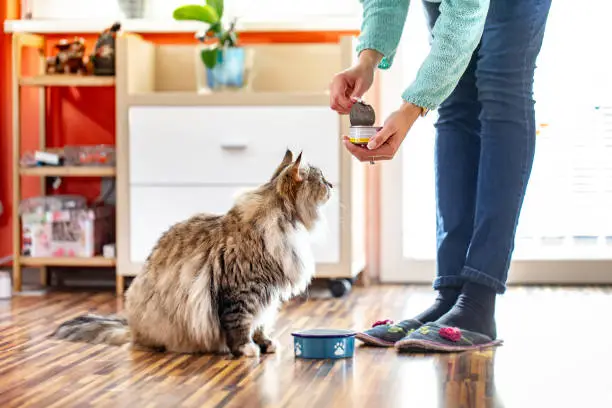
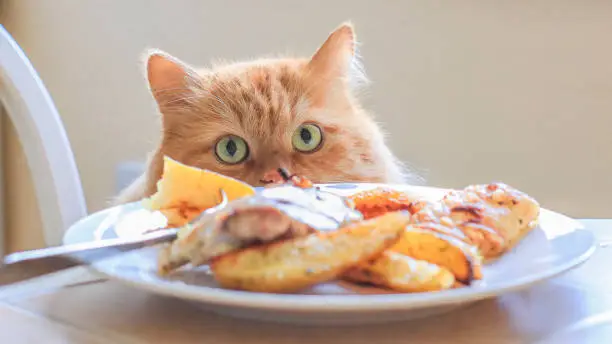
Cats are naturally curious animals, especially when food is involved. If you’ve ever sat down for a meal only to find your cat staring at your plate, you’re not alone. Many cat owners wonder whether sharing a little human food is safe or harmful. The good news is that some human foods are perfectly safe for cats in moderation. However, others can be extremely dangerous.
In this detailed guide, you’ll learn what human food cats can eat safely, which foods to avoid, and how to introduce human foods into your cat’s diet responsibly.
What Human Food Can Cats Eat Safely?
Cats can safely eat several human foods, particularly lean meats, cooked eggs, certain fruits, and vegetables. Since cats are obligate carnivores, protein-rich foods are generally the safest option.
Some examples of safe human foods for cats include:
- Cooked chicken
- Turkey
- Salmon
- Eggs
- Pumpkin
- Blueberries
- Rice
- Plain oatmeal
That said, not every healthy food for humans is healthy for cats. Foods like onions, garlic, chocolate, and grapes can be toxic even in small amounts.
Why Cat Owners Share Human Food With Cats
There are several reasons pet owners offer human food to their cats:
- As an occasional treat
- To supplement nutrition
- During emergencies when cat food runs out
- To encourage picky eaters
- To strengthen bonding with pets
Sometimes cats simply show interest in whatever their owners are eating. While sharing can feel harmless, understanding safe options is essential.
For more guidance on feline nutrition, check out the helpful resources from PetMD and Purina.
Understanding a Cat’s Nutritional Needs
Cats have very specific dietary requirements. Unlike humans and dogs, cats rely heavily on animal protein to survive.
A healthy cat diet requires:
| Nutrient | Why It Matters |
|---|---|
| Protein | Supports muscles and organs |
| Taurine | Essential for heart and eye health |
| Fat | Provides energy |
| Vitamins | Supports immunity |
| Water | Prevents dehydration |
Because cats process nutrients differently than humans, many human foods should only be offered occasionally.
Are Human Foods Safe for Cats?
Some are safe, while others are dangerous.
Generally Safe Human Foods
- Cooked lean meats
- Certain fruits
- Cooked vegetables
- Plain grains
Potentially Dangerous Foods
- Chocolate
- Garlic
- Onions
- Alcohol
- Grapes
- Raw dough
The key is understanding which foods support feline health and which ones create health risks.
The Importance of Feeding Human Foods in Moderation
Even safe foods can become problematic if overfed.
Too much human food may lead to:
- Obesity
- Digestive upset
- Nutritional imbalance
- Pancreatitis
- Diarrhea
Veterinarians typically recommend treats and human foods make up no more than 10% of a cat’s daily calories.
Can Cats Eat Human Food?
The short answer is yes — but carefully.
Cats can eat selected human foods safely, especially when prepared correctly. However, their digestive systems differ greatly from humans.
Are Cats Obligate Carnivores?
Yes. Cats are obligate carnivores, meaning they must eat meat to survive.
Unlike humans, cats cannot efficiently process large amounts of carbohydrates or plant-based foods. Their bodies are specifically designed to digest:
- Animal protein
- Animal fats
- Amino acids from meat
This is why meat-based foods are usually the safest human food options for cats.
You can learn more about feline dietary biology from The Cornell Feline Health Center.
How Human Food Affects Cat Health
Human foods can affect cats positively or negatively depending on:
- Portion size
- Preparation method
- Ingredients
- Frequency of feeding
Positive Effects
Certain healthy foods may:
- Improve hydration
- Add variety
- Provide extra nutrients
- Support digestion
Negative Effects
Unsafe foods may cause:
- Vomiting
- Toxic reactions
- Kidney issues
- Weight gain
- Food allergies
Benefits and Risks of Feeding Human Foods
Benefits
| Benefit | Explanation |
|---|---|
| Extra protein | Lean meats support muscle health |
| Healthy treats | Lower-calorie alternatives |
| Added hydration | Fruits with water content help hydration |
| Nutritional variety | Adds enrichment |
Risks
| Risk | Explanation |
|---|---|
| Toxic ingredients | Some foods are poisonous |
| Obesity | Excess calories cause weight gain |
| Digestive upset | Cats have sensitive stomachs |
| Nutritional imbalance | Too many treats reduce balanced nutrition |
When Human Food Becomes Dangerous for Cats
Human food becomes dangerous when:
- It contains toxic ingredients
- It is highly processed
- It contains salt or spices
- It includes artificial sweeteners
- It is raw or spoiled
Always avoid feeding:
- Fried foods
- Sugary desserts
- Fast food
- Spicy leftovers
Human Foods Cats Can Eat Safely
Now let’s look at the safest and healthiest human foods for cats.
Cooked Chicken for Cats
Cooked chicken is one of the best human foods cats can eat.
Why Chicken Is Good for Cats
- High in protein
- Easy to digest
- Low in carbohydrates
- Rich in amino acids
Best Ways to Serve Chicken
- Plain boiled chicken
- Baked chicken without seasoning
- Shredded chicken breast
Avoid
- Fried chicken
- Spicy chicken
- Garlic or onion seasoning
| Chicken Type | Safe for Cats? |
|---|---|
| Plain boiled chicken | Yes |
| Fried chicken | No |
| Spicy chicken | No |
| Rotisserie chicken | Usually not |
Can Cats Eat Turkey?
Yes, cats can eat turkey as long as it’s plain and fully cooked.
Turkey provides:
- Lean protein
- Zinc
- Selenium
- B vitamins
Safe Turkey Tips
- Remove skin and bones
- Avoid deli turkey
- Skip seasoning and gravy
Turkey is especially useful for overweight cats needing lean protein.
Is Beef Safe for Cats?
Beef can be safe in moderation.
Cats often enjoy beef because of its strong smell and rich flavor.
Benefits of Beef
- Protein-rich
- Contains iron
- Supports muscle maintenance
Potential Problems
Too much fatty beef may lead to:
- Digestive upset
- Weight gain
- Pancreatitis
Lean, cooked beef is the safest option.
Cooked Fish Cats Can Eat
Fish is one of the most popular human foods for cats.
Safe cooked fish options include:
- Salmon
- Tuna
- Sardines
- Cod
Benefits of Fish
| Nutrient | Benefit |
|---|---|
| Omega-3 fatty acids | Supports skin and coat |
| Protein | Builds muscle |
| Healthy fats | Brain support |
Important Note
Too much tuna can lead to mercury exposure, so fish should only be an occasional treat.
For more information about safe seafood choices for pets, visit ASPCA Animal Poison Control.
Can Cats Eat Eggs?
Yes — fully cooked eggs are safe and nutritious for cats.
Eggs contain:
- Protein
- Healthy fats
- Vitamins
- Amino acids
Safe Egg Options
- Scrambled eggs
- Boiled eggs
- Plain omelets without seasoning
Avoid
- Raw eggs
- Butter-heavy recipes
- Salted eggs
Safe Human Snacks for Cats
Cats can enjoy occasional healthy snacks from your kitchen.
Safe Snack Ideas
- Small chicken pieces
- Blueberries
- Pumpkin puree
- Cucumber slices
- Green beans
Snacks to Avoid
- Chips
- Candy
- Bread with garlic
- Chocolate snacks
Best Protein Sources for Cats
Protein is the foundation of feline nutrition.
Top Human Protein Foods for Cats
| Protein Source | Safe? | Notes |
|---|---|---|
| Chicken | Yes | Best overall option |
| Turkey | Yes | Lean and nutritious |
| Eggs | Yes | Fully cooked only |
| Salmon | Yes | Rich in omega-3s |
| Beef | Yes | Lean cuts preferred |
| Pork | Limited | Must be plain and cooked |
Cats thrive on protein-rich diets, making these foods the safest occasional treats.
Fruits Cats Can Eat
Although cats don’t crave sweetness the way humans do, some cats enjoy fruit textures and moisture.
Can Cats Eat Bananas?
Yes, bananas are safe in small amounts.
Benefits
- Potassium
- Fiber
- Easy-to-eat texture
Downsides
Bananas contain sugar, so too much can contribute to weight gain.
Serve tiny slices occasionally.
Are Apples Safe for Cats?
Yes, but only the flesh.
Important Safety Rule
Apple seeds contain compounds that may release cyanide and should always be removed.
Safe Preparation
- Peel apples
- Remove seeds
- Serve tiny slices
Can Cats Eat Blueberries?
Blueberries are one of the healthiest fruits for cats.
Benefits of Blueberries
- Antioxidants
- Fiber
- Low calories
- Vitamin C
Some commercial cat foods even include blueberries because of their antioxidant properties.
Strawberries for Cats
Strawberries are generally safe but should be fed sparingly.
Nutrients in Strawberries
- Vitamin C
- Fiber
- Water content
Because strawberries contain natural sugar, moderation is important.
Watermelon and Cantaloupe for Cats
Many cats enjoy melon because of its scent and moisture.
Benefits
- Hydration support
- Low calories
- Refreshing texture
Safety Tips
- Remove seeds
- Remove rind
- Serve fresh only
Fruits Cats Should Avoid
Not all fruits are safe.
Dangerous Fruits for Cats
- Grapes
- Raisins
- Lemons
- Limes
- Cherries
These fruits may cause digestive issues or toxicity.
How Much Fruit Can Cats Eat?
Fruit should only be an occasional treat.
General Rule
- 1–2 small bites
- Once or twice weekly
Too much fruit may upset your cat’s stomach because cats aren’t designed to process large amounts of sugar.
Vegetables Cats Can Eat
Even though cats are obligate carnivores, small amounts of vegetables can sometimes support digestion, hydration, and fiber intake.
However, vegetables should only be a minor supplement, not a core part of the diet.
Can Cats Eat Carrots?
Yes, cats can eat carrots when they are cooked and soft.
Benefits of Carrots
- Rich in fiber
- Contains beta-carotene
- Supports digestion
- Low in calories
How to Serve Carrots Safely
- Boiled or steamed
- Mashed or finely chopped
- No salt or spices
Raw carrots can be too hard for cats to digest properly.
Is Pumpkin Good for Cats?
Yes — pumpkin is one of the best vegetables for cats.
Why Pumpkin Is Popular in Cat Diets
- Helps with constipation
- Supports digestion
- Helps with diarrhea balance
- Low calorie and nutrient-rich
Many vets recommend plain pumpkin puree for digestive issues.
Always use plain cooked pumpkin, not pumpkin pie filling.
Can Cats Eat Green Beans?
Yes, green beans are safe and commonly recommended.
Benefits
- High fiber
- Helps weight control
- Low calorie snack
Green beans are often used in weight-loss diets for overweight cats.
Broccoli for Cats
Broccoli is safe in small amounts.
Nutritional Value
- Fiber
- Vitamin C
- Antioxidants
However, broccoli may cause gas in some cats, so it should be limited.
Spinach and Leafy Greens
Spinach is safe occasionally but not ideal for all cats.
Pros
- Iron
- Vitamins A, C, and K
Cons
- High in oxalates (may affect kidney-sensitive cats)
Leafy greens should only be a rare treat, not a regular food.
Vegetables That Are Toxic to Cats
Some vegetables are dangerous even in small amounts.
Toxic Vegetables List
- Onions
- Garlic
- Leeks
- Chives
These can damage a cat’s red blood cells, leading to anemia.
For more safety guidelines, check ASPCA Toxic Food List.
Best Ways to Prepare Vegetables for Cats
Vegetables must be prepared correctly to be safe.
Safe Preparation Methods
- Boiling
- Steaming
- Mashing
- Pureeing
Avoid
- Frying
- Adding spices
- Salt or butter
- Raw hard vegetables
Grains and Carbohydrates Cats Can Eat
Although cats do not require carbohydrates, small amounts can be tolerated.
Can Cats Eat Rice?
Yes, plain cooked rice is safe.
When Rice Helps
- Upset stomach
- Diarrhea recovery
- Temporary bland diet
Important Notes
- Must be plain (no salt or oil)
- Should not replace protein
Oatmeal for Cats
Oatmeal can be safe in small amounts.
Benefits
- Fiber
- Helps digestion
- Mild energy source
Serving Tips
- Cooked with water only
- No sugar or milk
Bread and Plain Pasta
Bread and pasta are not toxic but not ideal.
Key Points
- Very low nutritional value for cats
- Can contribute to weight gain
- Should be occasional only
Avoid garlic bread or flavored pasta completely.
Are Grains Necessary for Cats?
No. Cats do not require grains to survive.
Why Grain-Free Doesn’t Always Mean Better
- Cats need protein, not carbs
- Some grains are tolerated in small amounts
- Quality protein is far more important
Grains are only fillers in some diets, not essential nutrients.
Healthy Carb Options for Cats
| Food | Safe? | Notes |
|---|---|---|
| Rice | Yes | Bland diet use |
| Oatmeal | Yes | Small amounts |
| Bread | Limited | Low nutrition |
| Pasta | Limited | Occasional treat |
| Corn | Limited | Hard to digest |
Dairy Products and Cats
Many people assume cats love milk—but reality is different.
Can Cats Drink Milk?
Most adult cats should NOT drink milk.
Why Milk Is Problematic
- Many cats are lactose intolerant
- Causes diarrhea and stomach pain
- Not necessary for nutrition
Kittens may tolerate milk temporarily, but adult cats generally should avoid it.
Cheese for Cats: Safe or Not?
Cheese is safe in very small amounts.
Pros
- High protein
- Palatable treat
Cons
- High fat
- Lactose content
- Can cause digestive issues
Use cheese only as an occasional treat.
Yogurt for Cats
Plain yogurt may be better tolerated than milk.
Benefits
- Probiotics
- Easier digestion than milk
Important Rule
Only use unsweetened plain yogurt.
Avoid flavored or sugary yogurt.
Why Many Cats Are Lactose Intolerant
Cats lose the enzyme lactase as they grow.
This means:
- They cannot digest lactose properly
- Dairy leads to digestive upset
- Symptoms include diarrhea and gas
Best Dairy Alternatives for Cats
If you want to offer a dairy-like treat:
- Lactose-free milk (cat-safe versions)
- Small yogurt portions
- Hydration-focused treats instead
Human Foods Cats Should Never Eat
This section is extremely important because some human foods can be deadly.
Toxic Foods for Cats
Cats must NEVER eat:
- Chocolate
- Onions
- Garlic
- Alcohol
- Grapes
- Raisins
- Caffeine
- Xylitol products
Even small amounts can be harmful.
Why Chocolate Is Dangerous
Chocolate contains theobromine, which cats cannot process.
Effects
- Vomiting
- Rapid heart rate
- Tremors
- Seizures
Dark chocolate is the most dangerous type.
Garlic and Onions Toxicity
These foods damage red blood cells.
Symptoms
- Weakness
- Pale gums
- Lethargy
- Anemia
Even cooked or powdered forms are dangerous.
Grapes and Raisins Risks
Grapes can cause sudden kidney failure in cats.
Even small amounts are unpredictable and dangerous.
Alcohol and Caffeine Dangers
Cats are extremely sensitive to both.
Alcohol Effects
- Nervous system failure
- Breathing issues
- Death in severe cases
Caffeine Effects
- Hyperactivity
- Heart problems
- Tremors
Raw Dough and Yeast Risks
Raw dough expands inside the stomach and produces alcohol.
This can cause:
- Bloating
- Alcohol poisoning
- Emergency conditions
Xylitol Poisoning in Cats
Xylitol is a sugar substitute found in:
- Sugar-free gum
- Candy
- Baked goods
It can cause:
- Low blood sugar
- Liver failure
Fatty and Salty Foods to Avoid
High-fat human foods are risky for cats.
Avoid:
- Fried foods
- Fast food
- Processed meats
- Salty snacks
These can lead to:
- Obesity
- Pancreatitis
- Kidney strain
Can Cats Eat Raw Human Food?
Raw feeding is a controversial topic among pet owners and veterinarians.
Raw Meat for Cats
Some cat owners feed raw diets, but risks are significant.
Potential Benefits
- High protein
- Natural diet concept
Major Risks
- Bacterial infection
- Parasites
- Nutritional imbalance
Risks of Salmonella and Bacteria
Raw meat can contain harmful bacteria like:
- Salmonella
- E. coli
- Listeria
These can affect both cats and humans in the household.
Raw Fish Concerns
Raw fish may contain:
- Parasites
- Thiamine deficiency risks
Cooking fish is always safer.
Raw Eggs and Parasites
Raw eggs may contain:
- Salmonella
- Biotin deficiency risks
Always serve eggs fully cooked.
Vet Recommendations on Raw Feeding
Most veterinarians recommend avoiding raw diets unless:
- Properly balanced
- Professionally prepared
- Vet-approved
For reliable pet nutrition advice, refer to American Veterinary Medical Association.
Emergency Foods for Cats When Cat Food Runs Out
Sometimes emergencies happen, and cat food is unavailable.
What to Feed a Cat in an Emergency
Safe temporary foods include:
- Boiled chicken
- Plain rice
- Scrambled eggs
- Boiled turkey
These should only be short-term solutions.
Homemade Cat Food Options
Simple emergency meal:
- Cooked chicken (no seasoning)
- Small amount of rice
- Optional pumpkin
This is not a long-term diet.
Quick Human Foods Safe for Cats
- Plain boiled meat
- Eggs
- Pumpkin puree
- Cooked fish
Foods to Avoid During Emergencies
Even in emergencies, avoid:
- Spicy food
- Processed snacks
- Raw meat
- Dairy-heavy meals
How Long Cats Can Go Without Food
Cats should NOT go long without eating.
- 24–48 hours: risk begins
- 3+ days: dangerous (especially liver issues)
Always ensure food access as soon as possible.
Human Foods for Kittens vs Adult Cats
Cats have different nutritional needs depending on their age. What is safe for an adult cat may not be ideal for a kitten.
Foods Safe for Kittens
Kittens need high-protein, highly digestible foods for growth.
Safe options for kittens:
- Plain boiled chicken (finely shredded)
- Scrambled eggs (plain)
- Small amounts of cooked turkey
- Kitten-safe wet food (preferred)
- Tiny portions of pumpkin
Important note:
Kittens should NOT rely on human food. They require specially formulated kitten food for proper growth.
Foods Older Cats Can Eat
Adult cats have more stable digestion and can tolerate a slightly wider variety of human foods.
Safe adult cat foods:
- Cooked fish
- Lean meats
- Small fruit bites
- Cooked vegetables
- Plain rice or oatmeal
Nutritional Differences by Age
| Age Group | Nutritional Priority | Human Food Use |
|---|---|---|
| Kittens | Growth & protein | Very limited |
| Adult cats | Maintenance | Occasional treats |
| Senior cats | Joint & digestion support | Moderate, vet-guided |
Senior Cat Dietary Considerations
Older cats may benefit from softer foods:
- Soft cooked chicken
- Mashed pumpkin
- Easily digestible eggs
- Hydration-rich foods
Senior cats often have kidney or dental issues, so food texture matters.
How to Introduce Human Food to Cats
If you want to safely include human food, introduction is important.
Safe Portion Sizes
Human food should NEVER replace cat food.
Recommended guideline:
- Treats = less than 10% of daily calories
- Start with tiny bites only
Signs of Food Allergies in Cats
Watch carefully when introducing new foods.
Symptoms include:
- Itching or skin irritation
- Vomiting
- Diarrhea
- Excessive grooming
- Swelling or discomfort
Foods to Introduce Slowly
Start with mild, safe foods:
- Chicken
- Pumpkin
- Rice
- Eggs
Avoid introducing multiple new foods at once.
Monitoring Digestive Reactions
After feeding new food:
- Observe for 24–48 hours
- Check stool consistency
- Watch energy levels
- Monitor appetite
If symptoms appear, stop immediately.
Vet Tips for Dietary Changes
Veterinarians recommend:
- Slow introduction over 3–5 days
- Single ingredient foods only
- Avoid seasoning completely
- Prioritize protein over carbs
Signs Your Cat Ate Unsafe Human Food
Accidental ingestion happens more often than people think.
Common Symptoms of Food Poisoning in Cats
Watch for:
- Vomiting
- Diarrhea
- Drooling
- Weakness
- Loss of appetite
Vomiting and Diarrhea
These are early warning signs of digestive distress.
If mild:
- Monitor closely
- Provide water
If severe:
- Contact a vet immediately
Lethargy and Appetite Loss
If your cat suddenly becomes:
- Unresponsive
- Tired
- Not eating
This may indicate poisoning or illness.
When to Call a Veterinarian
Seek emergency help if:
- Symptoms last more than 24 hours
- Cat ingests toxic food (chocolate, onion, etc.)
- Breathing becomes difficult
- Seizures occur
You can also consult emergency guidelines at ASPCA Animal Poison Control.
Emergency Treatment Tips
Until you reach a vet:
- Do NOT induce vomiting unless instructed
- Keep your cat hydrated
- Remove access to suspected food
- Keep them calm and warm
Best Human Foods for Cat Health
Some human foods actually support feline health when used correctly.
Human Foods That Support Digestion
- Pumpkin puree
- Plain rice
- Cooked carrots
These help regulate bowel movements.
Foods for Healthy Cat Skin and Coat
- Salmon
- Sardines
- Egg yolks (cooked)
Rich in omega-3 fatty acids.
Protein-Rich Foods for Muscle Health
- Chicken breast
- Turkey
- Lean beef
- Eggs
Protein is essential for maintaining lean muscle mass.
Omega-3 Rich Foods for Cats
Omega-3 helps with:
- Skin health
- Joint health
- Brain function
Best sources:
- Salmon
- Fish oil (vet-approved)
- Sardines
Low-Calorie Human Treats for Overweight Cats
| Food | Benefit |
|---|---|
| Green beans | Low calorie filler |
| Pumpkin | High fiber |
| Boiled chicken | Lean protein |
| Cucumber | Hydration |
Human Foods Cats Love Most
Cats are picky—but some foods are universally loved.
Why Cats Love Fish
Cats are attracted to fish because:
- Strong smell
- High protein
- Fat content
- Natural amino acids
Favorite Meat Treats for Cats
- Chicken
- Turkey
- Tuna (occasional)
- Beef bits
Human Foods Cats Crave
Not all cravings are healthy:
- Cooked meat scraps
- Fish leftovers
- Egg yolk pieces
Understanding Cat Taste Preferences
Cats:
- Do NOT taste sweetness well
- Prefer protein and fat
- Rely heavily on smell
Common Myths About Cats and Human Food
Do Cats Really Need Milk?
No. Adult cats are usually lactose intolerant.
Milk can cause:
- Diarrhea
- Stomach cramps
Is Tuna Safe Every Day?
No.
Too much tuna may cause:
- Mercury exposure
- Nutritional imbalance
Can Cats Be Vegetarian?
No.
Cats require animal protein to survive.
Are Table Scraps Safe?
Usually not.
Table scraps often contain:
- Salt
- Oil
- Spices
- Toxic ingredients
Myth vs Fact About Human Foods for Cats
| Myth | Fact |
|---|---|
| Cats need milk | Most are lactose intolerant |
| All meat is safe | Seasoned meat is dangerous |
| Vegetables are essential | Only optional supplements |
| Cats can eat anything in small amounts | Some foods are toxic even in tiny amounts |
Vet Recommendations About Human Food for Cats
What Veterinarians Say About Human Food
Veterinarians generally agree:
- Human food = occasional treat
- Cat food = main diet
- Protein is priority
Recommended Treat Percentages
- 90% balanced cat food
- 10% treats/human food
Balancing Cat Nutrition
A healthy balance includes:
- Animal protein
- Controlled treats
- Hydration
- Vet-approved diet plans
When to Avoid Human Foods Completely
Avoid human food if:
- Cat has kidney disease
- Diabetes is present
- Food allergies exist
- Vet advises strict diet
Frequently Asked Questions (FAQs)
What human food can cats eat every day?
Small amounts of plain cooked chicken or turkey can be given occasionally, but not as a full diet.
Can cats eat scrambled eggs?
Yes, plain scrambled eggs (no salt or butter) are safe.
Is canned tuna safe for cats?
Yes, but only occasionally. Too much tuna is not recommended.
What foods are toxic to cats?
- Chocolate
- Onion
- Garlic
- Grapes
- Alcohol
- Caffeine
Can cats eat cheese?
Yes, but in very small amounts due to lactose content.
Can cats eat peanut butter?
Not recommended due to fat content and possible additives.
What fruits can cats eat safely?
- Blueberries
- Watermelon
- Apples (no seeds)
- Bananas (small amounts)
Can cats survive on human food only?
No. Cats require complete, balanced cat food.
What can I feed my cat if I run out of cat food?
- Boiled chicken
- Eggs
- Plain rice
- Cooked fish
Can cats eat cooked chicken daily?
Yes, but it should not replace a balanced diet.
Conclusion
Final Thoughts on Feeding Human Food to Cats
Human food can be a safe occasional treat for cats, but it should never replace a balanced feline diet. Cats have very specific nutritional needs that only properly formulated cat food can fully meet.