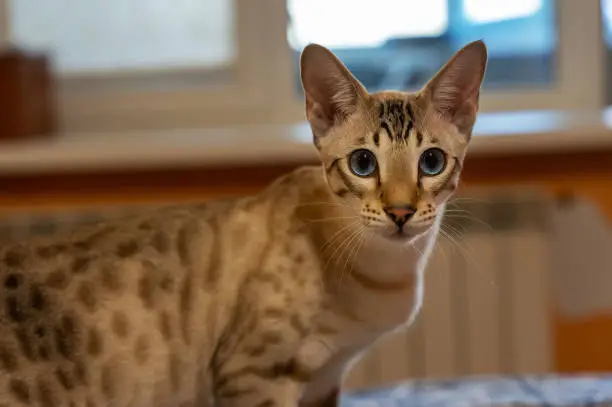
If you’ve ever dreamed of owning a pet that looks like a miniature tiger but behaves like a loving domestic cat, the Toyger cat might be the perfect breed for you. With its bold striped coat, muscular body, and confident walk, the Toyger has earned a reputation as one of the most visually striking cat breeds in the world.
Despite its wild appearance, the Toyger is a friendly, affectionate, and intelligent companion that fits well into family life. Developed through selective breeding, this unique breed was designed to resemble a tiger while maintaining the temperament of a domestic cat.
Over the past few decades, Toygers have gained popularity among cat enthusiasts who appreciate their exotic appearance and engaging personalities. Whether you’re considering buying a Toyger kitten or simply researching this fascinating breed, this guide covers everything you need to know.
Toyger Cat Overview
The Toyger is a relatively rare designer cat breed known for its tiger-like markings and affectionate personality. The breed combines striking physical characteristics with a social and trainable temperament, making it appealing to a wide range of cat lovers.
Quick Breed Facts
| Characteristic | Details |
|---|---|
| Breed Name | Toyger |
| Origin | United States |
| Lifespan | 12–18 Years |
| Weight | 7–15 Pounds |
| Height | 9–13 Inches |
| Coat Type | Short, Dense, Plush |
| Temperament | Friendly, Intelligent, Social |
| Energy Level | Moderate to High |
| Intelligence | Very High |
| Family Friendly | Excellent |
| Good with Children | Yes |
| Good with Other Pets | Usually Yes |
| Shedding Level | Moderate |
Toyger Cat at a Glance
| Trait | Details |
| Origin | United States |
| Lifespan | 12–18 Years |
| Weight | 7–15 Pounds |
| Temperament | Affectionate, Curious, Friendly |
| Grooming Needs | Low to Moderate |
| Shedding Level | Moderate |
Why Cat Lovers Adore Toygers
Toygers are admired because they combine:
- A stunning tiger-like appearance
- Gentle and friendly personalities
- High intelligence
- Adaptability to family life
- Strong bonds with owners
- Excellent trainability
For many owners, the Toyger offers the best of both worlds: exotic looks and a loving domestic temperament.
History and Origin of the Toyger Cat
The Toyger is one of the newest cat breeds recognized by major cat associations. Unlike ancient cat breeds that developed naturally, the Toyger was intentionally created to resemble a miniature tiger.
Who Created the Toyger Breed?
The Toyger breed was developed by Judy Sugden, an American breeder and daughter of Jean Mill, the creator of the Bengal cat.
Judy envisioned a cat that would raise awareness about tiger conservation while offering cat enthusiasts a beautiful companion animal.
Her efforts eventually led to the development of what we now know as the Toyger.
The Vision Behind the Mini Tiger Cat
The primary goal was not to create a wild cat hybrid but rather a domestic cat that visually resembled a tiger.
Breeders focused on developing:
- Bold vertical stripes
- A muscular physique
- A long, low body
- A confident gait
- Circular facial markings
These features collectively produce the breed’s distinctive tiger-like appearance.
Early Breeding Programs
To create the Toyger, breeders selectively crossed domestic cats with specific desirable traits.
Foundation cats included:
- Domestic short-haired tabbies
- Bengal cats
- Carefully selected striped cats
Over multiple generations, breeders refined the appearance while maintaining a friendly temperament.
Breed Recognition by Cat Associations
As the breed gained popularity, major organizations began recognizing its unique characteristics.
The Toyger achieved significant milestones through:
- Experimental breeding programs
- Breed standard development
- Show participation
- Formal registration processes
Today, the Toyger is recognized by leading cat registries and continues to grow in popularity worldwide.
Development of Modern Toyger Standards
Modern Toyger breeding focuses on improving several key characteristics:
Desired Traits
- Deep orange coat color
- Highly visible stripes
- Large nose
- Rounded ears
- Muscular build
- Tiger-like facial markings
Breeders continue working toward an appearance that closely resembles a small tiger while preserving excellent health.
Conservation Awareness and the Toyger
One of the most interesting aspects of the Toyger breed is its connection to wildlife conservation.
The breed was developed partly to encourage public interest in tiger conservation efforts. By creating a domestic cat that resembles a tiger, breeders hoped to inspire people to learn more about endangered tiger populations.
Although Toygers are completely domestic cats, their appearance serves as a reminder of the beauty and importance of wild tigers.
What Does a Toyger Cat Look Like?
The Toyger’s appearance is its most famous feature.
Many people who see a Toyger for the first time assume it has wild ancestry because of its striking resemblance to a tiger.
The Tiger-Like Appearance
The Toyger’s name combines the words:
- Toy
- Tiger
The breed was intentionally developed to resemble a toy-sized tiger.
Characteristics that contribute to this look include:
- Bold stripes
- Bright orange coat
- Muscular frame
- Powerful movement
- Unique facial markings
Size and Body Structure
Toygers are medium-to-large cats with strong, athletic bodies.
Physical characteristics include:
- Long torso
- Broad shoulders
- Deep chest
- Strong legs
- Balanced proportions
Their build gives them a powerful yet graceful appearance.
Distinctive Coat Pattern
Perhaps the most recognizable Toyger feature is its coat.
The ideal Toyger displays:
- Dark vertical stripes
- Random branching patterns
- High contrast markings
- Circular facial patterns
Unlike many tabby cats, Toyger stripes are designed to resemble true tiger markings.
Muscular Build
The Toyger’s body is surprisingly muscular.
This muscularity contributes to:
- Athletic movement
- Strong jumping ability
- Balanced posture
- Wild-cat appearance
Despite their strength, Toygers remain affectionate and approachable pets.
Head Shape and Facial Features
Toygers have unique facial characteristics that distinguish them from other domestic breeds.
Features often include:
- Broad nose
- Strong chin
- High cheekbones
- Deep muzzle
- Rounded contours
The face is intentionally designed to evoke the appearance of a tiger.
Eye Color Variations
Most Toygers have:
- Gold eyes
- Amber eyes
- Hazel eyes
- Green eyes
Bright eye colors enhance their exotic appearance.
Tail Characteristics
The Toyger’s tail is:
- Long
- Thick
- Well-balanced
- Rounded at the tip
The tail complements the overall tiger-like silhouette.
Walking Style and Movement
One of the most impressive aspects of the breed is its movement.
Toygers often display:
- Confident strides
- Fluid motion
- Strong posture
- Graceful movement
Many owners compare their walk to that of a small jungle cat.
Toyger Cat Colors and Patterns
Color and pattern are central to the Toyger breed standard.
Breeders devote significant effort to producing coats that closely resemble tiger markings.
Brown Mackerel Tabby Pattern
The most common and desirable Toyger pattern is the modified brown mackerel tabby.
This pattern includes:
- Rich orange background color
- Dark vertical stripes
- High contrast markings
- Tiger-like appearance
It forms the foundation of the breed standard.
Orange and Black Tiger Markings
The ideal Toyger coat features:
- Deep orange coloration
- Black striping
- Strong visual contrast
- Distinct pattern clarity
The more dramatic the contrast, the more tiger-like the cat appears.
Coat Contrast and Clarity
High-quality Toygers display:
- Clear stripe definition
- Minimal fading
- Sharp pattern edges
- Consistent markings
Pattern quality is an important consideration for show cats.
Rare Color Variations
Although the traditional orange-and-black pattern remains most desirable, occasional variations may occur.
These can include:
- Darker orange shades
- Lighter background tones
- Unique striping arrangements
However, breeders generally prioritize classic tiger coloration.
Show Quality vs Pet Quality Markings
Not every Toyger kitten is destined for the show ring.
Show Quality Toygers
Typically have:
- Superior striping
- Excellent contrast
- Ideal body structure
- Strong breed-standard features
Pet Quality Toygers
May have:
- Less defined stripes
- Minor structural differences
- Slightly softer markings
Pet-quality Toygers still make wonderful companions and often share the same loving temperament.
Toyger Cat Personality and Temperament
While their appearance may seem intimidating, Toygers are remarkably friendly and people-oriented.
Their personality is one of the breed’s strongest selling points.
Are Toyger Cats Friendly?
Yes, Toygers are widely known for their friendly nature.
They generally enjoy:
- Human interaction
- Family activities
- Attention from visitors
- Interactive games
Unlike some independent breeds, Toygers often seek companionship.
Affection Level
Most Toygers are highly affectionate.
They often enjoy:
- Sitting beside owners
- Following family members
- Participating in daily routines
- Receiving attention
Many form deep bonds with their favorite humans.
Intelligence and Learning Ability
Toygers are exceptionally intelligent cats.
They can often learn:
- Household routines
- Simple commands
- Puzzle toys
- Interactive games
Their intelligence makes training easier than with many other breeds.
Curiosity and Playfulness
Toygers retain a playful spirit well into adulthood.
Common behaviors include:
- Exploring new spaces
- Investigating objects
- Chasing toys
- Solving puzzles
Their curiosity helps keep life entertaining for owners.
Social Nature
One of the reasons the Toyger has become such a beloved companion animal is its highly social personality. Unlike some cat breeds that prefer solitude, Toygers often enjoy being involved in household activities.
Many Toygers will:
- Follow their owners from room to room
- Greet family members at the door
- Participate in family activities
- Seek attention and interaction
This social nature makes them excellent companions for people who want an interactive pet.
Bonding with Family Members
Toygers typically form strong emotional bonds with their families.
Although they may choose one favorite person, they usually remain affectionate toward all household members. Their loyal nature often leads owners to compare them to dogs.
Signs of strong bonding include:
- Sleeping near owners
- Following people around the home
- Seeking physical affection
- Responding to their names
Toyger Emotional Traits
Toygers are generally known for being:
- Confident
- Curious
- Friendly
- Playful
- Affectionate
They tend to adapt well to changes and are less likely to become stressed than some more sensitive cat breeds.
Toyger Cat Behavior
The Toyger’s behavior combines intelligence, curiosity, and sociability.
These cats are rarely content to spend all day sleeping and often prefer engaging with their environment.
Daily Activity Levels
Toygers are moderately active cats.
They enjoy:
- Interactive play
- Climbing
- Exploring
- Hunting-style games
- Puzzle challenges
Most require daily engagement to remain mentally and physically satisfied.
Play Preferences
Toygers love games that allow them to use their intelligence and athletic abilities.
Favorite activities often include:
- Fetch
- Feather wand games
- Laser pointer sessions
- Puzzle toys
- Treat-dispensing toys
Many Toygers quickly learn how to retrieve toys and bring them back to their owners.
Vocalization Habits
Toygers are not typically excessive vocalizers.
Their communication often consists of:
- Soft meows
- Chirps
- Trills
- Gentle vocal requests
While they enjoy interacting with people, they are generally quieter than some oriental cat breeds.
Interaction with Humans
Human interaction is extremely important for this breed.
Toygers thrive when they receive:
- Daily attention
- Mental stimulation
- Interactive play
- Positive reinforcement
Extended periods of isolation can sometimes lead to boredom.
Adaptability to New Environments
Toygers are generally adaptable and confident.
They often adjust well to:
- New homes
- Apartment living
- Family changes
- Travel situations
- Multi-pet households
Their flexible temperament is one reason they appeal to a wide range of owners.
Indoor Lifestyle Suitability
Most breeders recommend keeping Toygers indoors.
Indoor living offers protection from:
- Traffic
- Predators
- Disease
- Theft
- Environmental hazards
A stimulating indoor environment helps satisfy their natural curiosity while keeping them safe.
Toyger Cat Size and Growth
Although they resemble miniature tigers, Toygers are still domestic cats with manageable sizes.
Their athletic build often makes them appear larger than they actually are.
Average Weight by Gender
| Gender | Average Weight |
|---|---|
| Male Toyger | 10–15 lbs |
| Female Toyger | 7–12 lbs |
Some individuals may exceed these ranges depending on genetics and diet.
Height and Length
Most Toygers measure:
- Height: 9–13 inches
- Length: 18–24 inches or more
Their elongated body contributes significantly to their tiger-like appearance.
Growth Stages
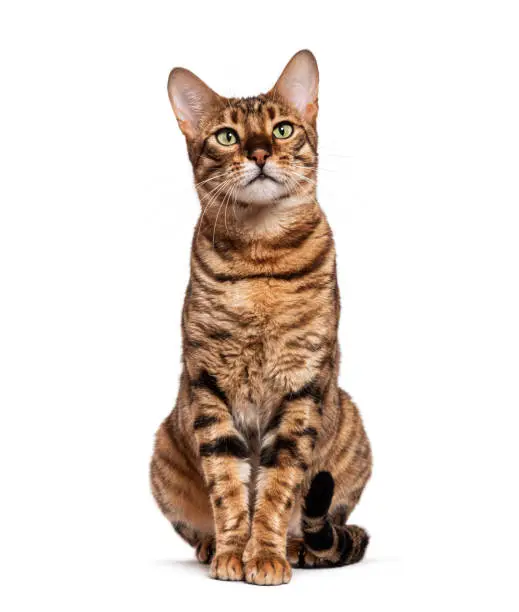
Kitten Stage (0–12 Months)
During kittenhood, Toygers experience:
- Rapid growth
- High energy levels
- Intense curiosity
- Social development
Adolescent Stage (1–2 Years)
During adolescence:
- Muscle development increases
- Confidence grows
- Physical features become more pronounced
Adult Stage (2–3 Years)
Most Toygers reach full maturity around two to three years of age.
At this stage they display:
- Fully developed musculature
- Stable temperament
- Mature coat patterns
Full-Grown Toyger Cat Size
A full-grown Toyger typically possesses:
- Muscular build
- Broad chest
- Strong legs
- Athletic appearance
Their size contributes to the illusion of a miniature tiger.
Toyger Growth Chart
| Age | Average Weight |
| 3 Months | 3–5 lbs |
| 6 Months | 5–8 lbs |
| 12 Months | 8–12 lbs |
| 18 Months | 9–14 lbs |
| Adult | 7–15 lbs |
Individual growth rates vary depending on genetics and nutrition.
Toyger Cat Care Guide
Toygers are generally low-maintenance cats, but they still require consistent care to remain healthy and happy.
Daily Care Requirements
A healthy daily routine includes:
- Fresh water
- High-quality food
- Interactive play
- Litter box maintenance
- Social interaction
Consistency is essential for their well-being.
Housing Needs
Toygers adapt well to various living situations.
Ideal housing includes:
- Safe indoor spaces
- Vertical climbing areas
- Comfortable sleeping spots
- Quiet retreat zones
They appreciate environments that provide both activity and relaxation opportunities.
Environmental Enrichment
Because Toygers are highly intelligent, enrichment is crucial.
Helpful enrichment tools include:
- Cat trees
- Window perches
- Puzzle toys
- Scratching posts
- Interactive feeders
These items help prevent boredom and encourage natural behaviors.
Mental Stimulation
Mental exercise is just as important as physical activity.
Ways to stimulate a Toyger’s mind include:
- Teaching tricks
- Food puzzles
- Hide-and-seek games
- Clicker training
- Interactive toys
A mentally engaged Toyger is typically happier and less likely to develop destructive habits.
Indoor vs Outdoor Living
Most experts recommend indoor living.
Benefits include:
- Longer lifespan
- Better health
- Greater safety
- Reduced injury risk
If outdoor experiences are desired, supervised leash walks can be a safer alternative.
Toyger Cat Diet and Nutrition
Nutrition plays a major role in maintaining the Toyger’s health and muscular physique.
Nutritional Requirements
Toygers require a balanced diet rich in:
- Animal protein
- Healthy fats
- Vitamins
- Minerals
- Taurine
Protein should remain the primary ingredient in their food.
Best Food for Toyger Cats
High-quality foods typically feature:
- Real meat as the first ingredient
- Limited fillers
- Balanced nutrient profiles
- Appropriate life-stage formulas
Premium diets support healthy skin, coat, and muscle development.
Wet Food vs Dry Food
Wet Food Benefits
- Higher moisture content
- Better hydration
- Often more palatable
Dry Food Benefits
- Convenient storage
- Easy portion control
- Cost-effective
Many owners choose a combination of both.
Feeding Schedule by Age
| Age | Feeding Frequency |
| 0–6 Months | 3–4 Meals Daily |
| 6–12 Months | 2–3 Meals Daily |
| Adults | 2 Meals Daily |
| Seniors | 2 Smaller Meals Daily |
Consistent feeding schedules help maintain healthy digestion.
Foods to Avoid
Never feed:
- Chocolate
- Onions
- Garlic
- Grapes
- Raisins
- Alcohol
- Excessive dairy
Many human foods can be dangerous or toxic to cats.
Weight Management Tips
To maintain a healthy weight:
- Monitor portions carefully
- Avoid excessive treats
- Encourage daily activity
- Schedule routine veterinary exams
Healthy weight management reduces the risk of many health conditions.
Grooming a Toyger Cat
One advantage of owning a Toyger is its relatively low grooming requirement.
Coat Maintenance
The Toyger’s short coat is naturally easy to maintain.
Benefits include:
- Minimal matting
- Easy brushing
- Attractive appearance
- Moderate shedding
Brushing Requirements
Weekly brushing is usually sufficient.
Regular brushing helps:
- Remove loose fur
- Reduce shedding
- Improve coat shine
- Strengthen owner-cat bonding
Bathing Guidelines
Most Toygers rarely require baths.
Bathing may be necessary when:
- Excessively dirty
- Preparing for cat shows
- Exposed to harmful substances
Cats generally keep themselves clean through self-grooming.
Nail Trimming
Trim nails every:
- 2–4 weeks
Benefits include:
- Preventing overgrowth
- Reducing furniture damage
- Improving comfort
Ear Cleaning
Check ears regularly for:
- Dirt
- Wax buildup
- Redness
- Unusual odors
Clean only when necessary using veterinarian-approved products.
Dental Care
Dental health should never be overlooked.
Helpful practices include:
- Tooth brushing
- Dental treats
- Routine veterinary cleanings
- Oral health monitoring
Good dental care supports overall health and longevity.
Toyger Cat Exercise Requirements
Toygers possess moderate-to-high energy levels and need regular exercise.
Daily Exercise Needs
Most Toygers benefit from:
- 20–45 minutes of active play daily
Regular exercise helps maintain:
- Healthy weight
- Muscle tone
- Mental stimulation
- Emotional well-being
Interactive Play Sessions
Interactive play is especially important because Toygers enjoy engaging with their owners.
Popular activities include:
- Wand toys
- Ball chasing
- Fetch games
- Obstacle courses
Best Toys for Toyger Cats
Recommended toys include:
- Feather wands
- Interactive mice
- Ball tracks
- Laser toys
- Treat puzzles
Rotating toys periodically helps maintain interest.
Puzzle Feeders and Enrichment Toys
Puzzle toys provide:
- Mental stimulation
- Problem-solving opportunities
- Slower eating habits
- Reduced boredom
These are especially beneficial for intelligent breeds like the Toyger.
Climbing Structures and Cat Trees
Toygers love vertical spaces.
A quality cat tree provides:
- Exercise
- Observation points
- Scratching surfaces
- Entertainment
Climbing opportunities help satisfy natural instincts.
Toyger Cat Health Issues
The Toyger is generally considered a healthy breed, especially when obtained from responsible breeders who prioritize genetic testing and overall health. However, like all cats, Toygers can be susceptible to certain medical conditions.
Common Health Problems
While many Toygers live long and healthy lives, some may experience:
- Obesity
- Dental disease
- Heart conditions
- Urinary tract issues
- Digestive sensitivities
Regular veterinary care can help detect and manage these concerns early.
Genetic Health Concerns
Because the Toyger is a relatively young breed, breeders have worked hard to maintain genetic diversity. However, some inherited conditions can still occur.
Potential concerns include:
- Heart disease
- Hereditary murmurs
- Certain metabolic disorders
Purchasing from a reputable breeder who performs health screenings significantly reduces risk.
Heart Conditions
One health issue occasionally discussed in Toyger breeding programs is hypertrophic cardiomyopathy (HCM), a heart condition seen in several cat breeds.
Symptoms may include:
- Fatigue
- Labored breathing
- Reduced activity
- Sudden weakness
Routine veterinary examinations can help monitor heart health.
Obesity Risks
Toygers enjoy food and can gain weight if overfed.
Obesity may lead to:
- Diabetes
- Joint problems
- Reduced mobility
- Heart strain
Maintaining proper portion control and regular exercise is essential.
Dental Disease
Dental problems are common among domestic cats.
Without proper care, Toygers may develop:
- Gingivitis
- Plaque buildup
- Tooth decay
- Bad breath
Regular brushing and veterinary dental cleanings help maintain oral health.
Preventive Veterinary Care
A preventive healthcare plan should include:
- Annual wellness exams
- Vaccinations
- Parasite prevention
- Dental assessments
- Weight monitoring
Preventive care is often less expensive and more effective than treating advanced illness.
Toyger Cat Lifespan
One of the advantages of owning a Toyger is its relatively long lifespan.
Average Life Expectancy
Most Toygers live between:
12 and 18 years
Many cats exceed this range when provided with excellent care.
Factors Affecting Longevity
Several factors influence lifespan:
| Factor | Impact |
|---|---|
| Genetics | High |
| Diet | High |
| Veterinary Care | High |
| Exercise | Moderate |
| Indoor Living | High |
| Stress Levels | Moderate |
How to Help a Toyger Live Longer
Owners can promote longevity by:
- Feeding a nutritious diet
- Maintaining healthy weight
- Providing mental stimulation
- Scheduling regular vet visits
- Keeping cats indoors
Small lifestyle choices can significantly impact overall lifespan.
Senior Toyger Care
As Toygers age, they may require:
- More frequent veterinary exams
- Joint support supplements
- Softer bedding
- Modified diets
- Easier access to resources
Senior cats often thrive with attentive care and routine monitoring.
Are Toyger Cats Hypoallergenic?
Many potential owners wonder whether the Toyger is suitable for allergy sufferers.
Understanding Cat Allergies
Most cat allergies are caused by proteins found in:
- Saliva
- Skin oils
- Dander
These allergens spread throughout the home as cats groom themselves.
Toyger Shedding Levels
Toygers have short coats but still shed moderately.
They generally shed less than some long-haired breeds, but they are not considered low-allergen cats.
Allergen Production
Toygers produce the same allergy-causing proteins found in most domestic cats.
As a result, they are not hypoallergenic.
Tips for Allergy Sufferers
Helpful strategies include:
- Frequent grooming
- HEPA air filtration
- Regular cleaning
- Washing cat bedding
- Creating pet-free sleeping areas
Some allergy sufferers tolerate Toygers better than heavily shedding breeds, but results vary.
Toyger Cat Shedding
How Much Do Toygers Shed?
Toygers are considered moderate shedders.
Owners can expect:
- Light year-round shedding
- Seasonal coat changes
- Manageable grooming requirements
Seasonal Shedding Patterns
Shedding often increases during:
- Spring
- Fall
During these periods, more frequent brushing may be helpful.
Managing Cat Hair at Home
To control shedding:
- Brush regularly
- Vacuum frequently
- Use lint rollers
- Wash bedding routinely
Consistency is key.
Grooming to Reduce Shedding
Weekly brushing helps:
- Remove loose hair
- Reduce allergens
- Improve coat condition
- Minimize household fur
Toyger Cat and Families
Toygers are known for their affectionate and social personalities, making them excellent family pets.
Are Toygers Good with Children?
Yes. Toygers are generally:
- Patient
- Playful
- Gentle
- Interactive
They often enjoy participating in games and activities with children.
Compatibility with Seniors
Their friendly nature also makes them suitable companions for older adults.
Benefits include:
- Moderate activity levels
- Strong companionship
- Easy grooming requirements
- Adaptable temperament
Apartment Living Suitability
Toygers can thrive in apartments when provided with:
- Climbing opportunities
- Interactive toys
- Daily play sessions
Their adaptability allows them to adjust to various living environments.
First-Time Cat Owner Compatibility
Because they are intelligent, affectionate, and relatively easy to care for, Toygers can be excellent pets for first-time owners.
Toyger Cat and Other Pets
Toygers typically get along well with other animals when introductions are handled properly.
Living with Dogs
Many Toygers coexist peacefully with dogs.
Their confident personalities help them adapt to canine companions.
Living with Other Cats
Toygers generally enjoy feline companionship.
Benefits include:
- Social interaction
- Shared play
- Reduced boredom
Introducing New Pets
Successful introductions involve:
- Separate spaces initially
- Gradual scent exchange
- Controlled visual contact
- Supervised meetings
Patience increases the likelihood of success.
Multi-Pet Household Success Tips
Helpful practices include:
- Multiple feeding stations
- Separate litter boxes
- Individual resting spaces
- Positive reinforcement
Toyger Cat Training
Toygers are among the most trainable cat breeds.
Are Toyger Cats Easy to Train?
Yes. Their intelligence and curiosity make training enjoyable and effective.
Many Toygers quickly learn:
- Commands
- Tricks
- Routines
- Interactive games
Litter Box Training
Most Toyger kittens learn litter box habits quickly when provided with:
- Clean litter boxes
- Consistent placement
- Positive reinforcement
Leash Training
Toygers often adapt well to leash walking.
Benefits include:
- Mental stimulation
- Safe outdoor exploration
- Exercise opportunities
Clicker Training
Clicker training can be highly effective because Toygers enjoy learning.
Common behaviors taught include:
- Sitting
- Coming when called
- High-fives
- Target touching
Teaching Tricks
Toygers may learn:
- Fetch
- Spin
- Jumping through hoops
- Handshake commands
Positive Reinforcement Techniques
Successful training relies on:
- Treat rewards
- Praise
- Consistency
- Patience
Avoid punishment-based methods.
Toyger Cat Cost
One of the biggest considerations for prospective owners is cost.
How Much Does a Toyger Cat Cost?
Toygers are rare and often expensive.
Average prices typically range from:
$1,500 to $5,000+
Toyger Kitten Price
Pet-quality kittens generally cost:
| Type | Estimated Price |
|---|---|
| Pet Quality | $1,500–$3,500 |
| Show Quality | $3,500–$5,000+ |
Show Quality Toyger Cost
Cats with exceptional markings and breed-standard traits command premium prices.
Annual Ownership Expenses
Owners should budget for:
- Food
- Veterinary care
- Litter
- Toys
- Insurance
Annual expenses often range from $800–$2,000+.
Veterinary Costs
Routine veterinary care includes:
- Vaccinations
- Wellness exams
- Dental cleanings
- Emergency treatment
Insurance Considerations
Pet insurance can help offset unexpected medical costs.
Toyger Cat for Sale
Where to Buy a Toyger Cat
Potential sources include:
- Registered breeders
- Breed-specific catteries
- Rescue organizations
Finding Reputable Toyger Breeders
A responsible breeder should:
- Provide health records
- Offer health guarantees
- Allow questions
- Prioritize socialization
Questions to Ask a Breeder
Important questions include:
- What health tests have been performed?
- Can I meet the parents?
- What vaccinations has the kitten received?
- Is there a health guarantee?
Warning Signs of Unethical Breeders
Avoid breeders who:
- Refuse documentation
- Sell kittens too young
- Offer unusually low prices
- Avoid communication
Buying a Toyger Kitten Online
Always verify breeder credentials before purchasing online.
Toyger Kittens
What to Expect from a Toyger Kitten
Toyger kittens are:
- Curious
- Playful
- Energetic
- Intelligent
They require consistent socialization and engagement.
Early Socialization
Early exposure to:
- People
- Sounds
- New environments
- Other pets
helps produce confident adult cats.
Development Stages
| Age | Milestone |
|---|---|
| 8 Weeks | Weaning |
| 12 Weeks | Increased Independence |
| 6 Months | Adolescence |
| 12 Months | Near Adult Size |
| 2–3 Years | Full Maturity |
Kitten Care Checklist
Essential supplies include:
- Food bowls
- Litter box
- Carrier
- Cat tree
- Toys
- Bed
Preparing for a New Toyger Kitten
Prepare a safe environment before bringing your kitten home.
Toyger Cat Adoption
Can You Adopt a Toyger Cat?
Yes, although Toygers are relatively rare in shelters.
Rescue Organizations
Breed-specific rescues occasionally have Toygers available for adoption.
Adoption Benefits
Advantages include:
- Lower cost
- Saving a life
- Supporting rescue efforts
Adoption Process
Most rescues require:
- Application
- Interview
- Home review
- Adoption agreement
Preparing Your Home
Create a comfortable environment with:
- Safe spaces
- Food and water stations
- Litter boxes
- Toys
Toyger Cat vs Other Cat Breeds
Toyger vs Bengal Cat
| Feature | Toyger | Bengal |
|---|---|---|
| Appearance | Tiger-like | Leopard-like |
| Energy | Moderate | High |
| Temperament | Relaxed | Highly Active |
Toyger vs Savannah Cat
Savannah cats tend to be larger and more energetic than Toygers.
Toyger vs Egyptian Mau
The Egyptian Mau is naturally spotted, while the Toyger is intentionally striped.
Toyger vs Ocicat
Ocicats display wild-looking spots, while Toygers mimic tiger stripes.
Toyger vs Domestic Tabby
Although both may have striped coats, Toygers possess specialized breeding and unique tiger-like characteristics.
Pros and Cons of Owning a Toyger Cat
Advantages
- Friendly personality
- Unique appearance
- Highly intelligent
- Family-friendly
- Trainable
- Adaptable
Challenges
- High purchase price
- Rare availability
- Requires mental stimulation
- Can become bored without interaction
Is a Toyger Right for You?
The Toyger is ideal for owners seeking a striking, intelligent, and affectionate companion.
Interesting Facts About Toyger Cats
Why They Look Like Tiny Tigers
The breed was specifically developed to resemble a miniature tiger.
Rare Breed Status
Toygers remain one of the rarer cat breeds worldwide.
Toyger Breed Milestones
The breed has gained increasing recognition from major cat associations.
Celebrity Toyger Owners
Several public figures and cat enthusiasts have expressed interest in the breed due to its unique appearance.
Fun Facts Cat Lovers Should Know
- Toygers are entirely domestic cats.
- Their stripes are individually unique.
- Many enjoy leash walking.
- They often learn tricks quickly.
Toyger Cat Breed Standards
Official Breed Requirements
Breed standards emphasize:
- Muscular build
- Bold striping
- Long body
- Tiger-like appearance
Show Cat Characteristics
Ideal show Toygers display:
- Excellent contrast
- Distinct stripes
- Strong body structure
Desired Coat Features
The coat should feature:
- Bright background color
- Dark vertical stripes
- Clear pattern definition
Disqualifying Traits
Major deviations from breed standards may affect show eligibility.
Living with a Toyger Cat
Daily Life with a Toyger
Owners often describe Toygers as interactive, entertaining companions.
Travel and Transportation
Many Toygers adapt well to travel when introduced gradually.
Managing Boredom
Prevent boredom through:
- Puzzle toys
- Play sessions
- Training activities
- Climbing opportunities
Building a Strong Bond
Strong relationships develop through:
- Daily interaction
- Consistent routines
- Positive reinforcement
- Shared activities
Frequently Asked Questions (FAQs)
What is special about a Toyger cat?
Its tiger-like appearance combined with a friendly domestic temperament.
How much does a Toyger cat cost?
Typically between $1,500 and $5,000 or more.
Are Toyger cats rare?
Yes, they are considered a relatively rare breed.
Are Toyger cats friendly?
Very friendly and social.
Do Toyger cats shed a lot?
They are moderate shedders.
Are Toygers good family pets?
Yes, they usually do well with families and children.
Can Toyger cats be left alone?
Short periods are fine, but they prefer companionship.
Are Toygers hypoallergenic?
No, they are not hypoallergenic.
How big do Toyger cats get?
Most weigh between 7 and 15 pounds.
What breeds were used to create the Toyger?
Primarily domestic tabbies and Bengal cats.
Conclusion
The Toyger cat is one of the most fascinating modern cat breeds, combining the appearance of a miniature tiger with the temperament of a loving family pet. Its bold stripes, muscular build, and confident personality make it stand out among domestic cats, while its affectionate and intelligent nature makes it easy to live with.
Whether you are a family, a single owner, a senior, or part of a multi-pet household, the Toyger can be a wonderful companion. With proper care, nutrition, training, and enrichment, these cats can enjoy long, healthy, and fulfilling lives.
As interest in exotic-looking domestic cats continues to grow, the Toyger remains a favorite among cat enthusiasts worldwide. Its blend of beauty, intelligence, and companionship ensures that this remarkable breed will continue to capture hearts for years to come.