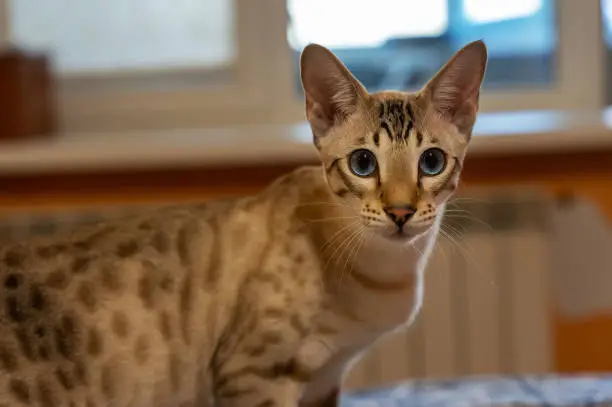
Few domestic cats capture attention quite like the Toyger cat breed. With its striking tiger-like stripes, muscular body, and confident walk, the Toyger looks as though a wild tiger has been magically transformed into a friendly house cat. Despite its exotic appearance, this breed is affectionate, intelligent, and thrives as a family companion.
Over the last decade, Toygers have become increasingly popular among cat enthusiasts looking for a pet that combines the beauty of a wild cat with the gentle temperament of a domestic feline. Their unique appearance often sparks curiosity, leading many people to ask whether they are part tiger, how difficult they are to care for, and whether they make good pets.
In this comprehensive guide, you’ll learn everything you need to know about the Toyger cat breed, including its history, personality, appearance, health, grooming needs, and what makes this remarkable cat so unique.
Whether you’re considering bringing home a Toyger kitten or simply fascinated by rare cat breeds, this guide will help you make an informed decision.
What Is the Toyger Cat Breed?
The Toyger is a rare domestic cat breed selectively developed to resemble a miniature tiger. Despite its wild appearance, it contains no tiger DNA and is completely domesticated.
The name “Toyger” combines the words “toy” and “tiger,” reflecting the breeder’s vision of creating a companion cat that looks like a tiger while maintaining a loving and manageable personality.
Unlike naturally occurring striped cats, Toygers are intentionally bred to display:
- Bold vertical stripes
- Rich orange coloring
- Muscular bodies
- Long, low profiles
- Broad noses
- Confident movement
The result is one of the world’s most visually impressive domestic cat breeds.
Origin and History of the Toyger Cat Breed
The Toyger breed is relatively new compared to many traditional cat breeds.
It was first developed during the 1980s by American breeder Judy Sugden, daughter of the famous Bengal cat breeder Jean Mill.
Her goal wasn’t simply to create another striped cat—it was to produce a domestic cat that closely resembled a wild tiger while also promoting awareness about tiger conservation.
To achieve this vision, breeders carefully selected cats with the desired physical characteristics over multiple generations.
The early breeding program primarily involved:
- Bengal cats
- Domestic Shorthair tabbies
- Carefully selected striped domestic cats
Over decades of selective breeding, the Toyger evolved into the distinctive breed recognized today.
Why Was the Breed Developed?
The Toyger wasn’t created by accident.
Its development centered around several goals:
- Replicate the appearance of a tiger
- Maintain a gentle domestic temperament
- Promote appreciation for endangered wild tigers
- Develop a healthy and athletic companion animal
Rather than encouraging ownership of exotic animals, the Toyger offers cat lovers the beauty of a tiger in a safe, affectionate house cat.
Breed Recognition
Although still considered relatively rare, the Toyger has gained recognition from major cat organizations.
Some of the most respected registries acknowledge the breed, including:
- The International Cat Association (TICA)
- Various international pedigree organizations
Recognition has encouraged responsible breeding practices while helping preserve the breed’s unique characteristics.
Toyger Cat Breed at a Glance
| Characteristic | Details |
|---|---|
| Breed Type | Domestic Designer Cat |
| Origin | United States |
| Size | Medium to Large |
| Weight | 7–15 pounds |
| Height | 9–13 inches |
| Lifespan | 12–15 years |
| Coat | Short, Dense, Plush |
| Shedding | Moderate |
| Energy Level | High |
| Intelligence | Very High |
| Affection Level | High |
| Child Friendly | Excellent |
| Pet Friendly | Excellent |
| Trainability | Very Easy |
| Grooming Needs | Low |
| Vocalization | Moderate |
| Apartment Friendly | Yes |
| First-Time Owner Friendly | Yes, with active engagement |
Toyger Cat History and Origin
When Was the Toyger Breed Created?
Development of the Toyger began in the late 1980s, although breeders continued refining its appearance for decades.
Unlike older breeds that developed naturally over centuries, the Toyger is the result of modern, carefully planned breeding.
Each generation was selected based on specific physical traits rather than chance.
Who Created the Toyger?
The breed’s founder, Judy Sugden, envisioned a cat that celebrated the beauty of wild tigers while remaining entirely domestic.
Her inspiration came from noticing unusual markings on one of her tabby cats.
These markings resembled the facial patterns found on tigers and sparked the idea of selectively breeding for an even stronger tiger-like appearance.
Bengal Cat Influence
Many people assume Toygers are simply another variation of the Bengal.
While Bengals played an important role during the breed’s development, today’s Toyger has become its own distinct breed with unique standards.
Bengals contributed:
- Athletic bodies
- Muscular build
- Rich coat color
- Confident personality
However, breeders focused heavily on changing the coat pattern from leopard-like spots to tiger-style stripes.
Domestic Shorthair Contributions
Domestic Shorthair tabbies also played a crucial role.
These cats introduced:
- Vertical striping
- Broader noses
- Stable domestic temperament
- Healthy genetic diversity
Their contribution helped create a cat that looked wild while remaining exceptionally friendly.
Selective Breeding Process
Creating the Toyger required decades of selective breeding.
Breeders consistently selected cats displaying:
- Bold broken stripes
- Circular facial markings
- Long muscular bodies
- Rounded ears
- Deep orange coloring
- White undersides (where possible)
This gradual refinement produced the distinctive appearance recognized today.
Toyger Cat Appearance
The Toyger’s appearance is unlike almost any other domestic cat.
Every feature has been carefully developed to mimic the majestic tiger.
Overall Body Structure
Toygers have a balanced combination of elegance and power.
Their bodies are:
- Long
- Muscular
- Athletic
- Well-proportioned
- Heavy-boned
Despite appearing muscular, they remain agile and graceful.
Athletic Build
These cats possess impressive athletic ability.
They enjoy:
- Running
- Jumping
- Climbing
- Exploring elevated spaces
Their powerful hind legs allow for impressive leaps around the home.
Long Body
One distinguishing feature is their elongated body.
Unlike compact breeds, Toygers have a stretched appearance that contributes to their tiger resemblance.
Muscular Frame
Toygers are noticeably solid when picked up.
Their weight comes from muscle rather than excess fat.
A healthy Toyger feels dense, strong, and athletic.
Head Shape
Their head is another defining feature.
Characteristics include:
- Broad muzzle
- Strong chin
- Deep nose bridge
- Rounded facial contours
These traits help create the bold expression associated with tigers.
Rounded Ears
Unlike many wild-looking breeds with pointed ears, Toygers have relatively small, rounded ears.
This subtle detail strengthens their tiger-like appearance.
Strong Chin
A well-developed chin gives the face a confident profile while balancing the broad nose.
Toyger Coat Pattern
The coat is the Toyger’s most famous feature.
Rather than random tabby markings, Toygers display carefully bred tiger-inspired striping.
Ideal Toyger markings include:
- Thick vertical stripes
- Broken stripe patterns
- Branched markings
- Circular facial stripes
- Dark tail rings
No two Toygers have identical patterns.
Bold Vertical Stripes
Unlike common tabby cats that often display narrow lines, Toygers feature dramatic vertical striping running down the body.
These stripes create the illusion of a miniature tiger.
Random Broken Markings
The stripes intentionally appear irregular.
This randomness resembles the natural markings seen on wild tigers.
Glittered Coat
Some Toygers inherit a shimmering coat often called glitter.
Under sunlight, the fur reflects light beautifully, creating a luxurious appearance.
High Contrast Coloring
The best Toygers display strong contrast between:
- Bright orange background
- Deep black stripes
This contrast makes their tiger pattern especially striking.
Toyger Coat Colors
Currently, breeders focus primarily on one color pattern.
Brown Mackerel Tabby
The accepted standard features:
- Warm orange or golden background
- Black stripes
- White or lighter underbelly (where present)
- Rich facial markings
The richer the contrast, the more desirable the appearance.
Tail Appearance
The Toyger’s tail complements its tiger-like body.
It is typically:
- Long
- Thick
- Fully striped
- Rounded at the tip
The tail helps complete the illusion of a tiny tiger roaming through the house.
Why Do Toyger Cats Look Like Tigers?
The Toyger’s resemblance to a tiger is entirely the result of selective breeding, not hybridization with wild animals.
Breeders carefully chose cats exhibiting specific physical traits over many generations. The goal was to recreate the tiger’s bold striping, muscular frame, and confident posture in a fully domesticated cat.
Genetics Behind Their Appearance
Several inherited characteristics contribute to the Toyger’s signature look:
- Deep orange coat pigmentation
- Thick vertical tabby stripes
- Broad, elongated nose
- Muscular body structure
- Rounded ears
- Long, low-slung frame
These features work together to create the striking “mini tiger” illusion.
Similarities to Wild Tigers
Toygers share several visual characteristics with their wild counterparts:
| Toyger Trait | Tiger-Like Feature |
| Vertical stripes | Similar stripe direction |
| Muscular body | Athletic build |
| Orange coat | Rich golden coloring |
| Broad nose | Powerful facial structure |
| Confident gait | Graceful movement |
Key Differences from Actual Tigers
Despite appearances, Toygers are 100% domestic cats. They:
- Have no tiger DNA
- Are safe family pets
- Do not possess wild instincts
- Thrive indoors
- Bond closely with humans
Their tiger-inspired appearance is purely cosmetic, making them ideal for those who admire wild cats but want the companionship of a loving household pet.
Toyger Cat Personality
While the Toyger’s appearance may remind you of a wild tiger, its personality is the complete opposite. These cats are known for being affectionate, outgoing, and highly social. They enjoy spending time with their families and often become involved in whatever their owners are doing.
Unlike some independent cat breeds, Toygers usually prefer being around people. They are curious by nature and love exploring new environments, learning tricks, and playing interactive games.
Owners often describe Toygers as having a dog-like personality because they enjoy following family members around the house and greeting visitors at the door.
Temperament
Toygers are generally:
- Friendly
- Gentle
- Confident
- Intelligent
- Curious
- Playful
- Adaptable
- Social
Their calm temperament makes them suitable for many different households, from busy families to single professionals.
Friendly Nature
Toygers love attention and usually enjoy interacting with people of all ages. Rather than hiding when guests arrive, many Toygers are happy to investigate new faces and surroundings.
This friendly personality makes them one of the more approachable rare cat breeds.
Intelligence
One of the Toyger’s greatest strengths is its intelligence.
They quickly learn:
- Household routines
- Feeding schedules
- Their names
- Basic commands
- Interactive games
Their ability to solve problems also means they require regular mental stimulation to prevent boredom.
Curiosity
Expect a Toyger to inspect every shopping bag, open cabinet, or new piece of furniture that enters your home.
Their curiosity keeps life entertaining, but it also means you’ll want to cat-proof your house by securing potentially dangerous items.
Playfulness
Toygers often retain their playful personality well into adulthood.
Favorite activities include:
- Chasing feather wands
- Fetching lightweight toys
- Puzzle feeders
- Laser pointer games (used responsibly)
- Climbing cat trees
Daily interactive play helps satisfy their natural hunting instincts.
Loyalty
Many Toyger owners report unusually strong bonds with their cats.
A Toyger may:
- Follow you from room to room
- Sleep near you
- Wait at the door when you return home
- Sit beside you while working
Although they aren’t always lap cats, they enjoy staying close to their favorite people.
Social Behavior
Toygers generally dislike being isolated for long periods.
If left alone frequently, they benefit from:
- Interactive toys
- Window perches
- Puzzle feeders
- Another compatible cat
Mental stimulation is just as important as physical exercise.
Confidence
Unlike shy breeds, Toygers usually adapt well to new experiences.
Many confidently explore:
- New homes
- Visitors
- Veterinary clinics
- Carriers
- Harness walks
Early socialization further strengthens this confidence.
Adaptability
Toygers adapt surprisingly well to changing environments.
They usually transition comfortably to:
- New apartments
- Larger homes
- Family additions
- Multi-pet households
Consistent routines help make these transitions even smoother.
Are Toyger Cats Good Family Pets?
Absolutely. One of the reasons the Toyger has gained popularity is its excellent temperament around people.
They combine an exotic appearance with a personality that’s affectionate, patient, and playful.
Families with Children
Toygers generally enjoy active households where children understand how to interact respectfully with pets.
Benefits include:
- Patient personality
- High play drive
- Gentle behavior
- Strong social bonds
Young children should always be supervised around any cat to ensure safe interactions for both.
Singles
For individuals, a Toyger offers companionship without being overly demanding.
They appreciate quality time each day but can also entertain themselves with the right toys and climbing structures.
Couples
Toygers thrive in homes where multiple people interact with them.
They often divide their affection among family members while still forming especially close bonds with one person.
Seniors
Active seniors who enjoy engaging with pets may find Toygers to be wonderful companions.
Interactive play and puzzle toys help satisfy the breed’s activity needs without requiring outdoor exercise.
Apartment Living
Despite their energetic personality, Toygers adjust well to apartment living if provided with:
- Vertical climbing spaces
- Daily play sessions
- Window views
- Scratching posts
- Interactive enrichment
Space matters less than stimulation.
Multi-Pet Homes
Proper introductions usually allow Toygers to coexist peacefully with:
- Other cats
- Cat-friendly dogs
- Larger companion animals
Their confident personality often helps them integrate into established households.
Toyger Cats and Children
Toygers tend to enjoy interactive play with respectful children.
Safety Around Kids
Teach children to:
- Avoid pulling tails
- Respect sleeping cats
- Handle gently
- Allow the cat to leave when desired
This builds trust between pet and child.
Play Behavior
Toygers love games involving:
- Wand toys
- Balls
- Puzzle games
- Chase activities
Interactive play helps strengthen family bonds.
Supervision Tips
Always supervise young children until both child and cat understand appropriate behavior.
Toyger Cats with Other Pets
Dogs
Toygers frequently get along with calm, cat-friendly dogs when introductions happen gradually.
Successful introductions should include:
- Separate spaces initially
- Controlled meetings
- Positive reinforcement
- Patience
Other Cats
They usually enjoy feline companionship, especially if introduced at a young age.
Another playful cat can help prevent boredom during the day.
Small Animals
Because Toygers retain hunting instincts, extra caution is needed around:
- Birds
- Hamsters
- Guinea pigs
- Rabbits
- Reptiles
Secure enclosures are essential.
Toyger Cat Intelligence
Toygers rank among the smarter domestic cat breeds.
Their intelligence makes training enjoyable for both cat and owner.
Problem Solving
Many Toygers quickly figure out:
- Food puzzles
- Cabinet doors
- Interactive toys
- Hidden treats
Without enough enrichment, they’ll often create their own entertainment.
Puzzle Toys
Recommended options include:
- Treat dispensers
- Sliding puzzles
- Food mazes
- Rotating feeders
These stimulate both mind and body.
Learning Tricks
Toygers can learn:
- Sit
- High five
- Spin
- Fetch
- Come when called
- Target training
Training sessions should remain short and rewarding.
Clicker Training
Positive reinforcement works exceptionally well.
Reward behaviors with:
- Small treats
- Praise
- Toys
- Affection
Avoid punishment, which can reduce trust and confidence.
Leash Training
Many Toygers enjoy harness training.
Introduce the harness gradually indoors before taking short outdoor walks in safe environments.
Toyger Cat Energy Level
Toygers possess moderate-to-high energy levels.
Although they enjoy relaxing beside their owners, they also require daily activity.
Daily Activity Requirements
Aim for:
- 30–60 minutes of active play
- Several short sessions throughout the day
- Opportunities to climb and explore
Indoor Exercise
Indoor cats benefit from:
- Cat trees
- Wall shelves
- Window perches
- Obstacle courses
These recreate some of the challenges found outdoors.
Interactive Games
Popular choices include:
- Feather wands
- Remote-controlled toys
- Ball tracks
- Hide-and-seek games
Rotate toys regularly to maintain interest.
Climbing Trees
Tall cat trees satisfy natural climbing instincts while giving Toygers secure observation points.
Cat Wheels
Some highly energetic Toygers enjoy running on cat exercise wheels, helping burn excess energy indoors.
Toyger Cat Grooming Guide
Fortunately, Toygers are considered relatively low-maintenance when it comes to grooming.
Their short coat rarely mats, making regular care simple.
Coat Care
Weekly brushing usually removes loose hair while keeping the coat shiny.
Benefits include:
- Less shedding
- Healthier skin
- Reduced hairballs
- Stronger owner-cat bond
Brushing Frequency
- Once weekly for most cats
- Twice weekly during seasonal shedding
A soft rubber grooming brush works well.
Bathing
Toygers generally don’t require frequent baths.
Only bathe when:
- Extremely dirty
- Preparing for shows
- Recommended by a veterinarian
Always use cat-safe shampoo.
Nail Care
Trim nails every 2–4 weeks.
Provide scratching posts to naturally wear nails between trims.
Ear Cleaning
Check ears every few weeks.
Healthy ears should appear:
- Pink
- Clean
- Odor-free
Signs of Infection
Consult your veterinarian if you notice:
- Redness
- Swelling
- Bad odor
- Dark discharge
- Frequent scratching
Dental Care
Dental disease is common in many cats, including Toygers.
Brush teeth several times each week using cat-safe toothpaste.
Dental Treats
Dental diets and approved treats may also help reduce plaque buildup.
Eye Care
Toygers typically require little eye maintenance.
Gently wipe away any discharge using a damp, soft cloth if necessary.
Persistent tearing or redness should be evaluated by a veterinarian.
Toyger Cat Shedding
Toygers shed moderately throughout the year.
Because their coat is short, shedding is usually manageable.
Seasonal Shedding
You may notice increased shedding during spring and fall.
Regular brushing minimizes loose hair around the home.
Reducing Loose Hair
Helpful strategies include:
- Weekly brushing
- High-quality nutrition
- Proper hydration
- Regular veterinary care
Toyger Cat Diet and Nutrition
Nutrition plays a major role in maintaining your Toyger’s muscular build and overall health.
These active cats benefit from diets rich in high-quality animal protein.
Best Food Types
Choose foods where real meat is the primary ingredient.
Excellent protein sources include:
Wet vs. Dry Food
| Wet Food | Dry Food |
|---|---|
| Higher moisture | Convenient storage |
| Supports hydration | Good for puzzle feeders |
| Often more palatable | Can assist dental health (limited benefit) |
Many owners feed a combination of both.
Protein Requirements
Toygers thrive on diets containing substantial animal protein to support muscle maintenance and energy.
Feeding Schedule
General recommendations:
- Kittens: 3–4 meals daily
- Adults: 2 meals daily
Adjust portions according to your veterinarian’s guidance.
Portion Sizes
Factors influencing portions include:
- Age
- Weight
- Activity level
- Health condition
Avoid overfeeding, as obesity can contribute to joint and heart problems.
Treat Recommendations
Healthy treats include:
- Freeze-dried meat treats
- Cooked chicken (plain)
- Commercial cat treats in moderation
Treats should make up no more than 10% of daily calorie intake.
Foods to Avoid
Never feed your Toyger:
- Chocolate
- Onions
- Garlic
- Grapes
- Raisins
- Alcohol
- Caffeine
- Xylitol
- Cooked bones
Hydration Tips
Encourage water intake by providing:
- Fresh water daily
- Multiple water bowls
- Pet water fountains
- Wet food as part of the diet
Proper hydration supports kidney and urinary tract health.
Toyger Cat Exercise Needs
Toygers are active cats that enjoy both physical and mental challenges.
Daily Playtime
Aim for at least 30–60 minutes of interactive play every day.
Mental Stimulation
Keep your Toyger engaged with:
- Food puzzles
- Training sessions
- Rotating toys
- Window perches
- Interactive feeders
Hunting Instinct Activities
Simulate natural hunting behaviors through games that encourage stalking, chasing, and pouncing.
Best Interactive Toys
Recommended toys include:
- Feather wands
- Motion-activated mice
- Puzzle feeders
- Crinkle tunnels
- Treat-dispensing balls
Toyger Cat Health
The Toyger cat breed is generally considered healthy thanks to careful breeding practices. However, like all purebred cats, Toygers can be predisposed to certain inherited or age-related conditions.
Routine veterinary care, proper nutrition, and an active lifestyle go a long way toward helping your Toyger enjoy a long, healthy life.
Common Health Problems
Although many Toygers remain healthy throughout their lives, owners should be aware of potential concerns.
Heart Disease
Some Toygers may be at risk for hypertrophic cardiomyopathy (HCM), the most common heart disease in cats.
Signs may include:
- Reduced activity
- Rapid breathing
- Difficulty breathing
- Loss of appetite
- Sudden weakness
Regular veterinary examinations can help detect heart problems early.
Progressive Retinal Atrophy (PRA)
PRA is an inherited eye disorder that gradually affects vision.
Early symptoms may include:
- Difficulty seeing in dim light
- Hesitation when jumping
- Dilated pupils
Responsible breeders screen breeding cats whenever possible to reduce the risk.
Kidney Issues
As with many domestic cats, kidney disease becomes more common with age.
Encourage kidney health by providing:
- Fresh drinking water
- Wet food
- Regular wellness exams
- Routine blood work for senior cats
Obesity
Toygers love food, but overeating combined with insufficient exercise can lead to excess weight.
Obesity increases the risk of:
- Diabetes
- Arthritis
- Heart disease
- Reduced lifespan
Daily play and portion control are the best prevention.
Dental Disease
Plaque and tartar can lead to painful dental problems if ignored.
Preventive care includes:
- Tooth brushing
- Dental treats
- Professional cleanings when recommended
- Annual oral examinations
Preventive Care
Preventive healthcare is one of the best investments you can make.
Vet Visits
General recommendations:
| Age | Recommended Checkups |
|---|---|
| Kittens | Every few weeks during vaccinations |
| Adults | Once yearly |
| Seniors | Every 6–12 months |
Vaccinations
Follow your veterinarian’s recommended vaccination schedule based on your location and lifestyle.
Parasite Prevention
Indoor cats can still be exposed to parasites.
Discuss preventive treatments for:
- Fleas
- Ticks
- Intestinal worms
- Heartworm (where recommended)
Toyger Cat Lifespan
Most Toygers live 12 to 15 years, although many exceed this with excellent care.
Factors That Affect Lifespan
Several factors influence longevity:
- Genetics
- Nutrition
- Exercise
- Preventive veterinary care
- Dental health
- Indoor living
- Mental stimulation
Tips for a Longer, Healthier Life
- Feed a balanced, high-quality diet.
- Maintain a healthy weight.
- Schedule regular veterinary visits.
- Encourage daily exercise.
- Keep your cat indoors or supervise outdoor time.
- Brush teeth regularly.
- Provide enrichment to reduce stress.
Toyger Cat Size and Growth
Toygers are considered medium-to-large domestic cats.
Kitten Growth Stages
0–3 Months
- Rapid development
- Frequent meals
- Early socialization
3–6 Months
- Increased playfulness
- Strong muscle development
- Teething
6–12 Months
- Continued growth
- Improved coordination
- Developing adult coat pattern
12–24 Months
Most Toygers reach full physical maturity between one and two years of age.
Adult Weight
| Gender | Average Weight |
| Male | 10–15 pounds |
| Female | 7–12 pounds |
Male vs Female Size
Males are typically:
- Larger
- More muscular
- Heavier
Females tend to be:
- Slightly smaller
- Leaner
- Equally athletic
General Growth Guide
| Age | Typical Development |
| 2 Months | Weaned and highly active |
| 4 Months | Growing rapidly |
| 6 Months | Juvenile stage |
| 12 Months | Near adult size |
| 18–24 Months | Full maturity |
Toyger Cat Colors and Patterns
Unlike many breeds, Toygers have a very specific appearance standard.
Accepted Colors
The most recognized coloration is:
- Rich golden-orange background
- Deep black stripes
- Lighter underside
Recognized Patterns
Desired coat characteristics include:
- Bold vertical stripes
- Broken markings
- Circular facial markings
- Dark tail rings
The greater the contrast, the more dramatic the appearance.
Rare Variations
While slight shade differences occur naturally, responsible breeders aim to preserve the breed standard rather than introduce unusual color variations.
Coat Development
Kittens may appear less vividly marked than adults.
As they mature, their:
- Coat darkens
- Stripes become bolder
- Contrast improves
- Facial markings become more defined
Toyger Cat vs Bengal Cat
Although these breeds share some ancestry, they are quite different today.
| Feature | Toyger | Bengal |
| Appearance | Tiger-like stripes | Leopard-like spots or marbling |
| Temperament | Calm, social | Energetic, adventurous |
| Activity Level | Moderate to high | Very high |
| Grooming | Low | Low |
| Price | High | Moderate to high |
Which Breed Is Better?
Choose a Toyger if you want:
- Tiger appearance
- Friendly personality
- Easier family companion
Choose a Bengal if you prefer:
- Extreme athleticism
- Constant activity
- Highly adventurous behavior
Toyger Cat vs Tabby Cat
Many people confuse Toygers with ordinary tabby cats.
Here’s the difference.
| Toyger | Domestic Tabby |
| Purebred | Coat pattern, not a breed |
| Carefully bred | Naturally occurring |
| Tiger-inspired stripes | Various tabby patterns |
| Rare | Very common |
| Expensive | Often inexpensive or adopted |
Toyger Cat vs Savannah Cat
| Feature | Toyger | Savannah |
| Wild ancestry | None | Hybrid ancestry |
| Size | Medium-large | Large |
| Temperament | Friendly | More independent |
| Maintenance | Moderate | Higher |
| Family suitability | Excellent | Depends on generation |
Savannah cats require more specialized ownership, while Toygers are generally easier for the average family.
Toyger Cat Cost
Because Toygers are rare, they are among the more expensive domestic cat breeds.
Average Purchase Price
Typical prices range from:
- Pet quality: $2,000–$4,000
- Show quality: $4,000–$8,000+ (depending on pedigree and breeder)
Prices vary by country, breeder reputation, bloodline, and availability.
Factors That Affect Price
Several factors influence cost:
- Pedigree
- Breeder reputation
- Show potential
- Location
- Demand
- Health testing
- Registration status
Show Quality vs Pet Quality
| Pet Quality | Show Quality |
| Family companion | Meets stricter breed standards |
| Lower price | Higher price |
| May have minor cosmetic differences | Bred for exhibitions |
Initial Setup Costs
Expect additional expenses for:
- Carrier
- Litter box
- Food
- Scratching posts
- Cat tree
- Veterinary examination
- Toys
- Bedding
Monthly Cost of Owning a Toyger Cat
| Expense | Estimated Monthly Cost |
| Food | $40–$80 |
| Litter | $20–$40 |
| Toys | $10–$30 |
| Insurance | $20–$50 |
| Preventive Care | Varies |
| Grooming Supplies | Minimal |
Budgeting ahead helps ensure consistent care throughout your Toyger’s life.
Where to Buy a Toyger Cat
Finding a reputable breeder is essential.
What to Look For
Choose breeders who:
- Perform health testing
- Provide veterinary records
- Raise kittens in the home
- Answer questions openly
- Register their cats
Questions to Ask
Before purchasing, ask:
- Can I meet the parents?
- What health tests were completed?
- Are kittens socialized?
- What vaccinations have they received?
- Is there a health guarantee?
Red Flags
Avoid breeders who:
- Refuse health records
- Sell kittens too young
- Offer unusually low prices
- Keep cats in poor conditions
- Avoid answering questions
Toyger Cat Adoption
Can You Adopt a Toyger?
Yes, although Toygers are rare in shelters.
Occasionally, adult Toygers become available through:
- Breed rescues
- Cat rescue organizations
- Owner rehoming programs
Adoption vs Buying
| Adoption | Buying |
| Lower cost | Higher cost |
| Gives a cat a second chance | Greater choice of kitten |
| Adults more common | Kittens easier to find |
Toyger Cat Kitten Guide
Choosing a Healthy Kitten
Look for:
- Bright eyes
- Clean ears
- Healthy weight
- Playful personality
- Shiny coat
Early Socialization
Well-socialized kittens tend to become:
- More confident
- Friendly
- Easier to train
- Better with visitors
Bringing Your Kitten Home
Prepare your home with:
- Food bowls
- Litter box
- Toys
- Carrier
- Bed
- Safe hiding places
Give your kitten time to explore at its own pace.
First-Year Care Checklist
- Veterinary exams
- Vaccinations
- Microchipping
- Spaying or neutering (if appropriate)
- Proper nutrition
- Daily play
- Socialization
How to Care for a Toyger Cat
Daily Routine
- Feed balanced meals
- Refresh water
- Interactive play
- Litter box cleaning
- Affection and attention
Weekly Care
- Brush coat
- Inspect ears
- Trim nails if needed
- Clean food bowls thoroughly
Monthly Maintenance
- Check weight
- Inspect teeth
- Rotate toys
- Replace worn scratching surfaces
Annual Health Checks
Yearly veterinary visits help detect health problems before symptoms appear.
Indoor vs Outdoor Living
Should Toygers Stay Indoors?
Yes. Indoor living protects Toygers from:
- Traffic
- Predators
- Diseases
- Theft
- Poisoning
Outdoor Enclosures
Secure “catios” allow safe outdoor experiences without exposing cats to unnecessary risks.
Harness Walking
Many Toygers enjoy supervised walks using a properly fitted harness.
Always avoid busy roads and unfamiliar animals.
Safety Considerations
Never allow a Toyger to roam freely unsupervised.
Training a Toyger Cat
Toygers respond exceptionally well to positive reinforcement.
Litter Training
Most kittens learn quickly when provided with a clean, accessible litter box.
Harness Training
Begin indoors before gradually introducing outdoor environments.
Clicker Training
Reward desired behaviors immediately with treats and praise.
Teaching Commands
Toygers can often learn:
- Sit
- Come
- High five
- Fetch
- Spin
Preventing Bad Habits
Provide enough enrichment to discourage:
- Furniture scratching
- Counter surfing
- Excessive boredom
Common Behavior Problems
Even intelligent cats occasionally develop unwanted behaviors.
Scratching Furniture
Provide multiple scratching posts throughout the home.
Biting
Avoid rough hand play that encourages biting.
Redirect energy toward interactive toys.
Night Zoomies
Schedule active play sessions before bedtime.
Separation Anxiety
Toygers enjoy companionship.
Reduce loneliness through:
- Puzzle toys
- Window perches
- Another compatible pet (when appropriate)
Excessive Meowing
Determine whether your Toyger is seeking:
- Food
- Play
- Attention
- Medical care
Sudden changes in vocalization should be discussed with your veterinarian.
Boredom
Rotate toys regularly and introduce new enrichment activities to keep your Toyger mentally engaged.
Essential Supplies for a Toyger Cat
Your Toyger will appreciate:
- Tall cat tree
- Multiple scratching posts
- Stainless steel food and water bowls
- Comfortable carrier
- Soft bed
- Interactive toys
- Large litter box
- Grooming brush
- Nail clippers
- Puzzle feeders
Pros and Cons of Owning a Toyger Cat
| Pros | Cons |
| Stunning tiger appearance | Expensive to purchase |
| Friendly personality | Rare availability |
| Highly intelligent | Requires daily interaction |
| Excellent family pet | Active and playful |
| Easy to train | Limited number of breeders |
Is the Toyger Cat Right for You?
A Toyger could be an excellent match if you:
- Want a striking, tiger-like companion
- Enjoy interactive play
- Have time for daily engagement
- Appreciate intelligent pets
- Can accommodate the initial purchase and ongoing care costs
It may not be the best fit if you’re looking for a very independent, low-interaction cat or if your budget doesn’t comfortably allow for a rare purebred.
Frequently Asked Questions (FAQ)
Are Toyger cats rare?
Yes. Toygers are considered one of the rarer domestic cat breeds, with relatively few responsible breeders worldwide.
How much does a Toyger cat cost?
Most Toygers cost between $2,000 and $4,000, while exceptional show-quality cats may cost considerably more.
Are Toyger cats hypoallergenic?
No. They are not hypoallergenic, although their short coat is generally easy to maintain.
Are Toyger cats good with children?
Yes. Their friendly and patient temperament makes them excellent companions for respectful children.
Do Toyger cats shed a lot?
They shed moderately throughout the year, with seasonal increases in spring and fall.
Are Toyger cats aggressive?
No. Properly socialized Toygers are known for being gentle, confident, and affectionate rather than aggressive.
Can Toyger cats live in apartments?
Absolutely. They adapt well to apartment living as long as they receive daily exercise and mental enrichment.
How big do Toyger cats get?
Adult males typically weigh 10–15 pounds, while females generally weigh 7–12 pounds.
Are Toyger cats legal everywhere?
Because Toygers are fully domestic cats with no wild tiger ancestry, they are generally legal to own in places where domestic cats are permitted. Always check local regulations if you have questions.
Do Toyger cats like to cuddle?
Many do. While personalities vary, Toygers often enjoy spending time close to their owners and can be very affectionate.
How long do Toyger cats live?
With proper care, most Toygers live 12–15 years, and some live even longer.
Are Toyger cats easy to train?
Yes. Their intelligence and eagerness to engage make them one of the more trainable cat breeds.
What is the difference between a Toyger and a Bengal cat?
The biggest difference is appearance. Toygers are bred for tiger-like stripes, while Bengals are known for their leopard-like spots or marbled coats.
Can Toyger cats go outside?
They can enjoy supervised outdoor time in a secure enclosure or while wearing a harness, but free roaming is generally not recommended.
Do Toyger cats need another cat as a companion?
Not necessarily, but many Toygers enjoy the company of another friendly cat or pet, especially if they’re left alone for extended periods.
Conclusion
The Toyger cat breed is one of the most distinctive and captivating domestic cats in the world. Its bold tiger-inspired stripes, muscular build, and confident presence create an unforgettable first impression, yet beneath that wild appearance is a gentle, affectionate, and highly intelligent companion.
Toygers thrive in homes where they receive daily interaction, mental stimulation, and opportunities to play. They’re well-suited to families, couples, singles, and many multi-pet households, provided their physical and emotional needs are met.