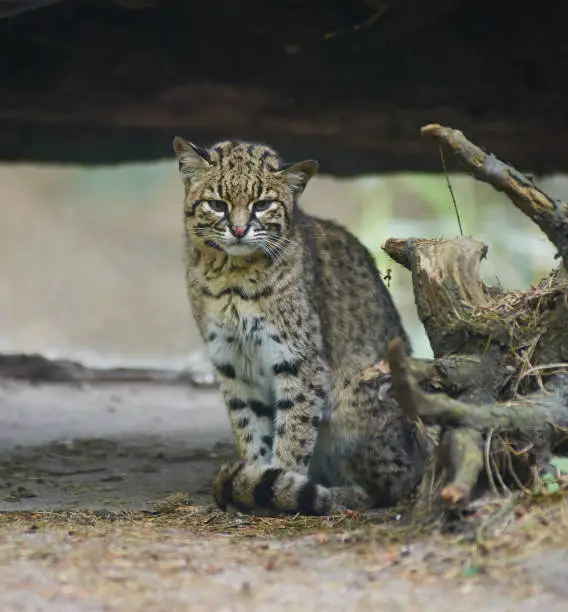
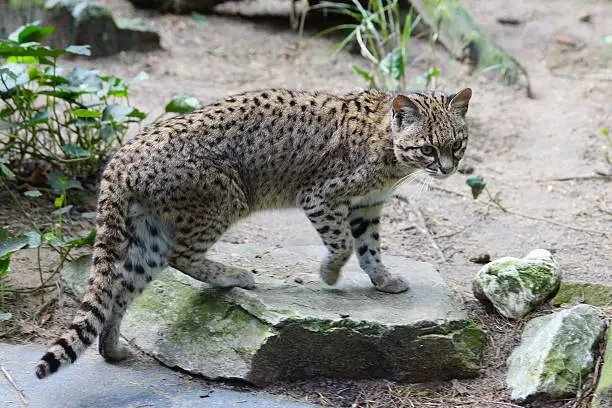
personality of a Geoffroy cat ( Leopardus geoffroyi previously Oncifelis Geoffroyi) is one of the tiny South American wild cat which entices people who are interested in wildlife, conservationists and even pet owners who are interested in exotic pets. A lot of people are interested in understanding what it takes to make the indigenous Argentine feline lives in a variety of ecosystems, what’s the reason it’s a the spotlight of conservation as well as how it is compared with other smaller wild cats not as widely known. But, the details may be scattered or excessively technical, making it difficult to know regarding the distinct coat pattern, behavioral traits and the ecological value. If you’ve been searching for the most comprehensive guidebook for the amazing feline, covering all aspects from physical traits and its historical significance–you’re at the right spot. Are you interested in learning what personality of a Geoffroy cat is important and how it can be integrated in the South American ecosystems? Read on to discover more.
Are you in a rush and looking for the essence? Here’s a easy answer personality of a Geoffroy cat is a small seen wild cat that’s located within Argentina, Bolivia, Brazil (southwest), Chile, Paraguay, and Uruguay known as a tolerant species to scrublands, grasslands, forests and more desert areas. The cat plays an crucial ecological function through the control of rodent populations but is faced with challenges such as habitat destruction and illegal trade in fur. If you’d like to go deep into every aspect of the issue–its classification, behaviour, reproduction and its conservation status–keep going for an extensive analysis.
Quick Facts & Overview
The Scientific Name isThe Leopardus Geoffroyi
personality of a Geoffroy cat Geoffroy Lion, Geoffroy’s Ocelot
The distribution is: Argentina, Bolivia, Brazil (SW), Chile, Paraguay, Uruguay
Conservation Status It varies regionally however, it is generally Near threatened
The most significant threats are: Destroying habitats, fur trade, conflicts with the owners of livestock
Hook The personality of a Geoffroy cat: Understanding offers more than the pleasure with this beautiful animal but it also provides information into the issues that confront tiny wild cats across the globe.
2. Taxonomy and Naming
Scientific Classification
Below is a simple table summarizing the taxonomy of personality of a Geoffroy cat:
Rank
Classification
Order
Carnivora
Family
Felidae
Genus
Leopardus (formerly Oncifelis)
Species
Leopardus geoffroyi
Order Carnivora personality of a Geoffroy cat is part of the family of Carnivora that includes different felines including bears, dogs, and much more.
Family — Felidae Being a part in the family of cats implies personality of a Geoffroy cat is a cat that shares anatomical as well as behavioral characteristics with domestic cats, the tigers, lions as well as other felines.
Genus — Leopardus Prior to that, a few taxonomists had classified them as Oncifelis, however newer classifications classify them under the Leopardus Genus along with Oncilla as well as Kodkod–other tiny wild cats from South America.
Origin of the Name
In the main, the “Geoffroy” name was borne by the famous naturalist from France, Etienne Geoffroy Saint-Hilaire who made significant progress in comparative anatomy and Zoology during the 19th century.
The wildcat is well-known throughout the various acculturated regions of across the world. Spanish the wildcat also has local names, such as “gato montes” (meaning mountain cat) across various areas in Argentina as well as Chile.
Synonyms and Common Misspellings
A second name being used to describe the wildcat is an alternative version of “Geoffroy’s wildcat.” The spelling variations you will see on the web include “personality of a Geoffroy cat,” “Geoffroyi cat,” as well as “Gheoffroy’s wild cat.” Some scientific references may use an older name for the genus “Oncifelis geoffroyi.” If you are searching for information be aware of these differences in your mind so that you can understand the entire extent of the research and information.
Related Reading:
IUCN Red List entry for the most up-to-date update on taxonomic status and conservation information.
After our introduction to Geoffroy’s cat ( Leopardus geoffroyi previously Oncifelis Geoffroyi) In Part I, we focus on the characteristics that make personality of a Geoffroy cat a tiny South American wild cat distinctively beautiful and adaptable to its surroundings. personality of a Geoffroy cat is a cat with a range of physical features to assist in concealment, hunting and protection across an array of environments.
Size, Weight, and Color Variations
Length and Weight personality of a Geoffroy cat generally range between 45 to 75 centimeters (head in length), with a tail length around 20-30cm. Adult weights can vary from 2-5 kg but some may be a bit heavier based the availability of their local prey and general well-being.
Coat Coloration: The most enthralling characteristics in personality of a Geoffroy cat is Rosetted or spotted coat It can vary in yellowish-brown up to silvery-grey . The color variations are influenced by the location of the habitat and kind.
Northern populations: Often have light, golden hues that blend with dry grasslands.
Southern People: May exhibit dark, grayer coats to disguise themselves in cool, forested or mountainous regions.
Seasonal Variation: In warmer climates personality of a Geoffroy cat might create the appearance of a thicker winter coat. A slight shift in thickness of the fur is essential to adapt, providing warmth in the cold night that is typical of high altitudes or northern latitudes.
Unique Markings and Adaptations
Pattern and Camouflage: These areas and rosettes are a an effective natural disguise and break up the outline of the cat in dim sunlight (for instance, in the shade of trees or in woodland edges).
Body Proportions:
Short Limbs Their comparatively short legs allow them to stay closer to the ground and allow for more stealthy move.
Agile Tail This lengthy tail assists in balancing in particular when climbing or maneuvering over difficult terrain.
Sexual Dimorphism: Within certain groups, males can weigh significantly more and bigger in comparison to females. The difference in size and weight can affect behaviours of territoriality as well as prey selection as males with larger bodies are sometimes being able to take on a slightly bigger prey.
Comparative Study with Other Small Wildcats
personality of a Geoffroy cat is often compared with similar South American species like the Oncilla ( Leopardus Tigrinus) as well as Kodkod ( Leopardus guigna). The two species have overlapping zones, however each species is distinct:
Small Wildcat
Average Size
Notable Features
personality of a Geoffroy cat
2-5kg, 45-75cm length
The rosettes and spots are adaptable to a variety of habitats
Oncilla
1.5-3 kg, 40-50 cm
Smaller in size, heavier spotting pattern
Kodkod
1.5-2.5 kg, 40-45 centimeters
A lot of densely seen, usually located within Andean forest
personality of a Geoffroy cat vs. Oncilla:
Oncilla is generally smaller due to an edgier frame.
personality of a Geoffroy cat typically prefers open, mixed or open environments while Oncillas are more accustomed to humid clouds.
4. Geographic Distribution and Habitat
Despite its small dimension, the personality of a Geoffroy cat has a vast geographic spread. The range of this species demonstrates Geoffroy’s Cat’s ability to adapt to a variety of ecosystems, which is a major reason for it being cited frequently as the indigenous Argentine feline emblem.
Countries and Range
Primary Locations:
Argentina: A significant stronghold of personality of a Geoffroy cat in the region it’s located in the northern provinces all the way down to areas of Patagonia.
In the Gran Chaco, which is shared by both countries, shared feature is its poor vegetation and frequent flooding.
Southwest Brazil: Particularly, in the Pantanal and Cerrado biomes. However, it is not as frequently observed as in Argentina.
Chile and Uruguay: Occupies grasslands as well as scrublands and other zones near to those of the Andean foothills.
Potential Altitudinal Range: personality of a Geoffroy cat are able to live in areas of lowland that are close to sea levels as well as reach higher elevations that exceed 3,000 feet to the Andes. The variety of species shows its ability to adapt to temperature fluctuations and the variety of predator bases as well as the presence of human. Small wild cat found in Argentina, Bolivia, Brazil (southwest), Chile, Paraguay as well as Uruguay. Habitat loss continues to be an issue in these regions, which causes conservation projects.
Preferred Environments
One of the characteristics of Geoffroy’s cat is its nature-specific habitat. personality of a Geoffroy cat thrives in:
Grasslands & Scrublands:
Sparse Vegetation Ideal for the stealthy hunt of birds, rodents and reptiles.
Edges in Agricultural Lands: Occasionally intersect with agricultural land, leading to interactions with people.
Rivers as well as Wetlands: Water bodies in addition to wetlands provide passageway for some organisms that are efficient in swimming and are able to manage the crushed floodplains and wetlands.
Arid & Semi-Arid Regions:
adaptations for heat: Their coat patterns and behavior at night help reduce the heat exposure during the day.
Survival Tips: They conserve energy by hunting at night and laying in shaded areas.
Habitat Pressures
Although it is adaptable personality of a Geoffroy cat is constantly in danger:
Deforestation and Agricultural Expansion:
Habitats that are native to the area converted into agricultural land and pasture decreases the amount of food and shelter.
Landscapes that are fragmented make it more difficult for cats to protect their the boundaries of their territories and also to locate new ones.
Human Encroachment:
Development of infrastructure (roads or urban spread) can increase road-killing incidents.
Farmers might react in the event that personality of a Geoffroy cat is suspect of eating small animals or birds.
Climate Change:
Changes in rainfall patterns, as well as extreme temperatures can affect the availability of prey.
The changes in the wetland and grassland ecosystems may force personality of a Geoffroy cat from the area to move or to adapt quickly.
5. Behavioral Traits and Lifestyle
personality of a Geoffroy cat( Leopardus geoffroyi (formerly Oncifelis Geoffroyi) exhibits a remarkable variety of behavior-related adaptations. These behaviors are crucial to the survival of this cat across a variety of South American landscapes, from scrublands to forests as well as beyond. In this article we’ll explore the nighttime habits, hunting strategies as well as the social interactions which influence its everyday routine.
5.1. Nocturnal & Solitary Nature
Nighttime Activity: personality of a Geoffroy cat are predominantly night-time creatures that is, they’re active during the hours of dark. This is a way to avoid large predators and human encounters and both can be a threat.
Solitary Territories: Other than mating season and when mothers are raising kittens, the tiny wild cats usually hunt in solitude. Each cat creates the boundaries of a zone which it protects by the marking of scents and occasionally the need to confront intruders vocally.
Daytime Resting Sites: At the time of daylight personality of a Geoffroy cat can take advantage of thick plants hollow logs or even rocky crevices, to relax and hide from dangers.
Why Solitary? The lifestyle helps reduce competition for the resources that are limited, like small rodents which make up an important portion of a cat’s diet across many regions.
5.2. Hunting Style and Techniques
Stealth and Ambush: personality of a Geoffroy cat are reliant on their stealth. They make use of their coated coats, whether spotted or rosetted, to blend in with the surroundings, which makes it easy to get close to the prey and not be noticed.
Diverse Methods:
Ground-Based Ambush hiding behind shrubs or tall grasses to frighten wildlife, rodents or Lizards.
Aerial Attacks at low Perches: Jumping from high places, such as the branches of trees that are low or platforms, on unsuspecting prey beneath.
Aquatic Prowess Certain people have been spotted swimming into shallow waters to capture semi-aquatic or aquatic prey, a testimony to their flexibility.
Fun Facts: personality of a Geoffroy cat are well-known to be adept climbers sometimes hunting or laying in the trees. Their ability to climb trees sets them apart from the other smaller wildcats especially when they are trying to escape predators, or exploring new food places.
5.3. Social Interaction
Mating Encounters: While they are solitary, males and females be tolerant of the presence of each other throughout the breeding period. Partnerships that last only a few days are focussed on reproduction and courtship.
Communication:
scent marking: Urine spraying and the rubbing of objects signals territories and status of reproduction.
Voices This can mean grunts, hisses and small meows. Although they are generally silent they can become vocal in mating seasons or during territorial conflicts.
interactions with Offspring: Female personality of a Geoffroy cat are motherly guardians. They help their children learn vital survival skills for example, hunting as well as territorial recognition and ensure that the kittens are prepared for independence adulthood.
6. Diet and Prey
Diet plays a crucial role in understanding the way that personality of a Geoffroy cat remain in their ecological niche and how they’re adept at adapting to various habitats. From rodents of small size to birds and even birds, their carnivore diet demonstrates their function in the role of powerful predators for balancing ecosystems locally.
Mice, rats, as well as smaller rodents comprise an important portion of their food.
Prey supply is often high in grassland or agricultural areas, but the areas could also cause conflict with humans.
Birds:
Small passerines as well as ground-nesting birds (songbirds) are frequent birds of prey.
Rapid bursts of speed, or sly ambush strategies aid during hunts for avian species.
Reptiles and Amphibians:
In warm climates, Lizards as well as Frogs can be significant food essentials.
Cats’ agility helps in capturing reptiles with speedy movements.
Insects and Other Small Creatures:
Large insects could be a source of food during times of decline when vertebrate prey is scarce in availability. The ability of their species to adapt keep them alive across a range of environments. For more information on tiny carnivores and their food source, have an examination of Wild Cats in South America to see how their diets of the various species of leopardus.
6.2. Adaptations for Hunting
Sharp Vision and Hearing: The animals’ night sight as well as sharp hearing makes hunting at night extremely efficient. Little movements, or the sound of rustling in the grass could make them aware of potential predators.
Flexible Diet: This cat’s capacity to shift between birds, rodents, insects, and lizards can allow it to live within the most diverse ecological zones, ranging including dry grasslands to thick woodlands.
Energetic Efficiency: personality of a Geoffroy cat are energy-efficient through efficient hunting. One successful strike will yield a tasty meal without the necessity for long pursuits.
6.3. Role in the Ecosystem
Pest Control: In preying upon rodents and insects, personality of a Geoffroy cat help keep the balance of a well-balanced ecosystem. For agricultural zones, they could indirectly help farmers reduce the number of rodents.
Prey Regulation: Their presence helps ensure that smaller vertebrates don’t become over-abundant and could result in habitat destruction.
Competing with Other Predators In areas where predators with larger size (e.g. pumas, wolves or jaguars) are in close proximity to Geoffroy’s Cat and personality of a Geoffroy cat, the smaller cat is more focused on smaller prey. This narrowing of the niche minimizes direct competition.
7. Reproduction and Lifecycle
Knowing the process of reproduction is crucial to comprehending the patterns of population growth as well as its potential risk. personality of a Geoffroy cat has some characteristics of reproduction that affect the speed with which numbers rebound when populations fall because of destruction of habitat or illicit wildlife trade.
7.1. Mating Season and Gestation
Seasonal Timing: In a variety of areas within its geographic range, personality of a Geoffroy cat tends to breed during its Southern Hemisphere summer (November until March). Some populations can reproduce all year round if the conditions are suitable.
Courtship Behavior: In mating seasons Males and females have a shared territory. The increased volume of vocalizations, the scent marking and the playful chase signals the receptivity.
Gestation Period: Females have kittens that live for 72 to 78 days and are aligned with the other leopardus species with similar sizes.
7.2. Litter Size and Development
Average Litter: personality of a Geoffroy cat usually have litters of 3 to 4 kittens. Sometimes, litters with four were recorded, however they are not as common.
Early Stages:
blind at birth Kittens were born blind, and are heavily dependent on their mother for warmth and nourishment.
Weaning Time: Begins around 6-8 weeks of age. However, certain kittens might nurse past this point.
Independence: At 4 to 6 months after which the juveniles begin hunting with the supervision of their mothers. The full independence can occur between eight to twelve months and they will begin to create their own areas.
7.3. Lifespan of the Wild as compared to. Captivity
In the Wild: Geoffroy’s Cats typically have a lifespan of 10- 14 years depending on availability of food as well as the risk of predation and other environmental factors.
In Captivity: Certain individuals are able to reach as high as 15 to 20 years Under managed care, profiting in Oversight of veterinary medicine and an ongoing supply of food.
Problems Stress caused by enclosure dimensions, a insufficient environmental enrichment and ethics debates about keeping wild cats in captivity could affect their the quality of life and longevity.
8. Conservation Status and Threats
It is Geoffroy’s Cat ( Leopardus geoffroyi earlier called Oncifelis Geoffroyi) has been often acknowledged for its gorgeous coat design as well as its fearsome nature However, it’s not impervious to environmental problems. Understanding the conservation status will help us understand the necessary steps to safeguard the tiny feline from harm..
8.1. IUCN Red List Classification
Current Situation personality of a Geoffroy cat is generally classified as “Near Threatened” on the IUCN Red List, though the situation could be very different depending on the region.
Global Comparative. Regional Data: In regions which suffer from a large habitat loss as well as a high amount of pressure from hunting, the species are in danger localy or are declining. Other areas, especially those with remote habitats, such as in the southern part of Argentina or regions in Bolivia in Bolivia the cat may remain relatively safe.
8.2. Major Threats
Habitat Destruction:
Deforestation of forests as well as growing agricultural production are two of the main factors behind the declining cat’s habitat.
The fragmentation of woodlands and grasslands affects the hunting pattern, breeding patterns as well as the transfer of genetics.
Illegal Wildlife Trade:
The Geoffroy’s cat was hunted due to of the fur, which was discovered and believed to be significant for the market for extravagant fur.
International commerce is largely monitored, poaching and illegal sales remain widespread in certain regions.
Conflicts with the owners of animals:
Farmer’s may be able to capture Geoffroy’s Cats to avoid predatory chickens, or any other small animal species.
A lack of knowledge about the neighborhood in addition to strategies to lessen the impact of violence is a frequent cause of tension.
Climate Change:
Temperatures that are extreme and changing patterns of rain as along with the environmental imbalance may affect predator populations and their habitats.
IUCN Red List entry to get the most current details on the threats and population related to leopardus geoffroyi.
8.3. Conservation Efforts and Organizations
Protectionist LegislationA variety of South American countries have enacted legislation that bans hunting or trade in Geoffroy’s Cats. But, strict compliance remains a significant obstacle.
Wildlife Reserves and National Parks: Protected areas in Argentina (e.g., Parque Nacional Patagonia) along with Chile (e.g., Torres del Paine region) provide protected areas of refuge for various species.
NGOs and Research Institutions:
Panthera together with various other groups which focus on cats have cameras along with conserving programs that concentrate on securing and studying cats with small sizes.
Local NGOs often work with schools in order to help the local community and also ecologically sustainable strategies to lessen conflict between humans and wildlife.
9. Human Interaction and Significance
personality of a Geoffroy cat has become an emblematic native Argentine feline, but human interactions–ranging from curiosity to conflict–have a profound impact on its survival.
9.1. Exotic Pet Trade
Popularity as a Pet: The stunning cat’s look has caused people to desire cats to be luxurious pet.
Legal and Ethical Concerns:
In many areas where wild cats are present, having permits is banned.
Conservation Ramifications: The separation of wild kittens from their mothers is an enormous loss for the entire population of the area, and restricting the natural reproduction process.
9.2. Conflict with farmers
Perceived Threat to Livestock: personality of a Geoffroy cat may occasionally feed on birds. This can cause farmers to take action with poisons and traps.
Mitigation Strategies:
Enhancing enclosures to protect livestock (e.g. sturdy coops, fencing which are secure) reduces the requirement for dangerous control.
Communities’ education and programs for compensation encourage coexistence and without apprehension.
9.3. Cultural and Historical Importance
Local Folklore and Myths: Somewhere, personality of a Geoffroy cat may be linked to legends of spirit guides that come from the forests and Mountain protectors..
Ecotourism Potential: Tourism within the realm of wildlife that concentrates on the tiny wild cats can bring in revenue for local economies. An organized program could fund efforts to conserve wildlife as well as educate visitors.
10. Captive Breeding and Zoological Programs
The captive breeding programs can be a multi-faceted weapon–they have been designed to guard the genetic diversity of animals however they also raise issues of ethical concern regarding the animal’s living conditions.
10.1. Zoo Conservation Programs
Genetic Diversity: Zoos across the globe may contain personality of a Geoffroy cat within SSPs (Species Survival Plans (SSPs), to guarantee a healthy genetic for the animals in captive.
Public Education: Exhibits can to raise awareness of Cats’ ecological significance and the threats the species faces. Knowledge gained from exhibits could help foster understanding and support the conservation effort.
10.2. Challenges of Captive Management
Specialized Diets and Enclosures:
personality of a Geoffroy cat require the use of a diet that is high in protein diet like the predators in nature they are hunting.
Closures must be a replica of nature including hiding areas along with climb structures as well as enhancement to attract animals.
Ethical Considerations:
Over time in the long run, captivity could cause stress, boredom as well as issues regarding health in the event that enclosures don’t meet standards.
Certain critics believe that this money should be better used to fund off-site (on-site) conservancy efforts that protect cats in their habitats.
10.3. Success Rates
Breeding Outcomes: The procedure of breeding captives be challenging and could lead to an increase in infant death along with issues related to reproduction sometimes happen. But, babies which are successful help to build breeding pools of genes in Zoos..
Reintroduction Feasibility: The capacity to be able to return captive-bred animals to the wild has been questioned. There are many cats that don’t develop the crucial hunter and territorial capabilities if being raised and was born in a cage.
Further Reading:
Panthera Small Cat Program A glimpse into the protection of tiny cats across the globe with an emphasis on in-situ methods and. Ex-situ methods.
11. Interesting Facts and FAQs
Beyond the fundamental information on Habitat food, diet and threats, there are handful of facts that are not widely known as well in often-asked questions regarding personality of a Geoffroy cat. This article will address some of the most important questions people who are interested in wildlife or conservation and people who just want to know might be asking.
11.1. Lesser-Known Facts
Swimming Skills:
Contrary to the majority domestic cats, Geoffroy’s Cats can swim comfortably. This is especially beneficial for the swamps as well as the swamped Savanna environments.
Climbing Prowess:
They’re skilled climbers that utilize the tree canopy to rest or as a place to hunt animals or birds.
Territory Size:
A territory can range from between 5 and 12 square kilometers in total size, depending on the the availability of predators and the condition of the habitat.
Rapid Reactions:
Geoffroy’s Cats have incredibly quick to react that permit them to catch quick prey including small rodents and birds at only a single hit.
11.2. Frequently Asked Questions
Are Geoffroy’s Cats Endangered?
They’re generally classified as in the vicinity of threatened. There is a chance that the local population could be at more danger due to the destruction of their natural habitat and illegal hunting.
How Big Do Geoffroy’s Cats Get?
Adults weigh between 2 and 5 kilograms and are able to maintain a body-head measurement of 45-75cm and the average length for their tails between 20-30 cm.
Can Geoffroy’s Cats Be Kept as Pets?
It’s not generally advised or even permitted throughout several nations. It is because of the wild nature and specific requirements cannot be housed.
Where Do They Live in the Wild?
They reside within Argentina, Bolivia, southwest Brazil, Chile, Paraguay and Uruguay and are spread across the lowlands grasslands and all the way to Andean mountains..
What Do They Eat?
Primarily rodents like birds and lizards and occasionally bigger insects. Their varied diet lets them change their diets to suit diverse habitats.
11.3. Comparative study with Domestic Cats
Although they have a superficial resemblance the domestic cat Geoffroy’s Cats are different in the way they behave and their temperament:
Aspect
Geoffroy’s Cat
Domestic Cat
Sociability
Individualist, avoids people
More social, often shares a space with humans
Diet
Wild prey, strictly carnivores
Are able to adapt to commercial cat foods, but some are adept hunter
Legal Status
Many times, wildlife laws protect us.
In general, domesticated animals are legal pets
Behavior
More aggressive, territorial
Variable by race; generally sensitive to human contact
12. Conclusion
12.1. Summary of Key Points
Geoffroy’s cat stands out as an flexible small wild cat which is found in a variety of South American ecosystems. Through its hunting behavior at night and a variety of prey species as well as its solitude, this elusive predator aids in regulating the local population of animals and helps to maintain the equilibrium of the native habitats. But, human-driven threats–including the loss of habitat, illegal wildlife trade as well as the retaliatory murders–pose constant problems.
12.2. Call to Action
Support Conservation Efforts: Think about donating or volunteering in non-governmental organizations or local groups that are helping to protect Geoffroy’s Cat habitats.
Advocate for Sustainable Practices: Local communities, farmers, as well as governments are able to collaborate in non-lethal strategies as well as educational programs in order to decrease conflicts between human and wild.
Promote Awareness: Make sure to share information about personality of a Geoffroy cat to family and friends as well as on social media platforms to create the word about Geoffroy’s Cat. Communities that are engaged tend to view conservation seriously.