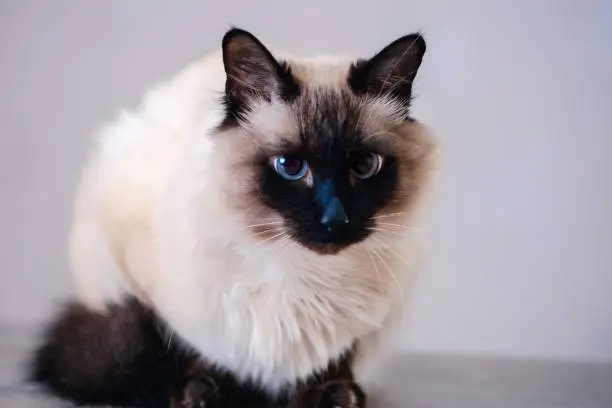
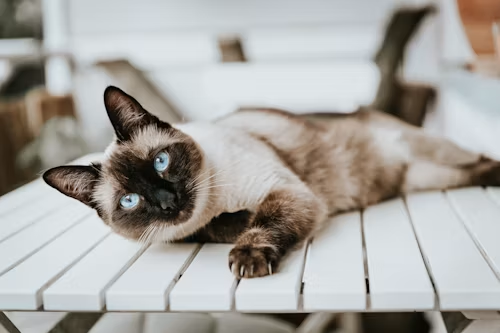
Bringing home a new cat is an exciting experience, but choosing the right breed is just as important as finding the right pet. If you’re considering Balinese cat adoption, you’re looking at one of the most affectionate, intelligent, and elegant cat breeds in the world. Known for their silky coats, striking blue eyes, and playful personalities, Balinese cats quickly become beloved members of the family.
While many people purchase Balinese kittens from breeders, adoption offers a rewarding alternative. By adopting, you give a deserving cat a second chance while often saving money on vaccinations, spaying or neutering, and initial veterinary care.
Before welcoming a Balinese cat into your home, it’s essential to understand the breed’s personality, care requirements, and the adoption process. These social cats thrive on companionship and do best with owners who can provide plenty of interaction and enrichment.
In this comprehensive guide, you’ll learn everything you need to know about Balinese cat adoption, including where to find adoptable Balinese cats, adoption costs, how to prepare your home, and what life is like with this remarkable breed.
Balinese Cat Adoption at a Glance
| Feature | Details |
|---|---|
| Breed Name | Balinese |
| Origin | United States |
| Breed Type | Long-haired Siamese |
| Average Adoption Fee | $100–$350 |
| Purchase Price | $800–$2,500+ |
| Lifespan | 15–20 years |
| Size | Medium |
| Weight | 6–11 pounds (2.7–5 kg) |
| Coat Type | Medium-long, silky, single coat |
| Shedding | Low to moderate |
| Grooming Needs | Low to moderate |
| Energy Level | High |
| Intelligence | Very High |
| Affection Level | Very High |
| Vocal Level | High |
| Kid Friendly | Excellent |
| Dog Friendly | Usually yes |
| Apartment Friendly | Yes |
| First-Time Owner Friendly | Yes |
| Common Health Issues | PRA, Amyloidosis, Dental Disease, Obesity |
| Best Living Environment | Indoor home with active companionship |
What Is a Balinese Cat?
The Balinese cat is an elegant, long-haired breed closely related to the Siamese. Although its luxurious coat gives it a sophisticated appearance, the Balinese is far from a quiet lap cat. These felines are playful, curious, highly intelligent, and thrive on human interaction.
Unlike many long-haired breeds, the Balinese has a fine, silky coat without a thick undercoat. This means it requires less grooming while still maintaining its graceful appearance.
The breed is often described as a “long-haired Siamese” because it shares nearly all of the Siamese’s personality traits—including its love of conversation, affection, and attention.
Breed Overview
The Balinese is one of the most people-oriented cat breeds you can adopt.
Owners often describe them as:
- Extremely affectionate
- Highly intelligent
- Athletic and graceful
- Curious explorers
- Vocal communicators
- Loyal companions
They enjoy participating in everyday family life and often follow their owners from room to room.
Unlike independent breeds that prefer solitude, Balinese cats genuinely enjoy being involved in everything you’re doing.
History of the Balinese Cat
Although the breed’s name suggests an Indonesian origin, the Balinese actually originated in the United States.
Long-haired kittens occasionally appeared in Siamese litters due to a naturally occurring recessive gene. Initially, these kittens were considered undesirable for breeding.
However, during the 1940s and 1950s, breeders recognized their beauty and began selectively breeding these long-haired Siamese cats.
Over time, they established a consistent breed that retained the Siamese’s elegant body and outgoing personality while developing a silky, flowing coat.
Today, the Balinese is recognized by major cat associations around the world.
Relationship to the Siamese
The Balinese and Siamese are incredibly similar.
In fact, many cat organizations classify the Balinese as the long-haired version of the Siamese.
They share:
- Blue almond-shaped eyes
- Colorpoint coat pattern
- Slender athletic build
- Large ears
- Intelligent personality
- Vocal nature
The primary difference is the Balinese’s medium-length silky coat and feather-like tail.
Why They’re Called “Balinese”
The breed wasn’t developed in Bali, nor does it originate from Indonesia.
Instead, breeders chose the name Balinese because the breed’s graceful movements reminded them of the elegant dancers found on the island of Bali.
The name reflects beauty and elegance rather than geographical origin.
Are Balinese Cats Rare?
Compared to many popular breeds like the Maine Coon or Ragdoll, Balinese cats are considered relatively uncommon.
Several factors contribute to their rarity:
- Fewer specialized breeders
- Smaller breeding populations
- Less common in shelters
- High demand among cat enthusiasts
Because of this, finding a Balinese cat for adoption may take patience and persistence.
Prospective adopters often monitor rescue organizations and breed-specific rescues for new arrivals.
Interesting Facts About the Breed
Here are some fascinating facts about Balinese cats:
- They are one of the smartest domestic cat breeds.
- Many learn tricks, fetch toys, and even open doors.
- Their silky coat lacks a dense undercoat, reducing matting.
- Most Balinese cats love “talking” to their owners.
- They often form exceptionally close bonds with one or two family members.
- Many enjoy learning to walk on a harness.
- Despite their elegant appearance, they’re energetic athletes.
Why Choose Balinese Cat Adoption?
Adopting a Balinese cat offers far more than simply bringing home a beautiful pet. It gives a deserving animal a second chance while allowing you to experience the companionship of one of the most affectionate cat breeds.
Many adopted Balinese cats quickly adjust to loving homes and become deeply devoted family members.
Benefits of Adoption
Adoption offers numerous advantages over purchasing from a breeder.
Benefits include:
- Saving a homeless cat
- Lower upfront costs
- Veterinary care often included
- Spay or neuter already completed
- Vaccinations frequently up to date
- Supporting animal welfare organizations
Many rescue organizations also evaluate each cat’s personality, helping match you with a companion that fits your lifestyle.
Saving a Cat’s Life
One of the greatest rewards of adoption is knowing you’ve provided a safe and loving home to a cat in need.
Every adoption helps:
- Reduce shelter overcrowding
- Create space for another rescue animal
- Support humane organizations
- Improve animal welfare
For many adopters, this emotional reward is just as valuable as finding the perfect pet.
Lower Costs Than Buying
Financially, adoption is often much more affordable.
| Expense | Adoption | Breeder |
|---|---|---|
| Initial Cost | $100–$350 | $800–$2,500+ |
| Vaccinations | Usually Included | Often Extra |
| Spay/Neuter | Usually Included | Sometimes Extra |
| Microchip | Often Included | Varies |
| Health Check | Included | Varies |
This can save new owners hundreds of dollars during the first year.
Adult Cats vs Kittens
One advantage of adoption is having the option to choose between kittens and adult cats.
Adopting a Kitten
Pros:
- Watch them grow
- Early socialization
- Easier to establish routines
Challenges:
- More supervision
- Higher energy
- Additional training
Adopting an Adult Cat
Pros:
- Personality already developed
- Usually litter trained
- Calmer behavior
- Easier transition for busy owners
Challenges:
- May need time to adjust to a new home
Both options can make wonderful lifelong companions.
Supporting Animal Rescue Organizations
Every adoption helps fund rescue efforts.
Your adoption fee often supports:
- Veterinary treatments
- Food and shelter
- Medical emergencies
- Foster programs
- Rescue operations
- Future animal care
By adopting, you’re helping many animals—not just the one you bring home
Balinese Cat Personality
The Balinese is famous for its outgoing personality. If you’re looking for a quiet cat that spends all day sleeping, this may not be the breed for you.
Instead, expect an intelligent companion that wants to participate in your daily life.
Friendly and Social Nature
Balinese cats are exceptionally social.
They enjoy:
- Greeting family members
- Following owners around the house
- Meeting guests
- Participating in daily activities
Many owners describe them as “dog-like” because of their desire to stay close to people.
Intelligence
The Balinese consistently ranks among the smartest cat breeds.
They quickly learn:
- Household routines
- Feeding schedules
- Door-opening techniques
- Puzzle toys
- Trick training
Their intelligence means they require regular mental stimulation to prevent boredom.
Affection Level
This breed thrives on companionship.
Most Balinese enjoy:
- Sitting beside you
- Sleeping on the bed
- Being carried
- Cuddling
- Gentle petting
Unlike more independent cats, they actively seek human interaction.
Playfulness
Balinese cats remain playful throughout adulthood.
Favorite activities include:
- Feather wands
- Puzzle feeders
- Climbing cat trees
- Interactive laser games
- Fetching small toys
Daily play sessions help keep them physically fit and mentally satisfied.
Loyalty
Balinese cats often develop deep bonds with their owners.
Many:
- Wait at the door
- Follow family members from room to room
- Sleep nearby every night
- Become distressed during long absences
This loyalty makes them incredibly rewarding companions.
Curiosity
Curiosity is one of the breed’s defining characteristics.
They love exploring:
- Cabinets
- Shelves
- Boxes
- Window perches
- New rooms
- Shopping bags
Providing enrichment helps channel this curiosity into healthy activities.
Vocal Personality
If you’ve lived with a Siamese, you’ll recognize the Balinese’s talkative nature.
These cats communicate using:
- Meows
- Chirps
- Trills
- Purrs
Many owners enjoy having “conversations” with their Balinese throughout the day.
Separation Anxiety
Because Balinese cats become strongly attached to their families, they may experience loneliness when left alone for extended periods.
To reduce separation anxiety:
- Provide interactive toys
- Leave puzzle feeders
- Consider adopting a second compatible pet
- Maintain a predictable routine
Households where someone is home frequently often suit this breed best.
Are Balinese Cats Good Family Pets?
One of the biggest reasons Balinese cats are so popular is their wonderful compatibility with families.
Their affectionate nature, intelligence, and playful personality allow them to adapt well to homes of all sizes.
Good with Children?
Yes.
Balinese cats are generally excellent with respectful children.
They enjoy:
- Interactive games
- Gentle cuddles
- Playing with toys
- Family interaction
Children should always be taught how to handle cats kindly and respectfully.
Good with Dogs?
Yes.
When introduced properly, Balinese cats usually get along well with friendly, cat-socialized dogs.
Slow introductions and supervised interactions encourage successful relationships.
Good with Other Cats?
Absolutely.
Balinese cats often appreciate feline companionship, especially if left alone during the day.
Many happily play, groom, and sleep alongside other cats.
Good for Seniors?
Yes.
Although playful, Balinese cats are affectionate and enjoy spending quiet time with their owners.
Seniors who enjoy interactive pets often find the breed to be an excellent companion.
Good for First-Time Owners?
Yes.
Despite their intelligence and activity level, Balinese cats are relatively easy to care for.
They are ideal for first-time owners willing to provide:
- Daily play
- Mental enrichment
- Regular grooming
- Plenty of companionship
Apartment Living
The Balinese adapts surprisingly well to apartment life.
Provide:
- A tall cat tree
- Window perches
- Scratching posts
- Interactive toys
- Daily exercise
With enough stimulation, they thrive even in smaller homes.
How to Find a Balinese Cat for Adoption
Finding a Balinese cat for adoption can take a little more effort than adopting a common domestic cat because the breed is relatively rare. However, with patience and the right resources, you can find a healthy and loving Balinese looking for a forever home.
It’s also worth remembering that some rescue cats may be listed as Balinese mixes or Siamese-Balinese crosses, especially if they don’t have official pedigree documentation.
Animal Shelters
Your local animal shelter should always be one of the first places to check.
Although purebred Balinese cats are uncommon in shelters, they do occasionally arrive through:
- Owner surrender
- Changes in family circumstances
- Relocation
- Rescue operations
Visit shelters regularly or ask staff to notify you if a Balinese becomes available.
Breed-Specific Rescue Groups
Breed-specific rescues are one of the best places to find Balinese cats.
These organizations specialize in:
- Balinese cats
- Siamese cats
- Oriental breeds
Advantages include:
- Breed knowledge
- Health evaluations
- Personality assessments
- Foster home observations
Many rescue volunteers can also help match you with a cat that fits your lifestyle.
Humane Societies
Many humane societies work closely with foster families and regional rescue organizations.
Benefits include:
- Veterinary care before adoption
- Vaccinations
- Spaying or neutering
- Microchipping
- Behavioral evaluations
Even if a Balinese isn’t currently available, staff may recommend nearby organizations.
Online Adoption Websites
Several reputable websites allow you to search specifically for Balinese cats.
Useful search filters include:
- Breed
- Age
- Distance
- Gender
- Special needs
- Good with children
- Good with dogs
Set up adoption alerts so you’re notified when a Balinese becomes available.
Local Rescue Organizations
Independent cat rescues often receive owner surrenders before larger shelters do.
Follow local rescues on:
- Their websites
- Community adoption events
Many post new arrivals immediately.
Veterinary Clinic Recommendations
Veterinarians frequently know clients who need to rehome pets.
Ask local clinics whether they know of:
- Balinese cats needing homes
- Breed-specific rescues
- Foster organizations
- Upcoming adoption events
Best Places to Adopt a Balinese Cat
If you’re serious about adopting, expanding your search beyond your immediate area greatly improves your chances.
Some organizations even arrange interstate adoptions.
Petfinder
One of the largest adoption databases available.
Advantages include:
- Nationwide listings
- Breed filters
- Shelter information
- Adoption applications
- Adoption alerts
Adopt-a-Pet
Another excellent resource featuring thousands of adoptable cats.
You can filter by:
- Breed
- Age
- Location
- Size
- Personality
Rescue Me
Rescue Me specializes in helping rehome specific breeds.
Balinese listings may appear under:
- Balinese
- Siamese
- Oriental breeds
- Long-haired cats
Local Cat Rescues
Smaller organizations often know about cats before they appear on national websites.
They also provide valuable information about each cat’s:
- Personality
- Medical history
- Behavior
- Home preferences
Siamese & Balinese Rescue Organizations
Because Balinese cats are closely related to Siamese cats, many Siamese rescue groups also care for Balinese cats.
These organizations usually understand:
- Breed behavior
- Health concerns
- Personality traits
- Proper placement
Balinese Cat Adoption Process
Although every rescue organization has slightly different requirements, the adoption process generally follows the same steps.
The goal is to ensure each cat is placed in a safe, permanent home.
Filling Out an Application
Most rescues ask applicants to provide information about:
- Housing
- Family members
- Existing pets
- Veterinary references
- Previous pet ownership
- Lifestyle
Be honest—rescues want the best match, not the “perfect” applicant.
Home Checks
Some organizations perform home visits or virtual home tours.
They may check for:
- Safe windows
- Secure balconies
- Hazardous plants
- Dangerous chemicals
- Adequate space
- Appropriate sleeping areas
These checks help ensure the environment is safe for the cat.
Adoption Interviews
An adoption coordinator may discuss:
- Your expectations
- Daily schedule
- Previous pet experience
- Household members
- Other pets
This conversation helps determine whether a Balinese is the right fit.
Meeting the Cat
Whenever possible, spend time interacting with the cat before adopting.
Observe:
- Comfort around people
- Activity level
- Confidence
- Playfulness
- Grooming habits
Don’t hesitate to ask questions about the cat’s personality and medical history.
Signing Adoption Contracts
Most organizations require an adoption agreement covering:
- Proper veterinary care
- Indoor living requirements
- Return policies
- Ownership responsibilities
Read the contract carefully before signing.
Bringing Your Cat Home
Transport your new companion using a secure carrier.
Once home:
- Introduce one room at a time.
- Keep noise levels low.
- Provide food and water.
- Show the litter box.
- Allow the cat to explore at its own pace.
Patience during the first few days helps build trust.
How Much Does Balinese Cat Adoption Cost?
One of the biggest advantages of adoption is affordability.
Although costs vary by organization and location, adoption is significantly less expensive than purchasing from a breeder.
Typical Adoption Fees
Average adoption fees include:
| Cat Type | Typical Fee |
|---|---|
| Adult Balinese | $100–$250 |
| Balinese Kitten | $200–$350 |
| Senior Balinese | $50–$150 |
Some rescues reduce fees during special adoption events.
What Adoption Fees Usually Include
Most reputable organizations include several veterinary services in the adoption fee.
Vaccinations
Typically include age-appropriate vaccinations such as:
- FVRCP
- Rabies (when old enough)
Microchip
Many rescue cats are already microchipped, providing permanent identification.
Spay/Neuter
Most adopted cats have already been sterilized.
This saves owners hundreds of dollars.
Veterinary Check
Cats usually receive:
- Physical examination
- Weight assessment
- Parasite screening
- General health evaluation
Deworming
Routine deworming is commonly completed before adoption.
Additional First-Year Costs
Beyond the adoption fee, budget for:
| Expense | Estimated Cost |
|---|---|
| Food | $250–$600 |
| Litter | $150–$300 |
| Toys | $50–$200 |
| Scratching Post | $40–$150 |
| Cat Tree | $100–$300 |
| Routine Veterinary Care | $150–$400 |
| Pet Insurance | $20–$50/month |
Planning these expenses in advance makes the transition much smoother.
Balinese Cat vs Buying from a Breeder
Both adoption and purchasing from a breeder can lead to a wonderful companion, but each option has different advantages.
| Feature | Adoption | Breeder |
|---|---|---|
| Cost | Lower | Higher |
| Availability | Limited | More predictable |
| Age Options | Kittens & adults | Mostly kittens |
| Health Records | Usually available | Extensive pedigree records |
| Waiting Time | Varies | Often long waiting lists |
| Vaccinations | Usually included | Usually included |
| Registration Papers | Rare | Included for purebred cats |
| Ethical Considerations | Gives a cat a second chance | Supports responsible breeding when choosing ethical breeders |
Preparing Your Home Before Adoption
Preparing your home ahead of time helps reduce stress for both you and your new Balinese cat.
A safe, comfortable environment encourages faster adjustment.
Cat-Proofing Your Home
Remove or secure hazards such as:
- Toxic plants
- Loose electrical cords
- Small swallowable objects
- Open windows without screens
- Cleaning chemicals
Remember that Balinese cats are curious climbers.
Essential Supplies
Before bringing your cat home, purchase:
- Food bowls
- Water fountain
- Litter box
- Cat carrier
- Comfortable bed
- Scratching post
- Multi-level cat tree
- Interactive toys
- Grooming brush
Having everything ready helps your new companion feel secure from day one.
Safe Sleeping Areas
Create several quiet resting places throughout your home.
Ideal sleeping spots include:
- Covered beds
- Soft blankets
- Elevated shelves
- Window hammocks
Cats appreciate having options.
Introducing Other Pets
Take introductions slowly.
A gradual process often includes:
- Separate rooms initially.
- Exchange scents using blankets.
- Supervised visual meetings.
- Short interactions.
- Gradually increase time together.
Patience greatly improves long-term relationships.
First Week After Adoption
The first week is one of the most important parts of your Balinese cat’s adjustment.
Every cat settles in at a different pace.
Some explore immediately, while others need several days before feeling comfortable.
Helping Your Cat Adjust
Allow your new cat to:
- Explore gradually
- Hide if necessary
- Approach family members voluntarily
- Develop confidence naturally
Avoid forcing interaction.
Creating a Safe Room
Many rescue organizations recommend starting with one quiet room containing:
- Food
- Water
- Litter box
- Bed
- Toys
- Scratching post
Expand access once your cat appears comfortable.
Feeding Schedule
Maintain the same food schedule used by the rescue whenever possible.
Any dietary changes should be introduced gradually over 7–10 days to reduce the risk of digestive upset.
Building Trust
Trust develops through consistency.
Spend quiet time:
- Sitting nearby
- Speaking softly
- Offering treats
- Playing with toys
Allow your cat to decide when physical affection begins.
Handling Stress
Common adjustment behaviors include:
- Hiding
- Reduced appetite
- Quietness
- Increased sleeping
These behaviors are usually temporary and improve as the cat becomes familiar with its new home.
Caring for an Adopted Balinese Cat
Once your Balinese cat has settled into its new home, providing consistent care will help it live a long, happy, and healthy life. Fortunately, this breed isn’t difficult to care for, but it does thrive on companionship, mental stimulation, and a predictable routine.
Nutrition
A balanced diet is the foundation of your cat’s health.
Choose a premium cat food that contains:
- High-quality animal protein
- Healthy fats
- Essential vitamins and minerals
- Taurine
- Omega-3 and Omega-6 fatty acids
Because Balinese cats are naturally active, they generally maintain a healthy weight with proper portion control.
Always consult your veterinarian if you’re unsure about the best diet for your cat’s age or health condition.
Grooming
Despite their elegant appearance, Balinese cats are surprisingly low-maintenance.
Their silky coat lacks a dense undercoat, making it less prone to tangles and mats.
Basic grooming includes:
- Weekly brushing
- Nail trimming
- Ear checks
- Dental care
- Occasional bathing if necessary
Regular grooming also strengthens the bond between you and your cat.
Exercise
Balinese cats are athletic and energetic.
Aim for 20–30 minutes of active play each day using toys such as:
- Feather wands
- Toy mice
- Interactive laser toys (always finish with a physical toy)
- Cat tunnels
- Climbing towers
Exercise helps prevent obesity while keeping their intelligent minds engaged.
Mental Enrichment
Because they’re exceptionally intelligent, Balinese cats need more than just physical activity.
Keep them mentally stimulated with:
- Puzzle feeders
- Clicker training
- Food-dispensing toys
- Window perches
- Cat trees
- Interactive games
Changing toys every week helps prevent boredom.
Routine Veterinary Care
Schedule regular veterinary visits to monitor your cat’s health.
Routine care should include:
- Annual wellness exams
- Vaccinations
- Parasite prevention
- Dental evaluations
- Weight monitoring
Senior cats often benefit from veterinary visits every six months.
Dental Hygiene
Dental disease is common in many cat breeds, including the Balinese.
Help maintain healthy teeth by:
- Brushing several times each week
- Offering dental treats
- Providing dental diets if recommended
- Scheduling professional cleanings when needed
Good oral care contributes to your cat’s overall health.
Balinese Cat Health
The Balinese is generally considered a healthy breed with an impressive lifespan. However, like all pedigreed cats, it may be predisposed to certain inherited or age-related conditions.
Being aware of these issues allows owners to recognize early warning signs and seek timely veterinary care.
Average Lifespan
With proper nutrition, veterinary care, and a safe indoor environment, Balinese cats commonly live 15–20 years.
Some even exceed 20 years with excellent lifelong care.
Common Health Problems
Progressive Retinal Atrophy (PRA)
PRA is an inherited eye disease that gradually causes vision loss.
Early symptoms include:
- Difficulty seeing at night
- Hesitation in unfamiliar places
- Dilated pupils
Responsible breeders screen breeding cats whenever possible.
Amyloidosis
Amyloidosis involves the buildup of abnormal proteins in organs such as the liver.
Possible symptoms include:
- Weight loss
- Poor appetite
- Lethargy
- Increased thirst
Routine veterinary checkups help detect health issues early.
Dental Disease
Plaque and tartar can lead to:
- Gingivitis
- Tooth loss
- Bad breath
- Pain while eating
Preventive dental care greatly reduces these risks.
Obesity
Although Balinese cats are naturally active, overeating combined with limited exercise can lead to obesity.
Maintain a healthy weight by:
- Measuring food portions
- Encouraging daily exercise
- Avoiding excessive treats
Respiratory Infections
Upper respiratory infections may occur, particularly in rescue environments where many cats live together.
Symptoms include:
- Sneezing
- Watery eyes
- Nasal discharge
- Reduced appetite
Most infections improve with appropriate veterinary treatment.
Preventive Healthcare
Preventive care remains the best way to support long-term health.
Key recommendations include:
- Annual wellness examinations
- Weight monitoring
- Parasite prevention
- Dental care
- High-quality nutrition
- Daily exercise
Vaccination Schedule
Typical core vaccinations include:
- FVRCP
- Rabies
Additional vaccines may be recommended based on your cat’s lifestyle and local disease risks.
Always follow your veterinarian’s vaccination schedule.
Grooming Requirements
Although the Balinese has medium-long fur, grooming is much easier than many people expect.
Its silky single coat rarely mats, making maintenance relatively simple.
Coat Care
Weekly brushing removes loose hair and distributes natural oils throughout the coat.
Benefits include:
- Reduced shedding
- Healthier skin
- Fewer tangles
- Cleaner coat
Brushing Routine
Brush your Balinese once or twice per week using:
- Stainless steel comb
- Soft slicker brush
- Grooming glove
Gentle grooming keeps the coat smooth and shiny.
Nail Trimming
Trim nails every 2–4 weeks.
Regular trimming helps:
- Prevent overgrown nails
- Protect furniture
- Improve comfort
Ear Cleaning
Inspect ears weekly.
Only clean them when necessary using a veterinarian-approved ear cleaner.
Never insert cotton swabs deeply into the ear canal.
Dental Care
Brush your cat’s teeth regularly using feline toothpaste.
Routine dental care prevents many painful oral conditions.
Bathing
Balinese cats usually require very few baths.
Only bathe when:
- Extremely dirty
- Covered in sticky substances
- Recommended by your veterinarian
Diet and Nutrition
Proper nutrition supports healthy muscles, shiny coats, and long-term wellness.
High-Protein Diet
Cats are obligate carnivores.
Choose foods where meat is the primary ingredient, such as:
- Chicken
- Turkey
- Salmon
- Duck
- Beef
Wet vs Dry Food
Many veterinarians recommend combining both.
| Wet Food | Dry Food |
|---|---|
| Higher moisture | Convenient storage |
| Supports urinary health | Longer shelf life |
| Highly palatable | Helps satisfy grazing habits |
Feeding Schedule
General recommendations:
- Kittens: 3–4 meals daily
- Adults: 2 meals daily
- Seniors: Individualized according to veterinary advice
Healthy Treats
Offer treats in moderation.
Good options include:
- Freeze-dried meat
- Dental treats
- Small cooked chicken pieces
Treats should account for less than 10% of daily calories.
Foods to Avoid
Never feed:
- Chocolate
- Onions
- Garlic
- Grapes
- Raisins
- Alcohol
- Xylitol
- Caffeine
- Cooked bones
Hydration Tips
Encourage water intake by providing:
- Fresh water daily
- Multiple water bowls
- Cat fountains
- Wet food
Adequate hydration supports kidney and urinary tract health.
Balinese Cat Behavior After Adoption
Even friendly cats need time to adjust after entering a new home.
Understanding common behaviors can help make the transition smoother.
Hiding During the First Days
Many newly adopted cats hide initially.
This is completely normal.
Allow your Balinese to emerge at its own pace without forcing interaction.
Building Confidence
Help your cat gain confidence by:
- Maintaining routines
- Offering treats
- Playing daily
- Speaking calmly
- Providing safe hiding places
Separation Anxiety
Balinese cats form strong emotional bonds.
If left alone frequently, they may become lonely.
Helpful strategies include:
- Puzzle toys
- Window perches
- Another compatible pet
- Interactive feeders
Nighttime Activity
Balinese cats often become active during dawn and dusk.
Evening play sessions followed by dinner usually encourage a quieter night.
Socialization Tips
Introduce new experiences gradually.
Positive socialization includes:
- Meeting visitors
- Gentle handling
- New toys
- Different environments
- Positive reinforcement
Training Your Balinese Cat
Training keeps this intelligent breed mentally stimulated.
Litter Box Training
Most Balinese cats learn quickly.
Keep the litter box:
- Clean
- Easily accessible
- Quietly located
Clicker Training
Clicker training works extremely well for this breed.
You can teach:
- Sit
- High five
- Target training
- Come when called
Teaching Tricks
Balinese cats often enjoy learning:
- Fetch
- Spin
- Jump
- Shake paws
Training sessions should remain short and enjoyable.
Leash Training
Many Balinese adapt well to harness training.
Begin indoors before attempting outdoor walks.
Positive Reinforcement
Reward desired behaviors with:
- Treats
- Praise
- Playtime
- Gentle affection
Avoid punishment, which may create fear and reduce trust.
Balinese Kitten Adoption
What to Expect
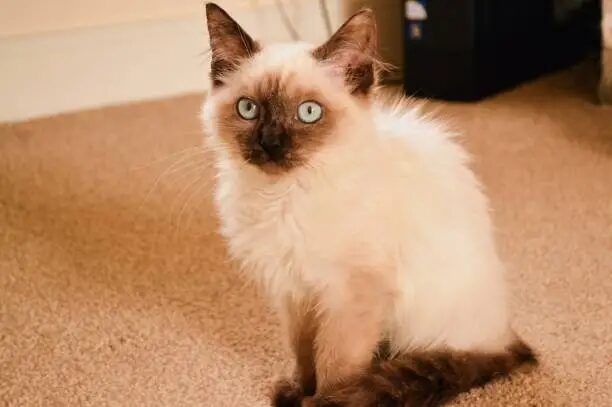
Balinese kittens are energetic, curious, and eager to explore.
Expect:
- Frequent play
- Rapid learning
- Lots of climbing
- Daily interaction
Kitten-Proofing Your Home
Protect curious kittens by securing:
- Electrical cords
- Toxic plants
- Small objects
- Open windows
Vaccination Timeline
Follow your veterinarian’s recommended schedule beginning around 6–8 weeks of age with booster vaccinations as advised.
Socialization
Early exposure to:
- People
- Household sounds
- Gentle handling
- Toys
helps create a confident adult cat.
Growth Stages
Balinese kittens generally reach full maturity between 18 months and 2 years.
Adult vs Senior Balinese Cat Adoption
Benefits of Adult Cats
Adult cats often:
- Have established personalities
- Are litter trained
- Require less supervision
Benefits of Senior Cats
Senior cats can be wonderful companions.
Many are:
- Calm
- Affectionate
- Easygoing
- Grateful for a quiet home
Challenges to Consider
Older cats may require:
- More veterinary care
- Special diets
- Joint support
Which Is Right for You?
Choose based on your:
- Lifestyle
- Experience
- Time available
- Household activity level
Each age group offers unique rewards.
Signs of a Healthy Balinese Cat
Look for:
Coat Condition
- Soft
- Clean
- Shiny
Eye Health
- Bright
- Clear
- No discharge
Body Condition
- Healthy weight
- Good muscle tone
Activity Level
- Curious
- Alert
- Playful
Appetite
- Eats consistently
- Drinks normally
Common Mistakes New Adopters Make
Avoid these common mistakes:
- Skipping veterinary visits
- Changing food too quickly
- Introducing pets too fast
- Buying too many toys at once
- Ignoring enrichment needs
- Not giving the cat enough time to adjust
Patience is one of the most important gifts you can give a newly adopted cat.
Pros and Cons of Balinese Cat Adoption
Pros
- Saves a life
- Lower adoption costs
- Loving and affectionate personality
- Highly intelligent
- Great family companion
- Often already vaccinated, microchipped, and spayed/neutered
Cons
- Rare in shelters
- May require waiting
- Unknown medical or behavioral history in some cases
- Adjustment period after adoption
- Can become lonely without companionship
Is a Balinese Cat Right for You?
A Balinese cat is an excellent choice if you’re looking for an intelligent, affectionate companion that enjoys spending time with people.
Best for Families
Their playful and gentle nature makes them excellent family pets.
Best for Singles
They form strong one-on-one bonds and provide constant companionship.
Best for Apartment Living
They adapt well to apartments when provided with climbing spaces and daily enrichment.
Best for Multi-Pet Homes
Balinese cats usually enjoy living with other friendly cats or cat-socialized dogs.
Best for Active Owners
Owners who enjoy interactive play and training will appreciate the breed’s intelligence and curiosity.
Frequently Asked Questions (FAQ)
Where can I adopt a Balinese cat?
Start with local animal shelters, breed-specific rescue organizations, humane societies, and reputable online adoption platforms.
How much does Balinese cat adoption cost?
Most adoption fees range from $100 to $350, depending on the organization and the cat’s age.
Are Balinese cats rare in shelters?
Yes. Purebred Balinese cats are relatively uncommon, so you may need to join waiting lists or monitor rescue websites regularly.
Is adopting better than buying?
For many people, adoption is a rewarding choice because it gives a cat a second chance while often costing less than purchasing from a breeder.
Are Balinese cats good with children?
Yes, they are generally affectionate, playful, and patient with respectful children.
Do Balinese cats shed?
Yes, but their silky single coat sheds less than many other long-haired breeds.
Are Balinese cats hypoallergenic?
They are not truly hypoallergenic, although some allergy sufferers report milder reactions compared to other breeds.
How long do Balinese cats live?
With proper care, they commonly live 15–20 years.
Can Balinese cats live with dogs?
Yes. With gradual introductions, they usually coexist well with friendly, cat-socialized dogs.
Do adopted Balinese cats adjust easily?
Most adapt well when given patience, consistency, and a quiet environment during the first few weeks.
Should I adopt a kitten or an adult Balinese?
It depends on your lifestyle. Kittens require more time and training, while adult cats often have established personalities and routines.
Are Balinese cats high maintenance?
Not particularly. They need regular interaction, weekly grooming, and daily play, but their coat is relatively easy to maintain.
Can I adopt a Balinese cat if I work full time?
Yes, but because they are social cats, it’s helpful to provide enrichment or consider adopting a compatible companion if they’ll be alone for long periods.
How long does the adoption process take?
The timeline varies by organization, ranging from a few days to several weeks, depending on applications, interviews, and home checks.
What should I buy before bringing my adopted cat home?
Prepare essentials such as food and water bowls, a litter box, scratching post, cat tree, carrier, bed, toys, grooming supplies, and high-quality cat food.
Conclusion
Choosing Balinese cat adoption is more than simply adding a pet to your household—it’s giving a deserving cat a loving second chance while welcoming an intelligent, affectionate, and loyal companion into your life.
Compared to purchasing from a breeder, adoption is often more affordable and frequently includes valuable veterinary care such as vaccinations, microchipping, and spaying or neutering. While Balinese cats can be harder to find in shelters, patience and research can lead you to the perfect feline companion.
Before bringing your new cat home, make sure your living space is safe, well-equipped, and ready to meet the breed’s physical and emotional needs. With proper nutrition, routine veterinary care, regular playtime, and plenty of companionship, a Balinese cat can enjoy a healthy life spanning 15 to 20 years or more.
Whether you adopt a playful kitten, a confident adult, or a gentle senior, you’ll gain a devoted companion known for its beauty, intelligence, and loving personality. By choosing adoption through a reputable shelter or breed-specific rescue, you’re not only enriching your own life but also making a meaningful difference in the life of a cat in need.