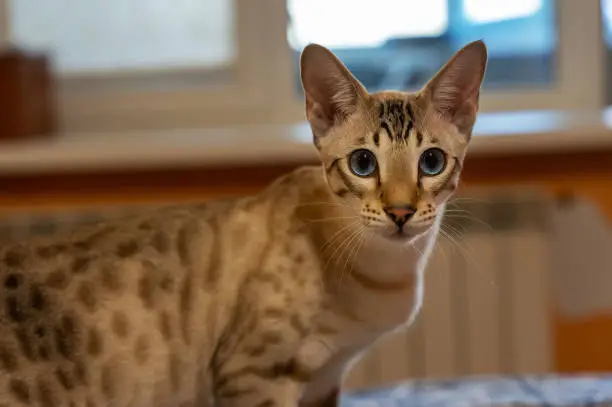
The Bengal cat is one of the most captivating domestic cat breeds in the world. With its striking leopard-like spots, shimmering coat, and athletic build, it’s easy to see why Bengal cats have become a favorite among cat lovers. While they resemble small wild cats, Bengals are affectionate, playful, and can make wonderful companions for the right owners.
Unlike many other house cats, Bengal cats are known for their exceptional intelligence, boundless energy, and curiosity. They thrive on interaction, enjoy learning tricks, and often surprise their owners with dog-like behaviors such as playing fetch, walking on a leash, and even splashing in water.
However, owning a Bengal cat isn’t for everyone. Their high energy levels and need for mental stimulation require dedicated owners who can provide daily exercise, engaging toys, and plenty of attention.
Whether you’re considering adopting a Bengal kitten or simply want to learn more about this remarkable breed, this comprehensive guide covers everything you need to know—from history and appearance to personality, care, health, and ownership.
Bengal Cat at a Glance
| Feature | Details |
|---|---|
| Origin | United States |
| Breed Type | Hybrid Domestic Cat |
| Weight | 8–15 lbs (3.5–7 kg) |
| Height | 13–16 inches |
| Lifespan | 12–16 years |
| Coat | Short, silky, spotted or marbled |
| Colors | Brown, Silver, Snow, Charcoal, Blue |
| Temperament | Intelligent, energetic, affectionate |
| Exercise Needs | Very High |
| Grooming Needs | Low |
| Good with Kids | Yes |
| Good with Other Pets | Usually |
| Hypoallergenic | No |
| Recognition | TICA, GCCF, CFA (limited recognition) |
What Is a Bengal Cat?
The Bengal cat is a unique domestic breed developed by crossing domestic cats with the Asian Leopard Cat (ALC), a small wild feline native to Asia. Through careful breeding over several generations, breeders created a cat that retains the stunning appearance of its wild ancestor while possessing the friendly temperament of a household pet.
Today’s Bengal cats are several generations removed from their wild heritage, making them suitable companions for experienced cat owners who appreciate an active and intelligent breed.
Why Are Bengal Cats So Popular?
Their popularity continues to grow because they combine beauty with personality.
Some of the reasons people love Bengal cats include:
- Leopard-like appearance
- Soft glittering coat
- Exceptional intelligence
- Playful personality
- Strong bond with family members
- Highly trainable
- Minimal shedding
- Long lifespan
For many people, owning a Bengal is like sharing a home with a miniature jungle cat that behaves like an affectionate family companion.
History and Origin
Understanding the Bengal cat’s history helps explain its unique appearance and energetic personality.
Asian Leopard Cat Ancestry
The Bengal’s story begins with the Asian Leopard Cat, a small wild feline found across:
- India
- China
- Thailand
- Indonesia
- Malaysia
- The Philippines
Unlike larger wild cats, Asian Leopard Cats are roughly the size of domestic cats but possess beautiful spotted coats designed for camouflage in forests.
Their stunning markings inspired breeders to develop a domestic cat with the same exotic appearance.
Development of the Breed
The Bengal breed officially began in the 1960s and gained momentum during the 1980s.
Early breeders carefully crossed:
- Asian Leopard Cats
- Egyptian Maus
- Abyssinians
- American Shorthairs
- Domestic Shorthair cats
The goal wasn’t to create a wild pet—it was to produce a healthy domestic cat that looked like a miniature leopard while maintaining a loving temperament.
Over decades of selective breeding, Bengals became increasingly social, affectionate, and suitable for family life.
Jean Mill and Modern Bengal Breeding
One name stands above all others in Bengal history—Jean Mill.
She is widely recognized as the founder of the modern Bengal breed. Through responsible breeding programs, she successfully combined the striking appearance of wild cats with the temperament of domestic companions.
Her work established the foundation for today’s Bengals and inspired breeders around the world.
Without Jean Mill’s dedication, the Bengal cat as we know it likely wouldn’t exist.
Recognition by Major Cat Associations
As the breed gained popularity, major cat organizations gradually recognized Bengals.
Today, Bengals are accepted by organizations such as:
| Cat Registry | Recognition |
|---|---|
| The International Cat Association (TICA) | Fully Recognized |
| Governing Council of the Cat Fancy (GCCF) | Recognized |
| Cat Fanciers’ Association (CFA) | Limited Recognition |
These organizations maintain breed standards covering:
- Body shape
- Coat quality
- Rosette patterns
- Eye color
- Temperament
Bengal Cat Appearance
One of the biggest reasons people fall in love with Bengal cats is their extraordinary appearance.
Everything about their body reflects strength, elegance, and athleticism.
Body Structure
Unlike stockier domestic breeds, Bengals have a sleek yet muscular physique.
Typical characteristics include:
- Long body
- Strong shoulders
- Powerful hind legs
- Medium-length neck
- Thick tail
- Athletic posture
Their movements resemble those of wild cats—graceful, agile, and confident.
Athletic Build
Bengal cats are naturally athletic.
They can:
- Jump over six feet vertically
- Climb furniture with ease
- Sprint at impressive speeds
- Balance effortlessly on narrow surfaces
Because of their muscular bodies, they often weigh more than they appear.
Muscular Frame
A Bengal should never appear fragile.
Instead, the breed standard calls for:
- Firm muscles
- Broad chest
- Strong legs
- Solid bone structure
Their physical strength contributes to their endless enthusiasm for climbing, running, and interactive play.
Tail Characteristics
The Bengal’s tail is:
- Thick
- Medium length
- Rounded at the tip
- Well-balanced with the body
Most Bengals carry their tails low while walking, giving them an elegant, wild-cat appearance.
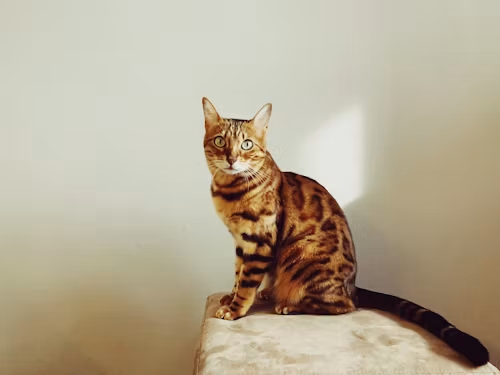
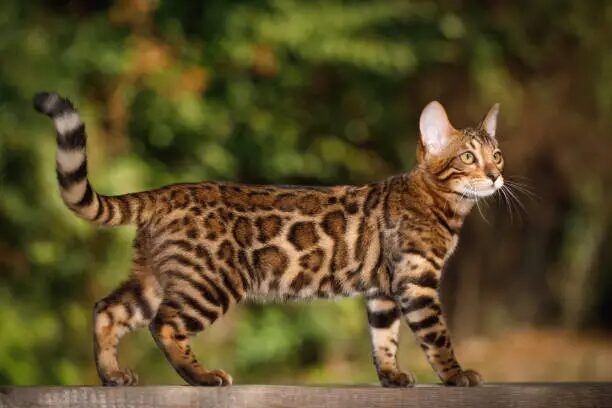
Bengal Cat Coat
The Bengal coat is unlike that of almost any other domestic breed.
It combines softness with striking patterns that often shimmer in sunlight.
Glitter Coat
One of the Bengal’s most distinctive features is its famous glitter coat.
Tiny translucent hair shafts reflect light, making the fur sparkle like gold dust.
Not every Bengal has glitter, but it is highly prized among breeders and owners.
Soft Texture
Despite their wild appearance, Bengal coats feel incredibly luxurious.
The fur is:
- Fine
- Dense
- Silky
- Smooth
Many owners describe it as feeling similar to satin or velvet.
Dense Fur
The Bengal’s short coat lies close to the body.
Benefits include:
- Less matting
- Easier grooming
- Lower shedding than many long-haired breeds
- Cleaner appearance
Weekly brushing is usually enough to keep the coat healthy and shiny.
Head and Facial Features
The Bengal’s face contributes significantly to its exotic look.
Every facial feature reflects alertness and intelligence.
Eyes
Bengals have:
- Large eyes
- Oval shape
- Bright expression
- Excellent focus
Eye colors vary depending on coat color.
Common eye colors include:
- Green
- Gold
- Hazel
- Blue (Snow Bengals)
Ears
Their ears are:
- Medium-sized
- Rounded
- Slightly forward-facing
- Wide at the base
Unlike wild cats with oversized ears, Bengal ears remain proportional to the head.
Nose
The Bengal nose is:
- Broad
- Slightly curved
- Well-defined
Combined with prominent whisker pads, it creates the characteristic “wild” facial appearance.
Whisker Pads
Large whisker pads give Bengals:
- Powerful-looking muzzles
- Distinct facial contours
- Expressive appearance
These features help distinguish Bengals from many other domestic breeds.
Bengal Cat Colors
One of the most exciting aspects of the breed is the incredible variety of coat colors.
Although all Bengals share similar markings, their background colors can vary dramatically.
Brown Bengal
The Brown Bengal is the most common and recognizable variety.
Characteristics include:
- Golden background
- Dark brown or black rosettes
- Green or gold eyes
- White belly (often)
This color closely resembles a wild leopard.
Snow Bengal
Snow Bengals have lighter coats inherited through selective breeding.
There are three recognized Snow varieties.
Seal Lynx Point
Features include:
- Ivory coat
- Blue eyes
- Darkening markings with age
- Strong contrast
This is one of the most popular Snow varieties.
Seal Mink
Seal Mink Bengals display:
- Aqua-colored eyes
- Cream coat
- Soft brown markings
- Rich contrast
They combine features of Lynx and Sepia Bengals.
Seal Sepia
Seal Sepia Bengals have:
- Golden or green eyes
- Warm cream coat
- Dark brown markings
- Excellent contrast from birth
Among Snow Bengals, Sepias usually display the darkest coloration.
Silver Bengal
Silver Bengals feature:
- White or silver background
- Black markings
- Minimal warm tones
- Striking contrast
Their dramatic appearance makes them increasingly popular among breeders.
Charcoal Bengal
Charcoal Bengals possess:
- Dark facial mask
- Black cape across the back
- Deep charcoal markings
- Wild appearance
Many enthusiasts consider Charcoal Bengals among the most exotic-looking domestic cats.
Blue Bengal (Rare)
Blue Bengals are uncommon and highly sought after.
Characteristics include:
- Blue-gray coat
- Soft peach undertones
- Slate-colored spots
- Gentle appearance
Because they are relatively rare, Blue Bengals often command higher prices than standard colors.
Black Bengal
Although not officially recognized by every cat registry, Black Bengals have become increasingly popular among enthusiasts.
They feature:
- Solid black or very dark charcoal coats
- Hidden rosettes that become visible under sunlight
- Glossy, sleek appearance
- Athletic build
Their mysterious appearance gives them a miniature black panther look.
Melanistic Bengal
A Melanistic Bengal carries excess dark pigmentation, making its spots difficult to see.
Characteristics
- Jet-black coat
- Ghost-like rosettes
- Bright golden or green eyes
- Extremely rare
These cats are admired for their dramatic appearance, even though they don’t meet show standards in many associations.
Bengal Cat Patterns
Besides color, the coat pattern is one of the Bengal’s defining features.
Spotted Bengal
The spotted Bengal resembles its wild ancestors.
Features include:
- Random spots
- High contrast
- Balanced distribution
- Smooth, sleek appearance
Rosetted Bengal
Rosettes are what make Bengal cats look like miniature leopards.
Unlike ordinary spots, rosettes have multiple colors and darker outlines.
Arrowhead Rosettes
These resemble arrow tips pointing toward the back.
They are:
- Highly desirable
- Extremely wild-looking
- Common in show-quality Bengals
Donut Rosettes
One of the most recognizable patterns.
Characteristics include:
- Circular markings
- Hollow center
- Dark outline
- Strong contrast
Paw Print Rosettes
These resemble animal paw prints.
They often appear:
- Asymmetrical
- Multi-colored
- Natural-looking
Clouded Rosettes
Large flowing markings that create a dramatic appearance.
Clouded rosettes often resemble those found on clouded leopards.
Marbled Bengal
Instead of spots, Marbled Bengals display flowing patterns.
These resemble:
- Marble stone
- Swirling rivers
- Butterfly wings
Marbled Bengals are equally beautiful and accepted in major cat registries.
Bengal Cat Size
Bengals are medium-to-large cats with muscular bodies.
Male Bengal Size
Average males weigh:
| Age | Weight |
|---|---|
| 3 Months | 4–6 lbs |
| 6 Months | 7–10 lbs |
| Adult | 10–15 lbs |
Males usually develop broader heads and heavier muscles.
Female Bengal Size
Females are slightly smaller.
| Age | Weight |
|---|---|
| 3 Months | 3–5 lbs |
| 6 Months | 6–8 lbs |
| Adult | 8–12 lbs |
They remain equally athletic despite their smaller size.
Bengal Growth Chart
| Age | Average Weight |
|---|---|
| 8 Weeks | 2 lbs |
| 3 Months | 4–6 lbs |
| 6 Months | 7–10 lbs |
| 9 Months | 9–13 lbs |
| 12 Months | Nearly Adult |
| 18–24 Months | Fully Mature |
Most Bengals continue filling out until about two years of age.
Full-Grown Bengal Cat
A healthy adult Bengal typically has:
- Long athletic body
- Powerful shoulders
- Lean muscles
- Thick tail
- Strong hind legs
Despite their muscular build, they remain incredibly agile.
Bengal Cat Personality
One word describes Bengals better than anything else:
Energetic.
They are among the smartest domestic cat breeds.
Intelligence
Bengals learn quickly.
Many can:
- Open doors
- Solve puzzle toys
- Learn commands
- Play fetch
- Walk on a leash
They need daily mental challenges to prevent boredom.
Activity Level
If you’re looking for a calm lap cat, a Bengal may not be the best choice.
Instead, expect:
- Running
- Jumping
- Climbing
- Exploring
- Hunting toys
Daily play sessions are essential.
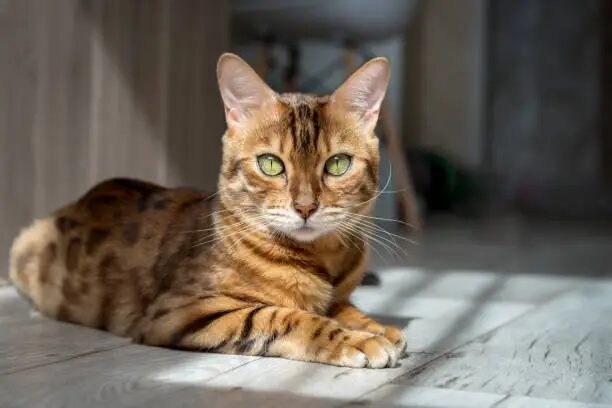
Loyalty
Many Bengal owners describe them as incredibly loyal.
They often:
- Follow owners around
- Sleep nearby
- Wait at doors
- Greet family members
Affection
Although independent at times, Bengals enjoy affection.
Many love:
- Head scratches
- Sitting beside owners
- Interactive play
- Family activities
They generally prefer participating in whatever their owners are doing.
Curiosity
Everything interests a Bengal.
They’ll investigate:
- Cabinets
- Drawers
- Boxes
- Running water
- Shopping bags
Providing safe enrichment keeps this curiosity from becoming destructive.
Vocalization
Bengals communicate frequently.
Their sounds include:
- Chirps
- Trills
- Meows
- Purrs
Some Bengals become especially vocal when hungry or excited.
Water-Loving Behavior
Unlike many cats, Bengals often enjoy water.
Owners frequently report their Bengals:
- Playing in sinks
- Watching showers
- Splashing in water bowls
- Joining bath time
Bengal Cat Temperament
The Bengal’s temperament combines affection with independence.
Family Compatibility
Bengals thrive in active households.
They’re happiest with families who enjoy interacting with their pets every day.
Relationship with Children
Most Bengals do well with respectful children.
They enjoy:
- Playing chase
- Fetch games
- Interactive toys
Young children should always be supervised around pets.
Interaction with Strangers
Some Bengals are outgoing.
Others remain cautious until they become familiar with visitors.
Early socialization greatly improves confidence.
Independence Level
Bengals appreciate attention but don’t usually demand constant cuddles.
They often alternate between:
- Independent exploration
- Interactive play
- Quiet relaxation
Territorial Behavior
Like most cats, Bengals establish territories.
Proper introductions help reduce territorial conflicts with other pets.
Are Bengal Cats Good Pets?
For the right owner—absolutely.
Pros
- Stunning appearance
- Extremely intelligent
- Loyal companions
- Easy grooming
- Highly trainable
- Long lifespan
- Active and entertaining
Cons
- High energy
- Expensive to purchase
- Needs daily stimulation
- Can become destructive when bored
- Not ideal for owners away all day
Living with a Bengal Cat
Apartment Living
Bengals can adapt to apartments if they receive:
- Daily exercise
- Cat trees
- Window perches
- Interactive toys
- Vertical climbing space
Without enrichment, apartment life may become frustrating.
Indoor vs Outdoor
Indoor living is generally safest.
If outdoor time is desired, consider:
- Secure catios
- Leash walks
- Enclosed gardens
Free roaming exposes Bengals to traffic, disease, and theft.
Multi-Pet Homes
Most Bengals coexist well with:
- Friendly cats
- Cat-friendly dogs
Proper introductions are essential.
First-Time Owners
Because of their energy level, Bengals may challenge inexperienced owners.
Those willing to invest time in training and play often find them incredibly rewarding companions.
Bengal Cat Kitten
Bringing home a Bengal kitten is exciting, but early care is essential.
Growth Stages
8–12 Weeks
- Learning social skills
- Weaning completed
- Beginning litter training
3–6 Months
- Rapid growth
- Increased curiosity
- Teething
6–12 Months
- Strong muscles develop
- Energy peaks
- Training becomes easier
Socialization
Expose kittens to:
- Family members
- Visitors
- Grooming
- Carriers
- Veterinary visits
Positive experiences during kittenhood help build confident adults.
Vaccinations
Typical vaccinations include:
- FVRCP
- Rabies
- FeLV (when recommended)
Always follow your veterinarian’s schedule.
Early Training
Bengals respond exceptionally well to positive reinforcement.
Teach early:
- Litter habits
- Nail trimming
- Harness use
- Scratching post use
- Basic commands
Bengal Cat Care Guide
Although Bengals require relatively little grooming, they need plenty of activity.
Grooming
Their short coat makes grooming simple.
Brushing
Brush once weekly to:
- Remove loose hair
- Reduce shedding
- Maintain shine
Bathing
Usually unnecessary unless particularly dirty.
Many Bengals tolerate bathing surprisingly well.
Nail Trimming
Trim nails every 2–3 weeks.
Ear Cleaning
Inspect monthly.
Clean only when necessary.
Dental Care
Brush teeth 2–3 times weekly to reduce dental disease.
Exercise Requirements
Exercise is one of the most important parts of Bengal ownership.
Daily activities should include:
- Climbing
- Running
- Hunting games
- Interactive play
Aim for at least 45–60 minutes of active play every day.
Interactive Toys
Excellent choices include:
- Feather wands
- Laser pointers
- Puzzle feeders
- Motion toys
- Treat dispensers
Rotate toys regularly to prevent boredom.
Cat Wheels
Many Bengals love cat exercise wheels.
Benefits include:
- Burning excess energy
- Weight management
- Mental stimulation
Climbing Trees
Tall cat trees satisfy natural climbing instincts.
Look for:
- Multiple levels
- Hammocks
- Hideouts
- Scratching posts
Mental Stimulation
Keeping a Bengal mentally engaged is just as important as physical exercise.
Puzzle Feeders
Puzzle feeders encourage natural hunting behavior while slowing down eating.
Training Sessions
Short, positive training sessions help strengthen the bond between you and your cat while providing valuable mental exercise.
Interactive Games
Hide-and-seek, fetch, and chasing feather toys are excellent ways to keep Bengals entertained.
Bengal Cat Diet
A balanced, high-protein diet supports the Bengal’s active lifestyle.
Nutritional Requirements
Choose foods that contain:
- High-quality animal protein
- Healthy fats
- Taurine
- Vitamins and minerals
- Omega-3 fatty acids
Wet vs Dry Food
| Wet Food | Dry Food |
|---|---|
| Higher moisture | Convenient storage |
| Supports hydration | Crunchy texture |
| Often more protein | Usually less expensive |
Many owners combine both for balanced nutrition.
Raw Diet
Some owners feed commercially prepared raw diets.
If considering a raw diet, consult a veterinarian to ensure nutritional balance and food safety.
Homemade Diet
Homemade meals should only be prepared under veterinary guidance to avoid nutritional deficiencies.
Feeding Schedule
- Kittens: 3–4 meals daily
- Adults: 2 meals daily
- Seniors: Smaller, frequent meals if recommended
Water Intake
Fresh, clean water should always be available.
Many Bengals enjoy drinking from pet water fountains.
Foods to Avoid
Never feed:
- Chocolate
- Onions
- Garlic
- Grapes
- Raisins
- Alcohol
- Caffeine
- Xylitol
- Cooked bones
Best Food for Bengal Cats
Kittens
Require calorie-rich, protein-packed kitten food for healthy growth.
Adults
Need balanced nutrition with high-quality protein to maintain muscle mass and energy.
Seniors
Benefit from diets that support joint health, kidney function, and healthy weight.
Weight Management
Portion control and regular exercise help prevent obesity.
Sensitive Stomachs
Cats with digestive issues may do well on limited-ingredient or easily digestible diets recommended by a veterinarian.
Bengal Cat Health
Bengals are generally healthy but can inherit certain genetic conditions.
Common Health Problems
- Hypertrophic Cardiomyopathy (HCM)
- Progressive Retinal Atrophy (PRA)
- Patellar Luxation
- Hip Dysplasia
- Kidney disease
- Obesity
- Dental disease
Regular veterinary checkups and responsible breeding help reduce the risk of many inherited conditions.
Bengal Cat Lifespan
With proper care, Bengal cats are generally healthy and can enjoy a long, active life.
Average Life Expectancy
Most Bengal cats live between 12 and 16 years, although some exceed 18 years with excellent care, a balanced diet, and regular veterinary visits.
Factors Affecting Longevity
Several factors influence a Bengal cat’s lifespan, including:
- Genetics
- Diet quality
- Daily exercise
- Weight management
- Indoor living
- Preventive veterinary care
- Dental hygiene
- Mental stimulation
Cats from responsible breeders who perform health testing often have a lower risk of inherited diseases.
Tips for a Longer Life
Help your Bengal live a healthy life by:
- Feeding a high-quality diet
- Scheduling annual veterinary checkups
- Keeping vaccinations up to date
- Providing regular exercise
- Maintaining a healthy weight
- Brushing teeth regularly
- Keeping your cat indoors or in a secure catio
Bengal Cat Training
Bengals are among the easiest cat breeds to train because they are highly intelligent and motivated by play and rewards.
Litter Training
Most Bengal kittens learn to use a litter box quickly.
Tips for success:
- Use a clean litter box
- Place it in a quiet location
- Scoop waste daily
- Reward good behavior
Leash Training
Many Bengals enjoy walking outdoors on a harness.
Start by:
- Introducing the harness indoors.
- Letting your cat wear it for short periods.
- Attaching the leash once they are comfortable.
- Practicing in a quiet, secure area.
Clicker Training
Clicker training helps teach:
- Sit
- High five
- Spin
- Jump
- Come when called
Reward your Bengal immediately after the desired behavior for the best results.
Teaching Tricks
Bengals often enjoy learning tricks such as:
- Fetch
- Opening simple drawers
- Ringing a bell
- Jumping through hoops
- Target training
Keep training sessions short and fun to maintain their interest.
Preventing Bad Behavior
Avoid unwanted behaviors by providing:
- Plenty of toys
- Daily exercise
- Scratching posts
- Positive reinforcement
- Consistent routines
Punishment is not recommended, as it can create fear and damage trust.
Bengal Cat Behavior Problems
Like any intelligent breed, Bengals may develop behavior issues if their physical and mental needs are not met.
Biting
Play biting is common in kittens.
Reduce biting by:
- Redirecting to toys
- Ending rough play
- Rewarding gentle interactions
Scratching Furniture
Provide multiple scratching options such as:
- Sisal posts
- Cardboard scratchers
- Cat trees
Reward your cat for using them.
Excessive Meowing
Bengals are naturally vocal.
Excessive meowing may indicate:
- Hunger
- Boredom
- Loneliness
- Stress
- Medical issues
If the behavior is sudden or persistent, consult your veterinarian.
Night Zoomies
Late-night bursts of energy are common.
Reduce nighttime activity by:
- Scheduling evening play sessions
- Offering puzzle feeders before bedtime
- Maintaining a consistent daily routine
Aggression
Aggression is uncommon in well-socialized Bengals but may occur due to:
- Fear
- Pain
- Territorial disputes
- Frustration
A veterinary examination can help rule out underlying health problems.
Separation Anxiety
Some Bengals become anxious when left alone for long periods.
Help reduce anxiety by providing:
- Interactive toys
- Window perches
- Another compatible pet (if appropriate)
- Regular play before leaving the house
Bengal Cat and Water
One of the Bengal’s most unique traits is its fascination with water.
Why Do Bengal Cats Like Water?
Experts believe this behavior may be linked to their wild ancestors, who often lived near rivers and streams.
Many Bengals enjoy:
- Splashing in sinks
- Drinking from faucets
- Watching showers
- Playing with floating toys
Can Bengals Swim?
Some Bengals willingly enter shallow water and may even swim, although individual preferences vary.
Never force a cat into water.
Safe Water Play
Safe options include:
- Shallow tubs with floating toys
- Pet fountains
- Running faucets under supervision
Always supervise water play.
Bengal Cat Exercise Ideas
Keeping a Bengal physically active is essential for preventing boredom and destructive behavior.
Cat Wheel
A cat exercise wheel provides an excellent outlet for energy.
Cat Shelves
Wall-mounted shelves allow Bengals to climb, jump, and explore vertical spaces.
Outdoor Enclosures (Catios)
Secure outdoor enclosures let Bengals experience fresh air safely.
Puzzle Toys
Puzzle feeders and treat-dispensing toys encourage natural hunting instincts.
Fetch Games
Many Bengals naturally enjoy retrieving toys, making fetch an excellent daily activity.
Bengal Cat Grooming Checklist
| Grooming Task | Recommended Frequency |
|---|---|
| Brushing | Once Weekly |
| Nail Trimming | Every 2–3 Weeks |
| Teeth Brushing | 2–3 Times Weekly |
| Ear Cleaning | Monthly |
| Eye Check | Weekly |
Although Bengals have low-maintenance coats, regular grooming helps maintain their health and strengthens your bond.
Bengal Cat Price
The cost of owning a Bengal extends beyond the purchase price.
Bengal Kitten Cost
Prices vary depending on pedigree, breeder reputation, and coat quality.
Typical ranges include:
| Type | Estimated Price |
|---|---|
| Pet Quality | $1,500–$3,000 |
| Show Quality | $3,000–$5,000+ |
| Rare Bloodlines | $5,000 or more |
Adult Bengal Cost
Adult Bengals available through breeders or rehoming programs may cost less than kittens.
Rare Color Pricing
Rare coat colors such as Blue, Silver, and exceptional Snow Bengals often command higher prices.
Initial Setup Costs
Plan for:
- Litter box
- Carrier
- Food bowls
- Cat tree
- Scratching posts
- Toys
- Bed
- Veterinary examination
Annual Expenses
Yearly costs typically include:
- Food
- Routine veterinary care
- Vaccinations
- Parasite prevention
- Grooming supplies
- Pet insurance (optional)
Bengal Cat for Sale
Choosing the right breeder is one of the most important decisions you’ll make.
Choosing a Reputable Breeder
A responsible breeder should:
- Perform health testing
- Raise kittens indoors
- Socialize kittens properly
- Provide vaccination records
- Offer ongoing support
Adoption Options
Consider adopting through:
- Bengal rescue organizations
- Animal shelters
- Breed-specific rescues
Adoption can provide a loving home to a cat in need.
Questions to Ask a Breeder
Before purchasing, ask:
- Have the parents been health tested?
- Are the kittens registered?
- What vaccinations have they received?
- Can I meet the parents?
- What food are they currently eating?
Health Certificates
Request documentation showing:
- Veterinary examinations
- Vaccination records
- Genetic testing (if available)
Warning Signs of Kitten Mills
Avoid sellers who:
- Refuse to show living conditions
- Offer multiple litters year-round
- Sell kittens too young
- Cannot provide medical records
- Avoid answering questions
Bengal Cat Breeders
Responsible breeders focus on producing healthy, well-socialized kittens.
What Makes a Responsible Breeder?
Look for breeders who:
- Prioritize health over appearance
- Conduct genetic testing
- Limit breeding frequency
- Socialize kittens from an early age
Registration Papers
Most reputable breeders provide registration through recognized cat associations.
Health Testing
Health screening may include testing for:
- Hypertrophic Cardiomyopathy (HCM)
- Progressive Retinal Atrophy (PRA)
Socialization Practices
Well-socialized kittens are generally more confident and adapt more easily to new homes.
Bengal Cat Adoption
Adoption is an excellent option for families looking to provide a second chance to a deserving cat.
Benefits of Adoption
- Lower cost
- Adult personality already established
- Supports animal welfare
- Gives a cat a permanent home
What to Expect
Adopted Bengals may need time to adjust, but patience and routine usually help them settle into their new environment.
Bengal Cat vs Savannah Cat
| Feature | Bengal | Savannah |
|---|---|---|
| Size | Medium | Large |
| Energy | High | Extremely High |
| Cost | Lower | Higher |
| Intelligence | Very High | Very High |
| Maintenance | Moderate | High |
Bengal Cat vs Maine Coon
| Feature | Bengal | Maine Coon |
|---|---|---|
| Coat | Short | Long |
| Energy | Very High | Moderate |
| Size | Medium | Very Large |
| Grooming | Low | High |
| Personality | Active | Gentle |
Bengal Cat vs Siamese
| Feature | Bengal | Siamese |
|---|---|---|
| Activity | Very High | High |
| Vocalization | Moderate | Very Vocal |
| Coat | Spotted/Marbled | Solid Color |
| Trainability | Excellent | Excellent |
Bengal Cat vs Egyptian Mau
The Egyptian Mau also has a naturally spotted coat, but Bengals are generally:
- Larger
- More muscular
- More energetic
- More likely to enjoy water
Bengal Cat vs Ocicat
Although Ocicats resemble wild cats, they have no wild ancestry.
Compared with the Ocicat, the Bengal typically has:
- More dramatic rosettes
- Higher activity levels
- Greater climbing ability
- Stronger hunting instincts
Male vs Female Bengal Cat
| Trait | Male | Female |
|---|---|---|
| Size | Larger | Smaller |
| Personality | More outgoing | More independent |
| Affection | Very affectionate | Loyal but selective |
Individual personality varies regardless of gender.
Pros and Cons of Owning a Bengal Cat
| Pros | Cons |
|---|---|
| Beautiful coat | Needs lots of exercise |
| Highly intelligent | Can become destructive if bored |
| Loyal | Expensive |
| Easy to train | Very active |
| Low shedding | Requires constant stimulation |
Essential Supplies for a Bengal Cat
Prepare your home with:
- Large cat tree
- Multiple scratching posts
- Interactive toys
- Cat exercise wheel
- Spacious litter box
- Secure carrier
- Stainless steel food and water bowls
- Grooming brush
- Nail clippers
- Puzzle feeders
Is a Bengal Cat Right for You?
A Bengal cat may be the perfect companion if you:
- Enjoy active pets
- Have time for daily play
- Can provide mental stimulation
- Appreciate intelligent animals
- Have the budget for quality care
A Bengal may not be the best choice if you prefer a quiet, low-energy lap cat or spend long hours away from home.
Frequently Asked Questions (FAQs)
Are Bengal cats aggressive?
No. Well-socialized Bengals are generally friendly, confident, and affectionate.
Are Bengal cats affectionate?
Yes. While independent at times, they often form strong bonds with their families.
Are Bengal cats good with children?
Yes, especially with respectful children who understand how to interact with pets.
Are Bengal cats hypoallergenic?
No. They may shed less than some breeds, but they still produce allergens.
Can Bengal cats be left alone?
They can tolerate short periods alone but thrive with regular interaction and enrichment.
Do Bengal cats shed?
Yes, but their short coats shed relatively little compared to many long-haired breeds.
Do Bengal cats like water?
Many Bengals enjoy playing with water, drinking from fountains, and exploring sinks or showers.
How long do Bengal cats live?
Most live 12–16 years, with some living even longer when provided with excellent care.
How much does a Bengal cat cost?
A Bengal kitten from a reputable breeder typically costs $1,500–$3,000, while show-quality or rare-color cats may cost considerably more.
Are Bengal cats legal everywhere?
Not always. Some regions have restrictions on hybrid cats, particularly early-generation Bengals, so check local regulations before purchasing.
Can Bengal cats live indoors?
Yes. In fact, indoor living or secure outdoor enclosures are recommended for their safety.
Are Bengal cats easy to train?
Yes. Their intelligence makes them one of the easiest cat breeds to train using positive reinforcement.
Do Bengal cats meow a lot?
They are moderately vocal and often communicate through chirps, trills, and meows.
Are Bengal cats high maintenance?
Their grooming needs are low, but they require significant daily exercise and mental stimulation.
What is the rarest Bengal cat color?
Blue Bengals and some Melanistic Bengals are among the rarest color variations.
Do Bengal cats get along with dogs?
Many Bengals coexist well with friendly, cat-savvy dogs when introduced gradually.
How big do Bengal cats get?
Adult Bengals typically weigh 8–15 pounds, with males generally being larger than females.
Do Bengal cats scratch furniture?
They can if they lack appropriate scratching posts. Providing suitable scratching surfaces helps prevent unwanted behavior.
Are Bengal cats suitable for apartments?
Yes, provided they have enough climbing opportunities, interactive play, and enrichment.
Should I adopt or buy a Bengal cat?
Both are excellent options. Adoption gives a cat a second chance, while purchasing from a responsible breeder may be suitable if you’re looking for a kitten with documented health history.
Conclusion
The Bengal cat is one of the most extraordinary domestic cat breeds, combining the breathtaking appearance of a wild feline with the companionship of a loving household pet. Its distinctive spotted or marbled coat, athletic physique, and playful personality make it a favorite among cat enthusiasts worldwide.
However, Bengals are not low-energy pets. They thrive in homes where they receive daily exercise, mental stimulation, interactive play, and plenty of attention. Owners willing to invest time in training and enrichment are rewarded with an intelligent, loyal, and entertaining companion.
Before bringing home a Bengal, carefully consider your lifestyle, budget, available space, and daily schedule. Whether you adopt from a rescue or purchase from a responsible breeder, providing proper nutrition, preventive healthcare, and a stimulating environment will help your Bengal enjoy a long, healthy, and fulfilling life.