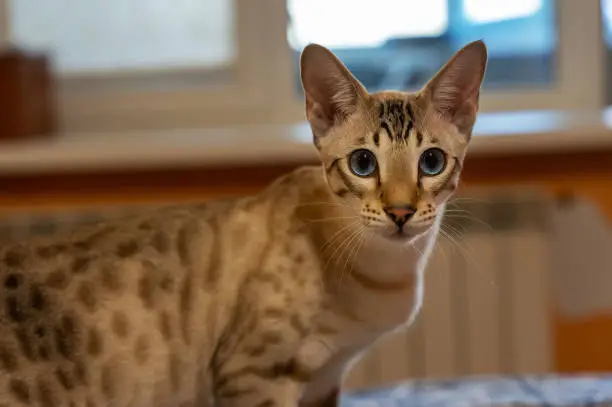
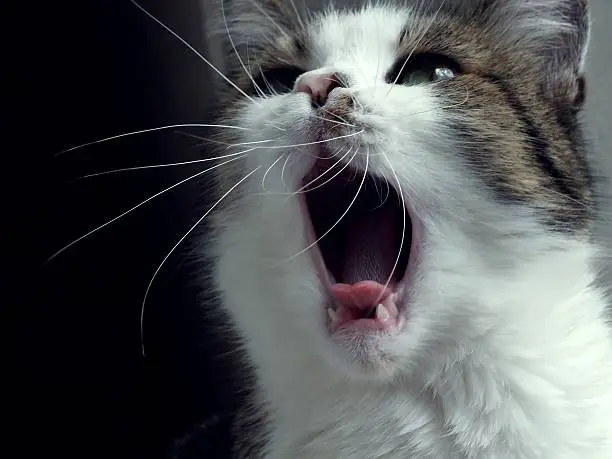
Among all cat breeds, the Bengal cat stands out as one of the most breathtaking and energetic companions you can welcome into your home. With its striking leopard-like coat, athletic build, and playful personality, the Bengal combines the appearance of a wild feline with the affectionate nature of a domestic cat.
Originally developed in the United States through carefully planned breeding programs, the Bengal has become one of the world’s most sought-after cat breeds. Their shimmering coats, remarkable intelligence, and endless curiosity make them favorites among experienced cat owners who enjoy interactive pets.
Unlike many cats that are content spending most of the day napping, Bengals love climbing, exploring, solving puzzles, and playing games. Many even enjoy water—an unusual trait in the feline world. These unique characteristics make the Bengal an exciting companion, but they also mean the breed requires more attention, exercise, and mental stimulation than the average house cat.
Whether you’re researching the breed before adopting a kitten or simply curious about what makes Bengals so special, this comprehensive guide covers everything from their fascinating history to their care, health, personality, and ownership costs.
Helpful resources: Learn more about responsible cat care from the American Association of Feline Practitioners (AAFP), explore breed information through The International Cat Association (TICA), and find nutrition guidance from WSAVA Global Nutrition Guidelines.
Bengal Cat Breed at a Glance
| Feature | Details |
|---|---|
| Origin | United States |
| Breed Type | Hybrid Domestic Cat |
| Weight | 8–15 lbs (3.5–7 kg) |
| Height | 13–16 inches |
| Lifespan | 12–16 years |
| Coat | Short, silky, spotted or marbled |
| Colors | Brown, Silver, Snow, Charcoal, Blue, Melanistic |
| Temperament | Intelligent, energetic, affectionate |
| Grooming | Low Maintenance |
| Exercise Needs | Very High |
| Good with Children | Yes |
| Good with Dogs | Usually |
| Hypoallergenic | No |
| Recognition | TICA, GCCF, CFA (limited) |
What Is the Bengal Cat Breed?
The Bengal cat is a domestic breed developed to resemble the beauty of a wild leopard while maintaining the loving temperament of a companion animal.
Although Bengals have wild ancestry, today’s pet Bengals are many generations removed from their wild relatives. Responsible breeding has produced cats that are social, affectionate, and well-suited for family life.
The Bengal’s unique combination of elegance, intelligence, and athletic ability has made it one of the fastest-growing cat breeds worldwide.
Overview of the Bengal Breed
Bengals are best known for:
- Leopard-like spots and rosettes
- Muscular, athletic body
- Silky glittering coat
- Exceptional intelligence
- Playful personality
- Strong bond with family members
- Excellent climbing ability
- Love of interactive games
Rather than spending the day sleeping, most Bengals prefer to stay active and involved in everything happening around the house.
Why Is It Called a Bengal Cat?
The breed takes its name from the scientific classification of its wild ancestor, the Asian Leopard Cat (Prionailurus bengalensis).
Although modern Bengals are domestic cats, their ancestry explains why they inherited:
- Exotic markings
- Athletic movement
- Curious personalities
- Exceptional agility
Their appearance often surprises visitors who mistake them for miniature wild cats.
Hybrid Origins Explained
The Bengal originated through carefully controlled breeding between domestic cats and the Asian Leopard Cat.
Early generations retained more wild characteristics, but today’s pet Bengals are typically several generations removed from those original crosses.
Modern breeding focuses on producing cats with:
- Friendly temperaments
- Stable personalities
- Excellent health
- Beautiful coat patterns
As a result, today’s Bengal is considered a domestic companion rather than a wild animal.
Is the Bengal a Wild Cat or Domestic Cat?
This is one of the most frequently asked questions.
The answer is simple:
Modern Bengal cats are domestic cats.
Although their ancestors included the Asian Leopard Cat, reputable breeders have spent decades refining the breed.
Today’s Bengals are:
- Family companions
- Indoor pets
- Social animals
- Intelligent learners
- Affectionate with owners
Their wild appearance is one of their greatest attractions, but their behavior is much more similar to other active domestic cat breeds.
History and Origin of Bengal Cats
The Bengal’s history is one of the most fascinating stories in the cat world.
Asian Leopard Cat Ancestry
The Bengal’s ancestors lived throughout Asia in forests, grasslands, and mountainous regions.
The Asian Leopard Cat is:
- Small in size
- Naturally spotted
- Highly agile
- Excellent climber
- Skilled hunter
Unlike larger wild cats, it weighs only around 7–15 pounds, making it similar in size to many domestic breeds.
Its striking coat inspired breeders to recreate the same look in a household companion.
Jean Mill and the Creation of the Bengal Breed
No discussion of Bengal cats is complete without mentioning Jean Mill, who is widely credited with developing the modern Bengal.
Her goal was ambitious:
Create a cat with the appearance of a wild leopard but the personality of a gentle house pet.
Through decades of careful breeding, selection, and patience, she helped establish the Bengal as one of today’s most admired cat breeds.
Her work continues to influence Bengal breeding programs worldwide.
Development Through Selective Breeding
Early breeding programs combined Asian Leopard Cats with carefully selected domestic breeds.
Some of these included:
- Egyptian Mau
- Abyssinian
- American Shorthair
- Domestic Shorthair
Each generation became:
- More social
- Easier to handle
- More predictable in temperament
- Better suited to family life
Today’s Bengals have little resemblance behaviorally to their distant wild ancestors despite maintaining the same stunning appearance.
Recognition by Major Cat Associations
As Bengals gained popularity, major cat organizations gradually accepted the breed.
TICA
The International Cat Association (TICA) fully recognizes the Bengal and maintains detailed breed standards for:
- Coat quality
- Body structure
- Temperament
- Pattern
- Color
GCCF
The Governing Council of the Cat Fancy (GCCF) also recognizes Bengals, allowing them to compete in approved categories.
CFA
The Cat Fanciers’ Association (CFA) provides limited recognition for Bengals, although its policies differ slightly from other organizations.
FIFe
Recognition within FIFe (Fédération Internationale Féline) varies by member organization and region.
Bengal Cat Appearance
Few cat breeds are as instantly recognizable as the Bengal.
Every feature—from the head to the tail—reflects athleticism and elegance.
Overall Body Structure
Bengals possess a naturally athletic physique.
Typical characteristics include:
- Long body
- Strong shoulders
- Deep chest
- Lean muscles
- Powerful legs
Unlike heavier breeds, Bengals remain agile despite their muscular build.
Athletic Build
Their athleticism allows them to:
- Leap onto high shelves
- Run at impressive speeds
- Climb almost anything
- Balance with ease
Owners often joke that Bengals spend more time above the furniture than on it.
Muscular Body
Healthy Bengals have:
- Dense muscles
- Strong bones
- Excellent flexibility
- Outstanding endurance
Their strength supports their energetic lifestyle.
Long Legs
The Bengal’s long legs contribute to:
- Powerful jumping
- Fast running
- Excellent climbing ability
Their slightly longer hind legs also create an elegant posture.
Thick Tail
Their tail is:
- Medium in length
- Thick
- Well-balanced
- Rounded at the tip
It helps maintain balance while climbing and jumping.
Bengal Cat Head
The Bengal’s face combines softness with an unmistakably wild expression.
Skull Shape
The head is:
- Slightly wedge-shaped
- Rounded
- Proportional to the body
Nose
The nose is:
- Broad
- Slightly curved
- Prominent
It contributes to the Bengal’s distinctive profile.
Chin
A strong chin balances the facial structure and enhances the breed’s confident appearance.
Whisker Pads
Large whisker pads create:
- Broad muzzle
- Wild-cat expression
- Powerful facial features
Eyes
Bengal eyes are expressive and alert.
Eye Colors
Depending on coat color, Bengals may have:
- Green eyes
- Gold eyes
- Hazel eyes
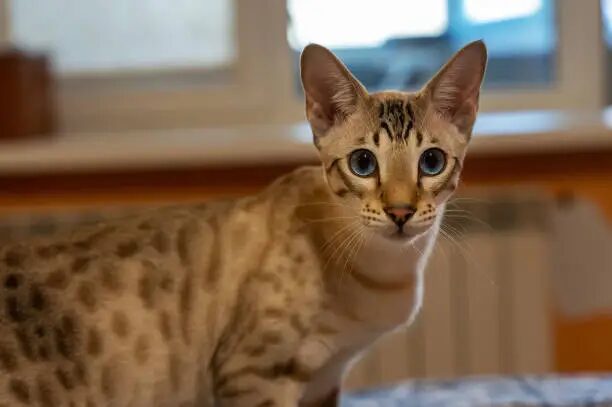
- Blue eyes (especially Snow Bengals)
Eye Shape
The eyes are generally:
- Oval
- Large
- Well-spaced
Their bright expression reflects the breed’s intelligence and curiosity.
Ears
Bengal ears are medium-sized with rounded tips.
Characteristics
- Wide at the base
- Slightly forward-facing
- Rounded edges
- Balanced placement
These features enhance their alert appearance.
Bengal Cat Coat
One of the Bengal’s defining characteristics is its luxurious coat.
Coat Texture
Unlike many short-haired cats, Bengal fur feels incredibly soft.
Owners often compare it to:
- Satin
- Velvet
- Silk
Glitter Coat
Some Bengals possess a rare glitter gene.
When sunlight hits the coat, individual hairs sparkle with a golden sheen, giving the cat an extraordinary appearance.
This feature is highly prized among breeders.
Coat Density
The Bengal’s coat is:
- Dense
- Close-fitting
- Smooth
- Easy to maintain
Because the fur lies close to the body, weekly brushing is generally sufficient.
Seasonal Shedding
Although Bengals do shed, shedding is relatively light compared to many long-haired breeds.
Regular brushing helps:
- Remove loose fur
- Reduce hair around the home
- Keep the coat shiny
Bengal Cat Colors
The Bengal comes in a remarkable range of beautiful colors.
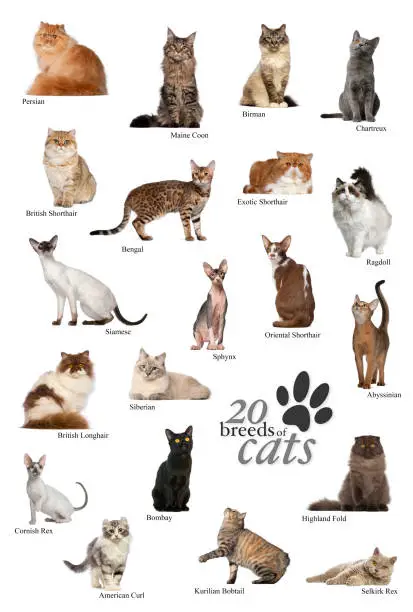
Brown Bengal
The Brown Bengal is the classic and most recognizable color.
Features include:
- Golden background
- Dark brown or black rosettes
- White belly
- Green or gold eyes
This color most closely resembles a wild leopard.
Snow Bengal
Snow Bengals display lighter coats and striking eye colors.
Three recognized varieties exist.
Seal Lynx Point
Characteristics include:
- Bright blue eyes
- Ivory coat
- Dark markings that develop with age
Seal Mink
Seal Mink Bengals have:
- Aqua-colored eyes
- Cream coat
- Soft brown markings
- Excellent contrast
Seal Sepia
Seal Sepias feature:
- Warm cream background
- Brown markings
- Green or golden eyes
They often display darker markings from birth.
Silver Bengal
Silver Bengals have:
- Silver-white background
- Jet-black markings
- Dramatic contrast
Their bold appearance makes them one of the most eye-catching Bengal varieties.
Charcoal Bengal
Charcoal Bengals possess:
- Dark facial mask
- Black dorsal stripe
- Deep charcoal coloring
Many owners appreciate their especially wild appearance.
Blue Bengal
Blue Bengals are uncommon and highly desirable.
Characteristics include:
- Blue-gray coat
- Slate-colored markings
- Soft peach undertones
Their rarity often makes them more expensive.
Black Bengal
Black Bengals have very dark coats with subtle hidden markings that may become visible in bright sunlight.
Melanistic Bengal
Melanistic Bengals appear almost entirely black due to excess pigmentation.
Although their rosettes are difficult to see, they remain one of the most striking and unusual Bengal variations.
Bengal Cat Coat Patterns
One of the Bengal’s most distinctive features is its beautiful coat pattern. Unlike many domestic cats, Bengals display markings that closely resemble those of wild felines.
Spotted Pattern
The spotted Bengal has randomly distributed spots across the body.
Characteristics include:
- High contrast
- Even distribution
- Natural appearance
- Bold markings
This pattern gives the Bengal its famous leopard-like appearance.
Rosetted Pattern
Rosettes are more complex than simple spots and are one of the defining characteristics of the breed.
They feature:
- Two-tone coloring
- Dark outer edges
- Lighter centers
- Irregular shapes
Arrowhead Rosettes
Arrowhead rosettes point toward the back of the cat.
These markings create an especially wild appearance and are highly valued in show-quality Bengals.
Donut Rosettes
These resemble small rings.
Features include:
- Circular outline
- Open center
- Excellent contrast
They closely resemble the markings found on leopards.
Paw Print Rosettes
Paw print rosettes appear as partially open markings.
They give the coat a softer, more natural look while maintaining the Bengal’s exotic appearance.
Clouded Rosettes
Clouded rosettes are larger and more flowing than traditional rosettes.
They create dramatic patterns similar to those found on clouded leopards.
Marbled Pattern
Instead of spots, marbled Bengals have flowing, swirling markings.
The pattern often resembles:
- Marble stone
- River currents
- Butterfly wings
Although different from spotted Bengals, marbled cats are equally beautiful and recognized in breed standards.
Bengal Cat Size
The Bengal is a medium-to-large domestic cat with an athletic, muscular build.
Male Bengal Size
Adult males typically weigh 10–15 pounds (4.5–7 kg).
They usually develop:
- Broader heads
- Larger shoulders
- Heavier muscles
Female Bengal Size
Females generally weigh 8–12 pounds (3.5–5.5 kg).
They are slightly smaller but remain equally agile and energetic.
Bengal Growth Chart
| Age | Average Weight |
|---|---|
| 2 Months | 2–3 lbs |
| 3 Months | 4–6 lbs |
| 6 Months | 7–10 lbs |
| 12 Months | 9–15 lbs |
| Adult | 8–15 lbs |
Most Bengals continue developing muscle until they are around 18–24 months old.
Full-Grown Bengal Cat
A healthy adult Bengal should have:
- Athletic body
- Lean muscles
- Strong legs
- Thick tail
- Broad chest
- Graceful movement
Their strength and agility make them exceptional climbers and jumpers.
Bengal Cat Personality
Bengals are often described as one of the smartest and most interactive cat breeds.
Intelligence
Bengals quickly learn routines and commands.
Many can:
- Play fetch
- Open cabinets
- Solve puzzle toys
- Walk on a leash
- Learn tricks
Their intelligence means they need daily mental stimulation to stay happy.
Loyalty
Bengals often form strong bonds with their families.
Many enjoy:
- Following owners around the house
- Greeting family members at the door
- Sleeping nearby
- Participating in daily activities
Curiosity
Curiosity is a defining trait of the breed.
Don’t be surprised if your Bengal investigates:
- Grocery bags
- Cabinets
- Running water
- Windows
- New furniture
Their adventurous spirit keeps life entertaining.
Energy Level
Bengals are among the most energetic domestic cats.
Daily activities typically include:
- Running
- Climbing
- Jumping
- Chasing toys
- Exploring
Without enough exercise, they can become bored and destructive.
Playfulness
Most Bengals retain their playful personalities well into adulthood.
Favorite games include:
- Fetch
- Feather wand toys
- Laser games
- Puzzle feeders
- Hide-and-seek
Interactive play strengthens the bond between owner and cat.
Vocalization
Bengals communicate using a variety of sounds.
These include:
- Chirps
- Trills
- Soft meows
- Loud calls when excited
Some individuals are more vocal than others, especially when they want attention or food.
Water-Loving Nature
Unlike many cats, Bengals often enjoy water.
Many are fascinated by:
- Faucets
- Showers
- Water bowls
- Pet fountains
Some even enjoy supervised water play.
Bengal Cat Temperament
Although energetic, Bengals are affectionate and social when properly raised.
Family Compatibility
Bengals thrive in households where family members interact with them daily.
They appreciate attention and enjoy participating in household activities.
Children
Well-socialized Bengals generally do well with respectful children.
They especially enjoy:
- Interactive games
- Fetch
- Chasing toys
Young children should always be supervised during play.
Dogs
Many Bengals adapt well to living with cat-friendly dogs.
Proper introductions help build positive relationships.
Other Cats
Bengals often enjoy having another active cat companion.
Slow introductions and separate spaces during the adjustment period are recommended.
Strangers
Some Bengals greet visitors confidently, while others prefer to observe from a distance before approaching.
Early socialization helps build confidence.
Apartment Living
Bengals can adapt to apartment living if they receive enough:
- Daily exercise
- Vertical climbing space
- Interactive toys
- Mental enrichment
Without these, boredom may lead to unwanted behaviors.
Independence
Although affectionate, Bengals also value their independence.
They enjoy spending time exploring on their own before returning for interaction.
Are Bengal Cats Good Pets?
For active households, Bengals can be exceptional companions.
Advantages
- Stunning appearance
- Extremely intelligent
- Highly trainable
- Loyal to family
- Low-maintenance coat
- Minimal shedding
- Entertaining personality
Challenges
Potential owners should also consider:
- High activity level
- Need for constant stimulation
- Higher purchase price
- Strong climbing instincts
- Curiosity that can lead to mischief
Ideal Owners
Bengals are best suited for people who:
- Work from home
- Enjoy interactive pets
- Have time for daily play
- Want an intelligent companion
First-Time Cat Owners
While not impossible for beginners, Bengals may overwhelm owners expecting a calm, low-energy lap cat.
Research and preparation are essential.
Living with a Bengal Cat
Indoor vs Outdoor
Keeping Bengals indoors is generally the safest choice.
If outdoor access is desired, consider:
- Secure catios
- Enclosed gardens
- Harness walks
This protects them from traffic, predators, disease, and theft.
Apartment Life
Apartment Bengals need:
- Tall cat trees
- Wall shelves
- Daily play sessions
- Puzzle feeders
Vertical space is just as important as floor space.
Multi-Pet Homes
Most Bengals adapt well to homes with:
- Other playful cats
- Cat-friendly dogs
Gradual introductions help reduce stress.
Busy Families
Busy households can suit Bengals if someone spends quality time interacting with them each day.
Seniors
Active seniors who enjoy engaging with pets may appreciate the Bengal’s affectionate and entertaining personality.
Active Households
Families with active lifestyles often find Bengals to be an excellent match.
Bengal Cat Kitten Guide
Bringing home a Bengal kitten is exciting, but proper early care lays the foundation for a healthy adult cat.
Choosing a Healthy Kitten
Look for kittens that are:
- Bright-eyed
- Curious
- Playful
- Clean
- Well-socialized
Avoid kittens that appear lethargic or have signs of illness.
Growth Stages
8–12 Weeks
- Weaned
- Learning social skills
- Exploring surroundings
3–6 Months
- Rapid growth
- Teething
- Increased activity
6–12 Months
- Muscle development
- Advanced training
- Greater confidence
Early Socialization
Expose kittens to:
- Different people
- Household sounds
- Grooming routines
- Car rides
- Veterinary visits
Positive experiences help create confident adults.
Vaccination Schedule
Your veterinarian may recommend vaccinations such as:
- FVRCP
- Rabies
- FeLV (when appropriate)
Follow the schedule advised by your veterinarian.
First Veterinary Visit
Schedule a wellness examination shortly after bringing your kitten home.
The visit typically includes:
- Physical examination
- Vaccination review
- Parasite screening
- Nutrition advice
Bringing Your Kitten Home
Before your kitten arrives, prepare:
- Food and water bowls
- Litter box
- Scratching post
- Comfortable bed
- Safe toys
- Carrier
Introduce the kitten to one room at first before gradually expanding its living space.
Bengal Cat Care Guide
Although Bengals are relatively easy to groom, they require consistent physical and mental activity.
Grooming
Brushing
Brush your Bengal once a week to:
- Remove loose hair
- Reduce shedding
- Keep the coat shiny
Bathing
Bathing is rarely necessary unless your cat becomes unusually dirty.
Fortunately, many Bengals tolerate water better than other breeds.
Nail Trimming
Trim nails every 2–3 weeks to prevent overgrowth.
Ear Cleaning
Check ears monthly for wax buildup or debris.
Clean only when needed using veterinarian-approved products.
Dental Care
Brush your Bengal’s teeth 2–3 times each week to help prevent dental disease.
Exercise
Exercise is essential for keeping a Bengal healthy and happy.
Daily activities should include:
- Running
- Climbing
- Chasing toys
- Jumping
- Interactive games
Aim for 45–60 minutes of active play each day.
Interactive Toys
Excellent options include:
- Feather wands
- Motion toys
- Puzzle feeders
- Treat-dispensing balls
- Electronic toys
Rotate toys regularly to maintain interest.
Cat Trees
Large multi-level cat trees satisfy natural climbing instincts.
Cat Wheels
Many Bengals enjoy running on exercise wheels, helping them burn excess energy indoors.
Climbing Shelves
Wall-mounted shelves create additional vertical territory and encourage exploration.
Daily Playtime
Consistent daily play helps reduce boredom and unwanted behaviors.
Mental Stimulation
Keeping a Bengal mentally engaged is just as important as physical exercise.
Puzzle Feeders
These encourage natural hunting behavior while making mealtime more rewarding.
Clicker Training
Clicker training is an excellent way to teach commands and tricks using positive reinforcement.
Hunting Games
Hide treats or toys around the home to encourage exploration and problem-solving.
Bengal Cat Diet
A balanced, protein-rich diet supports the Bengal’s active lifestyle.
Nutritional Requirements
Look for foods that provide:
- High-quality animal protein
- Healthy fats
- Taurine
- Essential vitamins and minerals
- Omega-3 fatty acids
Wet Food vs Dry Food
| Wet Food | Dry Food |
|---|---|
| Higher moisture | Convenient storage |
| Helps hydration | Usually more economical |
| Often richer in protein | Supports dental crunching |
Many owners choose a combination of both.
Raw Diet
Some owners feed commercially prepared raw diets.
Consult your veterinarian before making major dietary changes.
Homemade Diet
Homemade diets should only be formulated with veterinary guidance to ensure complete and balanced nutrition.
Feeding Schedule
- Kittens: 3–4 meals daily
- Adults: 2 meals daily
- Seniors: Smaller meals as recommended by a veterinarian
Water Intake
Fresh water should always be available.
Many Bengals prefer drinking from running-water fountains.
Foods to Avoid
Never feed:
- Chocolate
- Onions
- Garlic
- Grapes
- Raisins
- Alcohol
- Caffeine
- Xylitol
- Cooked bones
Best Food for Bengal Cats
Kittens
Require calorie-rich kitten food to support healthy growth and development.
Adults
Need high-quality protein to maintain lean muscle mass and energy.
Seniors
Benefit from diets that support joint, kidney, and overall health.
Sensitive Stomachs
Limited-ingredient or easily digestible diets may help some cats with digestive sensitivities.
Weight Management
Balanced portions and regular exercise help prevent obesity.
Bengal Cat Health
Bengals are generally healthy, but they can be predisposed to certain inherited conditions.
Common Health Issues
- Hypertrophic Cardiomyopathy (HCM)
- Progressive Retinal Atrophy (PRA-b)
- Patellar Luxation
- Hip Dysplasia
- Dental Disease
- Obesity
- Kidney Disease
Routine veterinary care, preventive health screening, and purchasing from responsible breeders can reduce the risk of many of these conditions.
Bengal Cat Lifespan
The Bengal is generally a healthy breed that can enjoy a long and active life when provided with proper care.
Average Life Expectancy
Most Bengal cats live between 12 and 16 years, although some reach 18 years or more with excellent nutrition, routine veterinary care, and a safe indoor lifestyle.
Factors Affecting Lifespan
Several factors influence how long a Bengal cat lives:
- Genetics
- Diet quality
- Regular exercise
- Healthy body weight
- Preventive veterinary care
- Dental hygiene
- Indoor living
- Mental stimulation
Cats from responsible breeders that perform genetic health testing often have a reduced risk of inherited conditions.
How to Help Your Bengal Live Longer
To maximize your Bengal’s lifespan:
- Feed a balanced, high-quality diet.
- Keep vaccinations current.
- Schedule annual wellness exams.
- Maintain a healthy weight.
- Encourage daily exercise.
- Brush teeth regularly.
- Provide mental enrichment with toys and training.
- Keep your cat indoors or in a secure outdoor enclosure.
Bengal Cat Training
Bengals are among the easiest cat breeds to train because of their intelligence and eagerness to interact with people.
Litter Training
Most Bengal kittens adapt quickly to litter box training.
Tips include:
- Keep the litter box clean.
- Place it in a quiet location.
- Use unscented litter initially.
- Reward good habits with praise.
Harness and Leash Training
Many Bengals enjoy supervised outdoor walks.
To introduce leash training:
- Let your cat wear a harness indoors.
- Reward calm behavior.
- Attach a lightweight leash.
- Practice in a secure, quiet environment.
Clicker Training
Clicker training works exceptionally well with Bengals.
Common commands include:
- Sit
- Come
- High five
- Spin
- Target touch
Keep sessions short, fun, and reward-based.
Teaching Tricks
Because Bengals are highly motivated by play, they can learn many entertaining tricks, such as:
- Playing fetch
- Jumping through hoops
- Ringing a bell
- Opening simple puzzle boxes
- Responding to their name
Preventing Bad Habits
Prevent unwanted behaviors by providing:
- Plenty of daily exercise
- Puzzle toys
- Scratching posts
- Climbing opportunities
- Positive reinforcement
Avoid punishment, as it can increase fear and anxiety.
Common Bengal Cat Behavior Problems
Without enough stimulation, Bengals may develop undesirable behaviors.
Biting
Young kittens often bite during play.
Reduce this behavior by:
- Redirecting attention to toys.
- Ending play if biting continues.
- Rewarding gentle interactions.
Scratching Furniture
Protect furniture by offering:
- Sisal scratching posts
- Cardboard scratchers
- Tall cat trees
Place scratching surfaces near favorite resting areas.
Excessive Meowing
Bengals are naturally vocal.
Excessive meowing may indicate:
- Hunger
- Boredom
- Loneliness
- Stress
- Medical issues
If vocalization suddenly changes, consult your veterinarian.
Climbing Everywhere
Bengals instinctively seek high places.
Provide:
- Cat trees
- Wall shelves
- Window perches
This satisfies their climbing instincts while protecting household items.
Separation Anxiety
Some Bengals dislike being left alone for extended periods.
To reduce anxiety:
- Schedule interactive play before leaving.
- Leave puzzle feeders available.
- Consider a compatible feline companion if appropriate.
- Maintain a consistent routine.
Aggression
Aggression is uncommon but may occur because of:
- Fear
- Pain
- Territorial disputes
- Poor socialization
Persistent aggression should be evaluated by a veterinarian or qualified behavior professional.
Night Zoomies
Many Bengals become energetic in the evening.
Reduce nighttime activity by:
- Playing before bedtime.
- Offering food after exercise.
- Maintaining a predictable daily schedule.
Why Bengal Cats Love Water
One of the Bengal’s most fascinating traits is its unusual attraction to water.
Swimming Behavior
Although not every Bengal enjoys swimming, many willingly splash in shallow water or investigate running taps.
Playing in Water
Owners frequently report Bengals:
- Pawing at water bowls
- Watching showers
- Splashing in sinks
- Chasing floating toys
Water Fountains
Many Bengals prefer drinking from pet fountains because they are attracted to moving water.
Safe Water Activities
If your Bengal enjoys water:
- Use shallow containers.
- Supervise all water play.
- Never force your cat into water.
- Dry the coat thoroughly if needed.
Best Exercise Ideas for Bengal Cats
Daily exercise keeps Bengals physically fit and mentally satisfied.
Some favorite activities include:
- Cat wheel for running indoors
- Cat shelves for climbing
- Obstacle courses made from tunnels and platforms
- Fetch with lightweight toys
- Puzzle toys that reward problem-solving
- Laser games (always end with a toy they can catch)
- Outdoor catios for safe outdoor exploration
Aim for 45–60 minutes of interactive activity each day.
Bengal Cat Grooming Schedule
| Grooming Task | Frequency |
|---|---|
| Brushing | Weekly |
| Nail Trimming | Every 2–3 Weeks |
| Teeth Brushing | 2–3 Times Weekly |
| Ear Cleaning | Monthly |
| Eye Check | Weekly |
Despite their luxurious coat, Bengals are relatively low-maintenance compared to many long-haired breeds.
Bengal Cat Price
Owning a Bengal involves both initial and ongoing expenses.
Bengal Kitten Price
Typical prices are:
| Type | Estimated Price |
|---|---|
| Pet Quality | $1,500–$3,000 |
| Show Quality | $3,000–$5,000+ |
| Exceptional Bloodlines | $5,000+ |
Prices vary depending on pedigree, breeder reputation, location, and coat quality.
Adult Bengal Price
Adult Bengals available through breeders or rehoming programs may cost less than kittens.
Rare Color Prices
Rare colors such as Blue, Silver, and outstanding Snow Bengals often command premium prices.
Show-Quality Bengal Cost
Cats bred for exhibition typically cost more due to:
- Excellent pedigree
- Superior markings
- Breed-standard structure
- Extensive health testing
Initial Setup Costs
Prepare for expenses including:
- Litter box
- Carrier
- Cat tree
- Scratching posts
- Food bowls
- Toys
- Grooming supplies
- First veterinary visit
Monthly Expenses
Typical monthly costs include:
- Premium cat food
- Cat litter
- Toys
- Parasite prevention
- Pet insurance (optional)
Annual Ownership Costs
Annual expenses generally include:
- Wellness exams
- Vaccinations
- Dental care
- Preventive medications
- Replacement supplies
Bengal Cat for Sale
Choosing a reputable breeder is one of the most important steps in bringing home a healthy Bengal.
Finding Reputable Breeders
Look for breeders who:
- Raise kittens indoors
- Perform health testing
- Socialize kittens early
- Provide veterinary records
- Answer your questions openly
Health Guarantees
Responsible breeders often provide written health guarantees covering inherited conditions for a specified period.
Registration Papers
Most reputable breeders register kittens through recognized cat associations and provide official paperwork.
Health Certificates
Request documentation showing:
- Vaccinations
- Veterinary examinations
- Genetic testing (where applicable)
Questions to Ask Before Buying
Before purchasing a Bengal kitten, ask:
- Can I meet the parents?
- What health tests were completed?
- What food does the kitten eat?
- Has the kitten been socialized?
- What support do you provide after adoption?
Warning Signs of Kitten Mills
Avoid sellers who:
- Refuse home visits
- Offer unusually low prices
- Sell kittens younger than recommended
- Cannot provide medical records
- Keep cats in poor conditions
Bengal Cat Breeders
How to Choose a Responsible Breeder
Choose breeders who prioritize:
- Health
- Temperament
- Ethical breeding
- Proper socialization
Ethical Breeding Practices
Ethical breeders:
- Limit the number of litters
- Health-test breeding cats
- Provide lifelong support
- Follow breed standards
Genetic Testing
Health screening commonly includes tests for:
- Hypertrophic Cardiomyopathy (HCM)
- Progressive Retinal Atrophy (PRA-b)
Socialization Standards
Responsible breeders expose kittens to:
- Household sounds
- People
- Gentle handling
- Grooming
- Everyday experiences
Bengal Cat Adoption
Adopting a Bengal can be a rewarding alternative to purchasing from a breeder.
Bengal Rescue Organizations
Breed-specific rescues often help rehome Bengals of all ages.
Shelter Adoption
Some Bengals and Bengal mixes are also available through local shelters.
Benefits of Adoption
Advantages include:
- Lower adoption fees
- Giving a cat a second chance
- Adult personality already established
- Supporting animal welfare
Preparing for an Adopted Bengal
Before bringing your cat home:
- Create a quiet introduction room.
- Purchase essential supplies.
- Schedule a veterinary checkup.
- Introduce other pets gradually.
Bengal Cat Breed Comparisons
Bengal vs Savannah Cat
| Feature | Bengal | Savannah |
|---|---|---|
| Size | Medium | Large |
| Energy | High | Extremely High |
| Intelligence | Very High | Very High |
| Maintenance | Moderate | High |
| Cost | Lower | Higher |
Bengal vs Maine Coon
| Feature | Bengal | Maine Coon |
|---|---|---|
| Coat | Short | Long |
| Size | Medium | Very Large |
| Grooming | Low | High |
| Energy | Very High | Moderate |
Bengal vs Siamese
Compared with Siamese cats, Bengals are generally:
- More athletic
- Less vocal (on average)
- More likely to enjoy water
- Stronger climbers
Bengal vs Egyptian Mau
Both breeds have spotted coats, but Bengals typically have:
- Larger bodies
- More pronounced rosettes
- Higher activity levels
Bengal vs Ocicat
Unlike the Bengal, the Ocicat has no wild ancestry, despite its wild appearance.
Bengal vs Abyssinian
Abyssinians are playful and intelligent, but Bengals usually require more exercise and environmental enrichment.
Male vs Female Bengal Cat
| Trait | Male | Female |
|---|---|---|
| Size | Larger | Smaller |
| Personality | Outgoing | More Independent |
| Affection | Very Affectionate | Loyal |
Individual personality varies more than gender alone.
Pros and Cons of the Bengal Cat Breed
| Pros | Cons |
|---|---|
| Exotic appearance | High energy |
| Highly intelligent | Expensive |
| Easy to groom | Needs constant stimulation |
| Loyal | Can become destructive if bored |
| Trainable | Requires plenty of exercise |
Essential Supplies for Bengal Cats
Prepare your home with:
- Large cat tree
- Multiple scratching posts
- Interactive toys
- Cat exercise wheel
- Puzzle feeders
- Water fountain
- Large litter box
- Carrier
- Grooming tools
- Stainless steel food and water bowls
Is the Bengal Cat Breed Right for You?
The Bengal is an excellent choice for owners who:
- Want an active companion
- Enjoy interactive play
- Have time for daily engagement
- Can provide climbing space
- Appreciate intelligent pets
This breed may not be the best fit if you prefer a quiet, low-energy cat or are away from home for long periods without providing enrichment.
Frequently Asked Questions (FAQs)
Are Bengal cats good family pets?
Yes. They generally do well with active families who can provide plenty of attention and playtime.
Are Bengal cats aggressive?
No. Properly socialized Bengals are typically friendly, confident, and affectionate.
Are Bengal cats affectionate?
Yes. They often form strong bonds with their owners while remaining playful and independent.
Do Bengal cats shed?
Yes, but their short coats usually shed less than many long-haired breeds.
Are Bengal cats hypoallergenic?
No. Bengals still produce allergens, even though some people find their shorter coats easier to manage.
Do Bengal cats like water?
Many Bengals enjoy playing with running water, pet fountains, and even shallow pools.
Can Bengal cats live indoors?
Absolutely. Indoor living with plenty of enrichment is the safest option.
Can Bengal cats be left alone?
They can handle short periods alone, but they thrive with regular interaction and mental stimulation.
Are Bengal cats legal in every state or country?
Laws vary by location, particularly for early-generation hybrid Bengals. Always check local regulations.
How much does a Bengal kitten cost?
Most pet-quality Bengal kittens cost $1,500–$3,000, while show-quality cats may cost significantly more.
What is the rarest Bengal color?
Blue and Melanistic Bengals are among the rarest coat colors.
Are Bengal cats easy to train?
Yes. Their intelligence makes them one of the easiest cat breeds to train using positive reinforcement.
How long do Bengal cats live?
Most live between 12 and 16 years, with some living even longer.
Do Bengal cats get along with dogs?
Many do, especially when introduced gradually to calm, cat-friendly dogs.
How big do Bengal cats grow?
Adult Bengals generally weigh 8–15 pounds, with males tending to be larger than females.
Why are Bengal cats so expensive?
Responsible breeding, genetic testing, health care, and limited breeding programs contribute to their higher cost.
Are Bengal cats high maintenance?
Their grooming needs are low, but they require substantial exercise, enrichment, and interaction.
Should I adopt or buy a Bengal cat?
Both are valid options. Adoption offers a home to a cat in need, while buying from a reputable breeder may be suitable if you’re looking for a kitten with documented health history.
Conclusion
The Bengal cat is one of the most remarkable cat breeds available today, combining the beauty of a wild feline with the companionship of a domestic pet. Its striking spotted or marbled coat, muscular build, and playful personality make it a standout choice for owners seeking an intelligent and active companion.
Before bringing a Bengal home, consider your lifestyle, budget, available time, and living space. These cats thrive when they receive daily exercise, mental stimulation, high-quality nutrition, and regular veterinary care. Investing in climbing structures, interactive toys, and positive training will help your Bengal stay healthy, confident, and content.
Whether you choose to adopt or purchase from a responsible breeder, providing a loving and enriching environment is the key to raising a happy Bengal. For households that can meet their needs, Bengal cats offer years of affection, entertainment, and loyal companionship, making them one of the most rewarding feline breeds to own.