Seeing blood in your cat’s urine can be a frightening experience for any pet owner. Many people notice it while cleaning the litter box or when they see their cat straining while urinating. The sudden appearance of pink, red, or brown urine can immediately raise concerns about your cat’s health.
The medical term for blood in cat urine is hematuria. It is not a disease itself but rather a symptom of an underlying health problem. Hematuria can be caused by a variety of conditions ranging from mild irritation in the urinary tract to more serious problems like kidney disease or bladder stones.
Because cats are known for hiding signs of illness, noticing blood in urine may be one of the first visible warnings that something is wrong. Early detection is extremely important. When diagnosed and treated quickly, many urinary conditions can be managed effectively and your cat can recover fully.
In this detailed guide, we will explore:
- What blood in cat urine means
- How to recognize the symptoms
- Common causes of hematuria
- How veterinarians diagnose and treat the condition
- Ways to prevent urinary problems in cats
If you suspect your cat may be experiencing urinary problems, it’s always best to learn more about the issue and seek professional help when necessary.
What Is Blood in Cat Urine (Hematuria)?
Definition of Hematuria in Cats
Hematuria is the presence of red blood cells in a cat’s urine. This condition can occur when there is bleeding somewhere in the urinary tract, which includes the kidneys, ureters, bladder, and urethra.
Urinary problems in cats are often grouped under a broader term known as feline lower urinary tract disease (FLUTD). Hematuria is one of the most common symptoms associated with this condition.
Blood in the urine can appear suddenly or gradually depending on the underlying cause. In some cases, it may be accompanied by other symptoms such as painful urination, frequent trips to the litter box, or behavioral changes.
Visible vs Microscopic Blood in Urine
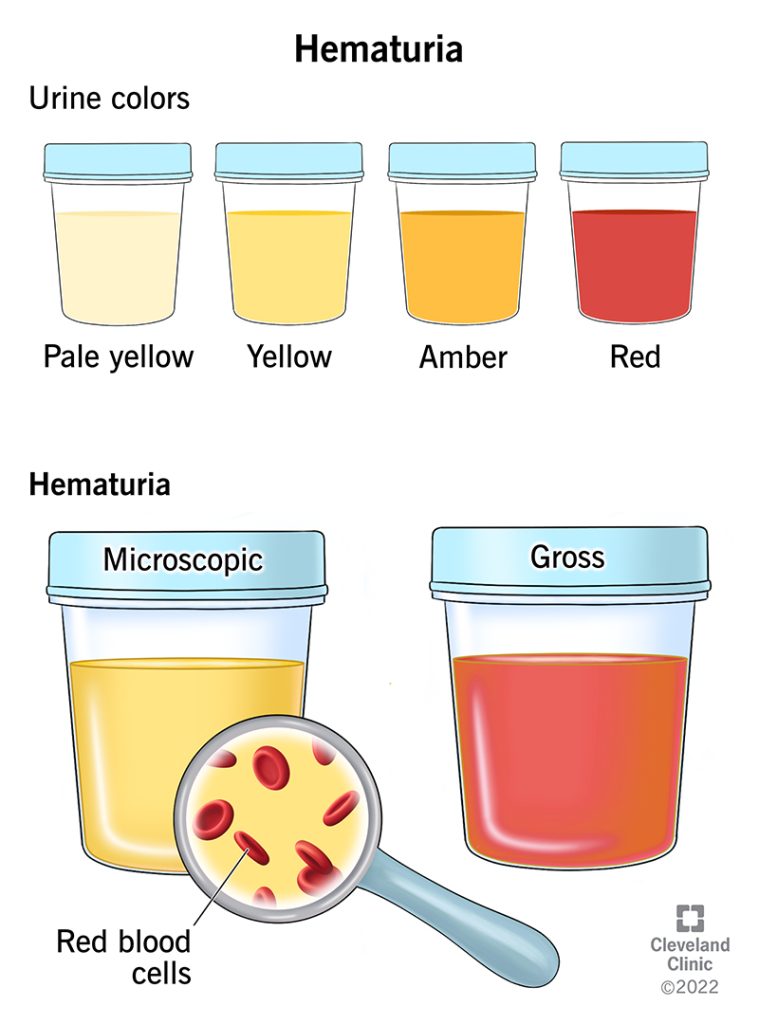
Blood in cat urine can appear in two different ways:
| Type | Description |
|---|---|
| Visible Hematuria | Blood can be seen with the naked eye. The urine may appear pink, red, or brown. |
| Microscopic Hematuria | Blood cells are present but cannot be seen without a microscope during a veterinary urine test. |
In many cases, microscopic hematuria is discovered during routine veterinary exams or when investigating other health issues.
Why Hematuria Should Never Be Ignored
Even if your cat seems otherwise healthy, blood in urine should never be ignored. It may indicate problems such as:
- Bladder inflammation
- Urinary tract infection
- Bladder stones or crystals
- Kidney disease
- Urinary blockage
Some of these conditions can become life-threatening if left untreated, particularly urinary blockages in male cats.
Ignoring the problem may allow the underlying condition to worsen, which can lead to severe pain, infection, or permanent organ damage.
How Common Is Blood in Cat Urine?
Urinary tract problems are one of the most common health issues in domestic cats. Veterinarians frequently see cases involving hematuria, especially in:
- Indoor cats
- Male cats
- Overweight cats
- Cats that experience stressful environments
Research has shown that feline idiopathic cystitis (FIC) is responsible for a large number of cases involving blood in cat urine.
What Does Blood in Cat Urine Look Like?
Not all cases of hematuria are obvious. Sometimes the signs are subtle and can easily be missed, especially if your cat uses a covered litter box or spends time outdoors.
Understanding the different ways blood may appear in cat urine can help you identify the problem early.
Common Urine Color Changes
The color of urine can provide important clues about your cat’s health.
Pink Urine
Pink urine is often one of the earliest signs of blood in the urine. This light discoloration may occur when small amounts of blood mix with urine.
Pet owners might notice:
- Slight pink stains in the litter
- Light pink urine spots outside the litter box
- A mild reddish tint in the urine
Even if the color change is mild, it should still be taken seriously.
Red Urine
When the urine appears bright red, it usually means that there is a larger amount of blood present.
Possible causes include:
- Bladder infections
- Urinary tract inflammation
- Bladder stones
- Injury to the urinary tract
Red urine is often accompanied by other symptoms such as painful urination or frequent attempts to urinate.
Orange or Brown Urine
Urine that appears orange, rust-colored, or brown may indicate older blood that has been present in the urinary system for some time.
This type of discoloration can sometimes be associated with:
- Kidney disease
- Severe infections
- Liver-related conditions
Because these issues can be serious, veterinary evaluation is strongly recommended.
Other Visible Signs in the Litter Box
Aside from color changes, the litter box itself can reveal several warning signs.
Blood Clots in Urine
Sometimes pet owners notice small blood clots in the litter or mixed with urine. This can occur when bleeding is more significant within the bladder or urinary tract.
Blood clots may suggest:
- Severe bladder inflammation
- Bladder stones
- Trauma or injury
Strong Smell
A strong or unusual urine odor may indicate infection or bacterial growth in the urinary tract.
Urine with infection often smells:
- Stronger than usual
- Sour or ammonia-like
- Unpleasant compared to normal urine odor
This symptom often appears in cats with urinary tract infections.
Foamy Urine
Occasionally, cat urine may appear foamy or bubbly in the litter box. While foam alone is not always caused by blood, it may indicate protein in the urine or kidney problems.
If foamy urine appears together with discoloration or other symptoms, veterinary evaluation becomes even more important.
When Blood May Be Difficult to Notice
In some situations, blood in cat urine may not be obvious at all.
For example:
- Dark litter may hide urine color changes
- Covered litter boxes may limit visibility
- Outdoor cats may urinate outside where owners cannot see it
Because of this, many cat owners first notice other symptoms such as:
- Frequent litter box visits
- Straining to urinate
- Urinating outside the litter box
If your cat begins to show unusual urinary behavior, it may indicate an underlying issue such as hematuria or urinary tract disease.
Symptoms That Often Accompany Blood in Cat Urine
Blood in urine rarely appears alone. Most cats will show additional physical or behavioral symptoms that indicate discomfort or illness.
Recognizing these signs early can help you seek veterinary care before the condition worsens.
Urinary Symptoms
Frequent Urination
Cats with urinary tract problems may visit the litter box much more often than usual.
However, each trip may produce only small amounts of urine.
This behavior may include:
- Multiple litter box visits per hour
- Squatting repeatedly
- Producing very little urine each time
Frequent urination is one of the most common symptoms of feline urinary tract disease.
Straining to Urinate
Straining while urinating can indicate inflammation, infection, or urinary blockage.
You may notice your cat:
- Squatting for long periods
- Pushing without producing urine
- Crying or vocalizing during urination
Straining should always be taken seriously because it may indicate life-threatening urinary blockage, especially in male cats.
Pain While Urinating
Painful urination, also known as dysuria, can cause cats to become anxious or fearful around the litter box.
Signs of pain include:
- Crying or meowing while urinating
- Quickly leaving the litter box
- Avoiding the litter box altogether
Pain during urination is a strong sign that something is wrong within the urinary tract.
Urinating Outside the Litter Box
When cats associate the litter box with pain, they may begin urinating in unusual places such as:
- Carpets
- Beds
- Furniture
- Corners of rooms
This behavior is often misunderstood as a behavioral problem, but it is frequently caused by underlying medical issues like urinary infections or bladder inflammation.
Behavioral Symptoms
Cats experiencing urinary discomfort often show changes in behavior.
Excessive Licking of the Genital Area
Cats may repeatedly lick their genital area in an attempt to soothe irritation or pain.
Excessive grooming can sometimes cause:
- Hair loss
- Skin irritation
- Redness around the urinary opening
Restlessness or Discomfort
A cat in pain may appear restless or unable to relax.
Common signs include:
- Constant movement
- Difficulty finding a comfortable position
- Hiding more than usual
These behavioral changes often occur alongside other urinary symptoms.
General Health Symptoms
In more serious cases, blood in cat urine may be accompanied by general signs of illness.
Lethargy
A sick cat may become less active and sleep more than usual.
Lethargy often indicates that the body is dealing with infection, inflammation, or internal stress.
Vomiting
Vomiting may occur in cats experiencing kidney problems or severe urinary tract disease.
This symptom should never be ignored, especially if it appears together with urinary problems.
Loss of Appetite
Cats that feel unwell may stop eating or eat significantly less.
Because cats can develop complications if they stop eating for long periods, appetite loss should always be monitored carefully.
Increased Thirst
Some cats with urinary or kidney conditions begin drinking more water than usual.
This increased thirst may occur because the body is trying to flush toxins or maintain fluid balance.
Common Causes of Blood in Cat Urine
When a cat starts passing blood in its urine, the first question most owners ask is: “What could be causing it?” The answer isn’t always simple. Hematuria can develop for several reasons, and sometimes more than one issue may be involved.
Some causes are relatively mild and respond well to treatment, while others require long-term management or urgent veterinary care. Understanding the most common triggers can help cat owners recognize problems early and act quickly.
Feline Idiopathic Cystitis (FIC)
Among the many possible causes, feline idiopathic cystitis (FIC) is one of the most frequently diagnosed conditions linked to blood in cat urine.
The word idiopathic simply means that the exact cause is unknown. What veterinarians do know is that FIC involves inflammation of the bladder, which can lead to pain, irritation, and bleeding.
Cats with FIC may show symptoms such as:
- Blood-tinged urine
- Frequent trips to the litter box
- Straining while urinating
- Urinating in unusual places around the home
Episodes can appear suddenly and sometimes disappear on their own within a few days. However, many cats experience recurring flare-ups, especially if the underlying triggers are not addressed.
The Role of Stress and Environment
Stress plays a surprisingly large role in feline urinary health. Cats are highly sensitive to environmental changes, and even small disruptions can affect them.
Situations that may trigger FIC include:
- Moving to a new home
- Changes in household routine
- Introducing a new pet
- Conflict between multiple cats
- Lack of mental stimulation
When stress levels increase, a cat’s nervous system can affect bladder function, leading to inflammation and blood in the urine.
For many cats, reducing environmental stress can significantly improve urinary health. Creating a calm, predictable environment often helps prevent future episodes.
Urinary Tract Infections (UTIs)
Although urinary tract infections are more common in dogs than cats, they still occur and can lead to hematuria.
A UTI develops when bacteria enter the urinary tract and begin multiplying inside the bladder. This infection irritates the bladder lining, which can cause bleeding.
Common signs of a urinary tract infection include:
- Strong-smelling urine
- Frequent urination
- Pain while urinating
- Cloudy urine
- Blood in urine
Older cats and those with underlying medical conditions, such as diabetes or kidney disease, tend to be more susceptible to infections.
If an infection is suspected, veterinarians typically confirm it through a urine culture test before prescribing antibiotics.
Bladder Stones or Crystals
Another common cause of blood in cat urine is the formation of bladder stones or urinary crystals.
These solid mineral deposits develop when certain substances in urine become too concentrated. Over time, they can grow and irritate the bladder wall.
Cats with bladder stones may show symptoms such as:
- Blood in urine
- Straining while urinating
- Frequent attempts to urinate
- Pain or vocalization
In severe cases, stones may block the urethra and prevent urine from leaving the body. This situation is extremely dangerous and requires immediate veterinary care.
Treatment varies depending on the type and size of the stones. Some dissolve with special diets, while others require surgical removal.
Kidney Disease
The kidneys play a critical role in filtering waste products from the blood and producing urine. When these organs become damaged, a variety of symptoms may appear, including hematuria.
Chronic kidney disease is particularly common in older cats.
Cats with kidney problems may show signs such as:
- Increased thirst
- Frequent urination
- Weight loss
- Vomiting
- Blood in urine
Kidney disease often develops slowly over time. Early diagnosis allows veterinarians to manage the condition and improve quality of life.
Bladder or Urinary Tract Cancer
Although relatively rare, tumors in the bladder or urinary tract can also cause blood to appear in a cat’s urine.
Cancerous growths may damage tissues inside the urinary system, leading to bleeding and discomfort.
Symptoms may include:
- Persistent hematuria
- Difficulty urinating
- Weight loss
- Reduced appetite
- Lethargy
Because these symptoms can resemble other urinary conditions, diagnostic tests such as ultrasound or biopsy are usually needed to confirm the diagnosis.
Early detection is important because treatment options are more effective in the earlier stages of the disease.
Trauma or Injury to the Urinary Tract
Physical trauma can also result in blood appearing in urine. Injuries may occur due to:
- Accidents or falls
- Being hit by a vehicle
- Rough play with other animals
- Blunt abdominal trauma
When the urinary tract is injured, small blood vessels may rupture, allowing blood to mix with urine.
Cats that experience trauma may also show additional symptoms such as difficulty walking, swelling, or visible pain.
Any cat that has experienced an accident should be examined by a veterinarian as soon as possible.
Blood Clotting Disorders
In some cases, hematuria develops because the body’s blood-clotting system isn’t working properly.
Clotting disorders may occur due to:
- Genetic conditions
- Liver disease
- Exposure to toxins
- Certain medications
When clotting problems develop, even minor irritation in the urinary tract can lead to noticeable bleeding.
These disorders often require specialized blood tests for diagnosis.
Poisoning or Toxin Exposure
Exposure to certain toxins can damage the urinary system and cause bleeding.
Common toxic substances that may affect cats include:
- Rat poison
- Certain household chemicals
- Toxic plants
- Antifreeze
Some poisons interfere with normal blood clotting, while others directly damage the kidneys or bladder.
If poisoning is suspected, immediate veterinary treatment is essential.
Congenital Urinary Abnormalities
Some cats are born with structural abnormalities in the urinary system.
These congenital issues may affect how urine flows through the urinary tract. Over time, abnormal urine flow can lead to:
- Chronic irritation
- Repeated infections
- Blood in urine
Although these conditions are relatively uncommon, they can sometimes explain recurrent urinary problems in young cats.
Blood in Male vs Female Cats
While both male and female cats can develop urinary problems, there are some important differences between them.
Understanding these differences can help cat owners recognize which pets may face higher risks.
Male Cats and Urinary Blockages
Male cats are particularly vulnerable to urinary blockages, which occur when the urethra becomes obstructed.
This happens because male cats have a longer and narrower urethra, making it easier for crystals or mucus plugs to become lodged inside.
A blocked urethra prevents urine from leaving the body. Without treatment, this condition can quickly become life-threatening.
Warning signs include:
- Repeated attempts to urinate with no urine produced
- Crying in the litter box
- Vomiting
- Extreme restlessness
A urinary blockage is considered a medical emergency and requires immediate veterinary care.
Female Cats and UTIs
Female cats generally have a shorter urethra, which reduces the risk of blockages but may make them slightly more prone to bacterial infections.
As a result, urinary tract infections sometimes occur more frequently in female cats than in males.
Symptoms can still include:
- Blood in urine
- Painful urination
- Increased frequency of urination
Prompt treatment typically resolves infections quickly.
Which Cats Are More at Risk?
Certain cats appear more likely to develop urinary problems than others.
Higher-risk groups include:
- Indoor cats with limited exercise
- Overweight cats
- Cats experiencing frequent stress
- Cats that drink very little water
Age can also play a role. Younger cats often experience FIC, while older cats may develop kidney disease or infections.
Risk Factors for Blood in Cat Urine
While some urinary conditions develop without an obvious cause, several lifestyle and environmental factors can increase the risk.
Recognizing these factors may help prevent future problems.
Stressful Environments
Cats thrive in stable environments. Sudden changes can cause anxiety, which may trigger urinary issues.
Common stress triggers include:
- Moving to a new home
- Loud environments
- Lack of hiding spaces
- Conflict with other pets
Providing a calm and predictable environment helps maintain both emotional and physical health.
Dehydration
Cats naturally have a low thirst drive, which means they often drink less water than they should.
When urine becomes concentrated, minerals can accumulate and form crystals.
Encouraging hydration can significantly reduce the risk of urinary problems.
Some helpful strategies include:
- Offering fresh water daily
- Providing multiple water bowls
- Feeding wet food
Poor Diet
Diet plays an important role in urinary health.
Low-quality diets may contain mineral levels that increase the likelihood of urinary crystal formation.
Feeding a balanced diet formulated for cats helps maintain proper urine pH and mineral balance.
Obesity
Overweight cats are more likely to experience urinary tract disease.
Obesity can affect metabolism, hydration levels, and physical activity, all of which influence urinary health.
Maintaining a healthy weight can reduce the risk of many medical conditions, including urinary disorders.
Age (Older Cats)
As cats grow older, the risk of certain conditions increases.
Senior cats are more likely to develop:
- Kidney disease
- Diabetes
- Urinary tract infections
Regular veterinary exams become especially important as cats age.
Indoor Lifestyle
While indoor cats are generally safer from accidents and predators, they sometimes experience lower activity levels and less environmental stimulation.
This can contribute to stress, obesity, and reduced water intake.
Providing enrichment such as interactive toys, climbing spaces, and playtime can help keep indoor cats healthy.
When Blood in Cat Urine Is an Emergency
Not every case of blood in a cat’s urine turns into a life-threatening situation, but some definitely can. The tricky part is that it’s not always easy for owners to tell the difference between a mild urinary irritation and a serious medical problem.
Cats are naturally quiet about pain. By the time symptoms become obvious, the issue may already be progressing. That’s why veterinarians usually recommend treating any sign of blood in urine as something worth investigating, even if the cat seems normal otherwise.
Still, there are certain warning signs that should never be ignored.
Warning Signs of Urinary Blockage
A urinary blockage occurs when something prevents urine from leaving the bladder. This often happens in male cats when crystals, mucus plugs, or stones become stuck in the urethra.
This condition can become fatal within 24–48 hours, so recognizing the symptoms early is critical.
No Urine Production
One of the clearest warning signs is when a cat repeatedly attempts to urinate but nothing comes out.
Owners might notice their cat:
- Visiting the litter box many times in a short period
- Squatting or straining without producing urine
- Spending longer than usual in the litter box
Sometimes only a few drops appear, or the litter remains completely dry.
This situation requires immediate veterinary attention.
Crying While Urinating
Cats in severe urinary pain may begin vocalizing while trying to urinate.
Some cats will:
- Meow loudly in the litter box
- Growl or cry while straining
- Show signs of agitation after attempting to urinate
Painful urination is a strong signal that something in the urinary tract is inflamed, blocked, or infected.
Signs Requiring Immediate Veterinary Care
Certain symptoms suggest that the problem has already become serious and that your cat needs professional help right away.
Severe Pain
Cats experiencing intense urinary pain may display noticeable distress.
Possible signs include:
- Hiding more than usual
- Aggression when touched
- Refusing to sit or lie comfortably
- Rapid breathing
Pain is the body’s way of signaling that something is wrong internally.
Weakness or Collapse
In advanced cases of urinary blockage, toxins begin to accumulate in the bloodstream because the body cannot eliminate waste through urine.
This may lead to symptoms such as:
- Extreme lethargy
- Weakness in the legs
- Vomiting
- Collapse
If any of these symptoms appear alongside urinary problems, emergency care is essential.
How Veterinarians Diagnose Blood in Cat Urine
Once a cat arrives at the clinic with signs of hematuria, the veterinarian will begin a step-by-step diagnostic process. The goal is to determine why blood is appearing in the urine and how serious the condition may be.
Diagnosis usually involves a combination of physical exams, laboratory tests, and imaging.
Physical Examination
The first step is a thorough physical exam.
During this evaluation, the veterinarian may:
- Gently feel the cat’s abdomen
- Check for bladder swelling or pain
- Examine the cat’s hydration level
- Review the cat’s overall health condition
If the bladder feels unusually large or firm, it may indicate urinary obstruction.
The veterinarian will also ask questions about recent behavior changes, including:
- Litter box habits
- Appetite changes
- Water intake
- Stressful events at home
These details often provide helpful clues.
Urinalysis
A urinalysis is one of the most important diagnostic tools for urinary problems.
This test examines the urine for:
- Red blood cells
- White blood cells
- Bacteria
- Crystals
- Protein levels
The results help determine whether the problem involves infection, inflammation, or crystal formation.
Blood Tests
Blood tests allow veterinarians to evaluate organ function and overall health.
These tests can reveal problems such as:
- Kidney disease
- Electrolyte imbalances
- Infection
- Toxin exposure
If a urinary blockage has been present for some time, blood tests may show dangerous toxin buildup in the bloodstream.
Urine Culture
Sometimes a veterinarian will perform a urine culture.
This test identifies the exact bacteria responsible for a urinary tract infection. It also determines which antibiotics will be most effective for treatment.
Although not every case requires a culture, it can be extremely helpful in recurrent infections.
Imaging Tests
When the cause of hematuria isn’t obvious, imaging tools help veterinarians see what’s happening inside the body.
X-Rays
X-rays can reveal:
- Bladder stones
- Kidney stones
- Structural abnormalities in the urinary tract
Because many urinary stones are mineral-based, they often appear clearly on radiographs.
Ultrasound
Ultrasound provides a detailed look at soft tissues, including the bladder and kidneys.
This imaging method can detect:
- Tumors
- Thickened bladder walls
- Kidney abnormalities
- Small stones that may not appear on X-rays
Ultrasound is particularly useful when veterinarians suspect inflammation or cancer.
Advanced Diagnostic Procedures
In complex cases, additional tests may be recommended.
These may include:
- Cystoscopy – examining the bladder with a tiny camera
- Biopsy – collecting tissue samples
- CT scans – detailed imaging for complicated conditions
These procedures are usually reserved for cases where the cause of hematuria remains unclear after initial testing.
Treatment for Blood in Cat Urine
Treatment depends entirely on what is causing the bleeding. Once the underlying condition is identified, the veterinarian can develop an appropriate treatment plan.
Some cats recover quickly with medication, while others require more advanced care.
Antibiotics for Infections
If a bacterial infection is detected, antibiotics are usually prescribed.
These medications help eliminate the bacteria responsible for the infection and allow the bladder lining to heal.
Owners should always complete the full course of antibiotics, even if symptoms improve early.
Pain Relief Medications
Many urinary conditions cause significant discomfort. Veterinarians often prescribe pain relief or anti-inflammatory medications to help cats feel more comfortable during recovery.
Pain management can also reduce stress, which may help prevent further irritation of the bladder.
Special Veterinary Diets
Certain urinary conditions respond well to prescription diets designed for urinary health.
These diets work by:
- Controlling mineral levels
- Adjusting urine pH
- Encouraging increased water intake
Specialized diets can sometimes dissolve certain types of bladder stones without surgery.
Surgery for Bladder Stones
If bladder stones become too large to dissolve through diet, surgical removal may be necessary.
Although surgery sounds intimidating, it is a routine procedure performed by veterinarians. Most cats recover well after the stones are removed.
Treatment for Kidney Disease
When hematuria is related to kidney disease, treatment focuses on long-term management rather than a quick cure.
Common approaches include:
- Special kidney-support diets
- Fluid therapy
- Medications that support kidney function
Early diagnosis often allows cats with kidney disease to maintain a good quality of life for years.
Cancer Treatment Options
If tumors are discovered in the urinary system, treatment options depend on the type and stage of cancer.
Possible treatments may include:
- Surgical removal of tumors
- Chemotherapy
- Supportive care to improve comfort
Every case is unique, so veterinarians tailor treatment plans to the individual cat.
Home Care for Cats With Blood in Urine
Once veterinary treatment begins, proper care at home plays a major role in recovery.
Small adjustments to your cat’s daily routine can support healing and reduce the risk of future urinary problems.
Encouraging Water Intake
Hydration is extremely important for urinary health.
Cats that drink more water produce diluted urine, which reduces irritation inside the bladder.
Ways to encourage drinking include:
- Providing multiple water bowls around the house
- Using a cat water fountain
- Feeding wet food instead of only dry kibble
Keeping the Litter Box Clean
A clean litter box encourages regular urination and allows owners to monitor urine appearance more easily.
Experts generally recommend:
- Scooping litter boxes daily
- Replacing litter regularly
- Providing at least one litter box per cat in the household
Monitoring Urination Habits
After treatment begins, it’s important to watch for changes in urination patterns.
Look for signs such as:
- Increased litter box visits
- Straining
- Unusual urine color
Tracking these details helps detect recurring problems early.
Reducing Stress in the Home
Stress can play a surprisingly large role in feline urinary disease.
Simple changes can make a big difference:
- Provide quiet resting areas
- Maintain consistent feeding routines
- Offer interactive play sessions
- Ensure each cat has its own space
These steps help create a more relaxed environment, which benefits overall health.
Diet Changes That Help Prevent Urinary Problems
Nutrition plays a central role in maintaining a healthy urinary system.
The right diet can reduce the chances of crystal formation, infections, and bladder irritation.
Wet vs Dry Cat Food
Wet food contains significantly more moisture than dry kibble.
This added hydration helps:
- Dilute urine
- Reduce mineral concentration
- Support kidney function
Many veterinarians recommend including wet food in a cat’s regular diet.
Prescription Urinary Diets
Cats prone to urinary issues may benefit from specially formulated diets.
These foods are designed to:
- Balance urinary minerals
- Prevent crystal formation
- Maintain optimal urine pH
Your veterinarian can recommend the most appropriate option.
Foods That Support Urinary Health
Some foods and ingredients naturally support urinary wellness.
These may include:
- High-quality animal protein
- Controlled mineral content
- Adequate moisture levels
Choosing well-balanced nutrition is one of the simplest ways to protect your cat’s urinary health.
How to Prevent Blood in Cat Urine
While not every urinary problem can be prevented, several simple habits can significantly lower the risk.
Provide Fresh Water Daily
Cats are more likely to drink when water is fresh and easily accessible.
Replacing water regularly and keeping bowls clean can encourage healthy hydration habits.
Maintain a Low-Stress Environment
Cats thrive on routine and stability.
Providing consistent feeding times, safe resting areas, and gentle interactions helps maintain emotional balance.
Regular Veterinary Checkups
Routine exams allow veterinarians to detect potential health problems before they become serious.
Annual checkups—and more frequent visits for senior cats—play an important role in long-term health.
Proper Litter Box Hygiene
Clean litter boxes support both hygiene and early problem detection.
Monitoring the litter box regularly allows owners to notice changes in urine color or frequency quickly.
How Long Does It Take a Cat to Recover?
Recovery time varies widely depending on the cause of the bleeding.
Recovery Time Based on Cause
Minor bladder inflammation may resolve within a few days, while conditions such as kidney disease require ongoing management.
Bladder stones or infections typically improve after appropriate treatment.
When Symptoms Should Improve
Many cats begin showing improvement within 48 to 72 hours after starting treatment.
However, owners should always follow veterinary instructions and complete all prescribed medications.
Risk of Recurrence
Unfortunately, some urinary conditions—particularly feline idiopathic cystitis—can return periodically.
Maintaining healthy habits and reducing stress helps lower the risk of future episodes.
Frequently Asked Questions (FAQ)
Is Blood in Cat Urine Always Serious?
Not always, but it should never be ignored. Even mild cases may signal an underlying problem that requires treatment.
Can Stress Cause Blood in Cat Urine?
Yes. Stress is strongly linked to feline idiopathic cystitis, one of the most common causes of hematuria in cats.
Can Diet Cause Urinary Problems in Cats?
Diet can influence mineral levels and urine pH, which may affect crystal formation. Feeding balanced nutrition helps support urinary health.
How Much Does Treatment Cost?
Costs vary depending on the diagnosis and required tests. Simple infections may cost relatively little to treat, while surgery or advanced diagnostics can be more expensive.
Is Blood in Urine Painful for Cats?
In many cases, yes. Conditions affecting the bladder or urethra often cause discomfort during urination.
Conclusion
Blood in a cat’s urine is never something owners should overlook. While the cause may sometimes be minor, hematuria often points to underlying urinary tract issues that require attention.
Common causes include bladder inflammation, infections, urinary stones, kidney disease, and stress-related conditions. Fortunately, many of these problems can be successfully treated when detected early.
Paying attention to changes in litter box habits, urine color, and overall behavior can make a huge difference. When something unusual appears, consulting a veterinarian quickly is always the safest choice.
With proper care, balanced nutrition, and a low-stress environment, most cats can maintain healthy urinary systems and live long, comfortable lives.