What It Really Means and What to Do First
A cat limping on a back leg tends to worry people more than a front-leg limp—and for good reason. Hind-leg limping can be something simple, like a sore paw or a mild muscle strain, but it can also point to deeper problems involving the hips, knees, nerves, or even blood circulation.
One of the hardest parts for cat owners is that cats rarely give clear signals. They don’t whine. They don’t always cry. And many will continue to jump onto furniture or run to the food bowl even when something hurts. That’s why a back-leg limp that looks “small” on the surface can still be a big deal underneath.
Another thing that adds confusion is the word limping itself. When we say a cat is limping, we might actually be describing very different things:
- Pain when stepping on the leg
- Weakness or loss of coordination
- Nerve problems causing dragging or knuckling
- Circulation issues that make the leg suddenly painful or unusable
So no—back-leg limping isn’t always just an injury.
This guide is designed to help you think clearly in the moment, not panic and not ignore it either. We’ll cover:
- How to quickly decide whether this is an emergency
- The most common reasons cats limp on a back leg
- How to safely check your cat at home without making things worse
- When waiting is okay and when it absolutely isn’t
- What vets usually look for and how treatment typically works
If your cat is limping on a back leg right now, start with the next section before anything else.
Back Leg Limping Triage (Start Here)
Before guessing causes or googling symptoms for hours, the smartest first step is triage. Timing matters with hind-leg problems, and certain signs should never be watched at home.
Emergency vs “Monitor 24–48 Hours” Decision Checklist
Use the sections below honestly. If something feels borderline, it’s safer to treat it as more urgent.
🚨 Go to the ER Immediately (Hind-Leg Emergencies)
Do not wait if you see any of the following:
- Sudden paralysis or dragging of one or both back legs
- Intense pain with crying, howling, or collapse
- Back paws that feel cold compared to the front paws
- Paw pads that look pale, bluish, or gray
- A cat that cannot put any weight on the leg
- An obvious deformity or leg bent at an unnatural angle
- Severe swelling that is hot and painful
- Open wounds, heavy bleeding, or rapidly worsening breathing
These signs can point to fractures, severe trauma, or circulation problems like a saddle thrombus, which is a true emergency.
If your cat suddenly cannot use the back legs and seems distressed, do not delay.
📞 Call Your Vet the Same Day If:
These situations aren’t always life-threatening in the moment, but they still need prompt care.
- The limp lasts longer than 24 hours
- The limp is getting worse rather than better
- There is noticeable swelling or heat
- Your cat seems lethargic, feverish, or withdrawn
- Appetite drops or your cat starts hiding
- You notice a tender lump or swelling that could be an abscess
- You suspect a bite wound, even if the skin looks closed
Many abscesses and joint injuries start quietly and escalate fast.
👀 Monitor Briefly (Only If It’s Truly Mild)
Short-term monitoring can be reasonable only if all of these are true:
- The limp is mild
- Your cat is still bearing weight
- Appetite and litter box habits are normal
- There’s no swelling, heat, or obvious wound
- Your cat’s behavior is otherwise unchanged
Even then, monitoring means strict rest, not “business as usual.”
If the limp hasn’t clearly improved within 24–48 hours, it’s time to call the vet.
“Limping but Still Running or Jumping” — What That Actually Means
This is where many people get misled.
Cats will often push through pain, especially in short bursts. A cat may limp while walking slowly but still jump onto a couch because instinct takes over.
That doesn’t mean nothing is wrong.
Common explanations in these cases include:
- Mild sprains or muscle strains
- A sore paw or nail problem
- Early arthritis
- Mild hip or knee irritation
The key point: activity does not cancel out pain. If a back-leg limp sticks around, it deserves attention regardless of how energetic your cat seems.
Anatomy-Based Quick Guide (Hind Leg Focus)
Understanding where hind-leg limping usually comes from helps make sense of the symptoms you’re seeing.
Where a “Back Leg Limp” Commonly Starts
Back-leg limping isn’t just about the foot touching the ground. The issue can originate anywhere along the limb—or even beyond it.
| Area | Common Problems |
|---|---|
| Paw / toes / claws | Thorns, splinters, torn nails, pad cuts |
| Ankle (hock) | Sprains, strains, overextension |
| Knee (stifle) | Ligament or kneecap issues |
| Hip | Arthritis, joint inflammation, trauma |
| Muscles & tendons | Strains from jumping or slipping |
| Nerves / spine | Weakness, knuckling, dragging |
| Circulation | Sudden pain, cold paws, paralysis |
This is why back-leg limping can look so different from one cat to another.
How to Check a Cat Limping on a Back Leg at Home (Safely)
If your cat is calm and not showing emergency signs, you can do a brief, gentle check at home. The goal isn’t diagnosis—it’s noticing red flags.
Before You Touch Anything
Set yourself and your cat up for success:
- Choose a quiet, low-stress room
- Move slowly and speak calmly
- Use a towel wrap if your cat is squirmy
- Stop immediately if your cat growls, swats, or stiffens
Pain can make even friendly cats defensive.
A Simple 60–120 Second Hind-Leg Check
You don’t need to manipulate joints aggressively. Less is more.
- Paw pads and between toes
Look for cuts, swelling, discharge, thorns, or debris. - Claws
Check for broken or torn nails and nails curling into the pad. - Lower leg and hock
Feel gently for heat, swelling, or a painful reaction. - Knee area
Note any swelling or if your cat pulls the leg away sharply. - Hip
Watch for resistance when the leg is extended or lifted. - Compare both back legs
Differences in warmth, size, or reaction are often more telling than absolute findings.
If your cat becomes upset or painful at any point, stop.
What Not to Do at Home
Good intentions can backfire.
- Do not give human pain medication (many are toxic to cats)
- Do not force your cat to walk or jump to “see if it hurts”
- Do not splint or tightly bandage a leg unless instructed by a vet
When in doubt, pause and call your veterinarian.
Once the initial panic settles, most people want to know the same thing: What’s actually causing this?
Back-leg limping can come from many places, and the reason isn’t always obvious at first glance. Sometimes the problem is right there in the paw. Other times, it’s higher up in the leg—or not even in the leg at all.
Let’s walk through the most common causes first, then look at patterns that help narrow things down.
Most Common Causes of a Cat Limping on a Back Leg
Paw and Claw Problems (More Common Than You’d Think)
Even when a cat appears to be limping “from the hip,” the problem may still be at ground level.
Back paws deal with:
- More pushing force during jumps
- More weight when landing
- Less frequent inspection by owners
Common paw-related issues include:
- Tiny thorns or splinters embedded between the toes
- Small cuts on the pads
- Burns from hot surfaces
- Torn or partially detached nails
- Nails that have grown long enough to press into the pad
Cats often react to these by licking obsessively or pulling the leg up briefly while walking.
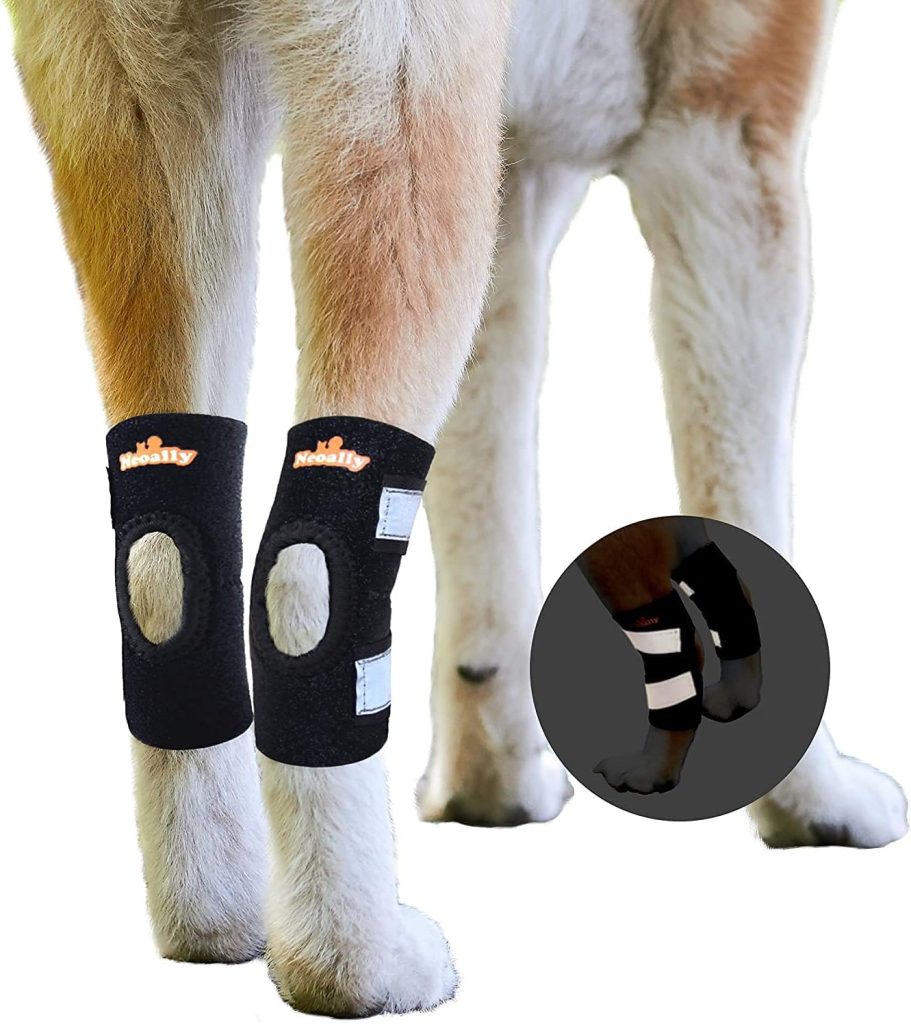
NeoAlly Cat and Dog Ankle Brace
NeoAlly Cat and Dog Ankle Brace Pair Canine Rear Leg Hock Support with Safety Reflective Straps for Hind Leg Wounds Heal and Injuries and Sprains from…
Soft-Tissue Injuries: Sprains and Muscle Strains
This is one of the most frequent explanations vets see, especially in indoor cats.
It usually happens after:
- Jumping down from furniture
- Slipping on tile or hardwood floors
- Twisting awkwardly during play
What makes sprains tricky is that they can look mild at first. Your cat may still walk, eat, and jump—but with a noticeable hitch in the step.
Typical signs include:
- Mild to moderate limping
- Sensitivity when the leg is touched
- Slight warmth or swelling (sometimes hidden by fur)
- Limping that improves with rest, then returns with activity
Fractures and Dislocations (Trauma-Related)
These are less common but much more serious.
Back-leg fractures usually follow:
- Falls from balconies or windows
- Car accidents
- Hard landings from height
Cats with fractures often:
- Refuse to put weight on the leg
- Hold the leg at an odd angle
- React strongly when the leg is touched
Even small fractures can cause significant pain, and cats are very good at hiding just how bad it feels.
Bite Wounds and Abscesses
This is a big one for outdoor or indoor–outdoor cats.
Cat bites tend to:
- Leave tiny puncture marks
- Seal over quickly
- Trap bacteria under the skin
A few days later, you may notice:
- Sudden back-leg limping
- A warm, painful swelling
- Lethargy or hiding
- Reduced appetite
Many owners never see the original bite. The limp is often the first obvious sign.
Arthritis and Degenerative Joint Disease
Back-leg limping caused by arthritis doesn’t usually show up overnight.
Instead, it creeps in gradually.
Common clues include:
- Stiffness after sleeping
- Hesitation before jumping
- Shorter strides
- Limping that’s worse in the morning or after rest
Arthritis is especially common in middle-aged and senior cats, but it often goes unnoticed because cats simply adjust their behavior.
Knee and Hip Problems
The knee (stifle) and hip joints take a lot of force during jumping.
Problems here may include:
- Kneecap instability
- Old injuries flaring up
- Joint inflammation
These cats often limp more:
- After playing
- After climbing
- At the end of the day
The limp may look subtle but persistent.
Neurologic or Spinal Causes
Sometimes the leg itself isn’t injured at all.
Instead, the nerves controlling it aren’t working properly.
This can show up as:
- Knuckling (walking on the top of the paw)
- Dragging the toes
- Weakness rather than pain
- Wobbliness or poor coordination
These signs are often mistaken for joint problems when they’re actually neurological.
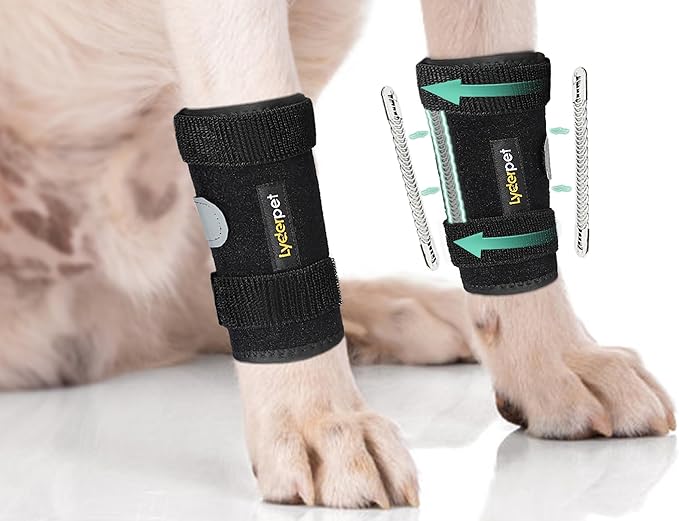
Lyderpet Dog Front Leg Brace
Lyderpet Dog Front Leg Brace Ankle Support for Forelilmb, Canine Dog Wrist Brace Splint, Protects Foreleg Carpus Joint Wounds Heals, Helps with Loss of Stability Caused by Arthritis
Urgent Systemic Causes (Do Not Ignore)
One condition that must always be mentioned with back-leg limping is aortic thromboembolism, often called a saddle thrombus.
This typically causes:
- Sudden, severe pain
- Partial or complete paralysis of one or both back legs
- Cold back paws
- Pale or bluish paw pads
This is a medical emergency and requires immediate veterinary care.
Limping Patterns That Help Narrow the Cause
Sometimes it’s not just that your cat is limping—it’s how they’re limping.
Sudden Back-Leg Limp
A limp that appears out of nowhere often points to:
- A foreign object in the paw
- An acute injury
- A bite wound beginning to abscess
- Circulation problems
Sudden onset always deserves closer attention.
Back Leg Limp but Still Jumping
This pattern confuses many owners.
Possible explanations include:
- Mild muscle strain
- Early arthritis
- Nail or paw pain
Cats can override pain briefly, especially when motivated. Jumping doesn’t mean the leg feels fine—it just means instinct won.
Back Leg Limp With Swelling
Swelling narrows the list quickly.
Common causes include:
- Abscesses
- Fractures
- Severe sprains
Swelling that feels warm or firm should be checked by a vet sooner rather than later.
Limping After Sleeping
This is classic for joint-related issues.
Your cat may:
- Walk stiffly for a few steps
- “Loosen up” after moving
- Appear worse in colder weather
This pattern often points toward arthritis rather than injury.
Intermittent Back-Leg Limp
On-and-off limping often means:
- Early joint disease
- Minor soft-tissue injuries
- Overuse injuries
Just because it comes and goes doesn’t mean it’s harmless.
Both Back Legs Weak
This is a red flag.
When both back legs are affected, think:
- Circulation problems
- Neurologic issues
- Spinal disease
These situations require veterinary evaluation without delay.
Home Care for Mild Back-Leg Limping (If It’s Truly Mild)
If—and only if—the limp is mild and your cat is otherwise normal, short-term home care may help.
Rest Is the Real Treatment
Rest means:
- No jumping
- No chasing toys
- No zoomies
In practice, that often means:
- Limiting access to high surfaces
- Keeping your cat in one quiet room
Make Life Easier While They Heal
Small adjustments help more than people expect:
- Move food and water closer
- Use a low-sided litter box
- Provide warm, soft bedding
Gentle Paw Care (Only When Appropriate)
If you see a small, obvious issue:
- Rinse gently with clean water
- Dry carefully
- Leave it alone unless advised otherwise
If there’s pain, swelling, or resistance, stop.
Know When to Stop Home Care
Call your vet if:
- The limp lasts longer than 24–48 hours
- Pain appears to increase
- Swelling develops
- Your cat’s behavior changes
Waiting too long often makes treatment harder, not easier.