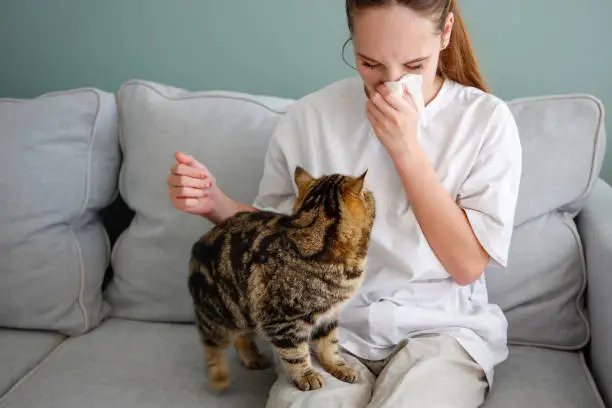
Cats are generally known for their independence and resilience, but their respiratory systems can be surprisingly sensitive. Feline respiratory diseases are among the most common health issues seen in cats, especially those living in environments with multiple animals. These illnesses can spread quickly and cause symptoms that range from mild sneezing to serious breathing problems.
One infection that often raises questions among cat owners is Bordetella infection. Although it is more commonly discussed in dogs, particularly in relation to kennel cough, cats can also become infected with this bacterium. When it affects cats, it can lead to respiratory problems that may require veterinary treatment.
This is where the Bordetella vaccine for cats becomes an important topic. The vaccine is designed to help protect cats from a specific bacterium called Bordetella bronchiseptica, which can cause respiratory disease. While not every cat needs this vaccine, it can play a crucial role in preventing outbreaks in certain environments.
In this guide, we will explore:
- What Bordetella infection in cats is
- How the bacteria spread between animals
- The symptoms cat owners should watch for
- How the Bordetella vaccine works
- Which cats benefit most from vaccination
By the end of this article, you will have a clear understanding of whether the Bordetella vaccine for cats might be a good option for your pet.
For additional information on feline respiratory conditions, you may also want to explore resources like the <a href=”https://www.avma.org/resources/pet-owners/petcare/vaccinations” target=”_blank”>American Veterinary Medical Association’s guide to pet vaccinations</a>, which explains how vaccines protect animals from infectious diseases.
Understanding Bordetella in Cats
2. What Is Bordetella in Cats?
Bordetella infection in cats is caused by a bacterium known as Bordetella bronchiseptica. This organism infects the respiratory tract and can lead to inflammation in the nose, throat, and lungs.
While many cat owners associate this bacterium with dogs, it is capable of infecting several species, including cats, rabbits, and even occasionally humans in rare cases.
Definition of Bordetella bronchiseptica
Bordetella bronchiseptica is a gram-negative bacterium that targets the respiratory system of animals. It attaches to the lining of the airways and interferes with the body’s natural defense mechanisms that normally help remove harmful microorganisms.
Once established in the respiratory tract, the bacteria can multiply and trigger inflammation, leading to symptoms such as coughing and nasal discharge.
How the Bacteria Affect the Respiratory System
The respiratory system is lined with tiny hair-like structures called cilia. These structures play a key role in clearing mucus, debris, and pathogens from the airways.
When Bordetella bronchiseptica infects a cat, it can:
- Damage the cilia
- Increase mucus production
- Trigger inflammation in the airways
- Make breathing more difficult
Because of these effects, infected cats may show noticeable respiratory symptoms.
Why It Is Associated With “Kennel Cough”
You may have heard the term kennel cough before. This condition is widely known in dogs and often involves several different viruses and bacteria, including Bordetella bronchiseptica.
Although kennel cough is primarily discussed in dogs, the same bacterium can also infect cats. In environments where dogs and cats live together, cross-species transmission can occur.
This is why veterinarians sometimes recommend the Bordetella vaccine for cats in certain situations, particularly when cats are exposed to dogs or live in crowded environments.
3. How Common Is Bordetella Infection in Cats?
Compared with other feline respiratory infections, Bordetella infections in cats are relatively uncommon in household pets. However, the risk increases significantly in certain environments.
Understanding where and when infections occur most often can help cat owners decide whether vaccination is necessary.
Prevalence in Pet Cats vs Shelter Cats
The likelihood of infection depends heavily on a cat’s living situation.
| Environment | Risk Level | Reason |
|---|---|---|
| Indoor single-cat homes | Low | Limited exposure to infected animals |
| Multi-cat households | Moderate | Close contact between animals |
| Animal shelters | High | Crowded conditions and frequent new arrivals |
| Boarding facilities | Moderate to High | Shared airspace and contact |
Shelters and rescue facilities are particularly vulnerable because many animals live in close proximity. If one infected cat enters the facility, the bacteria can spread rapidly.
Risk Factors in Multi-Cat Environments
Cats that live with several other cats may face a higher risk of respiratory infections, including Bordetella.
Common risk factors include:
- Shared litter boxes and food bowls
- Close physical contact between cats
- Poor ventilation in indoor environments
- Stress, which weakens the immune system
Even in well-maintained homes, infections can spread when multiple animals share the same space.
Why Young Kittens Are More Vulnerable
Kittens are especially susceptible to respiratory infections because their immune systems are still developing.
Several factors increase their vulnerability:
- Immature immune defenses
- Greater sensitivity to environmental stress
- Higher exposure in shelters or breeding facilities
In severe cases, Bordetella infection can cause pneumonia in young kittens, which may become life-threatening without proper treatment.
Because of this risk, veterinarians sometimes recommend early vaccination in high-risk environments.
4. How Cats Get Bordetella
Bordetella spreads easily between animals through respiratory secretions. Understanding how transmission occurs is important for preventing outbreaks.
Transmission Methods
The bacteria spread primarily through airborne droplets. When an infected animal coughs or sneezes, microscopic droplets containing bacteria can travel through the air.
Cats may become infected by:
- Breathing in contaminated droplets
- Direct contact with infected animals
- Contact with contaminated surfaces
Because the bacteria can survive for short periods outside the body, shared objects may also play a role in transmission.
Cat-to-Cat Spread
The most common form of transmission occurs between cats themselves. Infected cats may spread the bacteria through:
- Sneezing
- Grooming behavior
- Shared bedding or toys
- Close physical contact
Even cats that appear healthy can sometimes carry the bacteria without showing symptoms.
Dog-to-Cat Transmission
Since Bordetella bronchiseptica commonly infects dogs, transmission from dogs to cats is also possible.
For example:
- A dog with kennel cough may infect a household cat
- Shared living spaces increase exposure risk
- Boarding facilities with both species increase transmission opportunities
Because of this, some veterinarians recommend the Bordetella vaccine for cats in households where dogs frequently interact with cats.
Spread in Shelters, Catteries, and Boarding Facilities
Certain environments create ideal conditions for respiratory disease outbreaks.
These include:
- Animal shelters
- Breeding facilities
- Cat boarding centers
- Pet daycare services
In these locations, animals are often housed in close quarters with shared air circulation, allowing bacteria to spread quickly.
Proper sanitation, isolation protocols, and vaccination programs are essential for controlling infections in these settings.
For more information about how respiratory infections spread among pets, the <a href=”https://www.petmd.com/cat/conditions/respiratory/bordetellosis-cats” target=”_blank”>PetMD guide to Bordetellosis in cats</a> provides helpful veterinary guidance.
5. Symptoms of Bordetella Infection in Cats
The symptoms of Bordetella infection in cats usually involve the respiratory system. Some cats develop only mild signs, while others may experience more serious illness.
Early recognition of symptoms can help ensure prompt veterinary treatment.
Sneezing
Frequent sneezing is often one of the first noticeable signs of infection. Sneezing occurs when the nasal passages become irritated by bacteria and inflammation.
Some cats may sneeze occasionally, while others may experience repeated sneezing episodes.
Coughing
Although coughing is more common in dogs, some infected cats may develop a dry cough.
The cough may sound:
- Harsh
- Persistent
- Similar to a gagging sound
Not all infected cats cough, but when it occurs, it can be a helpful clue for diagnosis.
Runny Nose
A nasal discharge is another common symptom. The discharge may appear:
- Clear and watery in mild cases
- Thick and yellow in more severe infections
Persistent nasal discharge can also lead to irritation around the nose.
Fever
Some cats develop a mild fever as their immune system responds to the infection.
Signs of fever may include:
- Lethargy
- Reduced appetite
- Increased sleep
However, fever is not present in every case.
Breathing Problems
When the infection spreads deeper into the respiratory tract, cats may show signs of breathing difficulty.
Possible signs include:
- Rapid breathing
- Noisy breathing
- Open-mouth breathing (in severe cases)
Breathing problems should always be treated as a veterinary emergency.
Severe Complications Like Pneumonia
In rare but serious cases, Bordetella infection can progress to pneumonia, especially in kittens or immunocompromised cats.
Symptoms of pneumonia may include:
- Severe lethargy
- Persistent coughing
- Labored breathing
- Loss of appetite
Without prompt treatment, pneumonia can become life-threatening.
Bordetella Vaccine for Cats
Now that we’ve talked about what Bordetella infection is and how it spreads among cats, the next question most owners ask is simple: Can it be prevented?
In many cases, yes. Preventive vaccination can reduce the chances of infection, especially for cats that spend time around other animals.
However, the Bordetella vaccine for cats isn’t automatically recommended for every cat. Veterinarians usually suggest it only when a cat’s lifestyle puts them at higher risk.
Let’s take a closer look at what this vaccine actually does and when it might be useful.
6. What Is the Bordetella Vaccine for Cats?
The Bordetella vaccine is designed to protect cats against the bacterium Bordetella bronchiseptica. This bacterium is known to cause respiratory infections that affect the nose, throat, and lungs.
While some cats recover from mild infections on their own, others—particularly kittens—can become seriously ill. Vaccination helps reduce that risk.
Purpose of the Vaccine
The main goal of this vaccine is prevention. Rather than treating an infection, the vaccine prepares the immune system ahead of time.
Once vaccinated, a cat’s body can recognize the bacteria quickly and respond before the infection has a chance to take hold.
Veterinarians often recommend this vaccine for cats that:
- Live in multi-cat households
- Stay at boarding facilities
- Come from or live in animal shelters
- Have frequent contact with dogs
How the Vaccine Protects Against Infection
Vaccines work by introducing a harmless version of a disease-causing organism. This allows the immune system to learn how to fight it without the cat actually becoming sick.
After vaccination, the body produces protective antibodies. If the cat later encounters the real bacteria, those antibodies help block the infection or at least make it much milder.
Type of Vaccine Used
Unlike many other cat vaccines that are given by injection, the Bordetella vaccine is usually administered intranasally, meaning it is placed directly into the nose.
This method may sound unusual, but it actually has a specific purpose:
The bacteria infect the respiratory tract, so delivering the vaccine directly to that area helps stimulate a strong local immune response.
7. Types of Bordetella Vaccines for Cats
Although the Bordetella vaccine isn’t as widely discussed as core feline vaccines, there are still a few different forms available.
Understanding these options can help cat owners feel more comfortable with the vaccination process.
Intranasal Bordetella Vaccine
The intranasal vaccine is the most commonly used version for cats.
Instead of a traditional shot, a veterinarian places a small amount of liquid vaccine inside the cat’s nostrils.
Advantages of intranasal vaccination include:
- Faster immune response
- Targeted protection for the respiratory tract
- Less stress for cats that dislike injections
Most cats tolerate the procedure surprisingly well. They may sneeze afterward, but that reaction is usually temporary.
Live Attenuated Vaccine
Many Bordetella vaccines contain a live attenuated strain of the bacterium. “Attenuated” simply means the organism has been weakened so it cannot cause illness.
This weakened version still stimulates the immune system effectively, helping the body develop protection against the real bacteria.
Live attenuated vaccines often provide stronger immune responses compared to killed vaccines.
Combination Vaccines
In some cases, Bordetella protection may be included as part of a combination vaccine, although this is more common in dogs.
For cats, veterinarians usually administer the Bordetella vaccine separately when it is needed.
Your veterinarian will decide which option makes the most sense based on your cat’s age, health status, and lifestyle.
8. How the Bordetella Vaccine Works
It helps to understand what actually happens inside the body after vaccination.
Vaccines don’t create an invisible shield around a cat. Instead, they train the immune system to respond quickly if exposure occurs.
The Immune Response Mechanism
When the vaccine enters the body, the immune system recognizes it as something foreign. Even though the bacteria are weakened, the body still reacts by producing specialized immune cells.
These cells perform two important tasks:
- Create antibodies that can neutralize the bacteria
- Develop immune memory so the body recognizes the infection later
This immune memory is what provides long-term protection.
How Immunity Develops After Vaccination
After receiving the vaccine, a cat’s immune system typically needs several days to a couple of weeks to build adequate protection.
During this period, the immune system is essentially practicing how to fight the infection.
Once immunity develops, the body can respond much faster if the cat encounters Bordetella bronchiseptica in the future.
In some cases, vaccinated cats may still become infected, but the illness is usually much milder and shorter-lasting.
Vaccination Guidelines
Because the Bordetella vaccine isn’t considered a routine vaccination for every cat, veterinarians evaluate each pet individually before recommending it.
Several factors come into play, including age, environment, and exposure risk.
9. When Should Cats Get the Bordetella Vaccine?
Timing matters when it comes to vaccination.
While adult cats can receive the vaccine if needed, the conversation often starts when cats are still kittens.
Recommended Age for Kittens
Kittens can generally receive the Bordetella vaccine starting at around 4 weeks of age, although the exact timing may vary depending on veterinary guidelines.
Early vaccination is sometimes recommended for kittens in high-risk environments, such as shelters.
Initial Vaccination Timing
For most cats, the first dose is given before they enter situations where exposure might occur.
Examples include:
- Before boarding at a pet hotel
- Before entering a rescue facility
- Prior to living in a crowded cattery
Veterinarians typically ensure the vaccine is administered at least a week or two before potential exposure.
Situations Where Early Vaccination Is Recommended
Certain environments increase the chances of respiratory disease outbreaks.
In these cases, veterinarians may suggest earlier vaccination.
High-risk situations include:
- Animal shelters with frequent new arrivals
- Foster homes caring for multiple rescued cats
- Breeding facilities
- Boarding centers or cat hotels
In these environments, vaccination helps reduce the likelihood of large-scale outbreaks.
10. Bordetella Vaccine Schedule for Cats
Vaccination schedules can vary slightly depending on the veterinary clinic and the cat’s lifestyle.
Still, there are some general guidelines that most veterinarians follow.
Initial Dose
The first vaccination typically consists of a single intranasal dose.
Because the vaccine stimulates local immunity in the respiratory tract, it often works quickly.
Booster Recommendations
Some cats may need a booster dose, particularly if they remain in high-risk environments.
Booster shots help reinforce the immune response and maintain protection.
Annual Revaccination Guidelines
For cats that regularly encounter other animals—such as those that stay in boarding facilities—veterinarians may recommend annual revaccination.
However, if a cat’s lifestyle changes and the risk becomes lower, the vaccine may no longer be necessary.
The decision ultimately depends on your veterinarian’s assessment of your pet’s risk factors.
11. Is Bordetella a Core Vaccine for Cats?
Not all vaccines serve the same purpose.
Veterinarians divide feline vaccines into two categories: core vaccines and non-core vaccines.
Core vs Non-Core Vaccines
Core vaccines protect against diseases that are:
- Highly contagious
- Widespread
- Potentially life-threatening
These vaccines are recommended for almost every cat.
Common core vaccines include those protecting against:
- Feline panleukopenia
- Feline herpesvirus
- Feline calicivirus
- Rabies
Why Bordetella Is Considered Non-Core
The Bordetella vaccine is considered a non-core vaccine, meaning it’s recommended only when a cat’s lifestyle increases the risk of infection.
Many indoor cats that live alone never encounter the bacteria.
However, in environments where animals mix frequently, vaccination can provide valuable protection.
12. Which Cats Should Get the Bordetella Vaccine?
Although the vaccine isn’t necessary for every cat, there are situations where it becomes much more important.
Veterinarians may recommend it for cats that fall into certain lifestyle categories.
Cats Living in Multi-Cat Households
Homes with several cats create more opportunities for infection to spread.
If one cat becomes sick, others may quickly follow.
Vaccination can help reduce this risk.
Shelter and Rescue Cats
Shelters often house dozens of animals in limited space. Because new cats arrive frequently, infectious diseases can spread rapidly.
For this reason, many shelters vaccinate cats shortly after intake.
Boarding or Traveling Cats
Cats that stay at boarding facilities or pet hotels are exposed to unfamiliar animals.
Even with strict sanitation protocols, respiratory diseases can occasionally spread in these environments.
Vaccination provides an additional layer of protection.
Outdoor Cats
Cats that roam outdoors may interact with other animals, including stray cats and dogs.
These encounters increase the likelihood of exposure to respiratory pathogens.
Safety and Side Effects
13. Which Cats May Not Need the Bordetella Vaccine?
Although the Bordetella vaccine can be helpful in certain situations, it is not necessary for every cat. Veterinarians typically consider a cat’s environment and lifestyle before recommending it.
Indoor-Only Cats
Cats that live strictly indoors and do not interact with other animals usually have very little risk of exposure to Bordetella bacteria.
For example, a cat that:
- Lives in a single-pet household
- Does not travel
- Does not stay in boarding facilities
may not need this vaccine at all.
In these situations, a veterinarian might focus only on core feline vaccinations.
Cats in Low-Risk Environments
Some homes contain multiple cats but still maintain relatively low risk. For instance, cats that have lived together for years without introducing new animals may face minimal exposure to outside pathogens.
However, if a new cat joins the household or one cat visits a boarding facility, the risk can change.
Veterinary Recommendations Based on Lifestyle
Ultimately, vaccination decisions should be based on individual circumstances.
Veterinarians often ask questions such as:
- Does the cat go outdoors?
- Does the household include multiple pets?
- Will the cat be boarded or travel soon?
- Has the cat recently come from a shelter?
The answers help determine whether the Bordetella vaccine for cats is appropriate.
14. Is the Bordetella Vaccine Safe for Cats?
Like most veterinary vaccines, the Bordetella vaccine has been carefully tested to ensure safety.
While no medical treatment is completely risk-free, serious reactions are rare.
Safety Profile of the Vaccine
Veterinary vaccines go through extensive research and clinical trials before becoming available for use. These tests evaluate:
- Effectiveness against infection
- Possible side effects
- Appropriate dosage levels
- Long-term safety
As a result, the Bordetella vaccine is generally considered safe for healthy cats.
Veterinary Approval and Testing
In many countries, vaccines must be approved by regulatory agencies before veterinarians can use them.
For example, in the United States the <a href=”https://www.aphis.usda.gov/” target=”_blank”>USDA Animal and Plant Health Inspection Service</a> evaluates veterinary vaccines to ensure they meet strict safety and quality standards.
These regulatory reviews help ensure vaccines used in clinics are both safe and effective.
15. Common Side Effects of the Bordetella Vaccine
Most cats tolerate the vaccine very well. If side effects do occur, they are usually mild and temporary.
Because the vaccine is administered intranasally, some reactions involve the nose or respiratory tract.
Mild Sneezing
Sneezing is the most common reaction after an intranasal Bordetella vaccine.
Cats may sneeze occasionally during the first day or two after vaccination. This happens because the nasal passages are temporarily irritated.
In most cases, sneezing resolves on its own.
Nasal Discharge
A small amount of clear nasal discharge may also appear briefly after vaccination.
This is usually harmless and disappears within a couple of days.
Temporary Discomfort
Some cats may appear slightly tired or less active for a short period following vaccination.
Possible mild symptoms include:
- Reduced appetite
- Slight lethargy
- Mild irritation in the nose
These effects typically disappear within 24–48 hours.
16. Rare or Serious Vaccine Reactions
Although uncommon, more serious reactions can occasionally occur.
Allergic Reactions
In rare cases, a cat may develop an allergic reaction shortly after vaccination.
Signs of a severe reaction may include:
- Facial swelling
- Vomiting
- Difficulty breathing
- Sudden weakness
These symptoms require immediate veterinary attention.
Fortunately, such reactions are extremely rare.
When to Contact a Veterinarian
It is best to contact your veterinarian if your cat experiences:
- Symptoms lasting longer than two days
- Severe coughing or breathing difficulty
- Persistent lethargy or lack of appetite
Prompt veterinary guidance ensures that any potential complications are addressed quickly.
For additional details about vaccine reactions in pets, you may find the <a href=”https://www.petmd.com/cat/general-health/cat-vaccination-side-effects” target=”_blank”>PetMD guide to cat vaccination side effects</a> helpful.
Benefits and Risks
17. Benefits of Bordetella Vaccination for Cats
For cats that face higher exposure risks, vaccination can offer several important benefits.
Protection Against Respiratory Infection
The primary advantage is protection against Bordetella bronchiseptica, a bacterium that can cause respiratory disease.
Vaccinated cats are less likely to develop serious illness if exposed to the bacteria.
Reduced Disease Spread
Vaccination can also help limit outbreaks in environments where many animals live together.
For example:
- Animal shelters
- Breeding facilities
- Boarding centers
When more animals are vaccinated, the bacteria have fewer opportunities to spread.
Importance in High-Risk Environments
Cats that frequently interact with other animals benefit the most from vaccination.
Examples include:
- Cats that travel with their owners
- Cats attending grooming or boarding facilities
- Cats living in multi-pet homes
In these cases, vaccination provides an extra layer of protection.
18. Risks or Limitations of the Vaccine
While vaccines are extremely helpful, it is important to understand that they are not perfect.
Not 100% Protection
No vaccine guarantees complete immunity.
Even vaccinated cats may occasionally become infected if they encounter a large amount of bacteria.
However, the illness is usually much milder than it would be without vaccination.
Short-Term Immunity in Some Cases
Compared to some other vaccines, Bordetella protection may not last as long.
This is why veterinarians sometimes recommend periodic boosters, especially for cats that remain in high-risk environments.
Vaccine Effectiveness Factors
Several factors influence how well the vaccine works, including:
- The cat’s overall health
- Age and immune system strength
- Level of exposure to infected animals
Healthy cats with strong immune systems typically develop the best protection.
Practical Considerations
19. Cost of the Bordetella Vaccine for Cats
Many pet owners want to know the cost before scheduling a veterinary visit.
While prices vary depending on location and clinic, the vaccine is generally fairly affordable.
Average Veterinary Pricing
Typical costs may range between:
| Service | Estimated Cost |
|---|---|
| Bordetella vaccine | $15 – $40 |
| Veterinary exam (if required) | $40 – $80 |
These numbers can vary depending on the clinic and region.
Factors Affecting Cost
Several factors influence the total cost of vaccination:
- Veterinary clinic pricing
- Geographic location
- Whether a health exam is required
- Additional vaccines given during the visit
Many clinics offer vaccine packages that reduce overall costs.
20. How the Bordetella Vaccine Is Administered
Unlike most cat vaccines, the Bordetella vaccine is usually delivered through the nose rather than by injection.
Intranasal Administration Process
During the appointment, the veterinarian or technician places a small drop of vaccine liquid into the cat’s nostrils.
The procedure only takes a few seconds.
Although some cats dislike the sensation, the process is generally quick and safe.
What Happens During the Vet Visit
A typical vaccination visit includes:
- A brief physical examination
- Discussion of your cat’s lifestyle and risk factors
- Administration of the vaccine
- Monitoring for immediate reactions
The entire appointment usually takes less than 30 minutes.
21. Preparing Your Cat for Vaccination
A little preparation can help make the vet visit easier for both you and your cat.
What to Expect Before Vaccination
Before administering the vaccine, the veterinarian will check that your cat is healthy enough for vaccination.
Cats that are currently sick or recovering from illness may need to wait until they are fully healthy.
Tips for Reducing Stress
Vet visits can be stressful for some cats. The following tips may help:
- Use a comfortable and secure carrier
- Bring a familiar blanket from home
- Keep the environment calm and quiet
- Offer treats after the visit
These small steps can make the experience more pleasant for your pet.
22. Aftercare Following Vaccination
Once the vaccine has been administered, most cats can return to normal activities right away.
However, it’s still a good idea to monitor them for a short time.
Monitoring Your Cat After Vaccination
Watch your cat during the first 24 hours for any unusual symptoms.
Most cats behave normally and show no side effects at all.
Normal vs Abnormal Reactions
| Normal Reactions | Abnormal Reactions |
|---|---|
| Mild sneezing | Difficulty breathing |
| Slight tiredness | Persistent vomiting |
| Brief nasal discharge | Severe swelling |
If you notice abnormal symptoms, contact your veterinarian promptly.
Bordetella Prevention Beyond Vaccination
23. Other Ways to Protect Cats from Bordetella
Vaccination is only one part of preventing respiratory infections.
Several everyday practices can help reduce exposure.
Hygiene and Sanitation
Clean living environments make it harder for bacteria to spread.
Regularly clean:
- Food and water bowls
- Litter boxes
- Bedding areas
Good hygiene helps maintain overall pet health.
Limiting Exposure to Infected Animals
Avoid contact with animals showing respiratory symptoms.
If a new pet enters the home, it may be wise to quarantine them briefly until their health status is clear.
Proper Ventilation in Multi-Cat Environments
Fresh air circulation reduces the concentration of airborne pathogens.
Shelters and catteries often rely on strong ventilation systems to limit disease spread.
24. Managing Bordetella Infection in Cats
Even with preventive measures, infections can occasionally occur.
If a cat develops symptoms, early treatment improves recovery.
Diagnosis
Veterinarians diagnose Bordetella infection through:
- Physical examination
- Medical history
- Laboratory testing of respiratory samples
These tests help confirm the presence of the bacteria.
Treatment Options
Treatment depends on the severity of the infection.
Mild cases may only require supportive care, while more serious infections need medication.
Antibiotics and Supportive Care
Because Bordetella is a bacterial infection, veterinarians often prescribe antibiotics.
Additional supportive care may include:
- Fluids
- Nutritional support
- Rest and isolation from other animals
With proper treatment, most cats recover fully.
Frequently Asked Questions (FAQ)
25. Do indoor cats need the Bordetella vaccine?
In most cases, indoor cats with no exposure to other animals do not need the vaccine. However, the decision should always be discussed with a veterinarian.
26. Can cats get Bordetella from dogs?
Yes. The bacteria can spread between species, so dogs with kennel cough may transmit it to cats.
27. How long does the Bordetella vaccine last in cats?
Protection usually lasts about one year, though this may vary depending on veterinary recommendations.
28. Is Bordetella vaccination required for boarding?
Some boarding facilities require it, particularly if dogs are also present.
29. Can kittens receive the Bordetella vaccine?
Yes. In high-risk environments, kittens may receive the vaccine as early as four weeks of age.
30. What happens if a cat misses a booster shot?
If a booster is missed, the veterinarian may simply administer another dose to restore protection.
Conclusion
Respiratory infections can spread quickly among animals, particularly in environments where many pets live together. Bordetella bronchiseptica is one of the bacteria capable of causing these infections in cats.
The Bordetella vaccine for cats offers a useful preventive option for animals at higher risk of exposure. Cats that live in shelters, multi-pet homes, or boarding environments often benefit the most from vaccination.
However, not every cat requires this vaccine. Indoor cats with limited exposure to other animals may face very little risk.
The best approach is always to consult a veterinarian who can evaluate your cat’s age, lifestyle, and environment. With the right preventive care, you can help ensure your cat stays healthy and protected from respiratory infections.