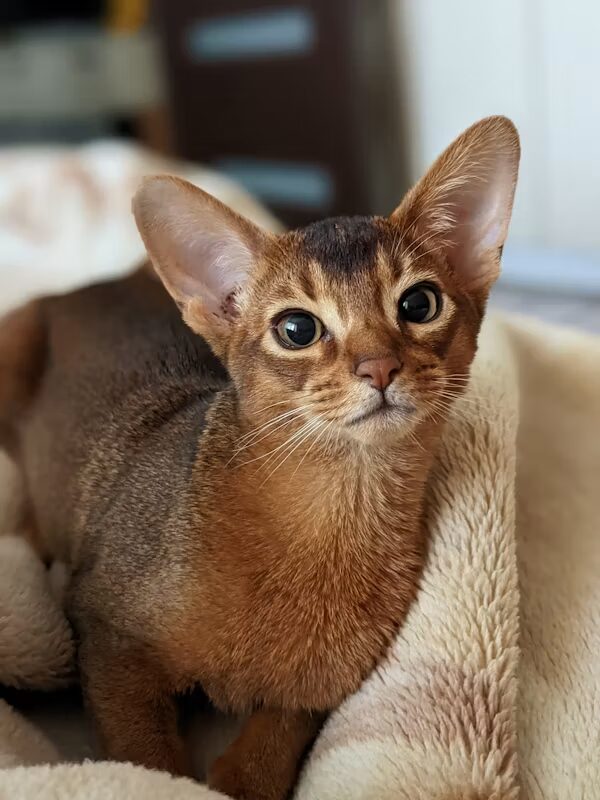
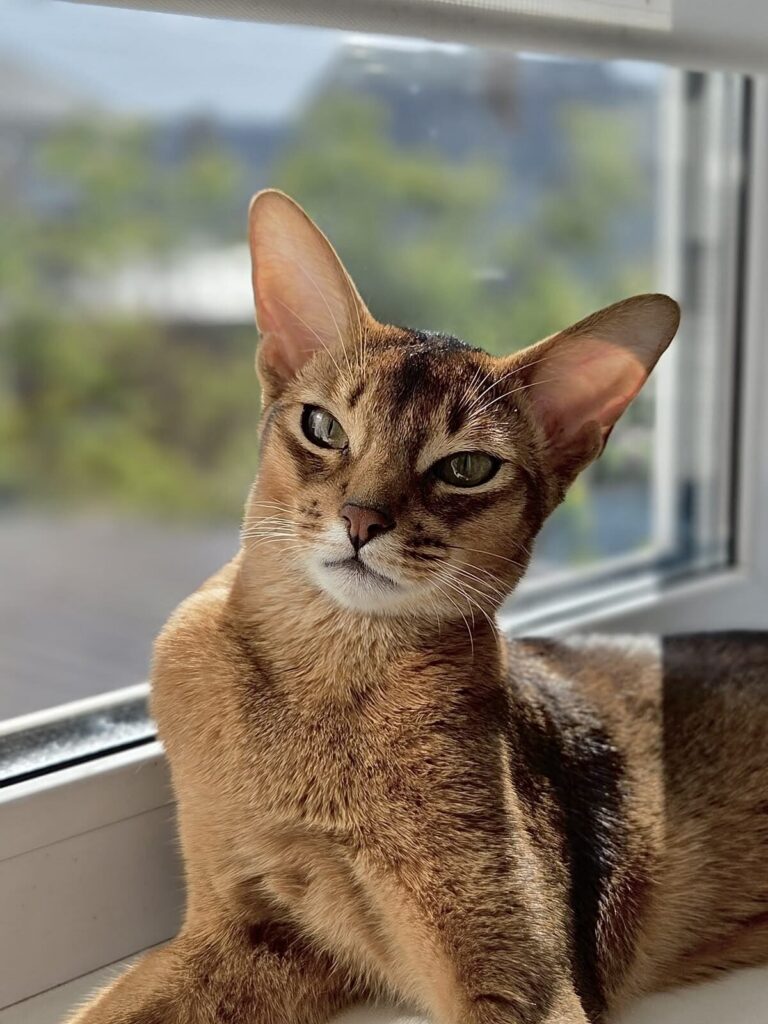
The Abyssinian cat is one of the most charming, active, and intelligent cat breeds in the world. With its warm ticked coat, alert expression, athletic body, and curious personality, this breed has a look that feels both elegant and slightly wild. But behind that striking appearance is a playful, loyal, and people-loving companion that enjoys being involved in almost everything happening around the home.
Often called the “Aby” by cat lovers, the Abyssinian is not the type of cat that quietly sleeps in one corner all day. This breed likes movement, attention, climbing, exploring, and interaction. If you want a cat that watches your every move, follows you from room to room, jumps onto high shelves, and turns simple household activities into a game, the Abyssinian may be a perfect match.
Abyssinians are known for their intelligence, energy, curiosity, and loyalty. They are quick learners, excellent climbers, and natural explorers. They often enjoy puzzle toys, climbing towers, window watching, and interactive play sessions. Many Abyssinians also form strong bonds with their families and like being part of daily life.
So, is the Abyssinian a good pet? Yes, the Abyssinian cat can be an excellent pet for the right owner. This breed is best for people who want an active, social, and playful cat rather than a quiet lap cat. They need attention, enrichment, and regular playtime, but in return, they offer affection, entertainment, and a lively presence in the home.
In this complete guide, you will learn about the Abyssinian cat’s personality, history, appearance, coat colors, care needs, grooming, diet, health issues, lifespan, kitten care, cost, and whether this breed is right for you.
Abyssinian Cat at a Glance
The Abyssinian is a medium-sized cat breed with a short, fine coat and a graceful, athletic body. It is famous for its ticked coat pattern, which gives the fur a glowing, warm appearance. Although Abyssinians look delicate, they are strong, agile, and full of energy.
This breed is often described as playful, curious, affectionate, and intelligent. Abyssinians usually enjoy being around people, but they are not always the kind of cat that wants to be held for long periods. Instead, they often prefer to sit nearby, follow their owner around, or stay busy exploring the home.
They are also known for being relatively low maintenance when it comes to grooming, thanks to their short coat. However, their high energy level means they need mental and physical stimulation every day.
Quick Breed Facts
| Feature | Details |
|---|---|
| Breed Name | Abyssinian |
| Nickname | Aby, Abys |
| Breed Type | Domestic pedigree cat |
| Origin | Historically linked to Abyssinia/Ethiopia, but true genetic origin is debated |
| Size | Medium |
| Weight Range | Usually around 6–12 pounds |
| Height Range | Around 8–10 inches |
| Lifespan | Around 9–15+ years |
| Coat Type | Short, fine, silky, ticked |
| Common Coat Colors | Ruddy, red/sorrel, blue, fawn |
| Eye Colors | Gold, green, hazel, copper tones |
| Temperament | Active, social, curious, intelligent |
| Grooming Level | Low maintenance |
| Shedding Level | Low to moderate |
| Best For | Active homes, families, experienced cat owners, interactive households |
| Not Ideal For | Owners wanting a very calm, quiet, low-energy lap cat |
If you are comparing different breeds, it can also help to read general cat breed information from trusted sources like the Cat Fanciers’ Association cat breed profiles to understand how Abyssinians compare with other pedigree cats.
Abyssinian Cat Breed Overview
The Abyssinian is not just beautiful; it is also one of the most engaging cat breeds to live with. This cat often acts like a little shadow, following its owner around the house and investigating every sound, movement, or new object.
While some cat breeds are more relaxed and independent, the Abyssinian is usually busy, alert, and involved. It may climb onto furniture, perch near windows, inspect bags, open cabinets, or turn everyday objects into toys. This makes the breed entertaining, but it also means owners must provide safe spaces for climbing and play.
| Feature | Details |
| Breed | Abyssinian |
| Size | Medium |
| Coat | Short, fine, ticked |
| Personality | Active, intelligent, social |
| Grooming | Low maintenance |
| Lifespan | Around 9–15+ years |
| Good With Children | Usually yes, with proper handling |
| Good With Pets | Often yes |
| Best Home | Active, interactive household |
Abyssinians are often a great choice for owners who enjoy a cat with a strong personality. They are not usually shy background pets. Instead, they bring energy, movement, and curiosity into the home.
History and Origin of the Abyssinian Cat
The history of the Abyssinian cat is one of the most interesting parts of the breed. The name “Abyssinian” suggests a direct connection to Abyssinia, now known as Ethiopia. However, the true origin of the breed is more complex than the name suggests.
Where Did Abyssinian Cats Come From?
Historically, Abyssinian cats were believed to have come from Abyssinia/Ethiopia, and early stories often connected the breed to cats brought to Britain by soldiers. Their wild-looking ticked coat and elegant shape also led many people to compare them with ancient Egyptian cats shown in artwork.
However, modern research and breed history discussions suggest that the breed’s true roots may not be limited to Ethiopia. Some evidence points toward possible links with cats from regions near the Indian Ocean, Southeast Asia, and coastal trade routes. Because cats traveled with people for centuries, especially through trade and migration, the exact origin is difficult to prove with certainty.
What is clear is that the Abyssinian developed into a recognized breed in Britain and later became popular in other parts of the world.
Early Breed Development
Abyssinian cats appeared in some of the earliest organized cat shows. During the late 1800s and early 1900s, breeders in Britain began developing and refining the breed. They selected cats with the distinctive ticked coat, athletic body, and alert expression that people now associate with the modern Abyssinian.
Over time, Abyssinians were introduced to North America, where the breed gained more attention. Today, Abyssinians are recognized by major cat organizations and are admired by cat lovers around the world.
For readers interested in breed standards, the Abyssinian breed standard from The International Cat Association gives a helpful look at how the breed is officially described in shows and registries.
Why the Breed Is Called “Abyssinian”
The name Abyssinian comes from the historical belief that the breed was connected to Abyssinia. But the name does not necessarily prove the breed’s full genetic origin. Many cat breed names come from stories, early imports, or appearance-based assumptions rather than complete genetic records.
This is why the Abyssinian’s name and its exact ancestry should be understood as two related but separate things. The breed may have a historical link to Abyssinia, but its development as a modern pedigree cat mainly happened through selective breeding in Britain.
Abyssinian Cats in Modern Cat Registries
Today, Abyssinians are recognized by major cat associations and remain popular among people who want an intelligent, athletic, and interactive cat. They are admired for their beauty, but their personality is what truly sets them apart.
Unlike some breeds that are known mainly for appearance, the Abyssinian is equally famous for its active temperament and social nature. This combination of looks and personality has helped the breed stay popular with cat enthusiasts for generations.
Abyssinian Cat Appearance
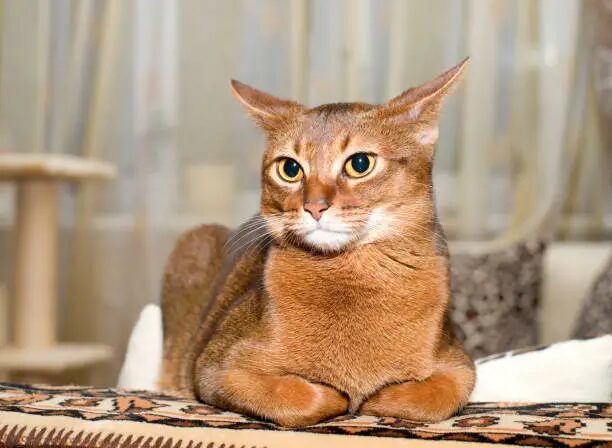
The Abyssinian cat has a unique appearance that makes it easy to recognize. It is medium-sized, graceful, muscular, and athletic. The breed has a natural elegance without looking heavy or overly delicate.
Many people describe the Abyssinian as having a wild or cougar-like look, even though it is a fully domestic cat. This wild appearance comes mostly from the ticked coat, long legs, large ears, and alert facial expression.
Body Shape and Build
Abyssinians usually have a medium-sized body with a lean but strong build. They are not bulky cats, but they are muscular and athletic. Their bodies are made for movement, jumping, climbing, and quick turns.
A healthy Abyssinian should look balanced. The body is graceful, but not fragile. The muscles are visible in movement, especially when the cat jumps or stretches. This athletic build matches the breed’s energetic personality.
Head, Ears, and Face
The Abyssinian’s head is slightly wedge-shaped, with soft contours rather than sharp angles. One of the most noticeable features is the breed’s large, expressive ears. These ears give the cat an alert and curious appearance, almost as if it is always listening for the next interesting sound.
The eyes are usually almond-shaped and bright. Eye colors may include gold, green, hazel, or copper tones. The face often looks intelligent, watchful, and lively, which perfectly matches the breed’s personality.
Legs, Paws, and Tail
Abyssinians usually have long, slim legs and small oval paws. Their legs give them a light, graceful movement. Many owners notice that Abyssinians seem to walk with confidence, almost like they are moving with a purpose.
The tail is usually long and tapering, helping complete the breed’s balanced, athletic appearance. Whether sitting, climbing, or running across the room, the Abyssinian carries itself with natural elegance.
Why Abyssinians Look Wild
The wild look of the Abyssinian comes mainly from its ticked coat pattern. Instead of solid-colored hair, each hair has multiple bands of color. This creates a warm, shaded effect that can look similar to the coat of some wild cats.
Their large ears, lean body, and alert posture add to this natural appearance. But despite the wild look, Abyssinians are affectionate domestic cats that usually love human interaction and household companionship.
Abyssinian Coat and Colors
The Abyssinian coat is one of the breed’s most famous features. It is short, fine, close-lying, and soft to the touch. Unlike many cats with stripes, spots, or solid coats, the Abyssinian has a beautiful ticked coat that gives it depth and warmth.
What Is a Ticked Coat?
A ticked coat means that each individual hair has bands of light and dark color. This type of coat is also called an agouti coat. When the hairs lie together, they create a glowing effect instead of a clear striped or spotted pattern.
This is why Abyssinians often look like they are shining in natural light. The coat may appear darker along the spine and warmer across the body, giving the cat a rich, natural look.
Common Abyssinian Cat Colors
The most common Abyssinian colors include:
| Color | Description |
| Ruddy | Warm brown or reddish-brown with darker ticking |
| Red/Sorrel | Coppery red or cinnamon tone with chocolate ticking |
| Blue | Soft blue-gray with warm beige undertones |
| Fawn | Pale beige or warm cream with lighter ticking |
The ruddy Abyssinian is often considered the classic look of the breed. It gives the cat a warm, wild appearance that many people immediately associate with Abyssinians.
Less Common Colors
Some Abyssinians may also appear in less common colors such as silver, chocolate, or lilac, depending on the registry and region. Not every cat association accepts every color, so breed standards may vary.
This is important for people planning to buy a show-quality Abyssinian. If you only want a loving pet, color may be a personal preference. But if you are interested in showing or breeding, registry rules matter.
Abyssinian Kitten Coat Changes
Abyssinian kittens may not show their full adult color immediately. Their coat can change as they grow. Some kittens darken, while others develop richer ticking over time.
The final adult coat often becomes clearer after several months. This is one reason responsible breeders can help explain what a kitten’s adult color may look like based on its parents and early coat development.
Abyssinian Eye Colors
Abyssinian cats often have beautiful, expressive eyes. Common eye colors include:
- Gold
- Green
- Hazel
- Copper tones
The eye color should look bright and clear. Combined with the large ears and alert face, the eyes give the Abyssinian its famous intelligent expression.
Bentonite Multi-Cat
OPET Mixed Tofu Bentonite Multi-Cat Cat Litter, Strong Fast Clumping Kitty Litter, 99.9% Dust Free & Low Tracking, High Absorbent & Odor Control, Natural Pet Litter (18lb, Fresh)
Abyssinian Cat Personality and Temperament
The Abyssinian’s personality is one of the biggest reasons people fall in love with the breed. These cats are often described as active, clever, playful, social, and curious. They want to know what is happening around them and often like being part of the action.
An Abyssinian is not usually a lazy, sleepy cat that stays in one place all day. This breed enjoys movement and mental stimulation. Owners often say their Abyssinian acts more like a small companion than a background pet.
Are Abyssinian Cats Friendly?
Yes, Abyssinian cats are usually friendly and people-oriented. They often bond strongly with their family and enjoy being nearby. Many Abyssinians will follow their owners from room to room, sit close during daily tasks, or quietly watch what everyone is doing.
They may not demand constant cuddling, but they often want connection. Their affection is usually active rather than clingy. They might help you work, inspect what you are cooking, or sit near you while you relax.
Are Abyssinians Lap Cats?
Abyssinians can be affectionate, but they are not always traditional lap cats. Some may enjoy sitting on a lap for a while, but many prefer to stay beside their owner rather than be held for long periods.
This does not mean they are distant. In fact, many Abyssinians are very attached to their people. They simply show affection through presence, play, and involvement rather than long cuddling sessions.
If you want a cat that spends hours sleeping in your lap, the Abyssinian may not be the best match. But if you want a cat that is lively, loyal, and interactive, this breed can be wonderful.
Intelligence and Curiosity
The Abyssinian is considered one of the more intelligent cat breeds. These cats learn quickly and often enjoy solving problems. They may figure out how to open doors, reach high shelves, or get into places you thought were secure.
Because of this intelligence, Abyssinians need mental stimulation. Puzzle feeders, interactive toys, training games, and climbing spaces can help keep them satisfied.
A bored Abyssinian may create its own entertainment, which can include knocking things over, climbing where it should not, or exploring cabinets. Providing healthy outlets for curiosity is essential.
Playfulness and Energy Level
Abyssinians are usually very playful. They enjoy chasing toys, jumping, climbing, and exploring. Wand toys, feather teasers, ball tracks, and puzzle toys are often good choices.
Daily playtime is important. Even a few short play sessions each day can help burn energy and prevent boredom. Because Abyssinians are athletic, they especially enjoy toys that allow them to leap, chase, and climb.
Are Abyssinian Cats Vocal?
Abyssinians are usually moderately vocal. They can communicate with soft sounds, chirps, or gentle meows, but they are generally not as loud as breeds like the Siamese.
Of course, every cat is different. Some Abyssinians may be chattier than others, especially when they want attention, food, or playtime.
Are Abyssinians Independent?
Abyssinians can be independent in the sense that they are confident and capable of entertaining themselves. However, they still need human attention and interaction.
This breed does not usually enjoy being ignored for long periods. If left alone without toys, climbing areas, or companionship, an Abyssinian may become bored or restless. Owners who work long hours should consider providing extra enrichment or possibly another friendly pet companion.
Living With an Abyssinian Cat
Living with an Abyssinian can be fun, busy, and full of personality. These cats often become a central part of the household. They may greet visitors, supervise chores, climb onto high places, or turn ordinary moments into games.
However, because Abyssinians are so active and curious, they need a home that supports their energy level.
Best Home Environment
The best home for an Abyssinian is an active, interactive household. This breed usually does well with owners who enjoy playing with their cat, providing toys, and creating an enriched environment.
Abyssinians love vertical space. Cat trees, shelves, tall scratching posts, and window perches can make a big difference. A home does not need to be huge, but it should offer safe ways for the cat to climb and explore.
They are also a good fit for families who enjoy pets with strong personalities. Abyssinians like involvement, so they often suit people who want a companion that feels present and engaged.
Apartment Living With an Abyssinian
An Abyssinian can live in an apartment as long as its needs are met. Space is less important than enrichment. A small apartment with cat trees, toys, window views, and daily playtime may be better than a large home where the cat is ignored.
For apartment living, consider adding:
- A tall cat tree
- Window perch
- Scratching posts
- Puzzle feeders
- Toy rotation
- Daily interactive play
- Safe climbing shelves
Abyssinians are athletic, so vertical space helps them feel more satisfied. It also gives them a healthy outlet for climbing rather than using curtains, cabinets, or unsafe furniture.
Indoor vs Outdoor Life
Indoor life is generally safer for Abyssinian cats. Outdoor cats face risks such as traffic, disease, parasites, fights with other animals, theft, and poisoning.
That said, some Abyssinians enjoy supervised outdoor time. Safe options include:
- A catio
- Harness and leash training
- Secure garden time
- Outdoor stroller walks
If you choose outdoor access, supervision is important. Abyssinians are fast, curious, and confident, which means they may wander or chase movement if not safely managed.
For general cat health and safety guidance, resources from the American Veterinary Medical Association can help pet owners make informed decisions about routine care and responsible ownership.
Do Abyssinians Like Being Left Alone?
Abyssinians are not the best choice for people who are away all day and want a cat that requires very little interaction. While they can handle some alone time, they do better when they have enrichment, toys, and companionship.
If an Abyssinian is left alone too often, it may become bored. Signs of boredom can include excessive climbing, scratching furniture, knocking items over, or seeking attention in unwanted ways.
To help an Abyssinian stay happy while you are away, provide:
- Puzzle toys
- Window views
- Safe climbing spaces
- Food puzzles
- Rotating toys
- Scratching posts
- A comfortable resting area
Some Abyssinians may also enjoy living with another friendly cat or pet, especially if introductions are done slowly and carefully.
Are Abyssinian Cats Good Family Pets?
The Abyssinian cat can be a wonderful family pet for the right household. This breed is active, social, playful, and usually very interested in people. Abyssinians often enjoy being part of daily family life rather than sitting alone in a quiet corner.
They are not usually the best match for people who want a very calm, sleepy cat. Instead, they are better suited to families that enjoy interaction, play, and a little bit of harmless mischief. An Abyssinian may follow children around, investigate toys, jump onto high furniture, and watch everything happening in the home.
The key is to match the cat’s personality with the family’s lifestyle. If your home has time for play, enrichment, and attention, an Abyssinian can become a loyal and entertaining companion.
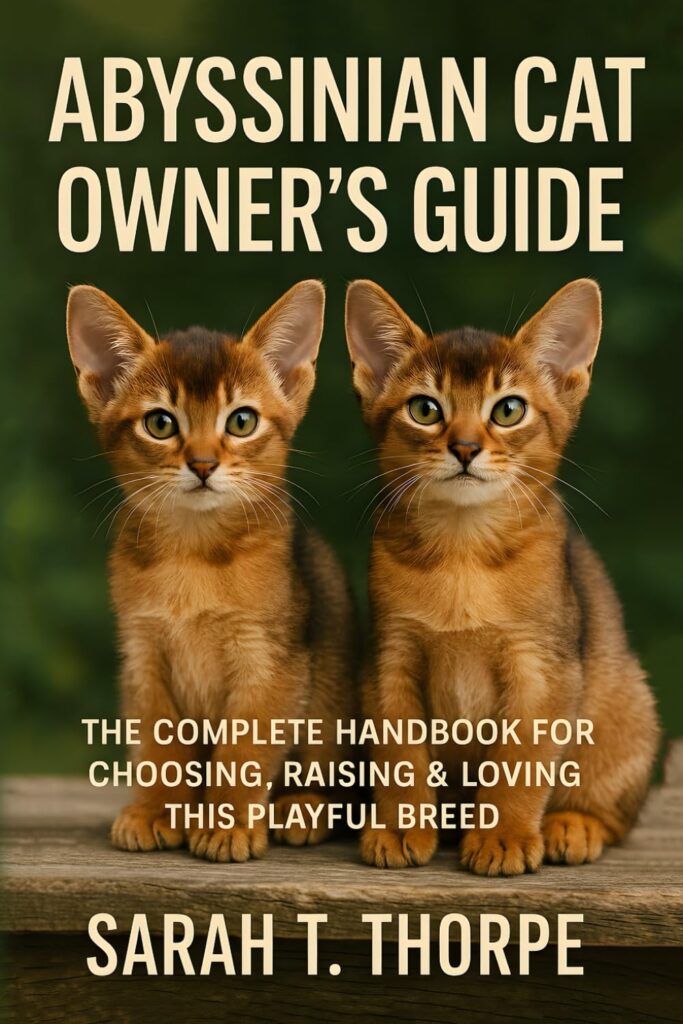
Abyssinian Cat Owner’s Guide
Abyssinian Cat Owner’s Guide: The Complete Handbook for Choosing, Raising & Loving This Playful Breed
Abyssinians With Children
Abyssinians are usually good with children, especially when children know how to treat cats gently. Because this breed is playful and energetic, it may enjoy interactive games with older children who understand boundaries.
However, like all cats, Abyssinians should not be grabbed, chased, pulled, or forced to cuddle. They are active and affectionate, but many do not enjoy rough handling.
Children should be taught to:
- Pet gently
- Avoid pulling the tail or ears
- Let the cat leave when it wants
- Use toys instead of hands for play
- Respect sleeping and eating time
Supervision is important with very young children. An Abyssinian may be patient, but any cat can become stressed if handled too roughly. With proper respect, this breed often becomes a fun and loving family companion.
Abyssinians With Dogs
Many Abyssinian cats can live happily with dogs, especially if the dog is calm, cat-friendly, and properly introduced. Because Abyssinians are confident and curious, they may adapt well to a gentle dog that respects their space.
The introduction should be slow. Do not place the cat and dog together immediately and expect them to understand each other. Let them smell each other’s bedding first, then allow short supervised meetings.
A good dog companion for an Abyssinian should be:
- Gentle
- Well-trained
- Not aggressive toward cats
- Able to follow commands
- Calm enough to avoid chasing
High-prey-drive dogs may not be suitable unless they have already proven safe around cats. Even then, supervision is important until trust is built.
Abyssinians With Other Cats
Abyssinians are social cats and often do well with other cats. In fact, some Abyssinians enjoy having another feline companion, especially if their owners are away during the day.
The best match is usually another active, friendly cat that enjoys play. A very shy or elderly cat may feel overwhelmed by an energetic Abyssinian, so personality matters more than breed.
When introducing cats, use a gradual process:
- Keep them in separate rooms at first
- Swap bedding so they learn each other’s scent
- Feed them near opposite sides of a closed door
- Allow short supervised visual meetings
- Increase time together slowly
A slow introduction reduces stress and helps both cats feel safe. Rushing the process can lead to fear, hissing, chasing, or long-term tension.
Best Owner Type for an Abyssinian
The best owner for an Abyssinian is someone who wants an interactive cat. This breed is ideal for people who enjoy play, training, and companionship.
An Abyssinian may be a great fit if you:
- Like active pets
- Enjoy playing with your cat daily
- Can provide climbing spaces
- Want a smart and curious companion
- Do not mind a cat exploring your home
- Prefer a social cat over a quiet background pet
This breed is not usually ideal for someone who wants a cat that requires very little attention. Abyssinians may be low maintenance in grooming, but they are not low maintenance in energy.
Abyssinian Cat Care Requirements
Caring for an Abyssinian is not difficult, but it does require consistency. Their short coat is easy to manage, but their active mind and body need regular attention.
Good care includes proper food, clean water, litter box maintenance, grooming, playtime, dental care, and routine vet visits. Because Abyssinians are curious and energetic, environmental enrichment is also an important part of their daily care.
Daily Care Needs
An Abyssinian’s daily care routine should be simple but consistent. These cats enjoy structure, and regular care helps keep them healthy and happy.
Daily care should include:
| Daily Need | Why It Matters |
|---|---|
| Feeding | Supports energy, muscle, and overall health |
| Fresh water | Helps hydration and kidney health |
| Litter box cleaning | Keeps the cat comfortable and prevents odor |
| Playtime | Burns energy and prevents boredom |
| Grooming checks | Helps spot skin, coat, or injury issues early |
Abyssinians are active cats, so daily playtime is especially important. Even two or three short sessions can help keep them mentally and physically satisfied.
Weekly Care Routine
A weekly care routine helps prevent small issues from becoming bigger problems. Since the Abyssinian has a short coat, grooming is usually quick and easy.
A good weekly routine includes:
- Brush the coat
- Check the ears
- Trim nails if needed
- Rotate toys
- Clean bedding
- Check scratching posts
- Practice dental care
Toy rotation is very useful for Abyssinians. Because they are intelligent, they may get bored with the same toys. Putting some toys away and bringing them back later can make them feel new again.
Monthly Care Routine
Monthly care focuses on deeper cleaning and checking your cat’s overall condition. This does not need to be complicated, but it helps you notice changes early.
Monthly tasks may include:
- Deep cleaning cat trees and bedding
- Checking body weight
- Checking body condition
- Replacing damaged toys
- Inspecting food and water bowls
- Reviewing flea, tick, or parasite prevention
- Checking litter box condition
Abyssinians are naturally athletic, so weight changes may be easier to miss at first. Running your hands gently over the ribs and waist area can help you notice whether your cat is gaining or losing weight.
Grooming an Abyssinian Cat
The Abyssinian is a low-maintenance cat breed when it comes to grooming. Its short, fine coat does not usually mat or tangle, and most Abyssinians keep themselves clean.
However, low maintenance does not mean no maintenance. Regular brushing, nail care, ear checks, and dental care are still important for long-term health.
Is the Abyssinian Low Maintenance?
Yes, the Abyssinian is generally low maintenance compared with long-haired breeds. Its short coat is easy to care for and usually needs only light brushing.
Because the coat lies close to the body, it rarely forms mats. This makes the breed a good option for owners who want a beautiful cat without heavy grooming demands.
Still, Abyssinians need attention in other areas. Their nails, teeth, ears, and overall health should be checked regularly.
How Often Should You Brush an Abyssinian?
Most Abyssinians do well with weekly brushing. A soft brush, rubber grooming mitt, or grooming glove can remove loose hair and help keep the coat shiny.
During seasonal shedding, you may brush more often. Even though Abyssinians do not usually shed heavily, brushing helps reduce loose fur around the home.
Benefits of brushing include:
- Removes loose hair
- Keeps the coat shiny
- Reduces shedding
- Supports skin health
- Creates bonding time
- Helps you notice bumps or skin irritation
Many Abyssinians enjoy brushing if introduced gently. Keep sessions short and positive, especially with kittens.
Bathing Needs
Abyssinians usually do not need frequent baths. Like most cats, they groom themselves well. Bathing is only necessary if the cat gets dirty, oily, or exposed to something unsafe.
When bathing is needed, use a cat-safe shampoo and lukewarm water. Never use human shampoo because it can irritate a cat’s skin.
After bathing, dry the cat gently with a towel and keep it warm until fully dry. If your Abyssinian strongly dislikes baths, ask a groomer or veterinarian for advice.
Nail Care
Nail care is important for all cats, including Abyssinians. Because this breed loves climbing and playing, keeping the nails at a healthy length can prevent accidental scratches and broken claws.
Trim nails every few weeks or as needed. Use proper cat nail clippers and avoid cutting the pink area, called the quick.
To support natural scratching behavior, provide:
- Vertical scratching posts
- Horizontal scratchers
- Cardboard scratch pads
- Cat trees with sisal
- Scratchers near favorite resting areas
Scratching is normal cat behavior. It helps cats stretch, mark territory, and maintain their claws. The goal is not to stop scratching but to guide it toward acceptable surfaces.
Ear and Eye Care
Abyssinians usually do not require heavy ear or eye care, but regular checks are helpful. Look for redness, swelling, bad odor, dark discharge, or excessive wax in the ears.
For eyes, check for unusual discharge, cloudiness, redness, or squinting. A small amount of clear discharge can be normal, but yellow, green, or thick discharge should be checked by a vet.
Do not put anything deep into your cat’s ears. If cleaning is needed, use a vet-approved ear cleaner and follow instructions carefully.
Dental Care
Dental care is one of the most overlooked parts of cat care. Abyssinians, like many cats, can develop tartar, gingivitis, and other dental problems.
Brushing your cat’s teeth with a cat-safe toothpaste is one of the best ways to support oral health. Start slowly and reward your cat with praise or a treat.
Dental care may include:
- Tooth brushing
- Dental treats
- Dental diets if recommended
- Vet dental exams
- Professional cleanings when needed
Bad breath, drooling, bleeding gums, pawing at the mouth, or difficulty eating can be signs of dental disease. These symptoms should not be ignored.
Abyssinian Cat Diet and Nutrition
The Abyssinian is an active and athletic cat, so a balanced diet is essential. Food should support lean muscle, energy, healthy skin, a shiny coat, and long-term wellness.
Like all cats, Abyssinians are obligate carnivores. This means they need nutrients found in animal-based ingredients. A high-quality cat food with proper protein, fat, vitamins, and minerals is the foundation of good health.
What Should an Abyssinian Eat?
An Abyssinian should eat a complete and balanced cat food appropriate for its life stage. Kittens need kitten food, adults need adult maintenance food, and seniors may benefit from senior formulas depending on health needs.
A good diet should include:
- Animal-based protein
- Moderate healthy fat
- Essential amino acids
- Vitamins and minerals
- Moisture support
- Controlled calories
- No unnecessary fillers
Chicken, turkey, fish, beef, lamb, and other animal proteins are common ingredients in cat food. The most important thing is that the food is complete, balanced, and suitable for your cat’s age and health.
Wet Food vs Dry Food
Both wet and dry food can be part of an Abyssinian’s diet. Each has benefits.
| Food Type | Benefits | Things to Consider |
| Wet Food | Higher moisture, often very palatable, supports hydration | Can be more expensive, spoils faster after opening |
| Dry Food | Convenient, easy to store, useful for puzzle feeders | Lower moisture, easy to overfeed |
| Mixed Feeding | Combines benefits of both | Requires portion control |
Many owners use a mixed feeding routine. For example, wet food can help with hydration while dry food can be used in puzzle feeders for enrichment.
Protein Needs
Protein is very important for Abyssinians because they are active and muscular. Protein supports muscle maintenance, energy, immune function, and overall body health.
Choose food with quality animal protein as a main ingredient. Avoid diets that rely too heavily on plant-based protein because cats need specific animal-based nutrients, including taurine.
Signs your cat may not be thriving on its food include:
- Dull coat
- Low energy
- Weight loss
- Digestive problems
- Poor muscle condition
- Frequent hunger
Always speak with a veterinarian before making major diet changes, especially if your cat has health issues.
Feeding Schedule
Abyssinians often do well with scheduled meals instead of unlimited free feeding. Because they are active, some owners assume they cannot become overweight, but this is not true. Even energetic cats can gain weight if they eat too many calories.
A common feeding approach is:
- Kittens: several small meals per day
- Adults: two or three meals per day
- Seniors: adjusted meals based on health and vet advice
Portion size depends on age, weight, activity level, metabolism, and food type. Use the feeding guide on the food label as a starting point, then adjust based on body condition.
Food for Abyssinian Kittens
Abyssinian kittens are playful, fast-growing, and full of energy. They need kitten food designed to support growth and development.
Kitten food usually contains more calories, protein, and key nutrients than adult food. It helps support bones, muscles, brain development, and immune health.
A kitten should have:
- Kitten-specific food
- Small frequent meals
- Clean water
- Safe feeding area
- Gradual food transitions
Avoid switching foods suddenly. A slow transition over several days can help prevent digestive upset.
Food for Adult Abyssinians
Adult Abyssinians need a balanced diet that maintains lean muscle without causing excess weight gain. Because this breed is active, it may need enough calories to support energy, but portion control still matters.
Adult feeding goals include:
- Maintain healthy weight
- Support lean muscle
- Keep coat shiny
- Encourage hydration
- Prevent overfeeding
Watch your cat’s body condition. You should be able to feel the ribs without pressing hard, but they should not be sharply visible. The waist should be noticeable when viewed from above.
Food for Senior Abyssinians
Senior Abyssinians may need diet adjustments as they age. Some older cats need softer food, joint support, kidney-friendly nutrition, or more digestible ingredients.
A senior cat’s diet should be guided by health status. Regular vet checkups are important because older cats may develop kidney disease, dental disease, thyroid problems, or arthritis.
Senior feeding priorities may include:
- Easy-to-digest food
- Good hydration
- Healthy protein level
- Joint support
- Dental comfort
- Weight monitoring
Never switch a senior cat to a restricted diet without veterinary advice.
Foods to Avoid
Some human foods are unsafe for cats and should never be given to an Abyssinian.
Avoid feeding:
| Food | Why It Is Dangerous |
| Chocolate | Toxic to cats |
| Onion and garlic | Can damage red blood cells |
| Alcohol | Highly dangerous even in small amounts |
| Grapes and raisins | May cause serious health problems |
| Raw bones | Can splinter or cause injury |
| Dog food as main diet | Does not meet feline nutritional needs |
Also avoid heavily seasoned foods, salty snacks, sugary treats, and cooked bones. Cats should get most of their nutrition from complete and balanced cat food.
Exercise and Enrichment for Abyssinian Cats
Exercise is not optional for an Abyssinian. This breed needs movement, stimulation, and play to stay happy. Without enough enrichment, an Abyssinian may become bored and develop unwanted behaviors.
The goal is to give your cat safe ways to use its natural instincts: climbing, chasing, hunting, exploring, and problem solving.
Why Exercise Matters
Exercise helps an Abyssinian stay physically and mentally healthy. It supports muscle tone, prevents weight gain, reduces stress, and helps avoid boredom.
Regular play can also strengthen the bond between cat and owner. Abyssinians often love interactive play because it allows them to engage with their favorite people.
Benefits of exercise include:
- Healthy weight
- Better muscle tone
- Reduced boredom
- Less destructive behavior
- Improved confidence
- Stronger owner-cat bond
A tired Abyssinian is often a happier and calmer Abyssinian.
Best Toys for Abyssinians
Abyssinians usually enjoy toys that move, challenge them, or allow them to chase and jump.
Good toy choices include:
- Wand toys
- Feather teasers
- Puzzle feeders
- Ball tracks
- Interactive electronic toys
- Treat puzzles
- Crinkle tunnels
- Toy mice
- Laser toys used safely
- Climbing towers
When using a laser toy, always finish with a real toy the cat can catch. This prevents frustration and gives the cat a satisfying end to the game.
Climbing and Vertical Space
Abyssinians love vertical space. A home with high perches and climbing options is much more satisfying for this breed.
Vertical enrichment can include:
| Item | Benefit |
| Cat tree | Climbing, scratching, resting |
| Wall shelves | Safe high pathways |
| Window perch | Bird watching and sunlight |
| Tall scratching post | Stretching and claw care |
| Cabinet-safe spaces | Controlled exploration |
If you do not provide safe climbing places, your Abyssinian may choose its own — including bookshelves, curtains, kitchen counters, or wardrobes.
Training and Tricks
Because Abyssinians are intelligent, many enjoy training. Training is not just for dogs. Cats can learn commands, tricks, and routines with patience and rewards.
Abyssinians may learn:
- Sit
- Come
- Fetch
- High five
- Target touch
- Harness walking
- Puzzle solving
- Going into a carrier
Use positive reinforcement only. Treats, praise, and play work well. Keep training sessions short and fun.
Training also helps build confidence and prevents boredom. For an Abyssinian, learning can be a form of enrichment.
Signs Your Abyssinian Is Bored
A bored Abyssinian may become restless or destructive. This does not mean the cat is “bad.” It usually means the cat needs more stimulation.
Common signs of boredom include:
- Knocking things down
- Excessive climbing in unsafe areas
- Scratching furniture
- Over-vocalizing
- Restlessness
- Chasing feet or hands
- Trying to open cabinets
- Demanding attention constantly
To reduce boredom, increase playtime, add puzzle toys, rotate toys, provide more climbing spaces, and create a predictable daily routine.
Abyssinian Cat Health Issues
Abyssinians are generally healthy cats, but like all pedigree breeds, they may be prone to certain inherited or breed-associated health conditions. Responsible breeding, regular veterinary care, proper diet, and early testing can reduce risks and help your cat live a healthier life.
This section does not replace veterinary advice. If your Abyssinian shows unusual symptoms, always consult a qualified veterinarian.
Are Abyssinian Cats Healthy?
Yes, Abyssinians are generally healthy when they come from responsible breeders and receive proper care. Many live long, active lives.
However, some health conditions have been reported in the breed. This is why choosing a reputable breeder is important. Good breeders screen for inherited diseases and provide health records.
Health care basics include:
- Annual vet exams
- Vaccinations
- Parasite prevention
- Dental care
- Weight control
- Genetic testing when appropriate
- Early treatment of symptoms
Good prevention is always better than waiting until a problem becomes serious.
Pyruvate Kinase Deficiency
Pyruvate kinase deficiency, often called PK deficiency, is an inherited condition that can affect red blood cells. It may lead to anemia, which means the body does not have enough healthy red blood cells to carry oxygen properly.
Possible signs can include:
- Low energy
- Pale gums
- Weakness
- Reduced appetite
- Weight loss
- Fast breathing
- Episodes of tiredness
Genetic testing matters because carriers may look healthy but still pass the condition to kittens. Responsible breeders often test breeding cats to reduce the chance of producing affected kittens.
Progressive Retinal Atrophy
Progressive retinal atrophy, or PRA, is an inherited eye condition that can lead to gradual vision loss. The retina is the part of the eye that helps process light and vision. When it degenerates, the cat may slowly lose sight.
Possible signs include:
- Bumping into objects
- Hesitation in dark rooms
- Difficulty jumping
- Wide pupils
- Unusual eye shine
- Reduced confidence moving around
There may be no obvious signs in the early stages, so screening and responsible breeding are important. Cats with vision loss can still live good lives, but they need a safe and predictable environment.
Dental Disease
Dental disease is common in cats, including Abyssinians. Plaque and tartar can build up on the teeth, leading to gum inflammation, pain, infection, and tooth loss.
Signs of dental problems include:
- Bad breath
- Drooling
- Red gums
- Bleeding gums
- Dropping food
- Chewing on one side
- Pawing at the mouth
- Loss of appetite
Regular tooth brushing, dental checks, and professional cleanings can help protect your cat’s mouth. Dental pain can affect eating, mood, and overall health, so it should be taken seriously.
Kidney Problems
Some Abyssinians may be at risk for kidney-related issues. Kidney problems can develop slowly, especially as cats age. Because cats often hide illness, owners may not notice symptoms until the condition has progressed.
Watch for signs such as:
- Drinking more water
- Urinating more often
- Weight loss
- Poor appetite
- Vomiting
- Bad breath
- Lethargy
- Poor coat condition
Regular vet testing can help detect kidney issues earlier. Blood tests and urine tests are especially useful for older cats.
Patellar Luxation
Patellar luxation is a condition where the kneecap moves out of its normal position. It can affect movement and may cause discomfort or limping.
Possible signs include:
- Skipping steps
- Limping
- Holding up one back leg
- Reluctance to jump
- Sudden changes in movement
- Stiffness after activity
A veterinarian can diagnose the condition through a physical exam and may recommend treatment depending on severity.
Obesity Risk
Abyssinians are active cats, but they can still become overweight if they eat too much or do not get enough exercise. Extra weight can increase the risk of diabetes, arthritis, heart strain, and reduced mobility.
To help prevent obesity:
- Measure meals
- Avoid too many treats
- Use puzzle feeders
- Encourage daily play
- Monitor body condition
- Schedule regular vet checks
Because Abyssinians are naturally lean and athletic, sudden weight gain should be noticed and addressed early.
When to See a Vet
You should contact a veterinarian if your Abyssinian shows any unusual symptoms, especially if they last more than a day or appear suddenly.
Important warning signs include:
| Symptom | Possible Concern |
| Appetite changes | Dental pain, illness, stress |
| Weight loss | Digestive, kidney, thyroid, or other health issue |
| Lethargy | Infection, pain, anemia, illness |
| Vomiting or diarrhea | Digestive upset, poisoning, disease |
| Breathing problems | Emergency concern |
| Eye changes | Injury, infection, vision issue |
| Urinary issues | Possible blockage or infection |
Urinary blockage, breathing difficulty, collapse, poisoning, severe weakness, or repeated vomiting should be treated as urgent.
Abyssinian Cat Lifespan
The Abyssinian cat lifespan is usually around 9 to 15 years, although many Abyssinians can live longer with good care, safe living conditions, proper nutrition, and regular veterinary checkups. Like all cats, lifespan depends on a mix of genetics, lifestyle, diet, environment, and preventive health care.
Abyssinians are active and athletic, which can help them stay fit when they are properly fed and exercised. However, their energy does not make them immune to health problems. A healthy routine from kittenhood to senior age can make a big difference in both quality of life and longevity.
Average Lifespan
Most Abyssinian cats live into their early or mid-teens. Some may live beyond 15 years, especially if they are kept indoors, maintained at a healthy weight, and treated early for health concerns.
A longer lifespan is more likely when the cat has:
- Good genetics
- Regular vet care
- A balanced diet
- Healthy body weight
- A safe indoor home
- Daily enrichment
- Dental care
- Low stress
Because cats often hide illness, routine health checks are important even when your Abyssinian looks healthy.
Factors That Affect Lifespan
Several factors influence how long an Abyssinian may live.
| Factor | How It Affects Lifespan |
|---|---|
| Genetics | Inherited conditions can affect long-term health |
| Diet | Balanced nutrition supports organs, muscles, and immunity |
| Indoor safety | Reduces risk from cars, fights, toxins, and disease |
| Vet care | Helps detect illness early |
| Dental health | Prevents pain, infection, and eating problems |
| Exercise | Supports healthy weight and strong muscles |
| Stress level | Lower stress can support better overall health |
Abyssinians are curious cats, so safety matters. They may investigate open windows, toxic plants, small objects, electrical cords, or unsafe spaces. A cat-safe home helps prevent accidents.
How to Help an Abyssinian Live Longer
Helping an Abyssinian live a long, healthy life is mostly about consistency. Small habits done regularly are more useful than occasional big efforts.
To support your Abyssinian’s health:
- Schedule annual vet exams
- Keep vaccinations up to date
- Use parasite prevention when recommended
- Feed complete and balanced cat food
- Measure portions
- Encourage daily play
- Provide climbing spaces
- Brush the coat weekly
- Trim nails regularly
- Maintain dental care
- Watch for behavior changes
- Keep the cat indoors or supervised outdoors
Abyssinians are expressive and active, so a change in energy, appetite, jumping ability, or social behavior can be an early sign that something is wrong.
Abyssinian Kittens
Abyssinian kittens are lively, playful, curious, and full of personality. From a young age, they often show the breed’s classic traits: climbing, exploring, chasing toys, and wanting to be involved with people.
Bringing home an Abyssinian kitten is exciting, but it also requires preparation. These kittens are quick, smart, and adventurous. A safe home setup will help prevent accidents and encourage good habits.
What Are Abyssinian Kittens Like?
Abyssinian kittens are usually:
- Playful
- Curious
- Energetic
- Social
- Quick learners
- Confident
- Highly active
They may climb furniture, chase moving objects, explore bags, jump onto shelves, and investigate every new sound. This is normal for the breed, but it means owners should create a safe and enriched environment from the beginning.
Because Abyssinians are intelligent, early training can be very useful. Teaching good scratching habits, carrier comfort, gentle play, and feeding routines can make adult life easier.
How to Prepare for an Abyssinian Kitten
Before bringing an Abyssinian kitten home, prepare the basic supplies and safe spaces.
You will need:
| Item | Why It Matters |
| Kitten food | Supports growth and development |
| Food and water bowls | Provides a clean feeding routine |
| Litter box | Helps establish toilet habits |
| Cat litter | Choose kitten-safe litter |
| Scratching posts | Encourages healthy scratching |
| Safe toys | Supports play and exercise |
| Climbing spaces | Gives energy a healthy outlet |
| Carrier | Needed for vet visits and travel |
| Cat bed | Offers a safe resting place |
| Vet appointment | Starts preventive care early |
Set up one quiet room first. This helps the kitten adjust slowly instead of feeling overwhelmed by the whole home.
Kitten-Proofing Your Home
Abyssinian kittens are bold and curious, so kitten-proofing is very important. They may squeeze into small spaces, chew cords, climb unstable furniture, or knock down breakable items.
Before your kitten arrives:
- Secure electrical wires
- Remove toxic plants
- Close small gaps behind furniture
- Store breakable items
- Lock cabinets with chemicals
- Keep medicines out of reach
- Close toilet lids
- Check window screens
- Remove small objects that can be swallowed
- Keep string, thread, and ribbons away
Abyssinian kittens are fast. A space that looks safe for a calm adult cat may not be safe for a young Abyssinian.
Socialization and Training
Early socialization helps an Abyssinian kitten grow into a confident adult cat. Handle the kitten gently, introduce normal household sounds, and create positive experiences with people, grooming, and carriers.
Good early training includes:
- Gentle handling
- Positive carrier practice
- Nail trim practice
- Tooth brushing introduction
- Scratching post training
- Toy-based play
- Reward-based learning
Avoid rough hand play. If a kitten learns to attack hands and feet, the habit can become painful as it grows. Use wand toys, balls, and soft toys instead.
Choosing a Healthy Abyssinian Kitten
When choosing an Abyssinian kitten, work with a responsible breeder or rescue. A healthy kitten should be alert, active, clean, and curious.
Look for:
- Clear eyes
- Clean ears
- Healthy coat
- Good body condition
- Playful behavior
- No constant sneezing
- No visible diarrhea
- No extreme fear or weakness
Ask the breeder or rescue about vaccination records, parasite treatment, health screening, and the kitten’s parents. Responsible breeders should be willing to answer questions and provide documentation.
Buying or Adopting an Abyssinian Cat
If you want an Abyssinian, you may choose to buy from a breeder or adopt through a rescue. Both options can be good, but it is important to avoid rushed decisions.
Abyssinians are a special breed, and demand can be high. This means some sellers may offer kittens without proper health testing or ethical breeding practices. Take your time and choose carefully.
How Much Does an Abyssinian Cat Cost?
The cost of an Abyssinian cat can vary based on location, breeder reputation, pedigree, color, age, and whether the kitten is pet-quality or show-quality.
Common cost factors include:
- Breeder reputation
- Health testing
- Pedigree
- Vaccinations
- Registration
- Color and quality
- Region
- Demand
Adoption fees are usually lower than breeder prices, but Abyssinians may be harder to find in shelters. Breed-specific rescues can be a good place to check.
Remember that the purchase price is only one part of ownership. Food, litter, toys, grooming supplies, vet visits, insurance, and emergency care can cost much more over the cat’s lifetime.
Monthly Cost of Owning an Abyssinian
Monthly costs depend on your location and the quality of products and services you choose.
| Expense | Examples |
| Food | Wet food, dry food, treats |
| Litter | Clumping, non-clumping, natural litter |
| Toys | Interactive toys, puzzle feeders, replacement toys |
| Grooming supplies | Brush, nail clippers, dental products |
| Vet care | Routine exams, vaccines, parasite prevention |
| Insurance | Optional but helpful for emergencies |
| Enrichment | Cat trees, shelves, scratchers |
Abyssinians are active cats, so investing in durable toys, climbing spaces, and scratching posts is especially useful.
Choosing a Reputable Breeder
A reputable Abyssinian breeder cares about health, temperament, and responsible placement. They should not simply sell kittens to anyone without questions.
A good breeder usually:
- Performs health testing
- Provides vaccination records
- Allows questions
- Raises kittens in a clean environment
- Socializes kittens
- Does not release kittens too early
- Provides a written agreement
- Explains breed needs clearly
- Cares where the kitten goes
A responsible breeder will also ask about your home and experience. This is a good sign, not a problem. It means they care about the kitten’s future.
Red Flags When Buying
Be careful if a seller seems more interested in quick payment than the kitten’s welfare.
Red flags include:
- No health records
- No genetic testing information
- Very low price
- Pressure to pay quickly
- Refusal to answer questions
- No photos or videos of the environment
- Dirty or overcrowded conditions
- Kittens released too young
- No written agreement
- No interest in your home situation
A cheap kitten can become expensive if it has untreated illness, poor socialization, or inherited health issues.
Abyssinian Rescue and Adoption
Adoption is another option. While Abyssinians are not always common in shelters, they sometimes appear in breed rescues or general rescue groups.
Benefits of adoption include:
- Giving a cat a second chance
- Lower initial cost
- Possibility of adopting an adult cat
- Known personality in adult cats
- Helping rescue organizations
Adult Abyssinians can be wonderful pets. In some ways, adopting an adult is easier because you can already see the cat’s personality, energy level, and comfort with people.
Pros and Cons of Abyssinian Cats
Before choosing an Abyssinian, it helps to look at both the good and challenging sides of the breed.
Pros
Abyssinians are loved for many reasons:
- Highly intelligent
- Very playful
- Social and people-oriented
- Beautiful ticked coat
- Low grooming needs
- Athletic and graceful
- Often good with pets
- Fun and interactive
- Curious and entertaining
- Usually confident
For the right person, these qualities make the Abyssinian a joyful companion.
Cons
The same traits that make Abyssinians exciting can make them challenging for some owners.
Possible downsides include:
- Needs lots of stimulation
- Not usually a calm lap cat
- Can get bored easily
- May climb everywhere
- Can be expensive
- Needs daily attention
- May not enjoy long isolation
- Can be mischievous when bored
If you want a quiet cat that mostly sleeps and needs little interaction, another breed may be a better match.
Abyssinian Cat vs Other Cat Breeds
Many people compare the Abyssinian with other active or popular cat breeds. These comparisons can help you decide whether the Aby is the right choice.
Abyssinian vs Somali
The Somali cat is closely related to the Abyssinian and is often described as a long-haired version of the breed.
| Feature | Abyssinian | Somali |
| Coat | Short, fine, ticked | Medium-long, ticked |
| Grooming | Low | Moderate |
| Personality | Active, social, playful | Active, social, playful |
| Appearance | Sleek and athletic | Fluffy and fox-like |
If you love the Abyssinian personality but prefer a fuller coat, the Somali may be worth considering.
Abyssinian vs Bengal
Both Abyssinians and Bengals are active, athletic cats, but they have different looks and personalities.
| Feature | Abyssinian | Bengal |
| Coat Pattern | Ticked | Spotted or marbled |
| Energy Level | High | Very high |
| Look | Warm, wild-like elegance | Leopard-like appearance |
| Temperament | Curious, social, playful | Bold, active, intense |
Bengals may be more demanding for some owners, while Abyssinians are active but often slightly less intense.
Abyssinian vs Siamese
Siamese cats are also social and intelligent, but they are usually more vocal than Abyssinians.
| Feature | Abyssinian | Siamese |
| Vocal Level | Moderate | High |
| Affection Style | Active and nearby | Often very attached and vocal |
| Body Type | Athletic, medium | Slim, elegant |
| Energy | High | Moderate to high |
Choose a Siamese if you enjoy a very talkative cat. Choose an Abyssinian if you want a playful, curious cat that is usually less loud.
Abyssinian vs Russian Blue
The Russian Blue is usually calmer and more reserved than the Abyssinian.
| Feature | Abyssinian | Russian Blue |
| Activity Level | High | Moderate |
| Personality | Outgoing and curious | Gentle and reserved |
| Coat | Warm ticked coat | Dense blue-gray coat |
| Best Owner | Active owner | Quieter household |
If you want a peaceful, low-key cat, the Russian Blue may suit you better. If you want energy and interaction, the Abyssinian may be the better fit.
Abyssinian vs Domestic Shorthair
A Domestic Shorthair is not a specific breed, so personality and appearance can vary widely.
| Feature | Abyssinian | Domestic Shorthair |
| Predictability | More predictable breed traits | Highly variable |
| Cost | Usually higher | Often lower |
| Availability | Less common | Very common |
| Personality | Active, intelligent, social | Depends on individual cat |
If you want a specific look and personality style, an Abyssinian may be appealing. If you are open to different personalities and want to adopt, a Domestic Shorthair can also be a wonderful choice.
Common Myths About Abyssinian Cats
There are several myths about Abyssinian cats. Some come from their wild-looking coat, while others come from misunderstanding their personality.
Myth: Abyssinians Are Wild Cats
Abyssinians may look wild, but they are fully domestic cats. Their ticked coat and athletic body give them a natural appearance, but they are not wild animals.
They are social, affectionate, and usually enjoy human companionship.
Myth: Abyssinians Are Hypoallergenic
No cat breed is completely hypoallergenic. Some people may react less to certain cats, but allergies depend on individual sensitivity and the specific cat.
Abyssinians have short coats and may shed less than some breeds, but they still produce allergens through saliva, skin, and dander.
If you have allergies, spend time with the breed before bringing one home.
Myth: Abyssinians Do Not Need Attention
Abyssinians may be confident and independent, but they still need attention. They are social cats that enjoy interaction, play, and companionship.
Ignoring an Abyssinian for long periods can lead to boredom and stress.
Myth: Abyssinians Are Too Hyper for Families
Abyssinians are energetic, but that does not mean they are unsuitable for families. In the right home, their playful personality can be a big advantage.
They can be excellent family pets when children are respectful and the cat has enough enrichment.
Is an Abyssinian Cat Right for You?
The Abyssinian is a fantastic cat for the right owner, but it is not the perfect breed for everyone. Before choosing one, think honestly about your lifestyle.
This breed needs time, attention, and enrichment. It does not usually want to be ignored. It wants to climb, play, explore, and stay involved.
Good Fit If You Want:
An Abyssinian may be right for you if you want:
- A playful cat
- A smart companion
- A social pet
- A low-grooming breed
- A cat that enjoys activity
- A curious household companion
- A cat that can learn tricks
- A pet with a strong personality
This breed is ideal for owners who enjoy interactive pets and do not mind a cat that wants to be part of daily life.
Not Ideal If You Want:
An Abyssinian may not be ideal if you want:
- A very quiet cat
- A lazy lap cat
- A pet that can be ignored most of the day
- A low-energy companion
- A cat that never climbs
- A cat that does not need much playtime
- A highly independent pet
Abyssinians are not difficult in a negative way, but they are active and intelligent. They need an owner who understands that.
Quick Decision Checklist
Ask yourself these questions before choosing an Abyssinian:
| Question | Why It Matters |
| Do you have time for daily play? | Abyssinians need activity |
| Can you provide climbing spaces? | They love vertical territory |
| Are you okay with a curious cat? | They investigate everything |
| Can you afford vet care? | Health care is essential |
| Do you want an interactive cat? | This breed enjoys involvement |
| Will the cat be alone often? | Long isolation can cause boredom |
| Can you manage a smart cat? | They need mental challenges |
If most answers are yes, the Abyssinian may be a great fit.
Abyssinian Cat Care Checklist
Here is a simple care checklist for Abyssinian owners:
- Feed high-quality, complete cat food
- Provide fresh water daily
- Brush the coat weekly
- Trim nails regularly
- Clean the litter box daily
- Provide cat trees and climbing spaces
- Use puzzle toys and interactive toys
- Schedule regular vet checkups
- Maintain dental care
- Keep vaccinations updated
- Monitor weight and appetite
- Keep the cat indoors or supervised outdoors
- Offer daily play and attention
- Rotate toys to prevent boredom
- Watch for health or behavior changes
This checklist may look simple, but it covers the most important parts of Abyssinian care.
FAQs About Abyssinian Cats
Are Abyssinian cats good pets?
Yes, Abyssinian cats are excellent pets for active owners. They are intelligent, playful, social, and affectionate. However, they need attention, enrichment, and daily playtime.
Are Abyssinian cats cuddly?
Some Abyssinians are cuddly, but many prefer active affection. They may sit near you, follow you around, or play with you instead of staying on your lap for hours.
Do Abyssinian cats like to be held?
Many Abyssinians tolerate being held, but they usually prefer freedom to move. They are affectionate but often not clingy.
Are Abyssinian cats good with children?
Yes, Abyssinians are usually good with respectful children. Kids should be taught gentle handling and should not force the cat to cuddle.
Are Abyssinian cats good with dogs?
Many Abyssinians can live with cat-friendly dogs. Slow introductions and supervision are important.
Are Abyssinian cats indoor cats?
Abyssinians can live happily indoors if they have enough enrichment, climbing space, toys, and playtime. Indoor living is generally safer.
Are Abyssinian cats hypoallergenic?
No, Abyssinians are not truly hypoallergenic. They may shed less than some breeds, but they still produce allergens.
Do Abyssinian cats shed a lot?
Abyssinians usually shed low to moderate amounts. Weekly brushing helps control loose hair.
Are Abyssinian cats vocal?
Abyssinians are usually moderately vocal. They may chirp or meow softly, but they are not typically as loud as Siamese cats.
Are Abyssinian cats aggressive?
Abyssinians are not known as aggressive cats. However, poor socialization, stress, pain, or boredom can cause behavior problems in any cat.
How long do Abyssinian cats live?
Abyssinians usually live around 9 to 15 years, and some live longer with excellent care.
How much does an Abyssinian cat cost?
The price varies by breeder, region, pedigree, color, and quality. Adoption is usually less expensive than buying from a breeder, but Abyssinians can be harder to find in shelters.
What colors do Abyssinian cats come in?
Common colors include ruddy, red/sorrel, blue, and fawn. Some registries may also recognize less common colors such as silver, chocolate, or lilac.
Are Abyssinian cats rare?
Abyssinians are not the rarest breed, but they are less common than Domestic Shorthairs and many popular breeds. Availability depends on your region.
What health problems do Abyssinian cats have?
Possible health concerns include pyruvate kinase deficiency, progressive retinal atrophy, dental disease, kidney issues, patellar luxation, and obesity.
Are Abyssinian cats easy to train?
Yes, Abyssinians are intelligent and often respond well to positive reinforcement training. They may learn tricks, recall, fetch, and harness walking.
Can Abyssinian cats be left alone?
They can be left alone for normal periods, but they are not ideal for long isolation. They need toys, climbing areas, and attention.
Do Abyssinian cats need another cat?
They do not always need another cat, but many enjoy companionship. Another friendly, playful cat can help reduce boredom.
What is the difference between Abyssinian and Somali cats?
The Somali is closely related to the Abyssinian and has a longer, fuller coat. Their personalities are often similar, but Somalis need more grooming.
Is an Abyssinian cat good for first-time owners?
Yes, an Abyssinian can be good for first-time owners who understand the breed’s energy level. New owners should be ready for daily play, climbing needs, and regular care.
Conclusion: Should You Get an Abyssinian Cat?
The Abyssinian cat is a beautiful, intelligent, active, and deeply engaging breed. With its ticked coat, athletic body, bright eyes, and curious personality, it is easy to see why so many cat lovers admire this breed.
But the Abyssinian is more than just a pretty cat. It is a lively companion that enjoys play, climbing, exploring, and spending time with people. This breed is best for active, involved owners who want a cat with personality and presence.
An Abyssinian may be right for you if you want a smart, playful, social, and low-grooming cat. It may not be the best choice if you want a very quiet, lazy, or independent pet that needs little attention.