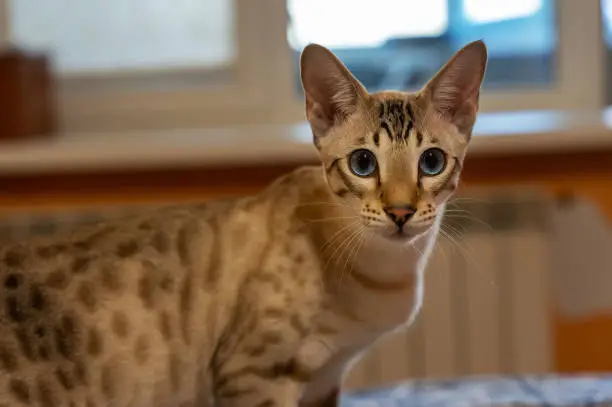
Imagine owning a cat that looks remarkably similar to a miniature tiger but has the loving temperament of a household pet. That’s exactly what makes Toyger domestic cats so fascinating. These stunning felines have captured the attention of cat enthusiasts worldwide thanks to their bold tiger-like stripes, muscular bodies, and affectionate personalities.
Despite their exotic appearance, Toygers are fully domestic cats. They were selectively bred to resemble wild tigers while maintaining the friendly and manageable traits that make domestic cats excellent companions.
In recent years, the popularity of the miniature tiger cat has grown significantly. Families, singles, and experienced cat owners alike are drawn to the Toyger’s unique appearance and engaging personality.
Whether you’re researching the breed or considering bringing one home, this guide covers everything from Toyger history and temperament to care requirements and ownership costs.
You may also enjoy learning about rare cat breeds, best indoor cats for families, cat breed comparisons, and how to choose the perfect cat for your lifestyle.
What Is a Toyger Domestic Cat?
The Toyger is one of the most distinctive modern cat breeds. Its appearance is carefully designed to mimic a small tiger while remaining completely domestic in nature.
Definition of the Toyger Breed
A Toyger is a selectively bred domestic cat developed to resemble a tiger. The breed combines striking striped markings with a gentle and social temperament.
Unlike wild cat hybrids, Toygers are bred exclusively from domestic cat lines and are recognized as companion animals.
Key Characteristics
- Tiger-like striped coat
- Muscular body structure
- Friendly disposition
- High intelligence
- Excellent trainability
Why They Are Called Mini Tiger Cats
The name “Toyger” is a combination of:
- Toy
- Tiger
The goal of breeders was to create a cat that looked like a scaled-down tiger without introducing wild genetics.
Distinctive features include:
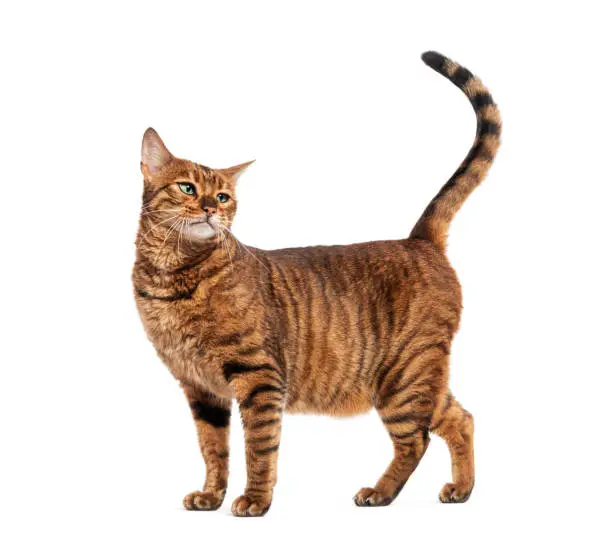
- Bold vertical stripes
- Orange background coat
- Strong physique
- Unique facial markings
These characteristics contribute to the Toyger’s reputation as a miniature tiger.
Are Toygers Wild or Domestic?
This is one of the most common misconceptions about the breed.
Toygers are completely domestic cats.
Although they resemble wild tigers, they:
- Have no tiger DNA
- Are not wild cat hybrids
- Possess domestic cat temperaments
- Thrive in household environments
Their appearance is the result of careful selective breeding rather than wild ancestry.
Origins of the Breed
The Toyger originated in the United States during the late twentieth century.
Breeders sought to develop a cat that:
- Resembled a tiger visually
- Had a gentle personality
- Promoted awareness of tiger conservation
The project ultimately resulted in one of the most recognizable modern cat breeds.
Recognition by Cat Associations
The breed gained recognition through years of careful development and standardization.
Today, Toygers are recognized by several major cat organizations and regularly participate in cat shows around the world.
How Rare Are Toyger Cats?
Toygers remain relatively rare compared to popular breeds such as:
- Maine Coon
- Persian
- Siamese
- Ragdoll
Their rarity contributes to:
- Higher purchase prices
- Limited breeder availability
- Strong demand among enthusiasts
Toyger Domestic Cat Overview
Before diving deeper into the breed, here’s a quick overview of the Toyger’s most important characteristics.
Quick Breed Facts
| Characteristic | Details |
|---|---|
| Origin | United States |
| Lifespan | 12–18 Years |
| Weight | 7–15 Pounds |
| Height | 9–13 Inches |
| Coat Type | Short, Dense, Plush |
| Temperament | Friendly, Intelligent, Social |
| Activity Level | Moderate to High |
| Intelligence | Very High |
| Family Compatibility | Excellent |
Toyger Breed Summary Table
| Trait | Details |
| Origin | United States |
| Lifespan | 12–18 Years |
| Weight | 7–15 Pounds |
| Coat Type | Short and Dense |
| Energy Level | Moderate to High |
| Family Friendly | Yes |
Why People Love Toyger Cats
Owners frequently praise Toygers for their:
- Unique tiger-like appearance
- Affectionate nature
- Intelligence
- Trainability
- Adaptability
- Social behavior
These qualities make them ideal companions for many households.
History and Development of Toyger Domestic Cats
The Toyger’s history is fascinating because it is one of the few breeds intentionally developed to resemble a specific wild animal.
Who Created the Toyger?
The Toyger was developed by Judy Sugden, an American breeder and daughter of Jean Mill, who created the Bengal cat breed.
Judy envisioned a domestic cat that could inspire appreciation for the beauty of wild tigers.
Her breeding efforts eventually produced what is now known as the Toyger.
The Inspiration Behind the Breed
The idea originated from the desire to create:
- A tiger-like house cat
- A visually striking companion
- A breed that promoted conservation awareness
The project was never intended to create a wild hybrid.
Instead, it focused entirely on domestic cats.
Breeding Domestic Cats to Resemble Tigers
Creating the Toyger required careful selection of cats displaying desirable features.
Breeders prioritized:
- Vertical striping
- Muscular bodies
- Long frames
- Broad noses
- Distinct facial markings
Over multiple generations, these traits became more refined.
Foundation Breeds Used
The Toyger’s development involved several domestic cat lines.
Important contributors included:
- Domestic short-haired tabbies
- Bengal cats
- Select striped domestic cats
These foundation cats helped establish the breed’s signature appearance.
Modern Breed Development
Modern breeding programs continue to improve:
- Coat pattern clarity
- Stripe contrast
- Body structure
- Health characteristics
Today’s Toygers more closely resemble miniature tigers than early generations.
Toygers and Tiger Conservation Awareness
One of the breed’s most interesting goals is conservation awareness.
The Toyger serves as a reminder of:
- Tiger beauty
- Habitat preservation
- Wildlife conservation challenges
Although Toygers are domestic pets, they often inspire conversations about endangered tiger populations.
Physical Appearance of Toyger Domestic Cats
The Toyger’s appearance is what initially attracts most people to the breed.
Overall Tiger-Like Appearance
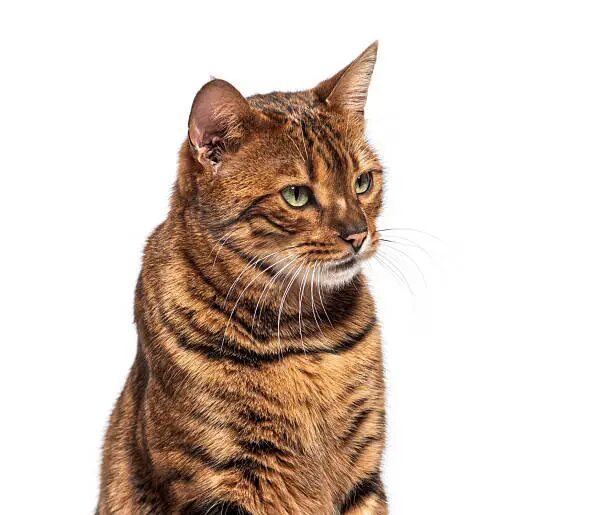
The Toyger’s most notable characteristic is its resemblance to a tiger.
Key visual features include:
- Dark stripes
- Orange coat
- Muscular build
- Powerful gait
These elements combine to create a truly unique look.
Body Structure and Build
Toygers possess a strong and athletic physique.
Characteristics include:
- Long body
- Broad chest
- Well-developed muscles
- Strong shoulders
This build contributes significantly to their tiger-like image.
Size and Weight
Toygers are medium-to-large cats.
Typical Weight Range
| Gender | Weight |
| Male | 10–15 lbs |
| Female | 7–12 lbs |
Their muscular structure often makes them appear larger than they actually are.
Muscular Frame
The breed standard emphasizes:
- Strength
- Balance
- Athleticism
Despite their powerful appearance, Toygers remain graceful and agile.
Head Shape
The Toyger’s head differs from many other domestic breeds.
Features include:
- Broad contours
- Strong jawline
- Wide muzzle
- Rounded shape
These characteristics help create the breed’s distinctive tiger expression.
Facial Features
Toygers display unique facial traits such as:
- Prominent whisker pads
- Broad nose
- Strong chin
- Deep muzzle
Their faces are intentionally designed to mimic tiger features.
Eye Colors
Common eye colors include:
- Amber
- Gold
- Green
- Hazel
Bright eye colors enhance their exotic appearance.
Tail Characteristics
The Toyger’s tail is:
- Long
- Thick
- Well-balanced
- Rounded at the tip
The tail complements the breed’s overall proportions.
Walking Style and Movement
Toygers move with remarkable confidence.
Owners often describe their movement as:
- Smooth
- Powerful
- Graceful
- Deliberate
Their walk is one of the breed’s most impressive features.
Toyger Cat Coat Colors and Patterns
The coat is arguably the defining feature of Toyger domestic cats.
Brown Mackerel Tabby Pattern
The traditional Toyger coat is based on a modified brown mackerel tabby pattern.
Characteristics include:
- Orange background color
- Dark stripes
- High contrast
- Distinct patterning
This pattern serves as the foundation of the breed standard.
Orange and Black Stripes
The ideal Toyger coat features:
- Rich orange coloration
- Bold black markings
- Strong visual contrast
These markings create the illusion of a miniature tiger.
Vertical Tiger Striping
Unlike many tabby cats that display horizontal or swirling patterns, Toygers are bred for vertical striping.
This feature is one of the breed’s most important identifiers.
High Contrast Markings
Show-quality Toygers typically display:
- Clear stripe edges
- Strong contrast
- Minimal fading
- Consistent patterns
Higher contrast generally results in a more tiger-like appearance.
Glittered Coat Appearance
Some Toygers possess a subtle glitter effect in their coats.
This shimmering appearance can make the fur appear luminous under natural light.
Rare Color Variations
Occasionally, Toygers may display slight variations in:
- Background coloration
- Stripe intensity
- Pattern arrangement
However, breeders generally prioritize classic tiger coloring.
Show Quality Pattern Standards
Show-quality Toygers are evaluated based on:
- Stripe clarity
- Coat contrast
- Pattern distribution
- Overall appearance
Cats that closely match breed standards often command premium prices.
Toyger Domestic Cat Personality
While their appearance attracts attention, their personality is what truly wins people over.
Friendly Nature
Toygers are known for being exceptionally friendly.
They generally enjoy:
- Human interaction
- Family activities
- Attention from guests
- Social engagement
Unlike some aloof breeds, Toygers typically seek companionship.
Affection Toward Owners
Many Toygers form strong bonds with their families.
Common affectionate behaviors include:
- Following owners around the house
- Sitting nearby
- Sleeping close to family members
- Seeking physical contact
Their affectionate nature often surprises first-time owners.
Intelligence Level
Toygers are highly intelligent cats.
They frequently excel at:
- Puzzle solving
- Interactive toys
- Learning routines
- Training exercises
Their intelligence makes them one of the more trainable cat breeds.
Curiosity and Exploration
A Toyger rarely ignores something new.
These cats love:
- Exploring rooms
- Investigating objects
- Observing activity
- Solving challenges
Their curiosity helps keep them mentally engaged.
Emotional Sensitivity
Although Toygers are confident cats, they are also emotionally aware of their surroundings. They often respond to their owners’ moods and enjoy being part of daily household activities.
Many Toygers display:
- Strong emotional bonds
- Desire for companionship
- Sensitivity to routine changes
- Loyalty toward family members
Because of their social nature, they generally do best in homes where they receive regular interaction and attention.
Social Personality
Toygers are naturally social cats.
They usually enjoy:
- Meeting visitors
- Participating in family activities
- Playing with children
- Interacting with other pets
Unlike some independent cat breeds, Toygers often prefer being involved in whatever their owners are doing.
Loyalty to Family Members
Many owners describe Toygers as “dog-like” because of their loyalty.
Common signs of attachment include:
- Following owners around the home
- Greeting people at the door
- Sleeping near family members
- Seeking attention throughout the day
This loyalty is one reason the breed is so popular among families.
Temperament of Toyger Domestic Cats
The Toyger’s temperament is one of its greatest strengths. Their combination of intelligence, friendliness, and adaptability makes them suitable for many types of households.
Are Toygers Good Family Cats?
Yes, Toygers are considered excellent family cats.
They are often:
- Gentle with children
- Friendly toward guests
- Adaptable to busy households
- Playful without being overly demanding
Their balanced temperament makes them a great fit for family life.
Behavior Around Strangers
Most Toygers are naturally confident and curious.
When meeting new people, they may:
- Approach cautiously
- Observe from a distance
- Quickly warm up to visitors
Unlike shy breeds, Toygers are usually comfortable around guests.
Playfulness
Toygers remain playful well into adulthood.
Favorite activities often include:
- Chasing toys
- Playing fetch
- Climbing cat trees
- Interactive games
Their playful nature helps strengthen the bond between cat and owner.
Adaptability
Toygers generally adapt well to:
- New homes
- Apartment living
- Travel situations
- Family changes
- Multi-pet households
Their flexibility makes them easier to care for than many specialized breeds.
Confidence and Courage
The Toyger’s tiger-like appearance is matched by a confident personality.
These cats often:
- Explore unfamiliar spaces
- Investigate new objects
- Handle change relatively well
Their confidence contributes to their outgoing nature.
Independence vs Companionship
Toygers can entertain themselves for short periods but usually prefer companionship.
They thrive when they receive:
- Daily interaction
- Mental stimulation
- Regular play sessions
Owners who spend significant time at home often find Toygers particularly rewarding.
Toyger Domestic Cat Behavior
Understanding Toyger behavior can help owners provide a happier and healthier environment.
Daily Activity Levels
Toygers have moderate-to-high activity levels.
They enjoy:
- Running
- Jumping
- Exploring
- Interactive play
Daily exercise helps prevent boredom and weight gain.
Hunting Instincts
Although completely domestic, Toygers retain natural hunting instincts.
You may notice them:
- Stalking toys
- Pouncing on moving objects
- Chasing feather wands
- Playing hunting-style games
Providing appropriate outlets for these instincts keeps them mentally stimulated.
Vocalization Habits
Toygers are generally moderate vocalizers.
Common sounds include:
- Soft meows
- Chirps
- Trills
- Gentle vocal requests
They communicate effectively without being excessively noisy.
Indoor Behavior
Toygers are excellent indoor cats.
Inside the home they typically:
- Explore their surroundings
- Observe activity from elevated locations
- Play with toys
- Seek social interaction
A stimulating indoor environment is ideal.
Curiosity and Problem-Solving
One hallmark of the breed is curiosity.
Toygers frequently:
- Investigate new items
- Learn how objects work
- Solve food puzzles
- Discover hidden treats
Their intelligence makes mental enrichment particularly important.
Common Behavioral Traits
Typical Toyger behaviors include:
- Following owners
- Greeting family members
- Playing fetch
- Climbing furniture
- Observing household activities
Many owners compare their behavior to that of highly trainable dogs.
Toyger Cat Size and Growth
Toygers are medium-to-large cats with athletic builds.
Average Weight by Gender
| Gender | Average Weight |
|---|---|
| Male Toyger | 10–15 lbs |
| Female Toyger | 7–12 lbs |
Individual cats may fall outside these ranges depending on genetics and lifestyle.
Height and Body Length
Most Toygers reach:
- Height: 9–13 inches
- Length: 18–24 inches or more
Their long bodies contribute significantly to their tiger-like appearance.
Growth Stages
Kitten Stage (0–12 Months)
During kittenhood, Toygers experience rapid growth and development.
Adolescent Stage (1–2 Years)
Muscle mass increases and adult features become more pronounced.
Adult Stage (2–3 Years)
Most Toygers reach full maturity between two and three years of age.
Full-Grown Toyger Cat Size
A mature Toyger typically exhibits:
- Broad shoulders
- Strong muscles
- Deep chest
- Athletic posture
These features help create the breed’s distinctive look.
Growth Chart
| Age | Average Weight |
| 3 Months | 3–5 lbs |
| 6 Months | 5–8 lbs |
| 12 Months | 8–12 lbs |
| 18 Months | 9–14 lbs |
| Adult | 7–15 lbs |
Caring for Toyger Domestic Cats
Although Toygers are relatively easy to care for, they still require consistent attention and enrichment.
Daily Care Requirements
A healthy routine should include:
- Fresh water
- High-quality food
- Interactive play
- Clean litter boxes
- Social interaction
Consistency helps maintain both physical and emotional well-being.
Creating a Safe Environment
A Toyger-friendly home should provide:
- Safe climbing areas
- Scratching posts
- Comfortable resting spots
- Secure windows and balconies
Safety is particularly important because of their curiosity.
Indoor vs Outdoor Living
Most breeders recommend indoor living.
Benefits include:
- Increased lifespan
- Reduced injury risk
- Better disease prevention
- Protection from predators
Supervised outdoor experiences can be provided through leash training.
Environmental Enrichment
Toygers thrive when their environment offers stimulation.
Helpful enrichment tools include:
- Puzzle feeders
- Cat tunnels
- Interactive toys
- Window perches
- Cat trees
Enrichment reduces boredom and encourages healthy behavior.
Mental Stimulation Needs
Mental exercise is essential for this intelligent breed.
Activities may include:
- Training sessions
- Puzzle toys
- Hide-and-seek games
- Food challenges
A mentally stimulated Toyger is often happier and more content.
Building Healthy Routines
Cats appreciate predictable schedules.
Establish routines for:
- Feeding
- Playtime
- Grooming
- Rest periods
Consistency promotes emotional security.
Toyger Cat Diet and Nutrition
Proper nutrition is one of the most important factors affecting health and longevity.
Nutritional Requirements
Toygers require diets rich in:
- Animal protein
- Healthy fats
- Vitamins
- Minerals
- Taurine
High-quality protein should always be the foundation of their diet.
Best Food for Toygers
Look for foods that contain:
- Real meat as the first ingredient
- Balanced nutrients
- Minimal fillers
- Age-appropriate formulas
Premium diets support muscle maintenance and overall health.
Wet Food vs Dry Food
Wet Food Benefits
- Increased hydration
- Often more palatable
- Lower carbohydrate content
Dry Food Benefits
- Convenience
- Longer shelf life
- Easy portion management
Many owners choose a combination of both.
Feeding Schedule by Age
| Age | Meals Per Day |
| 0–6 Months | 3–4 |
| 6–12 Months | 2–3 |
| Adults | 2 |
| Seniors | 2 Small Meals |
Foods to Avoid
Never feed:
- Chocolate
- Garlic
- Onions
- Grapes
- Raisins
- Alcohol
- Xylitol-containing products
Many human foods can be toxic to cats.
Maintaining a Healthy Weight
To prevent obesity:
- Monitor portions carefully
- Avoid excessive treats
- Encourage exercise
- Schedule routine weigh-ins
Weight management is essential for long-term health.
Grooming Toyger Domestic Cats
One of the advantages of owning a Toyger is its relatively low-maintenance coat.
Coat Maintenance
Their short coat is:
- Dense
- Plush
- Easy to care for
Regular grooming helps keep it looking its best.
Brushing Requirements
Weekly brushing is usually sufficient.
Benefits include:
- Reduced shedding
- Healthier skin
- Improved coat shine
- Stronger owner-cat bond
Bathing Needs
Most Toygers rarely need baths.
Bathing may only be necessary when:
- Excessively dirty
- Preparing for shows
- Exposed to substances requiring removal
Nail Trimming
Trim nails approximately every:
2–4 weeks
Regular trimming helps prevent overgrowth and accidental scratches.
Ear Cleaning
Check ears regularly for:
- Wax buildup
- Redness
- Debris
- Unusual odors
Clean only as needed using veterinarian-approved products.
Dental Hygiene
Good dental care can help prevent:
- Gingivitis
- Tooth decay
- Bad breath
- Periodontal disease
Regular brushing and veterinary cleanings are recommended.
Seasonal Grooming Tips
During seasonal shedding periods:
- Increase brushing frequency
- Vacuum more often
- Wash bedding regularly
These practices help manage loose fur.
Exercise Requirements for Toyger Cats
Toygers require daily activity to remain physically fit and mentally satisfied.
Daily Exercise Needs
Most Toygers benefit from:
20–45 minutes of active play each day
Regular exercise helps maintain:
- Healthy weight
- Strong muscles
- Emotional well-being
Interactive Play Sessions
Interactive games strengthen the bond between owner and cat.
Popular activities include:
- Feather wand play
- Ball chasing
- Fetch games
- Obstacle courses
Best Toys for Toygers
Recommended toys include:
- Wand toys
- Interactive mice
- Ball tracks
- Laser toys
- Treat puzzles
Rotating toys helps maintain interest.
Puzzle Feeders
Puzzle feeders provide:
- Mental stimulation
- Slower eating
- Problem-solving opportunities
They are especially useful for intelligent breeds.
Cat Trees and Climbing Structures
Toygers enjoy elevated spaces.
Cat trees offer:
- Exercise
- Observation points
- Scratching opportunities
- Entertainment
Preventing Boredom
To reduce boredom:
- Rotate toys regularly
- Introduce new challenges
- Schedule daily play sessions
- Provide climbing opportunities
A busy Toyger is typically a happy Toyger.
Toyger Domestic Cat Health Issues
Toyger domestic cats are generally considered a healthy breed. However, like all cats, they can be prone to certain health conditions. Understanding these potential issues allows owners to provide better preventive care and improve their cat’s quality of life.
Overall Breed Health
The Toyger benefits from careful breeding programs aimed at maintaining strong health and genetic diversity.
Most healthy Toygers are:
- Active and energetic
- Physically robust
- Long-lived
- Adaptable to indoor living
Regular veterinary care remains essential throughout their lives.
Common Health Problems
While Toygers are not known for numerous breed-specific diseases, they may occasionally experience:
- Obesity
- Dental disease
- Heart conditions
- Urinary tract issues
- Digestive sensitivities
Routine checkups help identify concerns before they become serious.
Heart Conditions
Some Toygers may be at risk for hypertrophic cardiomyopathy (HCM), a heart disease seen in various cat breeds.
Possible symptoms include:
- Fatigue
- Difficulty breathing
- Reduced activity
- Fainting episodes
Responsible breeders often screen breeding cats to reduce the risk.
Obesity Risks
Because Toygers enjoy eating and often adapt well to indoor life, weight gain can become a concern.
Obesity may contribute to:
- Diabetes
- Joint stress
- Reduced mobility
- Cardiovascular problems
Proper diet and exercise are important preventive measures.
Dental Disease
Dental health is frequently overlooked by cat owners.
Without proper care, Toygers may develop:
- Plaque buildup
- Gingivitis
- Tooth loss
- Bad breath
Regular brushing and professional cleanings can help maintain oral health.
Genetic Health Concerns
Compared to many purebred cats, Toygers have relatively few known hereditary disorders.
Nevertheless, responsible breeders should provide:
- Health records
- Genetic testing information
- Veterinary documentation
Always ask about family health history before purchasing a kitten.
Preventive Healthcare
A good preventive care plan includes:
| Healthcare Task | Recommended Frequency |
|---|---|
| Wellness Exams | Annually |
| Vaccinations | As Recommended |
| Dental Checks | Annually |
| Parasite Prevention | Year-Round |
| Weight Monitoring | Ongoing |
Preventive care often saves money and improves long-term health.
Toyger Cat Lifespan
One reason many people choose Toygers is their relatively long lifespan.
Average Life Expectancy
Most Toygers live:
12–18 years
With excellent care, some individuals may live even longer.
Factors Affecting Longevity
Several factors influence lifespan:
- Genetics
- Diet quality
- Exercise
- Veterinary care
- Stress levels
- Indoor living
Healthy lifestyle choices can significantly impact longevity.
Indoor vs Outdoor Lifespan
Indoor Toygers generally live longer because they face fewer risks such as:
- Traffic accidents
- Predators
- Infectious diseases
- Environmental hazards
For most owners, indoor living is the safest option.
Senior Toyger Care
As Toygers age, they may require:
- More frequent veterinary visits
- Joint support supplements
- Softer sleeping areas
- Specialized senior diets
Older cats benefit from increased monitoring and comfort.
Tips for a Longer Life
To maximize lifespan:
- Feed a balanced diet
- Maintain healthy weight
- Encourage exercise
- Schedule regular checkups
- Provide mental stimulation
These simple habits can make a significant difference.
Are Toyger Domestic Cats Hypoallergenic?
Many prospective owners wonder whether Toygers are suitable for allergy sufferers.
Understanding Cat Allergies
Most cat allergies are triggered by proteins found in:
- Saliva
- Dander
- Skin oils
These allergens spread through the home during grooming and shedding.
Allergen Production
Toygers produce the same allergens found in most domestic cats.
As a result, they are not considered hypoallergenic.
Shedding and Allergies
Although Toygers have short coats, they still shed enough to spread allergens throughout the home.
People with severe allergies should spend time around the breed before making a commitment.
Allergy Management Tips
Helpful strategies include:
- Frequent brushing
- HEPA air filtration
- Regular vacuuming
- Washing bedding frequently
- Maintaining pet-free sleeping areas
These steps may reduce allergy symptoms.
Are Toygers Suitable for Allergy Sufferers?
Some individuals find Toygers easier to tolerate than long-haired breeds, but there is no guarantee.
Each person’s sensitivity level differs.
Toyger Cat Shedding
How Much Do Toygers Shed?
Toygers are considered moderate shedders.
Owners can expect:
- Light year-round shedding
- Increased seasonal shedding
- Manageable grooming needs
Seasonal Shedding Cycles
Shedding often increases during:
- Spring
- Autumn
During these periods, more frequent brushing is recommended.
Managing Hair Around the Home
To control fur:
- Brush regularly
- Vacuum frequently
- Use lint rollers
- Wash cat bedding often
Simple habits help keep shedding under control.
Grooming to Reduce Shedding
Routine grooming provides several benefits:
- Removes loose fur
- Improves coat condition
- Reduces allergens
- Strengthens owner-cat bonding
Toyger Domestic Cats and Families
Toygers are often described as ideal family companions.
Good with Children
Toygers typically do well with respectful children.
Their strengths include:
- Patience
- Playfulness
- Social behavior
- Adaptability
Supervised interactions are always recommended with younger children.
Suitable for Seniors
Many seniors appreciate Toygers because they are:
- Affectionate
- Entertaining
- Easy to groom
- Moderately active
Their companionship can be especially rewarding.
Apartment Living
Toygers adapt surprisingly well to apartment environments.
Success depends on providing:
- Exercise opportunities
- Climbing structures
- Interactive toys
A stimulating indoor space is more important than square footage.
First-Time Cat Owners
Toygers can be an excellent choice for beginners because they are:
- Intelligent
- Friendly
- Adaptable
- Relatively easy to train
Busy Households
Their social nature often allows them to thrive in active family environments.
However, they still appreciate dedicated attention and playtime.
Toyger Domestic Cats and Other Pets
Toygers are generally sociable animals that coexist well with other pets.
Living with Dogs
Many Toygers successfully share homes with dogs.
Their confident personalities help them adapt to canine companions.
Living with Other Cats
Toygers often enjoy feline companionship.
Benefits may include:
- Reduced boredom
- Increased play opportunities
- Social interaction
Introducing New Pets
Successful introductions should be gradual.
Recommended steps:
- Separate living spaces initially
- Controlled scent exchange
- Visual introductions
- Supervised interactions
Patience is essential.
Multi-Pet Households
Toygers often excel in multi-pet homes when introductions are handled properly.
Managing Territorial Issues
To reduce conflicts:
- Provide multiple litter boxes
- Offer separate feeding stations
- Create multiple resting areas
These measures help maintain harmony.
Training Toyger Domestic Cats
Toygers are among the easiest cat breeds to train.
Trainability of Toygers
Their intelligence and curiosity make learning enjoyable.
They often respond well to:
- Positive reinforcement
- Clicker training
- Interactive games
Litter Box Training
Most Toyger kittens learn litter habits quickly when provided with:
- Clean litter boxes
- Consistent placement
- Positive experiences
Leash Training
Many Toygers enjoy leash walking.
Benefits include:
- Safe outdoor exploration
- Additional exercise
- Mental stimulation
Clicker Training
Clicker training can teach behaviors such as:
- Sitting
- Coming when called
- Target touching
- High-fives
Teaching Tricks
Toygers commonly learn:
- Fetch
- Spin
- Jump commands
- Object retrieval
Positive Reinforcement Techniques
Effective rewards include:
- Treats
- Praise
- Toys
- Affection
Punishment-based methods should be avoided.
Toyger Domestic Cat Cost
Toygers are considered a premium cat breed.
How Much Does a Toyger Cost?
Most Toygers cost between:
$1,500 and $5,000+
Pricing depends on pedigree, breeder reputation, and quality.
Toyger Kitten Prices
| Type | Estimated Price |
| Pet Quality | $1,500–$3,500 |
| Show Quality | $3,500–$5,000+ |
Show Quality Toyger Costs
Show-quality cats often command higher prices due to:
- Superior markings
- Strong pedigrees
- Breed-standard traits
Annual Ownership Expenses
Owners should budget for:
- Food
- Veterinary care
- Litter
- Toys
- Insurance
Annual costs often range from $800–$2,500+.
Veterinary Costs
Routine veterinary expenses may include:
- Vaccinations
- Wellness exams
- Dental cleanings
- Emergency care
Insurance Costs
Pet insurance can help manage unexpected medical expenses and may provide peace of mind.
Toyger Domestic Cats for Sale
Where to Buy a Toyger
Potential sources include:
- Registered breeders
- Breed-specific catteries
- Rescue organizations
Finding Reputable Breeders
Look for breeders who:
- Provide health guarantees
- Share health testing results
- Prioritize kitten socialization
Questions to Ask Breeders
Important questions include:
- Have the parents been health tested?
- What vaccinations have been completed?
- Can I review health records?
Red Flags to Avoid
Be cautious if a breeder:
- Refuses documentation
- Offers unusually low prices
- Sells kittens too young
- Avoids questions
Buying a Toyger Online
Always verify breeder credentials before making payments online.
Toyger Kittens
What to Expect from a Toyger Kitten
Toyger kittens are:
- Curious
- Energetic
- Social
- Intelligent
They require guidance, enrichment, and early socialization.
Early Development Stages
| Age | Development Milestone |
| 8 Weeks | Weaning Complete |
| 12 Weeks | Increased Independence |
| 6 Months | Adolescence Begins |
| 12 Months | Near Adult Size |
| 2–3 Years | Full Maturity |
Socialization Requirements
Early exposure to:
- People
- Sounds
- Other pets
- New experiences
helps create confident adults.
Kitten Care Checklist
Essential supplies include:
- Litter box
- Carrier
- Food bowls
- Toys
- Scratching posts
- Cat bed
Preparing Your Home
Create a safe space before bringing a kitten home.
Toyger Cat Adoption
Can You Adopt a Toyger?
Yes, although they are relatively uncommon in shelters.
Adoption Benefits
Advantages include:
- Lower cost
- Giving a cat a second chance
- Supporting rescue efforts
Rescue Organizations
Occasionally, breed-specific rescue groups may have Toygers available.
Adoption Process
Most rescues require:
- Application
- Interview
- Home assessment
- Adoption agreement
Preparing for Adoption
Ensure your home is ready with:
- Food
- Bedding
- Litter supplies
- Toys
Toyger Domestic Cats vs Other Breeds
Toyger vs Bengal Cat
| Feature | Toyger | Bengal |
| Appearance | Tiger-like | Leopard-like |
| Energy Level | Moderate | High |
| Temperament | Relaxed | Very Active |
Toyger vs Savannah Cat
Savannah cats tend to be larger and more energetic than Toygers.
Toyger vs Egyptian Mau
Egyptian Maus are naturally spotted, while Toygers feature deliberate tiger striping.
Toyger vs Ocicat
Ocicats display spotted patterns, while Toygers emphasize tiger stripes.
Toyger vs Domestic Shorthair
Toygers possess a more specialized appearance and pedigree.
Toyger vs Maine Coon
Maine Coons are larger and long-haired, while Toygers focus on a sleek tiger-like appearance.
Pros and Cons of Owning Toyger Domestic Cats
Advantages
- Stunning tiger-like appearance
- Friendly personality
- Intelligent and trainable
- Family-oriented
- Adaptable to many living situations
Challenges
- Expensive to purchase
- Rare breed
- Requires enrichment and attention
- Limited breeder availability
Is a Toyger the Right Cat for You?
If you want an exotic-looking but fully domestic companion, the Toyger may be an excellent choice.
Interesting Facts About Toyger Domestic Cats
Why They Resemble Tigers
The breed was intentionally developed to mimic the appearance of wild tigers.
Unique Breed Characteristics
- Vertical striping
- Muscular body
- Dog-like loyalty
- High intelligence
Rare Breed Status
Toygers remain one of the rarer cat breeds globally.
Toyger Breed Milestones
The breed continues to gain recognition among cat enthusiasts and breeders.
Fun Facts Cat Owners Should Know
- Every Toyger has unique stripes.
- Many enjoy playing fetch.
- They are entirely domestic despite their appearance.
- Some adapt very well to leash training.
Toyger Cat Breed Standards
Official Breed Requirements
Breed standards emphasize:
- Tiger-like striping
- Muscular physique
- Long body
- Strong facial features
Show Cat Characteristics
Ideal show cats display:
- High contrast markings
- Excellent body structure
- Distinct pattern clarity
Desired Coat Features
The coat should exhibit:
- Rich color
- Sharp striping
- Strong contrast
Desired Body Structure
Judges typically favor:
- Athletic build
- Broad chest
- Powerful appearance
Common Faults and Disqualifications
Significant deviations from breed standards may reduce show eligibility.
Living with a Toyger Domestic Cat
Daily Life with a Toyger
Living with a Toyger is often described as entertaining and rewarding.
Travel and Transportation
Many Toygers adjust well to travel when introduced gradually.
Managing Separation Anxiety
Because they enjoy companionship, prolonged isolation should be minimized.
Preventing Destructive Behaviors
Provide:
- Toys
- Climbing structures
- Daily play
- Mental challenges
Building a Strong Bond
Strong relationships develop through:
- Consistent interaction
- Positive reinforcement
- Shared routines
Frequently Asked Questions (FAQs)
Are Toyger cats truly domestic cats?
Yes. Toygers are completely domestic cats with no tiger ancestry.
What makes a Toyger look like a tiger?
Their vertical stripes, orange coat, muscular build, and facial features.
How much does a Toyger cat cost?
Typically between $1,500 and $5,000 or more.
Are Toyger cats rare?
Yes, they remain relatively uncommon worldwide.
Are Toygers good family pets?
Absolutely. They are friendly, social, and adaptable.
Do Toyger cats shed a lot?
They are moderate shedders with manageable grooming needs.
Are Toygers hypoallergenic?
No, they are not considered hypoallergenic.
Can Toygers live in apartments?
Yes, provided they receive sufficient exercise and enrichment.
How long do Toyger cats live?
Most live between 12 and 18 years.
Are Toyger cats easy to train?
Yes, they are highly intelligent and trainable.
Do Toygers get along with dogs?
Generally, yes, especially when introductions are handled properly.
Can Toyger cats be left alone?
For short periods, yes, but they prefer companionship and interaction.
Conclusion
Summary of Toyger Domestic Cats
The Toyger domestic cat combines a breathtaking miniature tiger appearance with the gentle temperament of a household companion. Its striking coat, intelligence, and affectionate nature make it one of the most desirable exotic-looking cat breeds available today.
Key Highlights
- Unique miniature tiger appearance
- Fully domestic temperament
- Friendly and affectionate personality
- Highly intelligent and trainable
- Suitable for families and multi-pet homes
Who Should Own a Toyger?
The Toyger is an excellent choice for:
- Families with children
- Singles seeking companionship
- Seniors
- Experienced cat owners
- Multi-pet households
Final Thoughts
Toygers are among the most fascinating modern cat breeds ever developed. They offer the beauty of a wild tiger in a completely domestic package. While ownership requires commitment, proper care, and financial planning, the rewards are substantial.
As awareness of the breed continues to grow, Toyger domestic cats are likely to become even more popular among cat lovers seeking a unique, intelligent, and affectionate companion. Their combination of stunning looks and wonderful personalities ensures they will remain one of the most admired companion cats in the world.