The Manx cat is one of the most recognizable cat breeds in the world, famous for its naturally short or completely absent tail. But there’s far more to this remarkable feline than its unusual appearance. Known for its playful personality, dog-like loyalty, and strong hunting instincts, the Manx has earned a devoted following among cat lovers worldwide.
Originating on the picturesque Isle of Man, this breed developed naturally over centuries through a spontaneous genetic mutation. Today, Manx cats are admired not only for their distinctive looks but also for their affectionate temperament, intelligence, and adaptability.
Whether you’re considering adopting a Manx kitten or simply want to learn more about this fascinating breed, this guide covers everything you need to know—from history and personality to grooming, health concerns, and ownership costs.
In this comprehensive article, you’ll discover:
- The history and origin of the Manx cat
- Physical characteristics and tail variations
- Personality and behavior
- Health issues and Manx Syndrome
- Care, grooming, and feeding tips
- Training advice
- Price and adoption information
- Frequently asked questions
If you’re also interested in learning about other unique cat breeds, check out our American Bobtail cat guide, Cymric cat breed profile, and best family-friendly cat breeds for helpful comparisons.
What Is a Manx Cat?
Overview of the Breed
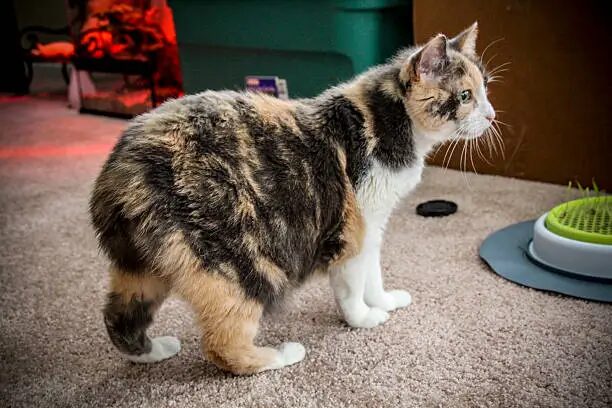
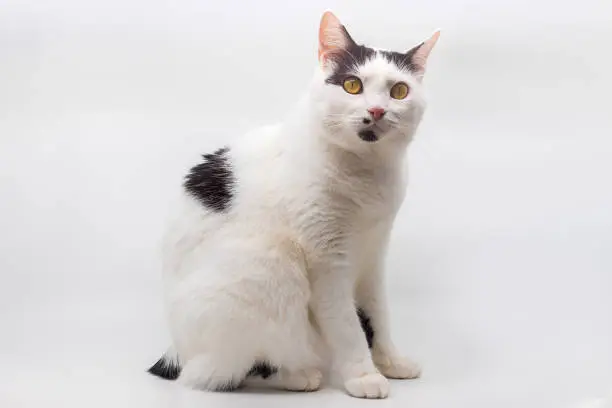
The Manx cat is a medium-sized domestic cat breed best known for its naturally shortened tail—or complete lack of one. While many people assume every Manx is tailless, that’s actually a misconception. Some Manx cats have tiny tails, while others have nearly full-length tails.
This breed is muscular, athletic, and surprisingly agile. Their rounded body shape, broad chest, and powerful hind legs give them a rabbit-like appearance, especially when they run.
Unlike many breeds developed through selective breeding, the Manx evolved naturally. Their taillessness is caused by a dominant genetic mutation that occurred hundreds of years ago on the Isle of Man.
Because of their intelligence and affectionate nature, Manx cats often develop deep bonds with their owners. Many owners describe them as “dog-like” because they enjoy following people around the house and even learning tricks.
Breed Classification
The Manx belongs to the category of natural cat breeds, meaning it wasn’t originally created by breeders through crossbreeding.
| Feature | Details |
|---|---|
| Breed Type | Natural Breed |
| Size | Medium |
| Weight | 8–12 pounds (3.5–5.5 kg) |
| Lifespan | 12–16 years |
| Coat Length | Short or Long |
| Temperament | Friendly, Intelligent, Loyal |
| Energy Level | Moderate to High |
| Shedding | Moderate |
| Good with Kids | Yes |
| Good with Dogs | Usually Yes |
Quick Facts at a Glance
| Characteristic | Information |
| Origin | Isle of Man |
| Tail | None, short, or partial |
| Intelligence | ★★★★★ |
| Affection | ★★★★★ |
| Grooming Needs | Moderate |
| Trainability | High |
| Vocalization | Moderate |
| Family Friendly | Excellent |
| Apartment Friendly | Yes |
| First-Time Owner Friendly | Yes |
Why the Manx Cat Has No Tail
The Manx’s signature feature comes from a naturally occurring genetic mutation that affects spinal development during fetal growth.
The mutation is dominant, meaning only one parent needs to carry the gene for some kittens to inherit taillessness. However, not every kitten in a litter will be completely tailless. Some may have:
- No tail at all
- A tiny tail
- A short stump
- A nearly full-length tail
Responsible breeders carefully plan pairings because breeding two completely tailless cats together significantly increases the risk of serious spinal defects.
Interestingly, the lack of a tail doesn’t slow these cats down. In fact, Manx cats are excellent jumpers thanks to their powerful hind legs.
History and Origin of the Manx Cat
Origin on the Isle of Man
The Manx cat traces its roots to the Isle of Man, a small island located in the Irish Sea between England and Ireland.
Historians believe that cats arrived on merchant ships hundreds of years ago. Because the island was geographically isolated, a naturally occurring mutation causing shortened tails spread throughout the local cat population over generations.
Without outside breeding influences, the trait became increasingly common, eventually creating the distinctive Manx breed we know today.
Today, the Manx remains one of the Isle of Man’s most famous cultural symbols.
Legends Behind the Missing Tail
Like many ancient breeds, the Manx has inspired numerous myths and legends.
Some of the most popular stories include:
- The Manx was the last animal to board Noah’s Ark, and the door accidentally closed on its tail.
- Vikings supposedly brought tailless cats to the Isle of Man.
- Sailors believed Manx cats brought good luck aboard ships.
- Some legends suggest the breed descended from cats that swam ashore after shipwrecks.
While these stories are entertaining, scientific evidence points to a simple genetic mutation rather than folklore.
Genetic Mutation Explained
The tailless characteristic results from a mutation affecting the development of the spine.
This mutation influences:
- Tail length
- Vertebrae formation
- Pelvic structure
- Spinal alignment
Because the mutation also affects the spinal cord, responsible breeding practices are essential.
Ethical breeders never intentionally breed two completely tailless (rumpy) cats together, reducing the likelihood of severe congenital abnormalities.
Development of the Breed
As the Isle of Man became an important trading hub, sailors introduced Manx cats to Europe and North America.
Their excellent hunting abilities made them valuable aboard ships, where they controlled rodent populations.
During the late nineteenth century, breeders began preserving the breed through organized breeding programs.
Over time, breeding standards focused on:
- Rounded body shape
- Strong hindquarters
- Dense double coat
- Friendly temperament
- Healthy bloodlines
These efforts helped establish the Manx as one of the world’s most recognizable natural cat breeds.
Recognition by Cat Associations
Today, the Manx is recognized by most major cat organizations worldwide.
These organizations have established breed standards covering:
- Tail classifications
- Body proportions
- Coat texture
- Eye color
- Overall health
Long-haired Manx cats are recognized separately by some registries under the name Cymric, while others classify them simply as long-haired Manx cats.
Manx Cat Appearance
The Manx possesses one of the most distinctive silhouettes among domestic cats. Although the missing tail immediately attracts attention, the breed has many other unique physical characteristics.
Size and Weight
The Manx is considered a medium-sized but solidly built cat.
| Gender | Average Weight |
| Male | 10–12 pounds |
| Female | 8–10 pounds |
Despite their moderate size, they often feel heavier than expected due to their muscular build.
Body Shape
The Manx has a compact, rounded body with impressive strength.
Key physical features include:
- Broad chest
- Rounded back
- Deep flanks
- Powerful hindquarters
- Short front legs
- Longer rear legs
- Well-developed muscles
These proportions give the breed a distinctive rabbit-like gait when running or jumping.
Head and Facial Features
The Manx has a soft, rounded face that contributes to its friendly expression.
Typical facial characteristics include:
- Full cheeks
- Broad forehead
- Strong chin
- Rounded muzzle
- Well-developed whisker pads
- Medium-length nose
Combined, these features create an alert yet gentle appearance.
Eyes
Manx cats have large, expressive eyes that enhance their curious personality.
Eye colors vary depending on coat color and may include:
- Gold
- Copper
- Green
- Blue
- Hazel
- Odd-eyed combinations in white cats
Bright, clear eyes are a hallmark of a healthy Manx.
Ears
The ears are medium in size with rounded tips and are set wide apart on the head.
Ideal ears should:
- Tilt slightly outward
- Have soft furnishings inside
- Match the rounded appearance of the head
This balanced ear placement contributes to the breed’s distinctive expression.
Coat Types
Manx cats come in two coat varieties.
Short-haired (Shorthair)
The traditional Manx has a dense, plush double coat.
Characteristics include:
- Thick undercoat
- Soft texture
- Weather-resistant fur
- Moderate shedding
The coat feels springy rather than silky.
Long-haired (Cymric)
Long-haired Manx cats are commonly called Cymrics.
Their coats feature:
- Medium-to-long fur
- Feathered legs
- Thick neck ruff
- Plumed breeches
- Bushy appearance (despite little or no tail)
Although more grooming is required, the luxurious coat gives the Cymric an elegant appearance.
Coat Colors and Patterns
One of the breed’s strengths is its incredible variety of colors.
Common colors include:
- Black
- White
- Blue
- Cream
- Red
- Silver
- Brown
- Chocolate (rare)
- Lilac (rare)
Popular patterns include:
- Solid
- Tabby
- Calico
- Tortoiseshell
- Smoke
- Bicolor
- Colorpoint (rare)
This wide range means prospective owners can often find a Manx that matches their personal preferences while enjoying the breed’s distinctive personality.
Tail Types
One of the most fascinating aspects of the Manx cat is that not every individual is completely tailless. The breed actually comes in several tail variations, each recognized by cat registries.
Rumpy
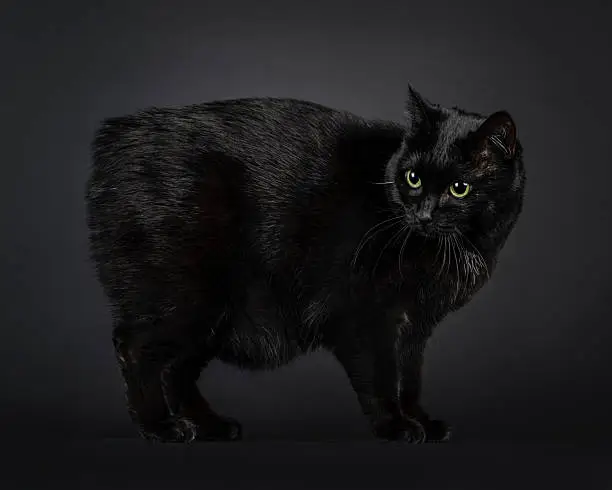
The Rumpy is the classic tailless Manx that most people picture.
Characteristics:
- Completely tailless
- Smooth, rounded rump
- Most desirable in cat shows
- Result of the strongest expression of the Manx gene
Rumpy Riser
A Rumpy Riser has one or more small vertebrae hidden beneath the fur.
These cats:
- Appear almost tailless
- May raise a tiny bump when excited
- Are also accepted in many competitions
Stumpy
The Stumpy Manx has a short, visible tail.
Features include:
- Small stump-like tail
- Flexible movement
- Healthy spinal structure in many cases
Longy
A Longy has a tail that is close to normal length.
Although not typically shown in competitions, Longies are wonderful family pets and are often used in responsible breeding programs to help reduce the risk of inherited spinal problems.
Manx Cat Personality and Temperament
The Manx is admired just as much for its personality as for its appearance. These cats are affectionate, intelligent, and deeply devoted to their families.
Unlike some independent breeds, Manx cats enjoy spending time with people and often become involved in everyday household activities.
Are Manx Cats Friendly?
Absolutely.
The Manx is known for its warm and welcoming personality. Most enjoy greeting visitors, following family members from room to room, and curling up beside their favorite humans.
They generally thrive on companionship and dislike being ignored for long periods.
Intelligence Level
The Manx is considered one of the smartest domestic cat breeds.
Their intelligence makes them excellent problem-solvers and quick learners.
Many Manx cats can:
- Open doors
- Learn routines
- Solve puzzle feeders
- Respond to their names
- Learn tricks
- Fetch toys
Providing puzzle toys and regular mental stimulation helps prevent boredom.
Loyalty to Owners
Many owners compare the Manx to a dog because of its remarkable loyalty.
Rather than bonding equally with everyone, many Manx cats choose one favorite person while still remaining affectionate toward the rest of the family.
Common behaviors include:
- Following owners around the house
- Waiting by the door
- Sleeping nearby
- Greeting family members when they return home
Playfulness
The Manx remains playful well into adulthood.
Favorite activities include:
- Chasing feather wands
- Interactive laser games
- Puzzle toys
- Fetch
- Climbing cat trees
- Hunting toy mice
Daily play sessions keep both their minds and bodies active.
Hunting Instincts
Historically, Manx cats earned their reputation as outstanding hunters aboard ships and farms.
Even indoor Manx cats retain strong prey instincts.
You may notice them:
- Stalking toys
- Watching birds through windows
- Chasing insects
- Pouncing on moving objects
Interactive toys help satisfy these natural behaviors safely.
Vocalization
Compared with highly vocal breeds, the Manx is relatively quiet.
Instead of constant meowing, they often communicate using:
- Soft chirps
- Gentle trills
- Quiet meows
- Body language
Most owners appreciate their calm communication style.
Affection Level
Manx cats are highly affectionate without being overly demanding.
They enjoy:
- Sitting beside their owners
- Gentle petting
- Family activities
- Quiet evenings together
Most dislike being isolated for long periods.
Independence
Although affectionate, Manx cats can entertain themselves when provided with enough enrichment.
Helpful items include:
- Window perches
- Puzzle feeders
- Scratching posts
- Cat trees
- Interactive toys
This balance of independence and companionship makes them suitable for many households.
Manx Cat Behavior
Understanding the breed’s behavior helps owners create a happier environment.
Activity Level
The Manx is moderately active.
Unlike extremely energetic breeds, they balance periods of play with long naps.
Expect several bursts of energy throughout the day.
Curiosity
Curiosity is one of the breed’s defining characteristics.
A Manx often investigates:
- Grocery bags
- Open cabinets
- New furniture
- Visitors
- Boxes
- Suitcases
Cat-proofing your home is a wise idea.
Climbing Ability
Despite lacking a full tail, Manx cats are impressive climbers.
They enjoy:
- Cat towers
- Window shelves
- Bookshelves
- Elevated resting spots
Providing vertical spaces enriches their daily routine.
Jumping Skills
The breed’s powerful hind legs allow for exceptional jumping ability.
They can easily leap onto:
- Countertops
- Shelves
- Beds
- Furniture
- Cat condos
Their rabbit-like hindquarters generate remarkable strength.
Water Attraction
Unlike many cats, some Manx cats show an unusual interest in water.
Owners occasionally report their cats:
- Watching faucets
- Splashing in water bowls
- Playing in sinks
- Investigating bathtubs
Not every Manx enjoys water, but curiosity about it is fairly common.
Territorial Nature
The Manx generally protects its home without being overly aggressive.
Proper introductions usually allow them to coexist peacefully with:
- Other cats
- Cat-friendly dogs
- New family members
Early socialization makes a significant difference.
Are Manx Cats Good Family Pets?
The Manx is widely considered an excellent family companion.
Their affectionate personality, intelligence, and patience allow them to adapt to many different households.
With Children
Manx cats generally do very well with respectful children.
They enjoy:
- Playing games
- Interactive toys
- Gentle cuddles
- Family activities
Teaching children proper handling ensures positive interactions.
With Seniors
Their calm yet affectionate temperament makes them wonderful companions for older adults.
Benefits include:
- Moderate grooming needs
- Loving personality
- Quiet communication
- Strong companionship
With Singles
Individuals living alone often appreciate the Manx’s loyal nature.
Many owners describe the breed as providing constant companionship without becoming overly demanding.
With Large Families
The adaptable Manx fits comfortably into busy homes.
As long as everyone treats the cat respectfully, it usually enjoys participating in family life.
Do Manx Cats Get Along With Other Pets?
The answer is generally yes—provided introductions are gradual and positive.
Other Cats
The Manx usually coexists peacefully with fellow felines.
Early introductions encourage:
- Shared play
- Grooming
- Sleeping together
- Reduced territorial behavior
Dogs
Many Manx cats adapt surprisingly well to cat-friendly dogs.
Their confidence often helps them establish comfortable relationships with canine companions.
Proper introductions remain essential.
Small Pets
Because the Manx has a strong prey drive, caution is necessary around:
- Hamsters
- Gerbils
- Rabbits
- Guinea pigs
- Reptiles
These animals should always be securely housed.
Birds
Pet birds should also remain safely enclosed.
Even a gentle Manx may instinctively chase birds due to its natural hunting instincts.
Manx Cat Lifespan
With proper care, Manx cats often enjoy long, healthy lives.
Average Life Expectancy
Most healthy Manx cats live between 12 and 16 years, though many exceed this with excellent care.
Some reach:
- 17 years
- 18 years
- Even 20 years in exceptional circumstances
Factors Affecting Lifespan
Several factors influence longevity:
- Genetics
- Nutrition
- Exercise
- Weight management
- Veterinary care
- Dental hygiene
- Indoor living
Cats from responsible breeders often have lower risks of inherited health issues.
Tips to Help Your Manx Live Longer
To maximize your cat’s lifespan:
- Feed a balanced, high-quality diet.
- Keep your cat at a healthy weight.
- Schedule routine veterinary examinations.
- Brush teeth regularly.
- Provide daily exercise and mental stimulation.
- Keep vaccinations current.
- Prevent parasites.
- Consider keeping your cat indoors to reduce exposure to accidents and diseases.
Common Health Problems in Manx Cats
Although many Manx cats enjoy excellent health, the breed carries certain inherited risks associated with the tail mutation.
Manx Syndrome
The most well-known inherited condition affecting the breed is Manx Syndrome.
It may involve abnormalities of the:
- Spine
- Spinal cord
- Pelvis
- Nerves
Severity ranges from very mild to severe.
Arthritis
Some older Manx cats develop arthritis, particularly in the lower spine or hips.
Signs include:
- Reduced jumping
- Stiffness
- Reluctance to climb
- Changes in activity level
Maintaining a healthy weight helps reduce joint stress.
Spinal Defects
Because the tail mutation affects spinal development, some cats may experience:
- Abnormal vertebrae
- Nerve damage
- Mobility issues
- Balance problems
Responsible breeding greatly reduces these risks.
Urinary Problems
Certain affected cats may have difficulty controlling bladder function due to spinal abnormalities.
Prompt veterinary care is important if symptoms appear.
Digestive Issues
Some Manx cats experience bowel control problems related to nerve development.
Watch for:
- Constipation
- Difficulty passing stool
- Incontinence
- Chronic digestive discomfort
Early diagnosis improves quality of life.
Obesity
Because Manx cats enjoy food and can become less active with age, obesity is a common concern.
Maintaining an appropriate weight reduces the risk of:
- Diabetes
- Arthritis
- Heart disease
- Joint strain
Regular Veterinary Care
Routine veterinary visits remain one of the best ways to detect health concerns early.
Annual or twice-yearly examinations typically include:
- Weight monitoring
- Dental evaluation
- Joint assessment
- Vaccination updates
- Parasite prevention
- Overall wellness checks
Manx Syndrome Explained
One of the most important topics prospective owners should understand is Manx Syndrome. While many Manx cats live long, healthy lives, the same genetic mutation responsible for their shortened tail can sometimes affect the spine and nervous system.
Responsible breeders carefully select breeding pairs to minimize the risk, but it’s still important for owners to recognize the signs and seek veterinary advice if needed.
Causes
Manx Syndrome is caused by the dominant gene responsible for the breed’s taillessness. In some kittens, this gene also interferes with normal spinal cord development.
The severity can vary greatly. Some cats show no symptoms throughout their lives, while others may develop noticeable neurological issues at a young age.
Symptoms
Possible symptoms include:
- Difficulty walking
- Weak hind legs
- Incontinence
- Constipation
- Balance problems
- Trouble jumping
- Abnormal posture
Symptoms usually appear during the first few months of life.
Diagnosis
Veterinarians may diagnose Manx Syndrome using:
- Physical examinations
- Neurological evaluations
- X-rays
- CT scans
- MRI imaging when necessary
Early diagnosis helps determine the most appropriate treatment plan.
Treatment
There is no cure, but many symptoms can be managed through supportive care.
Treatment may include:
- Pain management
- Dietary adjustments
- Physical therapy
- Surgery in selected cases
- Mobility support
- Regular monitoring
Prevention
Although the condition cannot be completely prevented, the risk can be significantly reduced by:
- Purchasing kittens from responsible breeders
- Avoiding unethical breeding practices
- Requesting health records
- Scheduling regular veterinary checkups
Manx Cat Care Guide
Fortunately, caring for a Manx cat is relatively straightforward.
Daily Care Routine
A healthy daily routine should include:
- Fresh water
- High-quality food
- Playtime
- Grooming (as needed)
- Clean litter box
- Social interaction
- Health observation
Consistency helps keep your cat happy and secure.
Grooming Needs
The Manx has a dense double coat that benefits from regular brushing.
Short-haired Manx:
- Brush once or twice weekly.
Long-haired (Cymric):
- Brush three to four times weekly.
Regular brushing removes loose hair, prevents tangles, and reduces shedding.
Bathing
Most Manx cats rarely require baths.
Bathing is recommended only when:
- The coat becomes unusually dirty.
- A veterinarian recommends it.
- The cat cannot groom properly.
Always use a cat-safe shampoo.
Nail Trimming
Trim your cat’s nails every 2–4 weeks to prevent overgrowth and protect furniture.
Scratching posts can also help keep nails healthy.
Ear Cleaning
Check the ears weekly for:
- Wax buildup
- Dirt
- Redness
- Unpleasant odor
Clean only with products recommended by your veterinarian.
Dental Care
Good dental hygiene reduces the risk of periodontal disease.
Aim to:
- Brush teeth several times a week.
- Offer dental treats if appropriate.
- Schedule professional cleanings when recommended.
Feeding and Nutrition
A balanced diet is one of the most important factors in maintaining your Manx cat’s overall health.
Best Diet
Choose foods that contain:
- High-quality animal protein
- Healthy fats
- Essential vitamins
- Taurine
- Limited fillers
Life-stage-appropriate diets are ideal for kittens, adults, and senior cats.
Wet vs Dry Food
Both types of food have advantages.
| Wet Food | Dry Food |
|---|---|
| Higher moisture | Convenient |
| Supports hydration | Helps some cats graze |
| Often more palatable | Usually more affordable |
Many veterinarians recommend feeding a combination of both.
Feeding Schedule
General guidelines:
| Age | Meals Per Day |
| Kittens | 3–4 |
| Adults | 2 |
| Seniors | 2–3 (as needed) |
Always follow your veterinarian’s advice based on your cat’s age and health.
Portion Sizes
Portion size depends on:
- Weight
- Age
- Activity level
- Health condition
- Type of food
Avoid free-feeding if your cat is prone to weight gain.
Foods to Avoid
Never feed your Manx:
- Chocolate
- Onions
- Garlic
- Grapes
- Raisins
- Alcohol
- Caffeine
- Xylitol
- Cooked bones
These foods can be toxic to cats.
Weight Management
Because Manx cats can become overweight, monitor:
- Body condition
- Daily calorie intake
- Exercise
- Treat consumption
Maintaining a healthy weight supports joint health and reduces the risk of chronic disease.
Exercise Requirements
The Manx enjoys interactive activities that challenge both body and mind.
Daily Exercise Needs
Aim for 20–40 minutes of active play each day.
Great activities include:
- Wand toys
- Laser pointers
- Fetch
- Puzzle toys
- Hide-and-seek
Best Toys
Popular choices include:
- Interactive feather toys
- Ball tracks
- Catnip mice
- Puzzle feeders
- Motion toys
Rotate toys regularly to keep your cat interested.
Interactive Games
Interactive games help strengthen the bond between you and your cat while preventing boredom.
Cat Trees and Climbing Equipment
Since Manx cats love climbing and jumping, provide:
- Multi-level cat trees
- Window perches
- Shelves
- Scratching posts
Vertical space encourages exercise and exploration.
Training a Manx Cat
Thanks to their intelligence, Manx cats respond well to positive reinforcement.
Litter Box Training
Most kittens learn quickly when:
- The litter box is clean.
- It’s placed in a quiet location.
- Positive reinforcement is used.
Clicker Training
Many Manx cats enjoy clicker training.
You can teach:
- Sit
- High five
- Spin
- Come when called
Reward-based training works best.
Teaching Tricks
The breed’s intelligence allows them to learn surprisingly complex tricks.
Keep sessions:
- Short
- Fun
- Consistent
- Reward-based
Leash Training
Some Manx cats can learn to walk on a harness and leash.
Introduce the harness gradually and always supervise outdoor adventures.
Preventing Bad Behavior
Avoid punishment.
Instead:
- Redirect scratching to scratching posts.
- Provide adequate exercise.
- Offer puzzle toys.
- Reward desirable behavior.
Grooming Requirements
Short-Haired Manx Grooming
Brush once or twice weekly.
Benefits include:
- Reduced shedding
- Healthier coat
- Fewer hairballs
Long-Haired Manx Grooming
Brush several times each week to prevent:
- Mats
- Tangles
- Loose fur buildup
Seasonal Shedding
The Manx usually sheds more during seasonal coat changes.
Increase brushing frequency during these periods.
Best Grooming Tools
Useful grooming supplies include:
- Slicker brush
- Stainless-steel comb
- Nail clippers
- Cat toothbrush
- Grooming gloves
Manx Cat Colors
Manx cats come in a wide range of beautiful colors and patterns.
Popular colors include:
- Black
- White
- Blue
- Cream
- Red
- Silver
Common coat patterns:
- Tabby
- Calico
- Tortoiseshell
- Bicolor
This variety allows owners to choose a cat that matches both their aesthetic preferences and personality expectations.
Manx Cat vs Cymric
| Feature | Manx | Cymric |
| Coat | Short | Long |
| Grooming | Moderate | Higher |
| Tail | Same variations | Same variations |
| Personality | Similar | Similar |
Main Differences
The primary difference is coat length.
Similarities
Both breeds share:
- Intelligence
- Loyalty
- Playfulness
- Strong family bonds
Which Is Better?
Choose the Manx if you prefer lower grooming requirements.
Choose the Cymric if you love long-haired cats and don’t mind extra brushing.
Manx Cat vs Japanese Bobtail
| Feature | Manx | Japanese Bobtail |
| Tail | None or short | Short pom-pom tail |
| Body | Round | Slender |
| Hind Legs | Longer | Balanced |
| Origin | Isle of Man | Japan |
Personality Comparison
Both are intelligent and affectionate, but the Japanese Bobtail tends to be more vocal and energetic.
Health Comparison
The Manx has a higher risk of spinal issues due to its tail gene, while Japanese Bobtails generally have fewer tail-related health concerns.
Manx Cat vs American Bobtail
| Feature | Manx | American Bobtail |
| Tail | None to long | Naturally short |
| Coat | Short or Long | Short or Long |
| Personality | Loyal | Outgoing |
| Cost | Moderate to High | Moderate to High |
Indoor vs Outdoor Living
Can Manx Cats Live Outdoors?
While some Manx cats adapt well to outdoor environments, indoor living is generally safer. Indoor cats are less exposed to traffic, predators, diseases, and other hazards.
Indoor Safety Tips
To create a stimulating indoor environment:
- Install cat trees and climbing shelves.
- Provide scratching posts.
- Rotate interactive toys.
- Offer puzzle feeders.
- Ensure windows and balconies are secure.
Outdoor Risks
Outdoor Manx cats may face:
- Traffic accidents
- Parasites
- Infectious diseases
- Predators
- Poisonous plants
- Theft
A secure outdoor enclosure or supervised leash walks can provide fresh air while minimizing these risks.
How Much Does a Manx Cat Cost?
The price of a Manx cat varies depending on pedigree, breeder reputation, location, and whether the cat is intended as a pet or show-quality companion.
| Expense | Estimated Cost (USD) |
| Pet-quality kitten | $500–$1,500 |
| Show-quality kitten | $1,500–$2,500+ |
| Adoption fee | $75–$300 |
| First-year expenses | $800–$2,000 |
| Monthly care | $40–$100 |
Where to Buy or Adopt a Manx Cat
If you’re ready to welcome a Manx into your home, choose a reputable source.
Reputable Breeders
Look for breeders who:
- Perform health screenings.
- Raise kittens in clean, social environments.
- Provide veterinary records.
- Answer your questions openly.
- Allow you to meet the kittens and parents when possible.
Rescue Organizations
Many wonderful Manx cats are available through breed-specific rescues and local shelters. Adoption gives a deserving cat a second chance while often costing less than purchasing from a breeder.
Questions to Ask Before Buying
- Has the kitten been examined by a veterinarian?
- Are vaccinations up to date?
- Have the parents been health tested?
- What food is the kitten currently eating?
- Is there a health guarantee?
Red Flags to Avoid
Be cautious if a seller:
- Refuses to provide medical records.
- Offers unusually low prices.
- Will not let you see the kitten’s environment.
- Pushes for immediate payment.
- Cannot answer basic questions about the breed.
Pros and Cons of Owning a Manx Cat
| Pros | Cons |
| Friendly and affectionate | Genetic health risks |
| Highly intelligent | Can be expensive |
| Loyal companion | Requires routine veterinary care |
| Excellent hunter | Some may develop spinal problems |
| Great family pet | Needs regular mental stimulation |
Is a Manx Cat Right for You?
The Manx is an excellent choice for people who want an affectionate, intelligent, and playful companion.
Best Home Environment
A Manx thrives in homes that provide:
- Daily interaction
- Safe indoor spaces
- Climbing opportunities
- Regular play sessions
Ideal Owner
This breed is well suited for:
- Families
- Couples
- Singles
- Seniors
- Experienced and first-time cat owners willing to meet its care needs
Lifestyle Compatibility
If you can provide companionship, enrichment, and routine veterinary care, a Manx can become a loyal member of your household for many years.
Interesting Facts About Manx Cats
Fun Facts
- Not every Manx cat is completely tailless.
- Their longer hind legs give them a rabbit-like hop.
- They are skilled mousers and were once prized on ships.
- Many enjoy games of fetch.
- They often form especially strong bonds with one person.
World Records
The Manx is one of the oldest naturally occurring cat breeds and has been featured in cat shows for well over a century.
Famous Manx Cats
Although not as common in popular culture as some breeds, Manx cats have appeared in books, television, and advertisements because of their distinctive appearance.
Myths and Misconceptions
Myth: All Manx cats have no tail.
Fact: Tail length varies from completely tailless to nearly full-length.
Myth: All Manx cats have health problems.
Fact: Many live healthy lives, especially when responsibly bred and well cared for.
Frequently Asked Questions (FAQs)
Are Manx cats born without tails?
Some are born completely tailless, while others have short or even nearly full-length tails.
Are Manx cats rare?
They are less common than many popular domestic breeds but are available through reputable breeders and rescue organizations.
Are Manx cats expensive?
Prices vary, but purchasing from a reputable breeder typically costs more than adopting from a shelter.
Are Manx cats hypoallergenic?
No. Like all cats, they produce allergens and are not considered hypoallergenic.
Do Manx cats shed?
Yes. They have dense double coats that shed moderately throughout the year.
Are Manx cats good with dogs?
Generally, yes—especially when introduced gradually to cat-friendly dogs.
How long do Manx cats live?
Most live 12–16 years, with some reaching 18 years or more when given excellent care.
Can Manx cats jump normally?
Yes. Their powerful hind legs make them exceptional jumpers despite having little or no tail.
Do Manx cats have health problems?
Some may inherit spinal abnormalities related to the Manx gene, but many remain healthy throughout their lives.
Are Manx cats affectionate?
Very much so. They enjoy spending time with their families and often develop strong bonds with their favorite people.
Do Manx cats meow a lot?
No. They are generally quiet and communicate with soft chirps, trills, and gentle meows.
Can Manx cats be left alone?
They can tolerate short periods alone but do best in homes where they receive regular companionship and mental stimulation.
What’s the difference between a Manx and a Cymric?
The main difference is coat length. The Cymric is the long-haired variety of the Manx.
Why are some Manx cats born with tails?
The Manx gene affects tail length differently, resulting in a range of tail types—from tailless to nearly full-length.
Conclusion
The Manx cat is truly one of the most distinctive and lovable cat breeds in the world. Its naturally short or absent tail, athletic build, and intelligent personality make it stand out among domestic cats. Beyond its unique appearance, the Manx is cherished for its affectionate nature, playful spirit, and strong loyalty to its family.
While potential owners should be aware of genetic health concerns such as Manx Syndrome, choosing a kitten from a responsible breeder or adopting through a reputable rescue can greatly improve the chances of welcoming a healthy companion into your home.