We will break down everything you need to know, including:
Possible causes of limping in active cats
Warning signs that indicate serious injury
Safe home checks you can do
When you must visit a vet
Treatment and recovery options
2. Understanding Cat Limping (Lameness Explained)
Before assuming the worst, it’s important to understand what limping actually means in cats.
2.1 What does “limping” mean in cats?
In veterinary terms, limping is called lameness, which simply means:
A change in the normal walking pattern due to pain, injury, or discomfort in one or more limbs.
It may appear as:
Favoring one leg
Shorter steps on one side
Slight stiffness after rest
Intermittent skipping of a step
2.2 Why cats hide pain (survival instinct)
Cats are natural hunters—but also prey animals in the wild. Because of this, they have evolved to hide weakness.
This means:
They avoid showing pain
They continue normal movement even when injured
They mask symptoms until it becomes severe
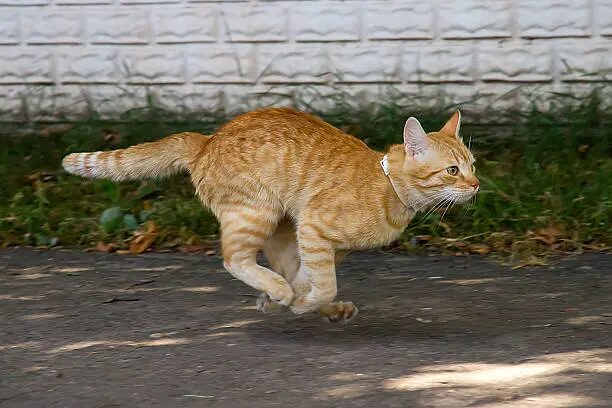
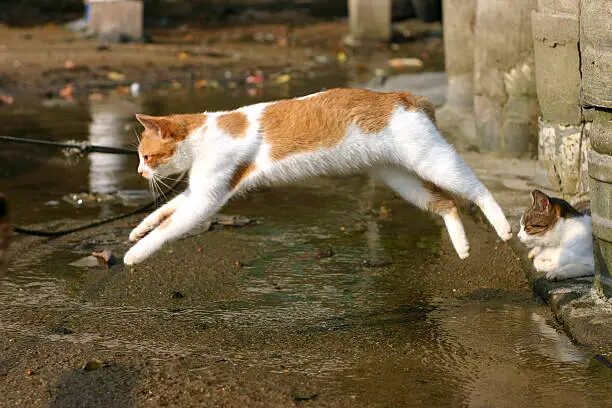
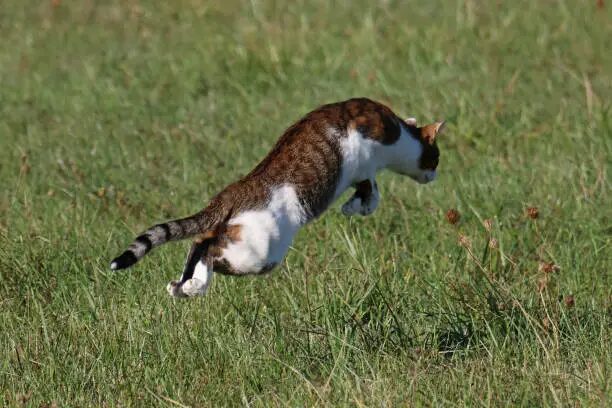
This is why a cat can still run and jump while injured.
2.3 Acute vs Chronic Limping
Understanding the type of limping helps narrow down causes:
Type
Description
Common Causes
Acute Limping
Sudden onset
Injury, cut paw, sprain
Chronic Limping
Long-term or recurring
Arthritis, joint issues
Intermittent Limping
Comes and goes
Mild injuries, early disease
2.4 Intermittent limping (comes and goes)
One of the most confusing cases is on-and-off limping.
Your cat may:
Limp after sleeping
Walk normally later
Start limping again after jumping
This usually suggests:
Minor soft tissue injury
Early joint inflammation
Paw sensitivity or foreign object
Search term often used: “cat limping but still active”
3. Why Your Cat Is Limping but Still Running and Jumping
This is the core confusion for most cat owners.
If your cat is injured, why is it still behaving normally?
There are several biological and behavioral reasons.
3.1 High pain tolerance in cats
Cats naturally tolerate pain better than many animals.
They may continue:
Walking
Jumping
Playing
even with mild to moderate injuries.
3.2 Adrenaline masking injury symptoms
When cats are active or excited, adrenaline increases.
This causes:
Temporary pain suppression
Increased movement capability
Reduced visible limping during play
But once they rest, limping often becomes more noticeable.
3.3 Partial injuries (not full mobility loss)
Not all injuries are severe.
A cat might have:
Mild sprain
Small paw cut
Bruised muscle
Minor ligament strain
These allow movement but still cause discomfort.
3.4 Early-stage conditions not yet severe
Some conditions start small but worsen over time:
Early arthritis
Developing abscess
Tiny fractures (hairline cracks)
At first, your cat may still move normally.
3.5 Behavioral masking (cats hide weakness)
Even if pain exists, cats instinctively:
Act normal around humans
Avoid showing vulnerability
Continue routine movement
This is why owners often say:
“He is limping but otherwise completely fine.”
4. Most Common Early Causes of Limping in Active Cats
Now let’s look at what could actually be causing the issue.
Even if your cat is still running and jumping, these early conditions are very common.
4.1 Soft tissue injury (sprain or strain)
One of the most common causes.
Occurs due to:
Jumping from height
Slipping on smooth floors
Rough play
Symptoms:
Mild limping
Worse after activity
Improves with rest
4.2 Paw injuries (cuts, thorns, broken nails)
Cats frequently injure their paws without owners noticing.
Possible issues:
Small cuts
Torn nail
Thorn or sharp object stuck
Related keyword: cat paw injury limping
4.3 Foreign objects stuck in paw
Common hidden problem:
Glass shard
Wood splinter
Small stones
Even tiny objects can cause:
Intermittent limping
Paw licking
Sensitivity while walking
4.4 Muscle or ligament injuries
These injuries are:
Often invisible externally
Triggered by jumping or landing wrong
Signs:
Limp after activity
Prefers one leg
Normal movement otherwise
4.5 Joint problems (early arthritis)
Although more common in older cats, it can appear earlier in:
Overweight cats
Highly active jumpers
Symptoms:
Stiffness after rest
Slight limp during movement
Reduced jumping height over time
4.6 Fractures (hairline or stress fractures)
Not all fractures are obvious.
Some are:
Tiny cracks in bone
Caused by repeated stress or impact
Warning: cats may still walk or even run with mild fractures.
5. More Serious and Often Hidden Causes of Limping in Active Cats
In Part 1, we covered common mild reasons like sprains and paw injuries. Now we move into deeper medical causes that are often missed because cats still appear active.
5.1 Cat fights and bite wounds
Outdoor or even indoor cats can get into fights.
What makes this tricky:
Bite wounds are often tiny on the surface
But deep underneath, bacteria spreads quickly
Typical signs:
Limping after 1–3 days
Small scab or puncture
Swelling later
Important keyword: cat limping after fight
5.2 Abscess formation (very common in cats)
An abscess is a pocket of infection under the skin caused by bites.
It usually develops like this:
Bite happens
Skin heals on top
Infection builds inside
Swelling and pain appear
Symptoms:
Sudden limp after normal behavior
Warm, swollen area
Sensitivity to touch
Sometimes fever
Cats may still run and jump even with early abscess formation.
5.3 Foreign body infection (deep paw issues)
Sometimes objects like:
Thorns
Glass
Splinters
go deeper into the paw and cause infection.
Signs:
Limping that worsens over time
Excess licking of one paw
Small swelling between toes
5.4 Muscle tears and ligament damage
These are more serious than sprains.
They occur due to:
Hard landings from height
Sudden twisting during play
Overactive jumping behavior
Symptoms:
Limping increases after activity
Stiff walking after rest
Reduced jumping strength over time
5.5 Joint inflammation and early arthritis
Even younger cats can experience joint issues due to:
Genetics
High-impact jumping
Overweight pressure on joints
Signs include:
Slow start after sleeping
Slight limp that comes and goes
Less enthusiasm for jumping high
5.6 Hairline fractures (hidden injuries)
These are especially dangerous because:
Cats still walk normally
No obvious swelling at first
Pain increases gradually
Causes:
Falling from height
Being stepped on
Repetitive stress
Often missed without X-rays.
6. Symptoms to Look For Along With Limping
If your cat is still active but limping, watch carefully for supporting symptoms.
6.1 Limping more after rest or activity
This is one of the strongest indicators of injury.
After rest → stiffness appears
After play → limping increases
This usually suggests:
Soft tissue injury
Joint strain
Early inflammation
6.2 Reluctance to jump on furniture
Even active cats may suddenly:
Avoid sofa or bed
Hesitate before jumping
Jump shorter distances
This is often an early warning sign.
6.3 Licking or chewing one paw
Excess grooming usually means:
Pain in that area
Irritation or foreign object
Infection developing
6.4 Swelling or heat in a limb
Touch (gently) the limb:
Warm = inflammation or infection
Swollen = possible abscess or injury
6.5 Behavioral changes
Cats often show pain indirectly:
Hiding more than usual
Becoming irritable
Avoiding touch
6.6 Reduced grooming
A cat in pain may stop grooming properly:
Coat looks messy
Less self-cleaning behavior
6.7 Slight change in walking posture
Look closely:
Shorter stride on one side
Head bobbing slightly while walking
Uneven weight distribution
7. When Limping but Still Active Is Serious
This is the most important decision point for pet owners.
Just because your cat is running doesn’t mean it’s fine.
7.1 Red flags you should NOT ignore
Seek veterinary help if you notice:
Limping lasting more than 24–48 hours
Visible swelling or deformity
Crying or aggression when touched
Loss of appetite
Fever or unusual lethargy
Refusal to use the leg completely
7.2 Why “still running” doesn’t mean “not injured”
Cats are biologically designed to:
Hide weakness from predators
Keep moving despite pain
Mask injuries until severe
So even if your cat is:
Jumping
Running
Playing
…it may still have a significant underlying injury.
7.3 Hidden fractures and ligament damage risk
One of the biggest risks is assuming it’s “just a minor limp.”
Hidden issues include:
Hairline fractures
Torn ligaments
Deep infections
Without treatment:
Injury worsens
Healing becomes longer
Risk of permanent damage increases
8. How to Check Your Cat at Home Safely
Before rushing to conclusions, you can do a gentle home inspection.
8.1 Visual inspection of paws and legs
Look for:
Cuts
Swelling
Redness
Broken nails
Check all four paws carefully.
8.2 Checking between toes and nails
Many issues hide here:
Splinters
Dirt buildup
Small wounds
Be gentle and avoid forcing the paw open.
8.3 Gentle palpation (what to avoid)
You can lightly touch:
Pads
Ankles
Lower leg
Do NOT:
Press hard
Force movement
Bend joints aggressively
If your cat reacts strongly, stop immediately.
8.4 Observing walking pattern
Watch your cat from a distance:
Which leg is avoided?
Does limping increase after activity?
Is it consistent or intermittent?
8.5 Litter box behavior (pain indicators)
Pain can change behavior:
Hesitation to enter litter box
Sitting awkwardly
Avoiding squatting positions
Quick Insight Table
Observation
Possible Meaning
Limp after rest
Sprain or stiffness
Limp after jumping
Muscle/ligament strain
Paw licking
Foreign object or irritation
Swelling
Infection or abscess
Still jumping
Mild or early-stage injury
9. Veterinary Diagnosis (What the Vet Will Do)
If your cat is limping but still active, and the symptoms persist beyond a day or two, a vet visit becomes important. Even if the cat is still running and jumping, underlying injuries can still be present.
Here’s what typically happens at the clinic:
9.1 Physical examination
The vet will first perform a hands-on assessment, including:
Checking each limb for pain response
Observing walking and posture
Feeling joints for swelling or heat
Examining paw pads and nails
📌 This helps identify obvious injuries like cuts, swelling, or tenderness.
9.2 X-rays for fractures or joint issues
If internal injury is suspected, X-rays may be needed to detect:
Hairline fractures
Bone misalignment
Joint degeneration
Hidden trauma
Even cats that are still walking normally can have fractures that only show on imaging.
9.3 Blood tests (infection/inflammation check)
Blood work may be used to detect:
Infection levels
Inflammation markers
Overall health status
This is especially important in cases like abscesses or bite wounds.
9.4 Ultrasound for soft tissue injuries
Ultrasound helps detect:
Muscle tears
Ligament damage
Deep tissue inflammation
It is often used when X-rays appear normal but limping continues.
9.5 Lameness grading system
Vets may classify limping severity:
Grade
Description
Mild
Slight limp, still weight-bearing
Moderate
Noticeable limp, reduced activity
Severe
Avoiding use of limb
Non-weight bearing
Not using the leg at all
10. Treatment Options Based on Cause
Treatment depends entirely on the underlying issue.
10.1 Medications (anti-inflammatory drugs for cats)
For pain and inflammation, vets may prescribe:
Anti-inflammatory medications
Pain relief medications (cat-safe only)
⚠️ Never give human painkillers to cats (this is dangerous and toxic).
10.2 Antibiotics for infections or abscess
If infection is present:
Antibiotics are prescribed
Abscess may be drained
Cleaning of wound may be required
📌 Common in cat fight injuries.
10.3 Wound care and bandaging
For external injuries:
Cleaning and disinfecting wounds
Protective bandaging
Preventing licking using collar (E-collar)
10.4 Surgery for fractures or ligament damage
In severe cases:
Bone fractures may require surgical repair
Pins or plates may be used
Ligament reconstruction in rare cases
10.5 Rest and recovery plans
One of the most important treatments:
Restrict jumping and running
Keep cat indoors
Limit stairs and furniture access
Even active cats must rest properly to heal.
10.6 Physiotherapy (chronic cases)
For long-term issues:
Controlled movement exercises
Joint mobility therapy
Weight management support
This is more common in older cats or chronic injuries.
11. Recovery Time: What to Expect
Healing time depends on severity.
11.1 Minor injuries (2–7 days)
Examples:
Small paw cuts
Mild strain
Temporary soreness
✔ Recovery is usually quick with rest.
11.2 Moderate sprains (1–3 weeks)
Examples:
Ligament strain
Muscle injury
Mild joint inflammation
✔ Requires restricted movement.
11.3 Severe injuries (4–8+ weeks)
Examples:
Fractures
Deep infections
Severe ligament damage
✔ Needs veterinary treatment and strict rest.
11.4 Signs of healing vs worsening
Healing Signs
Warning Signs
Less limping
Increased limping
More activity
Reluctance to move
Normal appetite
Loss of appetite
Improved posture
Swelling or pain
12. Prevention Tips to Avoid Future Limping
Preventing injuries is always better than treating them.
12.1 Indoor safety vs outdoor risks
Outdoor cats face higher risk of:
Fights
Traffic injuries
Falls
Indoor safety tips:
Safe climbing structures
Soft landing areas
Controlled environment
12.2 Nail trimming and paw care
Regular maintenance helps prevent:
Broken nails
Paw injuries
Overgrown claws
12.3 Safe climbing environments
Cats love height, but unsafe jumping causes injuries.