If your cat has recently been spayed and you’ve noticed a small lump near the incision site, it’s completely normal to feel worried. Many cat owners assume that any swelling after surgery means something has gone wrong—but that’s not always the case.
A cat spay incision lump can be part of the normal healing process, or it can sometimes indicate a complication that needs veterinary attention. The challenge is knowing the difference.
After spay surgery, your cat’s body goes through a natural healing phase where tissue, stitches, and immune responses all interact. This can sometimes create:
- A small firm bump
- Mild swelling under the skin
- Temporary hardness near the incision line
Most of these changes are harmless, but in some cases, they can signal issues like infection, seroma, or hernia formation.
That’s why monitoring the incision site closely during the first few weeks after surgery is extremely important.
Why cat owners notice this so often
Spay surgery is one of the most common veterinary procedures, so naturally many pet parents experience the same concern:
“Is this lump normal or should I be worried?”
The truth is, not all post-spay lumps are dangerous. Some are simply part of healing, while others require treatment.
What this article will help you understand
In this guide, we’ll break everything down in a simple, practical way:
- What a spay incision lump actually is
- When it is normal vs abnormal
- Common causes behind swelling
- Warning signs of complications
- Treatment options and vet diagnosis
- How to care for your cat properly after surgery
By the end, you’ll be able to confidently identify whether your cat’s incision is healing normally or needs medical attention.
What Is a Spay Incision Lump in Cats?
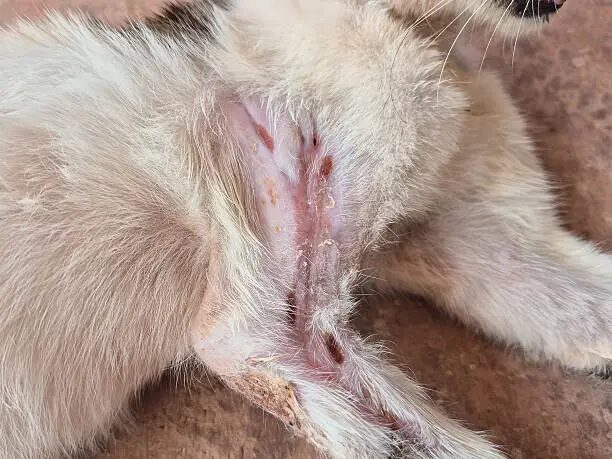
A spay incision lump refers to any swelling, bump, or raised area that appears around the surgical site after a female cat has been spayed.
Simple definition
It is usually:
A small area of swelling under or around the skin where the uterus and ovaries were surgically removed.
This lump can be:
- Soft or firm
- Small or slightly noticeable
- Temporary or longer-lasting
Where the incision is located
During spay surgery, the veterinarian makes a small incision in the:
- Lower abdominal area (belly region)
Through this incision, internal reproductive organs are removed and then the tissue is stitched back together in layers:
- Muscle layer
- Fat layer
- Skin layer
Each layer plays a role in healing—and each can contribute to lump formation.
Why a lump forms after surgery
A lump can appear because the body is reacting to:
- Surgical trauma
- Internal stitches (sutures)
- Healing tissue repair
- Mild inflammation
This is part of the normal healing response, especially in the first 1–2 weeks.
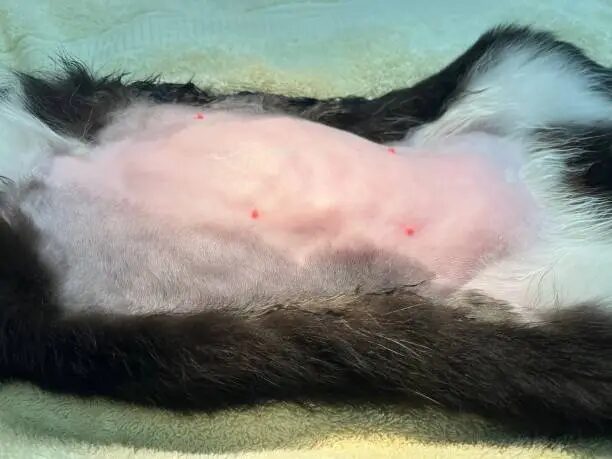
How it looks and feels early on
A typical healing lump may feel:
- Slightly firm under the skin
- Not overly painful
- Small and localized near the incision line
Visually, you might notice:
- Mild swelling
- Slight hardness
- No discharge or strong redness
If the cat is otherwise active and eating normally, this is often a good sign.
Is a Lump After Spaying Normal?
One of the most common concerns is whether a post-surgery lump is dangerous.
The short answer is: sometimes yes, sometimes no.
When a small lump is normal
A lump is often part of healing when:
- It is small and stable in size
- The cat is behaving normally
- There is no discharge or bad smell
- The area is not overly hot or painful
This is usually due to:
- Tissue repair
- Mild inflammation
- Internal dissolvable stitches
Firm swelling due to sutures or scar tissue
Internal stitches are commonly used in spay surgery. As they dissolve, they can cause:
- Temporary firmness
- Small raised areas under skin
This is called suture reaction and is usually harmless.
Inflammation vs infection
It’s important to understand the difference:
- Inflammation (normal healing) → mild swelling, no pain
- Infection (problematic) → redness, warmth, discharge, discomfort
Infection requires immediate veterinary attention, while inflammation usually resolves on its own.
Healing Process After Cat Spay Surgery
Understanding the healing timeline helps you know what to expect at each stage.
First 24–72 hours: swelling begins
- Mild inflammation is normal
- Small lump may appear
- Cat may be slightly tired or sleepy
This is the body’s immediate response to surgery.
Week 1: early healing stage
- Scar tissue begins forming
- Lump may feel more noticeable
- Stitches are still active internally
At this stage, monitoring is very important.
Week 2–3: tissue hardening phase
- Lump may feel firmer
- Swelling may peak slightly
- Body continues rebuilding tissue layers
Some owners panic here, but this phase is often still normal.
Weeks 4–6: full healing stage
- Lump gradually reduces
- Tissue softens over time
- Incision should appear fully healed externally
If a lump persists beyond this stage or grows, it should be checked by a vet.
What actually causes the lump?
Some causes are harmless and temporary, while others require quick veterinary attention. The key is understanding what your cat’s body is doing under the skin.
Common Causes of Spay Incision Lump
A lump after spay surgery is not a single condition—it can come from several different processes happening during healing.
Let’s break them down clearly.
1. Normal Post-Surgical Swelling
This is the most common and least dangerous cause.
What is happening?
After surgery, the body immediately activates its healing system:
- Blood flow increases to the area
- White blood cells rush in
- Tissue repair begins
This creates a temporary swelling or firmness.
What it looks like:
- Small lump near incision
- Mild firmness
- No pain or discharge
- Stable size or slowly reducing
This is part of normal recovery and usually improves within days.
2. Seroma (Fluid Pocket Formation)
A seroma is one of the most common reasons owners notice a soft lump after spay surgery.
What is a seroma?
A seroma is:
A pocket of clear fluid that builds up under the skin after surgery.
It forms when tissue spaces fill with fluid instead of closing tightly.
Why it happens:
- Excess movement after surgery
- Not resting enough
- Large surgical space under skin
- Body’s natural healing response
What it looks and feels like:
- Soft, squishy lump
- Moves slightly under fingers
- Usually painless
- May change size slightly
Seromas are usually not dangerous but should still be monitored.
3. Suture Reaction (Stitch Response)
Sometimes the lump is caused by the body reacting to internal stitches.
What is happening?
Even dissolvable stitches can trigger:
- Mild immune response
- Localized inflammation
- Scar tissue formation
Signs of suture reaction:
- Firm, pea-like lump
- Located directly on incision line
- No fluid or discharge
- Slowly improving over weeks
This is a normal but slower healing process.
4. Hematoma (Blood Accumulation)
A hematoma is less common but more noticeable.
What is it?
A hematoma forms when:
Blood collects under the skin due to minor bleeding after surgery.
Causes:
- Small blood vessel damage
- Excess activity after surgery
- Licking or trauma to incision
What it looks like:
- Firm or slightly swollen lump
- May appear dark or bruised
- Mild pain or sensitivity
- Sometimes increases in size early on
Hematomas usually resolve but should be checked if large.
5. Infection at Incision Site
Infections are more serious and require immediate veterinary care.
What causes infection?
- Bacteria entering incision
- Excess licking by cat
- Poor wound hygiene
- Delayed healing response
Warning signs:
- Red, hot swelling
- Pain when touched
- Discharge or pus
- Bad smell from incision
- Fever or lethargy
Unlike normal lumps, infected areas worsen over time.
6. Abscess Formation
An abscess is an advanced infection stage.
What is it?
A pus-filled pocket caused by trapped infection.
Symptoms:
- Large, painful lump
- Warm to touch
- Thick yellow/green discharge
- Cat may stop eating
- This requires urgent veterinary treatment.
7. Hernia After Spay Surgery
A hernia is one of the most serious complications.
What happens?
A hernia occurs when:
Internal tissue pushes through a weakened abdominal wall.
Causes:
- Poor healing of muscle layer
- Excess jumping or activity
- Surgical complication
Signs of hernia:
- Soft bulge near incision
- Grows when cat moves or stands
- May feel squishy or uneven
- Sometimes painful
Hernias always need veterinary evaluation.
Normal vs Dangerous Lump (Comparison Table)
Understanding the difference is crucial for cat owners.
| Feature | Normal Healing Lump | Problematic Lump |
|---|---|---|
| Size | Small or stable | Growing or large |
| Pain | None or mild | Clearly painful |
| Temperature | Normal | Warm or hot |
| Appearance | Firm or soft | Red, swollen |
| Discharge | None | Pus or fluid present |
| Behavior | Active cat | Lethargic or sick |
Important Insight
Many spay incision lumps look similar at first, but the pattern over time is what matters most:
- Improving = usually safe
- Staying same = monitor closely
- Getting worse = vet visit needed
When a Lump Becomes Concerning
You should start worrying if:
- The lump increases in size
- It becomes painful or hot
- Discharge appears
- Your cat becomes less active
- Appetite drops suddenly
Early action prevents complications from getting worse.
Treatment Options for Spay Incision Lump
Treatment depends entirely on the cause of the lump. Some cases need only observation, while others require medical intervention.
1. Observation (Normal Cases)
If the lump is:
- Small
- Not painful
- Not growing
- No discharge
Then your vet may recommend watchful waiting.
What you should do:
- Monitor size daily
- Keep cat calm and indoors
- Prevent licking
- Take photos for comparison
Many normal healing lumps disappear on their own within 1–3 weeks.
2. Medication (Infection or Inflammation)
If the lump is caused by infection or strong inflammation, a vet may prescribe:
Common medications:
- Antibiotics → for bacterial infection
- Anti-inflammatory drugs → reduce swelling and pain
- Pain relief medication → improve comfort
Always follow dosage instructions strictly—never self-medicate your cat.
3. Draining Fluid (Seroma Treatment)
If your cat has a seroma, the vet may:
- Use a sterile needle to drain fluid
- Apply compression bandage (if needed)
- Recommend rest and restricted activity
Important note:
Seromas often refill if the cat is too active, so rest is critical.
4. Wound Care Management
Proper wound care can significantly speed up healing.
What vets recommend:
- Keep incision clean and dry
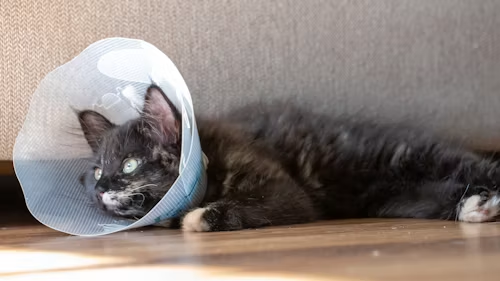
- Use an Elizabethan collar (cone)
- Prevent licking or scratching
- Follow post-surgery instructions carefully
Licking is one of the most common reasons lumps worsen.
5. Surgery (Severe Cases)
In rare but serious situations, surgery may be required.
When surgery is needed:
- Hernia formation
- Large abscess
- Severe tissue infection
- Complicated hematoma
What happens:
- Repair of abdominal wall (hernia)
- Drainage and cleaning of infected tissue
- Reinforcement of sutures
What Cat Owners Should NOT Do
Many complications worsen due to incorrect home care.
Avoid these mistakes:
- Do NOT press or squeeze the lump
- Do NOT apply creams, oils, or home remedies
- Do NOT remove stitches yourself
- Do NOT ignore rapid swelling changes
- Do NOT allow licking of the incision
Even “gentle checking” too often can irritate healing tissue.
How to Care for Your Cat After Spay Surgery
Good aftercare is the best prevention for incision lumps and complications.
Keep your cat calm and indoors
- Avoid outdoor activity
- Limit interaction with other pets
- Provide a quiet resting space
Restrict jumping and running
Jumping can:
- Open healing tissue
- Worsen seromas
- Delay recovery
Use an Elizabethan collar (cone)
This prevents:
- Licking
- Scratching
- Bacterial contamination
Follow medication schedule
If your vet prescribes medication:
- Give on time
- Complete full course
- Do not skip doses
Keep incision clean and dry
- No bathing unless vet allows
- Avoid wet environments
- Check incision daily
How Long Does a Spay Incision Lump Last?
Healing time depends on the cause:
| Condition | Typical Duration |
|---|---|
| Normal swelling | 3–10 days |
| Seroma | 1–3 weeks |
| Suture reaction | Several weeks (gradual improvement) |
| Infection | Until fully treated |
| Hernia | Requires surgery |
If a lump lasts longer than expected or grows, it should always be checked.
How to Prevent Spay Incision Complications
Prevention is always easier than treatment.
Best prevention strategies:
- Follow all post-op vet instructions
- Prevent licking with a cone
- Keep cat indoors during recovery
- Avoid excessive movement
- Attend follow-up vet visits
- Maintain a clean recovery environment
FAQ (SEO Section)
Why does my cat have a lump after spay surgery?
A lump is usually caused by normal healing, fluid buildup (seroma), stitch reaction, or inflammation. Less commonly, it can indicate infection or hernia.
Is it normal for a spay incision to be hard?
Yes, mild hardness is often normal due to scar tissue formation or internal sutures.
How long does swelling last after cat spay?
Swelling usually lasts 3–10 days, but some healing lumps can remain for a few weeks.
When should I worry about spay incision lump?
If the lump is growing, painful, hot, or has discharge, you should contact a vet immediately.
Can a spay incision get infected?
Yes, especially if the cat licks the area or hygiene is not maintained.
What does a seroma look like in cats?
A seroma appears as a soft, fluid-filled, non-painful lump under the skin.
Conclusion
A cat spay incision lump is a common post-surgery concern, but it is not always dangerous. In many cases, it is simply part of the normal healing process as the body repairs tissue and adjusts to internal stitches.
Key takeaways:
- Small, stable lumps are often normal
- Infection, hernia, or abscesses require urgent care
- Monitoring changes over time is the most important step
- Proper aftercare significantly reduces complications
Most importantly, never hesitate to contact a veterinarian if something feels wrong. Early intervention is always safer and helps ensure a smooth recovery.