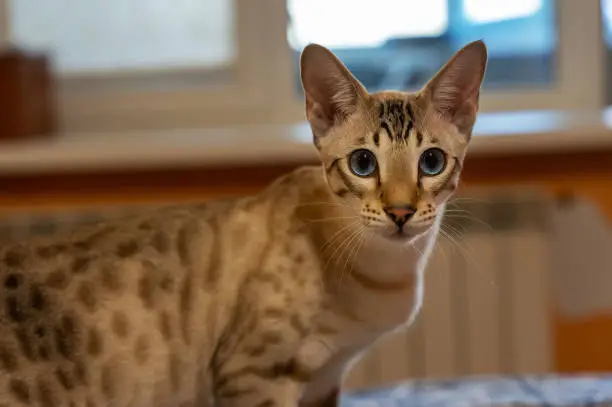
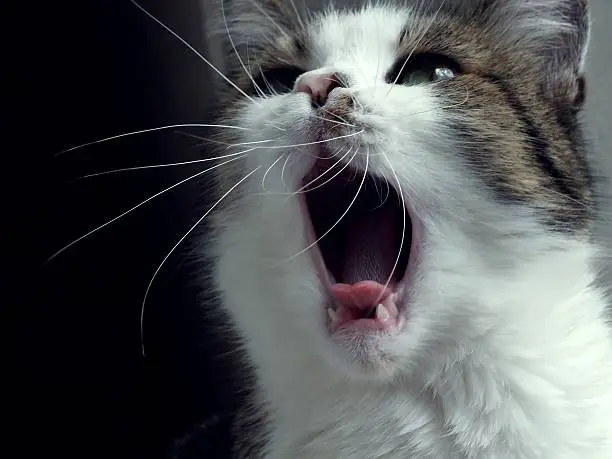
The Manx cat breed is one of the most distinctive and fascinating cat breeds in the world. Best known for its naturally short—or sometimes completely absent—tail, the Manx is much more than a unique-looking feline. This tailless cat breed combines intelligence, loyalty, playfulness, and a loving personality, making it an excellent companion for families, singles, and seniors alike.
Native to the Isle of Man, the Manx developed through a naturally occurring genetic mutation that affected tail length. Over time, the breed became famous not only for its unusual appearance but also for its muscular build, rabbit-like hop, and dog-like devotion to its owners. Today, the Manx continues to be one of the most admired natural cat breeds, prized for its affectionate nature and adaptable temperament.
Whether you’re considering bringing home a Manx kitten or simply researching different indoor cat breeds, this guide covers everything you need to know—from the breed’s history and personality to grooming, health concerns, costs, and daily care.
In this complete guide, you’ll learn about:
- The history and origin of the Manx cat breed
- Physical characteristics and tail variations
- Personality, temperament, and behavior
- Health issues, including Manx Syndrome
- Grooming, feeding, and exercise requirements
- Costs of ownership and adoption
- How the Manx compares to other popular cat breeds
If you enjoy learning about unique felines, you may also like our guides on the Cymric cat, American Bobtail, Japanese Bobtail, and other family-friendly cat breeds.
What Is the Manx Cat Breed?
Breed Overview
The Manx cat breed is a medium-sized, muscular domestic cat that originated on the Isle of Man, a small island located in the Irish Sea. Although famous for having little or no tail, not every Manx is completely tailless. Some have tiny stumps, while others have short or nearly full-length tails.
The breed is admired for its rounded appearance, powerful hind legs, and calm yet playful personality. Many owners describe the Manx as having dog-like qualities because it enjoys following people around the house, learning tricks, and even playing fetch.
Unlike many breeds created through selective breeding, the Manx developed naturally over hundreds of years. This makes it one of the oldest and most recognizable natural cat breeds in the world.
Quick Breed Facts
| Feature | Details |
|---|---|
| Breed Name | Manx Cat |
| Origin | Isle of Man |
| Breed Type | Natural Breed |
| Size | Medium |
| Weight | 8–12 pounds (3.5–5.5 kg) |
| Lifespan | 12–16 years |
| Coat Length | Short or Long |
| Shedding | Moderate |
| Temperament | Loyal, Friendly, Intelligent |
| Energy Level | Moderate to High |
| Good with Children | Yes |
| Good with Dogs | Usually Yes |
Breed Classification
The Manx belongs to the category of medium-sized cat breeds and is recognized as a natural breed by major cat associations around the world.
Key characteristics include:
- Naturally shortened tail
- Compact, muscular body
- Dense double coat
- Excellent hunting skills
- High intelligence
- Strong family bonds
Because of these qualities, the Manx is frequently listed among the most affectionate cat breeds and intelligent cat breeds.
Why Are Manx Cats Tailless?
The Manx’s missing tail is the result of a naturally occurring genetic mutation that affects the development of the spine during fetal growth.
Unlike docked tails in some animals, the Manx’s tail length is inherited naturally. The gene responsible is dominant, meaning only one parent needs to carry it for kittens to inherit varying tail lengths.
Interestingly, this same mutation can also affect spinal development, which is why responsible breeding practices are so important.
Are All Manx Cats Born Without Tails?
No.
This is one of the biggest misconceptions about the breed.
A litter of Manx kittens may include cats with several different tail lengths.
Common tail types include:
- Rumpy (completely tailless)
- Rumpy Riser (small bump)
- Stumpy (short tail)
- Longy (almost normal tail)
Each variation is perfectly natural and results from the same genetic mutation.
History and Origin of the Manx Cat Breed
Origin on the Isle of Man
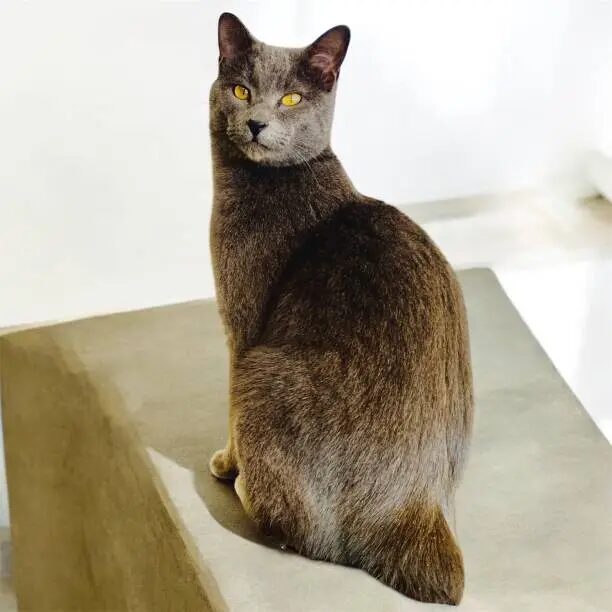
The Manx originated on the Isle of Man, located between England and Ireland.
Historians believe domestic cats first arrived on the island aboard trading ships hundreds of years ago. Because the island population remained relatively isolated, a spontaneous genetic mutation causing shortened tails spread naturally through the local cat population.
Over many generations, this trait became common enough to define an entirely new breed.
Today, the Manx is considered one of the Isle of Man’s most recognizable cultural symbols.
Historical Development
The breed gradually gained recognition beyond the Isle of Man as sailors transported these talented hunters aboard ships.
Their excellent rodent-hunting abilities made them valuable companions in:
- Merchant vessels
- Farms
- Warehouses
- Homes
By the late 1800s, organized cat shows helped introduce the Manx to breeders throughout Europe and North America.
Selective breeding focused on preserving the breed’s distinctive features while improving overall health.
The Natural Genetic Mutation
Unlike designer breeds created through crossbreeding, the Manx evolved naturally.
The mutation responsible for the shortened tail also influences:
- Tail vertebrae
- Pelvic structure
- Spinal development
- Hindquarter shape
Responsible breeders avoid pairing two completely tailless cats because doing so significantly increases the risk of inherited spinal abnormalities.
Legends About the Missing Tail
The Manx has inspired numerous legends throughout history.
Popular folklore includes:
Noah’s Ark Legend
According to one story, the Manx was the last animal to board Noah’s Ark, and the closing door accidentally caught its tail.
Viking Legend
Another tale claims Vikings brought tailless cats to the Isle of Man, where they eventually established the breed.
Lucky Sailor’s Cat
Many sailors believed Manx cats brought good luck during long sea voyages while keeping ships free of rodents.
Although entertaining, these stories remain folklore rather than historical fact.
Recognition by Cat Registries
Today, the Manx is recognized by many major cat organizations around the world.
Breed standards generally evaluate:
- Overall body shape
- Tail classification
- Coat quality
- Eye color
- Temperament
- General health
Some registries recognize the long-haired variety as the Cymric, while others classify it as a long-haired Manx.
Manx Cat Breed Characteristics
The Manx is instantly recognizable thanks to its rounded appearance, muscular build, and distinctive hindquarters.
Although many people focus on the tail—or lack of one—the breed has numerous other unique physical traits.
Size
The Manx is considered a medium-sized cat.
Adult cats typically measure:
- Height: 9–11 inches
- Length: 14–16 inches (excluding the tail)
Their sturdy frame makes them appear larger than many other medium-sized breeds.
Weight
Healthy adult Manx cats generally weigh:
| Gender | Average Weight |
| Male | 10–12 pounds |
| Female | 8–10 pounds |
Despite their moderate size, these cats feel surprisingly heavy because of their dense muscles.
Body Shape
The Manx has one of the most rounded body profiles among domestic cats.
Distinctive characteristics include:
- Broad chest
- Rounded back
- Compact body
- Thick neck
- Deep flanks
- Strong shoulders
This balanced structure contributes to the breed’s athletic abilities.
Muscular Build
The Manx is exceptionally muscular.
Strong muscles support:
- Powerful jumps
- Fast sprints
- Excellent climbing
- Agile hunting
Their sturdy physique is one reason they excel as mousers.
Rabbit-Like Appearance
One of the breed’s most charming features is its rabbit-like silhouette.
This appearance results from:
- Rounded rump
- Longer hind legs
- Compact body
- Short or absent tail
Many owners affectionately describe their Manx as “part rabbit.”
Powerful Hind Legs
The Manx’s hind legs are noticeably longer than its front legs.
These powerful rear limbs allow the breed to:
- Jump impressive heights
- Climb easily
- Sprint quickly
- Balance effectively despite lacking a full tail
This athleticism makes interactive play especially enjoyable for the breed.
Head Shape
The Manx has a broad, rounded head with a friendly expression.
Typical facial features include:
- Full cheeks
- Rounded muzzle
- Strong chin
- Broad forehead
- Medium-length nose
These soft facial contours complement the breed’s affectionate personality.
Eyes
Large, expressive eyes give the Manx an alert and intelligent look.
Eye colors may include:
- Copper
- Gold
- Green
- Blue
- Hazel
- Odd-eyed combinations in white-coated cats
Healthy eyes should always appear bright and clear.
Ears
The ears are medium-sized with rounded tips.
Ideal ear placement:
- Wide apart
- Slightly angled outward
- Balanced with the rounded head
This contributes to the breed’s distinctive appearance.
Tail Types
Although famous as a cat breed without a tail, the Manx actually comes in several tail varieties.
Rumpy
A completely tailless cat with a smooth, rounded rump.
Rumpy Riser
Has one or two small vertebrae beneath the skin that may become noticeable when the cat is excited.
Stumpy
Features a short, visible tail that is typically only a few vertebrae long.
Longy
Possesses a tail that is close to normal length. Longies are often included in responsible breeding programs to help maintain healthier genetics.
Coat Types and Colors
The Manx is available in both short-haired and long-haired varieties, offering prospective owners a choice based on grooming preferences.
Short-Haired Manx
The traditional Manx has a dense, plush double coat that provides protection from harsh weather.
Its coat is:
- Thick
- Soft
- Springy
- Water-resistant
Weekly brushing is usually enough to keep it in excellent condition.
Long-Haired Manx (Cymric)
The long-haired variety is commonly known as the Cymric.
Its luxurious coat features:
- Medium-to-long fur
- Thick neck ruff
- Feathered legs
- Plush breeches
- Soft undercoat
Although beautiful, it requires more frequent brushing to prevent tangles.
Coat Texture
The Manx cat breed has a luxurious double coat designed to protect it from changing weather conditions. Regardless of whether the cat has short or long fur, the coat feels dense, soft, and plush to the touch.
Short-Haired Manx
The short-haired variety has:
- A dense undercoat
- A smooth, glossy outer coat
- A springy texture
- Moderate shedding throughout the year
Long-Haired Manx (Cymric)
The long-haired variety features:
- Silky medium-to-long fur
- A thick neck ruff
- Feathering on the legs
- Plush “britches” on the hind legs
- A full, luxurious appearance
Regular brushing helps keep both coat types healthy and reduces loose hair around the home.
Common Coat Colors
The Manx comes in an impressive range of colors.
Popular solid colors include:
- Black
- White
- Blue
- Red
- Cream
- Silver
Other recognized colors may include chocolate, lilac, cinnamon, and fawn, depending on breed registry standards.
Popular Coat Patterns
In addition to solid colors, Manx cats appear in many attractive patterns.
Common patterns include:
- Tabby
- Calico
- Tortoiseshell
- Bicolor
- Smoke
- Solid
This variety means there’s a Manx to suit almost every cat lover’s preference.
Manx Cat Personality
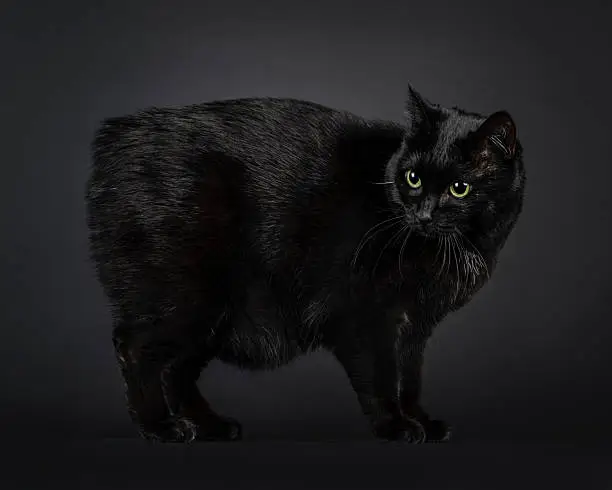
The Manx cat personality is one of the breed’s greatest strengths. These cats are often described as affectionate, intelligent, loyal, and playful. They form close bonds with their families and enjoy participating in everyday activities.
Unlike some breeds that are highly independent, the Manx generally prefers being around people and often follows its favorite person from room to room.
Temperament
The Manx has a calm yet curious temperament.
Most are:
- Gentle
- Friendly
- Adaptable
- Confident
- Easygoing
Early socialization helps them become comfortable around visitors and new environments.
Intelligence
The Manx ranks among the most intelligent cat breeds.
Their problem-solving abilities allow them to:
- Learn routines quickly
- Solve puzzle toys
- Open simple doors
- Respond to their names
- Understand household rules
Because of their intelligence, they benefit from daily mental stimulation.
Loyalty
One characteristic that sets the Manx apart is its remarkable loyalty.
Many owners compare the breed to dogs because it often:
- Greets family members at the door
- Follows owners throughout the house
- Sleeps nearby
- Enjoys interactive games
- Forms strong emotional bonds
Although affectionate toward everyone, many Manx cats develop an especially close relationship with one family member.
Affection Level
Manx cats love spending time with their families.
They enjoy:
- Sitting beside people
- Gentle cuddles
- Being petted
- Family movie nights
- Relaxing together
While affectionate, they usually aren’t overly demanding of attention.
Playfulness
Even as adults, Manx cats remain playful.
Favorite games include:
- Chasing feather wands
- Fetching small toys
- Puzzle feeders
- Laser pointer games
- Toy mice
Their playful nature makes them excellent companions for active households.
Curiosity
Curiosity is deeply rooted in the breed.
Don’t be surprised if your Manx investigates:
- Grocery bags
- Cardboard boxes
- Open cabinets
- Suitcases
- New furniture
Providing safe opportunities to explore keeps them mentally satisfied.
Vocalization
The Manx is generally considered a quiet breed.
Instead of frequent loud meowing, they often communicate through:
- Soft chirps
- Gentle trills
- Quiet meows
- Expressive body language
This makes them a good choice for owners who prefer quieter pets.
Independence
Although they love companionship, Manx cats can spend short periods alone if they have:
- Puzzle toys
- Scratching posts
- Cat trees
- Window perches
- Interactive feeders
However, they thrive best in homes where they receive regular attention.
Hunting Ability
Historically, the Manx was prized for its exceptional hunting skills.
They retain strong instincts for:
- Catching mice
- Chasing insects
- Stalking moving objects
- Pouncing on toys
Interactive play helps satisfy these natural behaviors indoors.
Manx Cat Behavior
Understanding everyday behavior helps owners provide an enriching environment.
Daily Activity Level
The Manx is moderately active.
Typical daily routine includes:
- Morning play sessions
- Midday naps
- Evening exploration
- Interactive family time
They enjoy regular exercise without being hyperactive.
Jumping Ability
Despite having little or no tail, Manx cats are excellent jumpers.
Their powerful hind legs allow them to leap onto:
- Bookshelves
- Cat trees
- Window ledges
- Counters
- Furniture
Providing vertical climbing spaces helps satisfy this natural instinct.
Climbing Skills
The Manx enjoys climbing and observing its surroundings from elevated locations.
Ideal climbing equipment includes:
- Multi-level cat trees
- Wall shelves
- Window hammocks
- Scratching towers
Vertical enrichment also encourages healthy exercise.
Love of Water
Many Manx cats display an unusual curiosity about water.
Some enjoy:
- Watching running faucets
- Splashing in water bowls
- Investigating sinks
- Playing near bathtubs
Although not every Manx enjoys getting wet, fascination with water is more common than in many other breeds.
Social Behavior
The Manx generally enjoys social interaction.
They usually welcome:
- Family members
- Familiar visitors
- Children
- Cat-friendly dogs
Proper introductions remain important when meeting new pets.
Territorial Nature
Like most cats, the Manx can be somewhat territorial.
Providing enough:
- Litter boxes
- Food stations
- Resting spots
- Scratching posts
helps reduce territorial conflicts in multi-cat households.
Is the Manx Cat Good for Families?
The Manx is considered one of the best family-friendly cat breeds thanks to its affectionate and adaptable personality.
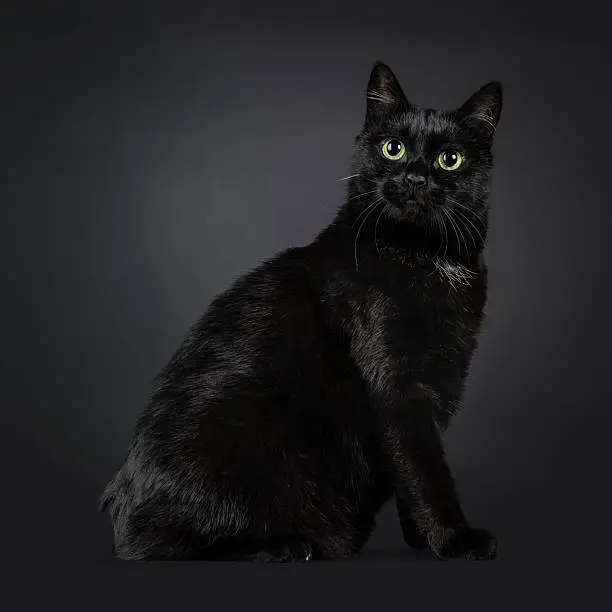
With Children
Manx cats generally enjoy respectful children.
They often appreciate:
- Interactive games
- Gentle petting
- Family activities
- Shared playtime
Teaching children proper handling encourages positive relationships.
With Seniors
The Manx also makes an excellent companion for older adults.
Benefits include:
- Moderate grooming requirements
- Quiet personality
- Loving companionship
- Easy adaptability
With Singles
Individuals living alone often appreciate the Manx’s loyal nature.
These cats provide companionship without requiring constant attention.
With Multi-Pet Homes
When introduced gradually, Manx cats typically adjust well to homes with multiple pets.
Early socialization helps create peaceful relationships.
Compatibility With Other Pets
The Manx generally adapts well to other household animals.
Other Cats
They often enjoy sharing their home with fellow felines, particularly when introduced slowly.
Many eventually:
- Play together
- Groom each other
- Nap side by side
Dogs
The breed usually gets along well with cat-friendly dogs.
Positive introductions should include:
- Gradual meetings
- Separate feeding areas
- Safe retreat spaces
- Supervised interactions
Birds
Because of their hunting instincts, birds should always remain securely enclosed.
Never allow unsupervised interaction.
Small Animals
Extra caution is needed around:
- Hamsters
- Guinea pigs
- Rabbits
- Gerbils
- Reptiles
Their natural prey drive may encourage chasing behavior.
Manx Cat Lifespan
With proper care, the Manx can enjoy a long, healthy life.
Average Lifespan
Most Manx cats live:
12–16 years
Some healthy individuals reach:
- 17 years
- 18 years
- 20 years
with excellent nutrition and veterinary care.
Factors That Affect Longevity
Several factors influence lifespan:
- Genetics
- Diet
- Exercise
- Weight management
- Preventive veterinary care
- Dental health
- Indoor living
Cats from responsible breeders often have lower risks of inherited health conditions.
Tips to Increase Lifespan
To help your Manx live longer:
- Feed a balanced diet.
- Maintain a healthy weight.
- Schedule annual veterinary exams.
- Brush teeth regularly.
- Encourage daily exercise.
- Keep vaccinations current.
- Prevent parasites.
- Keep your cat indoors or supervise outdoor time.
Common Health Problems
Although many Manx cats remain healthy throughout life, the breed does have several inherited health risks that prospective owners should understand.
Manx Syndrome
The most significant inherited condition is Manx Syndrome, which results from abnormalities in spinal development.
Severity ranges from mild to serious.
Spinal Disorders
Some affected cats may develop:
- Abnormal vertebrae
- Nerve damage
- Mobility issues
- Weak hind limbs
Responsible breeding has greatly reduced the frequency of severe cases.
Arthritis
As Manx cats age, arthritis may develop in the spine or hips.
Symptoms include:
- Stiffness
- Reduced jumping
- Difficulty climbing
- Lower activity levels
Maintaining a healthy weight helps reduce joint stress.
Digestive Problems
Some cats with spinal abnormalities experience:
- Constipation
- Bowel control difficulties
- Digestive discomfort
Veterinary treatment can often improve quality of life.
Urinary Issues
In severe cases, nerve damage may interfere with bladder control.
Prompt veterinary care is recommended if urinary problems appear.
Obesity
Like many indoor cats, Manx cats can become overweight without proper diet and exercise.
Obesity increases the risk of:
- Diabetes
- Arthritis
- Heart disease
- Reduced mobility
Monitoring portion sizes and encouraging daily activity are essential.
Preventive Veterinary Care
Routine veterinary visits play a vital role in maintaining your Manx cat’s health.
Regular wellness exams allow veterinarians to:
- Detect health problems early
- Monitor weight
- Assess dental health
- Update vaccinations
- Recommend parasite prevention
- Evaluate overall condition
Understanding Manx Syndrome
One of the most important topics for anyone considering the Manx cat breed is Manx Syndrome. Although many Manx cats live healthy, active lives, the same genetic mutation that creates their distinctive tailless appearance can sometimes affect the spine and nervous system.
Fortunately, responsible breeding practices have greatly reduced the occurrence of severe cases, making it possible for many Manx cats to enjoy long, comfortable lives.
Causes
Manx Syndrome is caused by the dominant gene responsible for the breed’s shortened or absent tail. In some kittens, this gene also affects the development of the spinal cord and vertebrae.
The severity varies greatly from cat to cat. Some may never develop symptoms, while others may require lifelong veterinary care.
Symptoms
Symptoms can appear during the first few months of life and may include:
- Weakness in the hind legs
- Difficulty walking
- Loss of balance
- Constipation
- Urinary incontinence
- Reduced mobility
- Difficulty jumping
Any of these signs should be evaluated promptly by a veterinarian.
Diagnosis
To diagnose Manx Syndrome, veterinarians may perform:
- Physical examinations
- Neurological evaluations
- X-rays
- CT scans
- MRI scans (when necessary)
Early diagnosis allows for better management and improved quality of life.
Treatment Options
There is currently no cure, but supportive care can help many affected cats.
Treatment may include:
- Pain management
- Physical therapy
- Prescription diets
- Surgery in select cases
- Regular monitoring
- Lifestyle adjustments
Prevention
Although the condition cannot be completely prevented, owners can reduce the risk by:
- Choosing kittens from reputable breeders
- Requesting health records
- Avoiding unethical breeding practices
- Scheduling regular veterinary checkups
Manx Cat Care Guide
The Manx cat breed is relatively easy to care for when provided with proper nutrition, grooming, exercise, and regular veterinary attention.
Daily Care
A healthy daily routine should include:
- Fresh drinking water
- High-quality meals
- Interactive playtime
- Litter box cleaning
- Grooming when needed
- Social interaction
- Health observation
Consistency helps reduce stress and supports overall well-being.
Grooming
The Manx has a dense double coat that benefits from regular brushing.
- Short-haired Manx: Brush once or twice a week.
- Long-haired Manx (Cymric): Brush three to four times weekly.
Regular grooming removes loose hair, distributes natural oils, and helps prevent hairballs.
Bathing
Bathing is only occasionally necessary.
A bath may be helpful if your cat:
- Gets unusually dirty
- Has a skin condition
- Cannot groom itself properly
Always use a shampoo formulated specifically for cats.
Nail Care
Trim your cat’s nails every 2–4 weeks to prevent overgrowth and reduce damage from scratching.
Providing scratching posts also helps maintain healthy claws.
Ear Care
Inspect the ears weekly for:
- Dirt
- Wax buildup
- Redness
- Unpleasant odor
Clean them gently with veterinarian-approved products when necessary.
Dental Hygiene
Healthy teeth contribute to a healthier cat.
Aim to:
- Brush your cat’s teeth several times each week.
- Provide dental treats or dental diets if recommended.
- Schedule professional cleanings when advised by your veterinarian.
Feeding and Nutrition
A balanced diet is essential for maintaining a healthy weight, strong muscles, and a shiny coat.
Nutritional Requirements
Choose foods rich in:
- Animal protein
- Healthy fats
- Taurine
- Vitamins
- Minerals
- Omega fatty acids
Life-stage formulas for kittens, adults, and seniors provide the most appropriate nutrition.
Best Cat Food
Look for foods that list a quality meat source as the first ingredient.
Avoid diets with excessive fillers or artificial additives whenever possible.
Wet vs Dry Food
| Wet Food | Dry Food |
|---|---|
| Higher moisture | Convenient to store |
| Supports hydration | Can help reduce tartar buildup |
| Often more appealing | Usually more economical |
Many owners feed a combination of both to provide balanced nutrition.
Feeding Schedule
| Age | Meals Per Day |
| Kittens | 3–4 |
| Adults | 2 |
| Seniors | 2–3 |
Your veterinarian can recommend the ideal feeding schedule based on your cat’s health and activity level.
Portion Control
Portion sizes depend on:
- Age
- Weight
- Activity level
- Metabolism
- Type of food
Avoid overfeeding, as the Manx can be prone to weight gain.
Healthy Treats
Offer treats in moderation.
Healthy options include:
- Freeze-dried meat treats
- Commercial cat treats
- Small portions of cooked chicken (plain)
- Prescription treats when recommended
Treats should make up no more than 10% of your cat’s daily calorie intake.
Foods to Avoid
Never feed your Manx:
- Chocolate
- Onions
- Garlic
- Grapes
- Raisins
- Alcohol
- Caffeine
- Xylitol
- Cooked bones
These foods can be harmful or toxic to cats.
Exercise Needs
The Manx is an athletic breed that benefits from regular physical activity.
Daily Exercise Requirements
Aim for 20–40 minutes of active play every day.
This helps:
- Maintain a healthy weight
- Strengthen muscles
- Reduce boredom
- Prevent destructive behavior
Interactive Play
Great interactive toys include:
- Feather wands
- Laser pointers
- Ball tracks
- Toy mice
- Puzzle feeders
Rotating toys keeps playtime exciting.
Puzzle Toys
Puzzle toys provide valuable mental stimulation and encourage natural problem-solving skills.
Cat Trees
Multi-level cat trees allow Manx cats to:
- Climb
- Jump
- Scratch
- Observe their surroundings
Vertical space is especially important for active indoor cats.
Indoor Activities
Fun indoor enrichment ideas include:
- Window perches
- Cardboard boxes
- Tunnel toys
- Hide-and-seek games
- Food puzzles
Training a Manx Cat
Thanks to their intelligence, Manx cats respond well to positive reinforcement.
Litter Box Training
Most Manx kittens learn quickly when provided with:
- A clean litter box
- A quiet location
- Positive encouragement
Clicker Training
Clicker training can teach:
- Sit
- High five
- Come when called
- Spin
- Fetch
Short, rewarding sessions produce the best results.
Teaching Tricks
The Manx enjoys learning new behaviors and often masters tricks faster than many other breeds.
Harness and Leash Training
Some Manx cats enjoy supervised outdoor walks using a secure harness.
Introduce the harness gradually and reward calm behavior.
Correcting Bad Habits
Avoid punishment.
Instead:
- Redirect scratching to scratching posts.
- Reward desirable behavior.
- Increase daily play.
- Provide additional enrichment.
Positive reinforcement builds trust and encourages lasting good habits.
Grooming Requirements
Grooming Short-Haired Manx
Weekly brushing is usually sufficient to remove loose fur and keep the coat healthy.
Grooming Long-Haired Manx
Brush several times each week to prevent:
- Mats
- Tangles
- Hairballs
Pay extra attention to the neck, belly, and hindquarters.
Seasonal Shedding
The Manx typically sheds more during spring and fall.
Increasing brushing frequency during these periods helps control loose hair.
Best Grooming Tools
Recommended supplies include:
- Slicker brush
- Stainless-steel comb
- Nail clippers
- Cat toothbrush
- Grooming glove
Indoor vs Outdoor Living
Should a Manx Cat Stay Indoors?
Yes. Keeping a Manx indoors is generally the safest option.
Indoor cats face fewer risks from:
- Traffic
- Predators
- Infectious diseases
- Parasites
- Theft
Outdoor Risks
Outdoor Manx cats may encounter:
- Cars
- Dogs
- Wild animals
- Toxic chemicals
- Extreme weather
- Injuries
Indoor Enrichment Ideas
Create an engaging indoor environment with:
- Cat trees
- Window perches
- Puzzle toys
- Scratching posts
- Interactive games
Safe Outdoor Alternatives
If your cat enjoys fresh air, consider:
- A secure catio
- Supervised leash walks
- Enclosed outdoor play areas
These options allow safe exploration while minimizing danger.
Manx Cat Breed Price
The cost of owning a Manx depends on whether you purchase from a breeder or adopt from a rescue organization.
| Expense | Estimated Cost (USD) |
| Pet-quality kitten | $500–$1,500 |
| Show-quality kitten | $1,500–$2,500+ |
| Adult cat | $300–$1,000 |
| Adoption fee | $75–$300 |
| First-year expenses | $800–$2,000 |
| Monthly care | $40–$100 |
Where to Buy or Adopt a Manx Cat
Choosing a Reputable Breeder
A responsible breeder should:
- Perform health testing.
- Provide veterinary records.
- Raise kittens in a clean environment.
- Allow you to ask questions.
- Prioritize healthy breeding practices.
Breed-Specific Rescue Organizations
Breed-specific rescues occasionally have Manx cats available for adoption. Local shelters may also have Manx or Manx-mix cats looking for homes.
Animal Shelters
Adopting from a shelter is an affordable and compassionate way to give a deserving cat a loving home.
Questions to Ask Breeders
Before purchasing a kitten, ask:
- Has the kitten been examined by a veterinarian?
- Are vaccinations current?
- Have the parents been health tested?
- What food is the kitten eating?
- Is there a health guarantee?
Warning Signs to Avoid
Avoid breeders who:
- Refuse to provide health records.
- Sell kittens that are too young.
- Offer unusually low prices.
- Keep cats in poor conditions.
- Pressure buyers into quick decisions.
Pros and Cons of the Manx Cat Breed
| Pros | Cons |
| Loyal and affectionate | Genetic health concerns |
| Friendly with families | Can be expensive |
| Highly intelligent | Requires routine veterinary care |
| Excellent hunter | Some cats develop spinal issues |
| Adaptable and playful | Needs daily mental stimulation |
Manx Cat Breed vs Other Cat Breeds
Manx vs Cymric
| Feature | Manx | Cymric |
| Coat | Short | Long |
| Grooming | Moderate | Higher |
| Personality | Similar | Similar |
The primary difference is coat length. The Cymric is the long-haired variety of the Manx.
Manx vs Japanese Bobtail
| Feature | Manx | Japanese Bobtail |
| Tail | None or very short | Short pom-pom tail |
| Body | Rounded | Slender |
| Temperament | Calm and loyal | Active and vocal |
| Health | Tail-related genetic concerns | Generally fewer tail-related issues |
Manx vs American Bobtail
| Feature | Manx | American Bobtail |
| Tail | Naturally absent or short | Naturally shortened |
| Personality | Loyal and affectionate | Outgoing and adaptable |
| Grooming | Moderate | Moderate |
| Cost | Moderate to High | Moderate to High |
Interesting Facts About the Manx Cat Breed
Fun Facts
- Not every Manx cat is completely tailless.
- Many enjoy playing fetch.
- Their longer hind legs give them a rabbit-like hop.
- They are exceptional mousers.
Historical Facts
The Manx has lived on the Isle of Man for centuries and is considered one of the oldest natural cat breeds.
Unique Genetic Traits
The same dominant gene that shortens the tail also influences spinal development, making responsible breeding especially important.
Famous Manx Cats
The breed has appeared in books, artwork, and television because of its unique appearance and charming personality.
Myths vs Facts
| Myth | Fact |
| All Manx cats have no tail. | Tail length varies from none to nearly full-length. |
| Every Manx has health problems. | Many live healthy lives with proper breeding and care. |
| They cannot jump well. | Their powerful hind legs make them excellent jumpers. |
Frequently Asked Questions (FAQs)
What makes the Manx cat breed unique?
Its naturally short or absent tail, muscular body, rabbit-like gait, and loyal personality set it apart from other breeds.
Are all Manx cats tailless?
No. Manx cats can be rumpy, rumpy riser, stumpy, or longy.
Are Manx cats good indoor pets?
Yes. They generally thrive as indoor companions with plenty of enrichment and playtime.
Do Manx cats get along with dogs?
Most do, especially when introduced gradually to calm, cat-friendly dogs.
Are Manx cats affectionate?
Yes. They are known for forming strong bonds with their families.
How much does a Manx cat cost?
Depending on pedigree and location, prices generally range from $500 to $2,500 or more, while adoption fees are usually much lower.
Are Manx cats hypoallergenic?
No. They are not considered hypoallergenic.
How long do Manx cats live?
Most live 12–16 years, and some live even longer with excellent care.
Do Manx cats shed a lot?
They shed moderately throughout the year, with heavier shedding during seasonal coat changes.
Can Manx cats jump normally?
Yes. Their strong hind legs make them outstanding jumpers despite their short or absent tails.
What is Manx Syndrome?
It is a genetic condition related to the Manx tail gene that can affect the spine and nervous system in some cats.
Are Manx cats rare?
They are less common than many domestic cat breeds but are available through reputable breeders and rescue organizations.
Do Manx cats need special care?
Aside from monitoring for inherited health issues and maintaining regular veterinary care, they do not require unusually specialized care.
Is the Manx a good breed for first-time cat owners?
Yes. Their friendly personality, adaptability, and moderate care requirements make them a good choice for many first-time owners.
Conclusion
The Manx cat breed is a remarkable combination of unique appearance, intelligence, and affectionate personality. Its naturally short tail, sturdy build, playful spirit, and loyal nature have made it a favorite among cat lovers around the world.
While prospective owners should be aware of potential health concerns such as Manx Syndrome, choosing a kitten from a responsible breeder or adopting through a reputable rescue organization greatly improves the likelihood of welcoming a healthy companion into your home.