The tailless Manx cat is one of the most distinctive and fascinating cat breeds in the world. Famous for its naturally missing or extremely short tail, this charming feline has captured the hearts of cat lovers for centuries. While its unique appearance often steals the spotlight, the Manx is much more than a tailless cat. It is an intelligent, affectionate, playful, and loyal companion that adapts well to many households.
Originating on the Isle of Man, this remarkable breed developed a natural genetic mutation that affects tail length. Some Manx cats are born completely without a tail, while others have a small stub or even a nearly full-length tail. The completely tailless variety, known as the Rumpy Manx, is the most recognizable and highly prized in cat shows.
The tailless Manx isn’t just admired for its looks. Owners often compare its behavior to that of a dog because of its loyalty, intelligence, and willingness to follow family members around the house. Combined with its rabbit-like hop, muscular body, and calm personality, the breed offers a truly unique pet ownership experience.
However, prospective owners should also understand the breed’s genetic health concerns. The same mutation responsible for the missing tail can occasionally cause spinal abnormalities known as Manx Syndrome. Fortunately, responsible breeders carefully manage breeding programs to reduce these risks.
In this complete guide, you’ll learn everything about the tailless Manx cat, including:
- Breed history and origins
- Genetics behind the missing tail
- Physical appearance
- Personality and temperament
- Health concerns
- Grooming and nutrition
- Training and exercise
- Costs of ownership
- Buying or adopting a healthy Manx
- Frequently asked questions
Whether you’re planning to adopt your first Manx kitten or simply want to learn more about this extraordinary breed, this guide has everything you need.
What Is a Tailless Manx Cat?
Breed Overview
The tailless Manx cat is a naturally occurring breed best known for its missing tail, rounded body, and powerful hind legs. Unlike many modern breeds created through selective breeding, the Manx developed naturally over hundreds of years on the Isle of Man.
Although people often focus on the missing tail, the breed also stands out because of its:
- Muscular physique
- Dense double coat
- Friendly personality
- Strong hunting instincts
- High intelligence
- Excellent jumping ability
The breed is equally popular among families, singles, and experienced cat owners because of its adaptable nature.
What Makes a Manx Cat Tailless?
The Manx cat’s missing tail is caused by a naturally occurring dominant genetic mutation.
During fetal development, this mutation shortens—or in some cats completely eliminates—the tail. Unlike docked tails in some animals, a Manx cat is born this way.
The same mutation may also affect the lower spine, which is why ethical breeding practices are extremely important.
Are All Manx Cats Completely Tailless?
No.
One common misconception is that every Manx cat has no tail. In reality, the breed includes several tail variations.
These include:
| Tail Type | Description |
|---|---|
| Rumpy | Completely tailless |
| Rumpy Riser | Tiny bump felt beneath the fur |
| Stumpy | Short visible tail |
| Longy | Nearly full-length tail |
Only the Rumpy is entirely tailless.
Quick Breed Facts
| Feature | Details |
| Origin | Isle of Man |
| Breed Type | Natural breed |
| Average Weight | 8–12 lbs (3.5–5.5 kg) |
| Lifespan | 12–16+ years |
| Coat Types | Short-haired and Long-haired (Cymric) |
| Temperament | Loyal, intelligent, playful |
| Activity Level | Moderate to High |
| Grooming Needs | Moderate |
| Good With Children | Yes |
| Good With Dogs | Usually Yes |
| Shedding | Moderate |
Breed Classification
The Manx is recognized by numerous major cat organizations.
Most classify it as:
- Natural breed
- Medium-sized cat
- Domestic companion cat
- Short-haired or long-haired variety
The long-haired version is often classified separately as the Cymric, although genetically it is essentially a long-haired Manx.
History and Origin of the Tailless Manx Cat
The Manx has one of the oldest and most fascinating histories among domestic cat breeds.
The Isle of Man Origins
The breed originated on the Isle of Man, a small island located in the Irish Sea between Great Britain and Ireland.
Because the island population remained relatively isolated for centuries, the natural tailless mutation became increasingly common among local cats.
Over time, the tailless cats became one of the island’s most recognizable symbols.
Natural Genetic Mutation
Unlike designer breeds, the Manx developed through a spontaneous genetic mutation.
No human intervention originally created the breed.
The mutation naturally shortened the tail and spread through the island’s cat population because of geographic isolation.
Today, this same mutation remains responsible for every authentic Manx cat.
Historical Development of the Breed
By the nineteenth century, travelers had begun noticing these unusual cats and taking them to mainland Europe and North America.
As their popularity grew:
- Breeding programs developed
- Cat clubs recognized the breed
- International cat shows featured Manx cats
- Veterinary research expanded knowledge of Manx genetics
The breed remains popular worldwide today.
Legends Behind the Missing Tail
Many charming legends attempt to explain why Manx cats have no tails.
Popular stories include:
- The Manx was the last animal to board Noah’s Ark, and its tail was accidentally caught in the closing door.
- Viking sailors brought tailless cats to the Isle of Man.
- The breed descended from tailless cats that swam ashore after shipwrecks.
Although entertaining, these stories are myths. Modern genetics confirms the breed’s appearance results from a naturally occurring mutation.
Recognition by Major Cat Associations
The Manx is recognized by several respected cat organizations around the world.
Recognition has helped establish breeding standards covering:
- Tail types
- Body shape
- Coat quality
- Temperament
- Health considerations
Responsible breeders follow these standards while prioritizing the health and welfare of their cats.
Why Are Manx Cats Born Without Tails?
Understanding the genetics behind the breed helps explain both its unique appearance and its potential health considerations.
The Manx Gene Explained
The Manx carries a dominant gene mutation affecting tail development.
When inherited, this gene alters the formation of the tail and lower spine during fetal growth.
The expression of the gene varies from kitten to kitten, which explains why tail lengths differ.
Dominant Genetic Mutation
Only one copy of the Manx gene is needed for a kitten to inherit shortened tail characteristics.
However, the degree of tail reduction is unpredictable.
One litter may contain:
- Completely tailless kittens
- Short-tailed kittens
- Nearly full-tailed kittens
Each develops differently despite sharing the same parents.
How Tail Development Is Affected
The mutation changes how vertebrae develop before birth.
Depending on its expression, kittens may have:
- No tail
- Tiny tail bones
- Short tails
- Nearly complete tails
In some cases, the mutation also affects the lower spine, which is why veterinary screening is important.
Are Tailless Manx Cats Born This Way?
Yes.
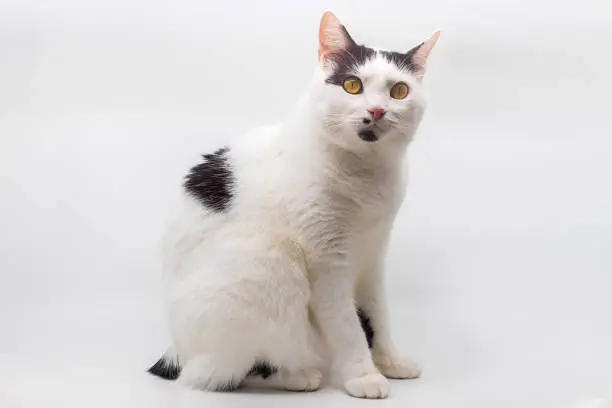
A genuine tailless Manx is born without a tail due to genetics.
Unlike cosmetic tail docking, which is a human-performed procedure, the Manx’s tailless appearance is entirely natural.
Can Two Tailless Cats Be Bred Together?
Responsible breeders generally avoid breeding two completely tailless (Rumpy) Manx cats together.
This pairing increases the likelihood of:
- Severe spinal abnormalities
- Manx Syndrome
- Non-viable embryos
- Neurological defects
Instead, experienced breeders select pairings that prioritize the health of future kittens over appearance alone.
Types of Manx Tails
Not every Manx has the same tail—or lack of one. The breed is classified into several tail types based on the number of tail vertebrae present.
Rumpy (Completely Tailless)
The Rumpy is the classic tailless Manx seen in photographs and cat shows.
Characteristics include:
- No visible tail
- Rounded hindquarters
- Smooth back profile
- Highly desirable in show competitions
Because the tailless gene is expressed most strongly in Rumpies, they also have the highest risk of inherited spinal abnormalities.
Rumpy Riser
A Rumpy Riser has one or two small vertebrae beneath the fur.
Characteristics include:
- Small bump at the base of the spine
- Usually invisible unless touched
- Accepted in many breed standards
- Lower health risk than some completely tailless cats
Stumpy
The Stumpy has a short but visible tail.
These cats often:
- Have several tail vertebrae
- Display excellent mobility
- Retain the classic Manx body shape
- Generally carry a lower risk of spinal complications than Rumpies
Longy
A Longy possesses a tail that is close to normal length.
Although they may not meet show standards for the tailless variety, Longies are still purebred Manx cats and share the breed’s affectionate temperament, intelligence, and playful personality.
Which Tail Type Is Most Valuable?
From a show perspective, the Rumpy is considered the most desirable because it best represents the traditional breed standard.
However, from a pet owner’s perspective, health and temperament are far more important than tail length. Many families happily choose Stumpy or Longy Manx cats, which often have a lower risk of spinal complications while retaining the breed’s lovable personality.
Physical Characteristics
The tailless Manx cat is instantly recognizable, not only because of its missing tail but also due to its compact, muscular build and rounded appearance. Every part of the breed’s body contributes to its unique look and athletic abilities.
Size
The Manx is considered a medium-sized cat with a sturdy frame.
Typical size includes:
- Medium height
- Broad chest
- Strong shoulders
- Compact body
- Rounded profile
Despite not being a giant breed, the Manx often feels heavier than it looks because of its dense muscles.
Weight
Average healthy weight:
| Gender | Weight |
|---|---|
| Male | 10–12 lbs (4.5–5.5 kg) |
| Female | 8–10 lbs (3.5–4.5 kg) |
Weight varies depending on age, activity level, and diet.
Muscular Body
Unlike slender breeds, the Manx has a powerful body built for agility.
Key features include:
- Broad chest
- Strong shoulders
- Thick neck
- Muscular legs
- Solid bone structure
This strength contributes to their impressive jumping ability.
Rabbit-Like Hind Legs
One of the breed’s most recognizable traits is its longer hind legs.
These give the Manx:
- A rabbit-like stance
- Powerful leaps
- Fast acceleration
- Characteristic hopping gait
Many owners affectionately compare their Manx to a rabbit because of the way it moves.
Rounded Appearance
Breed standards emphasize rounded features throughout the body.
These include:
- Rounded rump
- Rounded head
- Rounded cheeks
- Curved body lines
- Round eyes
This balanced appearance gives the breed its soft, charming look.
Head Shape
The head is:
- Broad
- Rounded
- Well-balanced
- Slightly wider than long
Strong cheeks become more noticeable in mature males.
Eyes
The Manx has large, expressive eyes that complement its friendly personality.
Eye colors commonly include:
- Gold
- Copper
- Green
- Blue
- Odd-eyed combinations (in some white cats)
Eye color often matches coat color.
Ears
Breed standards describe the ears as:
- Medium-sized
- Wide at the base
- Rounded tips
- Slightly tilted outward
Alert ears contribute to the breed’s curious expression.
Double Coat
Both short-haired and long-haired Manx cats possess a dense double coat.
The double coat consists of:
- Soft undercoat
- Protective outer coat
This provides insulation and gives the breed its plush appearance.
Coat Types
The Manx comes in two beautiful coat varieties.
Short-Haired Manx
The classic Manx has:
- Short coat
- Dense texture
- Glossy appearance
- Easy maintenance
Weekly brushing usually keeps the coat healthy.
Long-Haired Manx (Cymric)
The Cymric is essentially the long-haired version of the Manx.
Characteristics include:
- Silky medium-to-long coat
- Feathered legs
- Full neck ruff
- Fluffy breeches
- Plumed appearance (when tail is present)
Long-haired Manx cats require more frequent grooming.
Coat Texture
Regardless of length, the coat feels:
- Soft
- Thick
- Plush
- Weather-resistant
Healthy nutrition helps maintain coat quality.
Seasonal Shedding
The Manx sheds moderately throughout the year.
Heavier shedding often occurs:
- Spring
- Autumn
During these periods, brushing two or three times per week helps reduce loose hair.
Coat Colors and Patterns
The tailless Manx is available in an impressive variety of colors and patterns.
Black
Solid black Manx cats have glossy coats that highlight their muscular build.
White
White Manx cats appear elegant and occasionally have striking blue or odd-colored eyes.
Blue
Blue is a soft gray color that gives the coat a luxurious appearance.
Cream
Cream coats range from pale ivory to warm beige shades.
Red
Red (orange) Manx cats often display warm golden coloring.
Silver
Silver coats shimmer beautifully in natural light.
Tabby
Popular tabby patterns include:
- Classic
- Mackerel
- Spotted
- Ticked
Calico
Calico Manx cats combine:
- White
- Orange
- Black
Almost all are female.
Tortoiseshell
Tortoiseshell coats blend:
- Black
- Red
- Cream
Each pattern is unique.
Bicolor
Bicolor Manx cats combine white with another primary color.
Smoke
Smoke coats have light undercoats beneath darker outer hairs.
Solid
Solid-colored Manx cats display one consistent color throughout the body.
Tailless Manx Cat Personality
The Manx is admired just as much for its personality as its appearance.
Temperament
The breed is generally:
- Gentle
- Friendly
- Calm
- Curious
- Confident
Most Manx cats form strong relationships with their families.
Intelligence
The Manx is considered highly intelligent.
Many quickly learn:
- Household routines
- Feeding schedules
- Commands
- Puzzle toys
- Interactive games
Their intelligence makes training easier than with many other breeds.
Loyalty
Owners frequently describe the Manx as “dog-like.”
Many cats:
- Follow owners around
- Wait at the door
- Sleep nearby
- Enjoy family interaction
This loyalty makes them excellent companions.
Affection Level
Most Manx cats enjoy affection without being overly demanding.
They appreciate:
- Petting
- Lap time
- Gentle attention
- Interactive play
Playfulness
Despite their calm nature, Manx cats remain playful well into adulthood.
Favorite activities include:
- Chasing toys
- Fetch games
- Puzzle feeders
- Climbing
- Hunting games
Curiosity
The breed loves exploring.
Expect your Manx to investigate:
- New furniture
- Shopping bags
- Boxes
- Cabinets
- Open doors
Vocalization
The Manx is generally quieter than many breeds.
Most communicate through:
- Soft meows
- Chirps
- Purring
- Body language
Independence
Although affectionate, the breed can also entertain itself for short periods.
Providing toys and climbing spaces helps prevent boredom.
Hunting Ability
Historically, Manx cats were valued as excellent mousers.
Their natural hunting instincts remain strong today.
Many enjoy:
- Toy mice
- Feather wands
- Puzzle feeders
- Tracking games
Behavior Traits
The breed combines athleticism with an easygoing temperament.
Activity Level
The Manx enjoys regular activity without being excessively hyperactive.
Daily exercise keeps them:
- Physically fit
- Mentally stimulated
- Emotionally satisfied
Jumping Ability
Powerful hind legs allow impressive jumps.
Many easily leap onto:
- Shelves
- Cat trees
- Furniture
- Window perches
Climbing Skills
The Manx enjoys climbing.
Provide:
- Cat trees
- Wall shelves
- Window hammocks
- Climbing towers
These satisfy natural instincts.
Love of Water
Unlike many cats, some Manx show unusual interest in water.
They may enjoy:
- Watching running faucets
- Playing with dripping water
- Splashing in bowls
Not every individual shares this trait, but it is more common than in many breeds.
Social Behavior
Most Manx cats thrive on family interaction.
They generally:
- Welcome visitors after introductions
- Bond closely with owners
- Enjoy companionship
- Participate in family activities
Territorial Nature
Like most cats, the Manx appreciates having its own space.
Proper introductions help minimize territorial behavior when bringing home new pets.
Is a Tailless Manx Cat Good for Families?
In most cases, yes.
Their affectionate and adaptable nature makes them excellent companions for many different households.
With Children
The Manx is typically:
- Patient
- Gentle
- Playful
- Tolerant
Children should always be taught to handle cats respectfully.
With Seniors
Older adults often appreciate the breed’s:
- Calm temperament
- Moderate activity level
- Loyal companionship
- Quiet personality
With Singles
Single owners frequently enjoy the close bond that develops with a Manx.
Many cats become devoted companions who eagerly greet their owners after work.
With Multi-Pet Homes
When introduced gradually, Manx cats often adapt well to households with multiple pets.
Their social nature allows them to form positive relationships with both cats and friendly dogs.
Compatibility With Other Pets
The Manx generally coexists peacefully with other household animals.
Other Cats
Proper introductions usually lead to harmonious relationships.
Early socialization improves success.
Dogs
Many Manx cats live happily with respectful, cat-friendly dogs.
Slow introductions are essential.
Birds
Because of their strong hunting instincts, pet birds should always be kept securely housed and supervised around cats.
Small Pets
Rodents, rabbits, hamsters, and other small animals may trigger the Manx’s prey drive.
Separate housing and careful supervision are strongly recommended.
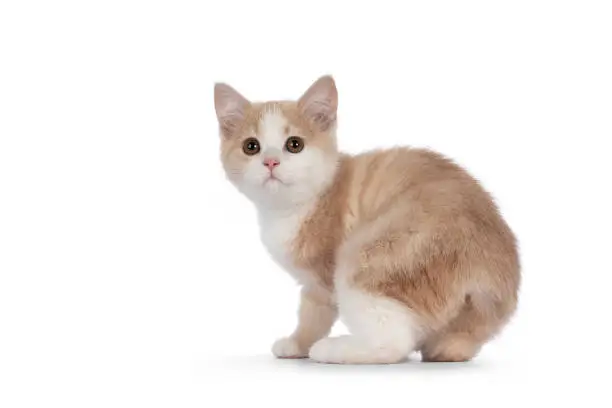
Lifespan of a Tailless Manx Cat
With proper care, many tailless Manx cats enjoy long and healthy lives.
Average Life Expectancy
The average lifespan is 12–16 years, although some well-cared-for cats live into their late teens.
Factors That Affect Lifespan
Several factors influence longevity:
- Genetics
- Diet
- Exercise
- Veterinary care
- Weight management
- Indoor living
- Dental health
Tips to Help Your Manx Live Longer
To maximize your cat’s lifespan:
- Feed a balanced diet.
- Schedule annual veterinary exams.
- Keep vaccinations current.
- Maintain a healthy weight.
- Encourage daily exercise.
- Brush regularly.
- Monitor for signs of spinal or mobility issues.
Health Problems
Although the tailless Manx cat is generally a hardy and healthy breed, its unique genetics can make it more susceptible to certain medical conditions. Responsible breeding and routine veterinary care greatly reduce these risks.
Manx Syndrome
The most well-known health issue affecting the breed is Manx Syndrome.
This inherited condition is linked to the same dominant gene responsible for the missing tail. In some cats, the mutation affects the development of the lower spine and spinal cord.
Possible signs include:
- Difficulty walking
- Weak hind legs
- Poor coordination
- Urinary incontinence
- Constipation
- Tail abnormalities
Not every tailless Manx develops this condition, and many live perfectly healthy lives.
Spinal Disorders
Some Manx cats may develop congenital spinal abnormalities such as:
- Missing vertebrae
- Fused vertebrae
- Spinal cord compression
- Nerve dysfunction
Early diagnosis can improve long-term management.
Arthritis
As Manx cats age, arthritis may develop, particularly if spinal abnormalities alter their posture or gait.
Common symptoms include:
- Stiffness
- Reduced activity
- Difficulty jumping
- Joint discomfort
Maintaining a healthy weight can help reduce joint stress.
Digestive Problems
Some affected cats may experience:
- Chronic constipation
- Reduced bowel control
- Digestive discomfort
A high-quality diet and adequate hydration often help support digestive health.
Urinary Issues
Neurological involvement may affect bladder function in some cats, leading to:
- Difficulty urinating
- Urinary incontinence
- Increased risk of urinary tract infections
Prompt veterinary attention is important if urinary problems are suspected.
Obesity
Because the Manx enjoys food and can become less active indoors, weight gain is a concern.
Obesity increases the risk of:
- Diabetes
- Joint strain
- Heart disease
- Reduced mobility
Daily exercise and portion control are key to prevention.
Preventive Veterinary Care
Routine veterinary care helps detect problems early.
Recommended preventive care includes:
- Annual wellness exams
- Vaccinations
- Parasite prevention
- Dental checkups
- Weight monitoring
- Orthopedic evaluations when needed
Understanding Manx Syndrome
Causes
Manx Syndrome is caused by the dominant Manx gene, which affects tail and spinal development during fetal growth.
Symptoms
Symptoms vary depending on severity and may include:
- Bunny-hopping gait
- Weak hind limbs
- Difficulty jumping
- Loss of bladder or bowel control
- Constipation
- Abnormal posture
Diagnosis
Veterinarians diagnose the condition using:
- Physical examination
- Neurological assessment
- X-rays
- CT scans
- MRI (for complex cases)
Treatment
Although there is no cure, treatment may include:
- Pain management
- Physical therapy
- Dietary adjustments
- Bladder management
- Surgery (selected cases)
- Long-term supportive care
Prevention
Responsible breeding remains the best preventive strategy.
Ethical breeders:
- Avoid risky breeding combinations
- Monitor kitten development
- Prioritize health over appearance
- Screen breeding cats whenever possible
Grooming and Care
The Manx is relatively easy to care for, but regular grooming keeps the coat healthy and reduces shedding.
Daily Care Routine
A healthy routine should include:
- Fresh water
- Balanced meals
- Interactive play
- Litter box cleaning
- Affection and social interaction
Grooming Schedule
| Coat Type | Brushing Frequency |
|---|---|
| Short-haired | Once or twice weekly |
| Long-haired (Cymric) | Three to four times weekly |
Bathing
Bathing is only needed occasionally or when recommended by your veterinarian.
Use a cat-safe shampoo and ensure the coat is thoroughly dried afterward.
Nail Trimming
Trim nails every 2–4 weeks to prevent overgrowth and protect furniture.
Ear Cleaning
Check ears weekly for:
- Wax buildup
- Dirt
- Redness
- Unpleasant odor
Clean only with veterinarian-approved products.
Dental Care
Healthy teeth contribute to overall well-being.
Aim to:
- Brush teeth several times per week
- Offer dental treats or toys
- Schedule professional dental cleanings when necessary
Feeding and Nutrition
A nutritious diet supports healthy muscles, joints, and overall health.
Nutritional Requirements
The Manx thrives on food rich in:
- High-quality animal protein
- Healthy fats
- Taurine
- Vitamins and minerals
- Omega-3 fatty acids
Best Diet
Choose premium cat food formulated for your cat’s:
- Age
- Activity level
- Weight
- Health status
Consult your veterinarian if your cat has special dietary needs.
Wet vs. Dry Food
| Wet Food | Dry Food |
| Higher moisture | Convenient storage |
| Supports hydration | Helps reduce plaque buildup |
| Often more palatable | Usually more economical |
Many owners feed a combination of both.
Feeding Schedule
General guidelines:
- Kittens: 3–4 meals daily
- Adults: 2 meals daily
- Seniors: Based on veterinary advice
Portion Sizes
Feed according to:
- Body weight
- Activity level
- Food manufacturer’s recommendations
- Veterinary guidance
Avoid overfeeding.
Healthy Treats
Suitable treats include:
- Freeze-dried meat
- Small cooked chicken pieces
- Commercial cat treats (in moderation)
Treats should make up no more than 10% of daily calories.
Foods to Avoid
Never feed:
- Chocolate
- Onions
- Garlic
- Grapes
- Raisins
- Alcohol
- Caffeine
- Xylitol
- Cooked bones
Exercise Requirements
The athletic Manx enjoys daily physical activity.
Daily Exercise
Aim for 20–40 minutes of active play each day.
Interactive Toys
Popular choices include:
- Feather wands
- Laser pointers (finish with a toy they can catch)
- Toy mice
- Ball tracks
Puzzle Feeders
Puzzle feeders encourage:
- Mental stimulation
- Slower eating
- Natural hunting behavior
Cat Trees
A sturdy cat tree provides:
- Climbing opportunities
- Exercise
- Resting areas
- Observation points
Indoor Activities
Indoor enrichment ideas:
- Window perches
- Hide-and-seek games
- Cardboard boxes
- Rotating toys
- Treat hunts
Training a Tailless Manx Cat
The Manx is intelligent and eager to learn.
Litter Box Training
Most kittens learn quickly with:
- Clean litter boxes
- Consistent placement
- Positive reinforcement
Clicker Training
Many Manx cats respond well to clicker training for:
- Sitting
- Targeting
- Coming when called
Teaching Tricks
They can learn:
- Fetch
- High five
- Spin
- Jump through hoops
- Touch commands
Harness and Leash Training
With patience, many Manx cats enjoy supervised outdoor walks using a properly fitted harness.
Correcting Bad Behavior
Avoid punishment.
Instead:
- Redirect unwanted behavior
- Reward positive actions
- Provide enrichment
- Maintain consistent routines
Indoor vs. Outdoor Living
Should They Stay Indoors?
Most veterinarians recommend keeping Manx cats indoors to protect them from:
- Traffic
- Predators
- Diseases
- Theft
- Injuries
Outdoor Risks
Outdoor dangers include:
- Parasites
- Poisonous plants
- Wildlife
- Fighting with other animals
Indoor Enrichment
Create an engaging environment with:
- Cat trees
- Puzzle toys
- Window perches
- Scratching posts
- Interactive play
Safe Outdoor Alternatives
Safer options include:
- Catios
- Secure gardens
- Harness walks
How Much Does a Tailless Manx Cat Cost?
| Expense | Estimated Cost (USD) |
| Pet-quality kitten | $800–$1,800 |
| Show-quality kitten | $1,800–$3,000+ |
| Adoption | $75–$300 |
| First-year expenses | $1,000–$2,500 |
| Monthly care | $50–$150 |
Prices vary by breeder, pedigree, location, and healthcare.
Where to Buy or Adopt a Tailless Manx Cat
Choosing a Reputable Breeder
Look for breeders who:
- Provide health records
- Allow visits
- Raise kittens indoors
- Offer health guarantees
- Answer questions openly
Breed-Specific Rescue Organizations
Many rescue groups occasionally have adult Manx cats available for adoption.
Adoption provides a loving home for cats in need.
Animal Shelters
Check local shelters and rescue organizations for Manx or Manx-mix cats.
Questions to Ask Breeders
Ask about:
- Parent health history
- Vaccinations
- Veterinary examinations
- Tail type
- Socialization
Warning Signs to Avoid
Avoid breeders who:
- Sell kittens too young
- Refuse veterinary records
- Keep cats in poor conditions
- Cannot explain genetic health concerns
Tailless Manx Cat vs Other Breeds
| Feature | Manx | Cymric | Japanese Bobtail | American Bobtail |
| Tail | None to short | None to short | Short pom-pom | Naturally short |
| Coat | Short | Long | Short/Long | Short/Long |
| Grooming | Moderate | High | Moderate | Moderate |
| Personality | Loyal | Gentle | Outgoing | Friendly |
| Health Concern | Manx Syndrome risk | Similar | Few tail-related issues | Generally healthy |
Pros and Cons of Owning a Tailless Manx Cat
| Pros | Cons |
| Loyal companion | Genetic health concerns |
| Highly intelligent | Can be expensive |
| Great family pet | Risk of Manx Syndrome |
| Playful and affectionate | Requires regular veterinary care |
| Excellent hunter | Needs mental stimulation |
Interesting Facts About the Tailless Manx Cat
Fun Facts
- The Manx often behaves more like a dog than a typical cat.
- Many enjoy playing fetch.
- Their rabbit-like hop is caused by longer hind legs.
Historical Facts
- The breed has existed for hundreds of years.
- It originated naturally on the Isle of Man.
World Records
The Manx is among the world’s oldest naturally occurring cat breeds and is one of the few recognized for its naturally tailless appearance.
Famous Manx Cats
The Manx has appeared in books, television, and cat shows worldwide, contributing to its enduring popularity.
Myths vs Facts
| Myth | Fact |
| All Manx cats have no tail. | Some have short or nearly full-length tails. |
| Every Manx has health problems. | Many are perfectly healthy. |
| They cannot jump well. | They are excellent jumpers. |
| They are wild cats. | They are affectionate domestic companions. |
Frequently Asked Questions (FAQs)
Why do some Manx cats have no tail?
A naturally occurring dominant genetic mutation affects tail development before birth.
Are all Manx cats completely tailless?
No. Tail lengths range from completely absent (Rumpy) to nearly full-length (Longy).
Are tailless Manx cats rare?
Yes. Completely tailless Rumpy Manx cats are less common than Manx cats with partial tails.
Do tailless Manx cats have health problems?
Most are healthy, but some may develop inherited spinal conditions such as Manx Syndrome.
What is Manx Syndrome?
A congenital condition affecting the spine and nervous system in some Manx cats.
Are tailless Manx cats affectionate?
Yes. They are known for their loyalty, gentle temperament, and close bonds with their families.
Are they good with children?
Generally, yes. They are patient and playful when treated respectfully.
Do they get along with dogs?
Many do, especially if introduced gradually to calm, cat-friendly dogs.
Can tailless Manx cats jump normally?
Yes. Their powerful hind legs make them exceptional jumpers.
How long do tailless Manx cats live?
With proper care, many live 12–16 years or more.
Are they hypoallergenic?
No. They are not considered hypoallergenic, although some individuals may produce fewer allergens than others.
How much does a tailless Manx cat cost?
Expect to pay $800–$3,000+ from a reputable breeder, depending on pedigree and quality.
Can they be indoor-only cats?
Absolutely. Indoor living is generally the safest option and helps protect them from injury and disease.
Are tailless Manx cats easy to train?
Yes. Their intelligence and eagerness to interact make them highly trainable using positive reinforcement.
Conclusion
The tailless Manx cat is a truly remarkable breed, admired for its naturally missing tail, muscular body, rabbit-like movement, and loyal personality. Beyond its distinctive appearance, the Manx is an intelligent, affectionate companion that thrives in many different households, from families with children to single owners and seniors.
While the breed’s unique genetics contribute to its charm, they also require responsible ownership. Understanding potential health concerns—particularly Manx Syndrome—and choosing a reputable breeder or rescue organization are essential steps toward welcoming a healthy cat into your home.