Why Is My Cat Breathing Fast? A Caring Owner’s Guide
You’re curled up on the couch, and your cat, Whiskers, hops up to join you. As she settles into a purring loaf on your lap, you notice something that makes you pause. Her tiny chest is moving up and down much too quickly. Is she just dreaming of chasing mice, or is something wrong? That sudden knot of worry in your stomach is something every pet parent knows all too well.
Why Is My Cat Breathing Fast? Noticing a change in your cat’s breathing can be scary. While a quick breath after a crazed zoomie session is totally normal, understanding the difference between that and a potential sign of illness is crucial for any cat owner. Our feline friends are masters at hiding discomfort, so their breathing is often one of the first visible clues they give us that something might be off.
In this guide, we’ll walk through everything you need to know—from what’s perfectly ordinary to what warrants a speedy call to the vet. Let’s demystify your cat’s rapid breathing together.
So, What Does Normal Even Look Like?
First things first, let’s establish a baseline. Cats are naturally petite, and their metabolic engines run hotter than ours. Because of this, their normal breathing rate is naturally faster.
A healthy, relaxed cat will take between 20 and 30 breaths every minute. To put that in perspective, while you take about one breath, your cat is taking three or four!
Why Is My Cat Breathing Fast? Here’s a simple way to check your cat’s breathing rate at home:
- Wait until your kitty is completely at rest or sleeping soundly. Don’t try to count after playtime; that’s like checking your heart rate after a sprint!
- Set a timer for 30 seconds.
- Gently watch the rise and fall of their chest or side. One full rise and fall counts as a single breath.
- Multiply the number of breaths you counted by two. That’s their breaths per minute (BPM).
A quick tip: Why Is My Cat Breathing Fast? If your cat is purring loudly, it can be tricky to tell. Purring often involves steady muscle movements that can look like breathing. Try to watch for the deeper, slower movements of actual respiration between the purrs.
The Many Reasons Behind the Rapid Ribs
Okay, so you’ve counted, and the number seems high. Don’t panic just yet. The reasons for a cat breathing fast—a condition vets call tachypnea—range from “no big deal” to “get to the ER now.” Context is everything.
The “Probably Okay” Category
Why Is My Cat Breathing Fast? Sometimes, the cause is simple and temporary.
- Stress & Anxiety: Did a strange dog just bark outside? Are you vacuuming? Or maybe you just got back from a trip. Cats are creatures of habit, and stress can make their hearts race and their breathing quicken. This should settle down once the scary thing is gone.
- Feeling the Heat: If your house is particularly warm or your cat was basking in a sunbeam, they might breathe faster to cool down. Just like us, they can get a little overheated.
- Post-Play Panting: Yes, cats can pant! After an intense play session, you might see your cat with their mouth open, breathing rapidly. It’s their way of catching their breath and cooling off. It should only last for a minute or two.
The “Red Flag” Emergencies
Why Is My Cat Breathing Fast? This is when fast breathing is a sign of a serious medical problem. The key is to look for other symptoms alongside the rapid breaths.
- Heart Disease: This is a big one. Conditions like hypertrophic cardiomyopathy (a thickening of the heart muscle) can lead to fluid building up in or around the lungs. This makes it incredibly hard for a cat to get enough oxygen, so they breathe faster to try and compensate. Look for accompanying signs like lethargy, coughing, or even a bluish tint to the gums.
- Feline Asthma: Think of it like an asthma attack in humans. An allergen (like dust, pollen, or smoke) triggers inflammation and a constriction of the airways. Your cat might be wheezing, coughing (often mistaken for trying to hack up a hairball), and breathing with obvious effort.
- Infections: A nasty upper respiratory infection (a “cat cold”) or pneumonia can fill the airways with mucus, making breathing a struggle.
- Pain or Trauma: If your cat is in pain from an injury you can’t see (like a pulled muscle or internal issue) or is in shock, rapid, shallow breathing is a common response.
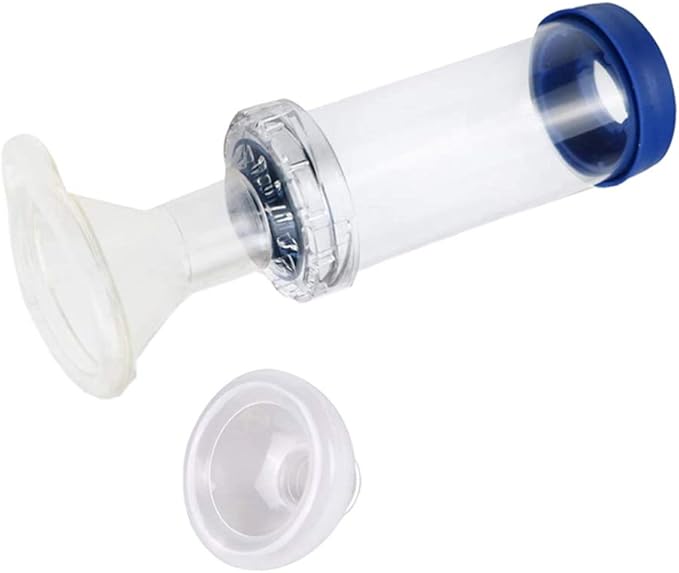
Cat Inhaler Spacer
Cat Inhaler Spacer – 2 Mask Sizes for Giving Medicine to Your Pet-Helps Cat with Breathing & Delivering Medication Fits
To help you quickly assess the situation, here’s a breakdown of common causes:
| Cause | What You Might See | What to Do |
|---|---|---|
| Stress/Anxiety | Hiding, tense body, dilated pupils. Breathing calms after the stressor is gone. | Monitor. Provide a quiet, safe space. |
| Heat/Exertion | Panting, resting after play. Resolves quickly. | Offer water and a cooler location. |
| Heart Disease | Lethargy, coughing, loss of appetite, blue-tinged gums. | Seek emergency vet care immediately. |
| Asthma Attack | Wheezing, coughing, hunched posture with neck extended. | Can be an emergency. Call your vet. |
| Respiratory Infection | Sneezing, nasal discharge, goopy eyes, coughing. | Schedule a vet appointment soon. |
When That Gut Feeling Says “GO TO THE VET”
You know your cat better than anyone. Trust your instincts. However, certain signs are clear indicators that you need professional help right away.
- Labored Breathing: This is different from just fast breathing. Look to see if your cat’s belly is moving dramatically in and out with each breath, or if they are using their abdominal muscles to push air out. Their elbows might be sticking out away from their body, or their neck might be stretched forward.
- Blue-Grey Gums or Tongue: This is a major red flag for a lack of oxygen and is a true medical emergency.
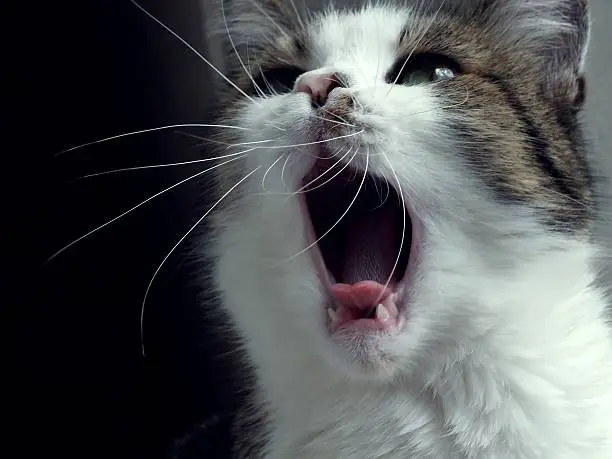
- Open-Mouth Breathing: While normal for dogs, if a cat is sitting with their mouth open and breathing heavily while at rest, it’s a sign of severe respiratory distress.
- Lethargy or Hiding: If the fast breathing is combined with your cat being unusually quiet, weak, or hiding in obscure places, something is very wrong.
- Fast Breathing While Sleeping: A cat’s respiratory rate often drops when they’re in a deep sleep. If it’s consistently fast even when they’re totally asleep, it’s a more reliable indicator of a potential problem like early heart disease than when they’re awake and alert.
Why Is My Cat Breathing Fast? A special note for flat-faced breeds: Persians, Himalayans, and other brachycephalic cats have smushed facial structures that naturally make breathing more difficult. They are more prone to respiratory issues, so owners need to be extra vigilant.

Becoming Your Cat’s Breathing Detective
Keeping a casual eye on your cat’s normal habits is one of the most powerful things you can do for their health. You don’t need to count their breaths every day, but it’s a great idea to get a sense of their normal resting rate when they are healthy.
Why Is My Cat Breathing Fast? If you’re concerned, start a simple log. Jot down:
- When you noticed the fast breathing (time of day).
- What was happening before (playing, sleeping, etc.)?
- How long did the episode last?
- What did it look like? (fast and shallow, or deep and labored?)
- Any other symptoms? (coughing, sneezing, not eating?)
This information is pure gold for your veterinarian. It turns a vague “she’s breathing funny” into a detailed history that can drastically speed up diagnosis.
How Vets Get to the Bottom of It
If you bring your cat in for rapid breathing, the vet’s first goal is to stabilize them if they’re in distress. This might mean giving them oxygen in a special cage.
Then, the detective work begins. The vet will start with a thorough physical exam, listening closely to their heart and lungs with a stethoscope. From there, they will likely recommend diagnostic tests, which are crucial for finding the root cause. These can include:
- Bloodwork: To check for infections, anemia, or problems with internal organs.
- X-rays (radiographs): This is often the most important tool. It lets the vet see the size and shape of the heart, look for fluid in the lungs, check the airway for signs of asthma, or see if there’s a foreign object.
- Ultrasound: An echocardiogram (an ultrasound of the heart) is the best way to definitively diagnose heart disease and see how well the heart is functioning.
From Diagnosis to Treatment: There’s Always a Path Forward
Why Is My Cat Breathing Fast? The treatment depends entirely on the diagnosis. There’s no one-size-fits-all answer.
- In an emergency, the immediate focus is on providing oxygen, removing fluid from the chest if necessary (a procedure called thoracocentesis), and using medications to stabilize the condition.
- For asthma, treatment involves long-term management with steroids to reduce inflammation and sometimes inhalers (yes, they have inhalers for cats!).
- Heart disease is managed with medications that help remove excess fluid from the body and make it easier for the heart to pump.
- Infections are treated with antibiotics or other medications.
Treatment also extends to life at home. Your vet might recommend:
- Stress Reduction: Using pheromone diffusers (like Feliway), providing safe hiding spots, and maintaining a routine.
- Weight Management: Helping an overweight cat shed a few pounds can take tremendous strain off their heart and lungs.
- Environmental Changes: For asthmatic cats, this means reducing dust, avoiding scented litters, and not using aerosol sprays or air fresheners around them.

Animal Essentials Breathe EZ for Dogs & Cats
Animal Essentials Breathe EZ for Dogs & Cats – Pet Respiratory Support Supplement, Clear & Easy Breathing, Healthy Respiration – 1 Fl Oz
What the Vet Does: A Look Inside the Diagnostic Process
So, you’ve made the decision to take your cat to the vet. It’s a stressful time, and it can feel like things are moving in a blur. Understanding what the vet is looking for can help demystify the process and make you feel more like a partner in your cat’s care.
Why Is My Cat Breathing Fast? The moment you arrive, the veterinary team will perform a quick visual triage. If your cat is showing any signs of severe distress—like open-mouth breathing or pale gums—they might be whisked away to an oxygen cage immediately. This isn’t to alarm you; it’s the fastest way to stabilize them so they can handle the stress of the exam.
Once your cat is stable, the vet will want to hear your story. This is where your at-home detective work becomes invaluable. Telling them, “Her breathing has been around 50 breaths per minute even when she’s napping, and she coughed twice last night,” is far more helpful than a general “she’s breathing funny.” Be sure to mention any recent changes, no matter how small—a new cleaning spray, a houseguest, or a different brand of food.
Why Is My Cat Breathing Fast? The hands-on exam is next. The vet will:
- Listen intently to the heart and lungs. They’re listening for murmurs, crackles (which can suggest fluid), or wheezes (a sign of constricted airways).
- Check gum color. Nice pink gums are a good sign. Pale, white, bluish, or muddy-colored gums point to serious problems like anemia, poor oxygenation, or poor circulation.
- Take their temperature. A fever can indicate an infection, while a low temperature can signal shock.
- Feel the pulse and assess for signs of dehydration.
Why Is My Cat Breathing Fast? Based on this exam, the vet will recommend next steps. It’s completely normal to feel anxious about diagnostics, but they are the only way to move from a guess to a definitive answer.
Common Diagnostic Tests and What They Tell Us
- Bloodwork: The Story Teller. A complete blood count (CBC) and chemistry panel are like running a full systems check. The CBC can reveal infection (high white blood cells) or anemia (low red blood cells). The chemistry panel checks organ function, like the kidneys and liver, which can sometimes cause secondary issues that affect breathing.
- X-Rays: The Big Picture. Radiographs are arguably the most critical tool for breathing issues. They allow the vet to see the landscape of your cat’s chest. They can check:
- Heart size and shape: Is the heart enlarged, suggesting disease?
- The lungs: Are they clear and black (full of air), or are there hazy patterns suggesting fluid, inflammation (asthma), or infection (pneumonia)?
- The airway: Is there an obvious obstruction or mass?
- Pleural space: Is there fluid surrounding the lungs that needs to be drained?
- Ultrasound: The Inner Workings. If the X-ray suggests a heart problem or a mysterious mass, an ultrasound is the next step. An echocardiogram (an ultrasound of the heart) is performed by a specialist. It shows the heart beating in real-time, allowing the vet to measure wall thickness, check valve function, and see how effectively it’s pumping blood. It’s the gold standard for diagnosing specific types of heart disease.
Why Is My Cat Breathing Fast? The goal of all this is to paint a complete picture. It might feel like a lot, but each test eliminates possibilities and brings you closer to a clear treatment plan.
Navigating Treatment: From Emergency Care to Daily Management
Hearing a diagnosis can be overwhelming, but it’s also the first step toward helping your cat feel better. Treatments vary wildly depending on the root cause, but they generally fall into two categories: immediate crisis care and long-term management.
In the Emergency Room
Why Is My Cat Breathing Fast? For a cat in severe respiratory distress, the first few hours are critical. The focus is on supportive care:
- Oxygen Therapy: This is the number one priority. Cats are placed in a quiet oxygen cage, which delivers high levels of oxygen directly to them, making every breath they take more effective and reducing their panic.
- Thoracocentesis: If X-rays reveal fluid around the lungs (pleural effusion), the vet will perform this procedure. Using a small needle, they carefully drain the fluid from the chest cavity. The relief is often immediate and dramatic—the cat can finally take a deep breath again. The fluid is then sent to a lab for analysis to determine its cause.
- IV Fluids and Medications: Medications to reduce inflammation (steroids) or help the heart work more efficiently (diuretics to remove fluid) are often given intravenously for fast action. Fluids are administered carefully, as too much can worsen heart-related breathing issues.
Long-Term Strategies for a Healthier Life
Why Is My Cat Breathing Fast? Once the immediate crisis has passed, the work of managing the condition begins. This is a partnership between you and your vet.
- For Heart Disease: This is often managed with daily oral medications. Diuretics like furosemide (“Lasix”) help the body expel excess fluid, preventing it from building up in the lungs. Other medications like ACE inhibitors or beta-blockers help the heart itself work with less effort. This requires regular check-ups to monitor kidney function and adjust dosages.
- For Feline Asthma: The goal is to reduce inflammation in the airways. Many cats do wonderfully with a steroid inhaler used with a special chamber made for cats (like the AeroKat chamber). It delivers medication directly to the lungs, which has fewer side effects than long-term oral steroids. For acute attacks, a bronchodilator inhaler can be used to quickly open up the airways.
- For Infections: A course of antibiotics or antivirals will be prescribed. It’s crucial to give the entire course, even if your cat seems better after a few days.
- For Pain: If pain is the underlying trigger, managing that pain with safe prescribed medications will resolve the breathing issue.
Why Is My Cat Breathing Fast? Your role at home is just as important. This includes:
- Giving Medication Faithfully: Set phone reminders or pair pill-giving with a favorite treat to make it a smoother experience for everyone.
- Creating a Low-Stress Home: Predictability is calming for cats. Keep their routine consistent and provide high perches and hiding places.
- Monitoring Weight: Help your cat stay slim. Extra weight puts physical pressure on the chest and abdomen, making it harder to breathe.
- Avoiding Triggers: For asthmatic cats, switch to a low-dust, unscented litter. Avoid smoking indoors, using fireplaces, or spraying aerosols like perfume or air freshener near them.
Why Is My Cat Breathing Fast? Seeing your cat through a breathing scare can be a bonding experience. Your vigilant care and commitment to their treatment plan are what will give them the best quality of life.
Prevention: Your Day-to-Day Role in Your Cat’s Respiratory Health
While not every cause of fast breathing is preventable, a huge part of keeping your cat healthy is about the daily habits and the environment you create. Think of it as building a foundation of wellness that makes them more resilient. It’s less about a single big action and more about a series of small, thoughtful choices.
1. Master the Art of the Chill. Cats thrive on routine and quiet. Sudden changes can trigger stress-induced tachypnea. To create a zen den for your feline:
- Provide safe, high hiding spots like a cat tree or a cleared-off shelf.
- Use synthetic feline pheromone diffusers (like Feliway) during known stressful events—moving, introducing a new pet, or even during fireworks season. These release calming chemicals that are undetectable to humans.
- Keep their resources (food, water, litter boxes) in quiet, low-traffic areas of the house.
2. Become a Portion Control Pro. This is one of the most impactful things you can do. Obesity doesn’t just make your cat cuddly; it puts literal crushing pressure on their chest and diaphragm, making every breath a workout. It also dramatically increases the risk of heart disease. Work with your vet to determine your cat’s ideal weight and the right amount of food to get there. Use a measuring cup, not guesswork!
3. Make the Litter Box a Breathing-Friendly Zone. For any cat, but especially those with asthma or sensitivities, dust from clay litter can be a major irritant. It gets kicked up, inhaled, and can trigger inflammation and wheezing. Making the switch to a low-dust, unscented litter made from paper, wood, or silica crystals can make a world of difference. Your cat’s lungs (and their sense of smell) will thank you.
4. Become a Vigilant Noticer. The best prevention is early detection. Weaving a little observation into your daily routine is your greatest tool. You don’t need to be clinical about it. Just pay attention during your normal cuddle time. Is their breathing calm? Are they eating with their usual gusto? Is their energy level normal? You’re the one who knows what “normal” is for your cat, so you’ll be the first to spot the subtle shifts that signal a problem.
5. Never Underestimate a Yearly Check-Up. Even if your cat seems perfectly healthy, that annual vet visit is non-negotiable. For senior cats (age 7+), twice-yearly checks are even better. This is your vet’s chance to listen to their heart and lungs with a stethoscope before a problem becomes a crisis. They might catch the earliest whisper of a heart murmur—something you’d never detect at home—and can start monitoring or treatment early, often extending your cat’s life and quality of life significantly.

Your Questions, Answered
Why Is My Cat Breathing Fast? Let’s tackle some of the most common questions that swirl in a pet owner’s mind when they see their cat breathing fast.
Q: My cat is breathing fast but is otherwise acting totally normal—playing, eating, and purring. Should I be worried?
A: This is a classic head-scratcher. It’s probably okay, especially if it’s brief and you can link it to a cause like a recent play session or a momentary scare. The key is the “otherwise normal” part. Keep a close eye on them. If the fast breathing persists for more than an hour or keeps happening off and on for a day, it’s worth calling your vet to describe what you’re seeing. It could be the earliest sign of something that needs checking out.
Q: Can cats pant like dogs to cool down?
A: They can, but it’s not nearly as common or efficient for them as it is for dogs. You might see a brief pant after intense play or on a very hot day. It should be short-lived. If your cat is panting while completely at rest, especially with an open mouth, it is not normal and is a sign they are working extremely hard to breathe. This is a vet emergency.
Q: Is it true that purring can help cats breathe better?
A: This is a fascinating area of study! Some research suggests the frequency of a cat’s purr (around 25-150 Hz) can promote healing, reduce pain and inflammation, and even improve bone density. It’s possible that the vibrations could have some soothing effect on their respiratory system, but this is not a proven medical treatment. Never rely on purring to solve a breathing problem. View it as a potential comforting bonus, not a cure.
Q: My cat breathes fast at the vet but not at home. Is that normal?
A: Absolutely. This is almost always a classic case of “white coat syndrome.” The car ride, the strange smells, the barking dogs, and the scary exam table are hugely stressful for most cats. This stress-induced fast breathing should resolve soon after you bring them back into the comfort of home. To help, ask your vet about anti-anxiety medications for travel and use a carrier that opens from the top for easier, less stressful exams.
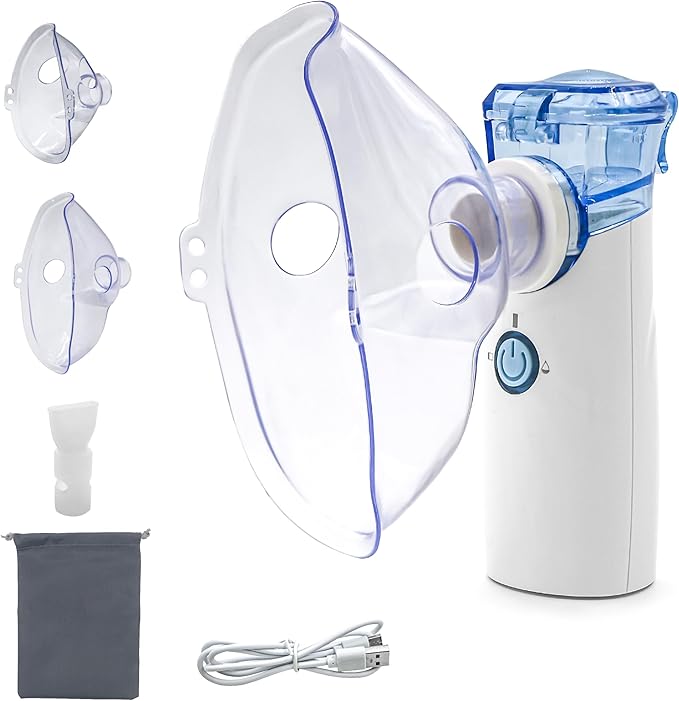
Portabe Cat Nebulizer,Handheld Nebulizer
Portabe Cat Nebulizer,Handheld Nebulizer of Cool Mist for Dog Pets, USB Rechargeable Veterinary Nebulizer,Steam Inhaler for Home Office Use for Breathing Problems,Animal Use
A Final Word from One Cat Lover to Another
Noticing a change in your cat’s breathing is terrifying. That tightness in your chest, the frantic Googling, the fear of the unknown—it’s the price we pay for loving them so much. But now, you’re armed with more than just fear; you’re armed with knowledge.
Why Is My Cat Breathing Fast? You know what’s normal. You can spot the red flags. You have a plan for how to monitor at home and what to tell the vet. Remember, you are not being paranoid or a “helicopter pet parent.” You are being observant and caring. In the world of feline health, where they can’t tell us what’s wrong, our observation is their voice.
When that worry strikes, take a deep breath yourself. Assess the situation calmly. Look at the whole picture: their energy, their gums, their behavior. And never, ever feel silly for calling your vet. It’s always better to have a false alarm than to wait too long.
Why Is My Cat Breathing Fast? Your vigilance is a gift of love to your feline friend. It’s what gives them the best chance at a long, healthy, and happy life by your side, filled with all the slow, content breaths a cat could ever hope for.